















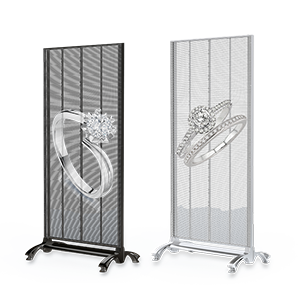
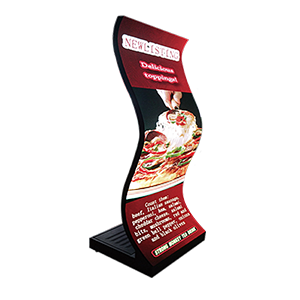







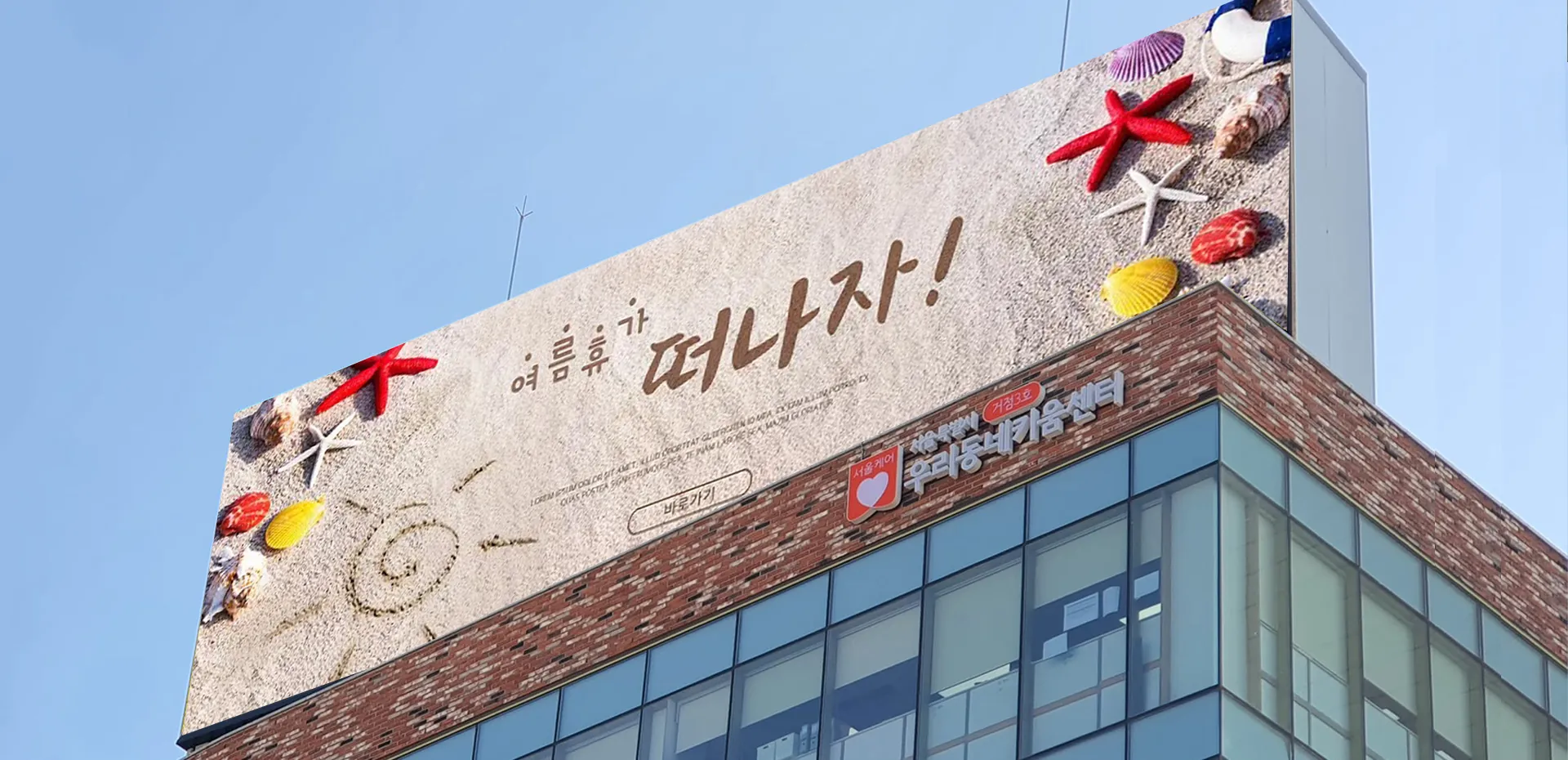
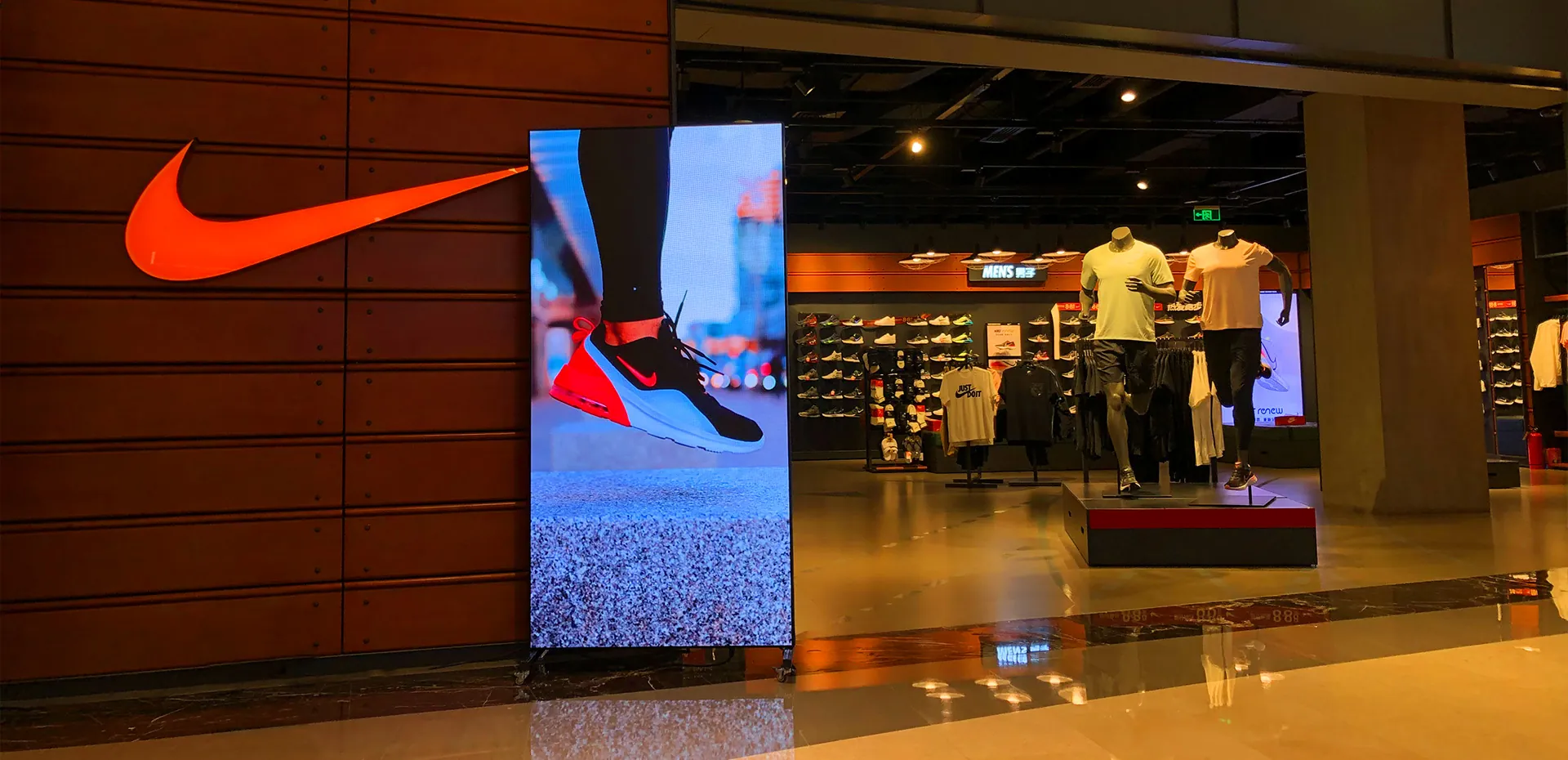
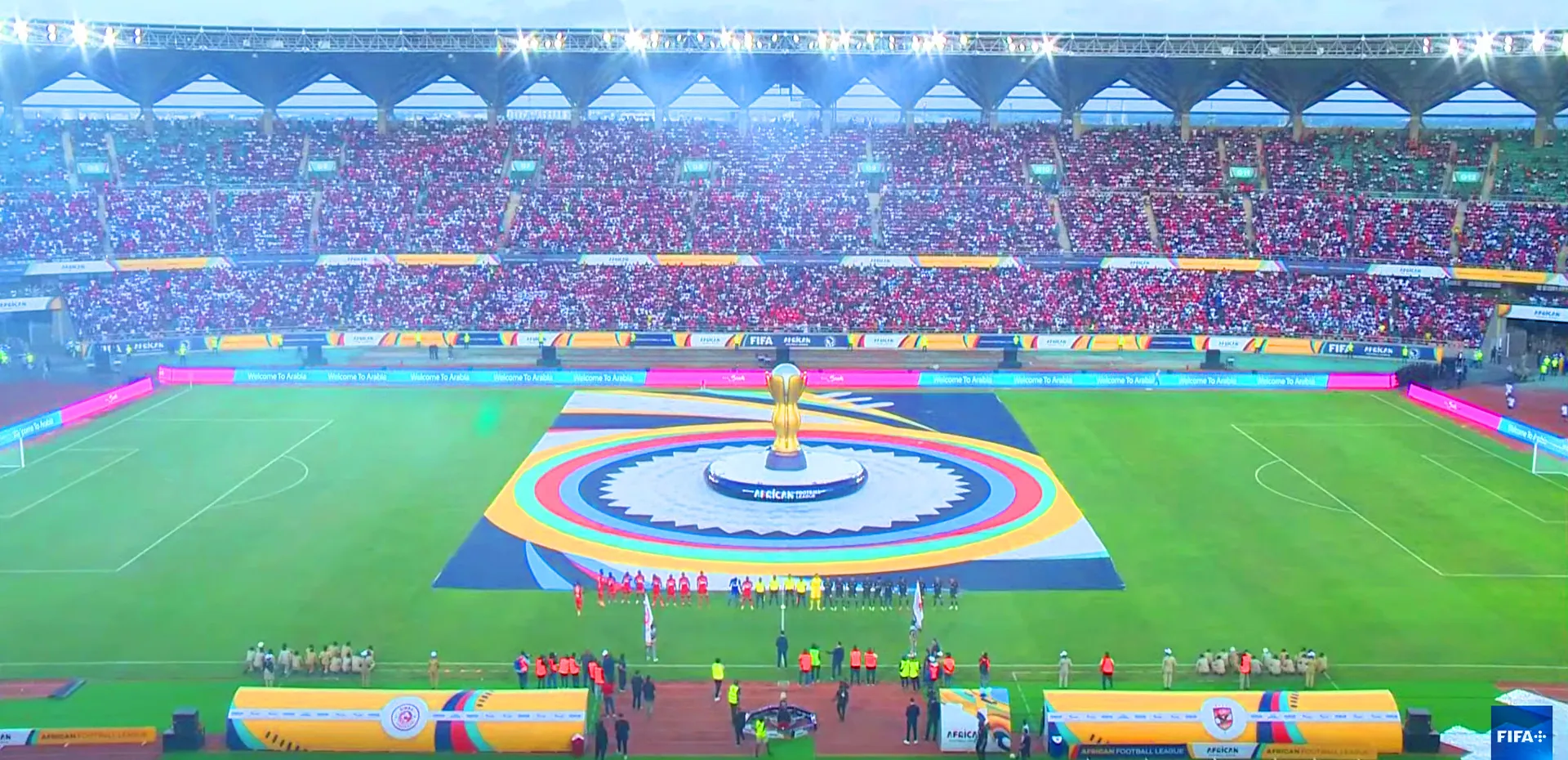
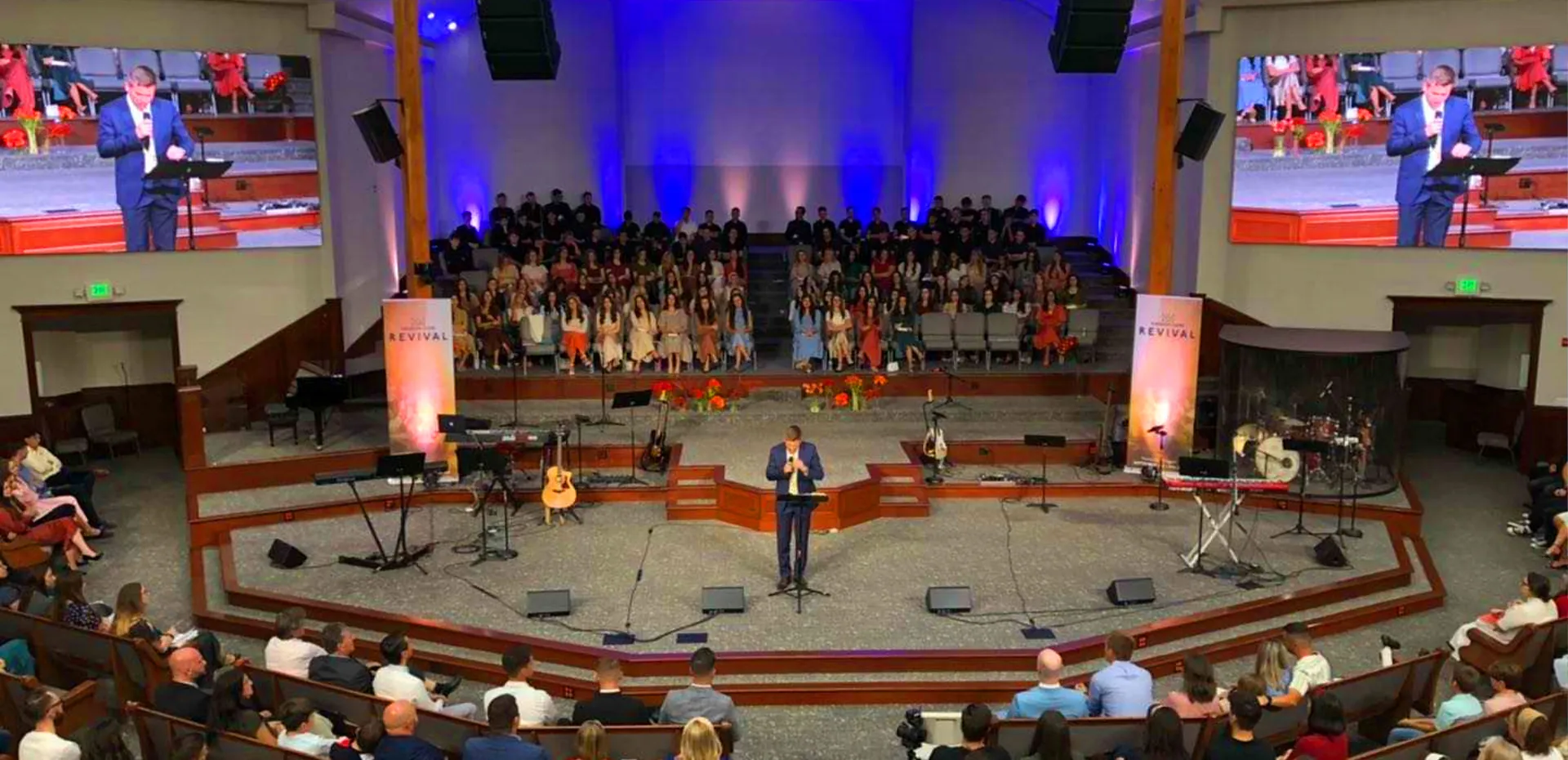
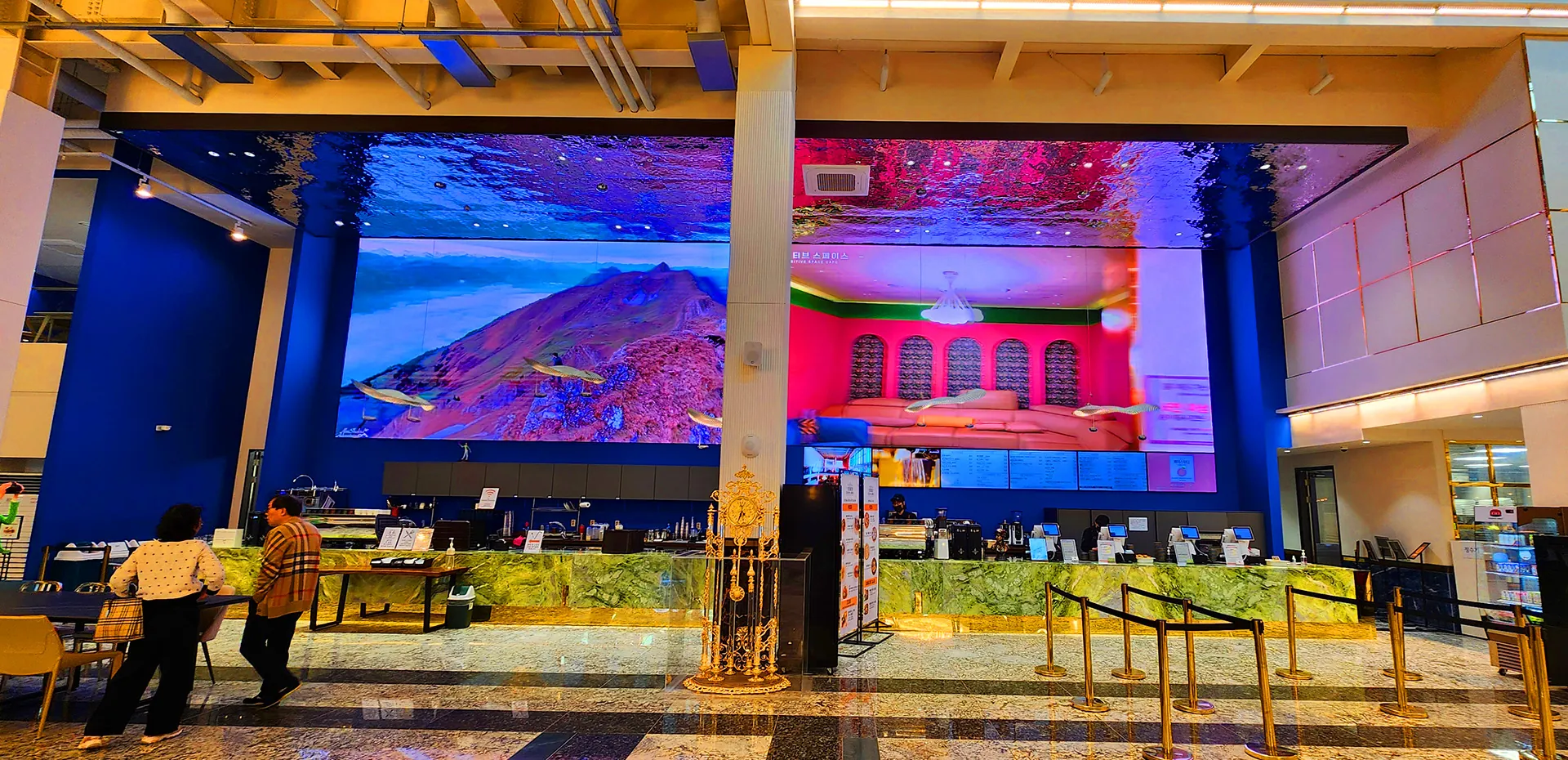
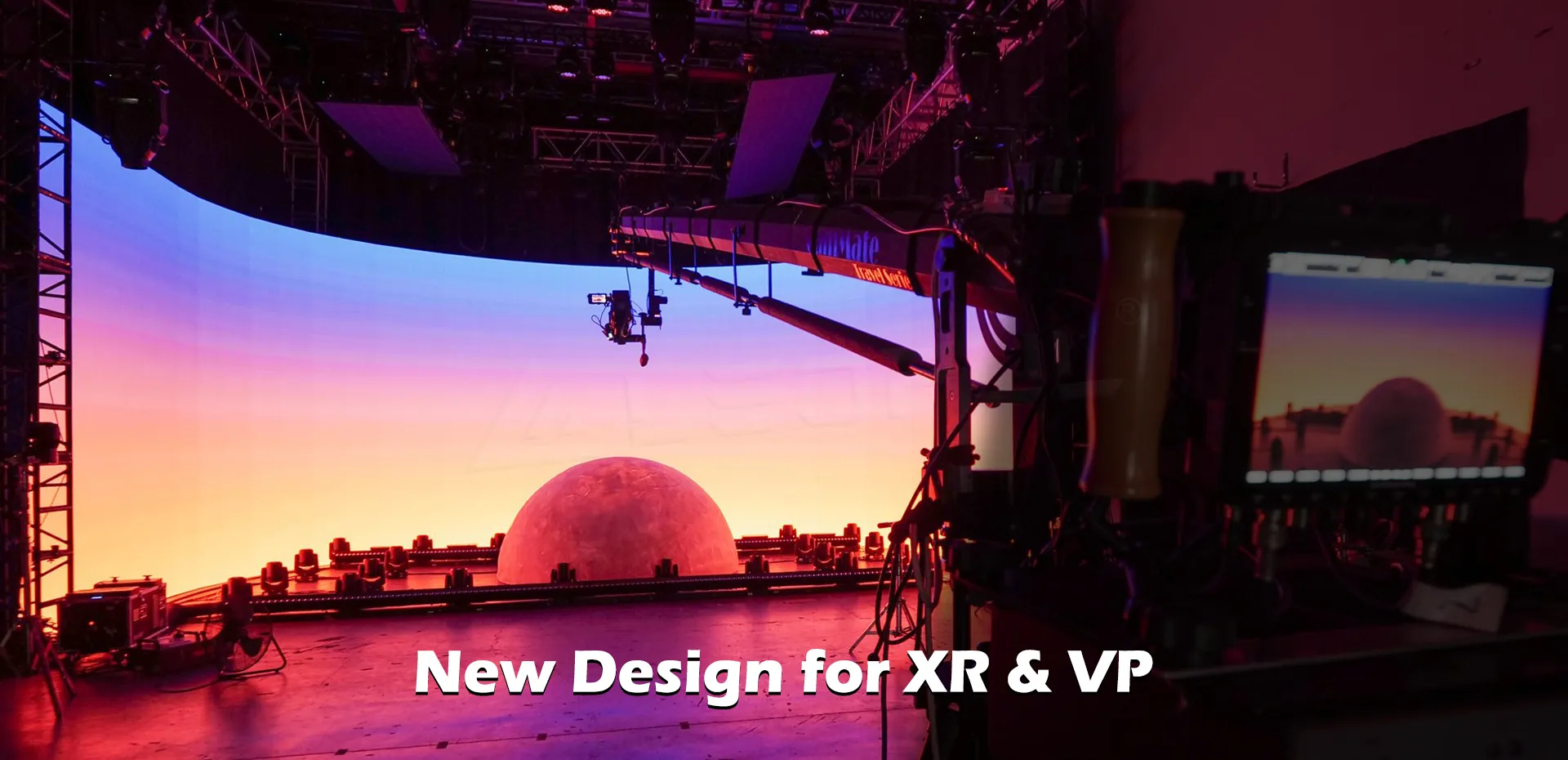

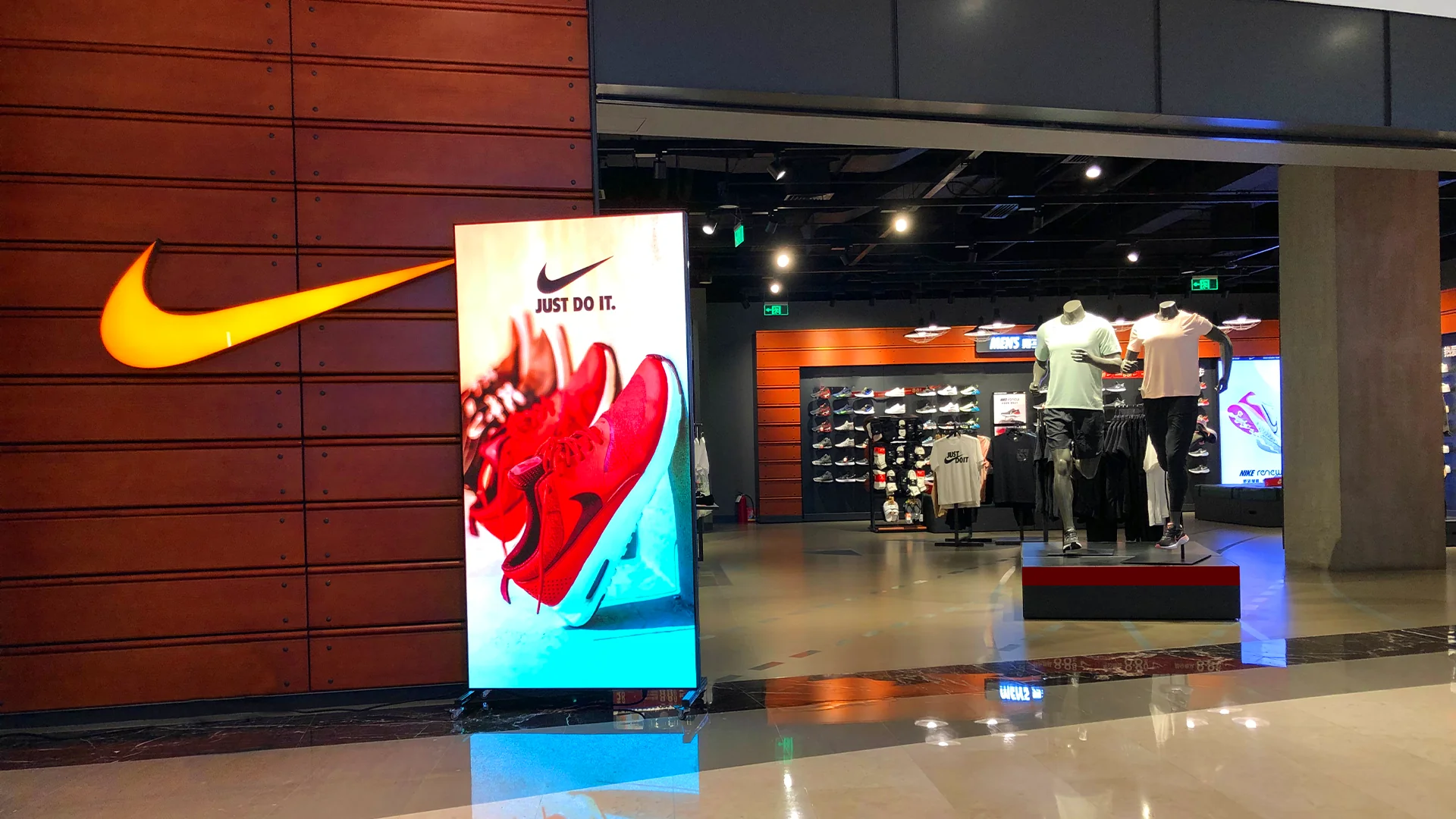
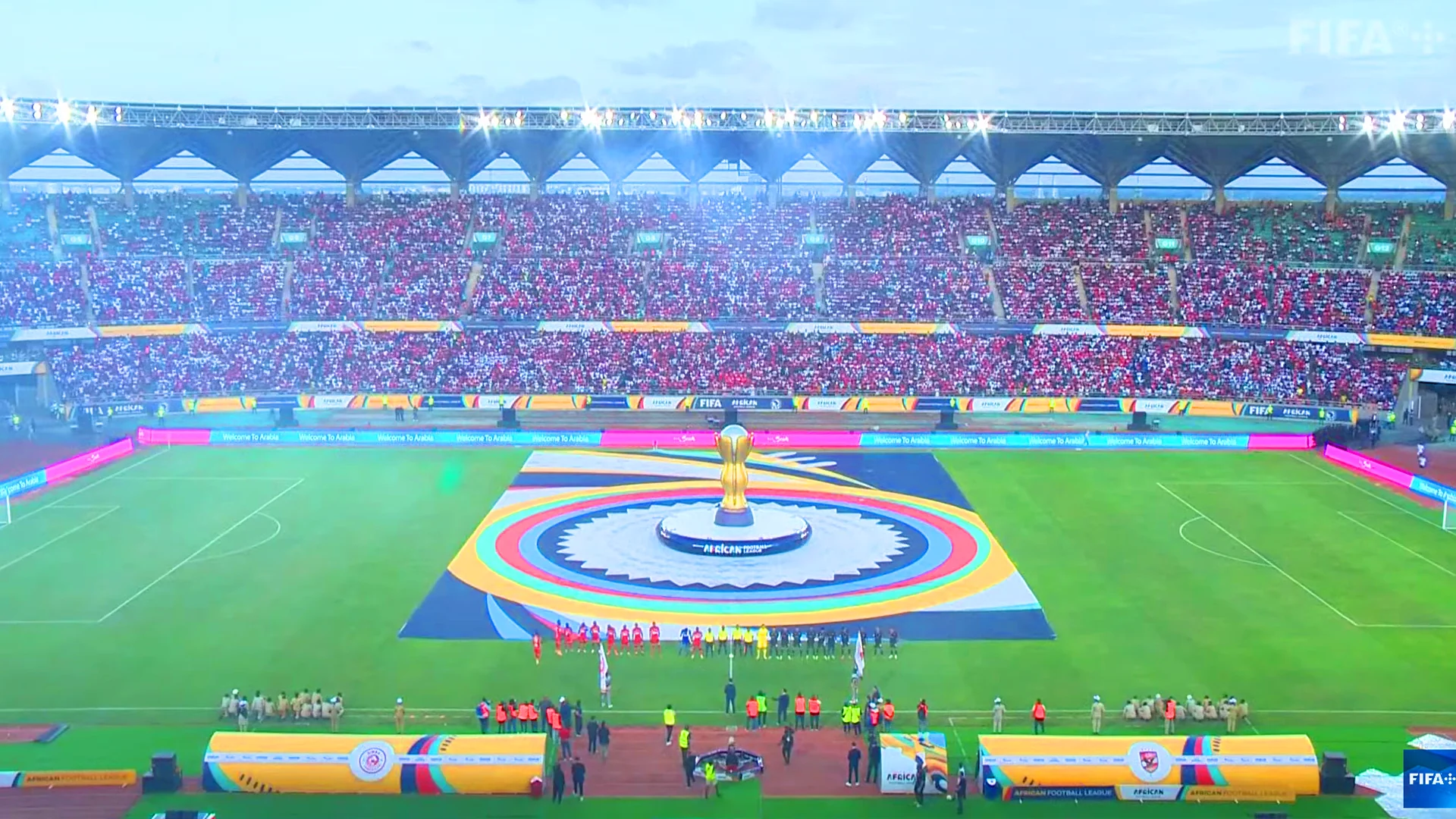
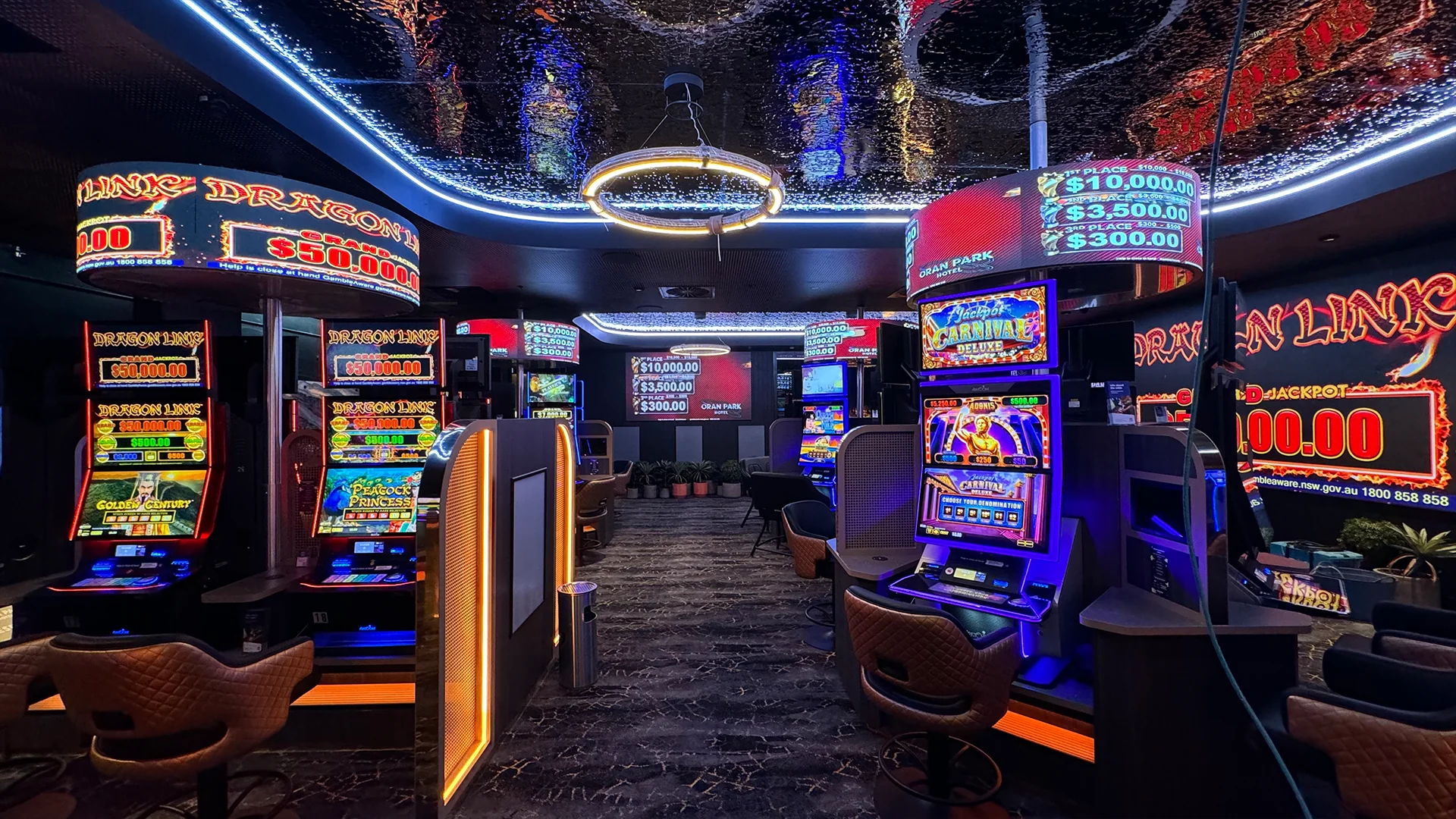
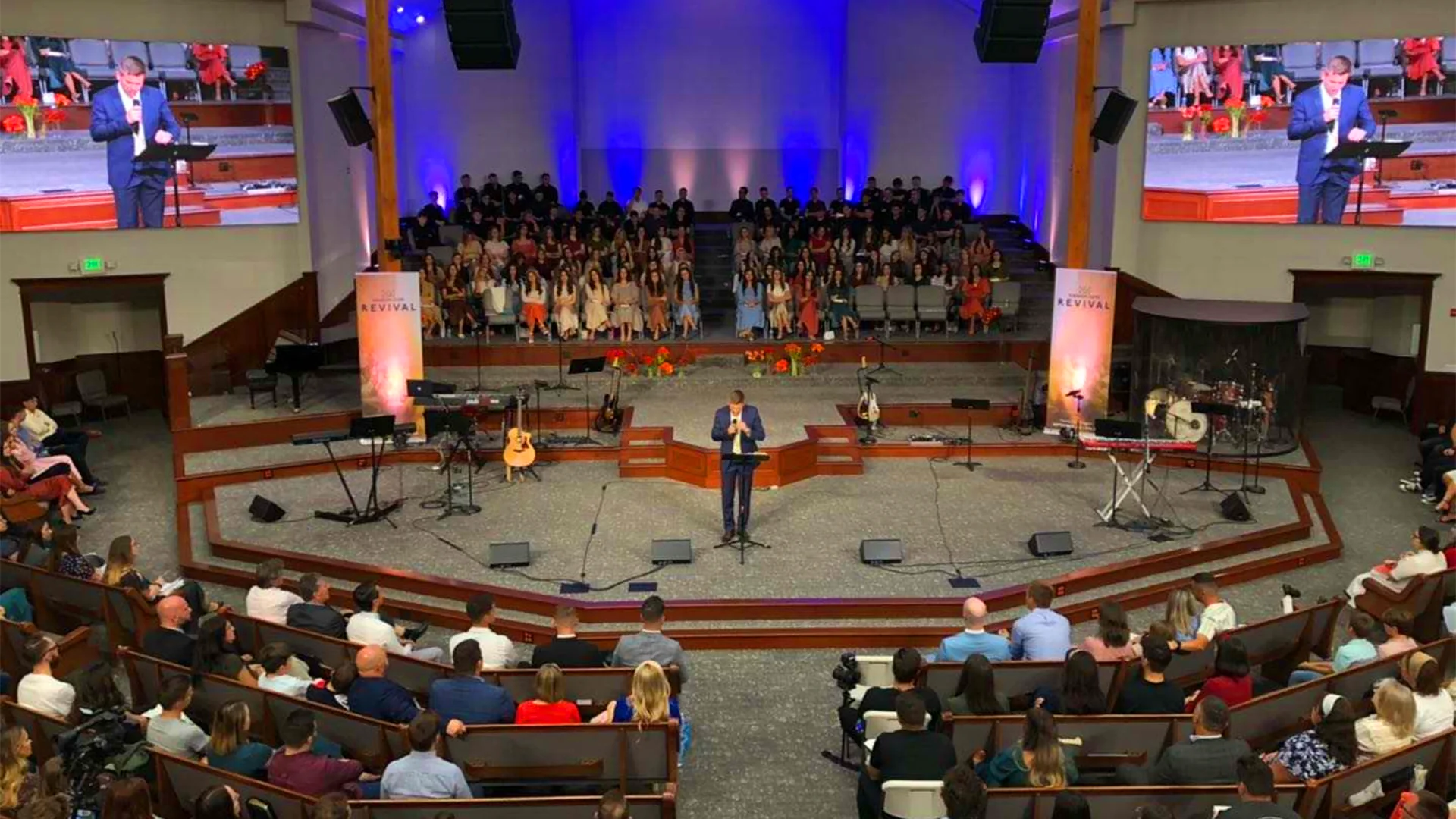






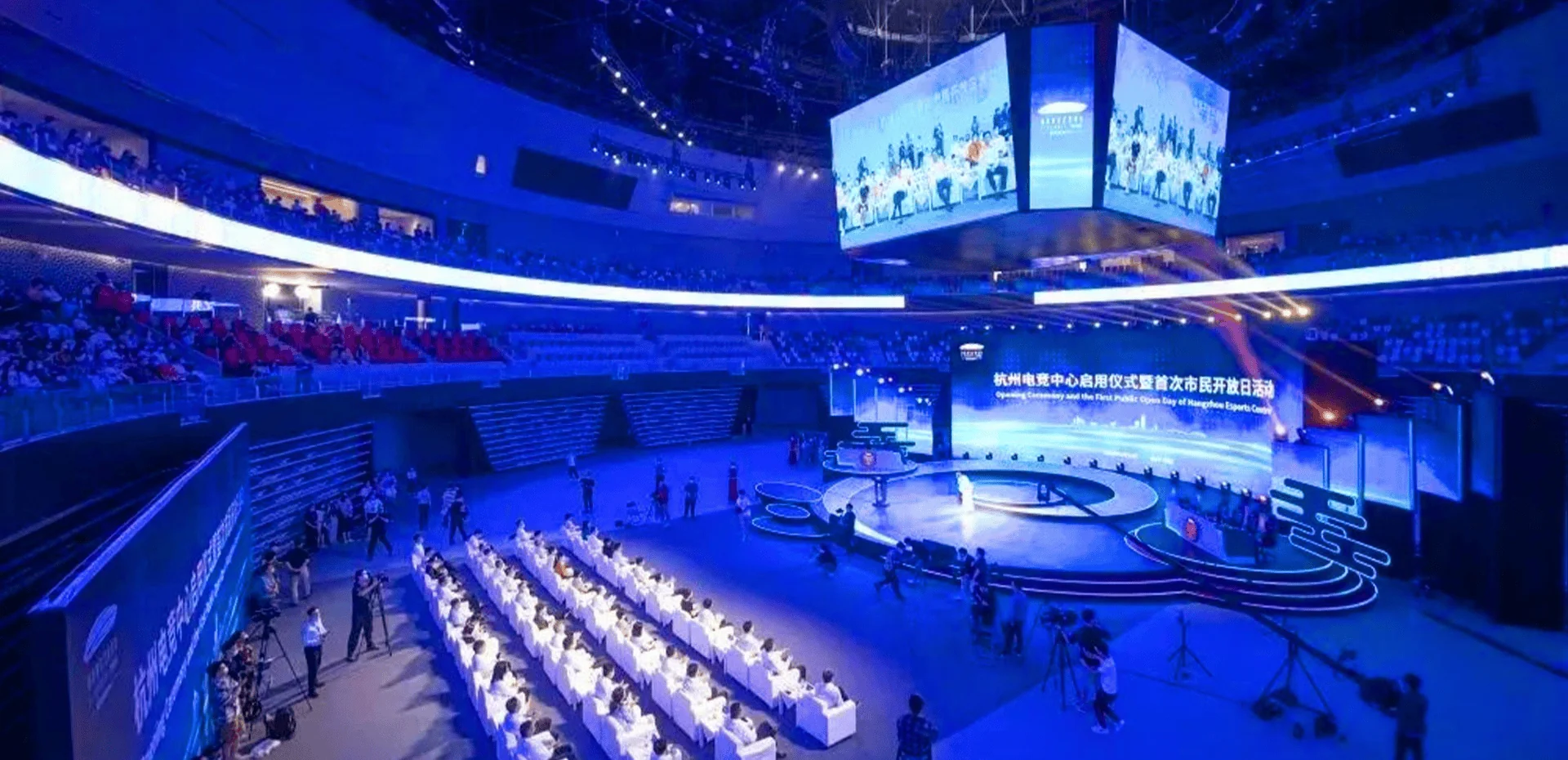
Luxury retail depends heavily on atmosphere, visual precision, and the way customers experience a brand inside the store. Lighting, materials, spatial design, and digital media need to work together without making the environment feel crowded. For this reason, an LED display screen for advertising indoor can serve as more than a promotional surface: it can introduce collections, reinforce visual identity, and create changing scenes that complement the architecture. At LEDFUL, we approach these installations as part of the overall retail environment rather than treating the display as an isolated advertising device.

Visual Quality And Brand Presentation
Luxury stores often use carefully controlled interiors where small differences in color, contrast, and image detail can become noticeable. Digital content should preserve the intended appearance of product photography, campaign imagery, and branded graphics across different scenes. Screen resolution, grayscale capability, color calibration, and viewing distance all contribute to that visual consistency.
Content scale also needs to correspond with the store layout. Large images may work effectively across an open entrance wall, while detailed campaign footage can require greater pixel density when customers stand close to the screen. The viewing distance should be considered before selecting technical specifications rather than treating resolution as an independent figure.
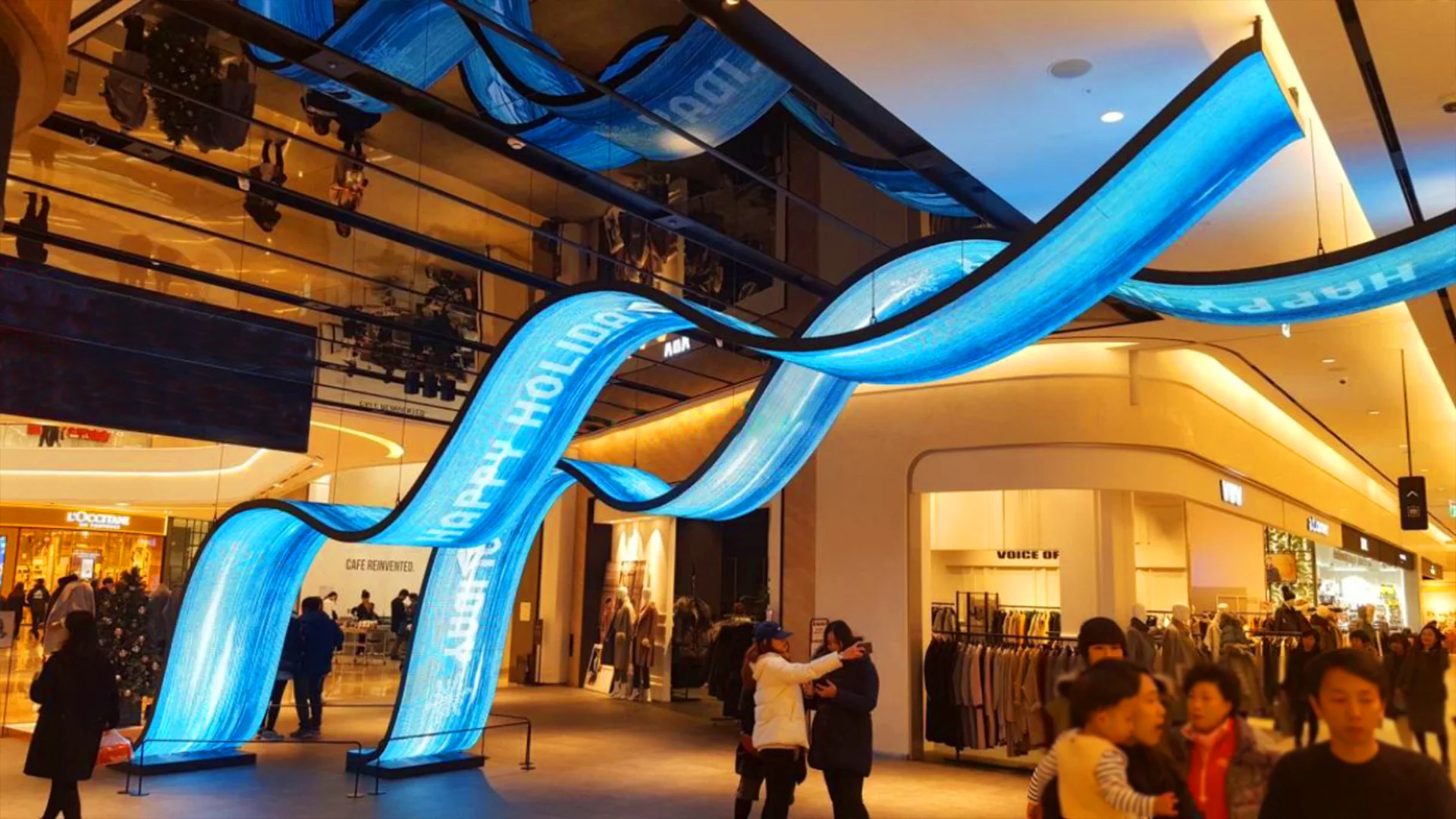
Within high-end retail spaces, indoor LED displays can also replace several separate visual surfaces with one adaptable digital medium. Campaigns can be updated according to product launches, seasonal collections, events, or store schedules without physically replacing printed graphics.
Integration With Luxury Store Design
Store architecture usually establishes a distinct visual language through materials, proportions, lighting, and furniture. Digital signage should fit into that language instead of becoming visually disconnected from it. Cabinet dimensions, installation depth, screen ratio, and surrounding finishes can all influence how naturally the display sits within the interior.
Brightness requires similar consideration. Indoor environments rarely need the extreme output associated with direct-sunlight applications. Excessive luminance may compete with merchandise lighting, while insufficient brightness can weaken image clarity. Appropriate settings should reflect ambient illumination and the customer’s typical viewing position.
The physical appearance of the hardware matters as well. Slim structures and carefully planned cable routes can make integration easier, particularly on feature walls or within refined architectural spaces. With a suitable LED display screen for advertising indoor, the technical installation can remain visually unobtrusive while the content provides the changing element.
Content That Supports The Shopping Journey
Digital advertising inside a flagship store does not have to focus exclusively on promotional messages. Product stories, craftsmanship videos, campaign films, brand history, collection introductions, and editorial imagery can provide information while customers move through the space. Content variety can make the display useful across different stages of the shopping journey.
Motion should match the environment. Rapid transitions may attract attention in a busy commercial area, whereas slower visual sequences can feel more appropriate inside a calm luxury showroom. Audio may also be unnecessary or restricted, which makes visual storytelling, typography, and pacing particularly important.
Scheduling creates another layer of flexibility. Different content can appear during opening hours, private events, product launches, or special campaigns. Properly configured indoor LED displays allow store teams to adapt the visual program without redesigning the physical environment each time the marketing message changes.
Hardware Designed For Indoor Applications
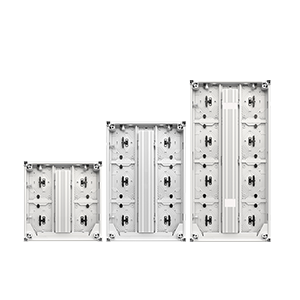
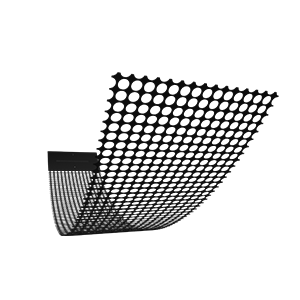
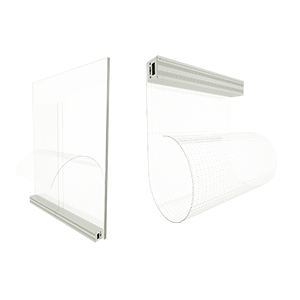
Indoor retail installations place their own demands on display construction. Weight, installation method, maintenance access, cabinet depth, and cable organization can affect both the installation process and the finished appearance. These considerations become especially relevant when displays are mounted onto carefully designed walls or integrated into architectural features.
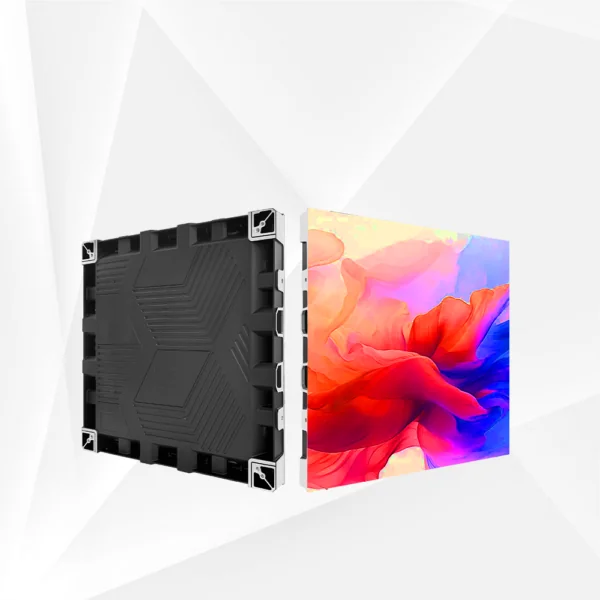
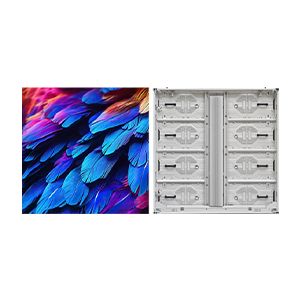
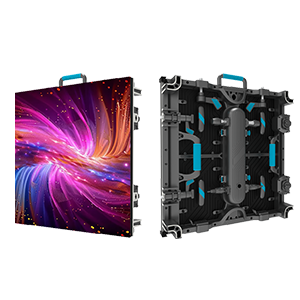
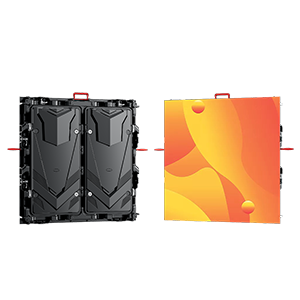
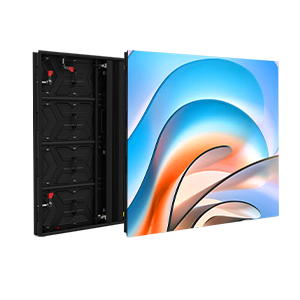
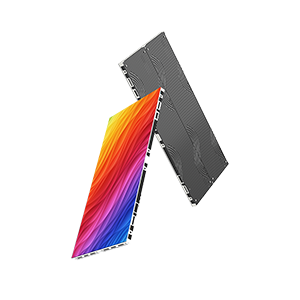
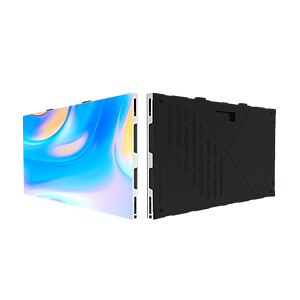
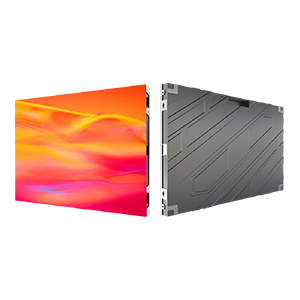
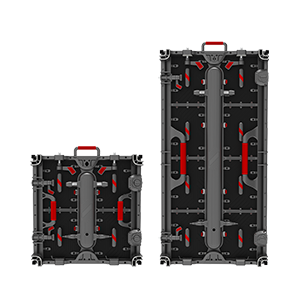
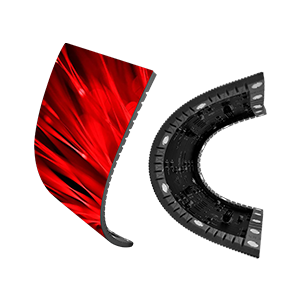
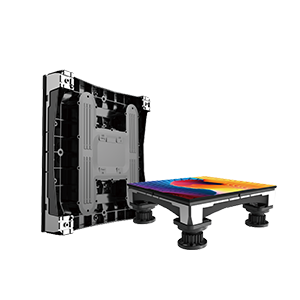
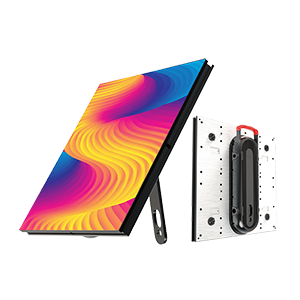
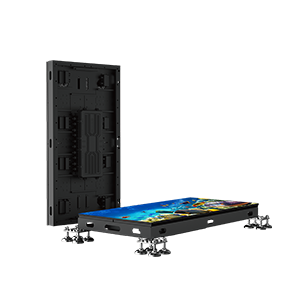
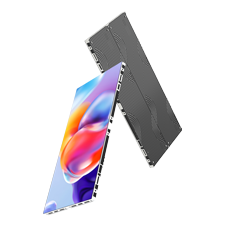
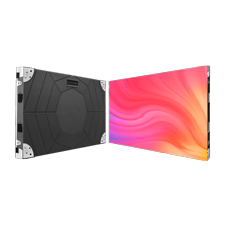
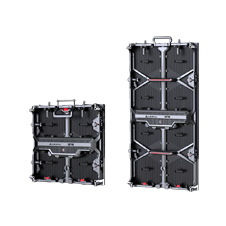
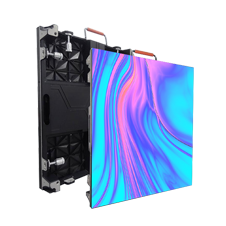
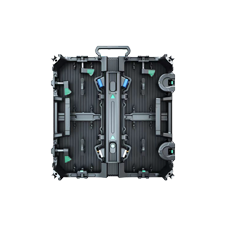
The BM PRO Series is one example from our indoor range. It is an indoor high-definition LED display designed for indoor applications, with a lightweight cabinet and cable-free HUB design intended to simplify installation and maintenance. Its configuration illustrates how display engineering can address both visual requirements and practical service considerations without adding unnecessary complexity to the retail environment.
Technical planning should continue beyond the cabinet itself. Power distribution, signal processing, content playback, ventilation, mounting surfaces, and access routes all form part of the installation. A properly scoped LED display screen for advertising indoor should account for these supporting elements before the final layout is approved.
Maintenance And Long-Term Flexibility
Flagship stores often operate on tightly managed schedules, leaving limited room for lengthy maintenance work. Service access should be considered during the design stage so technicians can reach relevant components without causing unnecessary disruption to customers or store operations.
Content management is equally important over the long term. Retail campaigns change frequently, and the display may eventually support different aspect ratios, video formats, or communication schedules. A flexible control workflow gives marketing and store teams greater freedom to refresh content without modifying the physical installation.
Maintenance records can further improve operational planning. Tracking component replacements, display anomalies, brightness adjustments, and service dates creates a useful history for future technicians. Our team at LEDFUL considers these operational details when developing indoor LED displays, because the value of a retail display extends beyond its initial visual impact.
Conclusion
The appeal of digital media in luxury retail comes from its ability to change while the surrounding architecture remains constant. High-definition imagery can support campaign storytelling, carefully controlled brightness can preserve the store atmosphere, and flexible content management can accommodate frequent marketing updates.
Technical details such as cabinet construction and service access matter just as much as visual performance once the screen becomes part of a permanent retail environment. At LEDFUL, we see the LED display screen for advertising indoor as a medium that connects digital storytelling with physical store design, giving retailers greater freedom to refresh the customer experience without continually rebuilding the space.