


















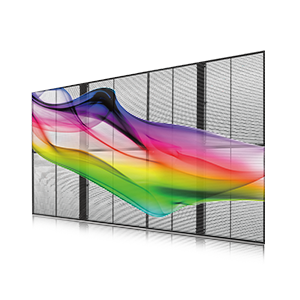
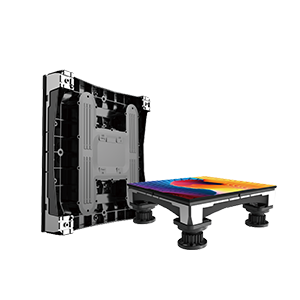
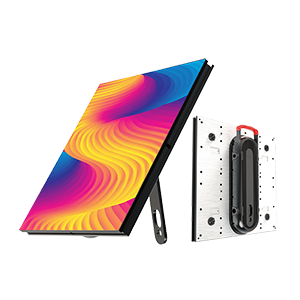
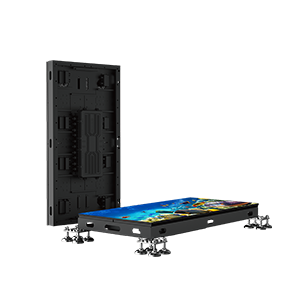

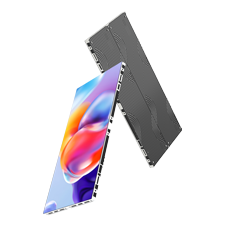

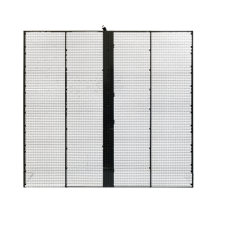
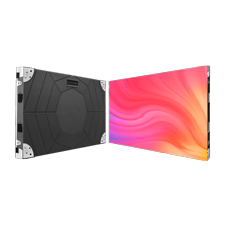
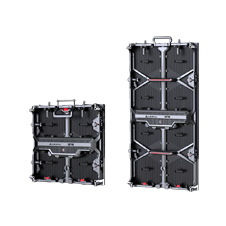














Mall display projects operate in a demanding environment where visual impact must coexist with electrical safety, architectural requirements, and uninterrupted public access. Fire behavior and electromagnetic compatibility deserve attention long before installation begins, since both can affect how a display interacts with the building around it.
A well-specified LED transparent film screen can support modern retail communication without turning safety certification into an afterthought. At LEDFUL, we view these technical considerations as part of responsible display engineering, particularly for projects installed around shoppers, merchandise, and complex electrical systems.

Why Fire Performance Matters Inside Malls
Fire safety becomes particularly important in shopping centers because displays are often positioned near ceilings, storefronts, decorative materials, signage, and densely occupied public areas. Materials used in a display assembly can influence flame spread, smoke generation, and the behavior of surrounding components during an emergency. Certification requirements vary by market and building code, so project teams need to identify the applicable standards before specifying materials.
A fire-retardant rating does not simply describe whether a screen can withstand high temperatures during normal operation. It relates to how tested materials respond under defined fire conditions. Engineers should examine the certification of relevant components rather than assuming that one certificate covers the entire installation. Substrates, adhesives, cables, power supplies, and mounting materials may all require separate consideration.
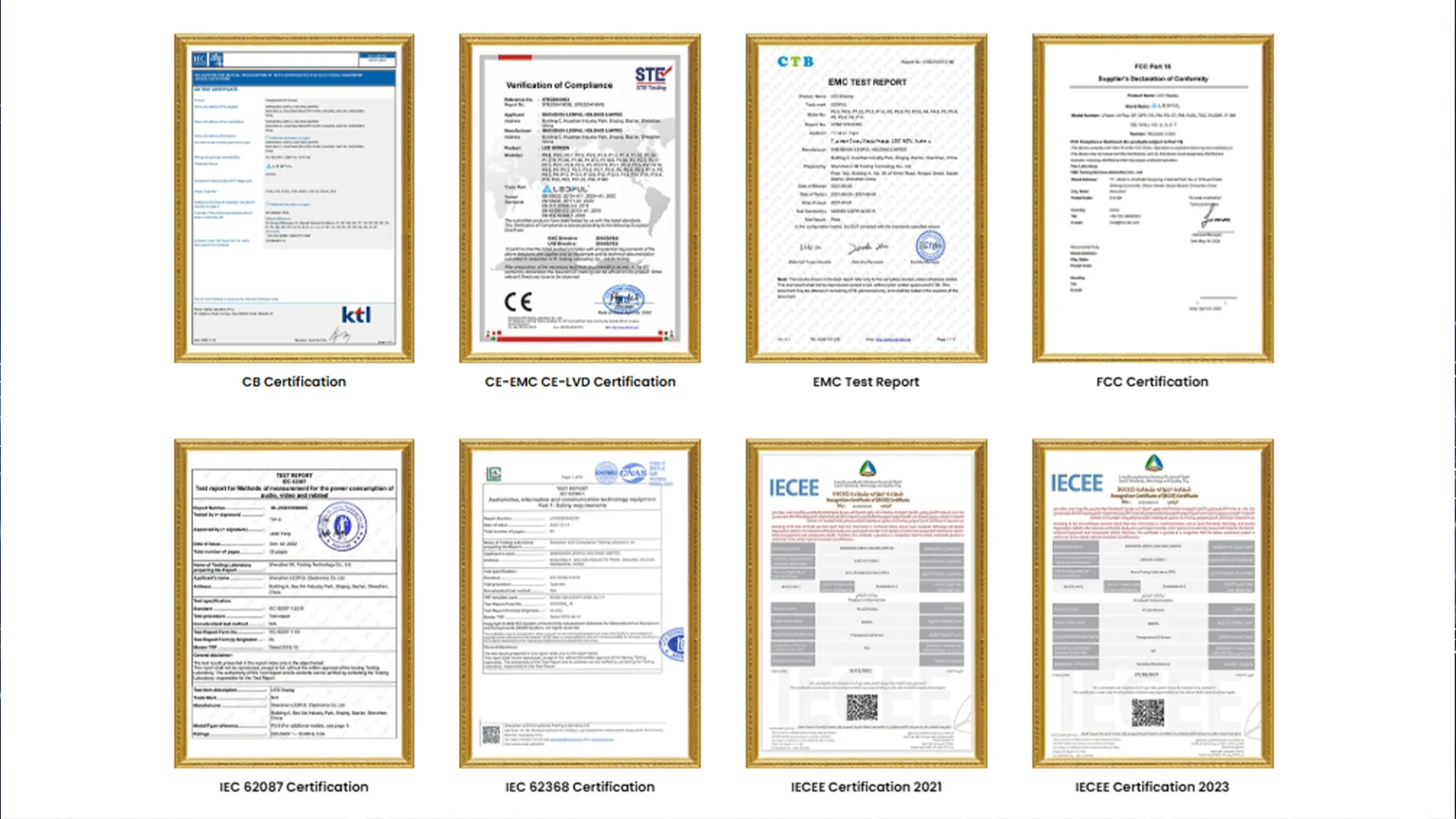
Mall operators also need documentation that can be reviewed by safety teams, contractors, and local authorities. Test reports should correspond to the actual material or configuration being supplied, with clear information about the testing method and applicable standard. Such documentation makes technical review easier and reduces uncertainty during project approval.
Understanding EMC In Retail Display Systems
Electromagnetic compatibility, commonly abbreviated as EMC, concerns whether electronic equipment can operate properly without creating unacceptable electromagnetic disturbance for other equipment. In a shopping mall, numerous systems may share the same environment: payment terminals, Wi-Fi equipment, lighting controls, security devices, escalators, digital signage, and building-management systems.
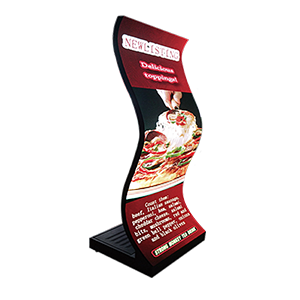
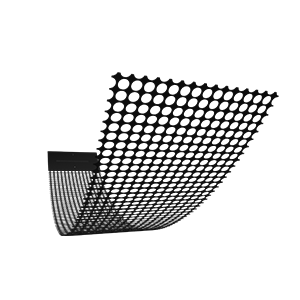
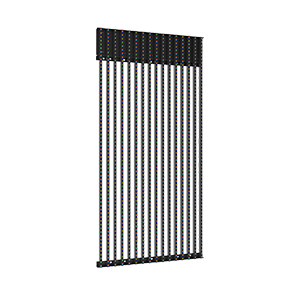
A flexible transparent LED film display introduces switching electronics, receiving systems, power conversion, and data transmission into that environment. Poor electrical design or insufficient shielding can increase electromagnetic emissions, while external interference may affect sensitive electronic equipment. EMC assessment consequently involves both emissions and immunity, rather than focusing on only one side of the equation.
Project specifications should identify the relevant EMC requirements for the destination market and intended installation. Testing under recognized procedures can provide evidence that the equipment behaves within defined limits. For mall projects, this information is particularly useful because a display rarely operates as an isolated electrical system.
Certification Should Match the Real Installation
Certification documents are most useful when they accurately represent the equipment configuration being installed. Changes to power supplies, wiring, control systems, materials, or cabinet arrangements may affect compliance, so procurement teams should avoid treating a generic certificate as sufficient evidence for every project variation.
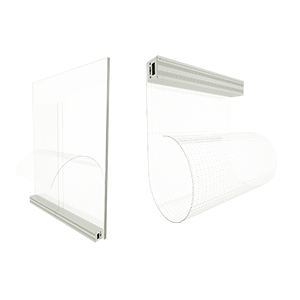
Installation conditions deserve similar attention. A display mounted directly onto architectural glass has different surrounding materials and cable-routing conditions from a conventional rigid screen mounted on a structural frame. The location of power components, ventilation paths, adhesives, and concealed wiring can all influence the final installation.
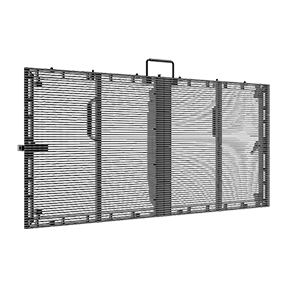
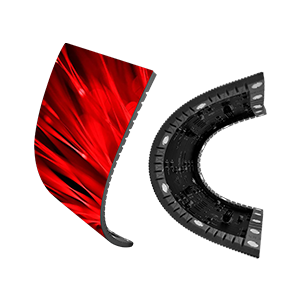
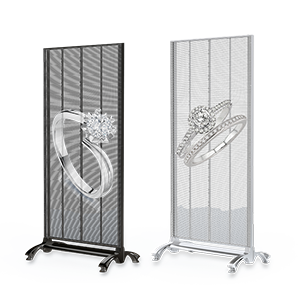
Our A Series self-adhesive transparent film screen is designed specifically for glass applications, with a thin, lightweight structure and direct adhesive installation that does not require additional steel structures. It supports convex and concave curvature up to 1100R, with pixel pitches from P5 to P20, while an integrated power box provides a way to organize power and signal connections. These characteristics can be relevant during technical review, but the final compliance assessment should still consider the complete project configuration.
How EMC and Fire Requirements Affect Design Decisions
Safety standards can influence seemingly minor engineering decisions. Cable selection, power distribution, insulation materials, adhesive specifications, enclosure design, and component placement may all become part of a compliance review. Treating these requirements as design inputs rather than paperwork after installation helps teams identify potential conflicts earlier.
Retail environments also place practical limits on maintenance. Technicians may need to access electronic components without disrupting customer movement or exposing nearby merchandise to unnecessary risk. Clear service procedures, properly documented electrical connections, and suitable material specifications can make maintenance more controlled.
Project stakeholders should keep several documents together: product certifications, material test reports, EMC test results, electrical specifications, installation drawings, and relevant local requirements. A consistent documentation package gives contractors and mall engineering teams a clearer basis for inspection and acceptance.
Building A Reliable Compliance Review Process
The review process works best when responsibilities are assigned across design, procurement, installation, and facility management teams. Designers can identify applicable standards, procurement specialists can verify supplier documentation, installers can follow approved configurations, and facility teams can retain records for future maintenance or inspection.
Technical questions should be raised before production rather than after equipment reaches the site. Confirming voltage requirements, environmental conditions, material classifications, EMC documentation, and installation methods early can prevent late-stage changes that affect schedule or cost.
For our team at LEDFUL, certification is most meaningful when it connects directly with the conditions in which a display will operate. A LED transparent film screen project should be evaluated through its actual electrical, architectural, and public-environment requirements, while a flexible transparent LED film display should be supported by documentation that matches its intended configuration. Careful review gives mall projects a stronger technical foundation without sacrificing the visual openness that makes transparent displays useful in retail spaces.