






















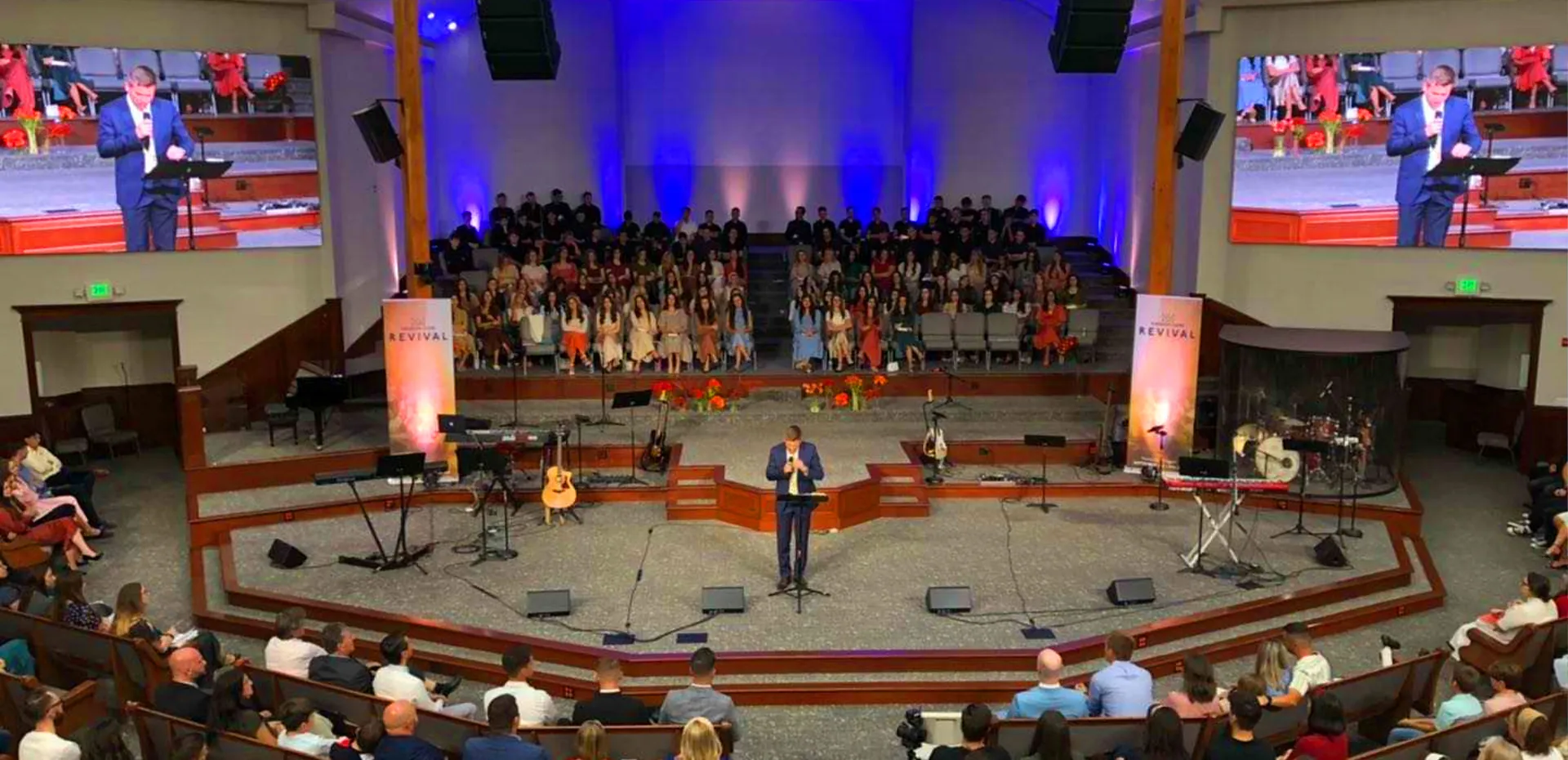
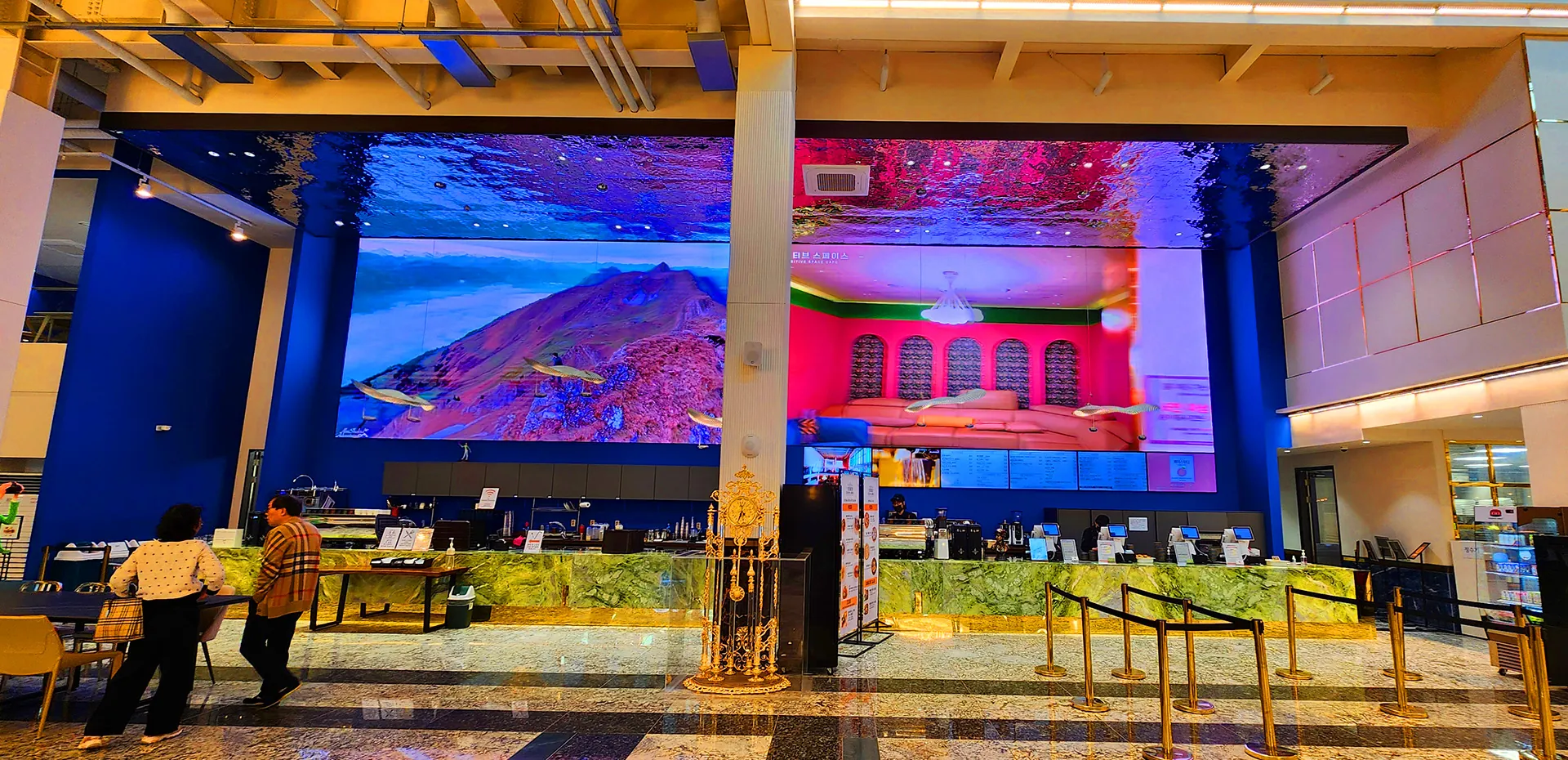
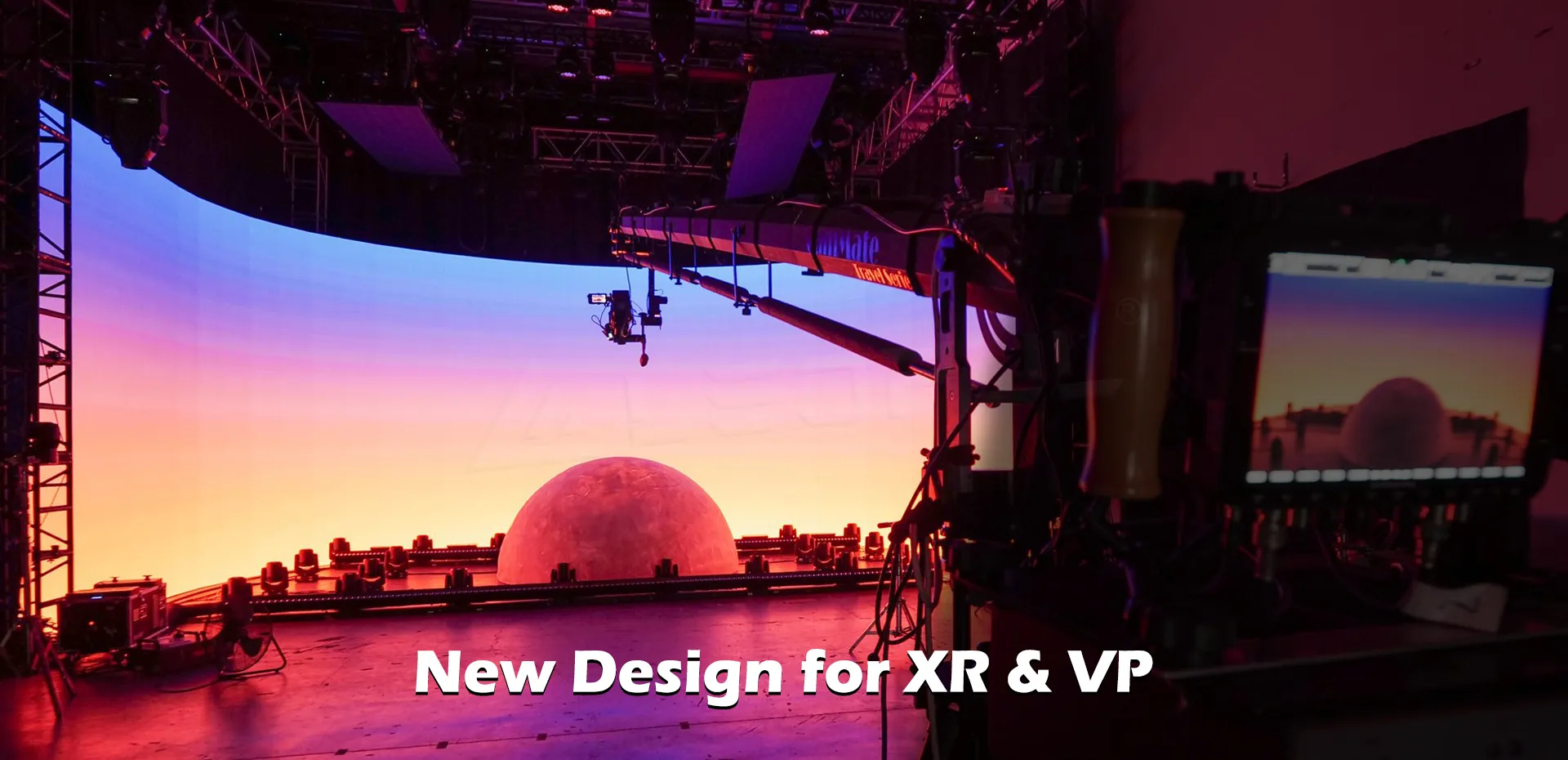

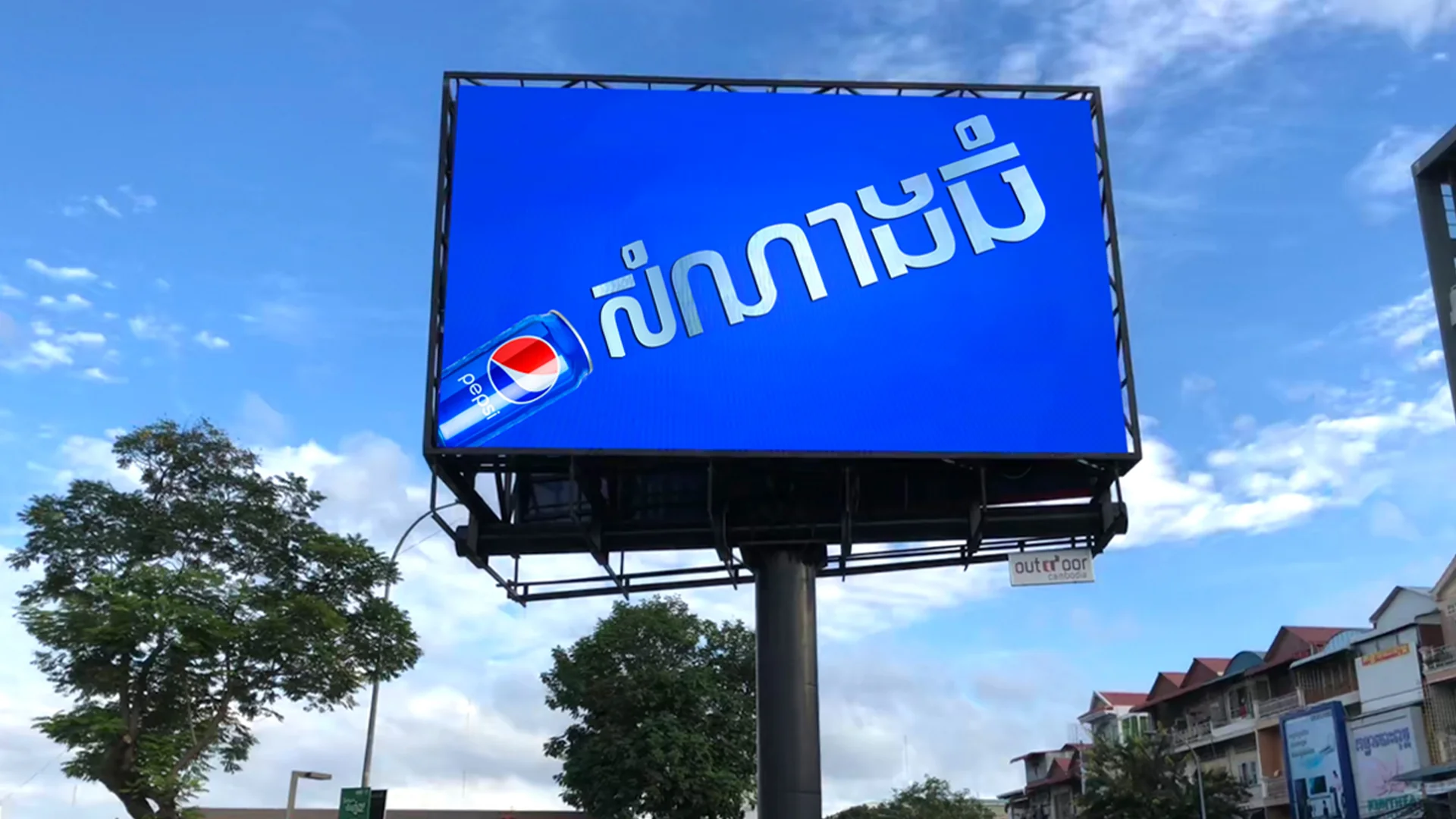






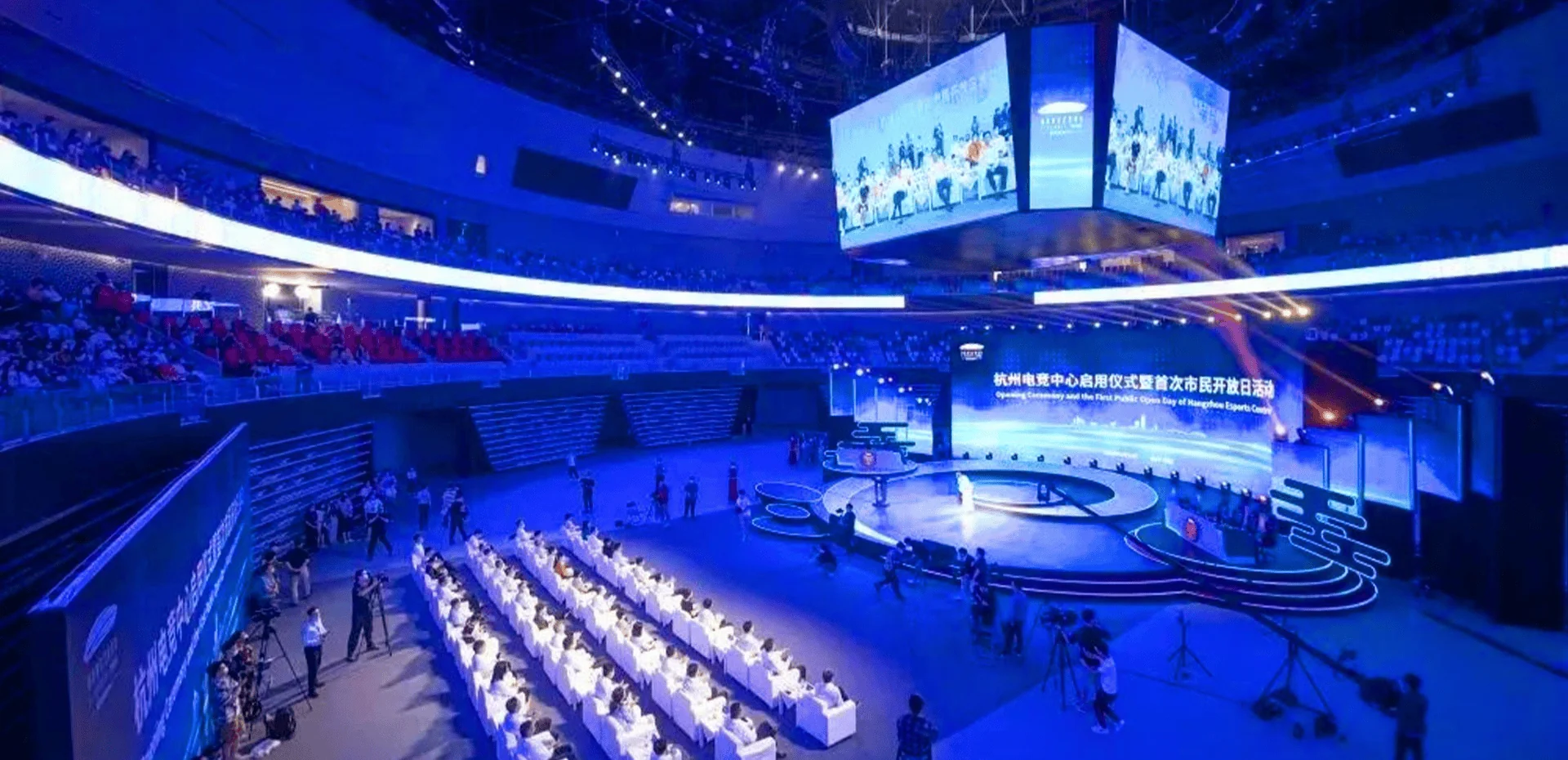
Stadium audiences process visual information at remarkable speed. A score update, replay, sponsor message, or player statistic may remain on screen for only a few seconds, yet thousands of spectators need to understand it from very different seats. Effective content design is consequently inseparable from viewing distance, motion, brightness, and timing. At LEDFUL, we approach sports LED display projects with these practical viewing conditions in mind, treating content as part of the overall stadium experience rather than simply filling available screen space.

Build Content Around Stadium Visibility
Spectator position should influence every major content decision. Someone sitting close to the pitch can perceive considerably more detail than someone several tiers higher, so typography and graphic elements need sufficient scale to remain recognizable from distant seating areas.
Large typefaces, strong visual hierarchy, and concise messages generally work better than dense information blocks. Scoreboards and statistics should communicate their primary information almost immediately, while secondary details can occupy less prominent areas of the composition.
Color contrast also affects readability under changing stadium conditions. Daytime sunlight, evening illumination, floodlights, and surrounding advertisements can produce very different visual environments. Content designers should test important elements against realistic brightness conditions rather than relying solely on a desktop monitor.
For content visibility and image depth, see our guide to brightness vs contrast ratio.
Design Motion Without Creating Visual Fatigue
Fast-moving imagery can create excitement, but excessive transitions may make information difficult to follow. Animation works most effectively when its speed reflects the purpose of the message: a replay can use dynamic movement, while a safety announcement may require considerably more visual restraint.
Frame rate and content refresh behavior also matter during live events. Camera feeds, slow-motion replays, and animated graphics contain substantial movement, making synchronization and motion handling particularly important. Poorly coordinated timing can introduce visible judder or distracting artifacts.
Audience attention should remain the central reference point. On a football stadium LED display, animated sponsor graphics, match information, and entertainment content often share the same visual environment. Distinct transition styles and consistent timing help spectators understand which information deserves immediate attention.
Adapt Graphics To Perimeter Viewing
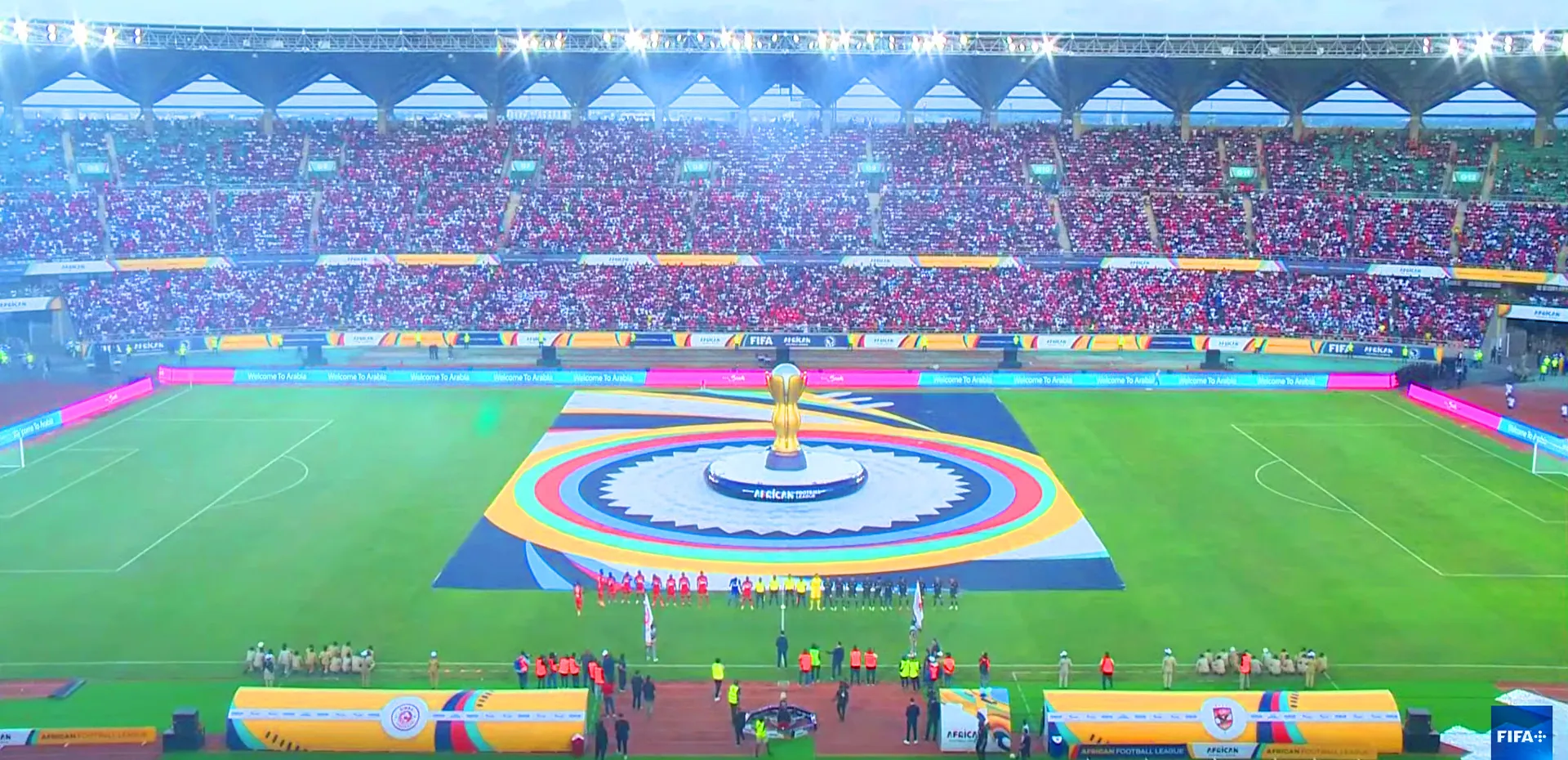
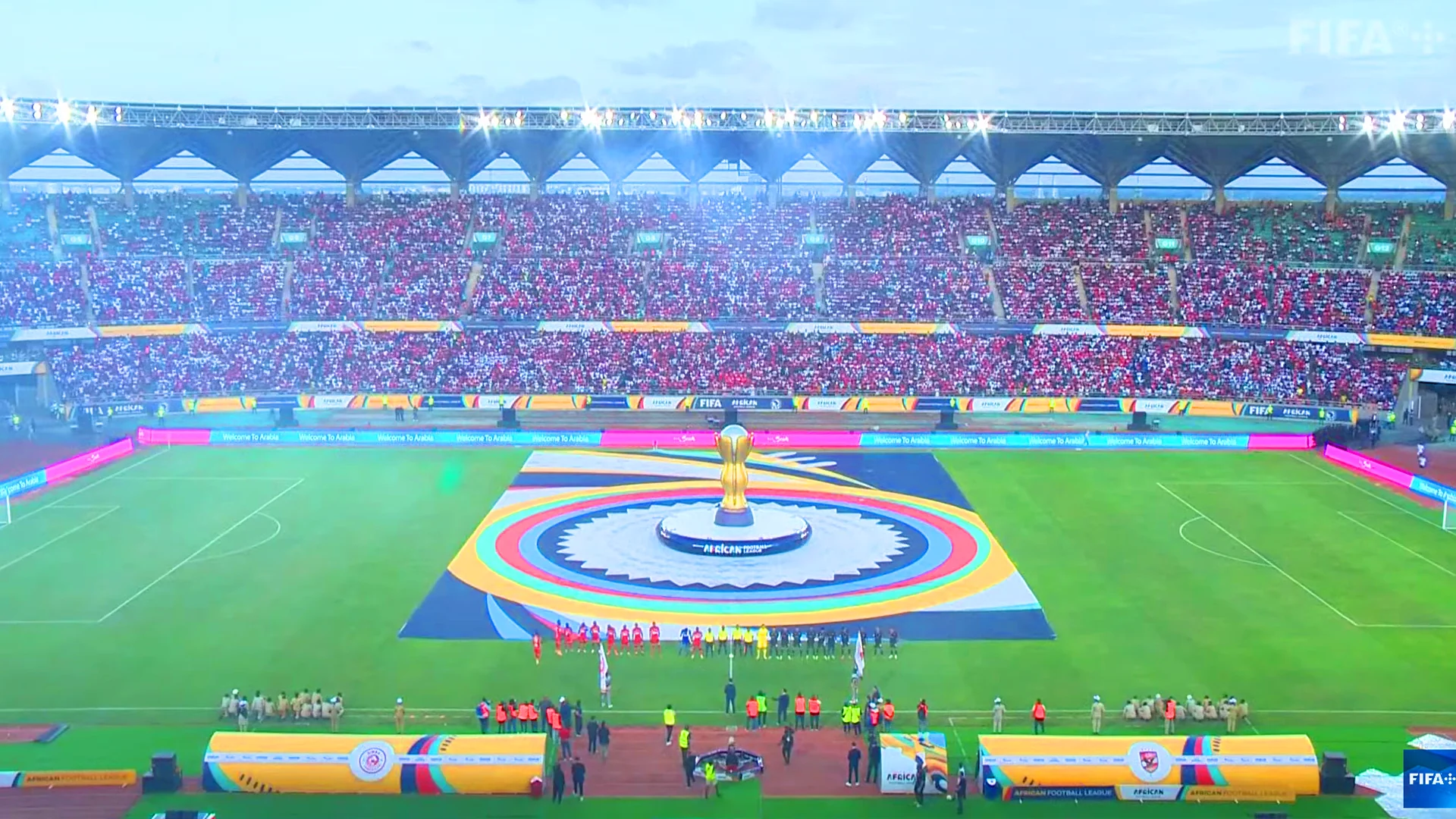
Perimeter displays present a special content challenge because their position close to the field means viewers may see them from sharply different angles. Horizontal messages need sufficient spacing, while important logos or text should not depend on viewing from one precise position.
Content should also account for the physical segmentation of the display. Individual modules may form a very long visual canvas, yet the media system still processes information through defined sections. Designers should preview transitions across the entire surface rather than checking only isolated portions.
Commercial content requires similar discipline. Short promotional messages are easier to absorb during active play than complicated campaigns containing multiple lines of copy. A sports LED display can support branding, statistics, and entertainment effectively when each message is adapted to the limited attention available during a live match.
Coordinate Content With Match Events
Timing can change the meaning of stadium visuals. Pre-match graphics may introduce teams and players, while halftime content can accommodate longer promotional sequences. During active play, however, spectators tend to prioritize the action itself, so peripheral messaging should remain visually manageable.
Event operators can establish content priorities before the match begins. Score information, safety notices, sponsor obligations, replay material, and crowd entertainment each have different levels of urgency. A predefined hierarchy reduces confusion when several content sources compete for screen time.
Technical planning also needs to account for live data. Score feeds, player statistics, and match clocks may originate from separate systems and require synchronization with the display controller. Reliable data paths and clearly defined fallback content are valuable parts of live-event preparation.
Select Hardware According To Content Demands
Content strategy cannot be separated entirely from physical display characteristics. Brightness, viewing angle, cabinet construction, maintenance access, and mechanical protection all affect how media performs in an outdoor stadium environment.
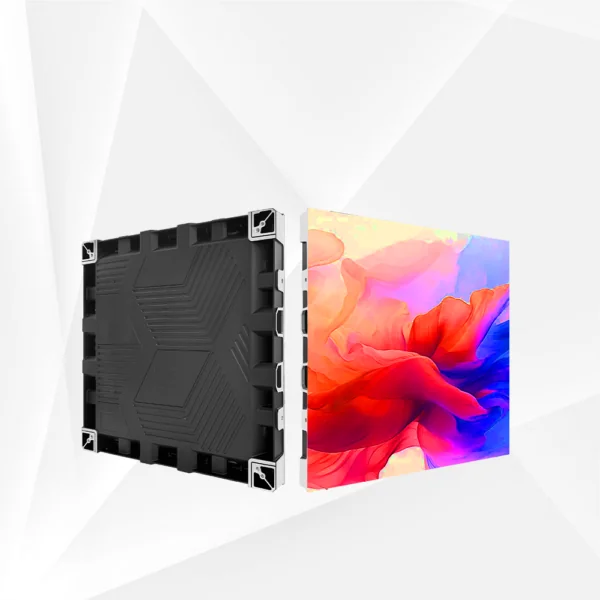
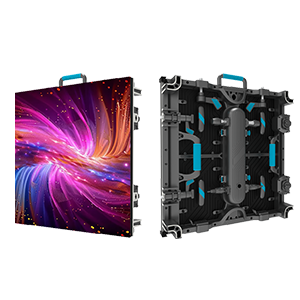
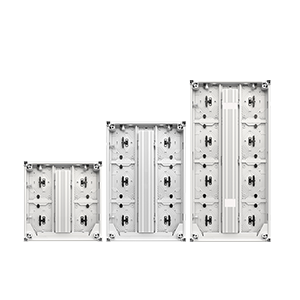
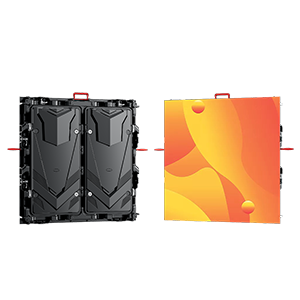
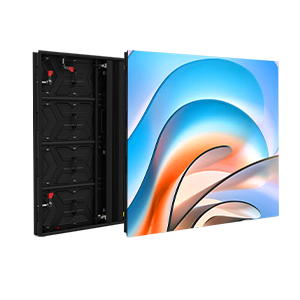
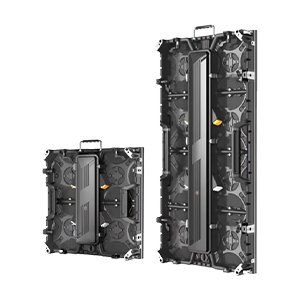
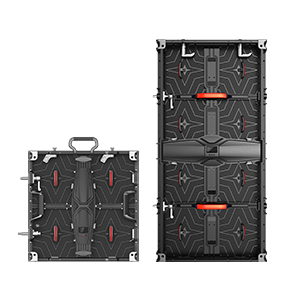
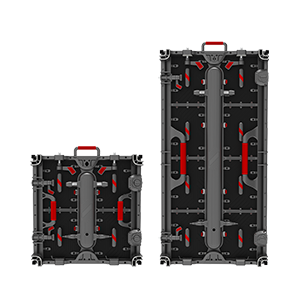
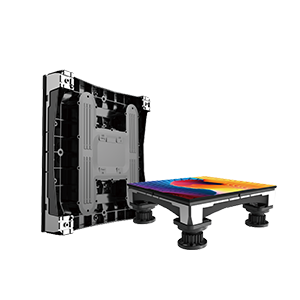
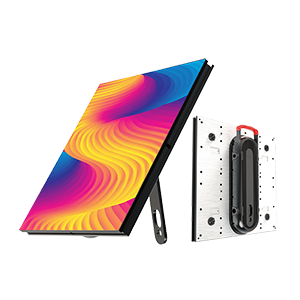
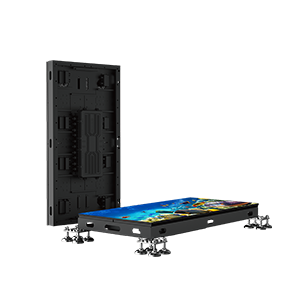
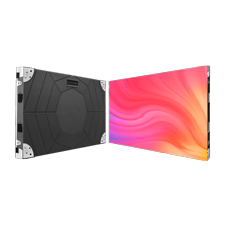
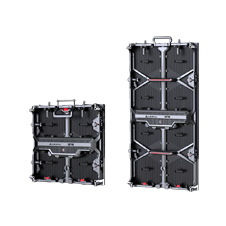
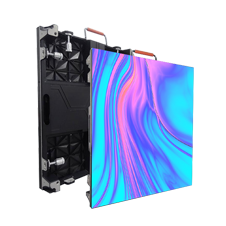
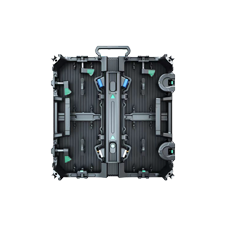
Our PM PLUS Series uses an aluminum profile cabinet with front and rear maintenance access, a soft top cover and soft mask, and adjustable base supports. These construction details are designed around perimeter applications where installation conditions, viewing positions, and service requirements can vary across the venue. The hardware provides one practical example of how structural considerations can support the content strategy without becoming the central focus of the project.
Environmental conditions should also influence media planning. Outdoor venues may experience sunlight, rain, dust, temperature fluctuations, and changing illumination during a single event. Content teams can prepare different brightness and creative versions so that visual communication remains appropriate as conditions shift.
Conclusion
Memorable stadium visuals depend less on simply increasing the amount of information and more on presenting the right information at the right scale, position, and moment. Typography, motion, contrast, viewing geometry, event timing, and physical display characteristics all shape what spectators actually perceive.
We apply this broader perspective at LEDFUL, using content requirements to inform technical discussions rather than treating hardware and media as unrelated tasks. With thoughtful planning, a football stadium LED display can support match information, entertainment, and commercial communication while a sports LED display remains visually coherent across the varied perspectives of a live venue.