




























Fine-pitch LED technology has changed considerably as indoor visual environments have demanded greater detail, cleaner surfaces, and more compact hardware. One significant step has been the development of chip-on-board packaging, which places LED chips directly onto the circuit board rather than relying on conventional individual packages.
The result has opened new possibilities for high-resolution indoor displays, particularly where viewers stand close to the screen. At LEDFUL, we follow these technical developments closely because understanding how display architecture evolved helps project teams evaluate resolution, construction, maintenance, and visual performance with greater precision.

From SMD Packaging To Chip-On-Board
Earlier LED displays commonly relied on surface-mounted device packaging, in which individual LED components were mounted onto a PCB. This approach supported a wide range of applications and remains widely used, yet increasingly fine pixel pitches created new engineering challenges. As the distance between individual pixels became smaller, exposed components also required more careful protection and manufacturing control.
COB technology took a different route by mounting LED chips directly onto the board and subsequently applying a protective encapsulation layer. Such construction can create a more integrated surface, reducing the exposed package structure visible on conventional modules. That change became increasingly relevant as indoor displays moved toward finer pitches and closer viewing distances.
Development did not stop with packaging itself. Improvements in chip placement, bonding, encapsulation materials, PCB design, thermal management, and production processes gradually expanded what these displays could achieve. Modern COB LED display systems consequently represent the result of several interconnected advances rather than a single packaging innovation.
Why COB Became Important For Fine-Pitch Screens
Close viewing changes the way people perceive an LED surface. At short distances, small irregularities, visible pixel boundaries, and surface reflections can become much more apparent than they would on a large outdoor screen viewed from far away. High-density indoor applications thus created demand for technologies capable of maintaining a visually uniform appearance at compact pixel pitches.
Surface protection represents another part of the story. Encapsulation can provide greater resistance to accidental contact, dust, and certain forms of environmental exposure. It does not make a display immune to damage, but it changes the physical interface between delicate electronic components and the surrounding environment.
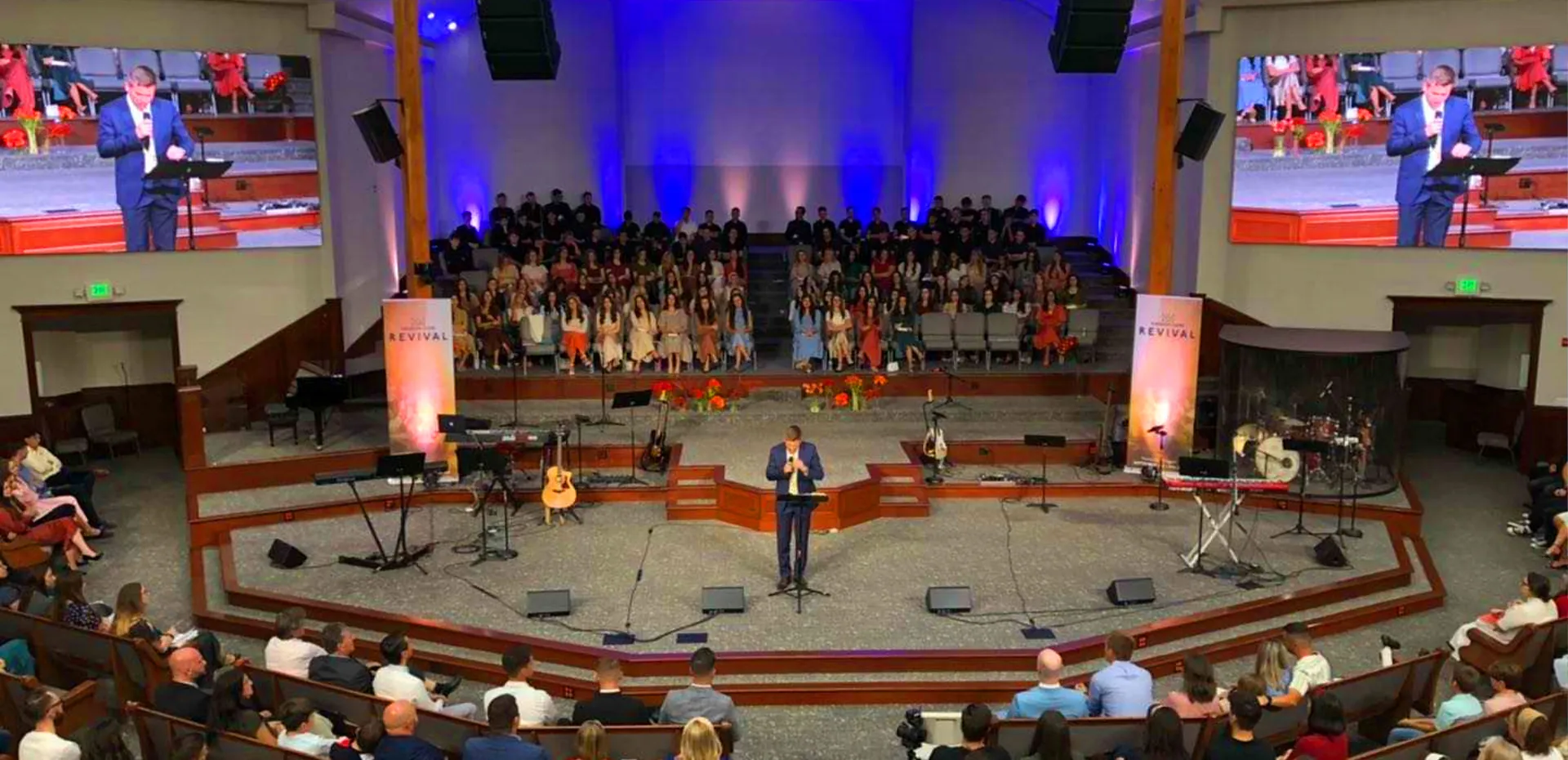
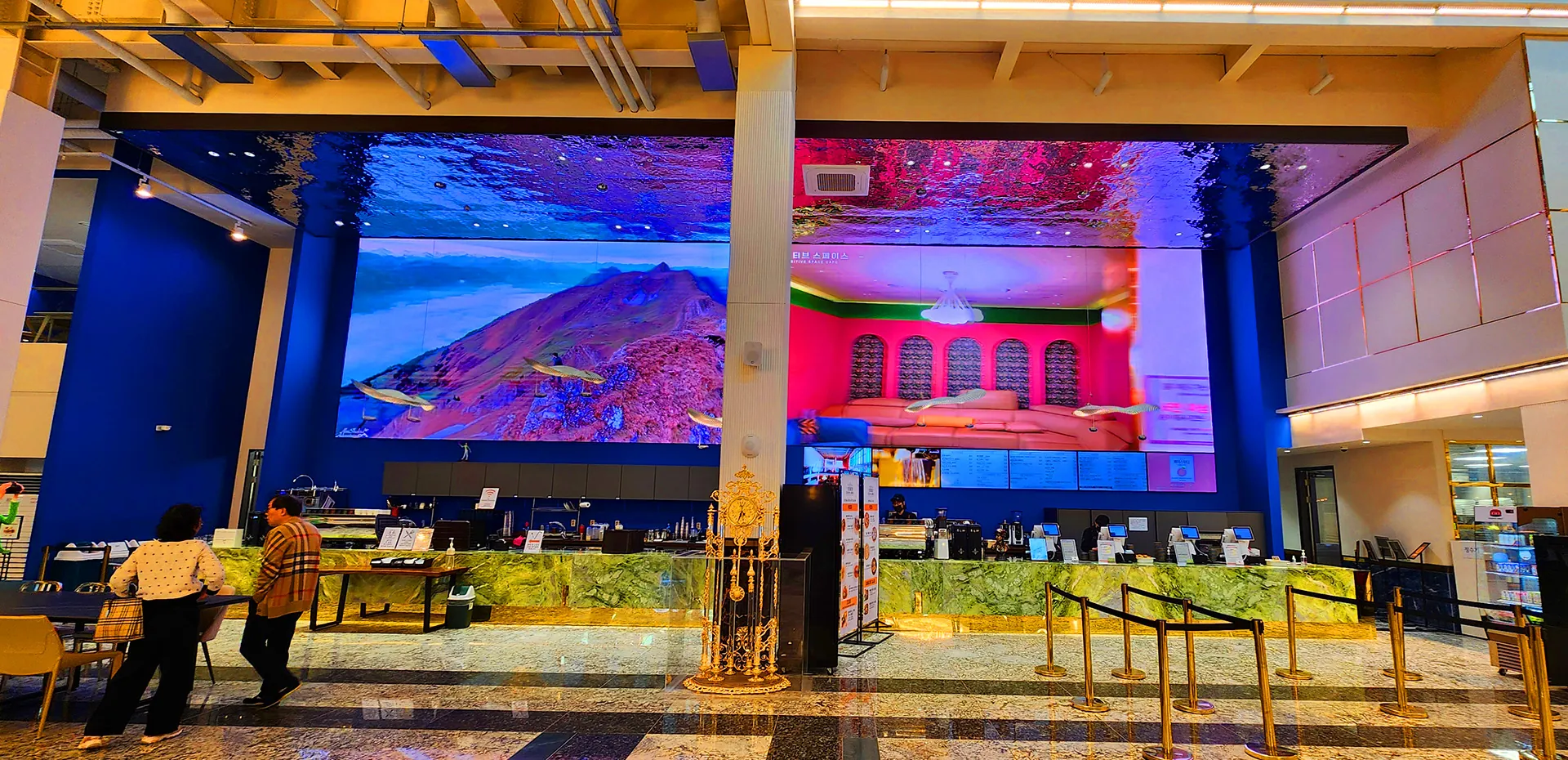
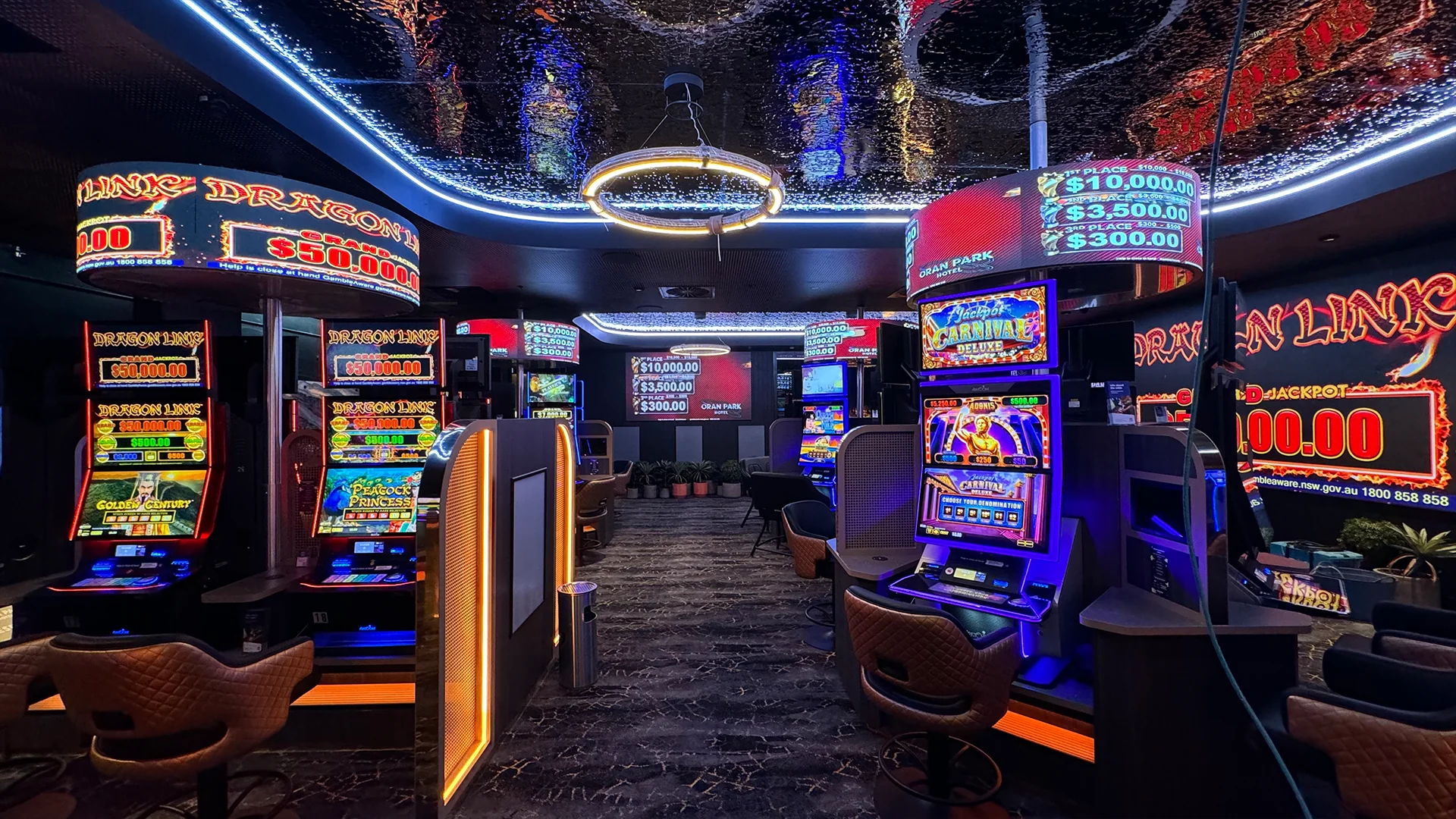
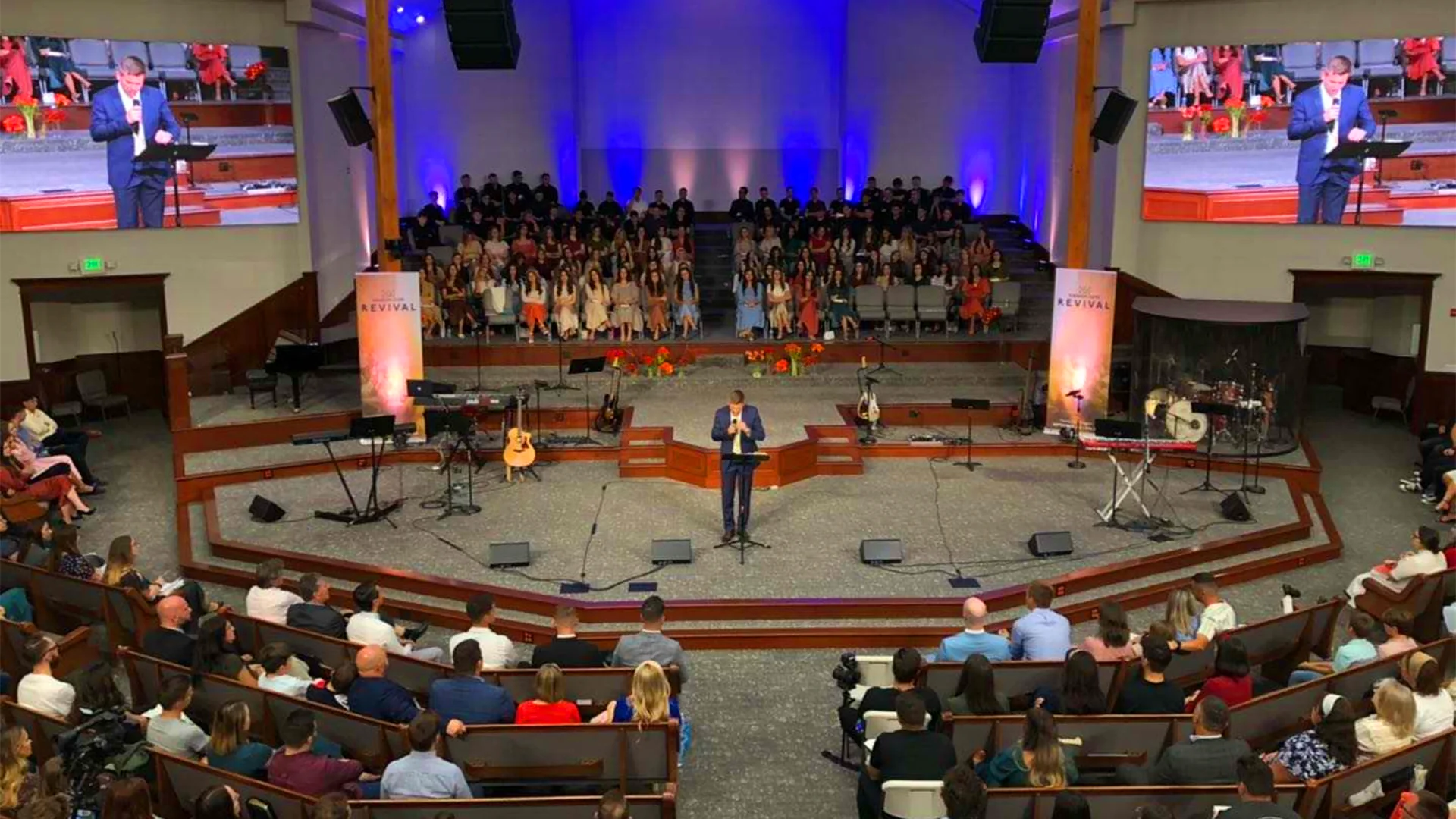
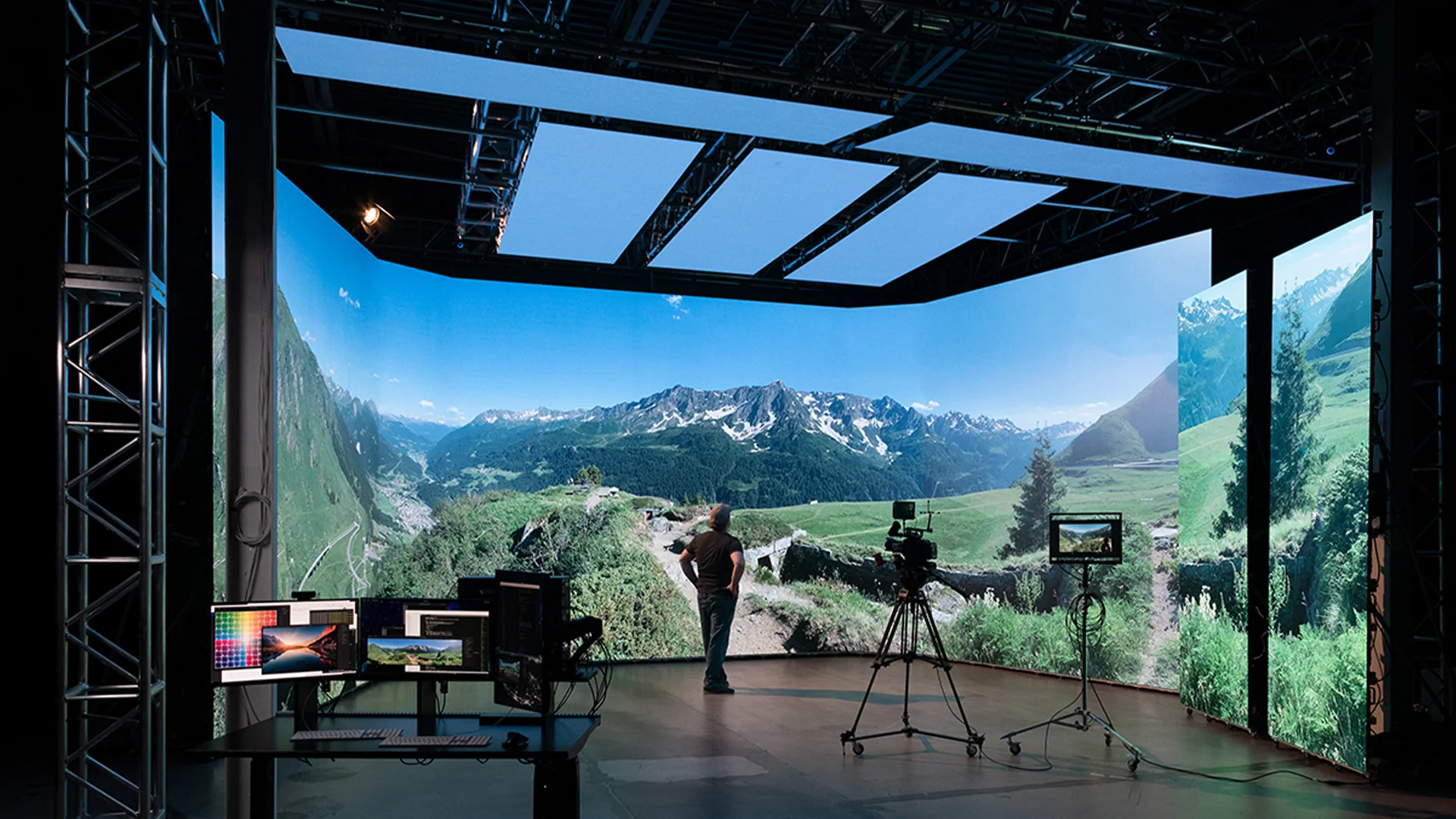
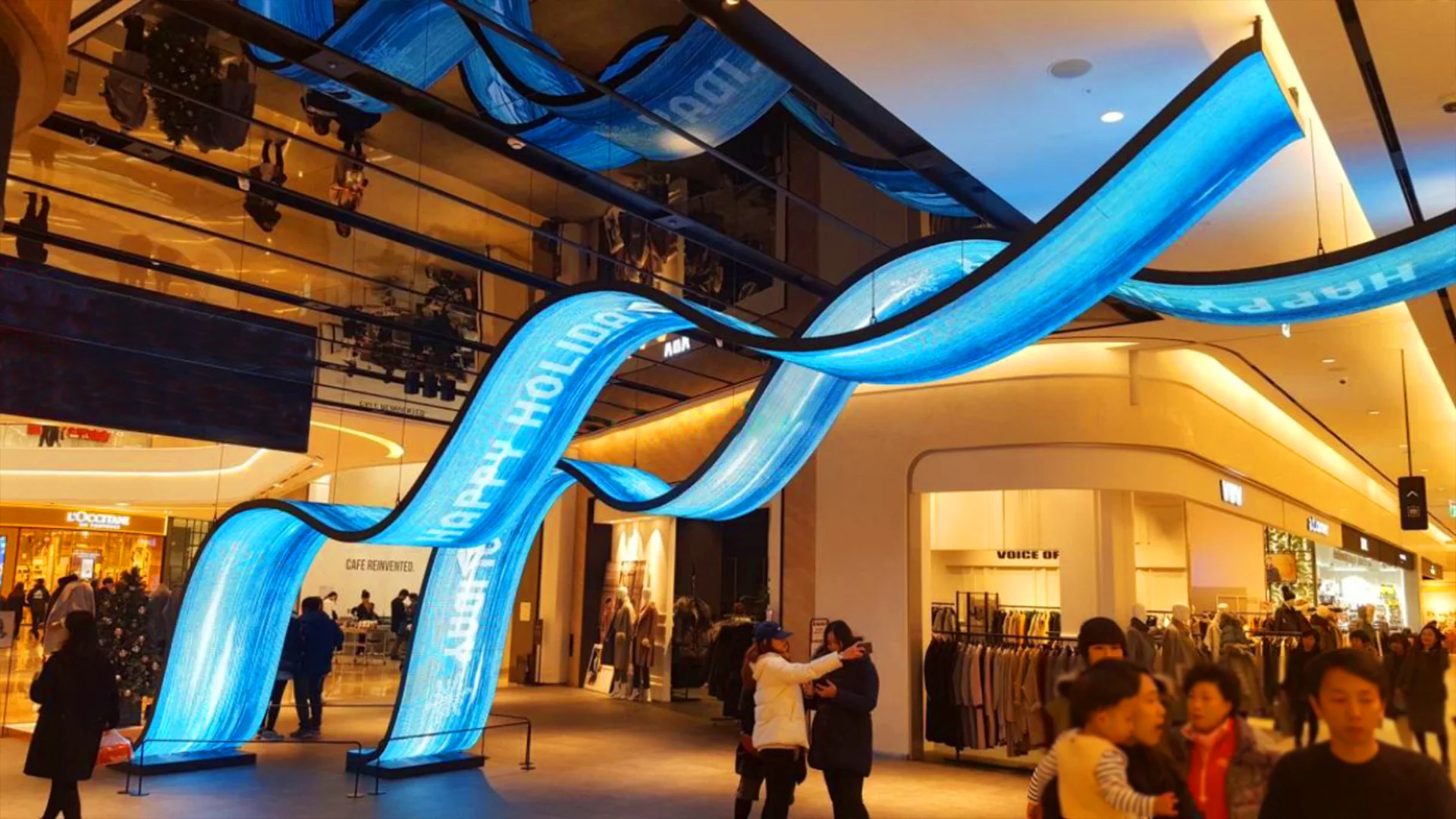
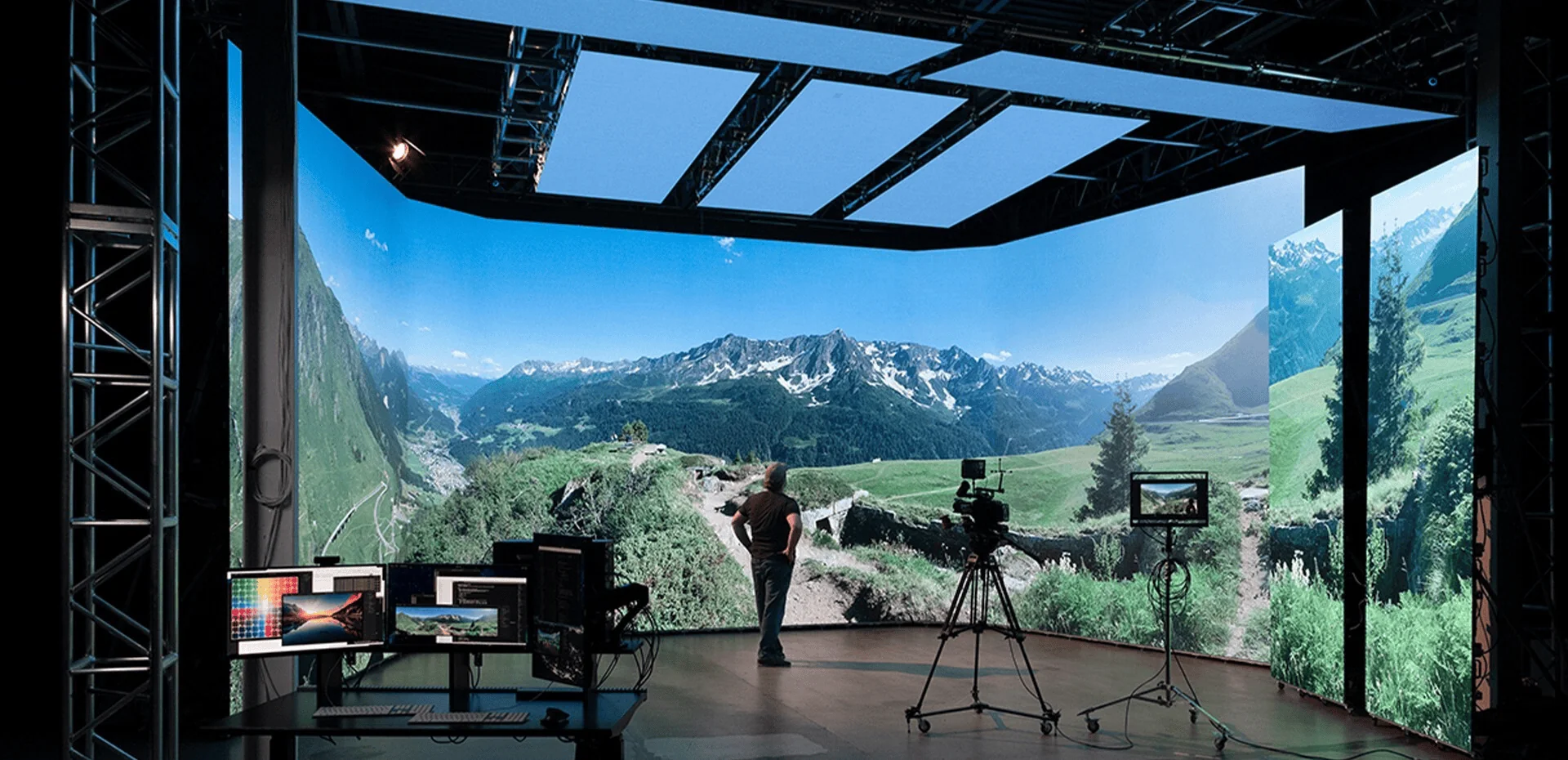
Visual requirements have evolved alongside physical construction. Corporate presentations, control rooms, broadcast environments, retail interiors, and premium digital signage frequently rely on detailed graphics, text, or video. A COB LED wall can address these scenarios through a combination of high pixel density, integrated module construction, and viewing characteristics suited to indoor spaces.
Resolution, Aspect Ratio, And Viewing Experience
Resolution alone does not determine whether an LED display looks appropriate in a particular room. Screen dimensions, pixel pitch, viewing distance, content format, brightness, and the position of the audience all influence perceived image quality. A display designed for close-range presentation requires different considerations from one intended for a large auditorium.
The popularity of 16:9 content has also influenced LED display design. Many video platforms, presentation systems, and professional production workflows use widescreen formats, making proportional screen layouts useful for reducing unnecessary content scaling. Higher resolutions such as 2K, 4K, and 8K can then be considered according to screen size and viewing requirements rather than treated as interchangeable specifications.
Wide viewing angles have another practical benefit. In meeting rooms and public interiors, viewers rarely remain directly in front of the center of the display. Consistent image visibility across different positions can improve the shared viewing experience without requiring every person to sit along one central axis.
COB Design And Modern Installation Methods
Physical architecture has become another area of development. Earlier LED walls could require extensive structural planning, numerous cables, and more visible connections between modules. Advances in cabinet construction and system integration have allowed manufacturers to reduce unnecessary components while simplifying installation workflows.
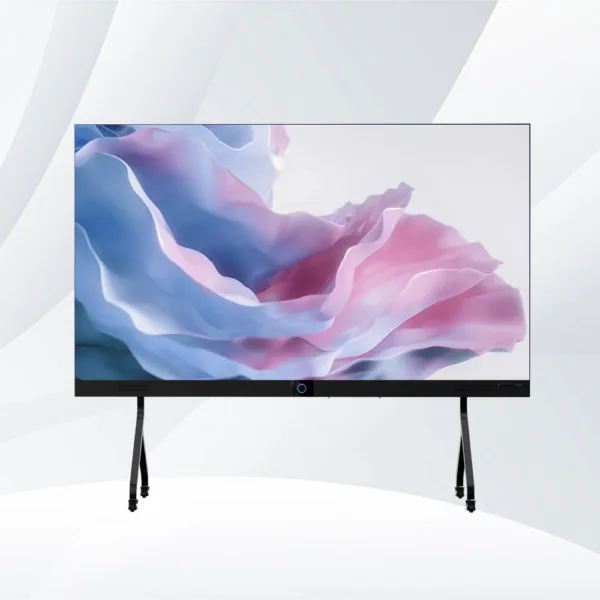
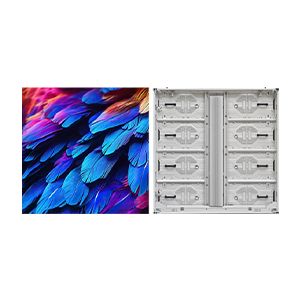
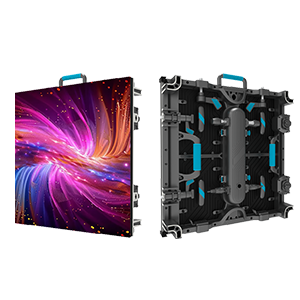
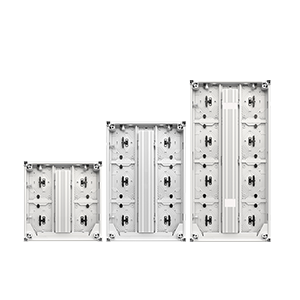
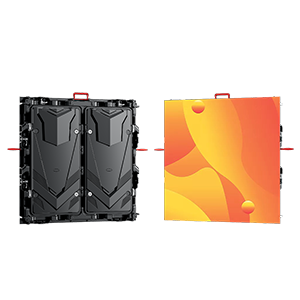
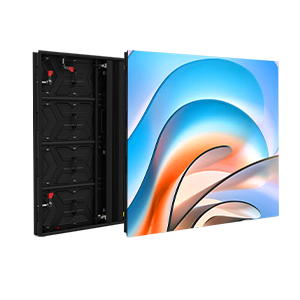
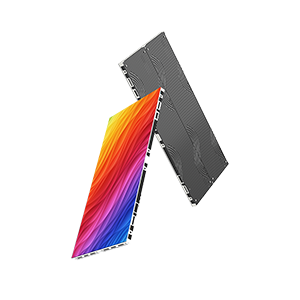
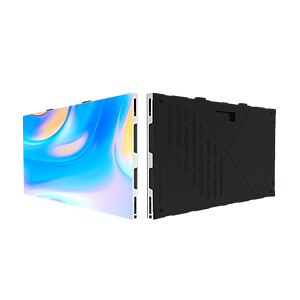
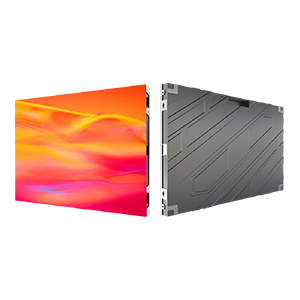
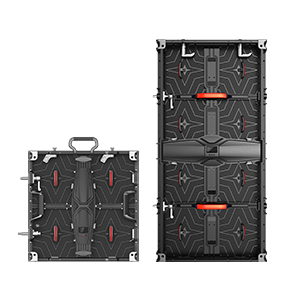
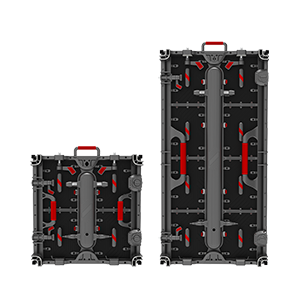
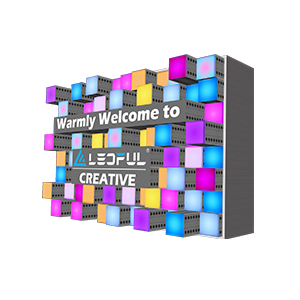
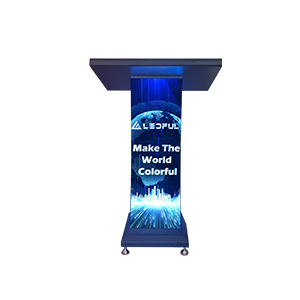
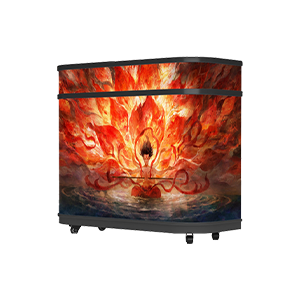
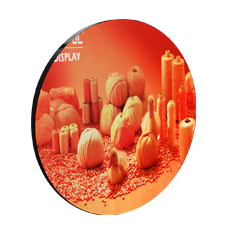
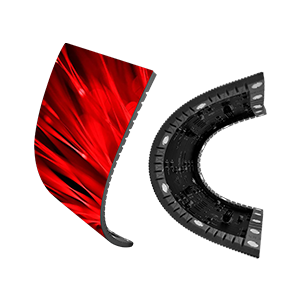
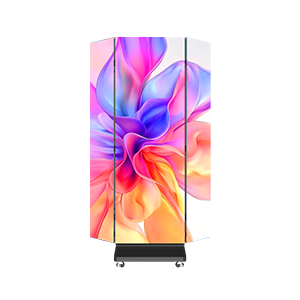
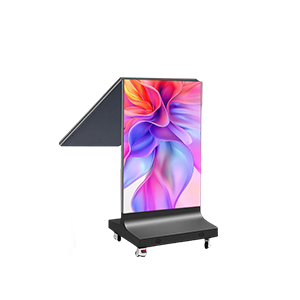
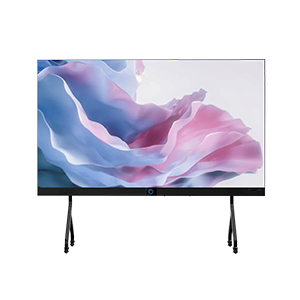
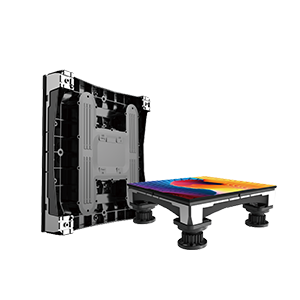
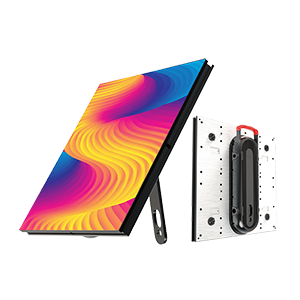
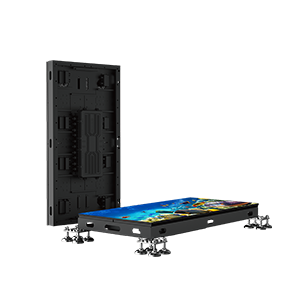
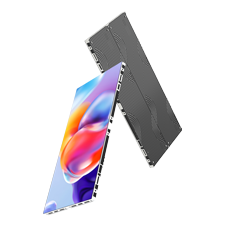
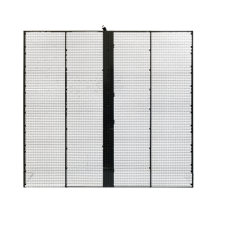
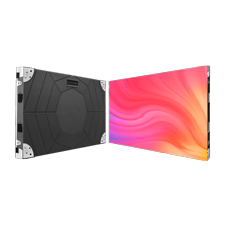
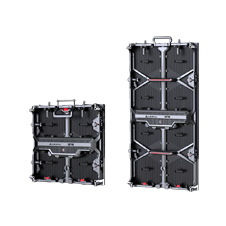
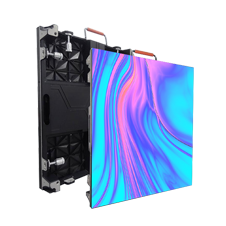
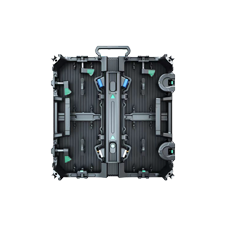
Our COB Series (500x500mm) LED screen illustrates this direction with an ultra-slim, lightweight indoor construction, cable-free design, and support for 2K, 4K, and 8K formats in a 16:9 ratio. Its large viewing angle also suits environments where audiences occupy different positions across a room. These specifications demonstrate how packaging development has increasingly been accompanied by changes in cabinet architecture and system integration.
Installation simplicity can affect more than setup time. Fewer exposed connections may create a cleaner visual environment and reduce cable-management complexity. Maintenance planning still matters, however, since service access, replacement procedures, power distribution, and signal architecture should be considered before the display is installed.
Where COB Technology Is Heading
Future development is likely to involve several technical areas simultaneously rather than focusing exclusively on smaller pixel pitches. Improvements in semiconductor efficiency, encapsulation materials, driving electronics, thermal control, calibration, and manufacturing precision can each influence the performance of fine-pitch LED systems.
Energy behavior is also becoming increasingly relevant indoors. Display operators may run large screens for many hours each day, making power consumption, brightness management, thermal conditions, and operating schedules useful parts of system evaluation. Intelligent control can help match display output with actual room conditions instead of maintaining one fixed brightness level.
The history of the COB LED display reflects a broader shift toward greater pixel density, improved surface protection, compact construction, and more integrated system design. From our perspective at LEDFUL, the evolution of the COB LED wall is best understood through these combined engineering changes rather than through packaging terminology alone. As indoor visual systems continue to develop, we focus on how each technical improvement affects the real viewing environment, installation process, and long-term operation.