











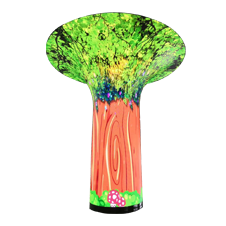



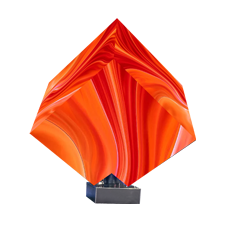
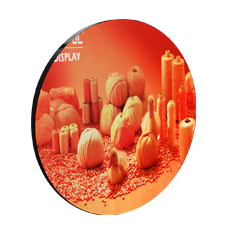
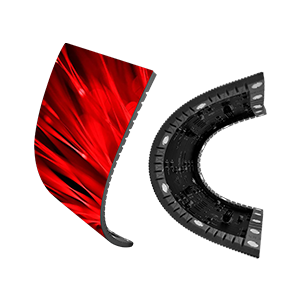
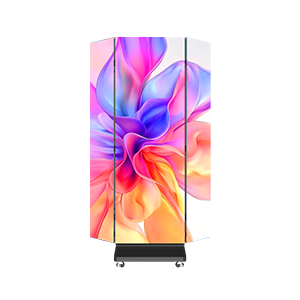
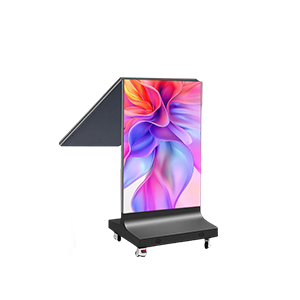
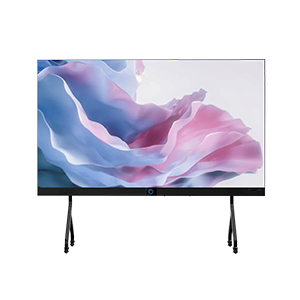


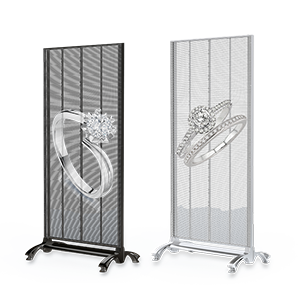


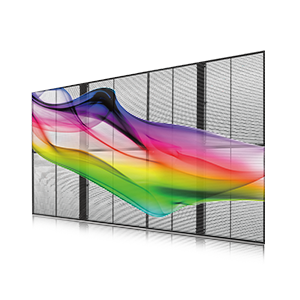
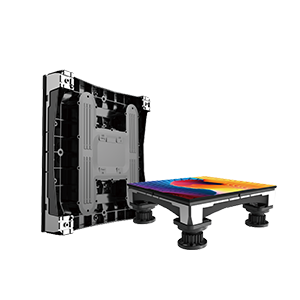
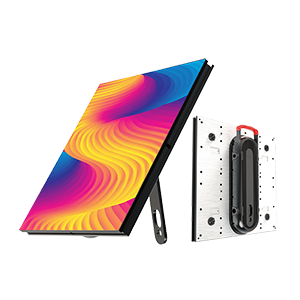
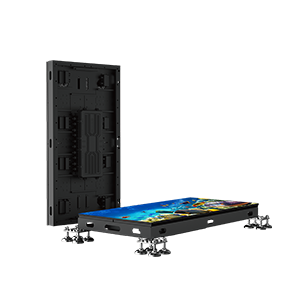





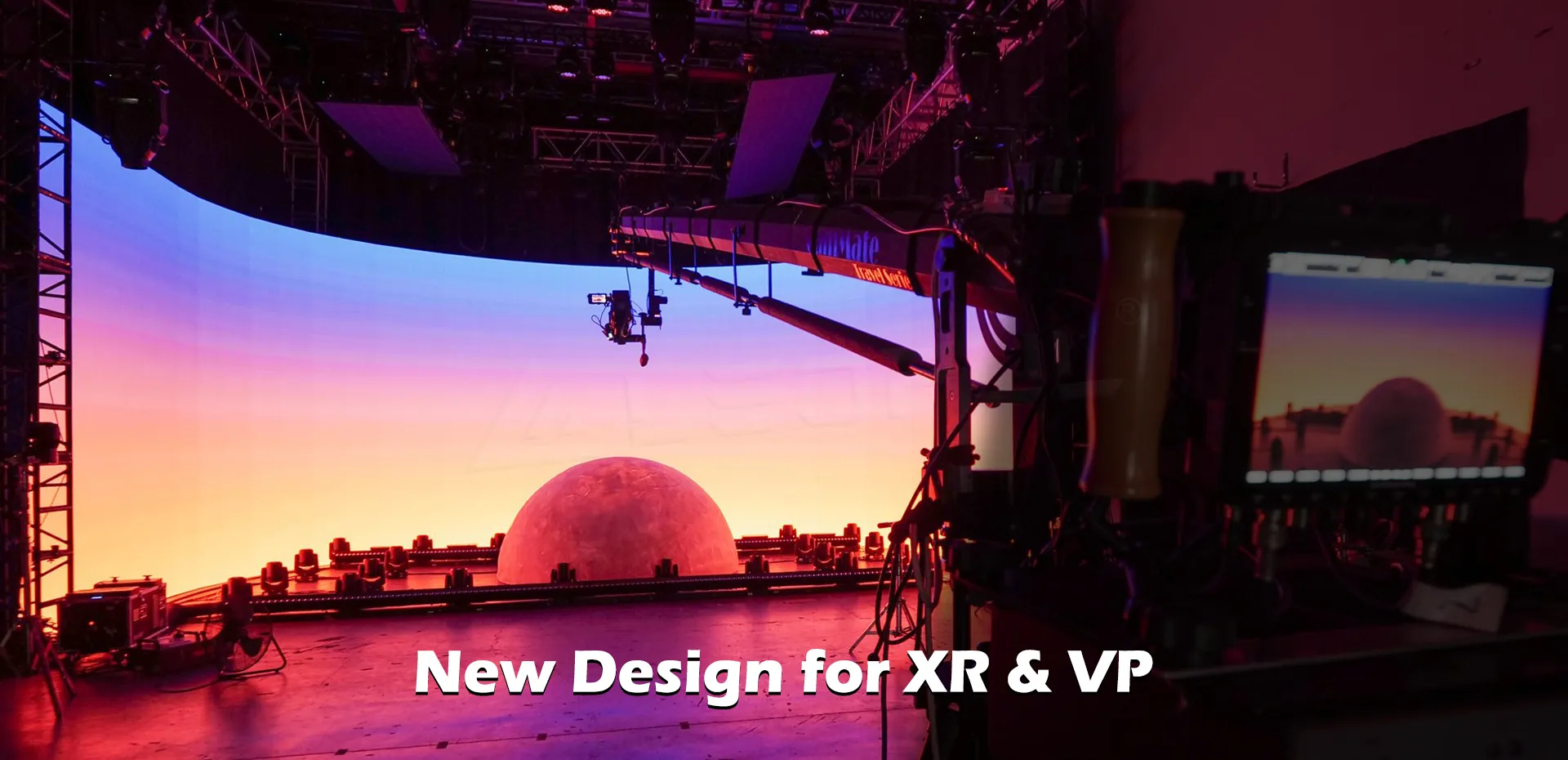

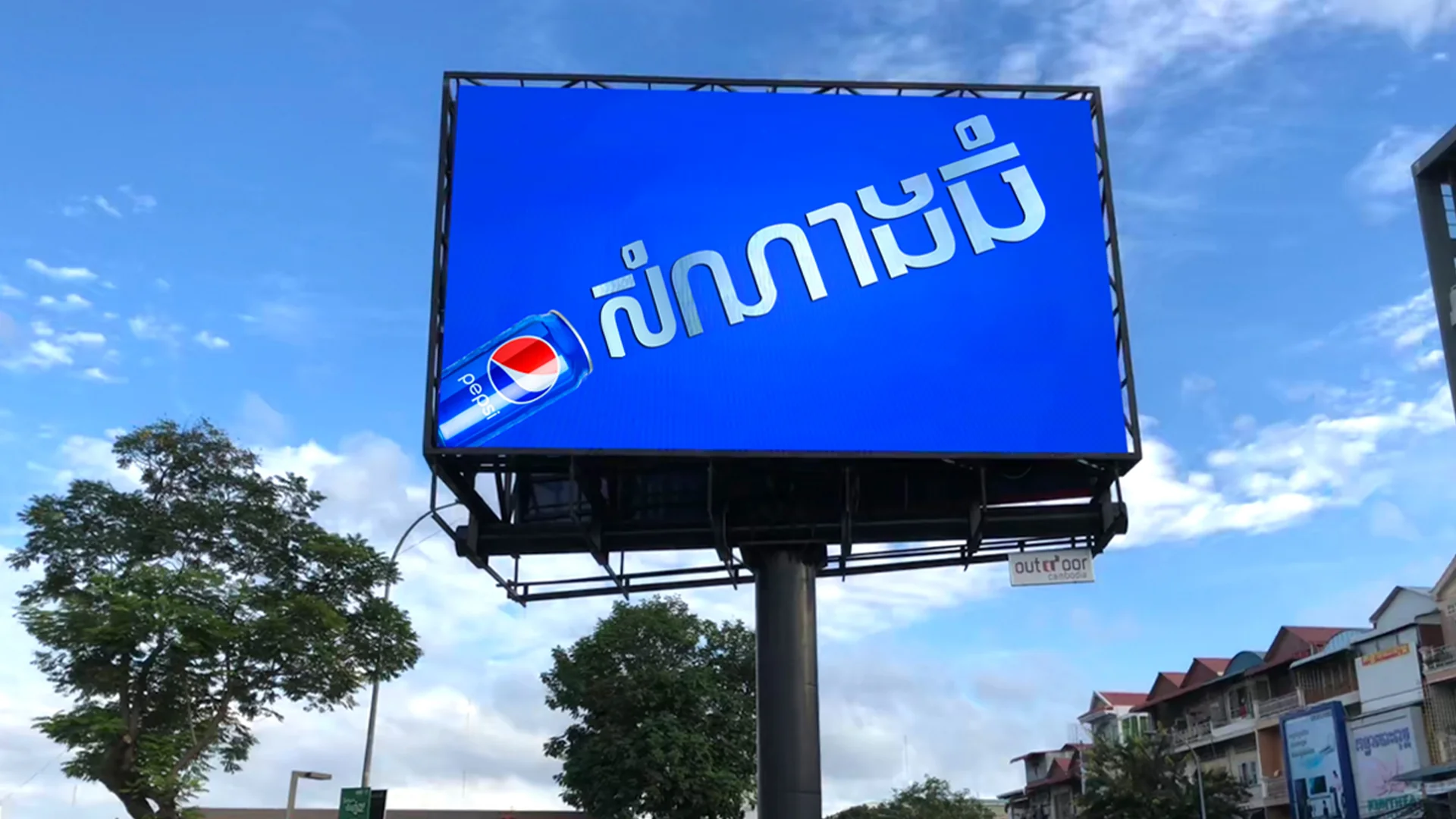
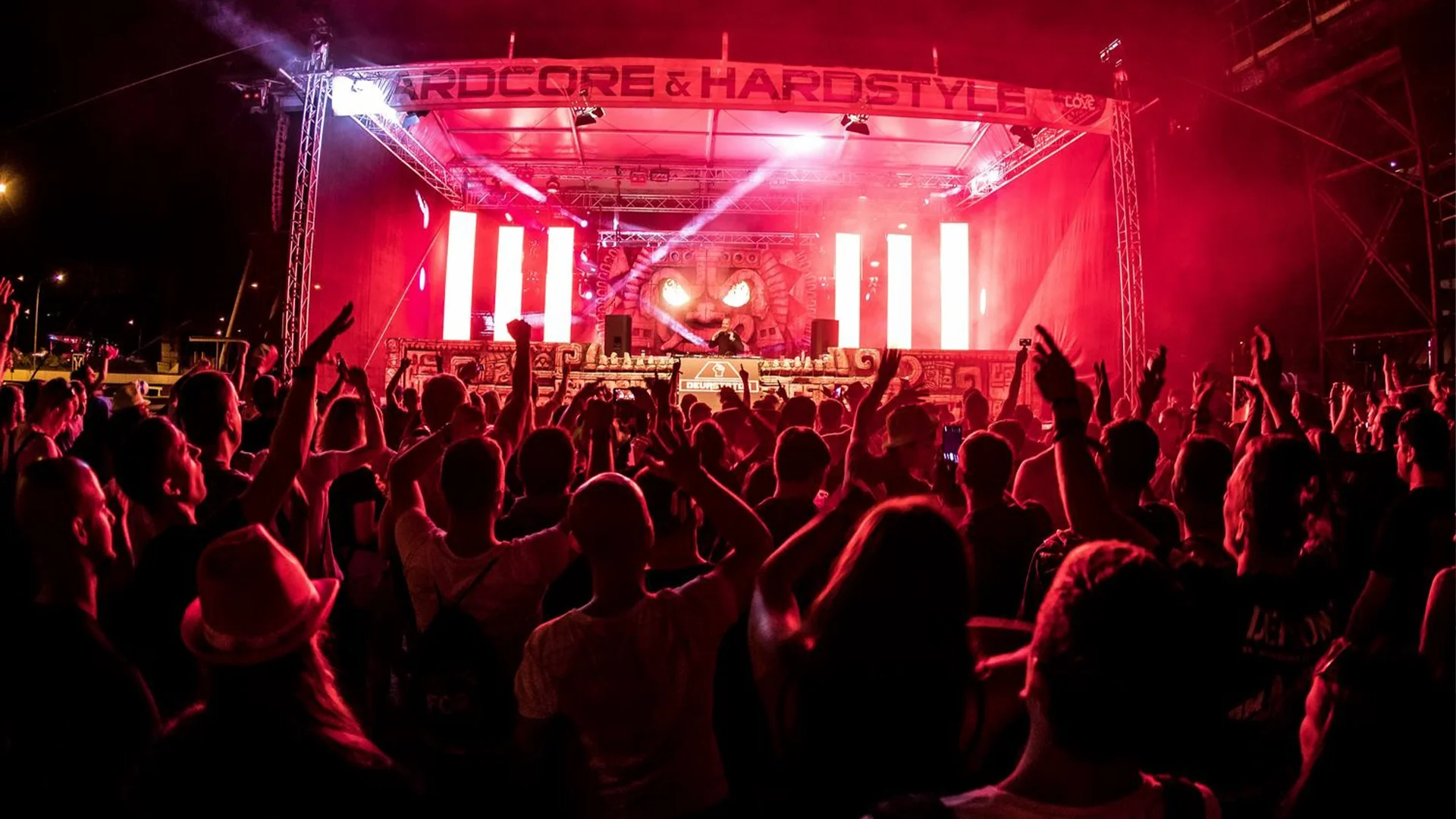
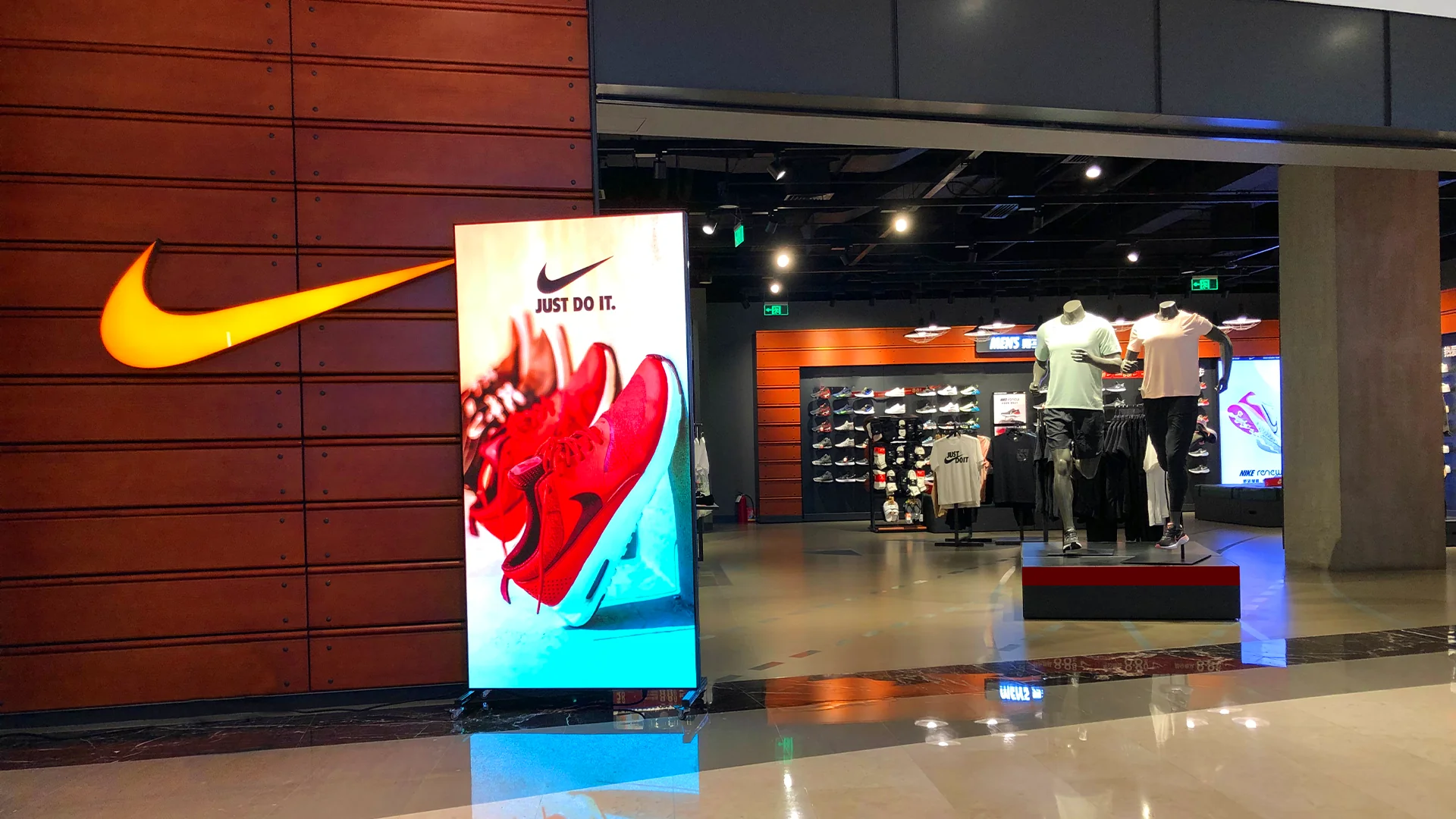
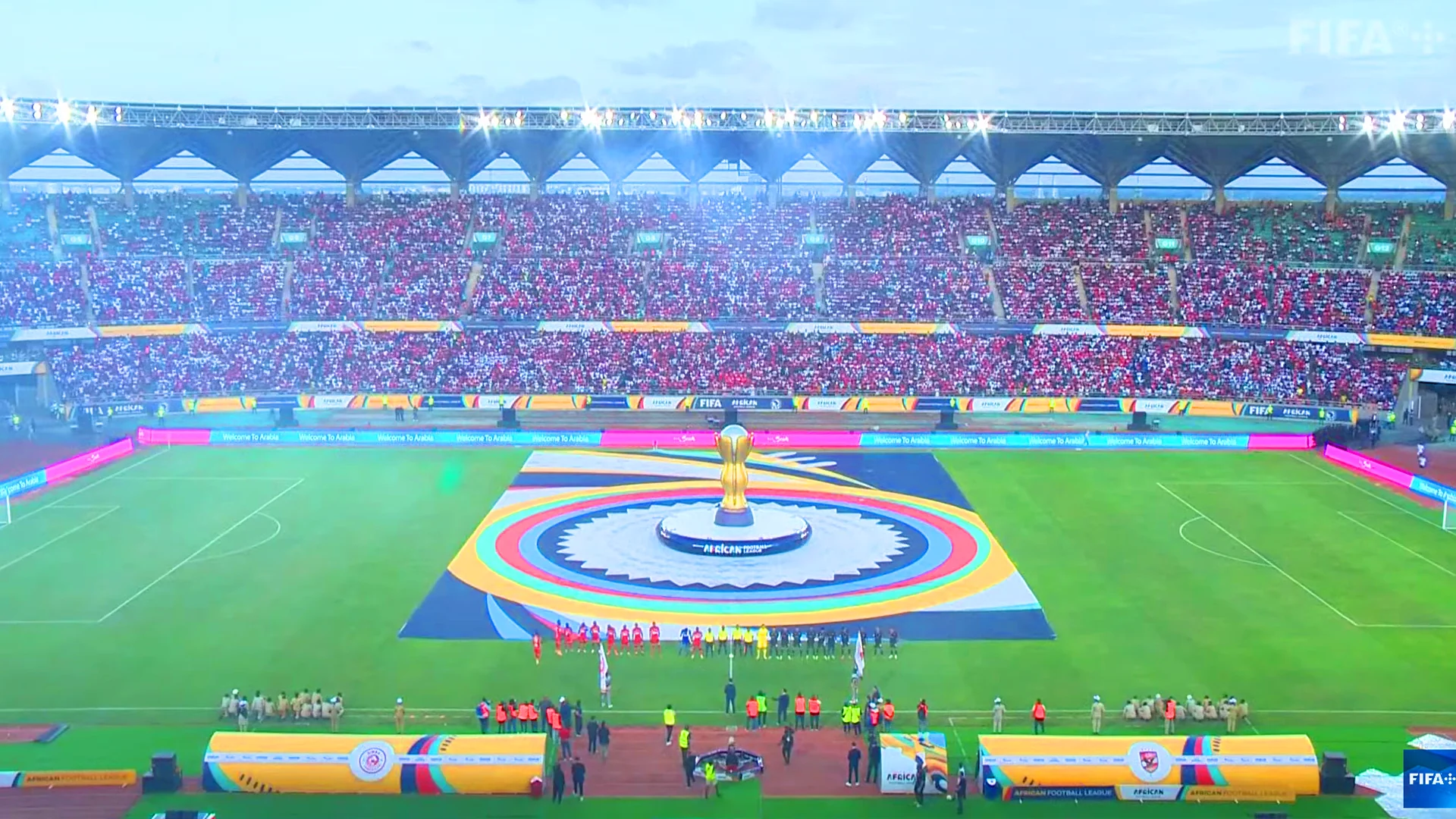
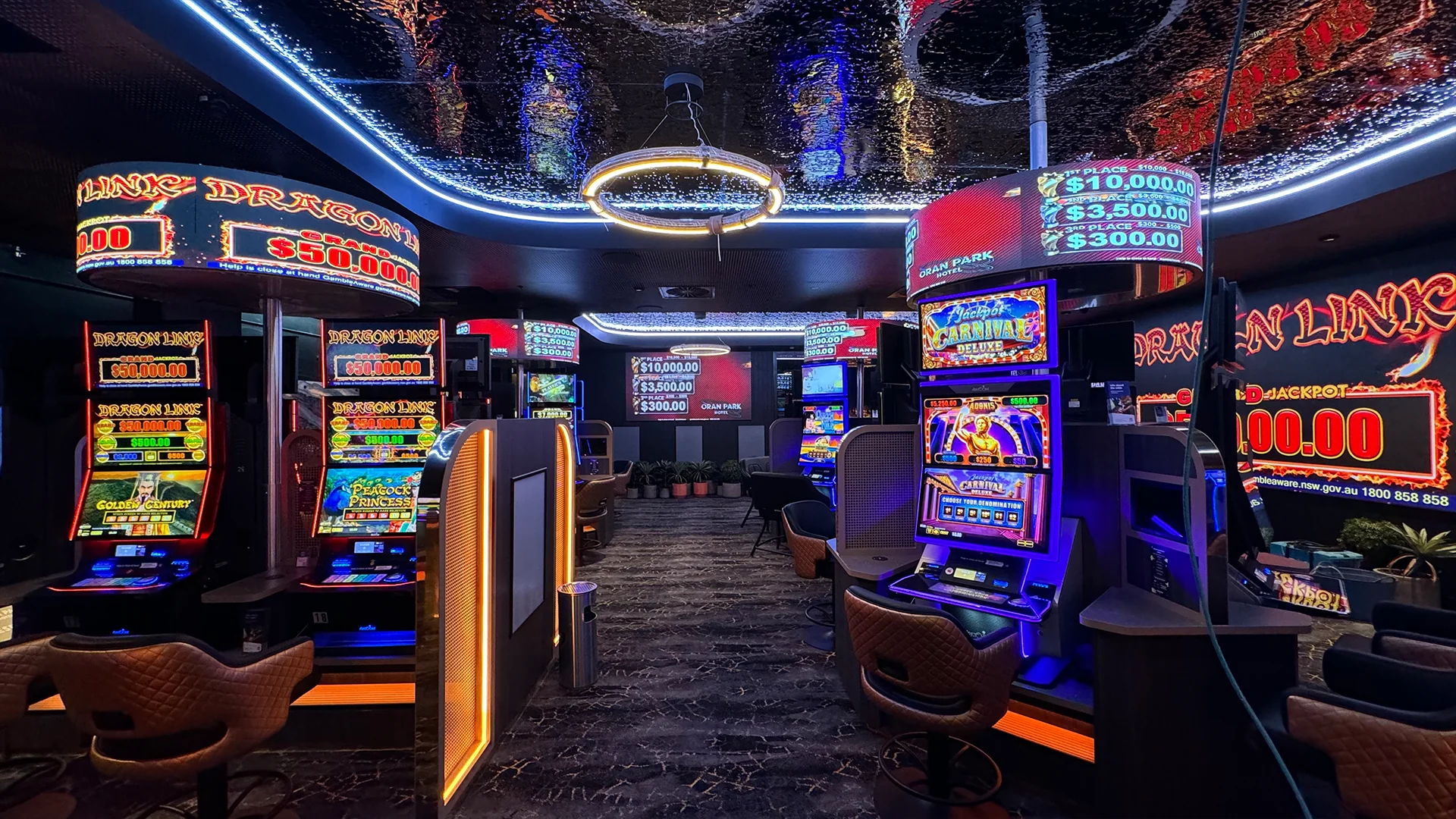
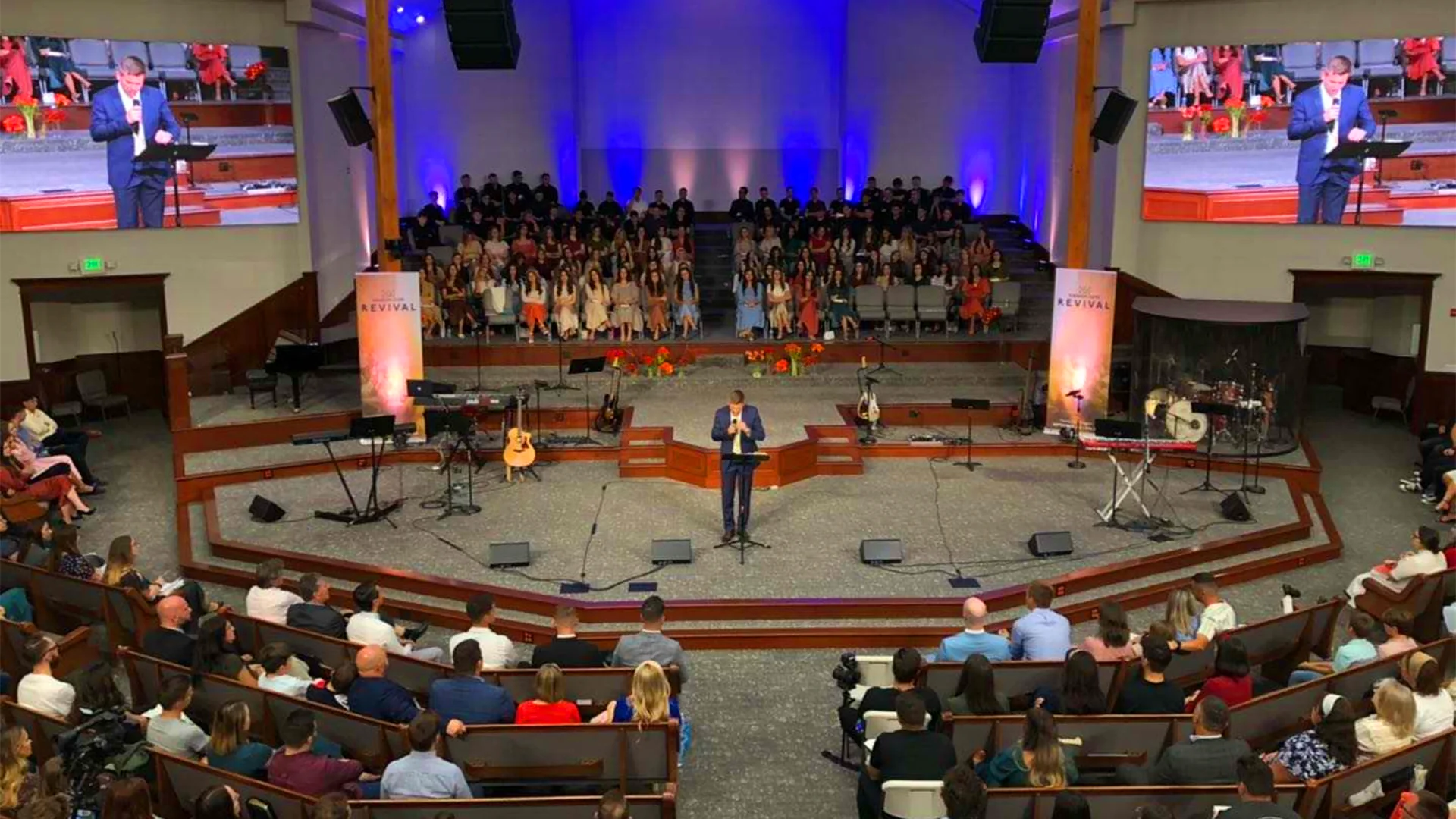
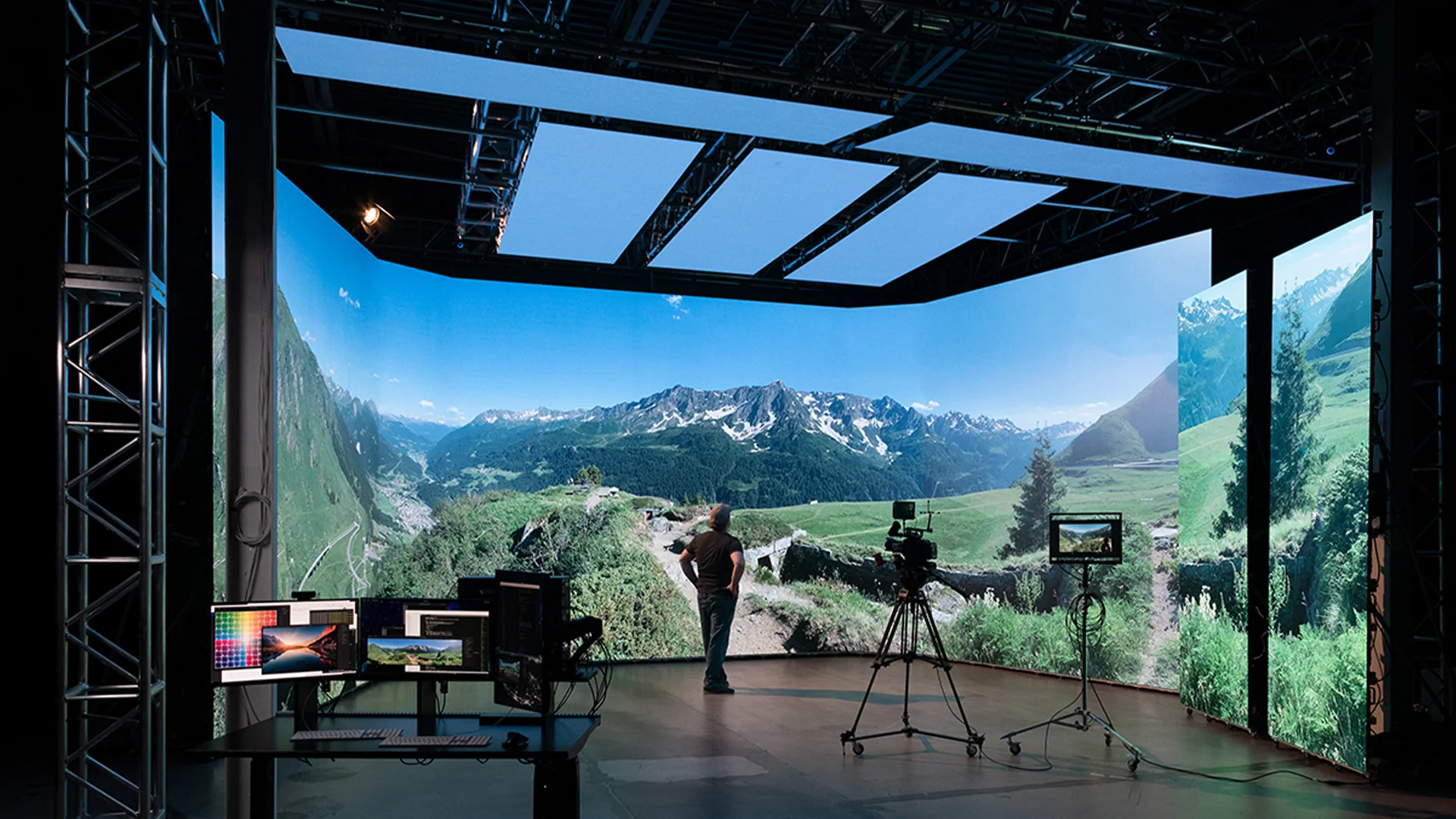






Large indoor visual systems can become part of a building’s electrical, structural, and operational environment, so safety needs to be considered long before content is displayed. In our work at LEDFUL, we treat a China indoor LED display as an engineered installation rather than simply a collection of cabinets, with attention to load conditions, electrical protection, access routes, ventilation, and maintenance procedures from the planning stage onward.

Assessing Structural And Installation Conditions
The installation environment determines how safely a large display can operate. Wall construction, mounting surfaces, cabinet weight, fixing points, and surrounding structures should all be reviewed before equipment reaches the site. A display installed in a convention center may face very different structural conditions from one mounted inside a retail atrium or broadcast studio.
Cabinet arrangement also affects mechanical stability. Large installations are commonly assembled from multiple units, meaning every connection point contributes to the overall structure. Engineers should verify mounting hardware, support spacing, cabinet alignment, and the permitted loading conditions specified for the installation rather than relying solely on visual inspection.
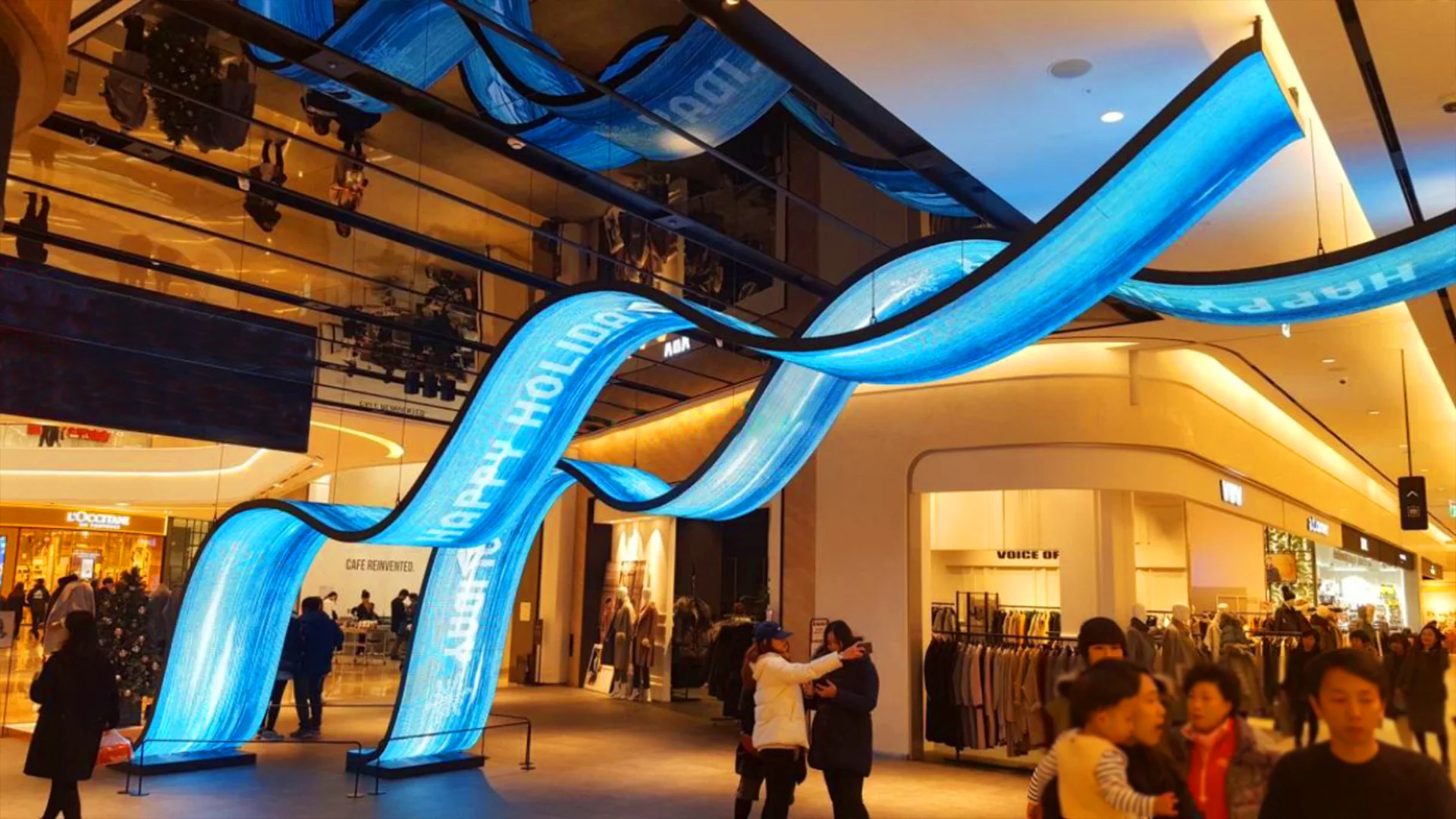
The indoor LED displays used in public buildings may also sit above occupied areas, making access and fall protection particularly important. Maintenance routes should remain clear, while detachable components need secure retention during servicing. Where elevated work is unavoidable, site procedures should account for tools, replacement modules, personnel movement, and the possibility of objects falling into public areas.
Managing Electrical And Power Risks
Power distribution deserves the same attention as the physical installation. Large LED systems can contain numerous power supplies and receiving components, so circuits should be planned according to the actual electrical load. Appropriate breakers, grounding arrangements, cable ratings, and distribution equipment should be selected according to local electrical requirements and the manufacturer’s technical documentation.
Heat and electricity are closely related during continuous operation. Excessive ambient temperature, blocked airflow, overloaded circuits, or poorly arranged power connections can increase thermal stress. Monitoring equipment temperatures and checking ventilation paths at regular intervals can help maintenance teams identify abnormal conditions before they develop into operational problems.
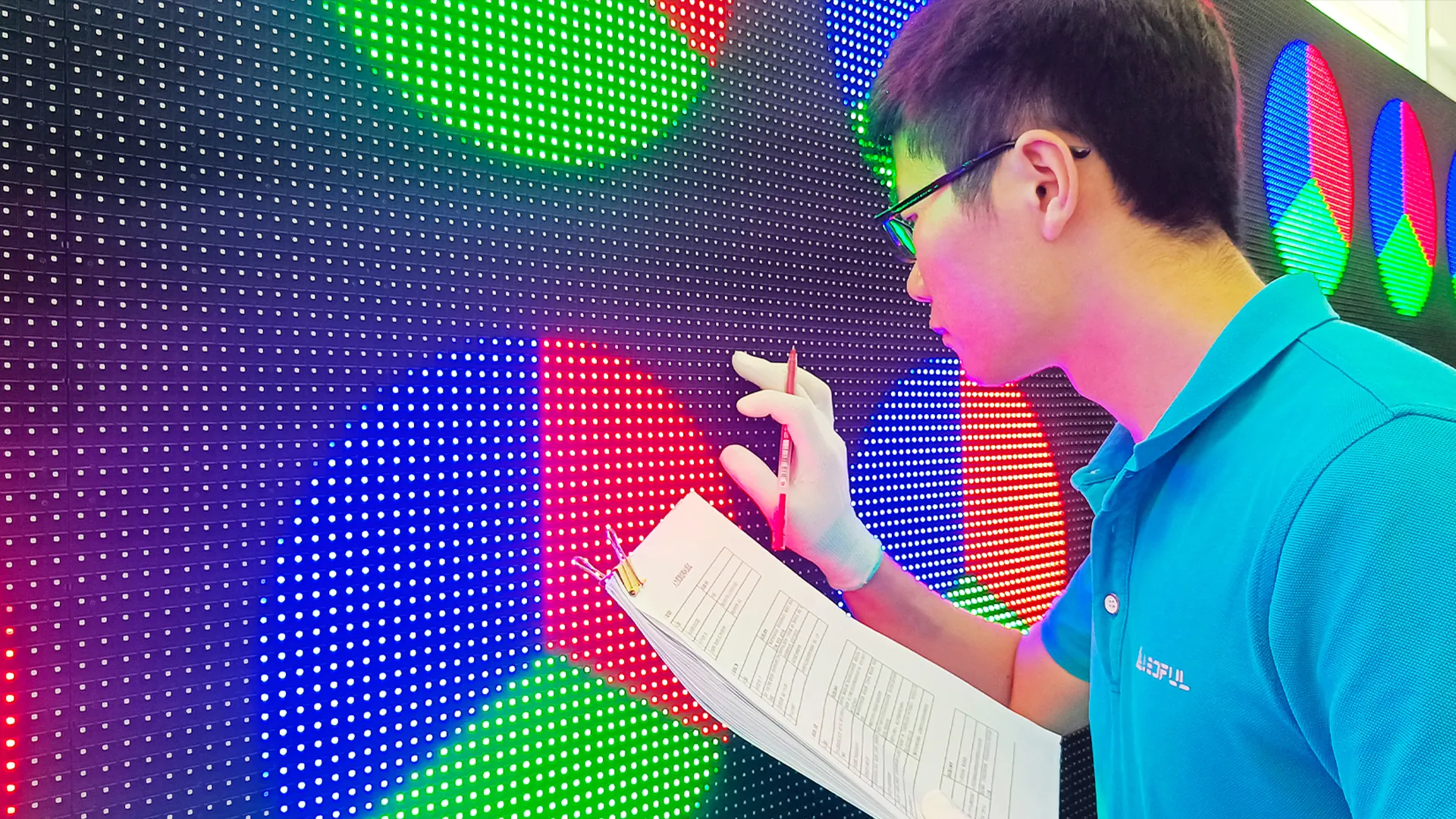
For a China indoor LED display, commissioning should include more than switching the screen on and checking the picture. Electrical connections, grounding, power sequencing, cabinet behavior, signal transmission, and protective devices should be inspected systematically. Any irregular smell, unusual noise, repeated power cycling, or unexpected temperature rise deserves investigation rather than being treated as a normal operating condition. For supplier comparison, review the top LED display manufacturers in China.
Product Configuration And Service Access
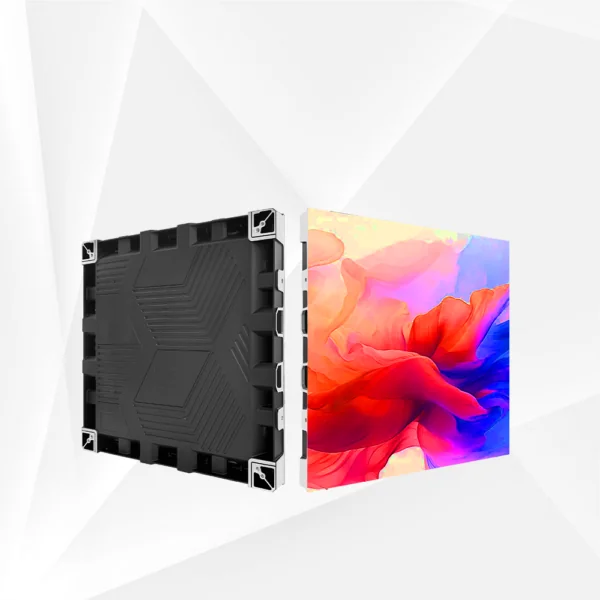
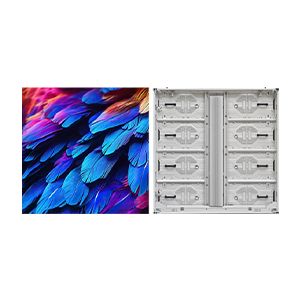
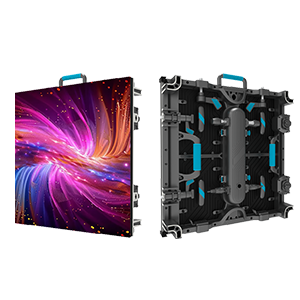
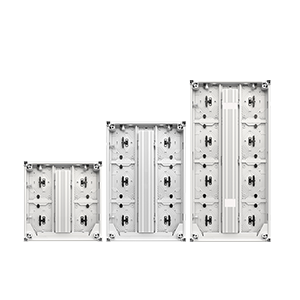
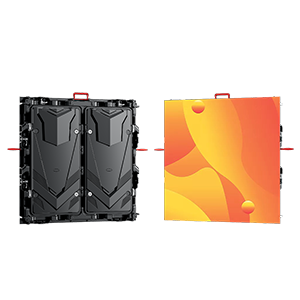
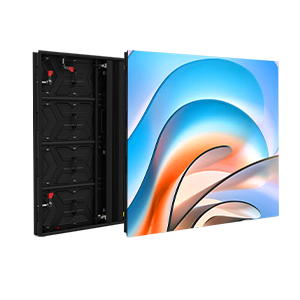
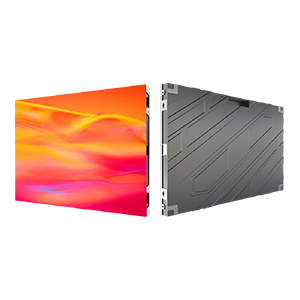
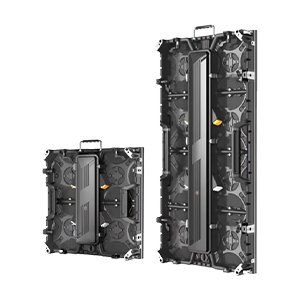
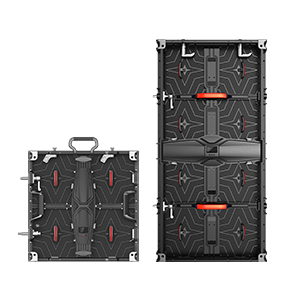
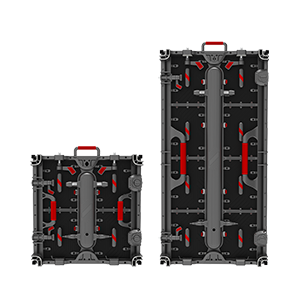
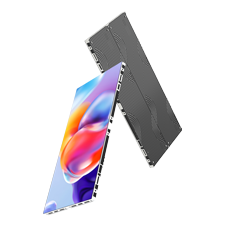
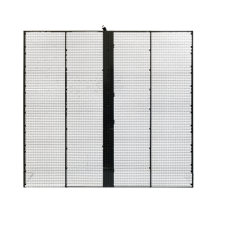
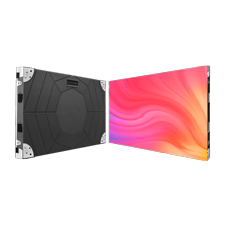
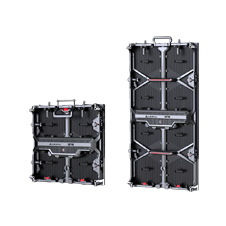
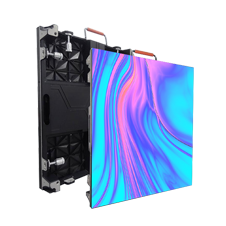
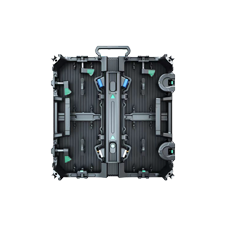
Different indoor projects require different cabinet arrangements, particularly when wall dimensions, viewing zones, or architectural boundaries do not follow standard proportions. The BM Series uses die-casting aluminum cabinets and supports different size combinations, while offering a 3840Hz refresh rate and an optional brightness level of 4000 nits. These characteristics illustrate how cabinet configuration and performance specifications can be considered together during indoor system planning.
Serviceability has a direct relationship with operational safety. Technicians need sufficient working space around cabinets, controllers, power components, and signal connections. A crowded maintenance area can make even a simple inspection unnecessarily hazardous, especially in installations where the display occupies a substantial wall or ceiling surface.
The physical layout should also reflect the building’s daily activities. Emergency exits, fire equipment, ventilation openings, walkways, and restricted service zones must remain accessible after installation. Good planning treats the display as part of the facility rather than an isolated visual device, allowing technical personnel to work without interfering with normal public movement.
Establishing Operational And Maintenance Procedures
Once installation has been commissioned, operating procedures should define who can access the system and what checks are required. Operators should understand basic power controls, system shutdown procedures, abnormal-condition reporting, and restricted areas. Clear responsibility helps prevent untrained personnel from making changes to electrical or control components.
Routine inspections can focus on practical indicators such as cabinet movement, damaged cables, unusual heat, unstable image output, loose connectors, and unexpected brightness changes. The inspection frequency should reflect operating hours, environmental conditions, installation scale, and the importance of the display to the facility.
Maintenance records provide another useful layer of control. Recording inspection dates, replaced components, observed faults, and corrective actions creates a history that technicians can consult during future service work. Such documentation is particularly useful for indoor LED displays installed in venues that operate for long hours or host frequent events.
Preparing For Emergencies And Long-Term Use
Emergency planning should cover both equipment faults and building-level incidents. Staff should know how to isolate power safely, restrict access to an affected area, report electrical abnormalities, and coordinate with facility management. Fire protection procedures should follow the building’s applicable codes rather than being developed solely around the display hardware.
Large screens may operate for many years, so safety practices should evolve with the installation. Replacement components, control equipment, software, cabling, and mounting structures can change during the system’s service life. Periodic technical reviews help confirm that modifications have not created new electrical, structural, or access-related risks.
Documentation also matters during upgrades. Before adding cabinets or changing configuration, teams should reassess power capacity, mounting conditions, ventilation, signal architecture, and service access. Treating expansion as a new engineering review keeps the original safety assumptions from being carried forward without verification.
Conclusion
Operational safety is built from many ordinary details: sound mounting, properly planned power distribution, accessible service areas, controlled operating procedures, and disciplined inspection. Our team at LEDFUL approaches every China indoor LED display project with these practical considerations in mind, while recognizing that final installation requirements depend on the building, local regulations, and system configuration. With clear procedures and appropriate technical reviews, indoor LED displays can function as substantial visual infrastructure while fitting responsibly into the spaces around them.