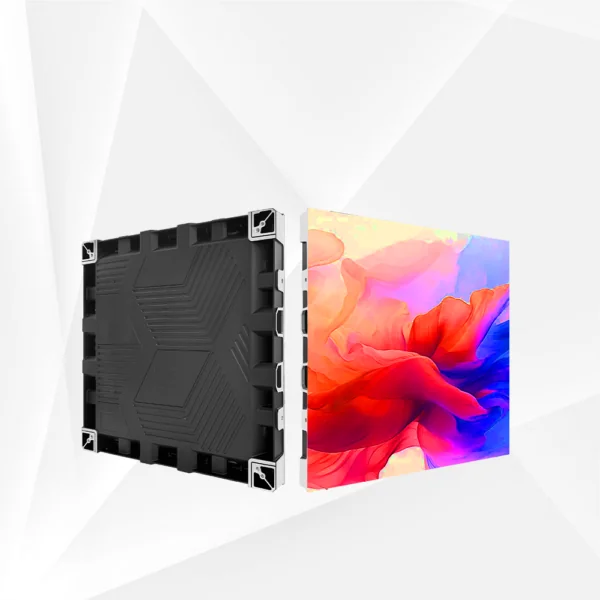
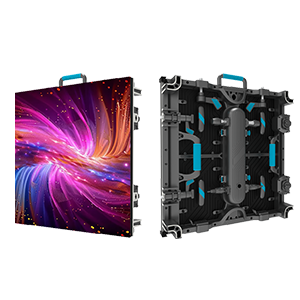



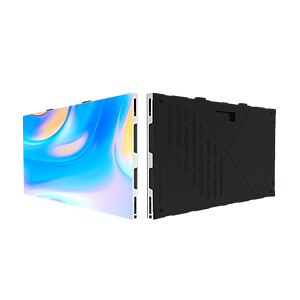
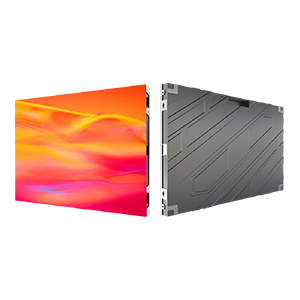

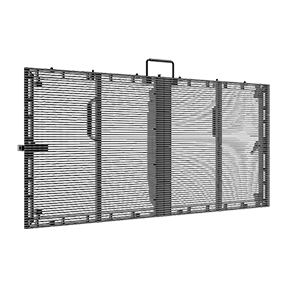
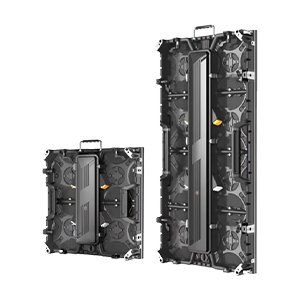










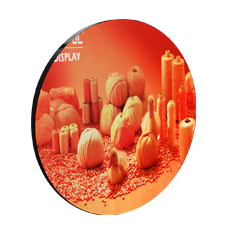
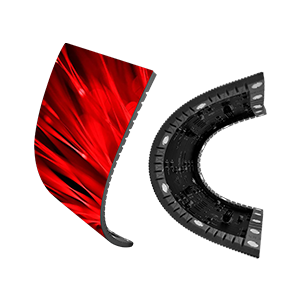
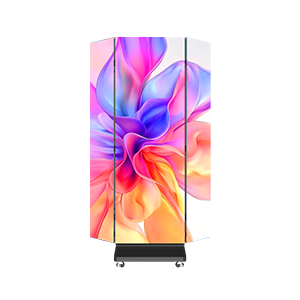
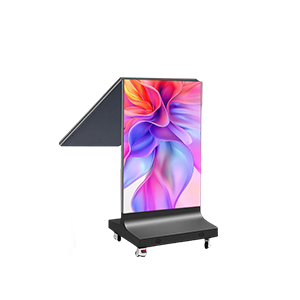




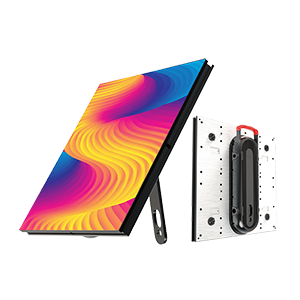
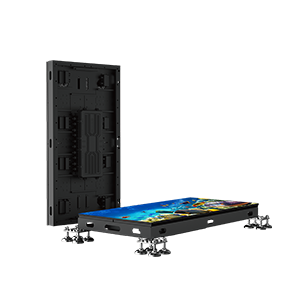

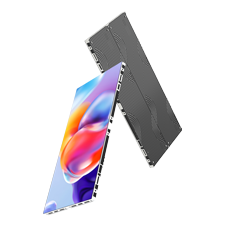

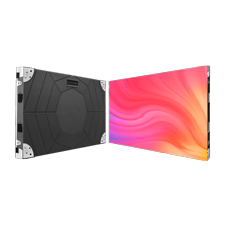
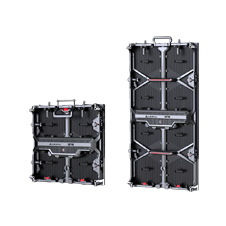

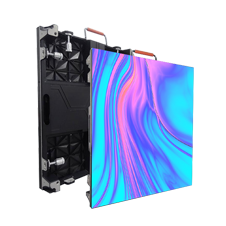
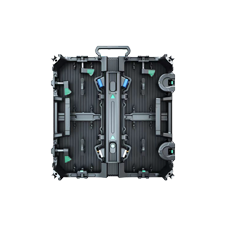



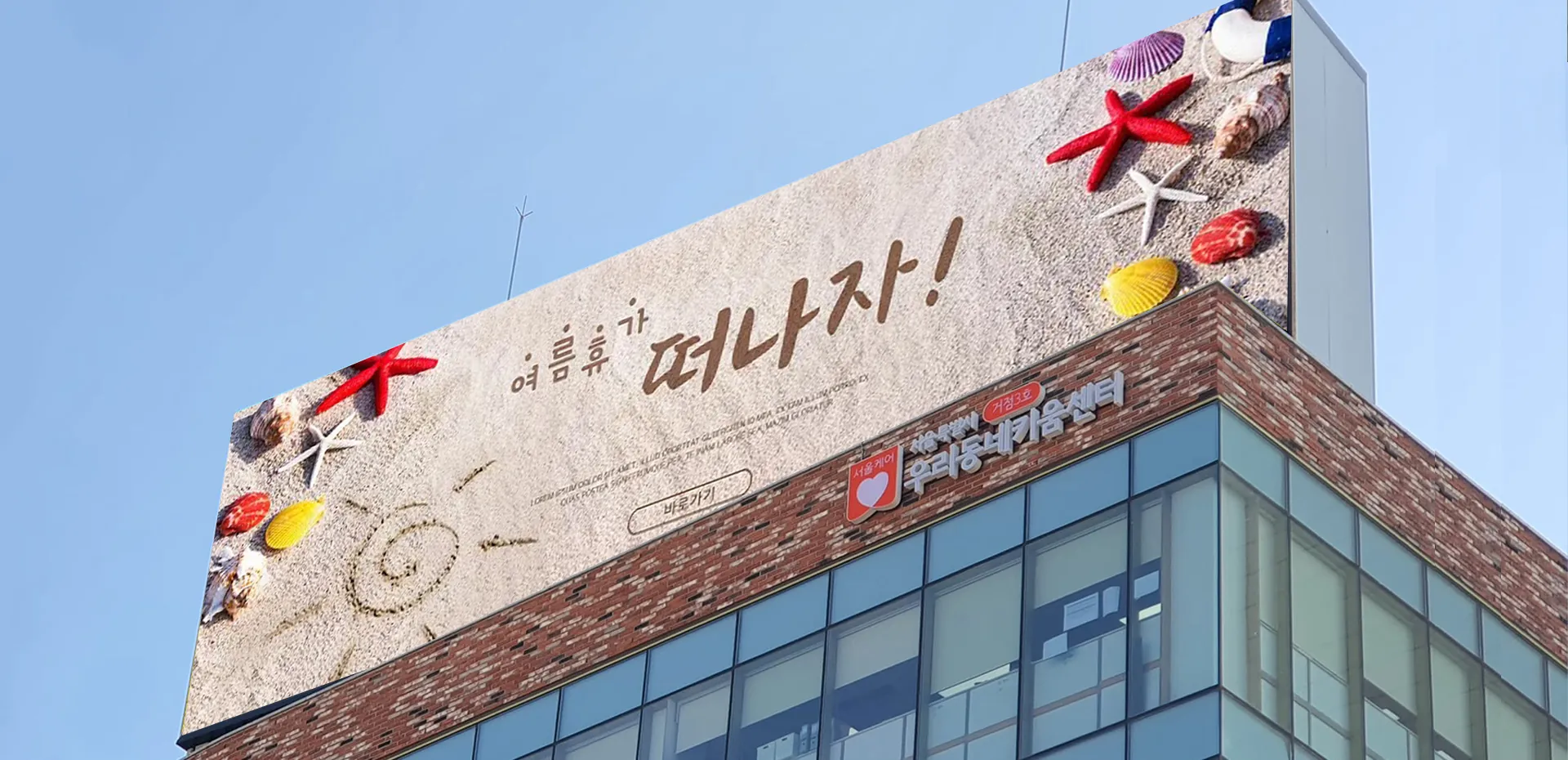
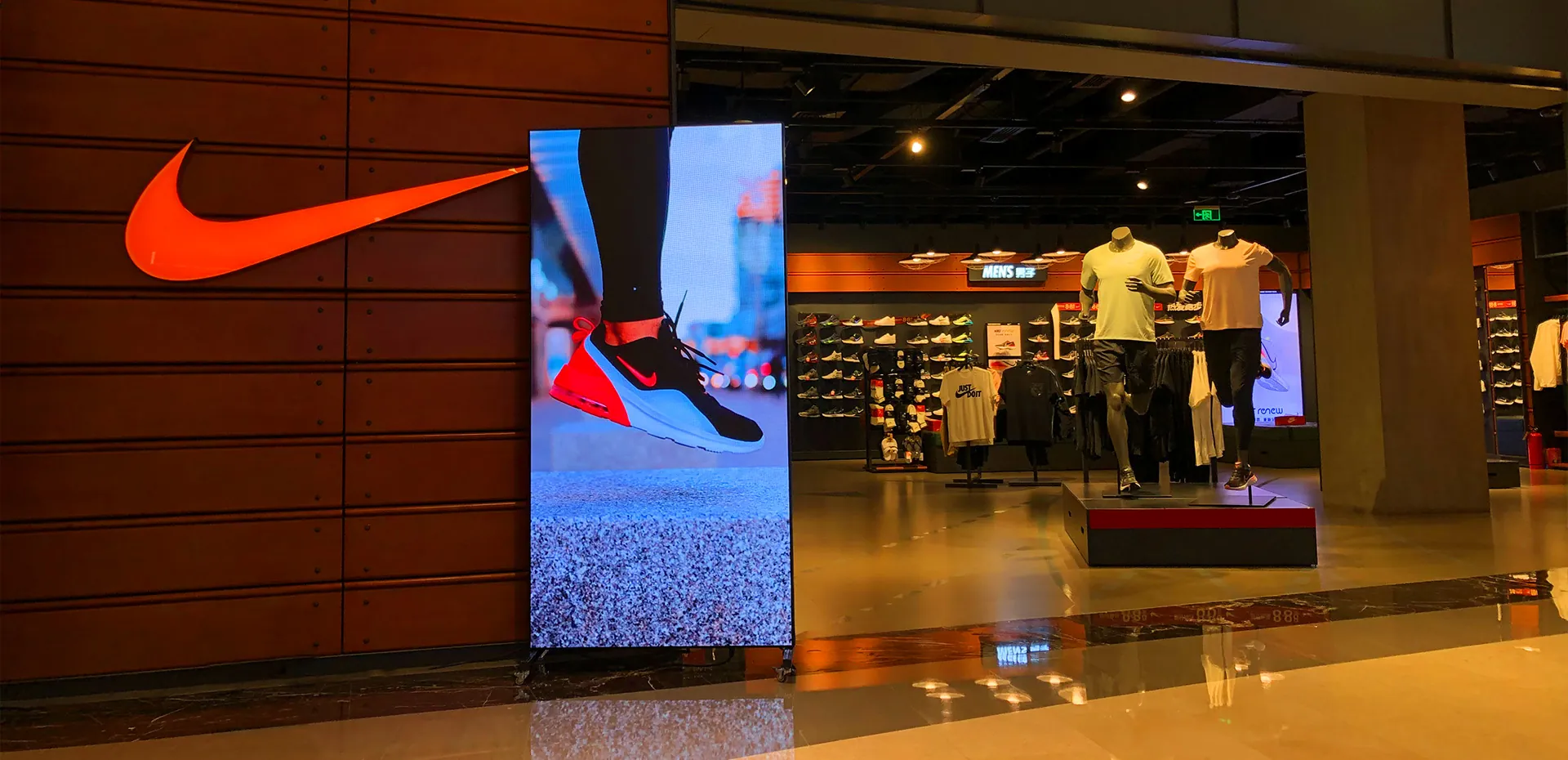
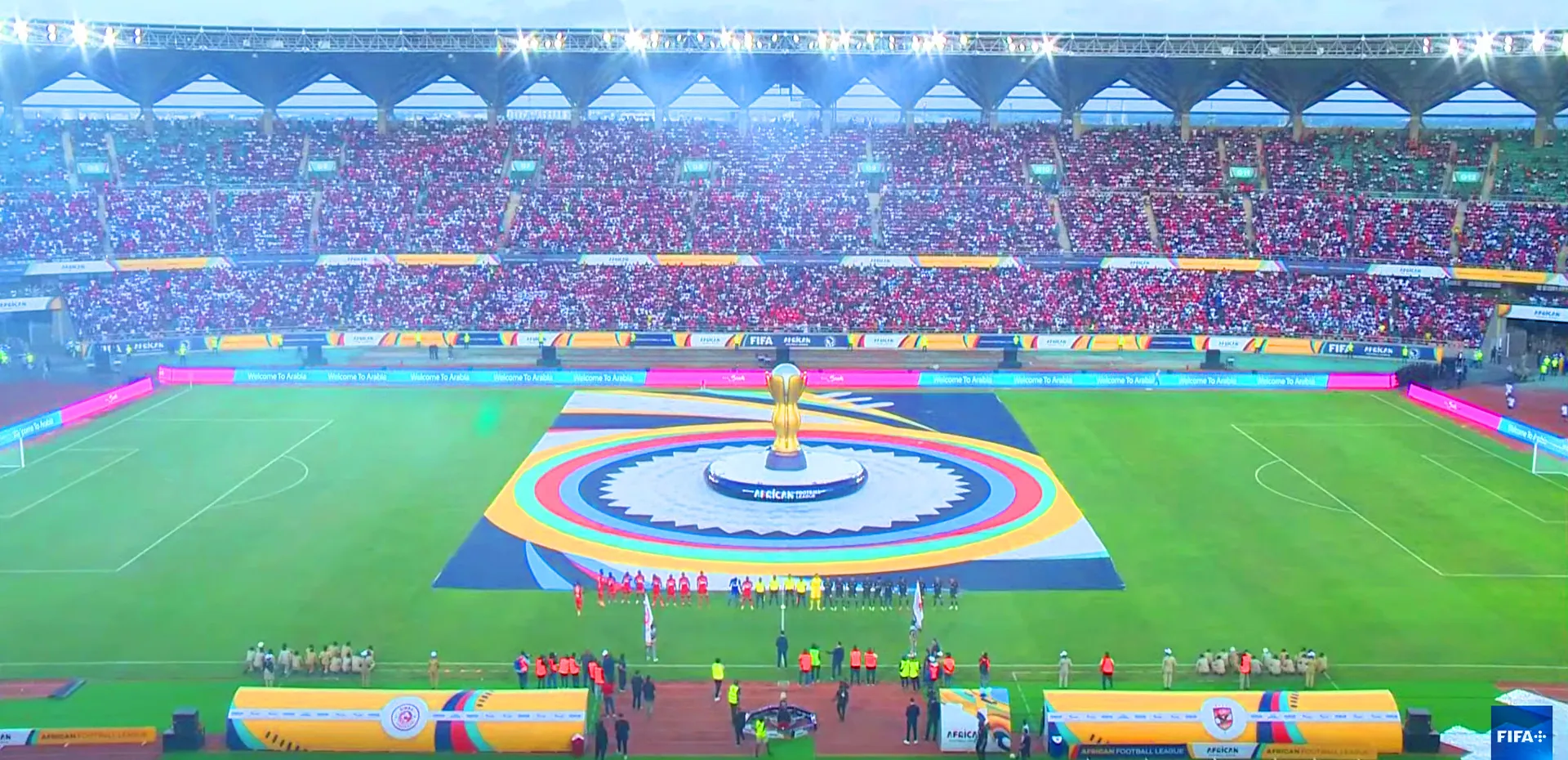

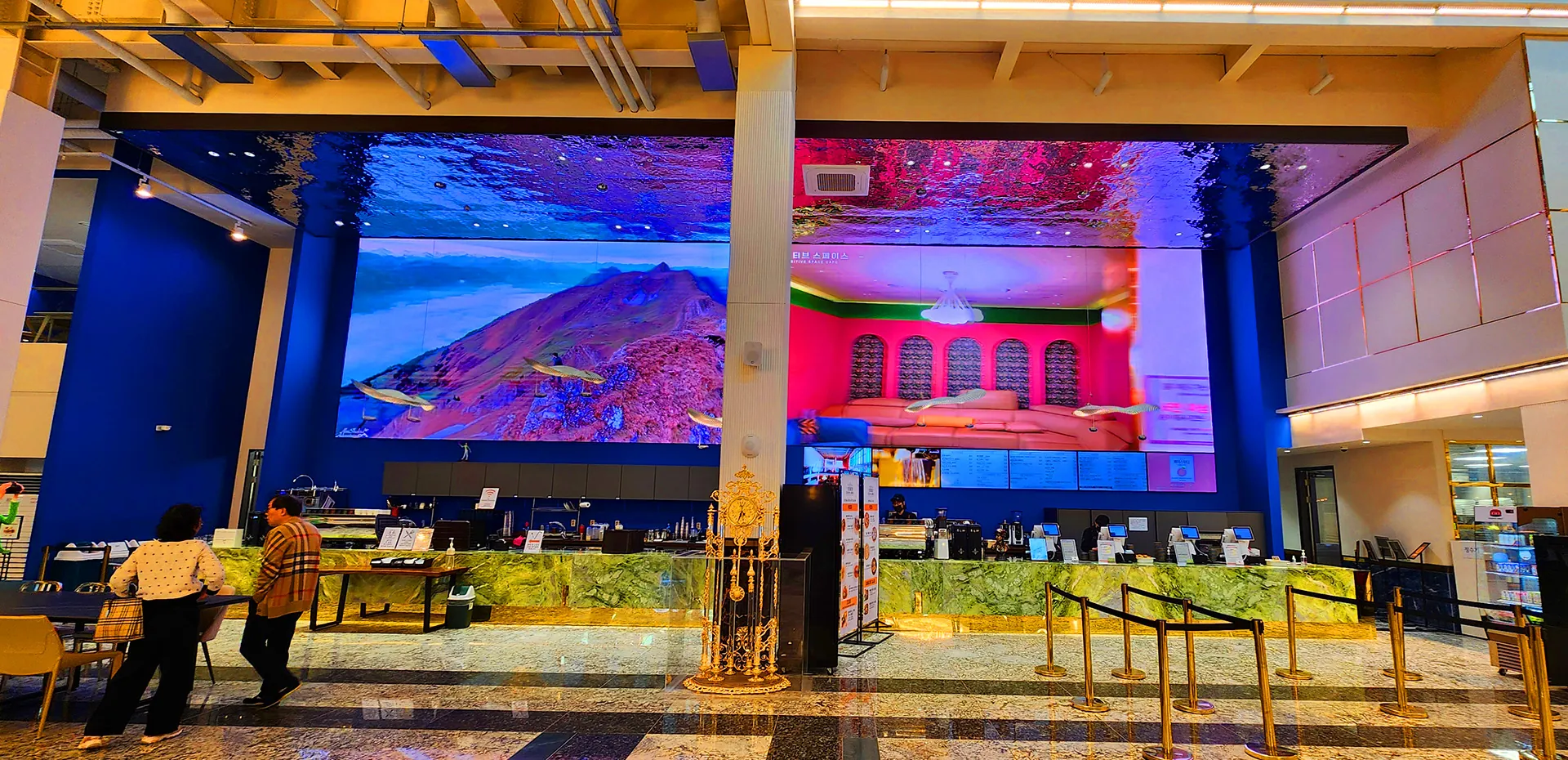


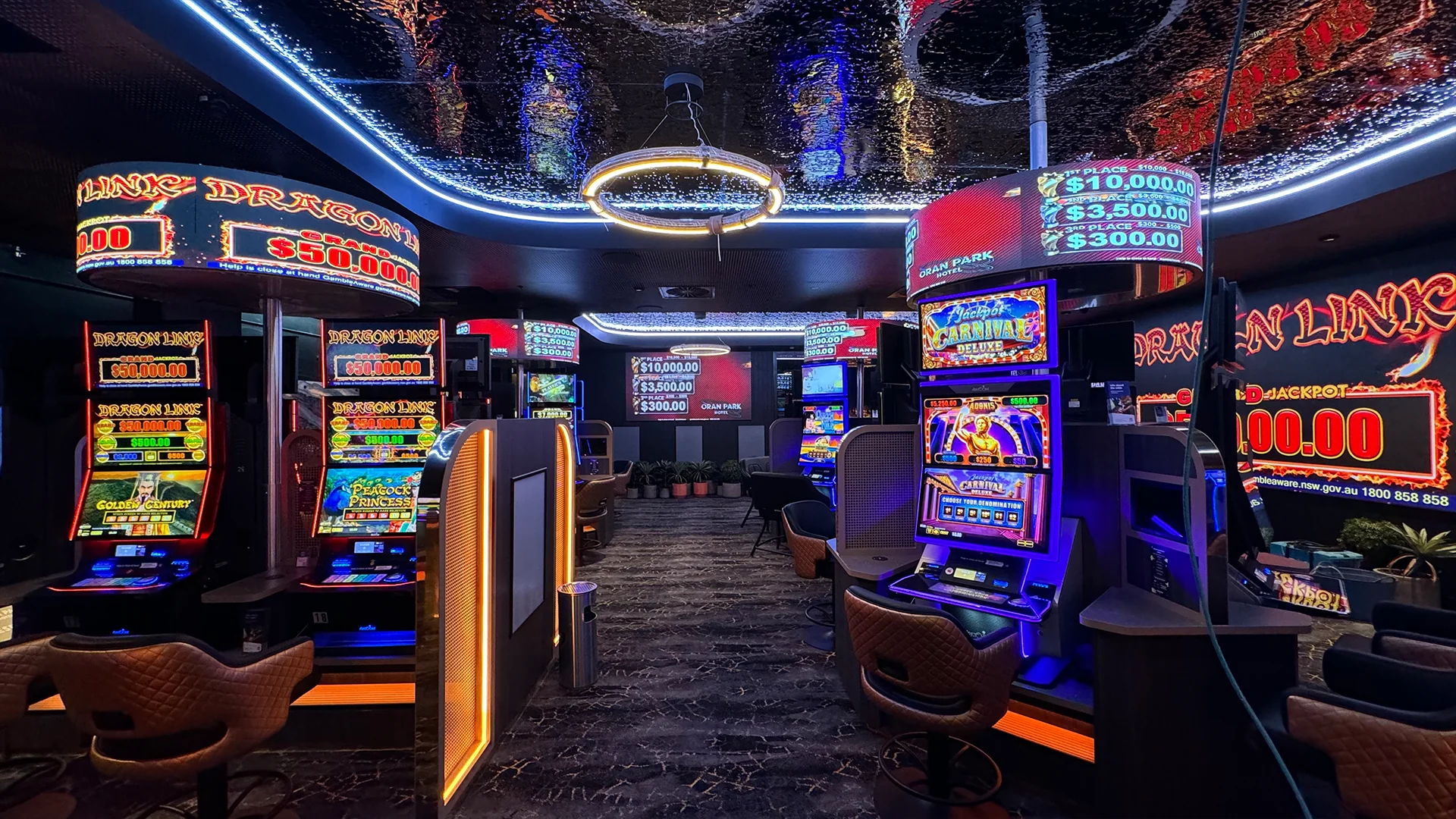
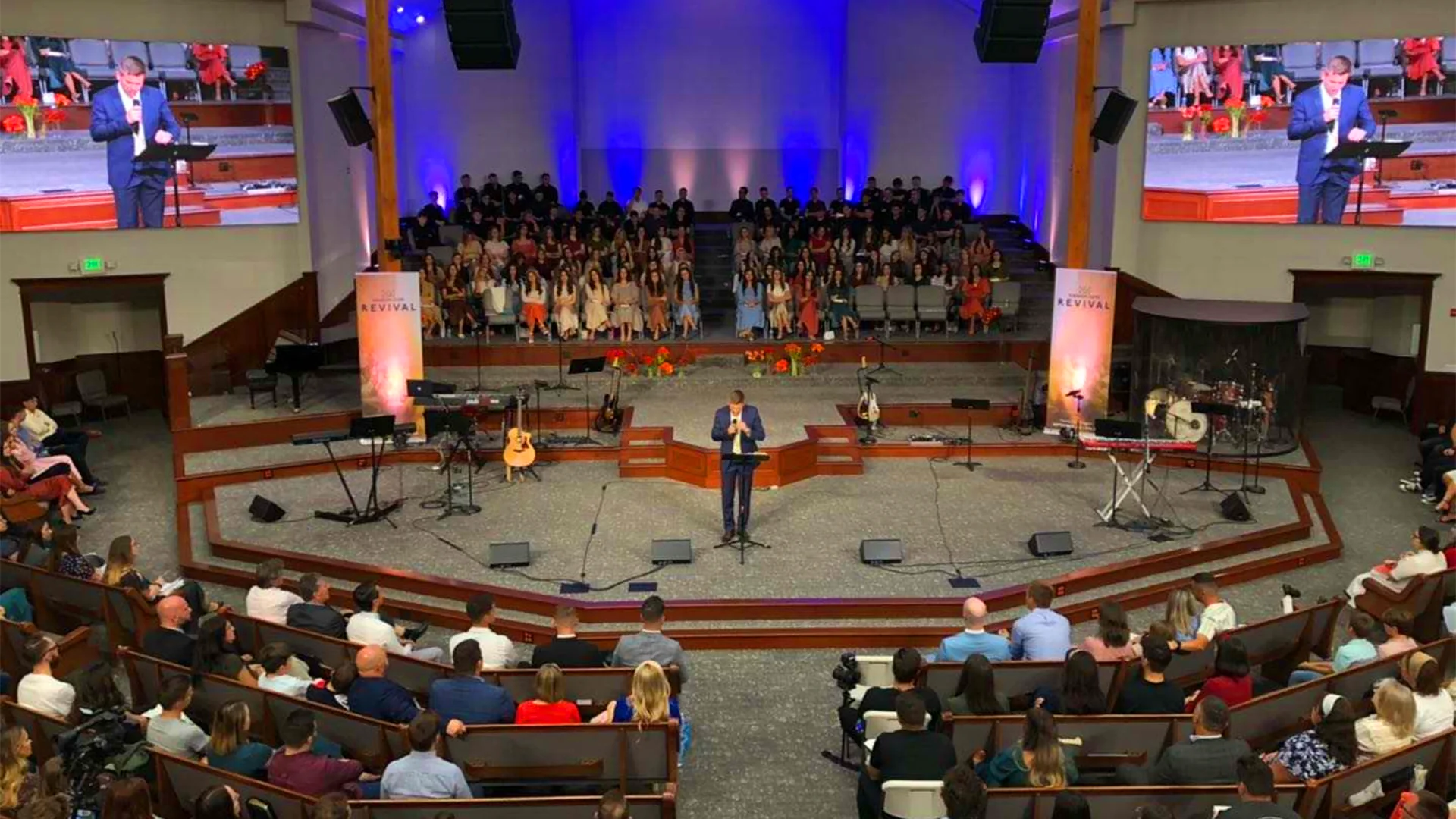
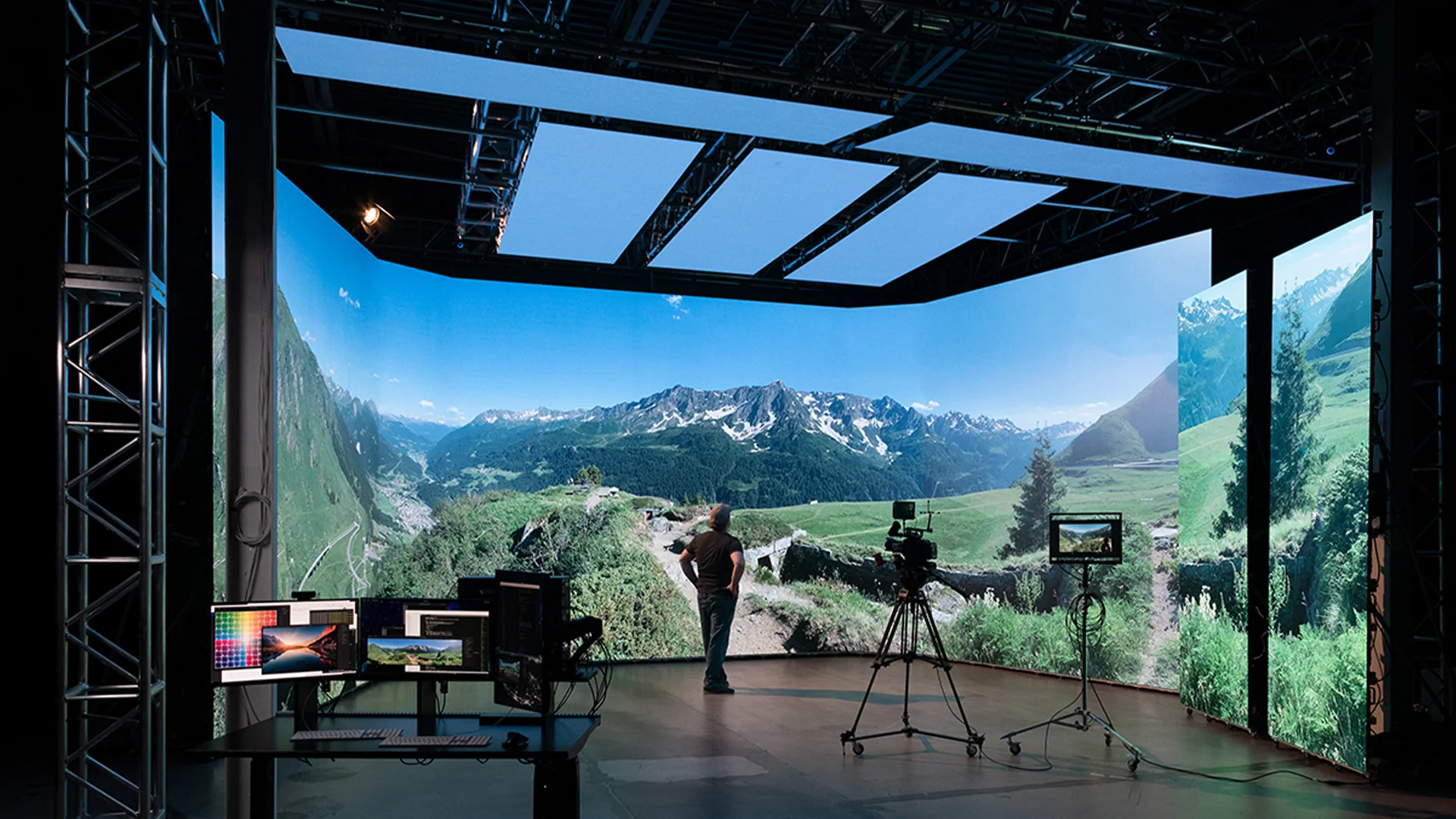
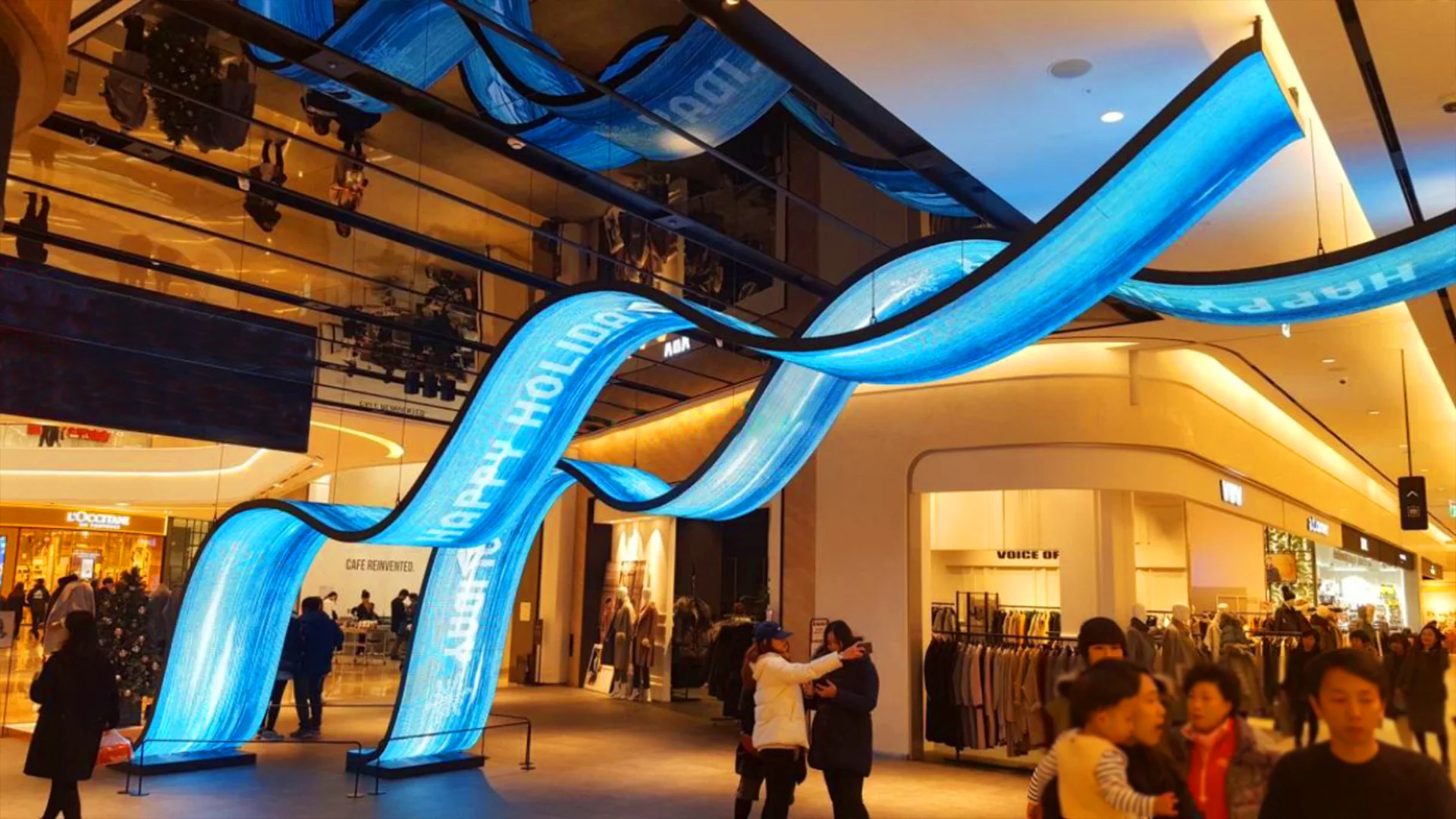







Clear images are only one part of a successful digital signage installation. Poster-style displays used in conference rooms, retail spaces, exhibitions, and public venues are exposed to frequent handling, transportation, dust, and accidental contact, making physical protection just as relevant as image quality. Surface-level damage can affect both appearance and long-term serviceability, which explains the growing interest in COB technology.
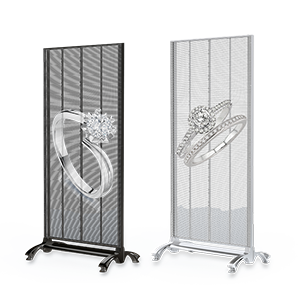
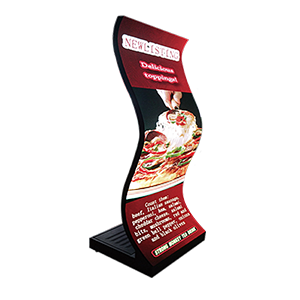
At LEDFUL, we consider protection methods alongside display performance when developing solutions for environments where compact digital signage needs to remain practical over extended use. A well-designed LED poster display illustrates how visual performance and physical resilience can work together.
What COB Technology Actually Does
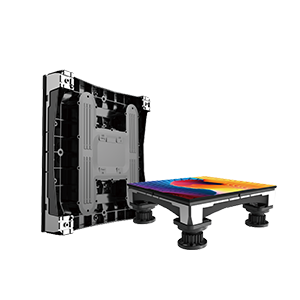
COB, short for Chip on Board, is a packaging technology in which LED chips are mounted directly onto the circuit board and encapsulated as an integrated surface. This construction reduces the number of exposed components and provides enhanced resistance to dust, moisture, static electricity, oxidation, and accidental impact. The exact level of protection still depends on the module design, encapsulation materials, and manufacturing process.
Traditional exposed LED surfaces can be vulnerable to scratches, impact, dust accumulation, and moisture. Such risks become more noticeable with portable signage because equipment may be moved between rooms or venues. Protection at the module surface can reduce the chance that ordinary contact will directly affect delicate LED components.
Physical protection does not mean that every potential failure disappears. The quality of encapsulation, PCB preparation, adhesive characteristics, curing process, and thermal design all influence the final result. Proper manufacturing controls are consequently just as important as the basic COB concept itself.
Why Surface Protection Matters For Poster Displays
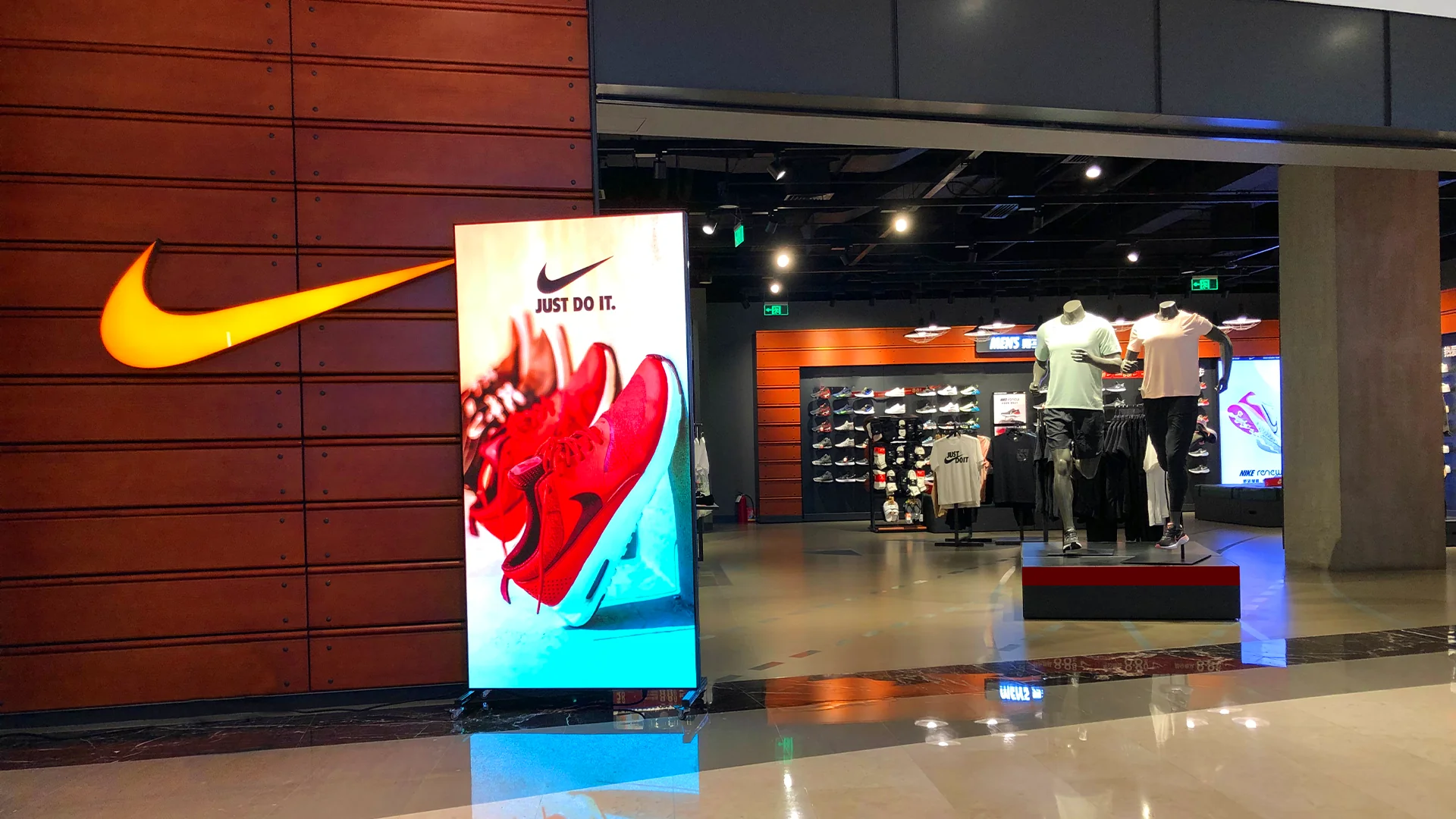
Poster-format signage occupies a distinctive position between conventional screens and large LED installations. Its relatively compact footprint encourages use in spaces where people may walk close to the display, rearrange furniture, transport equipment, or interact with nearby controls. A protected surface becomes useful under these conditions because accidental contact is more difficult to avoid.
Consider a display placed beside a conference entrance. Visitors may brush against the unit while entering, while technicians could reposition it before another meeting. Similar situations occur in retail stores, hotels, exhibitions, and entertainment venues. Repeated exposure to these everyday events can gradually affect unprotected components.
Durability also has a visual dimension. Scratches, marks, or damaged LED packages can create irregularities that become noticeable against bright digital content. A LED poster video display with appropriate surface protection can provide a more robust foundation for maintaining consistent visual presentation during routine handling and use.
Balancing Protection With Image Quality
Adding a protective layer introduces another engineering consideration: optical performance. The surface needs to protect the electronics without creating excessive haze, reflections, or unwanted changes in perceived brightness. Material transparency, thickness, surface finish, and application uniformity all contribute to the result.
Brightness management deserves attention in parallel. Conference rooms may require comfortable indoor viewing, while retail environments can contain strong ambient lighting. Intelligent brightness control can help adapt content visibility to different conditions without relying on maximum output at all times.
Resolution and content type also influence perceived quality. Fine text, presentation slides, product imagery, and promotional video can expose inconsistencies that might be less obvious in simple graphics. A LED poster display should consequently be assessed not only by its physical construction but also by how its protected surface interacts with the intended content.
Manufacturing Quality Behind COB Durability
The COB manufacturing process requires precise LED chip placement, reliable bonding, consistent encapsulation, controlled curing, and effective thermal management. Variations in any of these stages can affect image uniformity, surface protection, heat dissipation, and long-term reliability.
Thermal behavior deserves particular attention because LEDs and electronic components generate heat during operation. The protective layer should work within the thermal characteristics of the module rather than being evaluated in isolation. Engineers typically consider heat paths, operating conditions, power consumption, and surrounding airflow together.
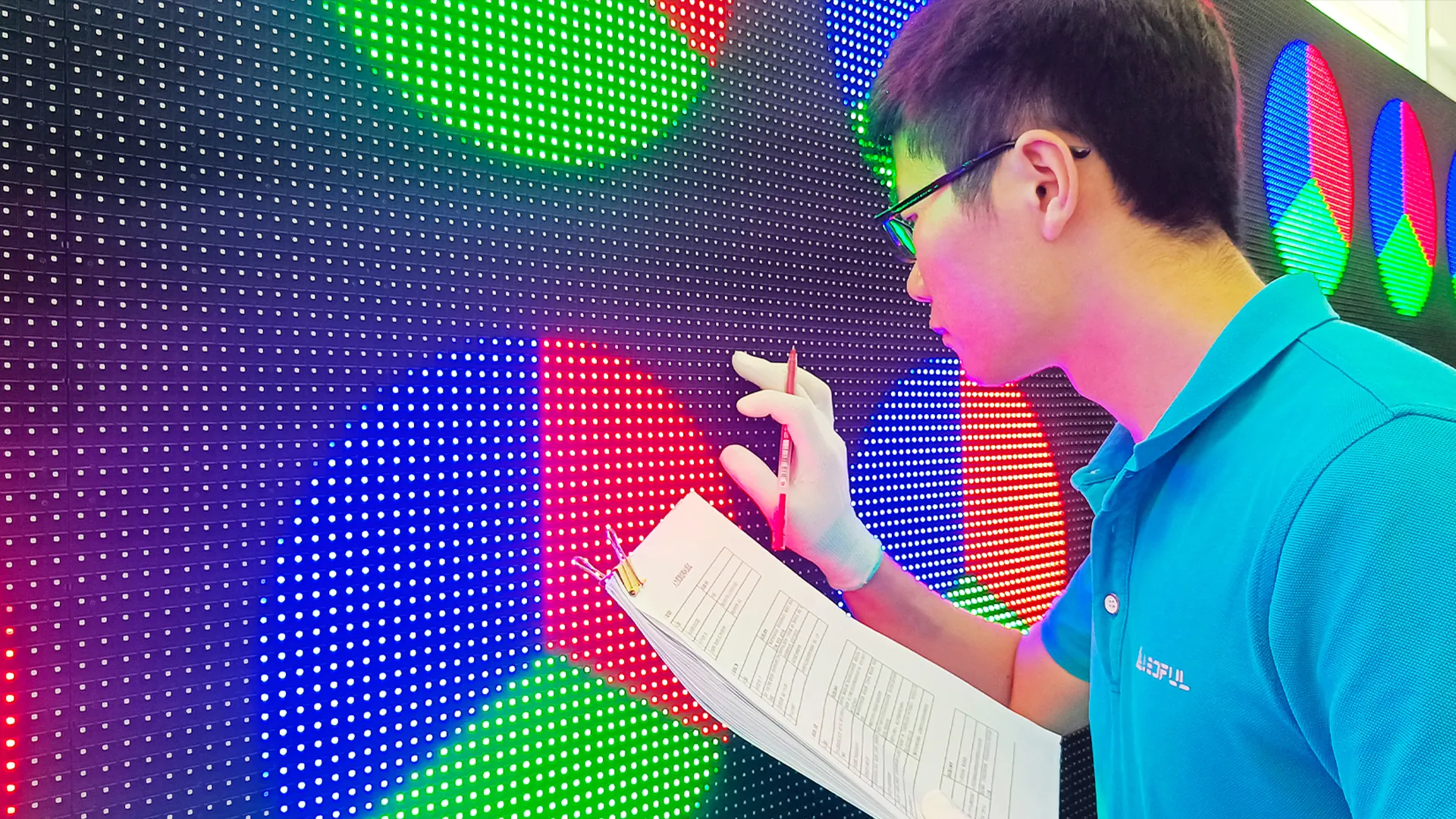
Testing can further reveal weaknesses that are not obvious during visual inspection. Mechanical contact, environmental exposure, electrical operation, and long-duration use represent different stress categories. At LEDFUL, we treat these factors as part of the broader engineering picture instead of viewing COB simply as an additional surface treatment.
Practical Applications And Maintenance Considerations
Portable digital signage often needs straightforward operation as much as physical protection. Conference environments, for instance, may require rapid startup, wireless content projection, and simple connectivity so staff can prepare presentations without complicated procedures. The same principle applies to retail and event settings where display content changes frequently.
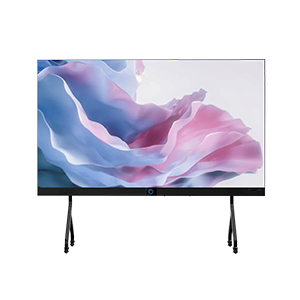
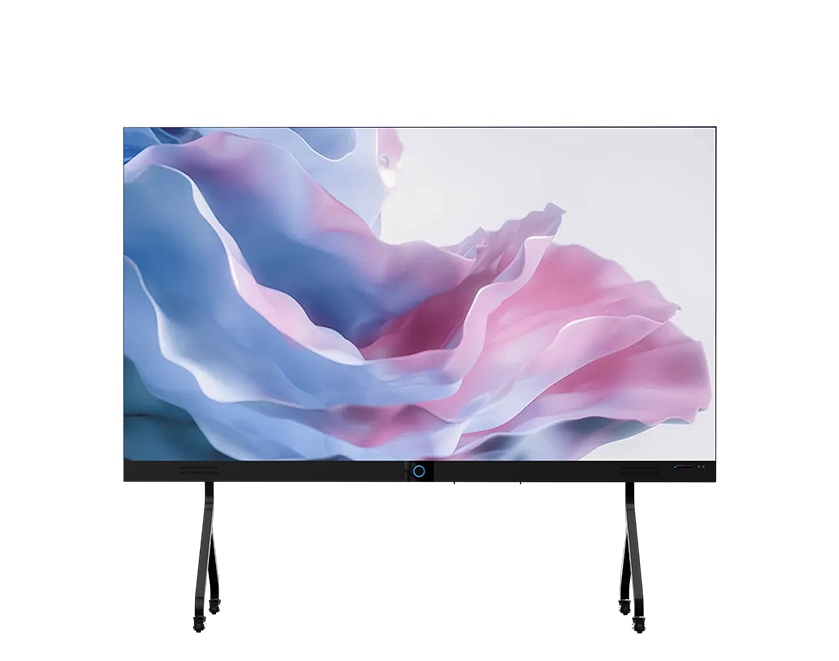
Our CPoster is designed as a conference-room all-in-one LED poster, combining UHD full-HD presentation, intelligent brightness, one-key startup, wireless projection, and USB plug-and-play functionality. Its interface is designed for straightforward operation, while multiple external connections provide flexibility for different presentation setups. These features complement the physical durability discussion without changing the fact that maintenance and handling practices remain important.
Routine inspection still has value even with protected modules. Technicians can check connectors, power components, ventilation conditions, signal stability, and the external surface at suitable intervals. Careful transportation and correct storage also reduce unnecessary mechanical stress, particularly for displays that move between locations.
Conclusion
Durability in digital signage comes from several layers of engineering rather than one specification alone. COB technology integrates LED chips directly onto the circuit board and encapsulates the display surface, while optical design, thermal management, electrical construction, manufacturing controls, and maintenance practices contribute to overall durability and visual performance.
For projects involving a LED poster video display, these details can influence how reliably visual content is presented over repeated use. We apply the same practical mindset at LEDFUL, combining protection considerations with usability and display performance so that a LED poster display can fit naturally into professional environments while retaining its intended visual function.