






































Interactive visual floors demand more than a bright image and durable surface. Beneath every successful installation sits a structural system that must accommodate equipment weight, pedestrian activity, electrical connections, ventilation, and the characteristics of the venue itself.
A carefully planned floor LED display installation can support immersive experiences while keeping the surrounding architecture practical and accessible. At LEDFUL, we approach these projects by considering the physical environment first, since structural decisions made before installation have a direct effect on maintenance and everyday operation.

Assess The Site Before Building
The installation area should be examined before any panels or supporting components arrive. Floor loading capacity, surface flatness, drainage conditions, available clearance, and nearby structural elements can all influence the installation method. Indoor venues may present different challenges from outdoor locations, where rainwater, temperature changes, and uneven ground require additional attention.
Traffic patterns deserve equal consideration. A screen placed in a shopping mall walkway may experience constant pedestrian movement, while an exhibition floor might face concentrated activity around specific interactive zones. Mapping these areas helps determine where structural reinforcement, protective surfaces, or restricted access may be necessary.
Electrical infrastructure should also be identified during the initial survey. Power distribution, signal routing, grounding points, and controller locations need enough space to remain accessible without creating trip hazards. Site measurements and drawings should be reviewed together before structural fabrication begins.
Prepare The Supporting Structure
Structural preparation starts with a stable and suitably level foundation. Uneven support can transfer stress unevenly across modules, potentially affecting alignment and long-term mechanical stability. Adjustable supports or leveling mechanisms may be useful where the existing floor cannot provide sufficient uniformity.
Load distribution is another important consideration. A floor LED display screen should not be evaluated solely according to the weight of individual panels. The supporting framework, connection points, protective surface, and expected pedestrian loads all contribute to the total structural requirement.
Clearance underneath the display should remain sufficient for electrical components and service access. Tight spaces may appear efficient during installation but can make later inspection considerably harder. Thoughtful structural planning creates room for technicians to reach connections without disturbing adjacent sections.
Position And Connect The Display Modules
Once the foundation has been prepared, modules can be positioned according to the approved layout. Reference lines are useful for maintaining consistent spacing and alignment, particularly across large interactive surfaces where even small deviations may become visible across the image.
Cable routing requires equal precision. Power and signal cables should follow designated paths rather than crossing pedestrian areas or being compressed beneath structural components. Proper separation and organization also make troubleshooting easier because technicians can trace individual connections without dismantling unrelated sections.
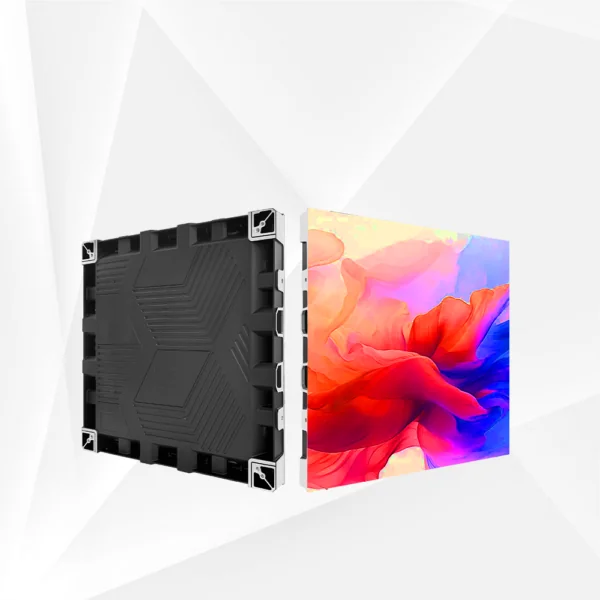
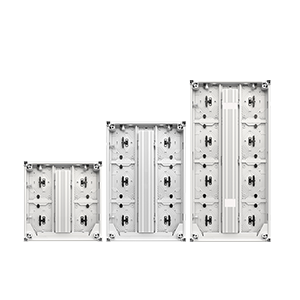
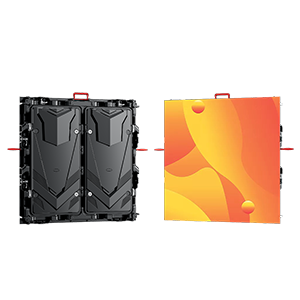
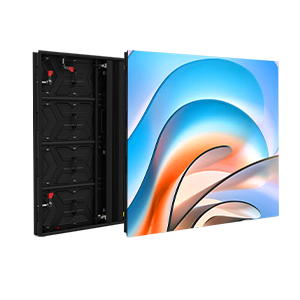
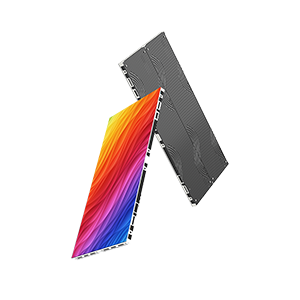
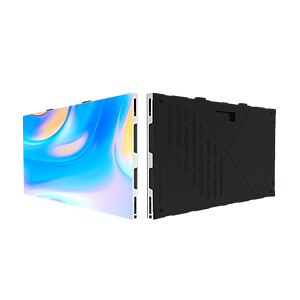
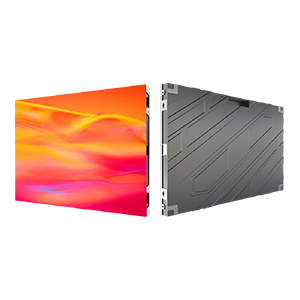
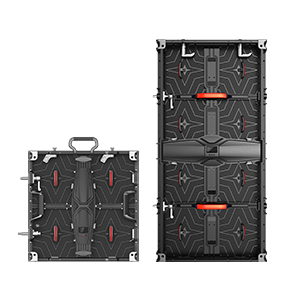
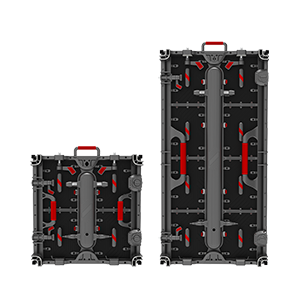
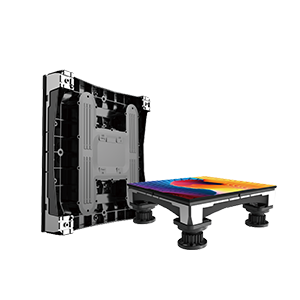
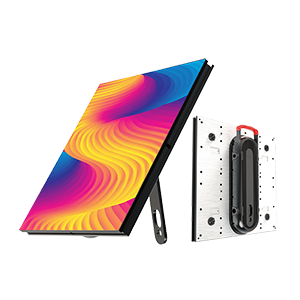
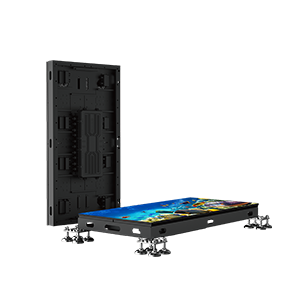
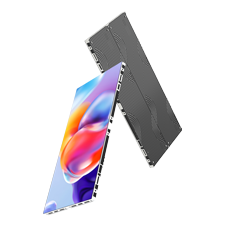
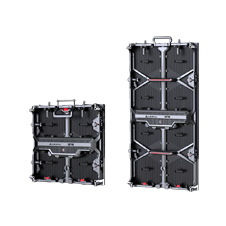
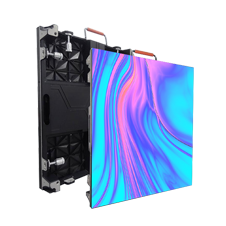
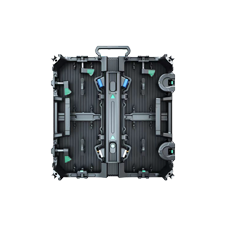
Our FLOOR PLUS Series combines an indoor and outdoor interactive floor display concept with a slim, lightweight design, large viewing angle, and cable-free architecture. It supports 2K, 4K, and 8K content in a 16:9 ratio, while its integrated approach is intended to simplify installation. These specifications provide one example of how display construction can be coordinated with structural planning rather than treated as a separate stage.
Check Alignment, Safety, And Surface Conditions
Mechanical inspection should follow module placement. Installers can check whether panels sit evenly, whether joints remain consistent, and whether the overall surface corresponds with the approved floor plan. Any abnormal movement or visible height difference should be addressed before the display enters regular use.
Surface protection also deserves attention in interactive environments. Foot traffic introduces repeated mechanical forces, and equipment such as carts, temporary fixtures, or exhibition structures can create additional pressure. The expected activity should be considered when determining protective measures and permitted loads.
A floor LED display also needs an electrical and functional inspection before public access begins. Technicians can verify power distribution, grounding, signal stability, brightness behavior, and content playback across different sections. Testing each area systematically makes it easier to identify isolated issues before the venue opens.
Plan Maintenance From The Start
Maintenance access should be incorporated into the structural design rather than added after installation. Service points, removable sections, cable routes, and controller locations should remain identifiable so technicians can reach them without unnecessarily disturbing the surrounding floor.
Cleaning procedures should match the construction and operating environment. Dust, moisture, and debris can accumulate around joints and edges, particularly in busy public venues. Outdoor installations may also require attention to drainage and weather exposure, while indoor systems may face a higher concentration of foot traffic and spilled liquids.
Documentation provides another practical layer of support. Keeping installation drawings, electrical layouts, module positions, inspection records, and maintenance instructions together gives future technicians a reliable reference. At LEDFUL, we use this broader project perspective to treat a floor LED display screen as part of the venue’s physical infrastructure rather than simply a visual device.
Conclusion
Successful structural installation depends on decisions that happen well before the first image appears on the floor. Site conditions establish the foundation, load distribution shapes the supporting framework, organized connections simplify commissioning, and accessible service points influence long-term maintenance.
For projects using a floor LED display, each stage should relate to the real movement, architecture, and operating conditions of the venue. Our team at LEDFUL considers these practical factors alongside visual requirements so that a floor LED display screen can function as an integrated part of an interactive space, not an isolated piece of equipment.