











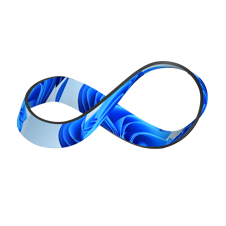
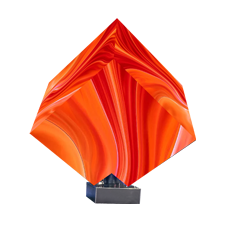
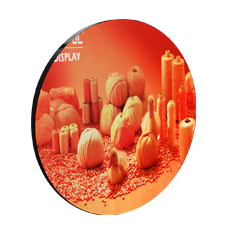
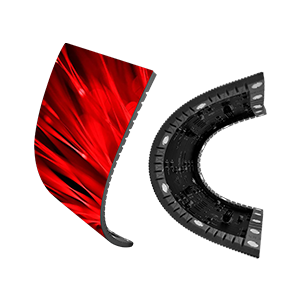









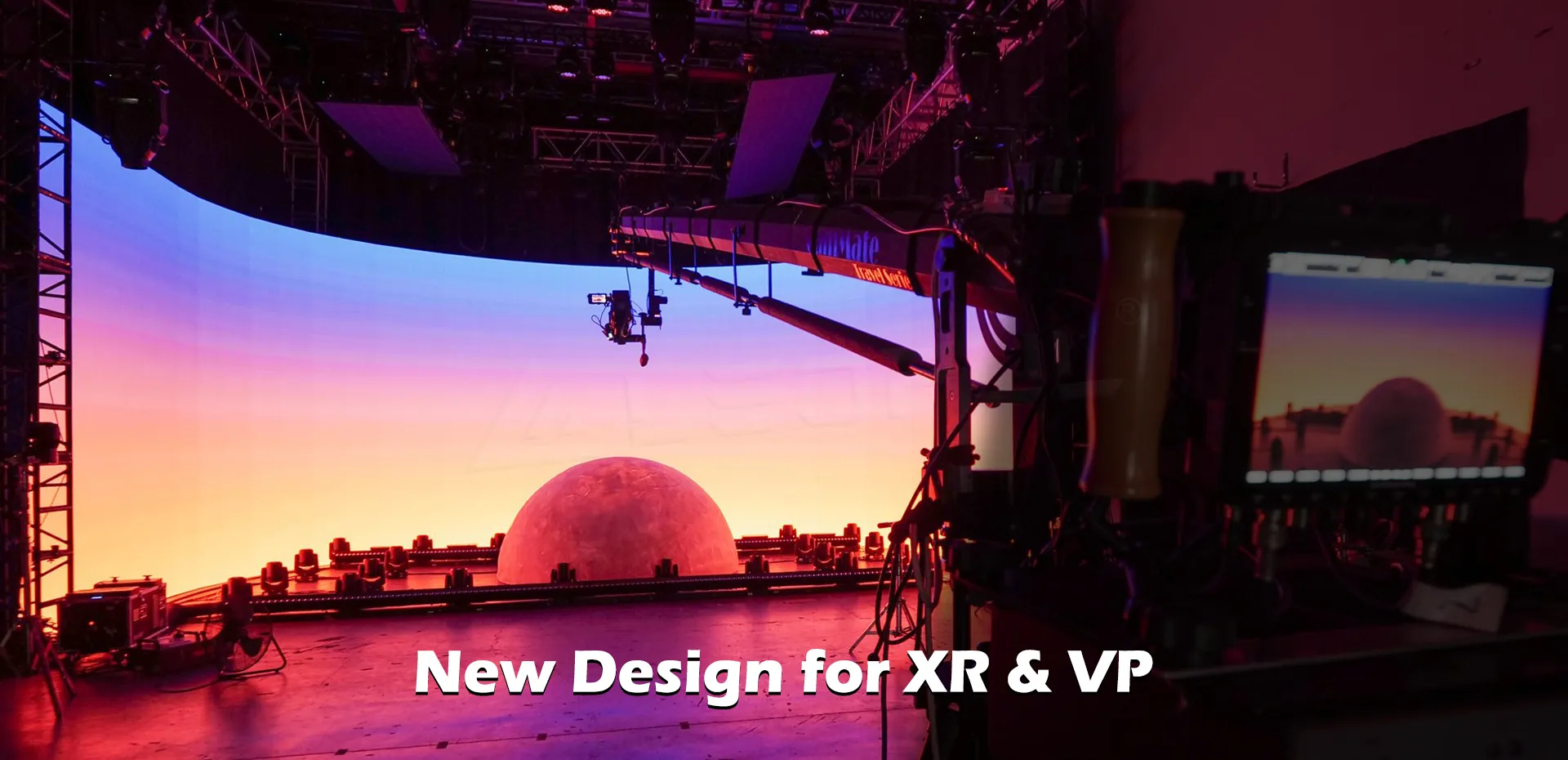
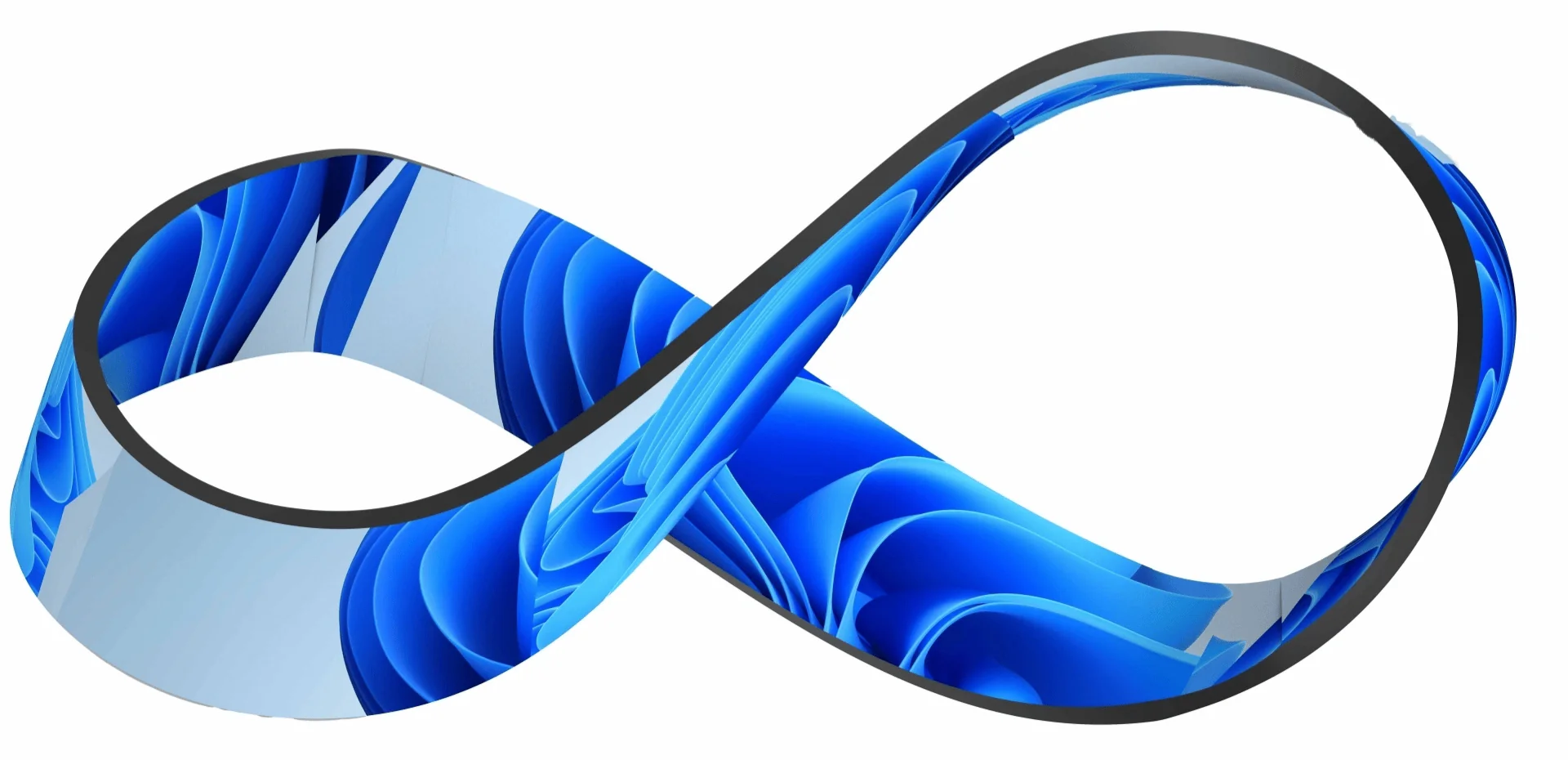
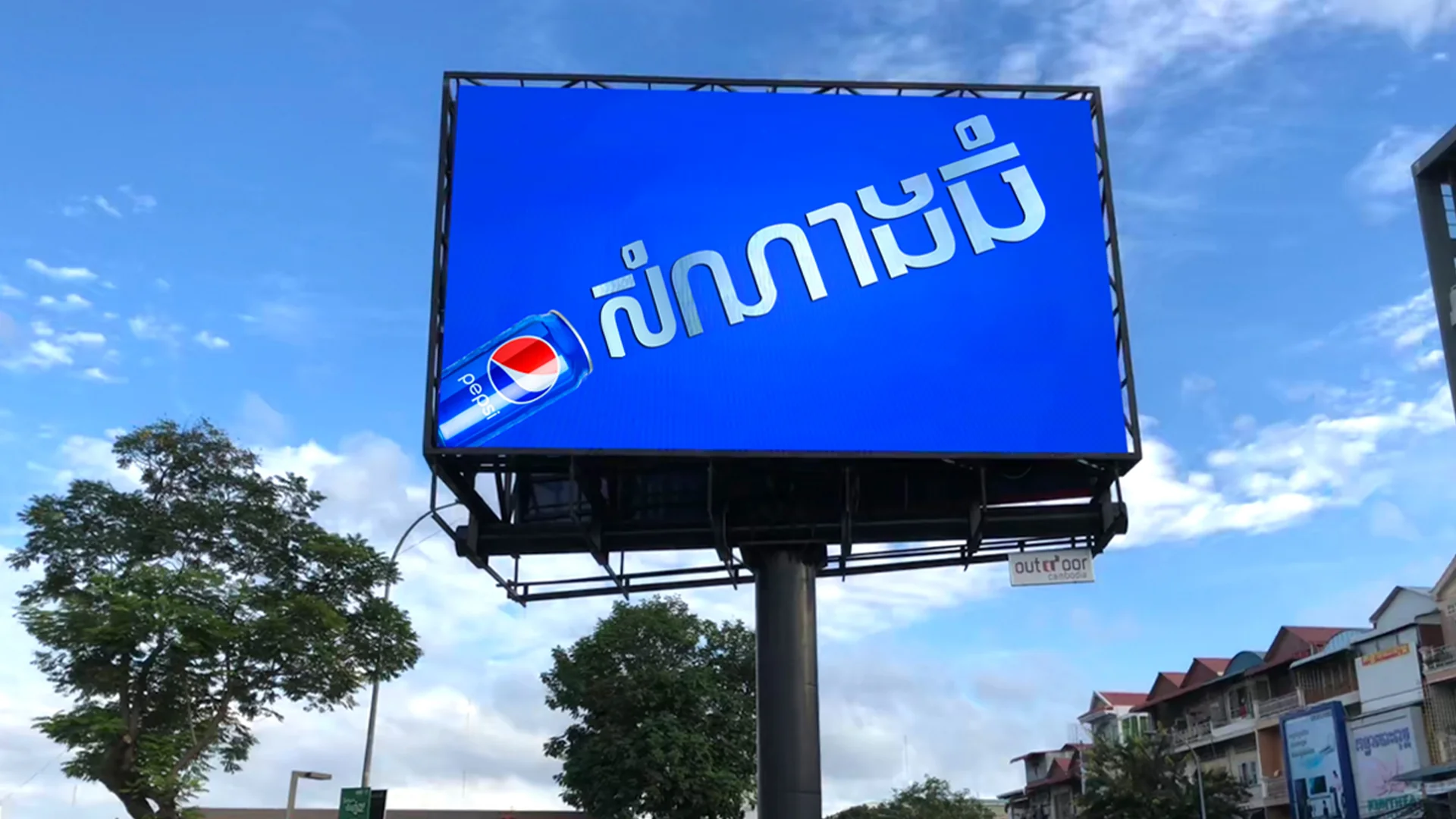
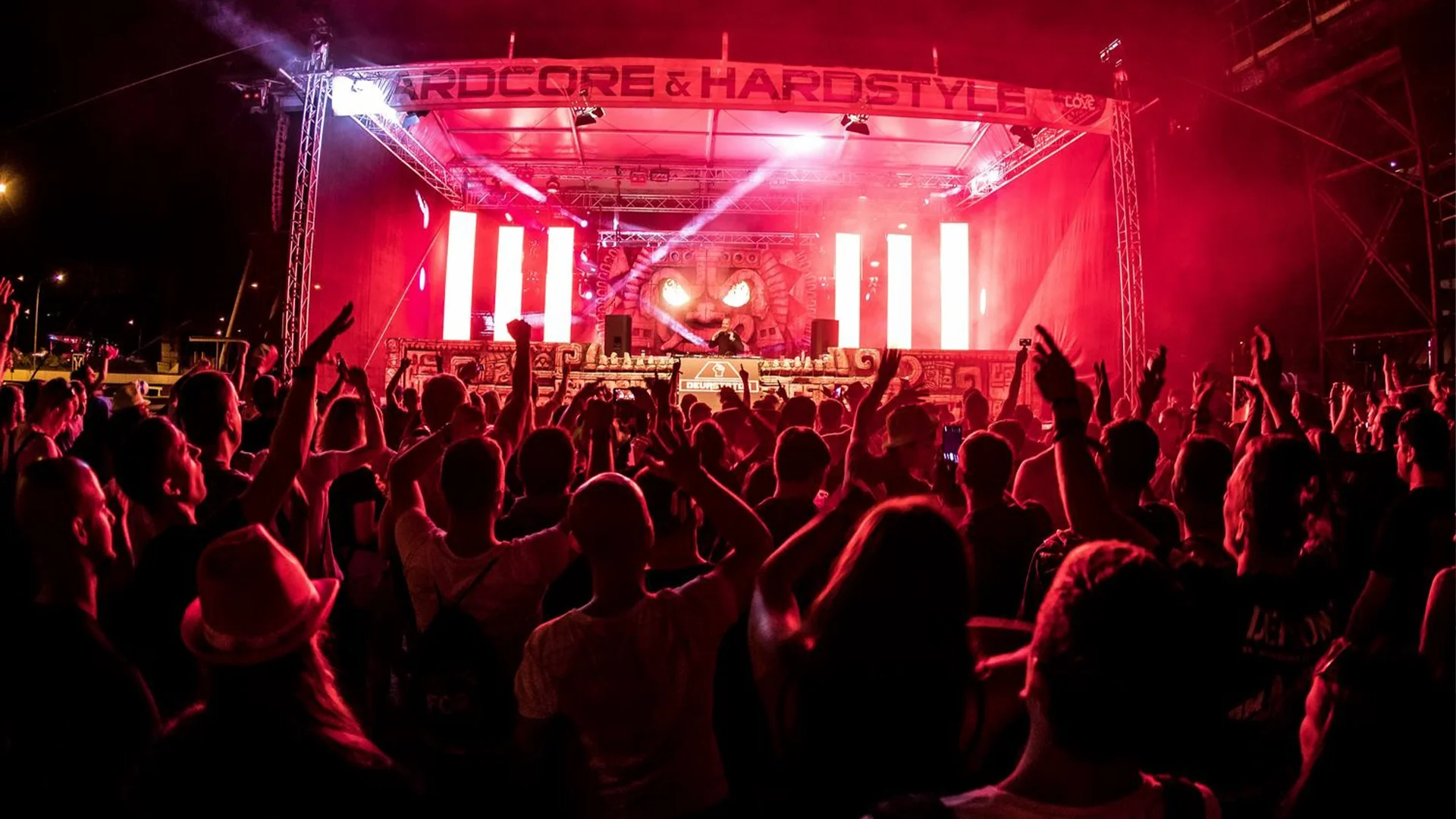






Curved surfaces change the geometry of digital imagery in ways that flat screens do not. Pixels positioned across a sphere follow constantly changing angles, so content that looks correctly proportioned on a conventional canvas can appear stretched, compressed, or displaced after wrapping around a curved structure.
Understanding this relationship between physical geometry and digital coordinates is essential for any spherical LED display project. At LEDFUL, we approach these visual systems by considering the relationship between content creation, pixel distribution, signal processing, and the physical shape of the display rather than treating curvature as a purely aesthetic feature.
From Flat Coordinates To Curved Geometry
Digital content normally begins as a rectangular grid. Every pixel has a defined horizontal and vertical position, while the display controller translates those coordinates into physical LED locations. Once that grid is transferred onto a curved surface, the original relationship between screen coordinates and viewing angles changes.
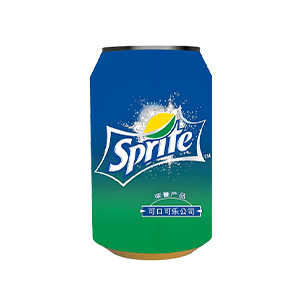
Spherical structures introduce even greater complexity because curvature exists across multiple axes. Pixels near different regions of the surface may face different directions, which changes how an image is perceived from a particular viewpoint. A mapping system must account for these positional differences so that visual elements remain coherent across the entire structure.
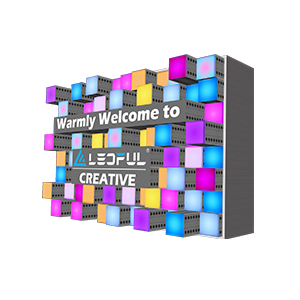
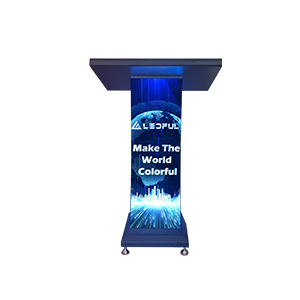
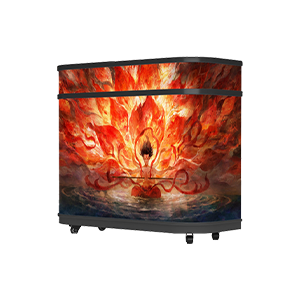
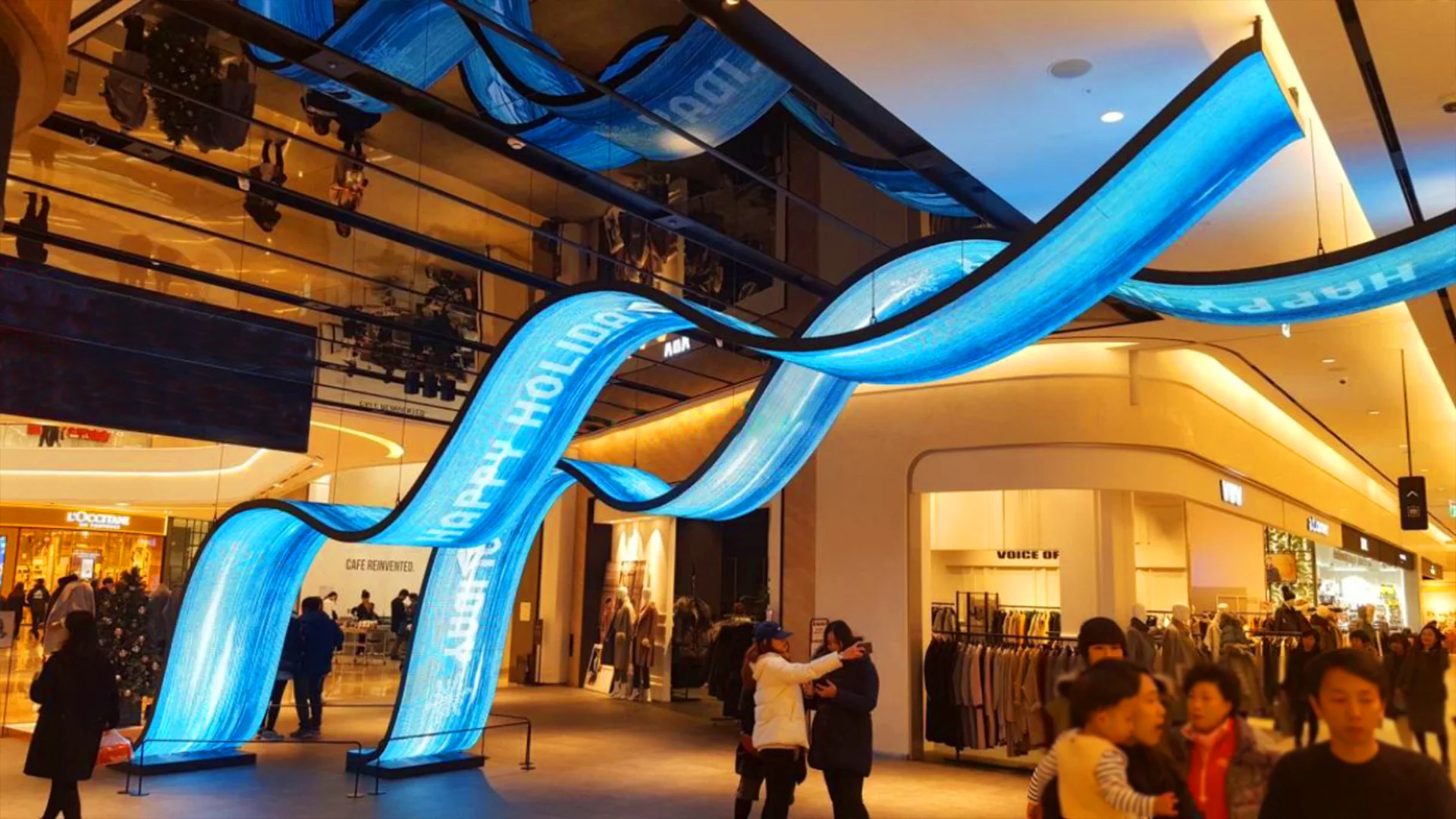
Coordinate transformation provides the mathematical foundation. Depending on the application, designers may work with Cartesian, cylindrical, spherical, or other coordinate systems before converting digital content into the physical pixel arrangement. This process allows an creative LED display to reproduce imagery according to its actual three-dimensional geometry instead of simply stretching a flat image across the surface.
Understanding Spherical Pixel Distribution
Pixel pitch remains an important physical parameter, but its visual effect becomes more nuanced on curved structures. Equal distances between pixels along one part of a surface do not necessarily produce equal visual spacing from every viewing direction. The apparent density of pixels can change as the audience moves around the installation.
Content designers also need to consider the relationship between image resolution and physical dimensions. Excessively detailed content may lose clarity if the available pixel count is limited, while oversized text or graphics can become distorted across curved regions. Content should be developed with the display’s actual mapping coordinates in mind rather than adapted only after production.
Viewing position adds another variable. A spherical screen can potentially be observed from several directions, creating a much wider range of visual perspectives than a conventional wall. A spherical LED display therefore benefits from content that remains recognizable across changing viewpoints, particularly in public environments where audiences do not stand in one fixed location.
How Mapping Software Corrects Distortion
Mapping software acts as the bridge between digital content and physical LED coordinates. Instead of sending every pixel according to a simple rectangular sequence, the system can assign content to specific locations based on the geometry of the installation. This process allows curved surfaces to reproduce imagery with greater spatial accuracy.
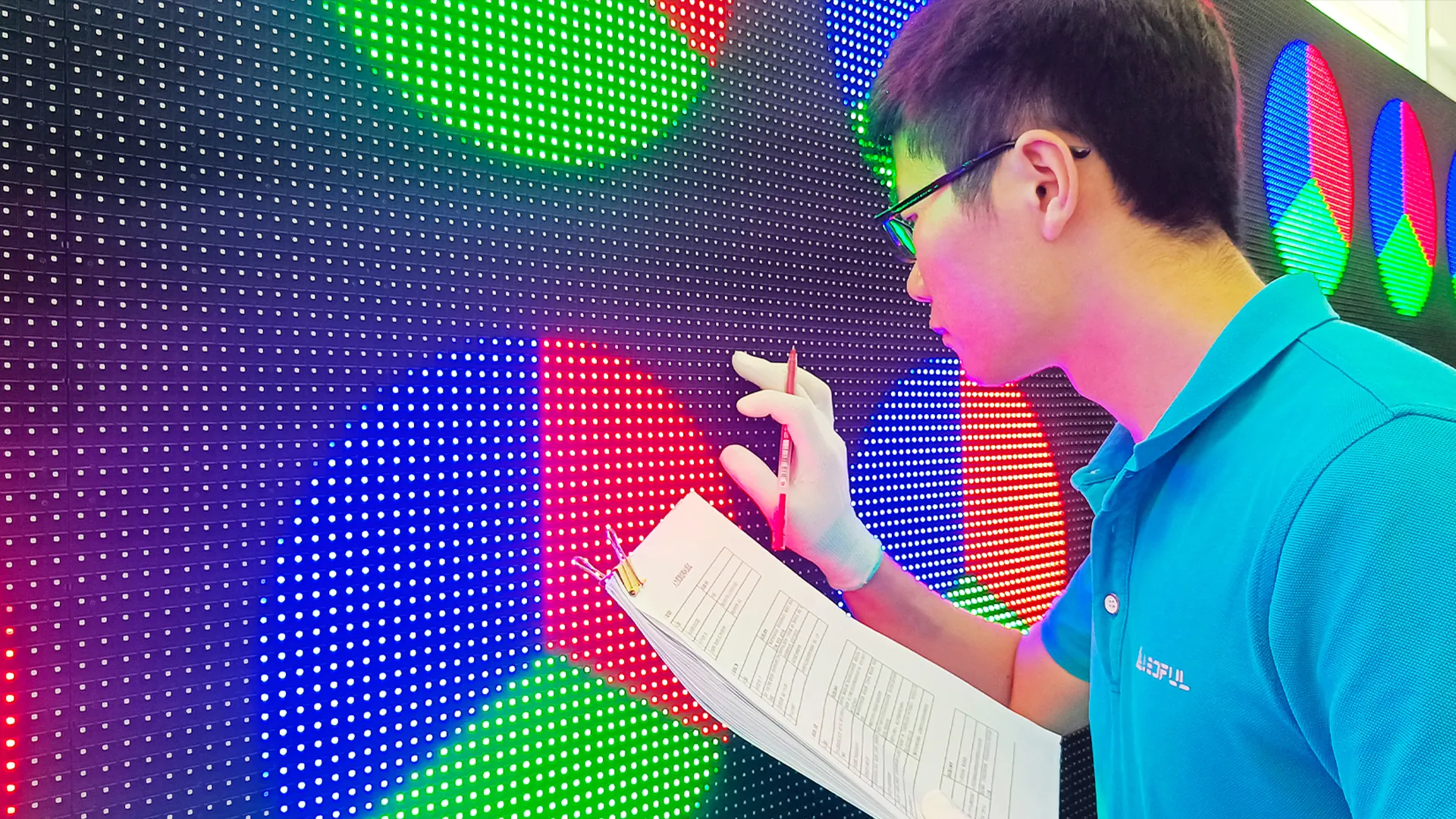
Calibration is equally important. Physical assembly tolerances, module alignment, cabinet dimensions, and signal-chain configuration can introduce small differences between the theoretical model and the installed display. Measurement data can be compared with the digital mapping model, allowing technicians to adjust coordinate relationships before public operation.
Signal processing may also divide the display into zones or receiving-card regions. Each section needs to correspond correctly with the intended content area, particularly on complex structures containing different orientations. Proper configuration turns the creative LED display from a collection of individual modules into one coordinated visual canvas.
Designing Content For Three-Dimensional Surfaces
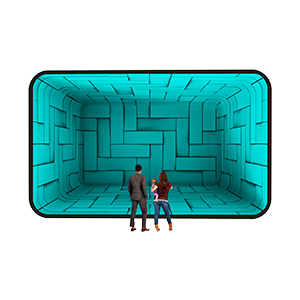
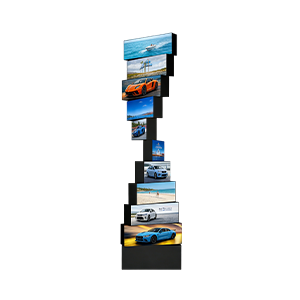
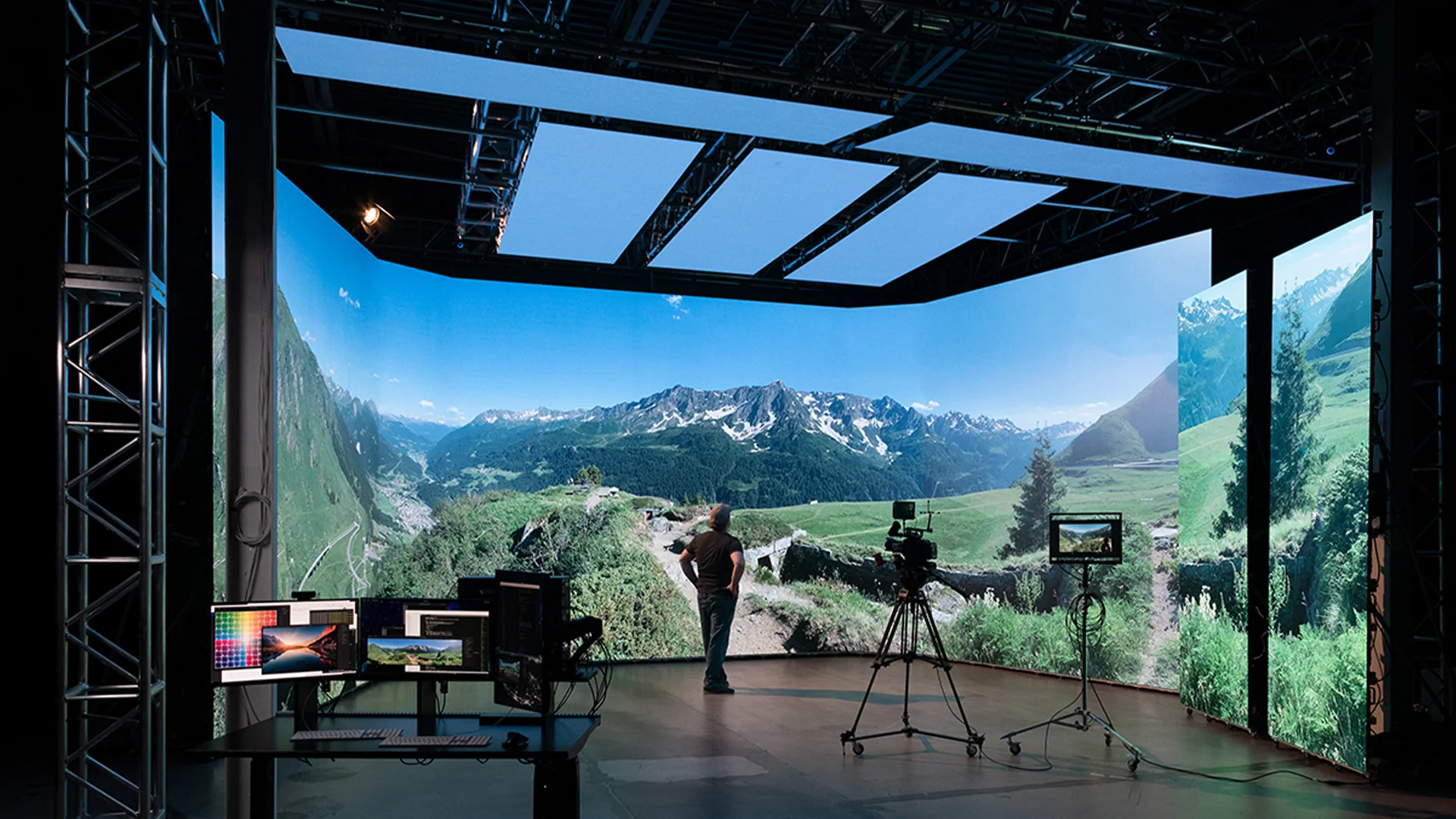
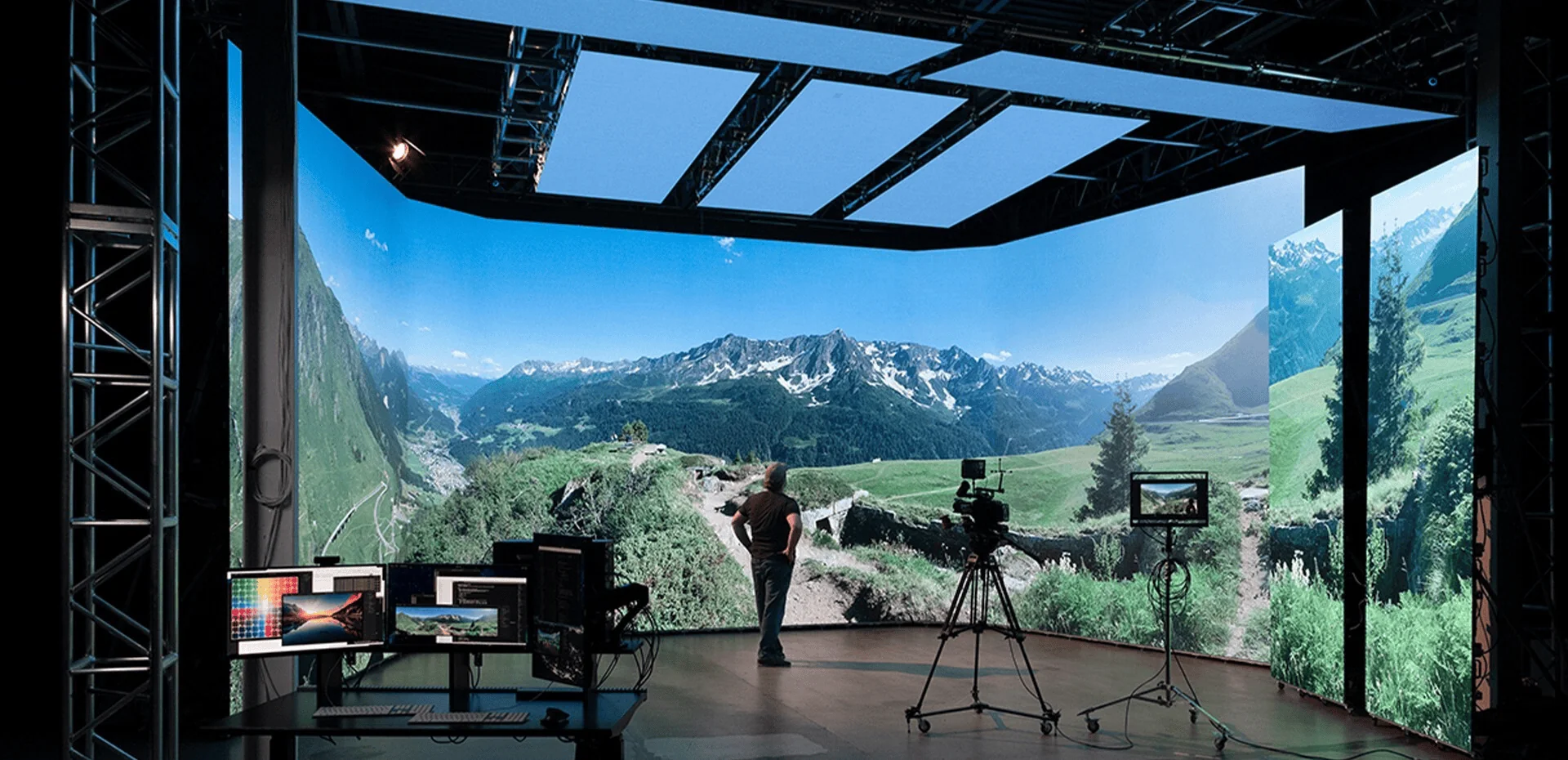
Content created specifically for three-dimensional LED installations behaves differently from ordinary flat-screen media. Designers may need to build scenes around the curvature itself, using perspective, motion, scale, and depth cues that complement the physical shape. Graphics positioned across multiple surface regions require particular care because a straight line in the source file may not appear straight from every viewpoint.
Motion can make mapping errors more noticeable. A moving object crossing several mapped zones may appear to jump if the coordinate transformation is inaccurate. Smooth transitions depend on both the content and the underlying mapping relationship, making previsualization a useful part of the production workflow.
Visual hierarchy should remain practical as well. Large shapes and high-contrast elements are generally easier to recognize across unusual viewing angles, while fine details can become difficult to interpret near highly curved regions. Treating the geometry as part of the creative canvas allows designers to develop media that works with the structure rather than against it.
Product Architecture And Practical Mapping
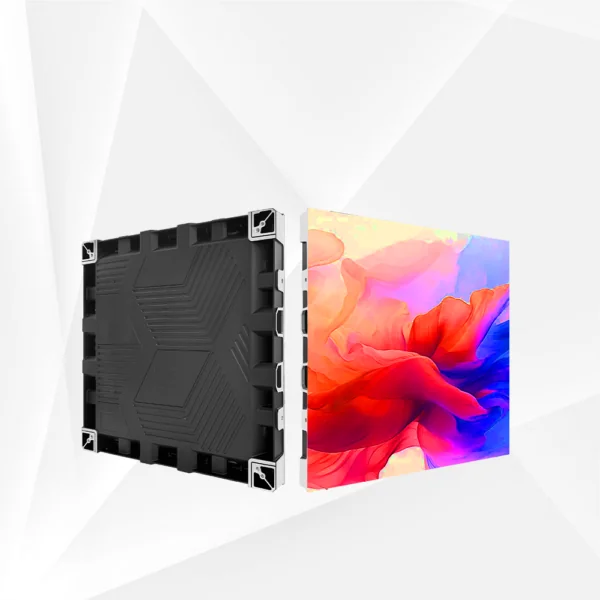
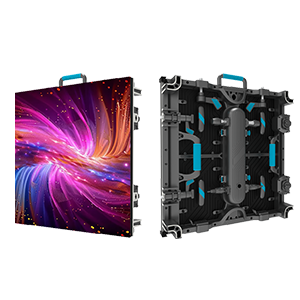
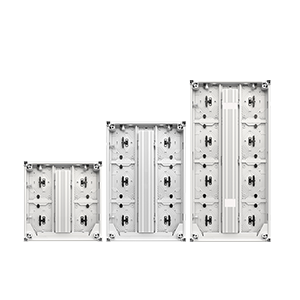
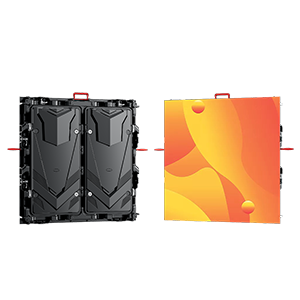
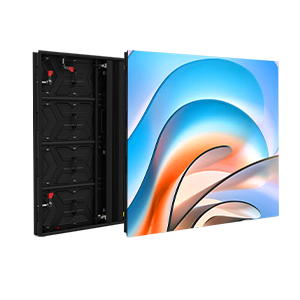
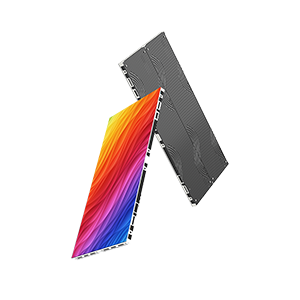
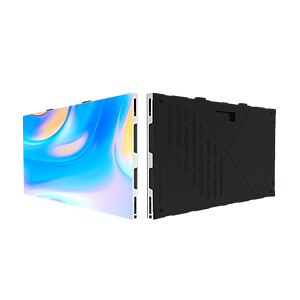
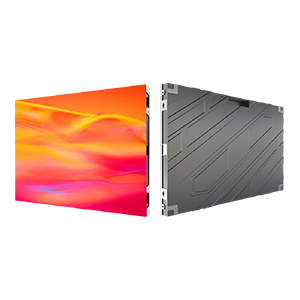
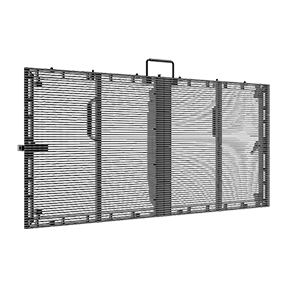
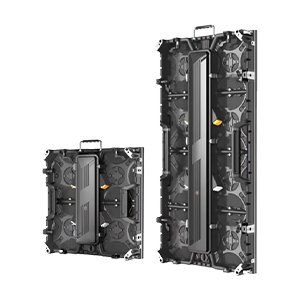
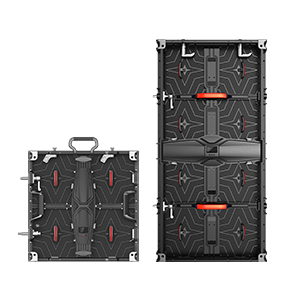
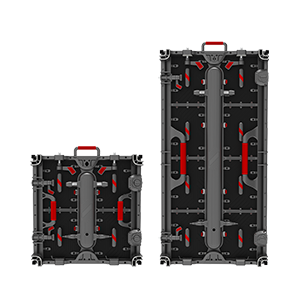
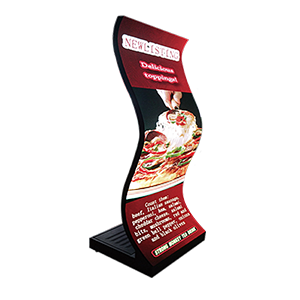
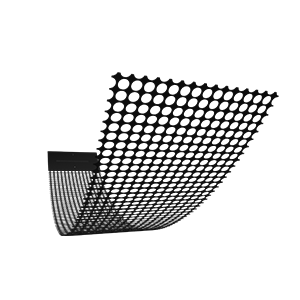
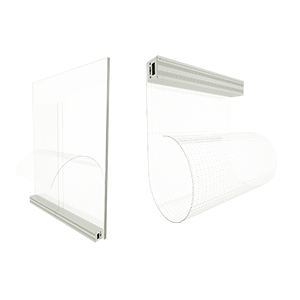
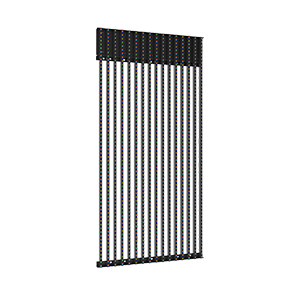
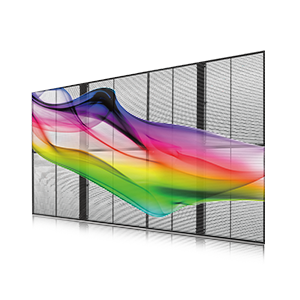
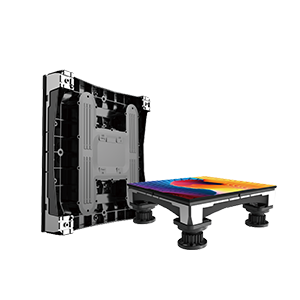
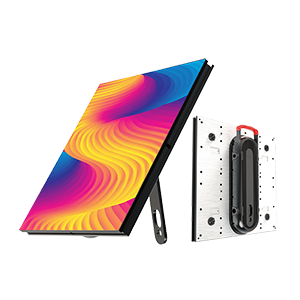
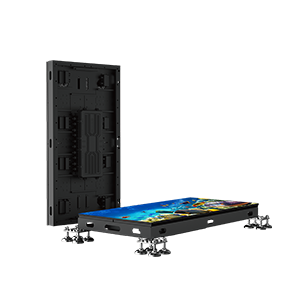
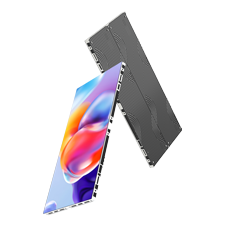
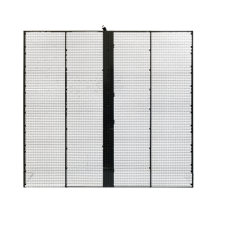
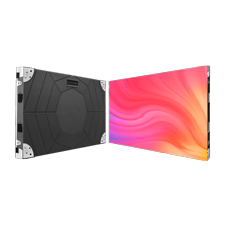
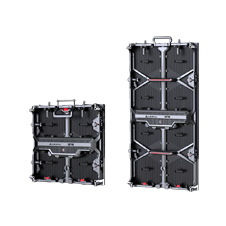
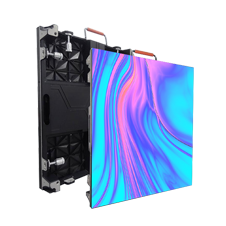
Physical construction provides the foundation for the mathematical model used during content preparation. Panel dimensions, curvature, module arrangement, and connection architecture all affect how the final coordinate map is created.
Project teams should document the physical layout before finalizing media. A clear module map, signal distribution plan, pixel matrix, and content resolution reference can give designers and technicians a shared technical framework. Such documentation becomes particularly useful if modules are serviced or the installation is reconfigured later.
Conclusion
Pixel mapping on curved LED structures is ultimately a translation problem: digital coordinates must correspond accurately with physical coordinates across a three-dimensional surface. Geometry, pixel distribution, calibration, signal architecture, viewing position, and content design all influence the final image.
We apply this multidisciplinary perspective at LEDFUL, using the physical characteristics of each installation as part of the content-planning process. With the right mapping workflow, a spherical LED display can present imagery that feels spatially coherent, while an creative LED display can turn unconventional geometry into a meaningful part of the visual experience.
To explore more creative display possibilities, visit our overview of LEDFUL creative LED displays and our detailed guide to creative LED display types, applications, and selection.