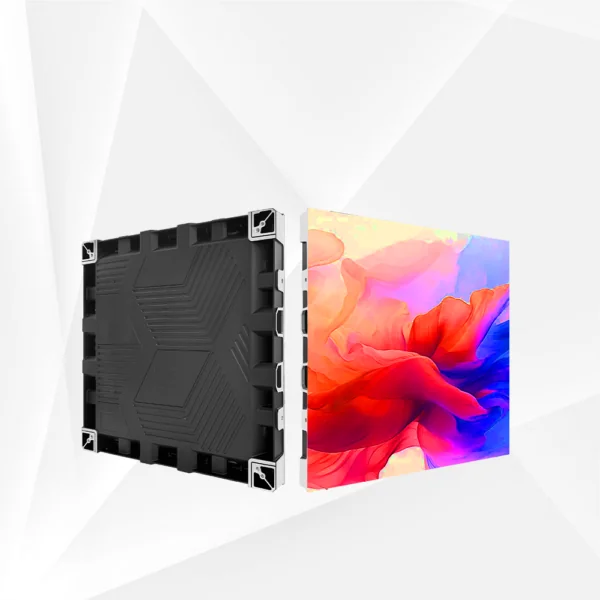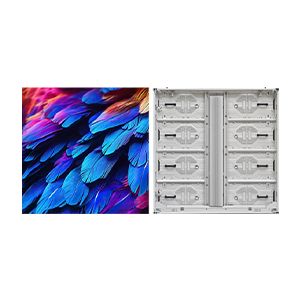
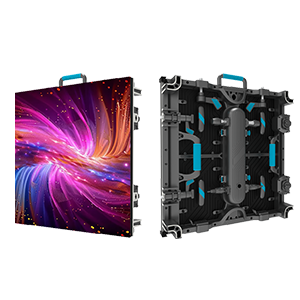
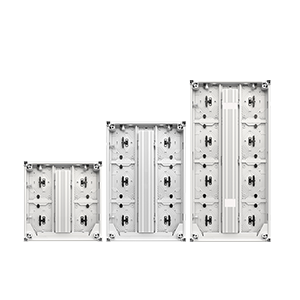



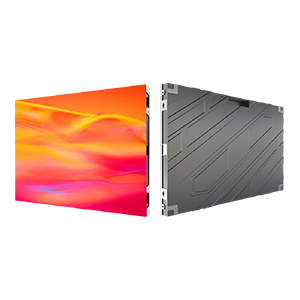

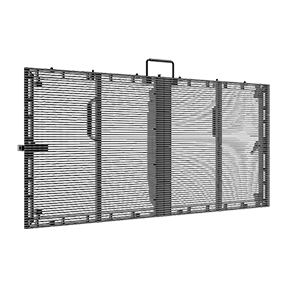
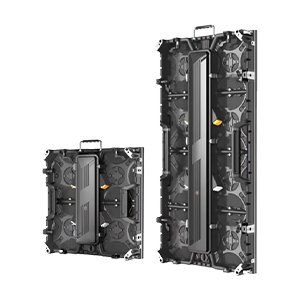
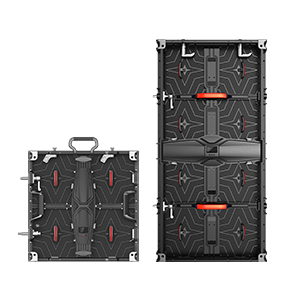



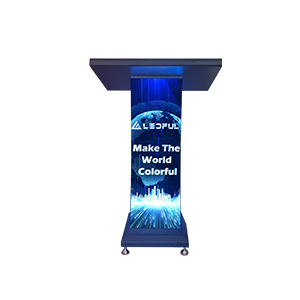

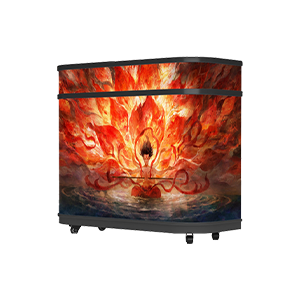







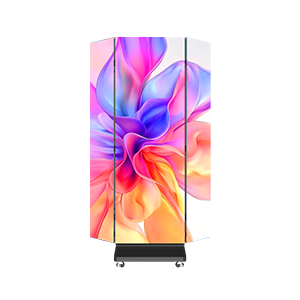
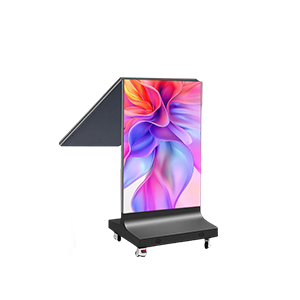
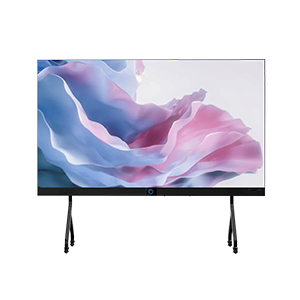


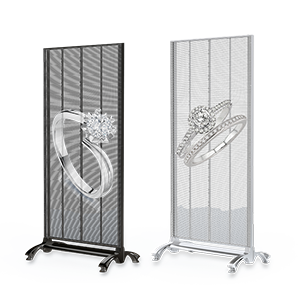


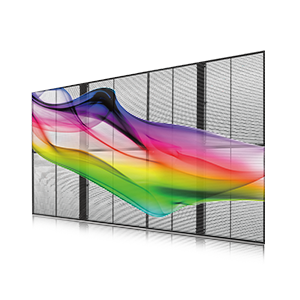
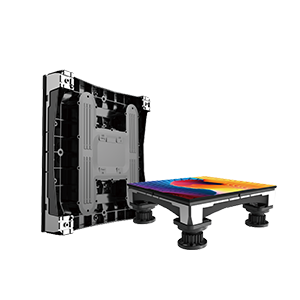
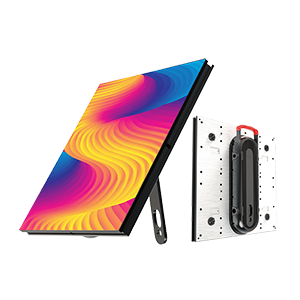
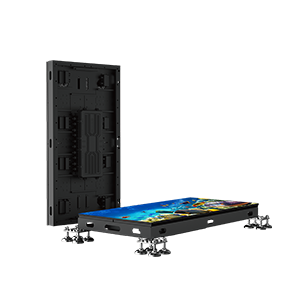

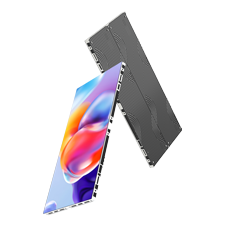

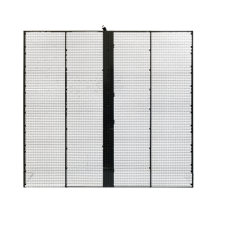
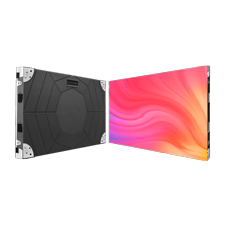
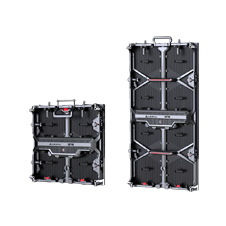

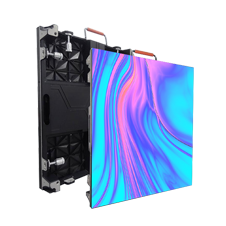
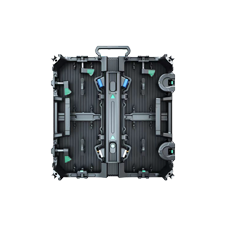
































Temporary visual installations have very different priorities from permanent display projects. Event teams may need rapid assembly, repeated transportation, flexible screen shapes, and reliable image performance within a limited setup window. Our team at LEDFUL approaches an indoor rental LED display by looking beyond screen resolution and considering how cabinet design, service access, signal performance, and venue conditions affect the entire rental workflow.

Understanding The Rental Display Concept
Rental LED systems are built around mobility. Unlike permanently mounted displays, they are expected to be assembled, dismantled, transported, and installed again at different locations. Cabinet weight, connection methods, protective packaging, and structural compatibility can have a direct effect on setup efficiency and equipment handling.
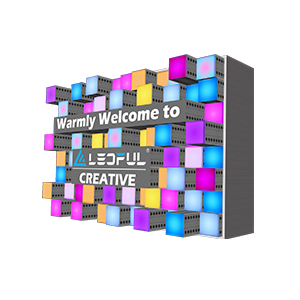
The intended event also influences technical requirements. Concerts may prioritize camera-friendly refresh performance, while exhibitions can place greater emphasis on compact installation and unusual configurations. Corporate events, theaters, and worship venues may have their own requirements for screen dimensions, viewing distance, brightness, and installation time.
A rental LED display screen should consequently be assessed according to its complete operating cycle. Procurement teams can consider how quickly cabinets connect, how technicians access internal components, how equipment is transported, and whether the system can accommodate different layouts without extensive modification.
Cabinet Design And Installation Flexibility
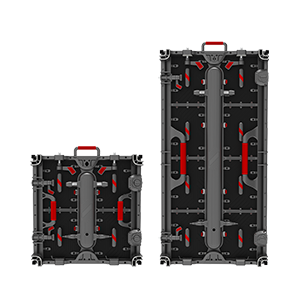
Quick-lock mechanisms are particularly useful in temporary installations because they reduce the number of repetitive fastening operations. Mechanical connections still need to be checked for proper engagement, alignment, and structural compatibility, especially when multiple cabinets form a large surface.
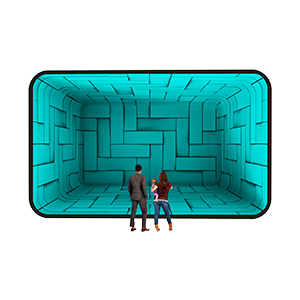
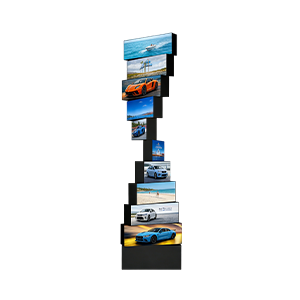
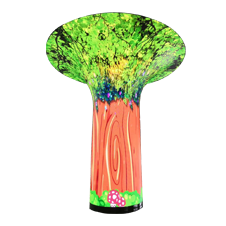
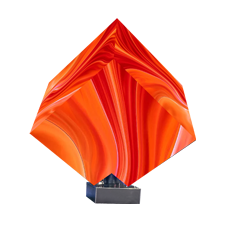
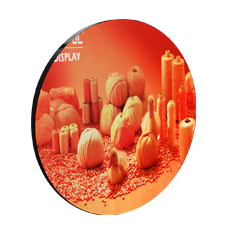
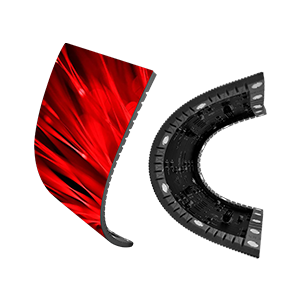
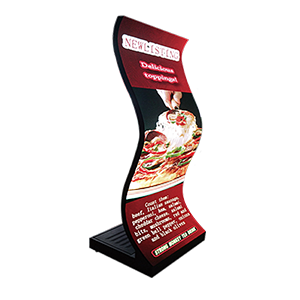
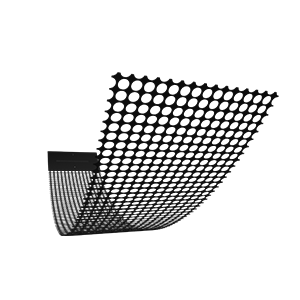
Curved configurations can expand creative possibilities. Concave or convex arrangements may help the display follow an architectural feature or create a more immersive visual field. A 90° angle configuration can also support corner installations, although the structural design and content mapping need to account for the change in screen geometry.
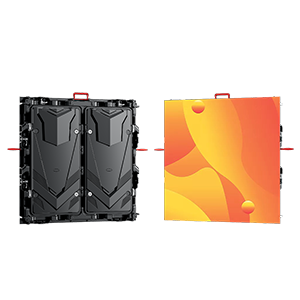
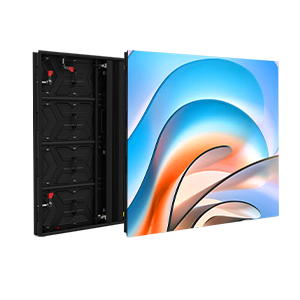
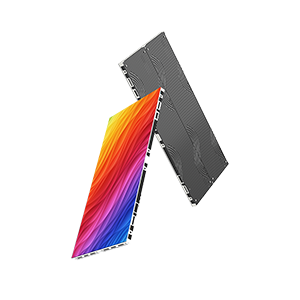
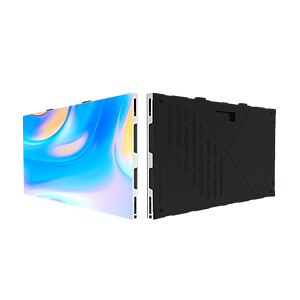
The S&K Series from our rental range combines quick locks with installation-oriented cabinet design, supports 3840Hz–7680Hz refresh rates, and offers 90° angle and curved configurations. Front or rear service can also be specified according to the project, showing how rental hardware can address both creative layouts and practical maintenance requirements.
Image Performance In Temporary Events
Refresh rate becomes particularly noticeable when cameras are part of the production. Broadcast cameras and event photography can capture scan behavior that is not obvious to people watching the screen directly. Higher refresh configurations can help reduce visible artifacts in recorded footage, although camera settings, shutter speed, processor configuration, and LED specifications all interact.
Brightness should be considered in relation to the venue rather than selected solely according to the highest available number. Indoor stages often operate under controlled lighting, whereas semi-outdoor venues or spaces with strong ambient illumination may demand greater luminance. Excessive brightness can also affect audience comfort and camera exposure.
Content resolution deserves similar attention. A screen built from modular cabinets may have dimensions that differ from standard video formats, so media content should be mapped to the actual pixel canvas. Proper scaling prevents stretched graphics and keeps text, logos, and fine visual details proportionate across the display.
Service Access And Event Reliability
Maintenance access matters even during short-term events. A loose connection or damaged module can appear shortly before a presentation or performance, leaving technicians with little time to diagnose the issue. Front-service access can be useful where the rear of the display is obstructed, while rear access may be preferable in installations with open technical space behind the cabinets.
Transport introduces another set of considerations. Rental equipment repeatedly experiences loading, unloading, stacking, and movement between venues. Protective cases, sensible handling procedures, inspection routines, and clear cabinet identification can reduce unnecessary physical stress during the equipment’s working cycle.
For an indoor rental LED display, technicians should inspect cabinet connections, power interfaces, signal paths, and visible surfaces before each major deployment. Recording faults during dismantling can also help teams prepare replacement components before the next event instead of discovering problems during setup.
Matching Rental Systems To Venue Requirements
Venue geometry should be reviewed before the display arrives. Ceiling height, stage dimensions, rigging points, audience distance, emergency routes, and available electrical capacity can all influence the final configuration. A technically capable display may still be unsuitable if the venue cannot accommodate its physical or electrical requirements.
Rigging deserves particular attention for suspended installations. The supporting structure, load limits, attachment hardware, and local safety requirements should be reviewed by qualified personnel. Screen configuration should never be treated separately from the structure carrying it.
A rental LED display screen also benefits from a clear deployment plan. Teams can document cabinet quantities, screen dimensions, power distribution, processor locations, cable routes, service orientation, and content requirements before setup. Such preparation gives technicians a common reference while leaving enough flexibility for venue-specific adjustments.
Conclusion
Rental displays succeed through coordination between visual performance and practical event logistics. At LEDFUL, we consider cabinet mobility, connection methods, refresh performance, service access, transportation, and venue conditions together rather than treating any single specification as the entire solution. Once those factors are understood, an indoor rental LED display can be assessed according to the demands of its actual event, while an appropriately configured rental LED display screen can support temporary installations without turning setup and maintenance into unnecessary complications.