


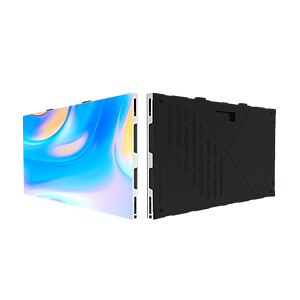
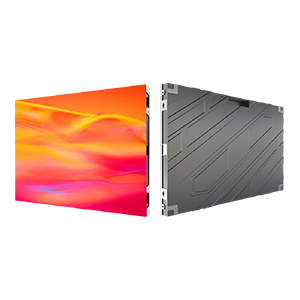

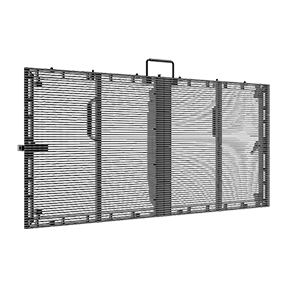
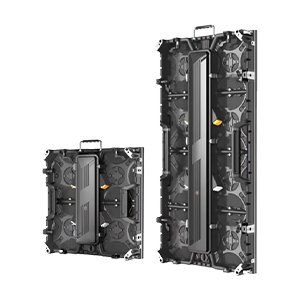









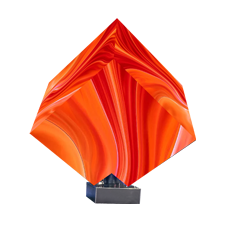
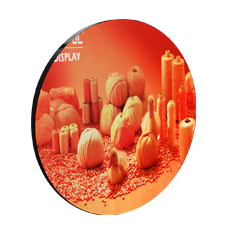
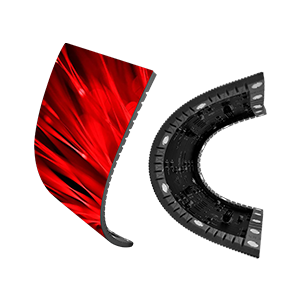
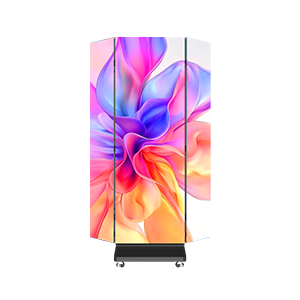
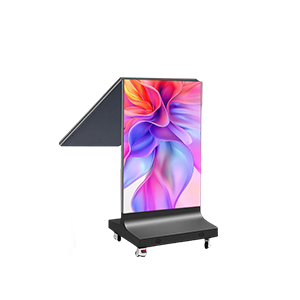
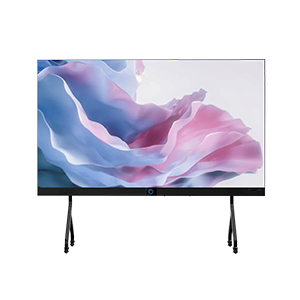


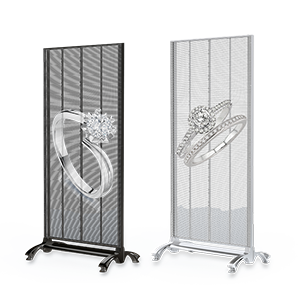
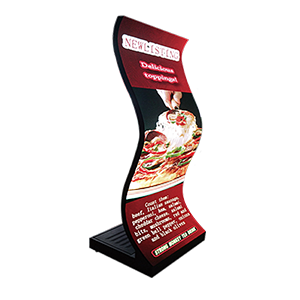


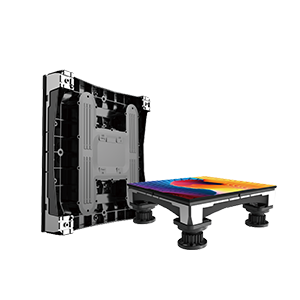
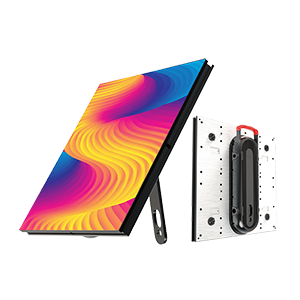
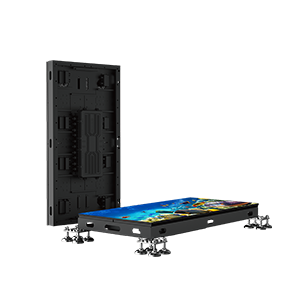

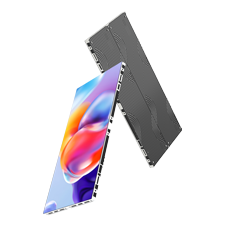

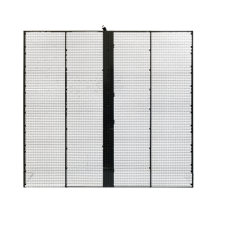
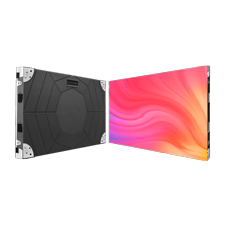
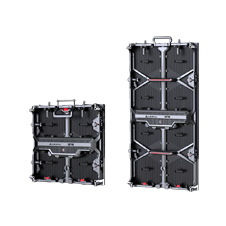

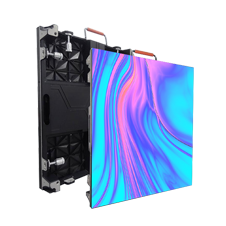










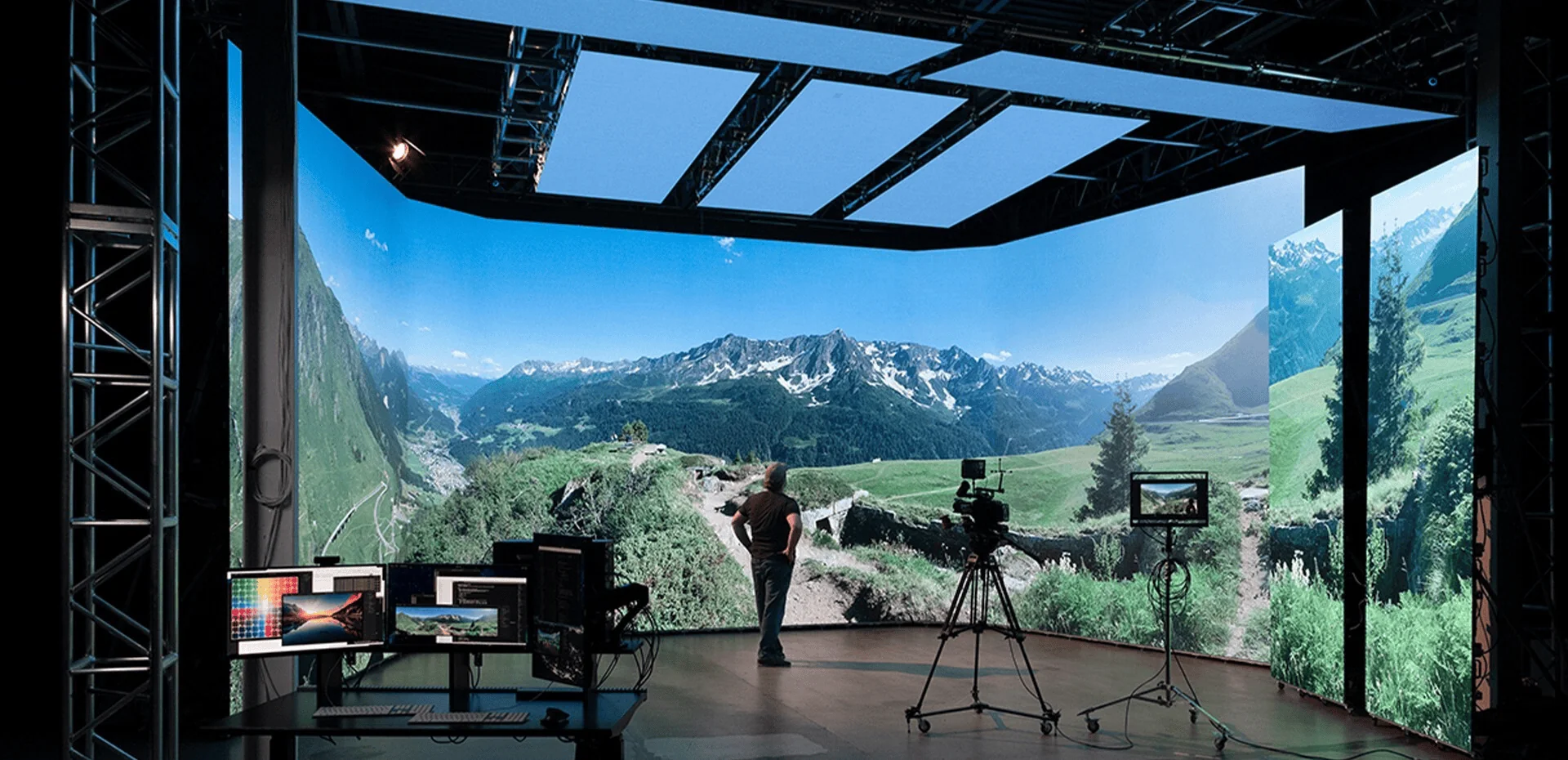
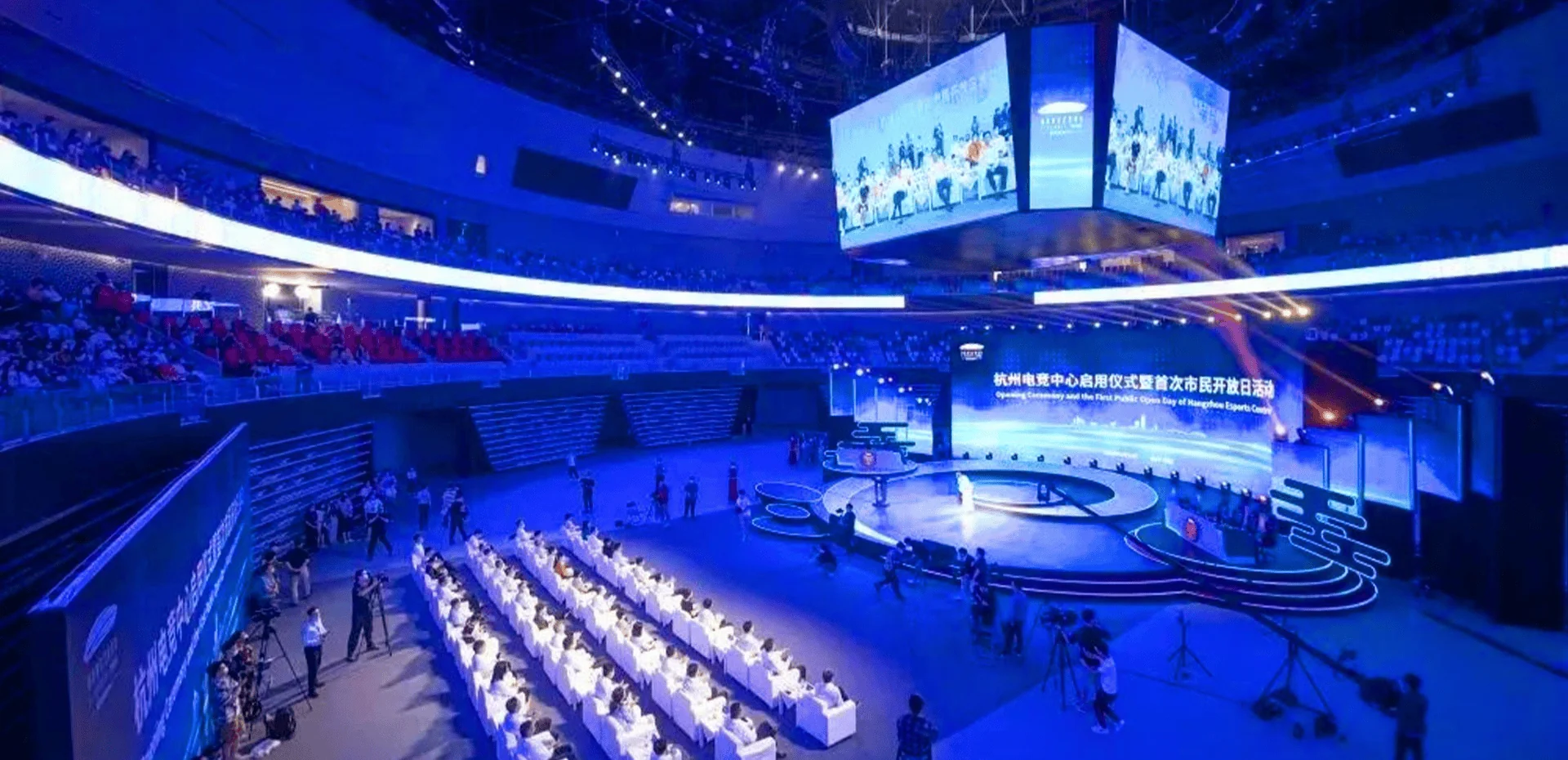

Tiny LED components sit close to the surface of a display, where accidental contact, dust, humidity, and repeated cleaning can create risks that are easy to overlook. Surface protection has consequently become an important consideration in commercial visual installations, particularly in busy venues where screens remain accessible to staff and visitors. Our team at LEDFUL examines these details as part of how an indoor LED display can maintain dependable performance in demanding environments.

What GOB Technology Actually Does
GOB, or Glue on Board, is a protective manufacturing process in which a transparent encapsulating material covers the LED components and surrounding PCB area. The added layer creates a physical barrier over vulnerable electronic elements while allowing light from the LEDs to pass through. Its purpose differs from simply placing a protective cover over the finished cabinet.
Traditional exposed LED surfaces can be more vulnerable to impact from tools, fingers, dust particles, or other objects during installation and service. GOB protection provides another layer between these external factors and the electronic components. The effectiveness of that protection, however, depends on material quality, application consistency, curing, and the underlying PCB design.
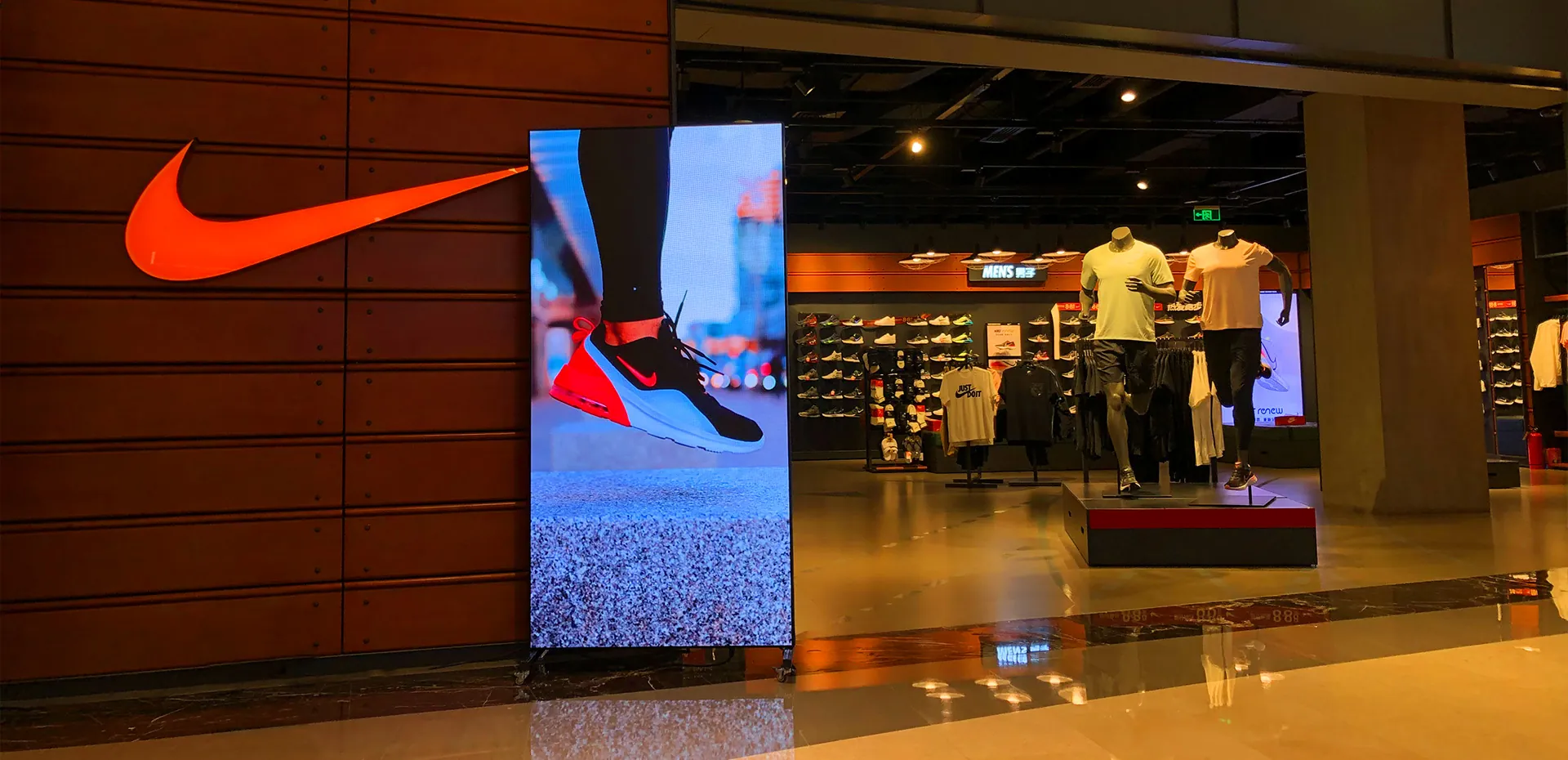
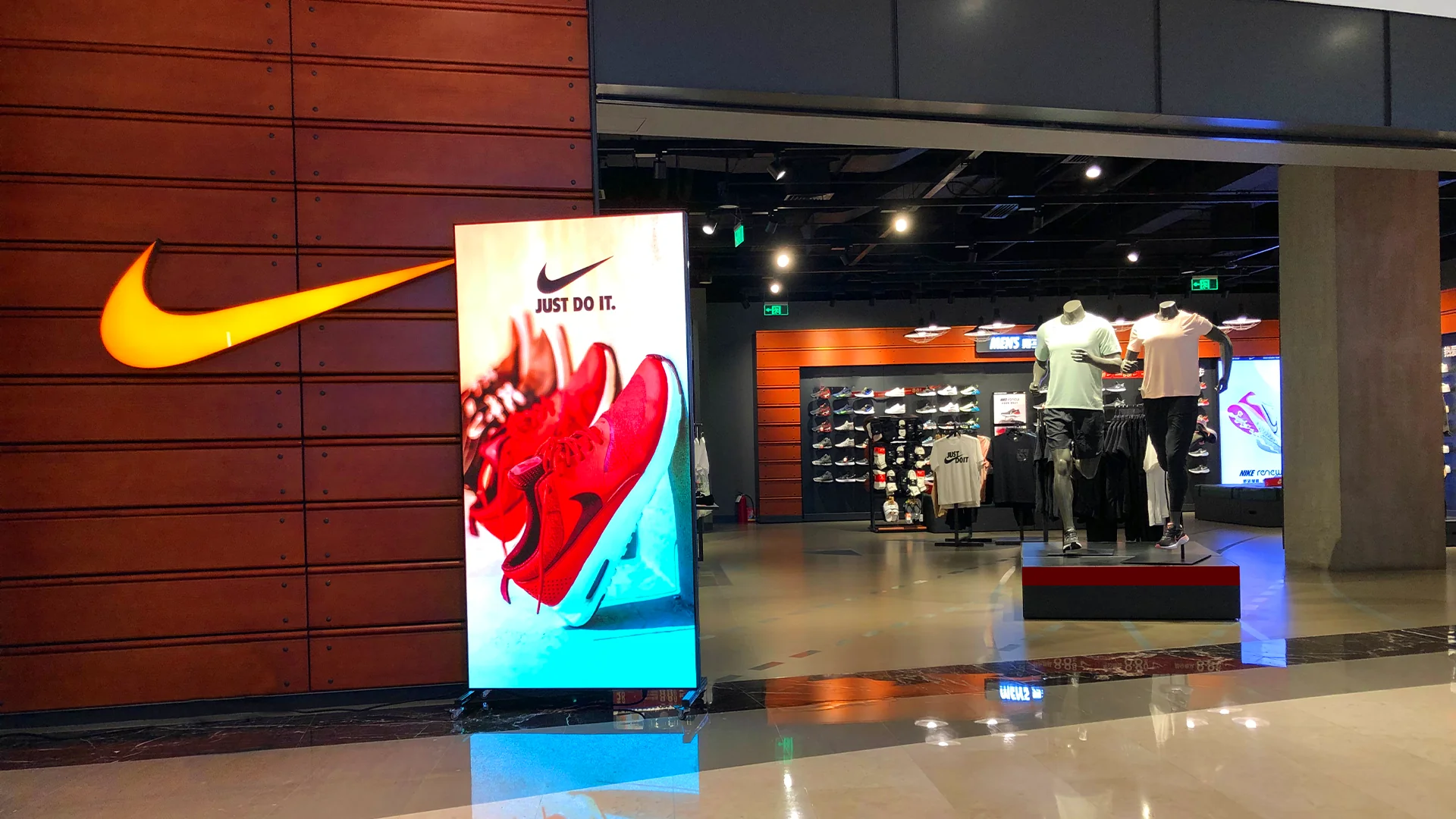
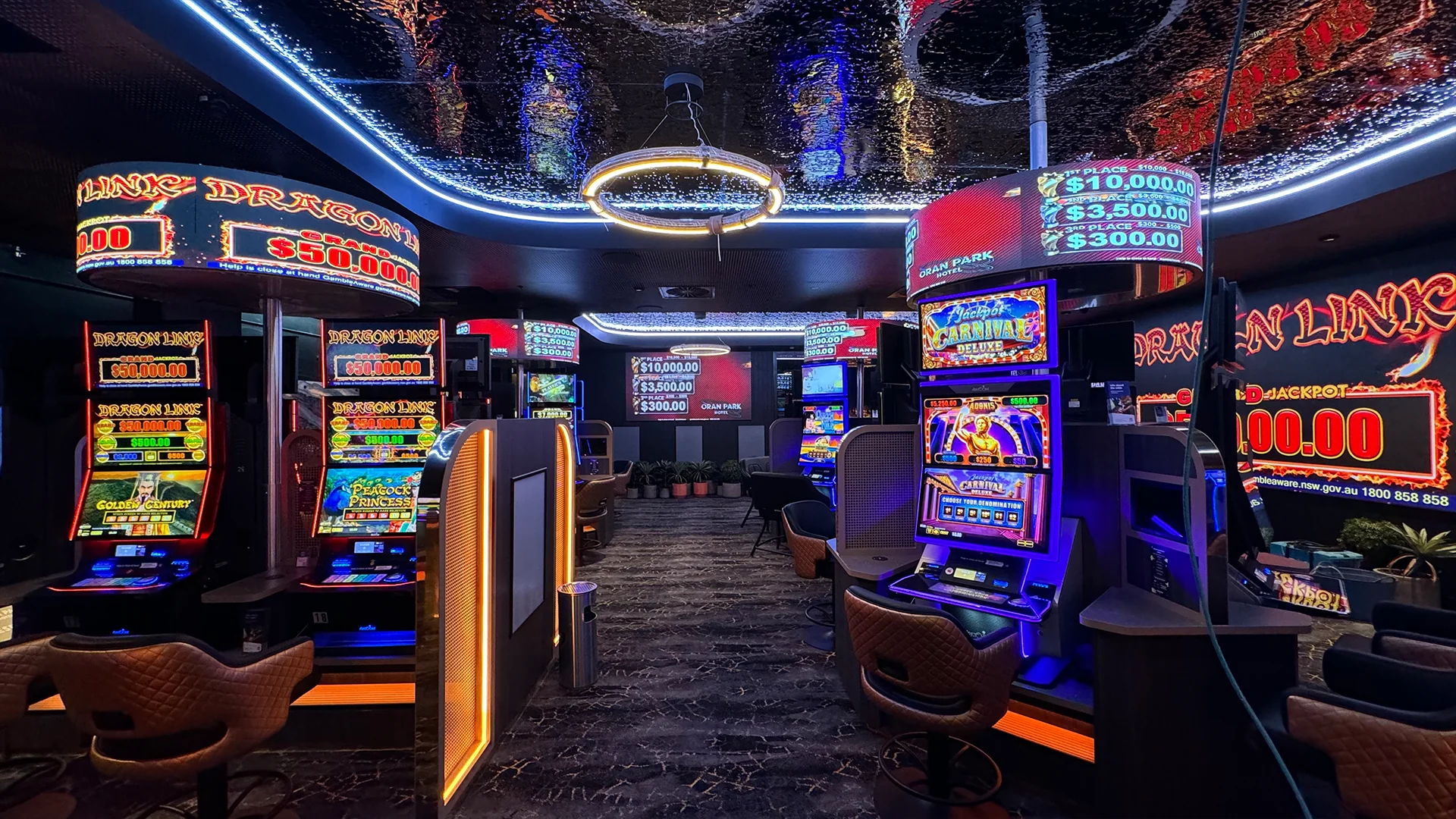
For an indoor LED display panel, surface protection becomes particularly relevant in retail stores, exhibition spaces, transportation facilities, and other locations where people may pass close to the screen. It does not replace proper installation or maintenance, but it can form part of a broader approach to physical durability.
Why Surface Protection Matters Indoors
Indoor environments may appear controlled compared with outdoor locations, yet commercial spaces introduce their own forms of physical stress. Screens can be exposed to frequent cleaning, accidental touches, installation activity, airborne particles, and movement of equipment nearby. High-traffic areas naturally create more opportunities for unintended contact.
Humidity is another factor worth considering. Indoor humidity varies substantially between climates and building types, while air-conditioning systems can produce localized environmental changes. Moisture protection at the component level can provide an additional safeguard, although it should not be interpreted as making every display suitable for uncontrolled wet environments.
An indoor LED display installed in a public-facing area also needs to retain consistent optical performance. Dust or surface contamination can affect the appearance of fine-pitch screens, while physical damage may create visible defects. Protective encapsulation can help reduce certain surface-related risks without changing the basic purpose of the display.
GOB And Image Quality
Protection technology should not be evaluated independently from visual performance. The encapsulating material sits directly above the LEDs, so its optical characteristics can influence transparency, light transmission, surface reflection, and the appearance of the finished screen. Manufacturing precision is especially important with fine-pitch displays because small optical differences can become easier to notice at close viewing distances.
Surface reflection deserves particular attention in conference rooms, retail environments, and other brightly illuminated interiors. Lighting from windows, ceiling fixtures, or spotlights may fall directly onto the display. Screen placement, viewing angle, brightness settings, and surface characteristics should be assessed together rather than treating any single specification as the entire solution.
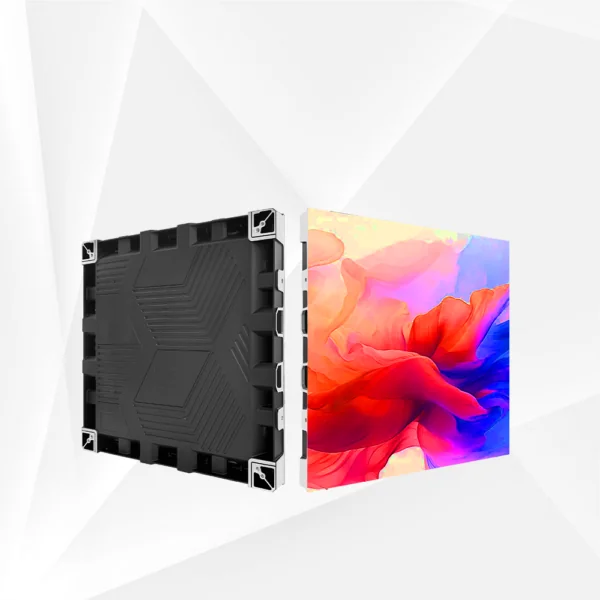
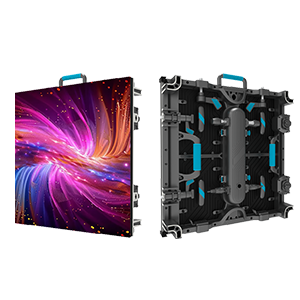
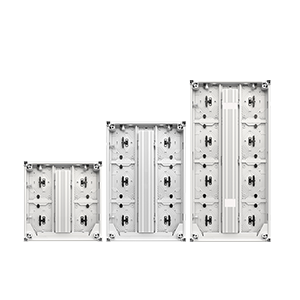
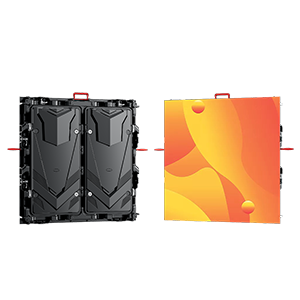
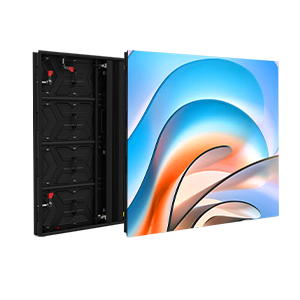
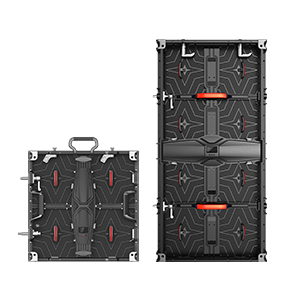
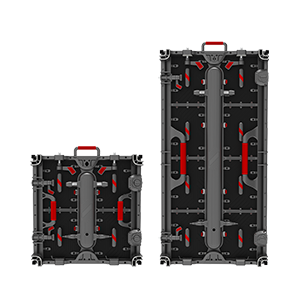
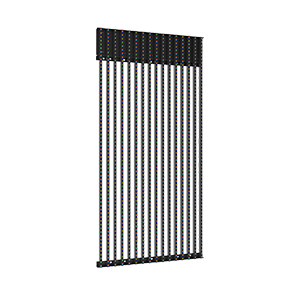
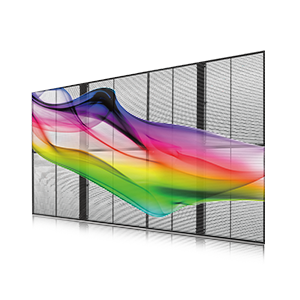
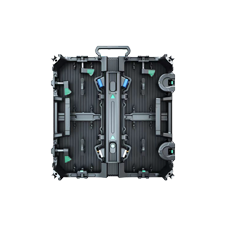
Our BM PRO Series incorporates a slim, lightweight cabinet structure with multiple cabinet size options and supports wall-mounted, hanging, and free-standing configurations. Its front-and-rear service design allows technicians to maintain the display from either direction, illustrating how physical protection and practical service access can be considered together within a commercial installation.
Maintenance Considerations For Protected LED Surfaces
GOB protection can reduce exposure to certain physical hazards, but it does not make routine maintenance unnecessary. Operators should still follow appropriate cleaning procedures and use materials compatible with the screen surface. Excessive pressure, abrasive tools, or unsuitable chemicals may damage the protective layer or other components.
Service teams should also distinguish between surface contamination and electronic faults. A mark on the encapsulation, an abnormal pixel, a module communication problem, and a calibration issue may have very different causes. Careful diagnosis helps technicians address the actual fault instead of repeatedly disturbing healthy components.
For an indoor LED display panel, maintenance planning should include inspection frequency, cleaning methods, replacement procedures, and access requirements. Displays installed in busy commercial environments may require more frequent visual checks than equipment located inside restricted technical rooms, even if both operate under similar electrical conditions.
Evaluating Protection During Procurement
GOB should be treated as one part of a technical evaluation rather than a standalone quality label. Buyers can ask about encapsulation materials, manufacturing processes, optical performance, repair procedures, module replacement, and the conditions under which the protection has been tested. Documentation is particularly useful when several suppliers use similar terminology but apply different production methods.
Installation conditions deserve equal attention. A display positioned behind a controlled barrier has different exposure characteristics from one placed beside a busy walkway. Cleaning frequency, accessibility, ambient humidity, expected operating hours, and proximity to visitors can all influence the practical value of surface protection.
Long-term service should remain part of the original discussion. A protected surface may reduce certain forms of physical risk, while accessible cabinet construction can simplify inspection and repair. Combining these considerations gives project teams a more realistic understanding of how indoor LED displays will behave throughout their service life.
Conclusion
Surface protection rarely attracts attention during a presentation, yet it can influence how a display withstands the everyday conditions surrounding it. At LEDFUL, we consider manufacturing protection, cabinet construction, optical behavior, installation conditions, and maintenance access as connected elements rather than isolated specifications. Understanding GOB gives project teams another useful technical reference when evaluating an indoor LED display, while the suitability of an indoor LED display panel still depends on its actual environment, service requirements, and application.