

































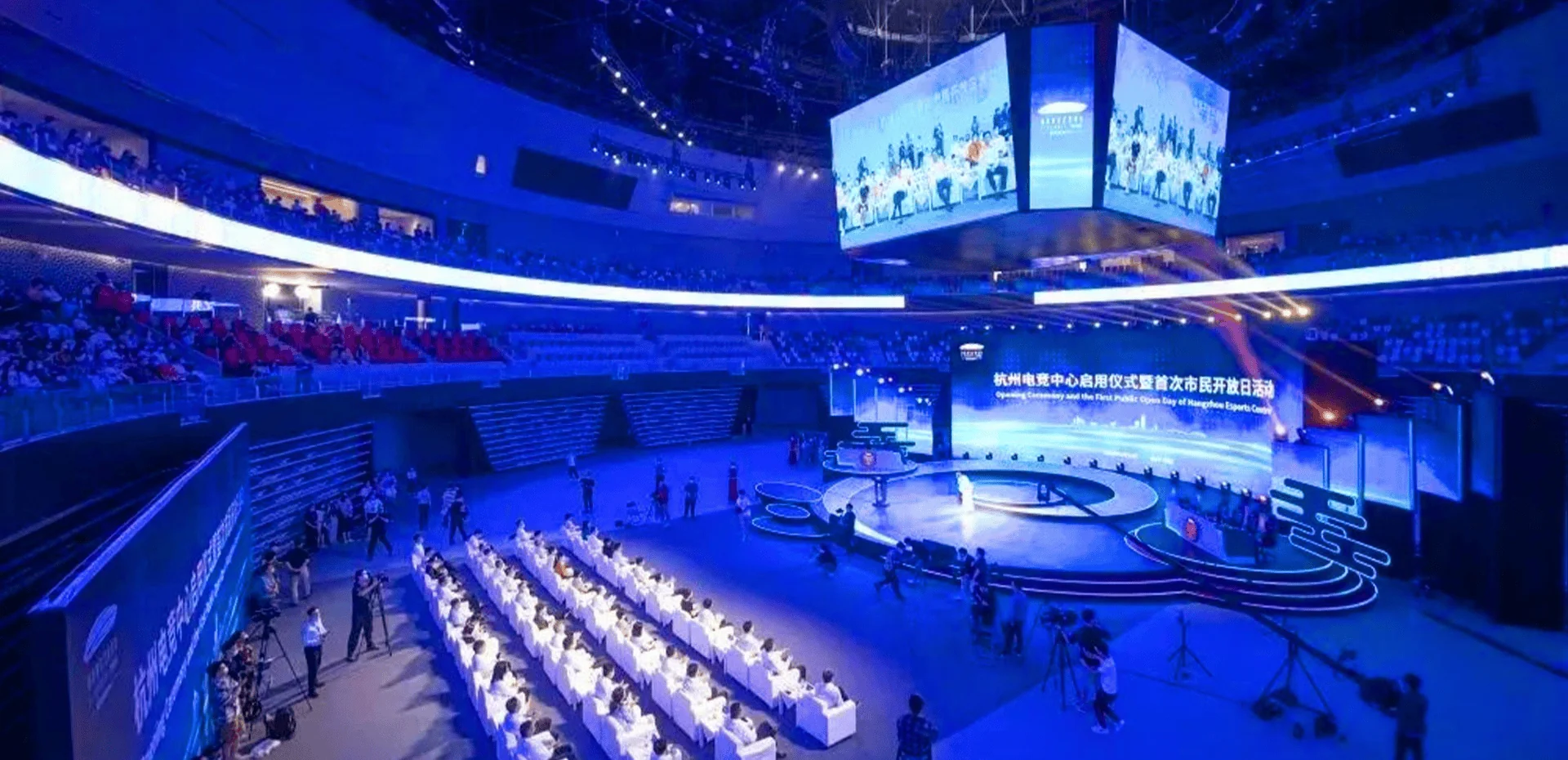

Silence is easy to overlook until a display becomes part of an important meeting. In boardrooms, executive offices, and conference facilities, distracting fan noise can compete with speech, video calls, and presentations, while excessive heat may affect equipment stability over long operating periods. Our team at LEDFUL considers these environmental factors alongside image quality when developing an indoor LED display for professional communication spaces.
Why Noise Matters In Boardrooms
Boardrooms place unusual demands on audiovisual equipment because speech clarity is central to the room’s purpose. Mechanical fans can create a continuous background sound, which may become noticeable during quiet discussions or recorded conferences. Even moderate noise can be distracting when microphones are positioned close to the display system.
Acoustic conditions become particularly important during hybrid meetings. Microphones used for conferencing may capture ambient equipment noise along with participants’ voices. Modern noise suppression can reduce unwanted sounds, but reducing the source of the noise remains a useful part of room design.
The acoustic profile of an indoor LED display panel should consequently be considered alongside brightness, resolution, and viewing distance. Equipment that operates quietly can fit more naturally into spaces where communication, concentration, and recording quality take priority over high-volume entertainment.
Understanding Thermal Management Without Fans
Removing active fans does not mean heat disappears. Electronic components still generate thermal energy during operation, so heat must move away from sensitive components through an appropriate structural path. Cabinet materials, internal spacing, component placement, and surrounding airflow all influence how that process works.
Aluminum is commonly used in display structures because of its thermal conductivity and relatively low weight. A carefully engineered cabinet can distribute heat through its structure and release it into the surrounding environment without relying entirely on mechanical airflow. Room temperature and installation clearance still matter, particularly during extended operation.
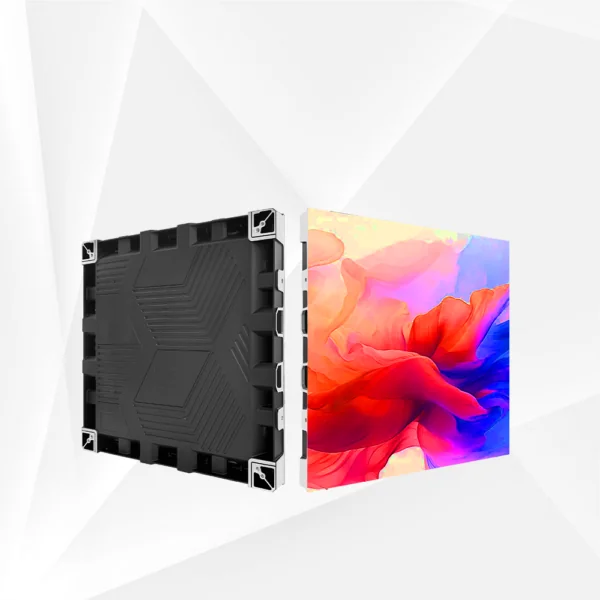
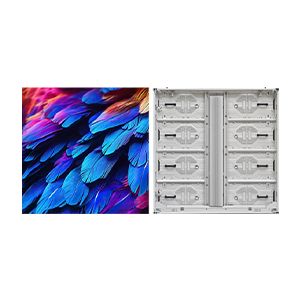
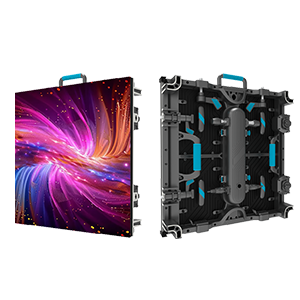
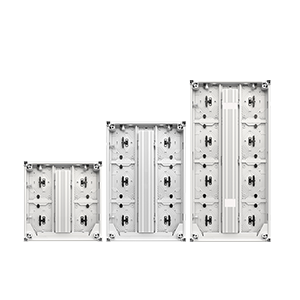
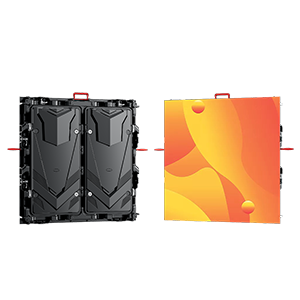
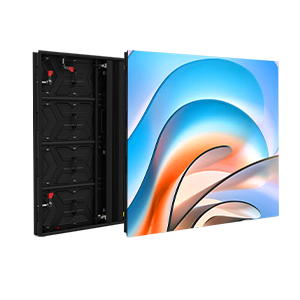
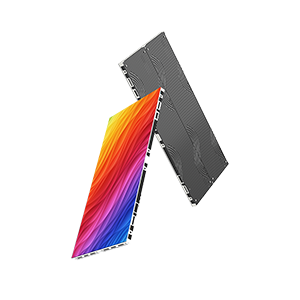
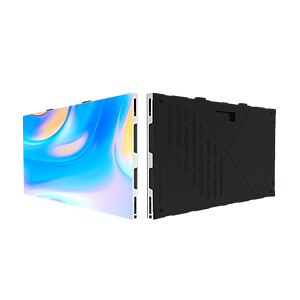
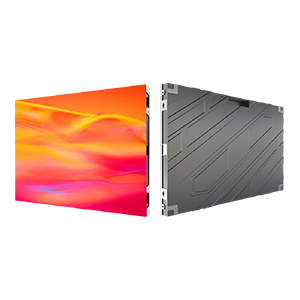
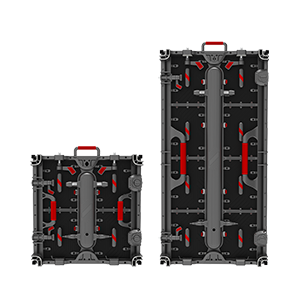
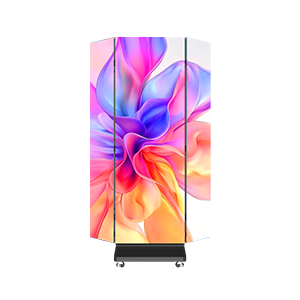
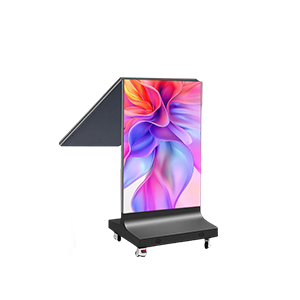
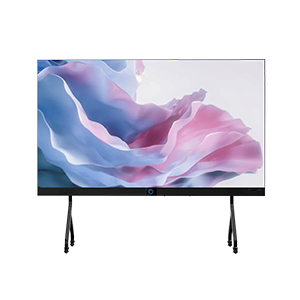
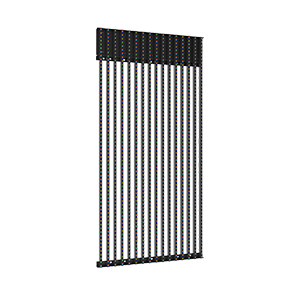
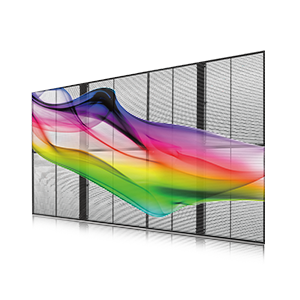
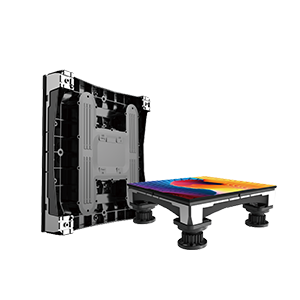
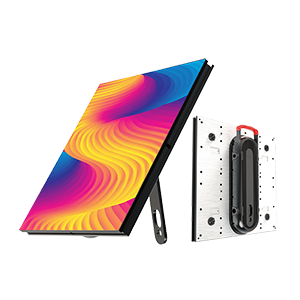
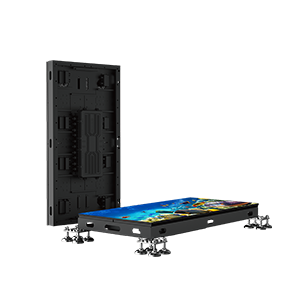
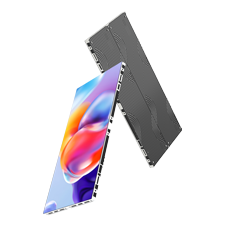
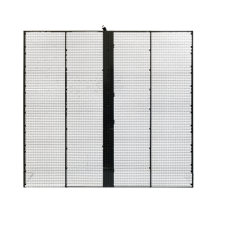
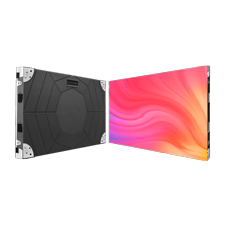
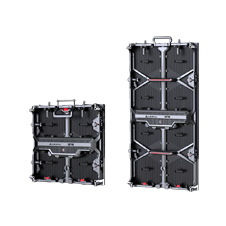
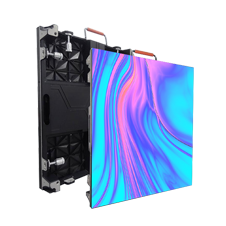
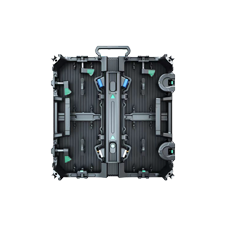
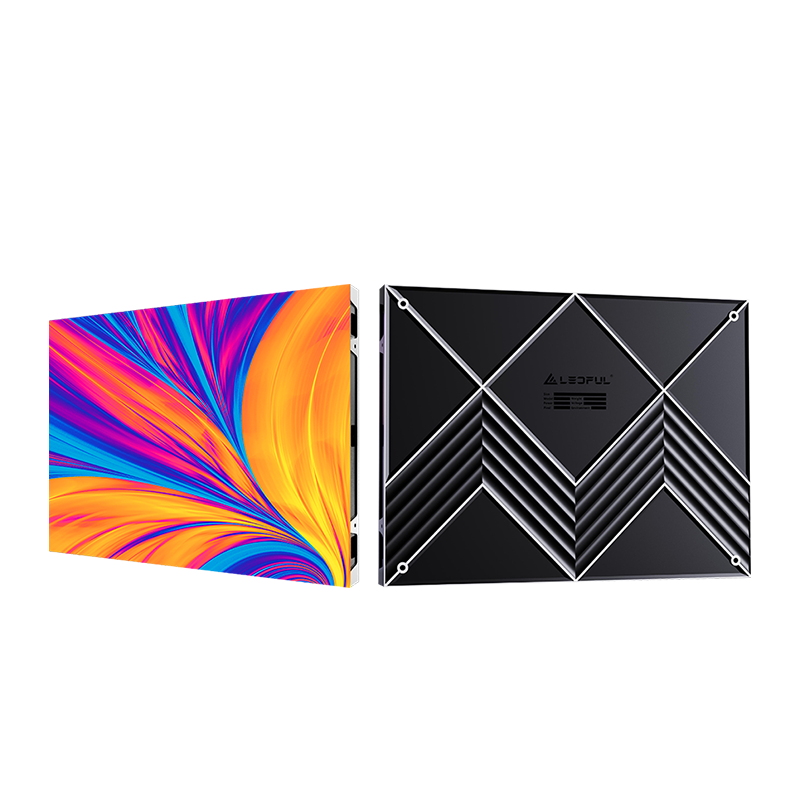
Our BM PRO Series Indoor High Definition LED Display uses a slim, lightweight cabinet structure with multiple cabinet size options and supports wall-mounted, hanging, and free-standing installation. Its design illustrates how cabinet engineering can address both physical deployment and the environmental demands of professional indoor applications, including boardrooms and conference rooms.
Passive Cooling And Long-Term Operation
Thermal conditions can influence the behavior of LEDs, power supplies, control components, and other electronic parts. Persistent heat exposure may accelerate component aging, while sudden temperature changes can create additional stress. A display intended for daily commercial use needs a thermal strategy that reflects its actual operating schedule.
Room ventilation should not be overlooked simply because the display itself does not use fans. Heat released into an enclosed space still affects the local environment. Installers should consider wall clearance, nearby equipment, HVAC performance, and the amount of heat generated by other audiovisual devices in the same room.
For an indoor LED display, passive thermal management can also reduce the number of moving parts inside the cabinet. Fewer mechanical components may simplify the equipment architecture, although regular inspection remains necessary for power connections, control hardware, cabinet condition, and other serviceable elements.
Acoustic Design Beyond The Display
Room acoustics involve much more than equipment noise. Wall surfaces, ceilings, tables, flooring, microphones, speakers, and seating arrangements all affect how sound travels through a boardroom. Display placement can influence reflections as well, particularly in rooms with large hard surfaces.
The display should be integrated into the audiovisual plan rather than installed independently from it. Speaker positions, microphone pickup zones, camera angles, and screen height should be reviewed together. Such coordination can prevent situations where an otherwise capable display creates visual or acoustic compromises elsewhere in the room.
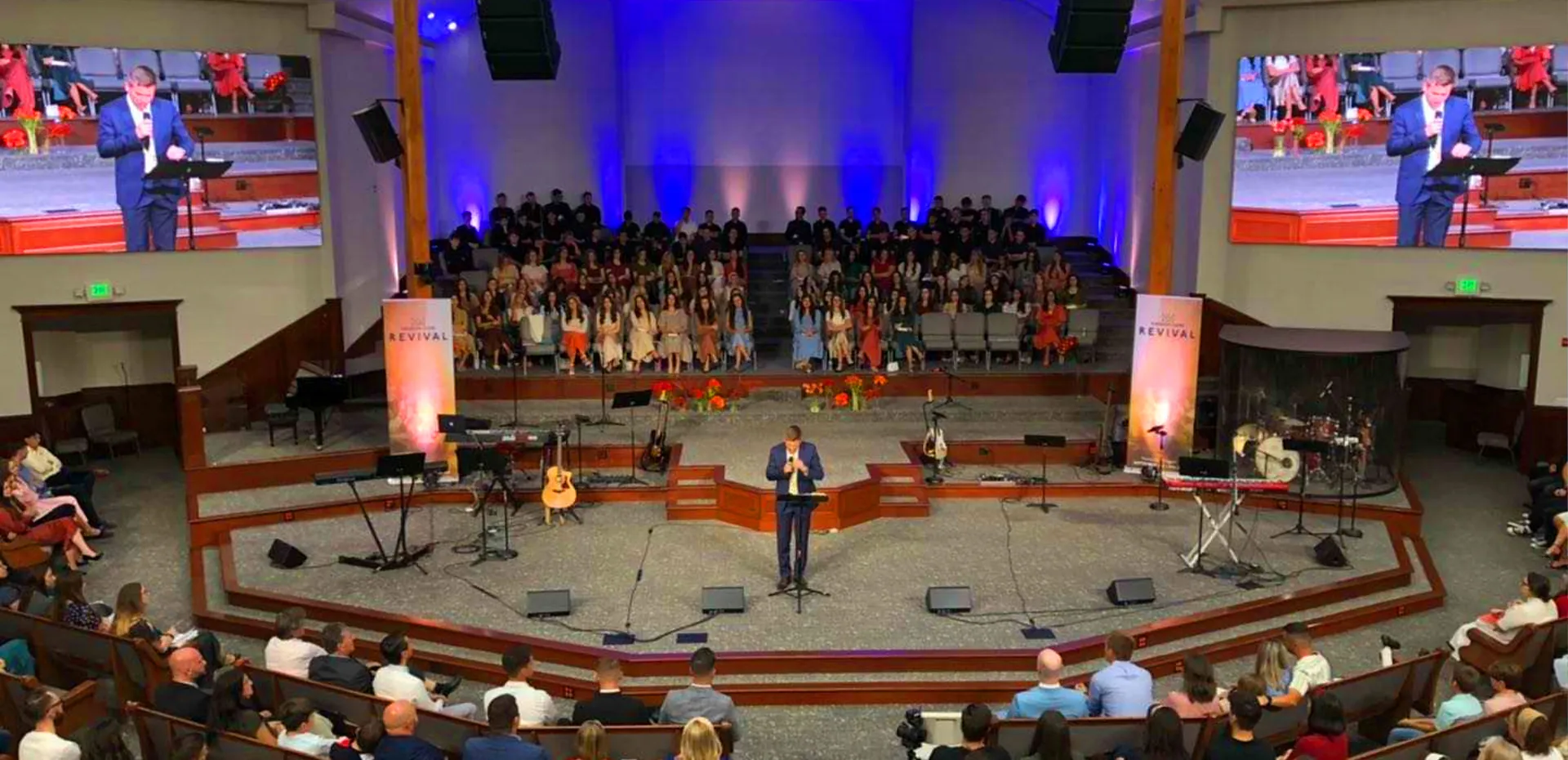
An indoor LED display panel used for executive presentations may also operate for several hours without interruption. Stable thermal conditions, appropriate room ventilation, and sensible power management become increasingly relevant as meeting durations and daily usage increase.
Practical Considerations For Boardroom Projects
Specification sheets provide useful starting points, but real-world installation conditions deserve equal attention. Procurement teams can ask about cabinet construction, thermal design, service requirements, installation orientation, and recommended operating environments before approving a system.
Commissioning should include observation under realistic conditions. Running the display during an extended presentation can reveal temperature behavior, acoustic characteristics, image stability, and interaction with other room equipment. Testing in the actual space provides information that cannot always be obtained from laboratory specifications alone.
Maintenance procedures should preserve the original environmental conditions as much as possible. Dust accumulation, blocked ventilation around the installation, damaged cables, or later modifications to surrounding equipment can change how heat moves through the room. Periodic checks help operators identify such changes before they become operational concerns.
Conclusion
Quiet operation may never appear on a presentation slide, yet it can shape how naturally technology fits into a boardroom. We at LEDFUL approach professional display design with both the visual and environmental sides of the installation in mind, recognizing that thermal behavior, acoustics, mounting conditions, and operating schedules all contribute to the user experience. For teams evaluating an indoor LED display, understanding passive cooling provides another useful perspective, while the broader performance of an indoor LED display panel should always be assessed within its actual room and application.