


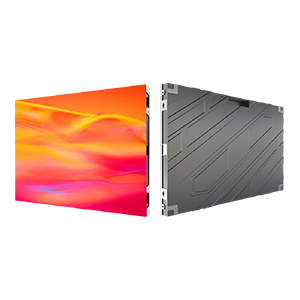

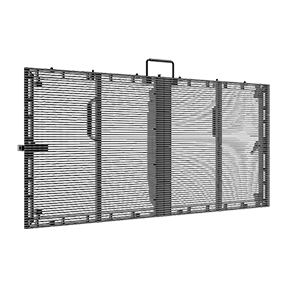












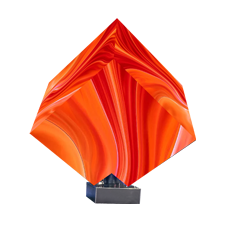
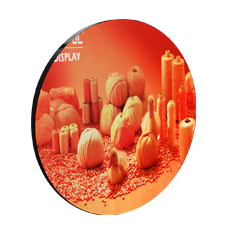
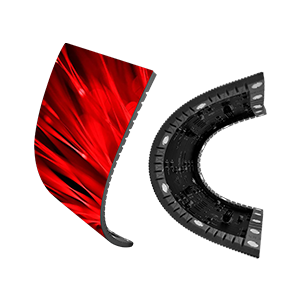
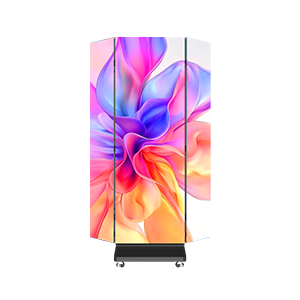
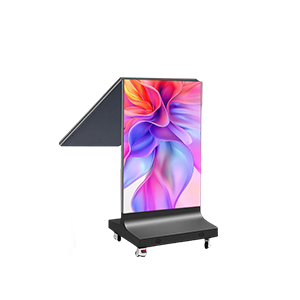
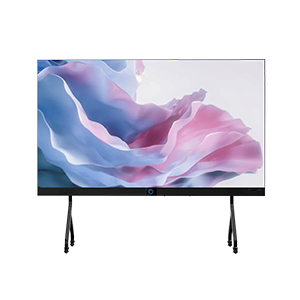


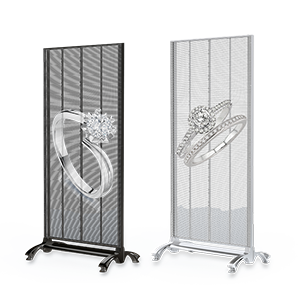
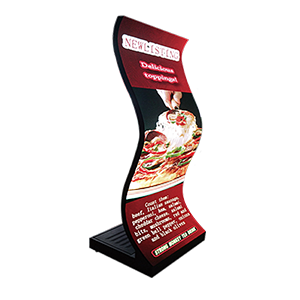


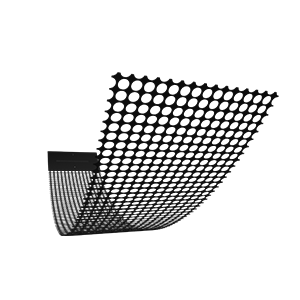
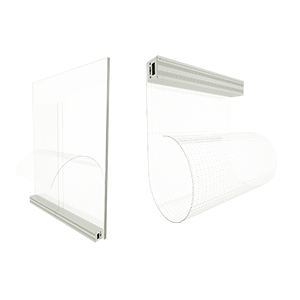
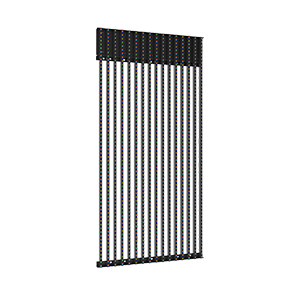
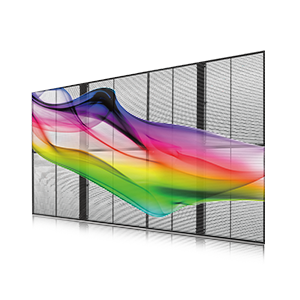


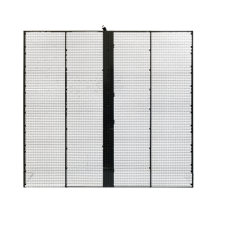
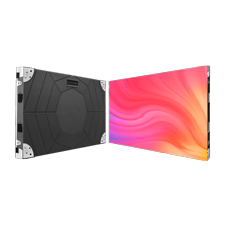
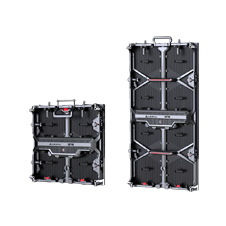

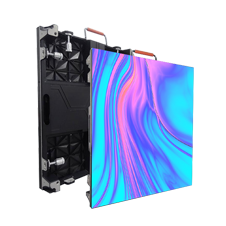


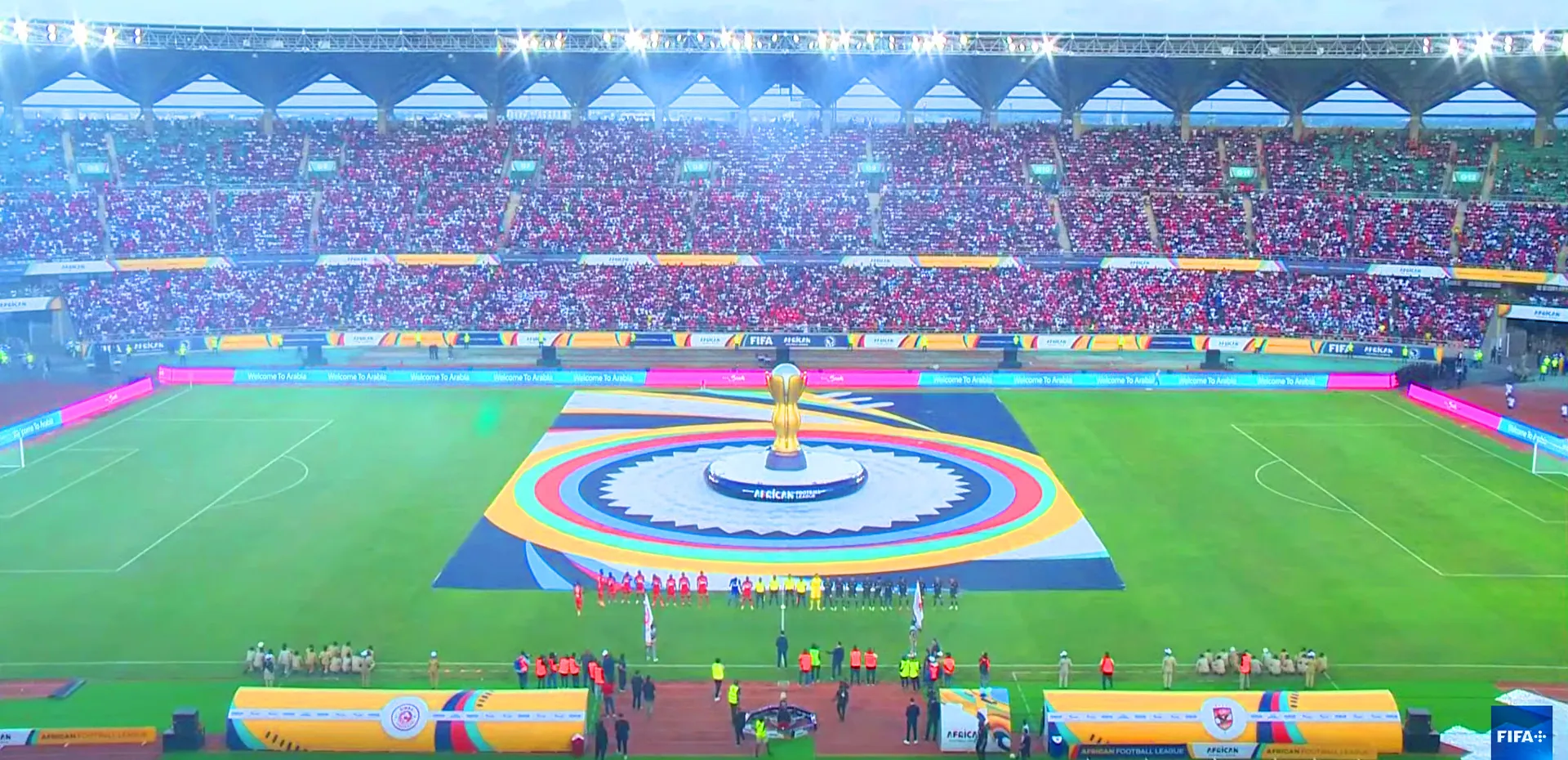
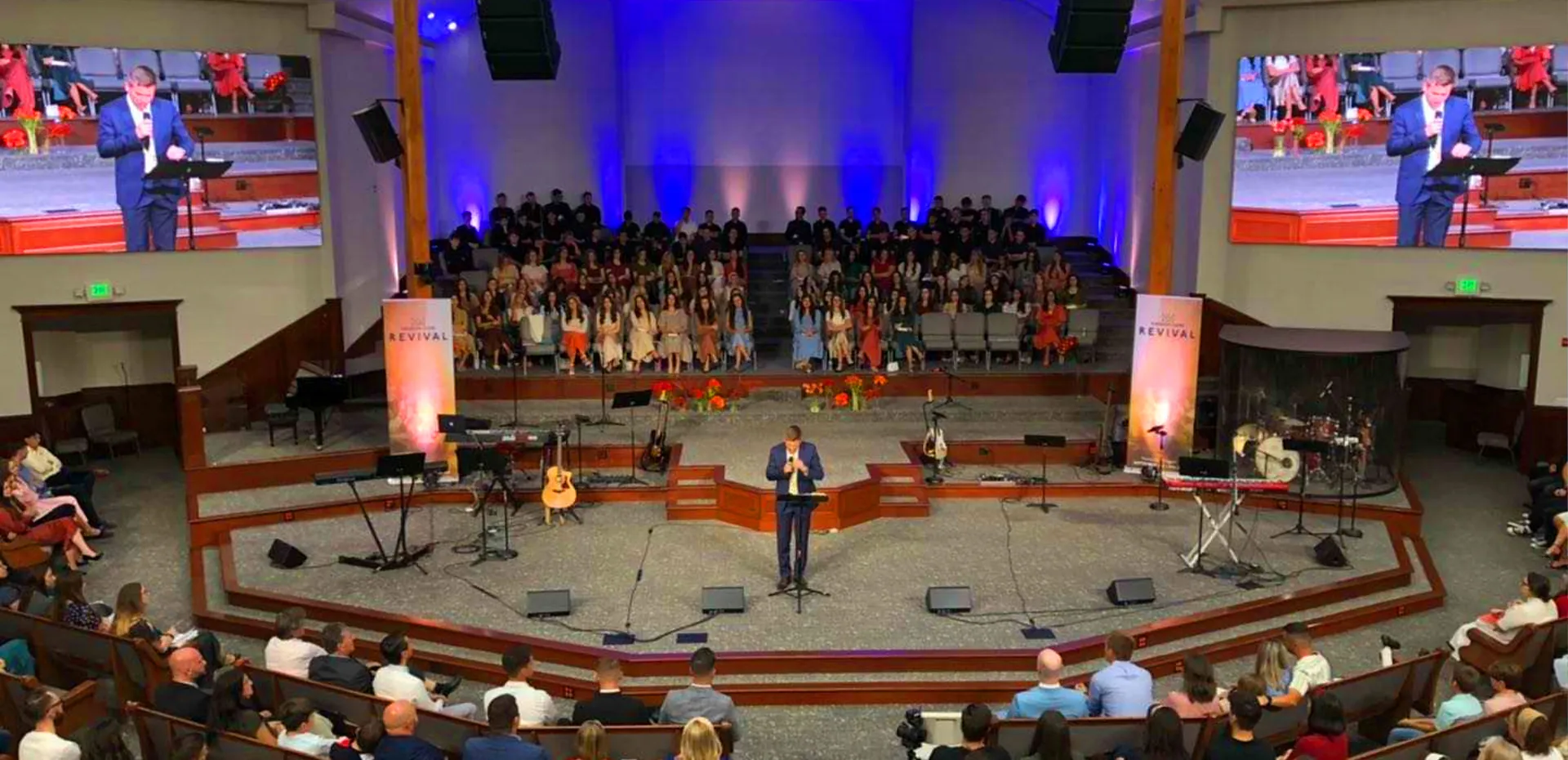
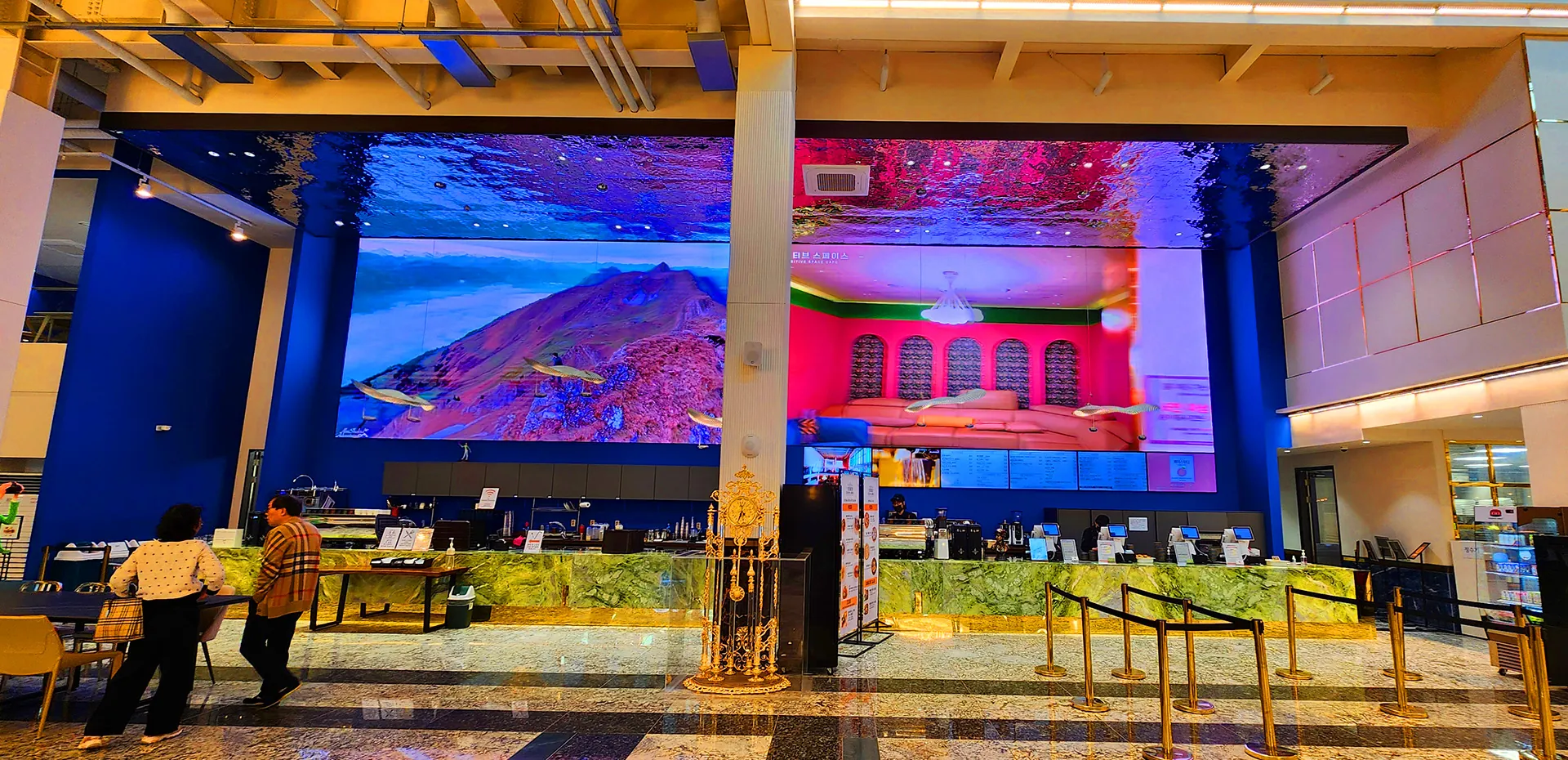
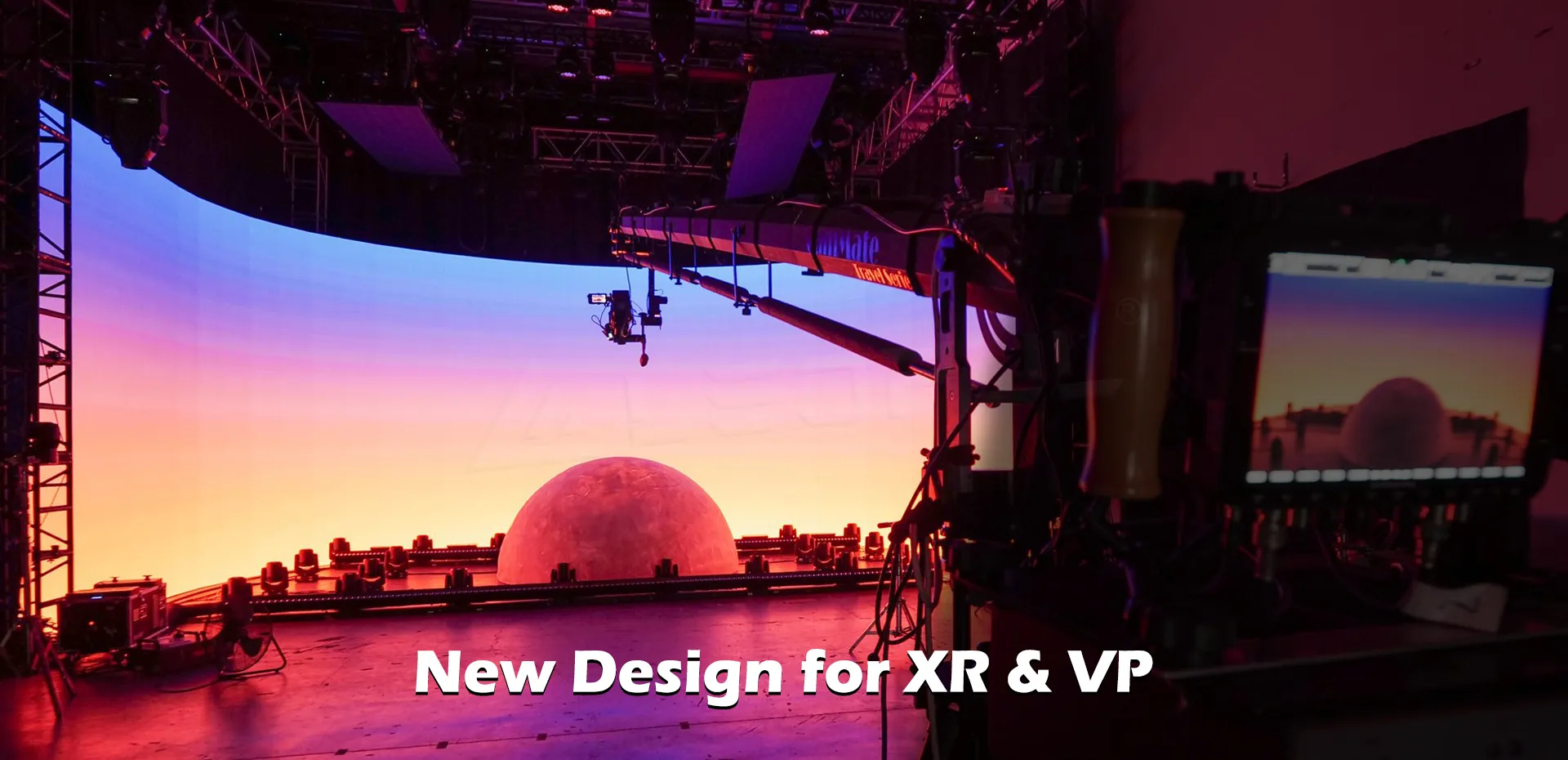







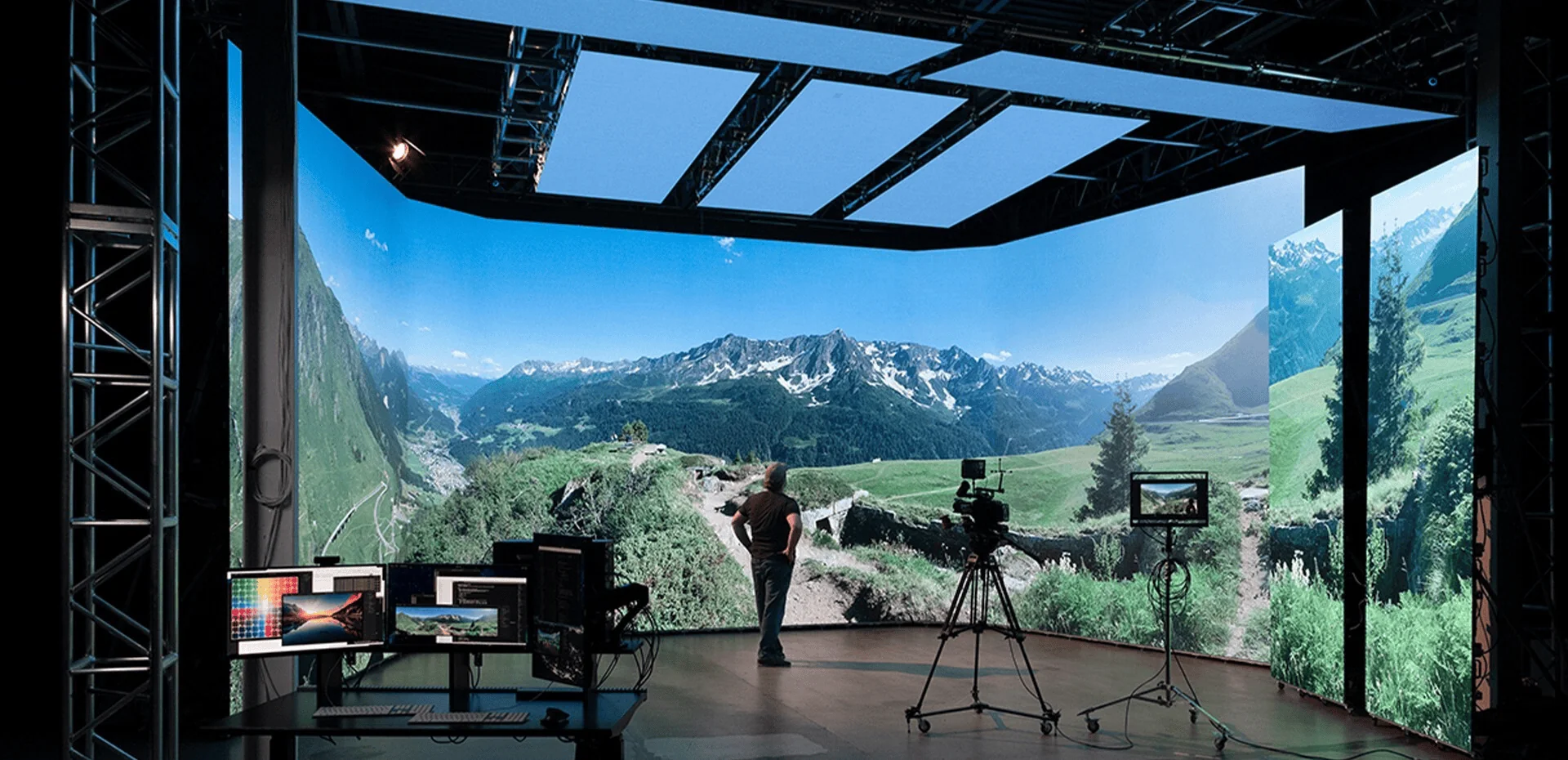
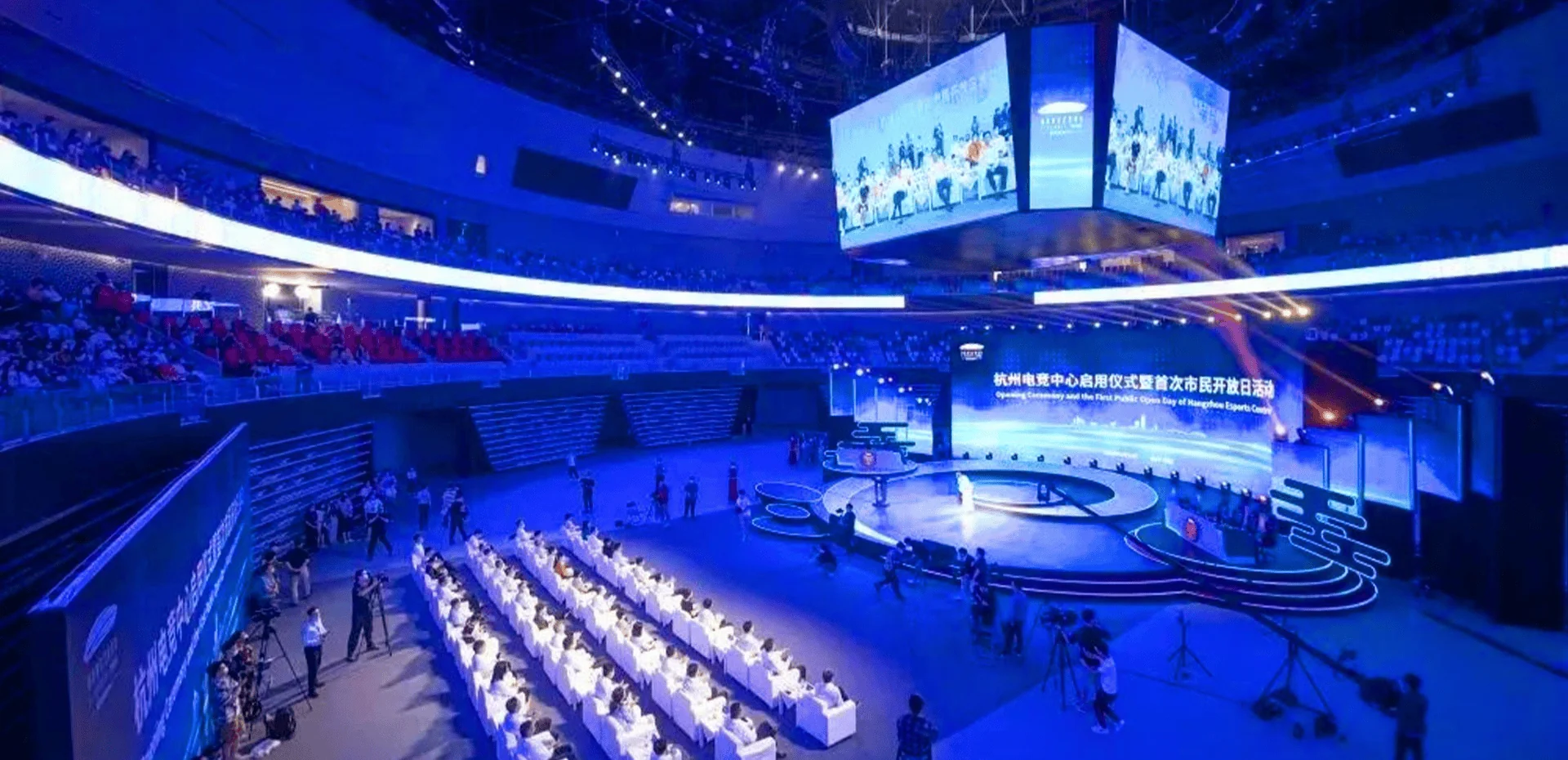
Trade show budgets are rarely judged by equipment cost alone; exhibitors also need to understand how effectively each investment supports visitor engagement, conversations, and follow-up opportunities. We at LEDFUL approach this question from a practical event perspective, where LED display rental options for trade shows can be evaluated through measurable factors such as audience exposure, booth traffic, message visibility, and reuse across different events. Looking beyond the screen itself creates a clearer picture of how temporary visual infrastructure contributes to exhibition performance.

Measuring Value Beyond Initial Rental Cost
Rental expenditure is only one part of an exhibition display’s financial impact. A screen that attracts attention from a distance may increase the number of people who stop at the booth, while clear visuals can help sales representatives explain products without relying entirely on printed materials or verbal introductions.
Visitor traffic provides a useful starting point for ROI analysis, but it should not be treated as the only measurement. Exhibitors can track how many visitors enter the booth, participate in demonstrations, scan QR codes, request information, or schedule follow-up meetings. Comparing these figures with previous events can reveal whether the display contributed to meaningful engagement.
Event objectives also influence the value of different display configurations. A company focused on brand awareness may prioritize visibility across a large exhibition hall, whereas a technical exhibitor could require detailed product demonstrations. LED display rental options for trade shows should consequently be assessed against the specific conversion path rather than judged purely by screen size or visual impact.
How Visual Exposure Influences Booth Traffic
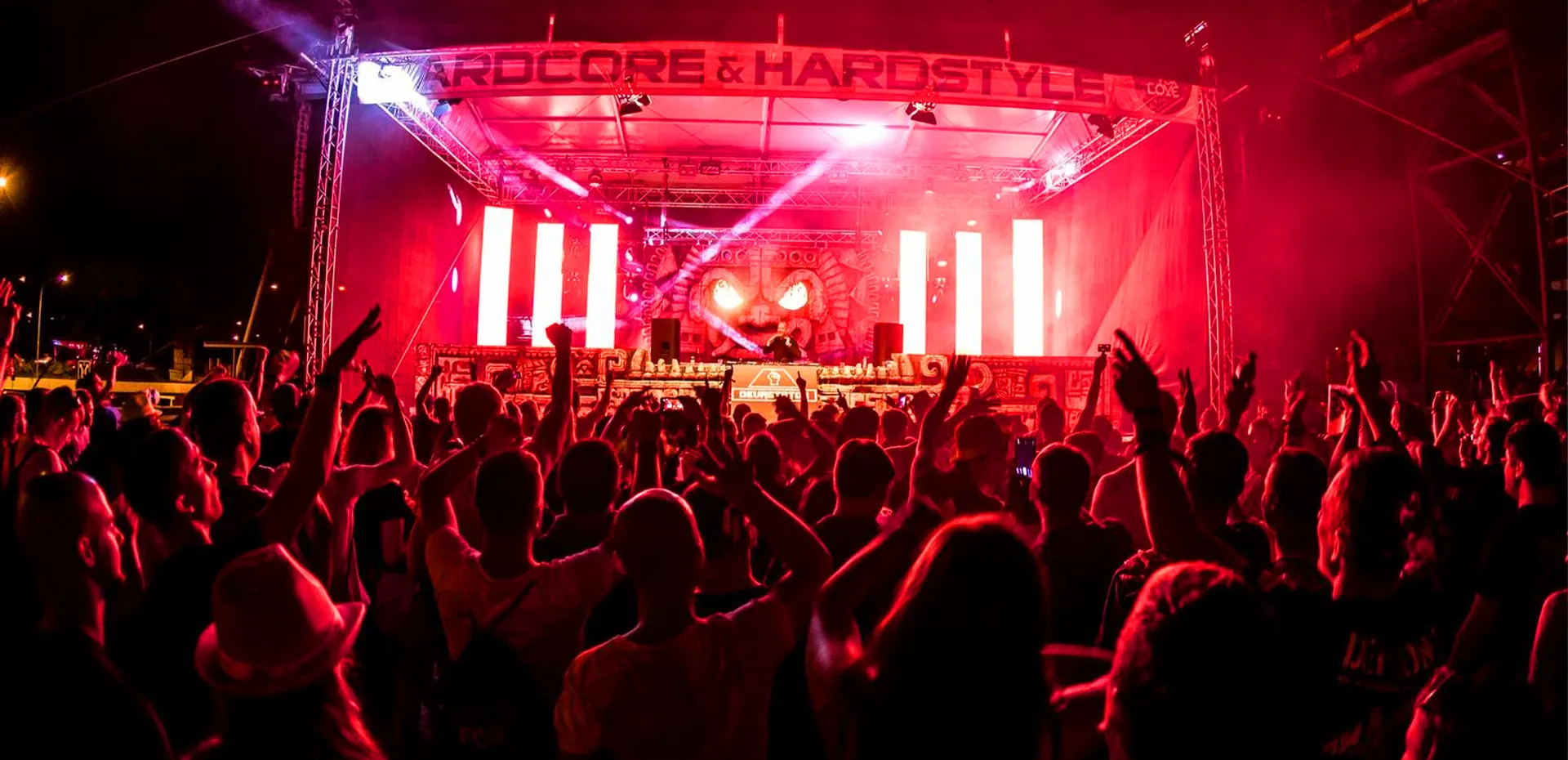
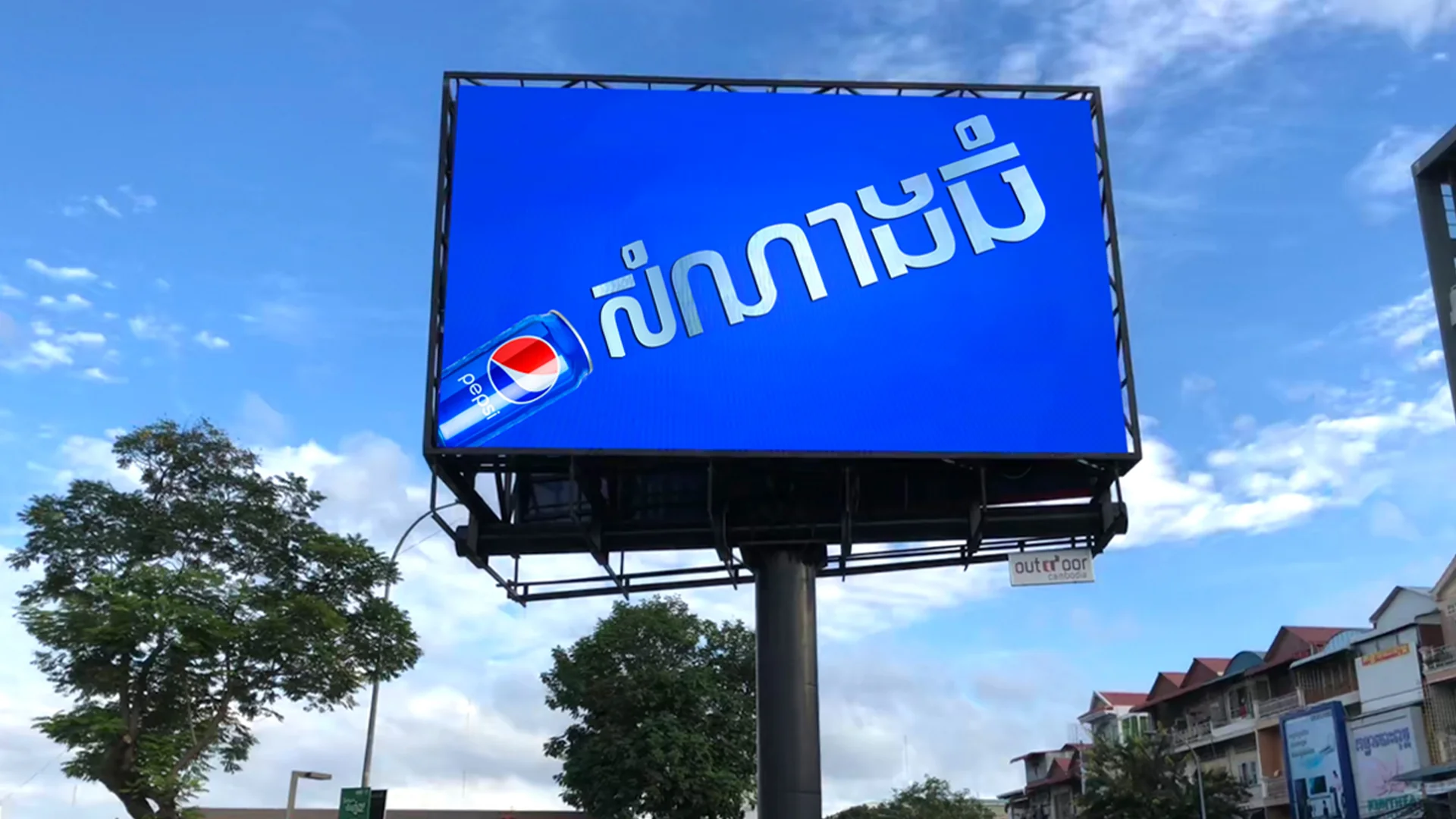
Human attention at exhibitions is divided among hundreds of competing messages. Dynamic content can provide a visual reference point that helps visitors identify a booth from a distance, particularly in crowded halls where conventional signage may blend into the surroundings.
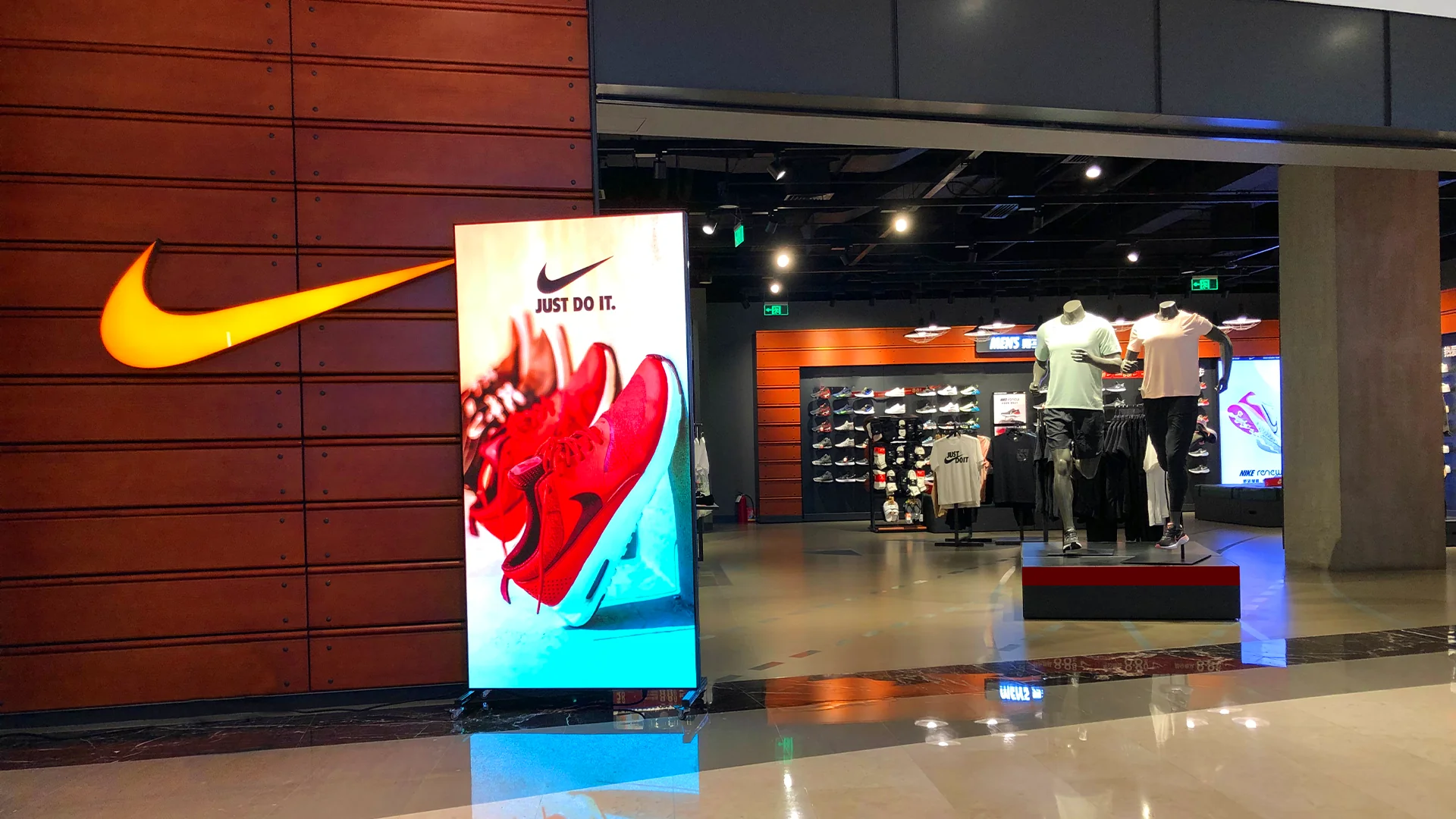
Content placement matters just as much as display hardware. Large headlines, short product messages, animated diagrams, and scheduled demonstrations can communicate different information at different stages of the visitor journey. A screen near the aisle may serve as an invitation, while another positioned deeper inside the booth can support a detailed conversation.
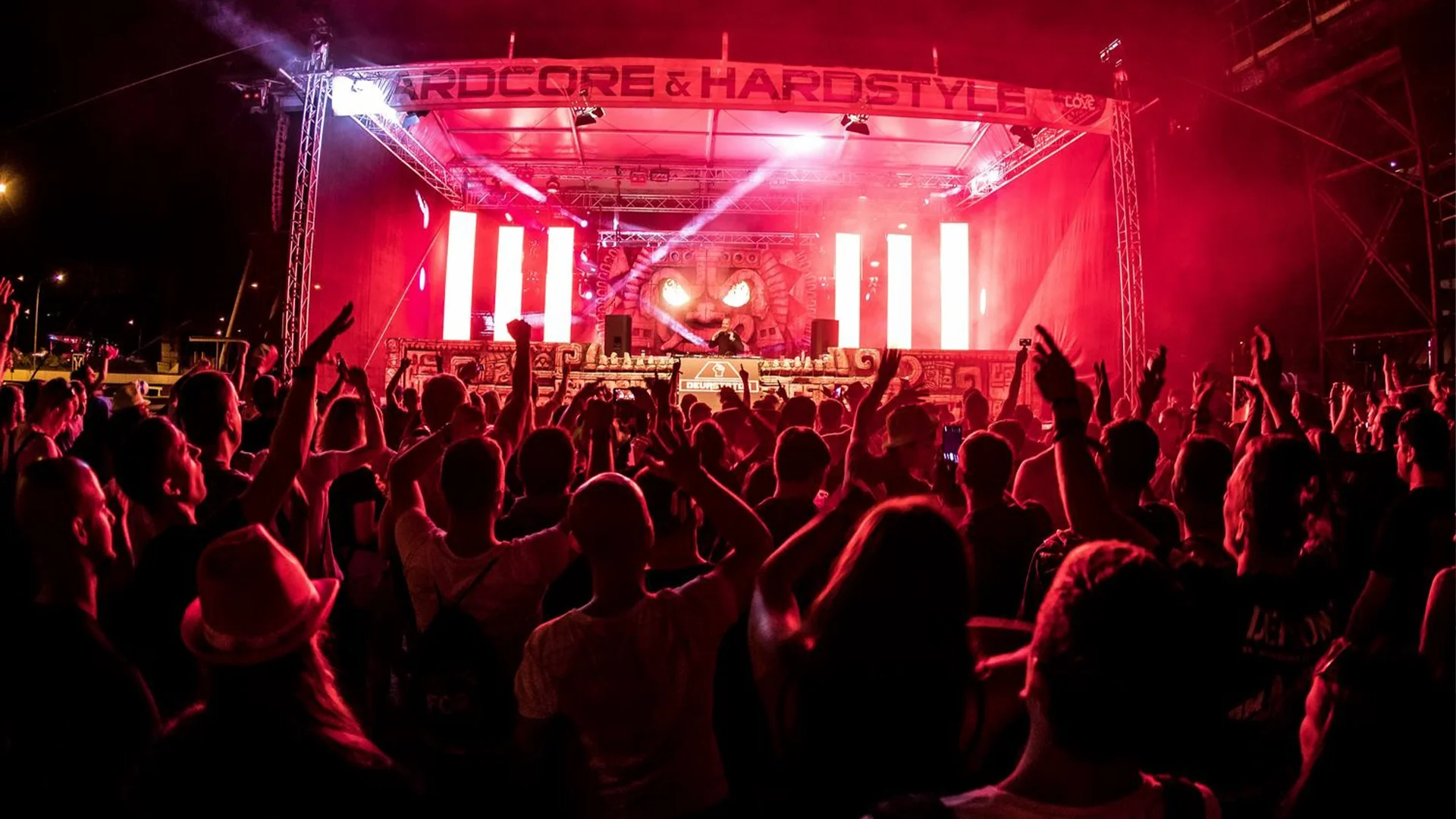
Brightness and contrast deserve attention in environments with strong ambient lighting. Excessive brightness can make content uncomfortable to view, while insufficient output may reduce legibility. A rental LED display screen should be configured according to venue lighting, viewing distance, camera use, and the type of content being presented.
Product Configuration And Exhibition Performance
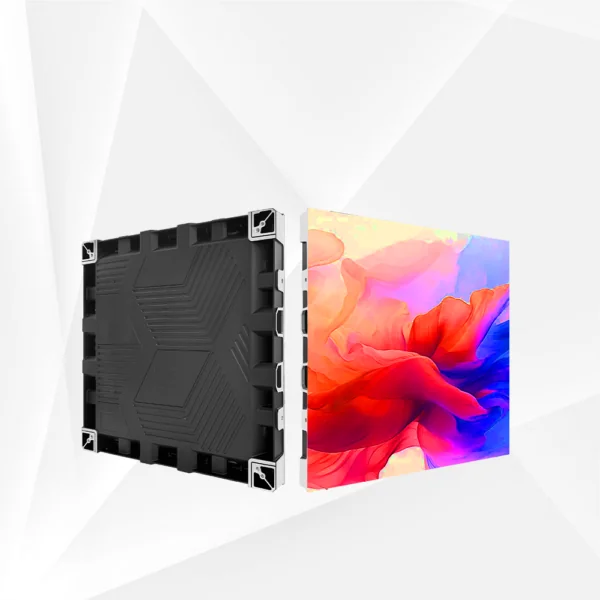
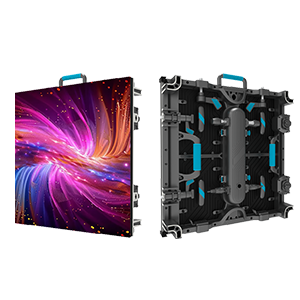
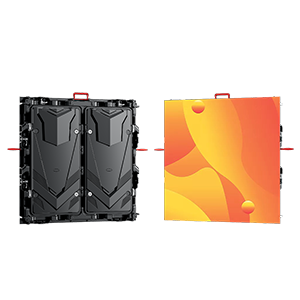
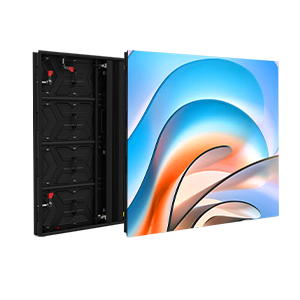
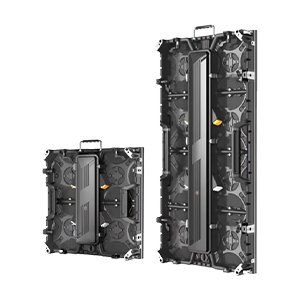
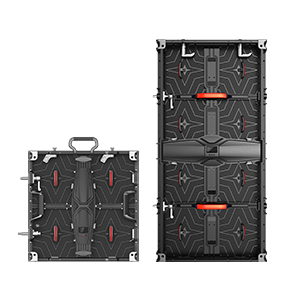
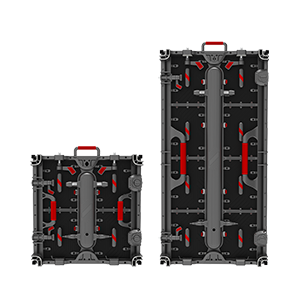
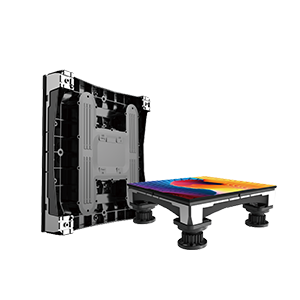
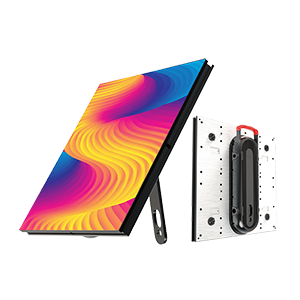
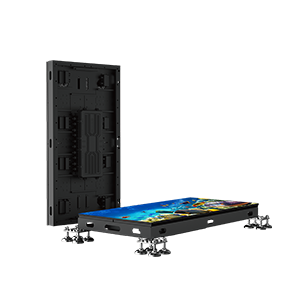
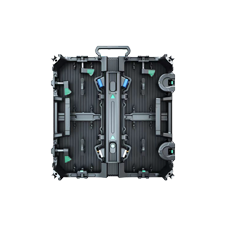
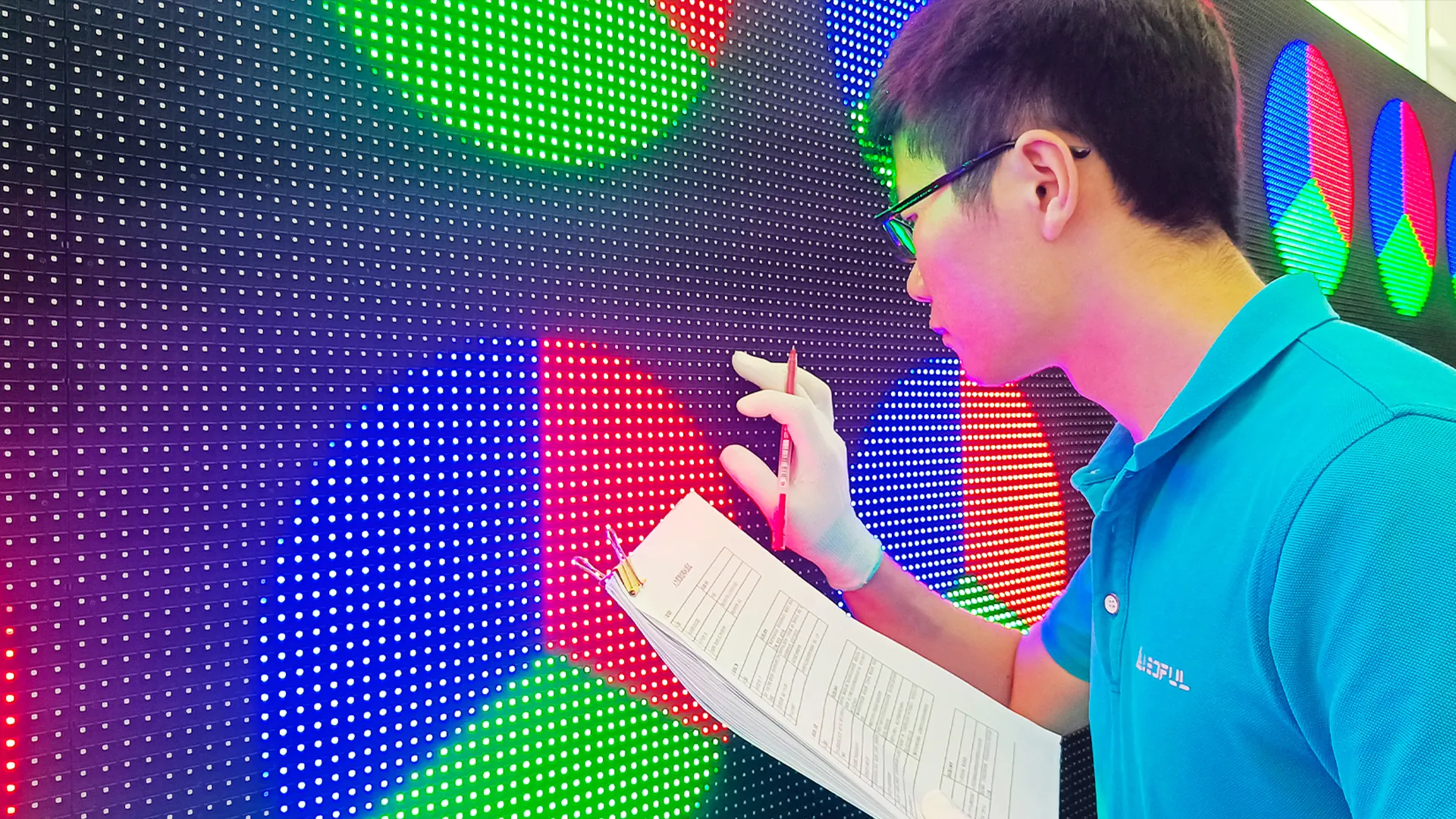
The X&T Series provides an example of how technical features can support demanding temporary exhibition environments. Designed for indoor and outdoor use, it combines an ultra-strong cabinet structure with a backside LCD status monitor and a one-second exchangeable control box. Its 7680Hz refresh rate, 10,000:1 contrast ratio, and high-brightness design illustrate how display specifications can address both visual quality and operational convenience.
Technical specifications should still be connected to the actual exhibition scenario. High refresh rates can be valuable for presentations captured by professional cameras, while contrast performance influences how clearly visual details appear under varied lighting. The operational design also matters because event crews often work within short installation and dismantling windows.
For exhibitors, the practical question is not simply whether a specification looks impressive on paper. It is whether that characteristic solves a real event requirement, such as rapid component replacement, status checking, outdoor deployment, or reliable presentation of motion-heavy content. LEDFUL treats these considerations as part of the broader relationship between display engineering and exhibition workflow.
Calculating Engagement And Conversion
ROI becomes more meaningful once attention is connected with measurable business activity. Suppose two exhibitions generate similar booth traffic, yet one produces substantially more product inquiries and scheduled meetings. The difference may relate to content quality, visitor qualification, staff interaction, or the way visual media supports the sales process.
Tracking should begin before the event. Exhibitors can establish baseline figures from previous shows, define target actions, and use QR codes or dedicated landing pages to identify visitors originating from the booth. Post-event CRM records can then connect those interactions with later sales activity.
Cost allocation deserves equal care. Transportation, installation labor, content production, venue restrictions, storage, and dismantling may influence the actual cost of a temporary display. A rental LED display screen can become financially attractive when rental logistics fit the event schedule and the equipment supports several campaign objectives within the same exhibition.
Improving ROI Through Content And Reuse
Strong visuals do not automatically produce useful engagement. Exhibition content should have a clear hierarchy, with the first few seconds communicating what the visitor is seeing and why the information matters. Longer demonstrations can then provide deeper material once someone has already entered the booth.
Reuse can further affect the economics of temporary displays. A modular system may support different booth dimensions, presentation formats, and event environments, allowing exhibitors to adapt their visual strategy without purchasing a permanent installation for every venue.
Performance data should feed into the next event plan. Metrics such as dwell time, QR scans, qualified conversations, meeting requests, and post-show inquiries can reveal which content and display configurations deserve further testing. Rather than relying on impressions alone, exhibitors can use these records to refine both creative decisions and rental budgets.
Conclusion
Trade show display ROI is ultimately tied to what happens around the screen: who notices it, which message they receive, how long they engage, and whether that interaction develops into a useful business conversation. At LEDFUL, we consider LED display rental options for trade shows within that wider measurement framework, while a well-planned rental LED display screen can support visibility, demonstrations, and adaptable booth communication. With clear objectives and event-specific performance tracking, exhibitors can evaluate temporary display investments through business outcomes rather than equipment specifications alone.