






























Event production often involves more than transporting equipment from one venue to another. Tight schedules, changing site conditions, limited storage space, and complicated installation requirements can turn display logistics into a major operational challenge.
A well-planned China rental LED display workflow addresses these issues by treating transportation, setup, maintenance, and dismantling as connected stages rather than separate tasks. At LEDFUL, we approach rental display projects from this broader perspective, focusing on practical system characteristics that can make temporary installations easier to coordinate.

Why Rental Display Logistics Become Complicated
Temporary events rarely provide identical working conditions. One venue may have a loading dock with direct access to the stage, while another requires equipment to pass through narrow corridors or elevators. Airports, hotels, conference centers, and theaters can also impose different delivery windows, storage restrictions, and access rules. Such variations affect how many cabinets can be moved at once and how much labor is required during setup.
Weight and cabinet dimensions have a direct relationship with transportation efficiency. Smaller, lighter components can be handled by fewer workers and arranged more flexibly inside transport cases. However, reducing physical size alone does not solve logistical problems. Engineers must also consider cable routing, power distribution, cabinet protection, spare parts, and the sequence in which equipment will be assembled.
Another consideration is the difference between transportation planning and installation planning. Equipment that is easy to load may still take considerable time to assemble if the connection method is complicated. A practical rental LED display screen should fit the workflow of the event crew, allowing transportation cases, cabinet connections, power components, and maintenance access to be organized around the actual sequence of work.
Cabinet Design And Its Effect On Transport
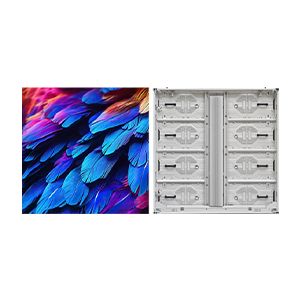
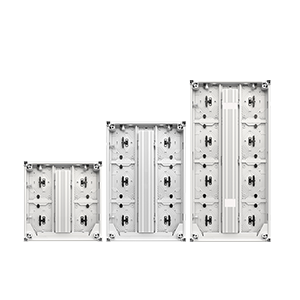
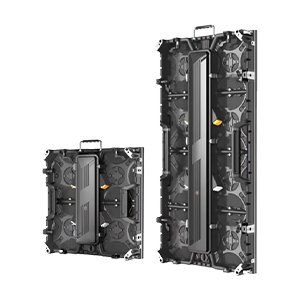
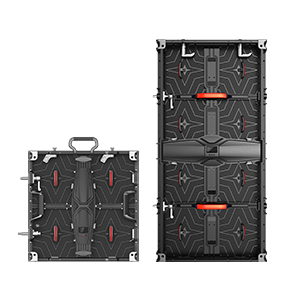
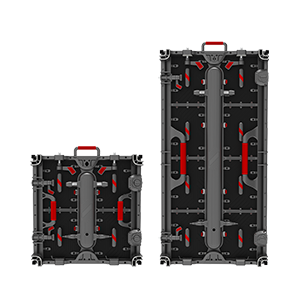
Cabinet construction can influence nearly every stage of temporary display deployment. Lightweight aluminum structures, for instance, reduce the physical burden placed on workers while also making better use of available transport capacity. Slim cabinets can occupy less storage volume, which becomes particularly valuable when several display surfaces must travel to different venues within a short period.
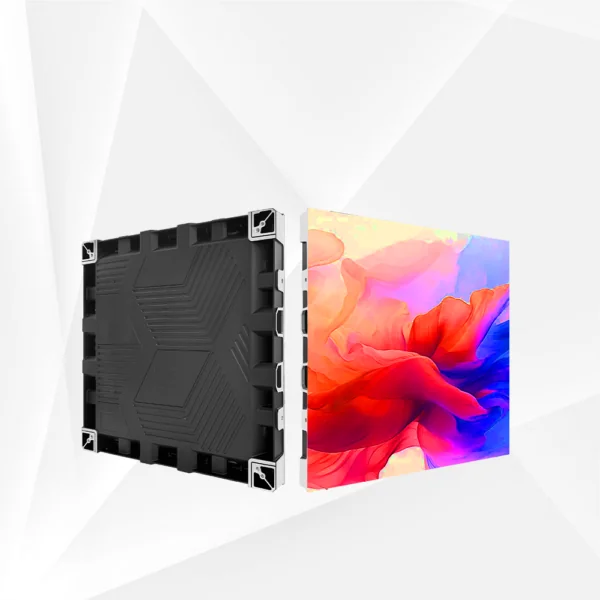
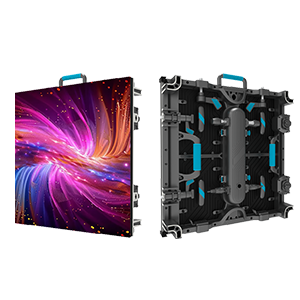
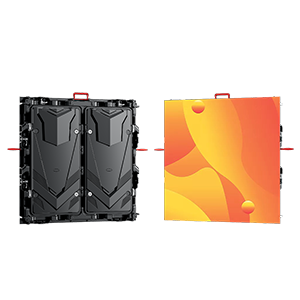
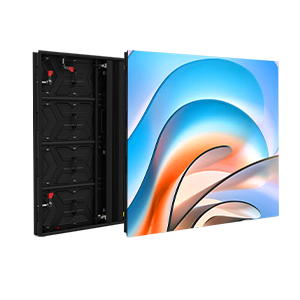
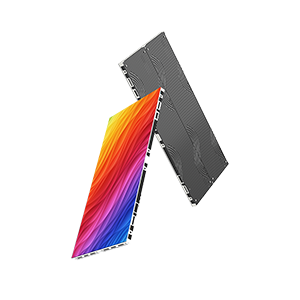
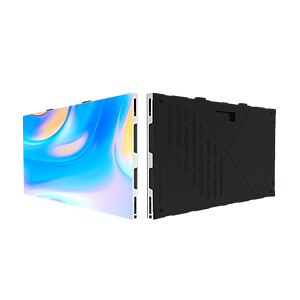
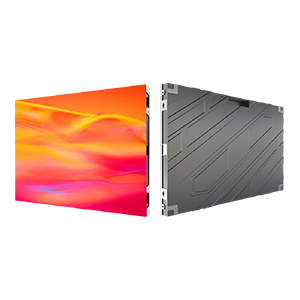
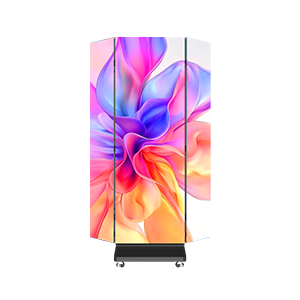
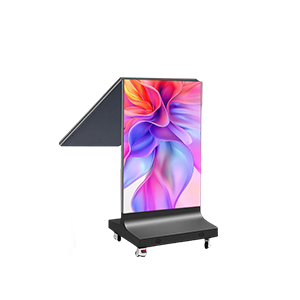
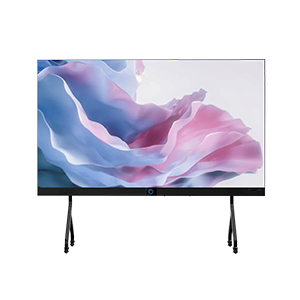
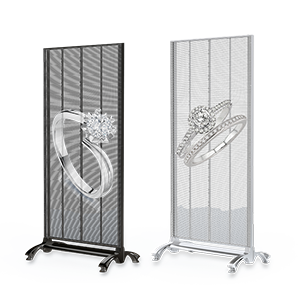
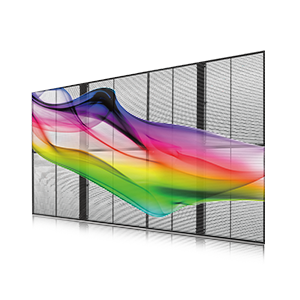
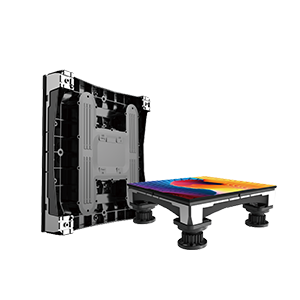
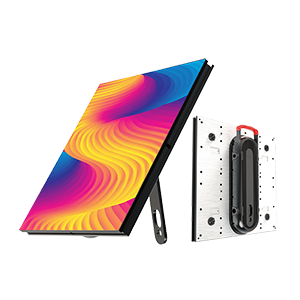
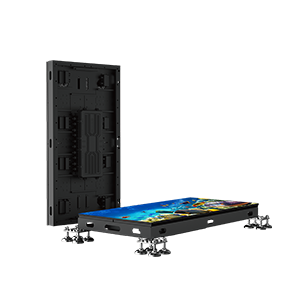
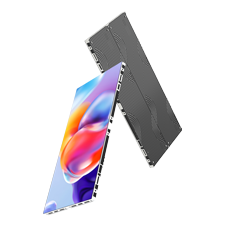
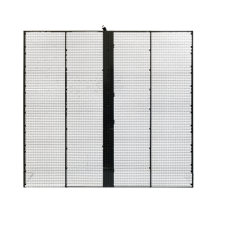
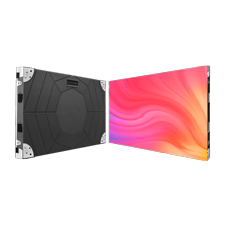
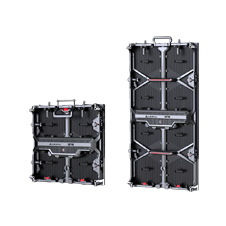
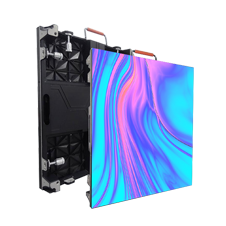
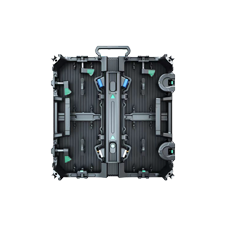
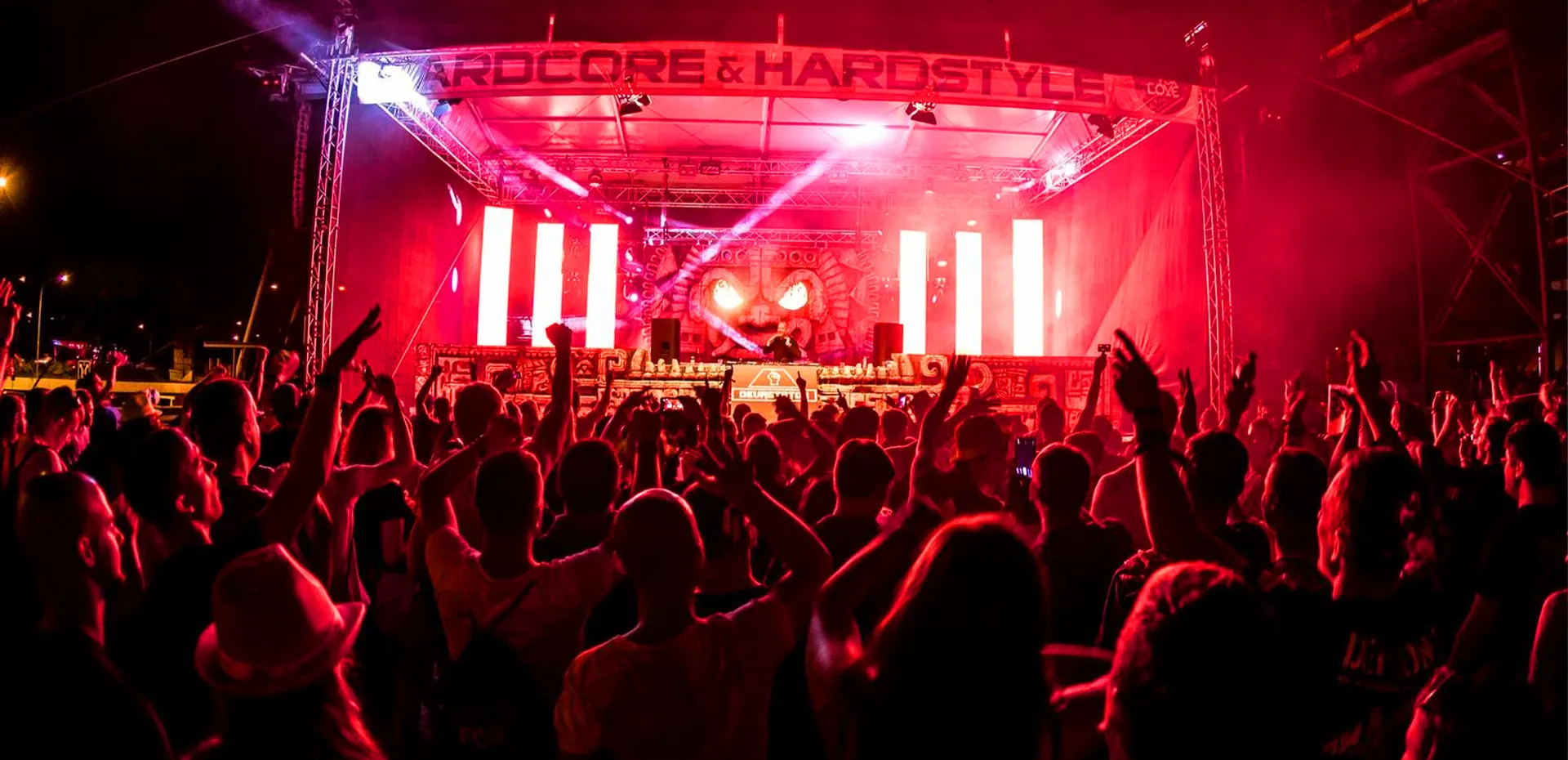
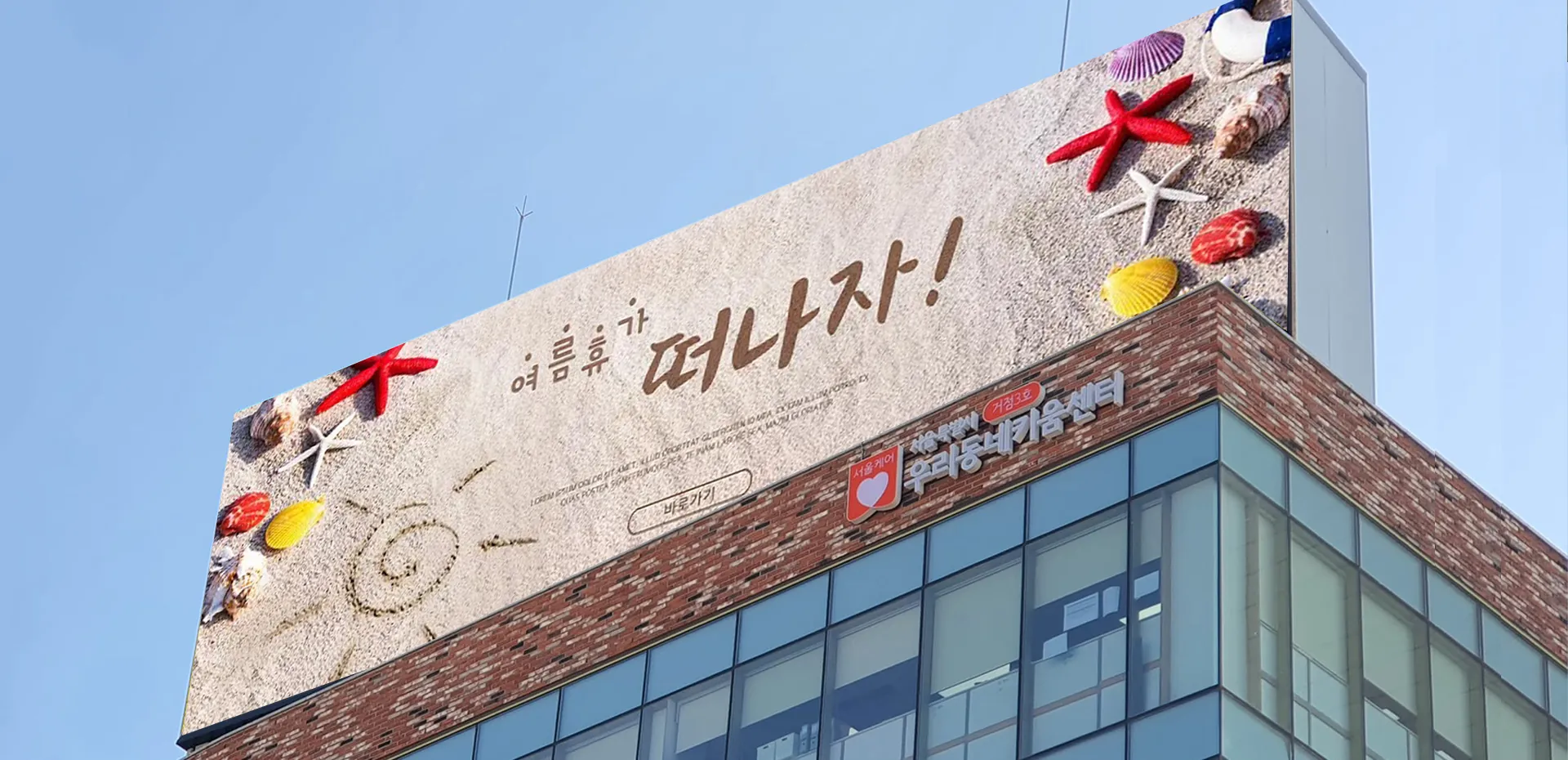
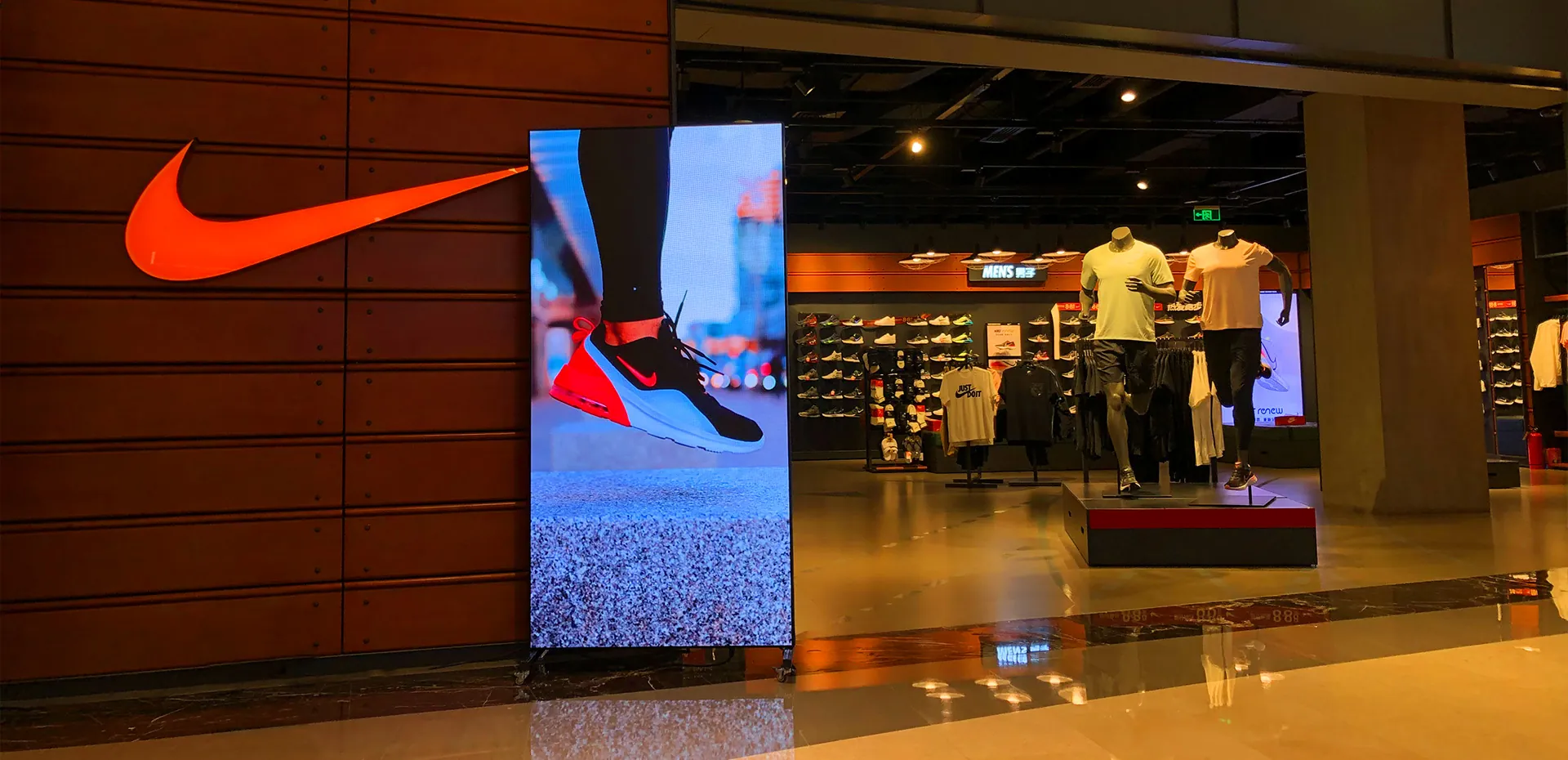
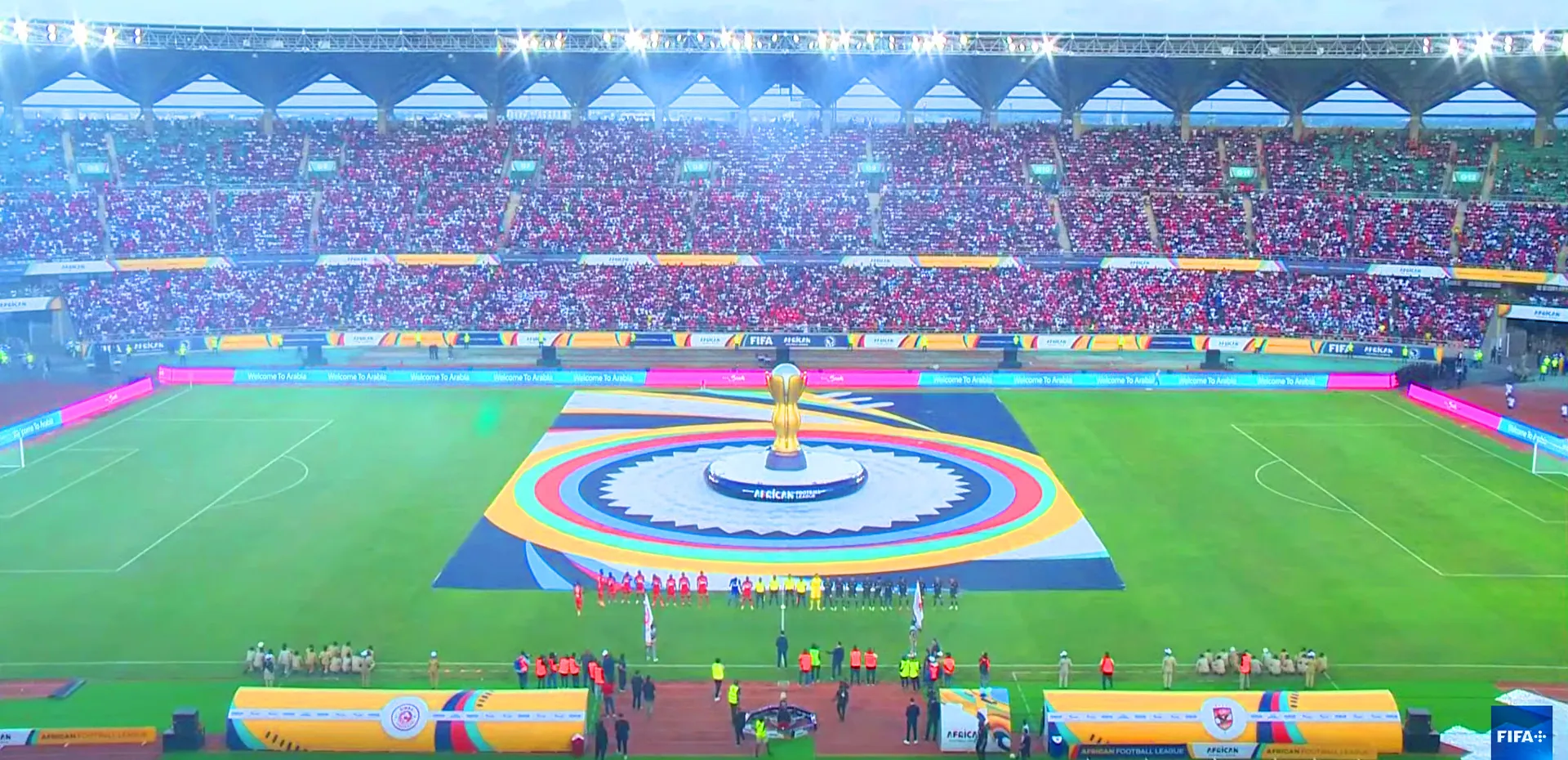
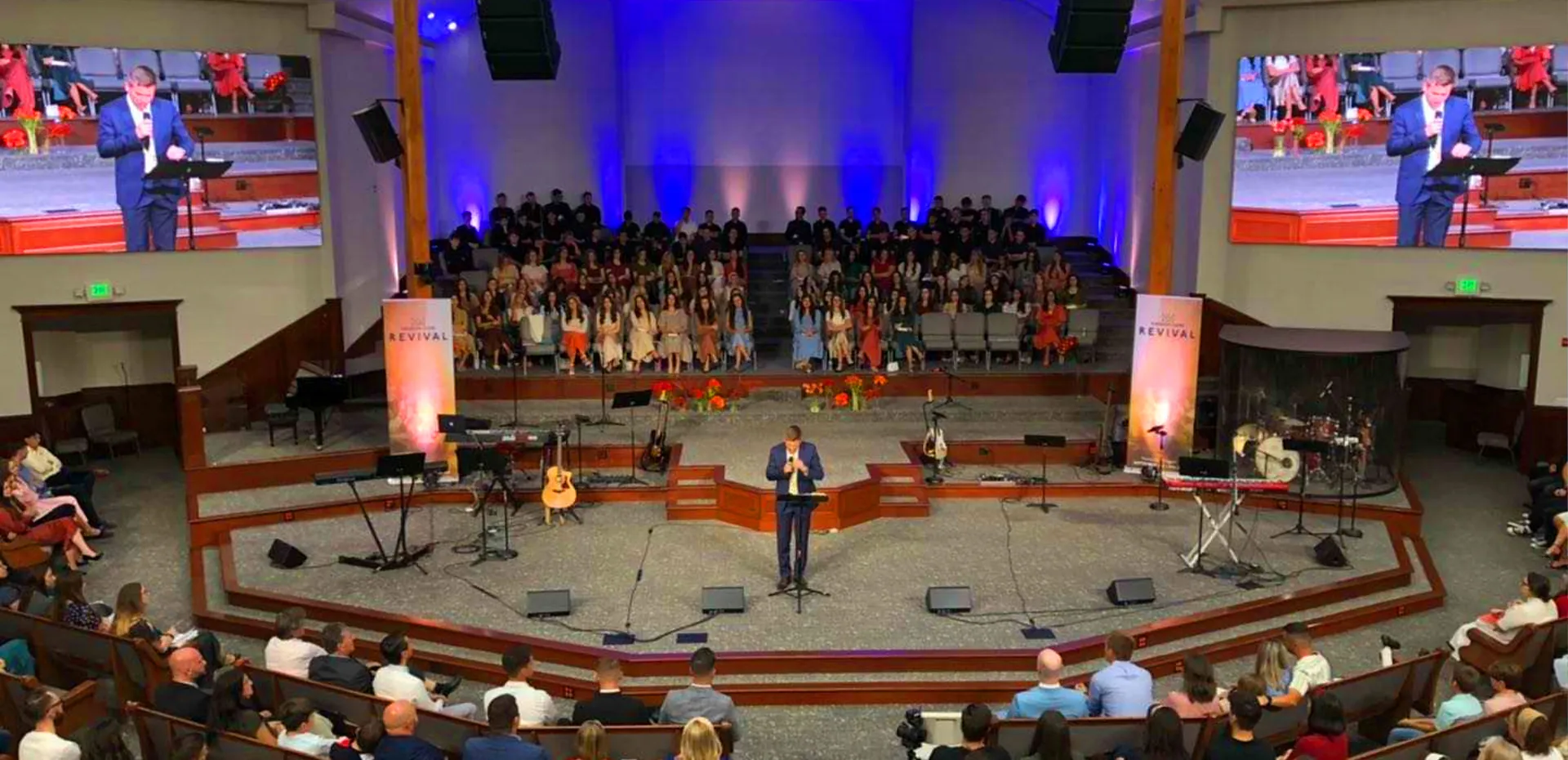
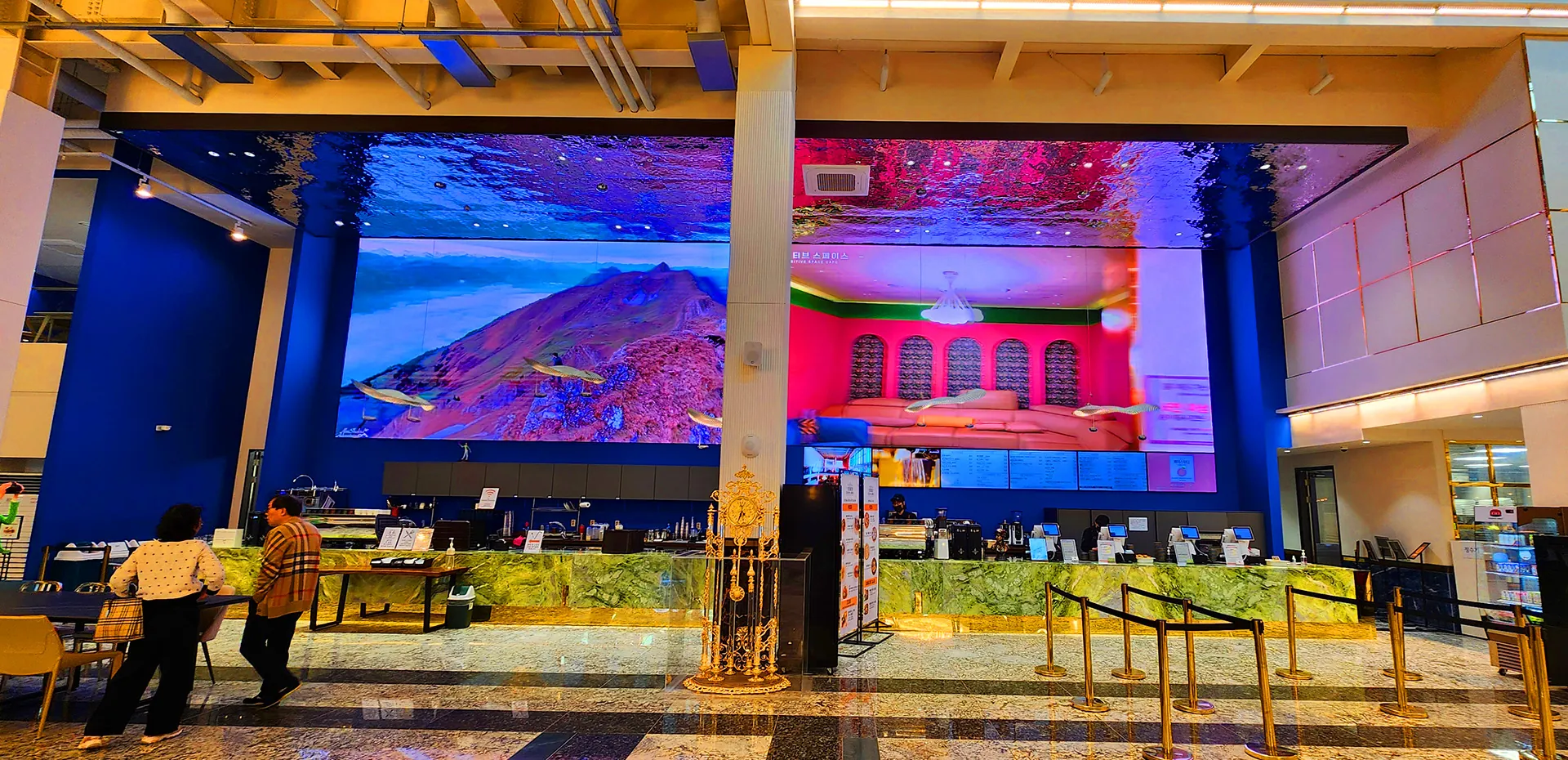
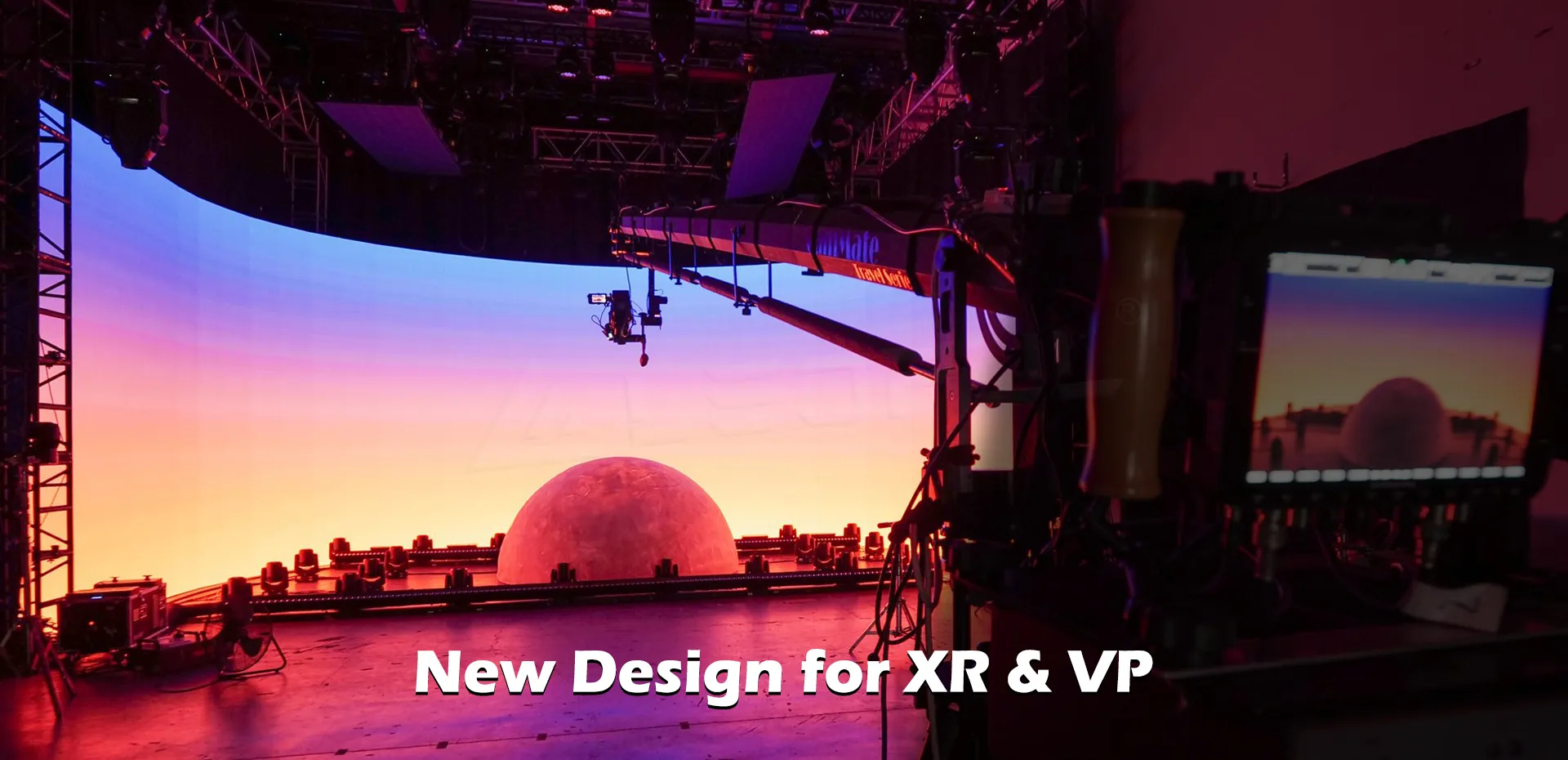
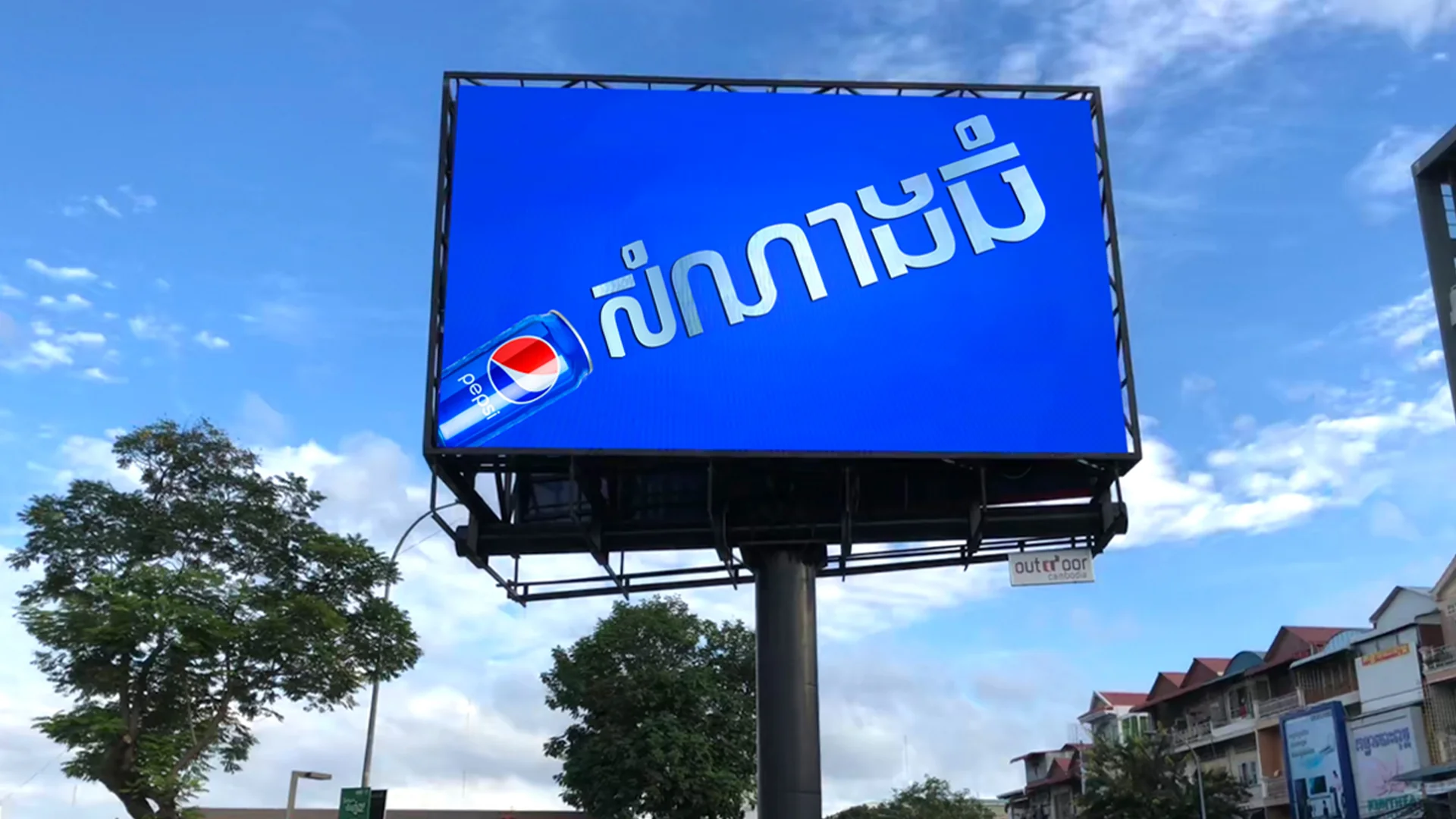
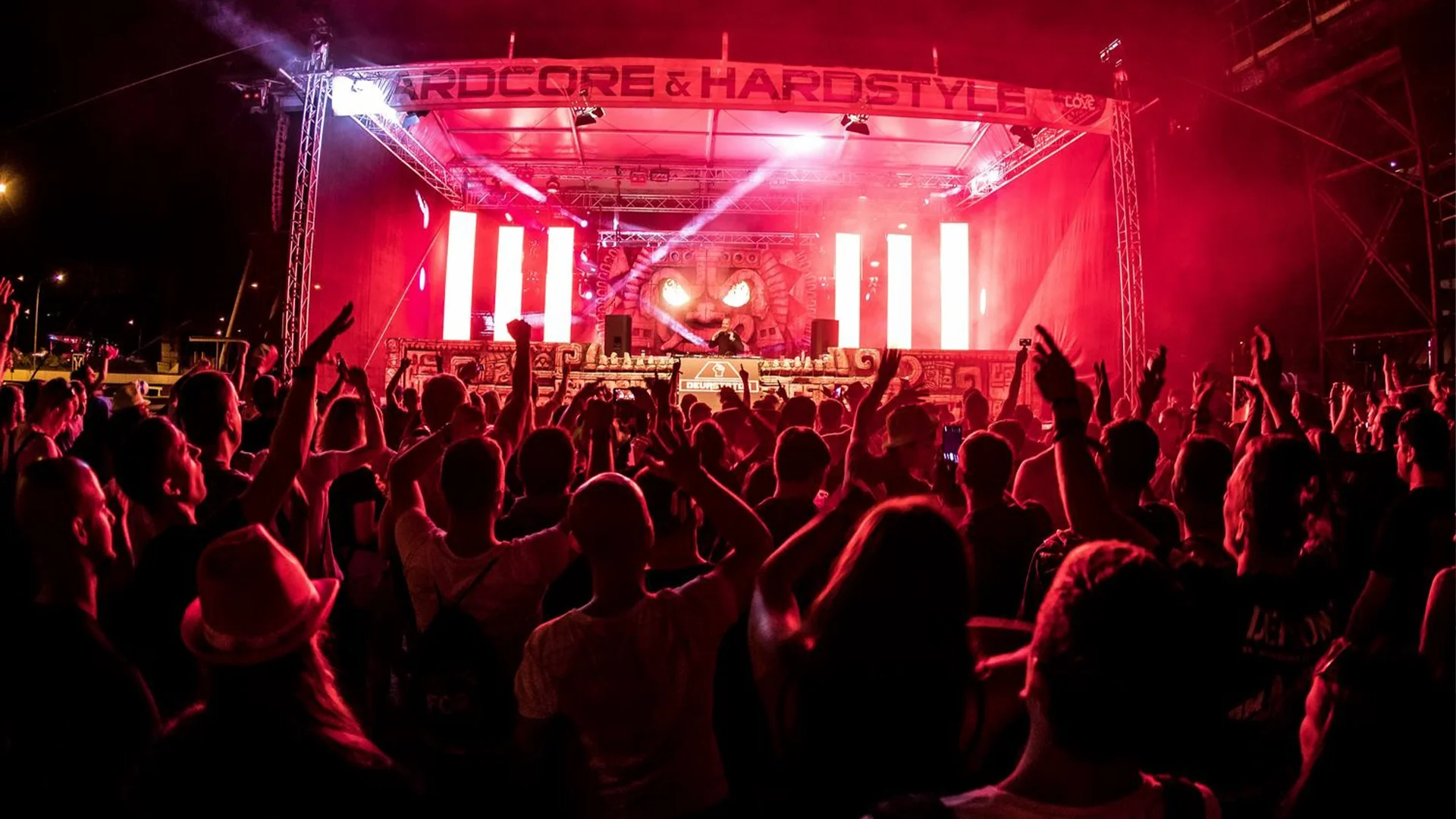
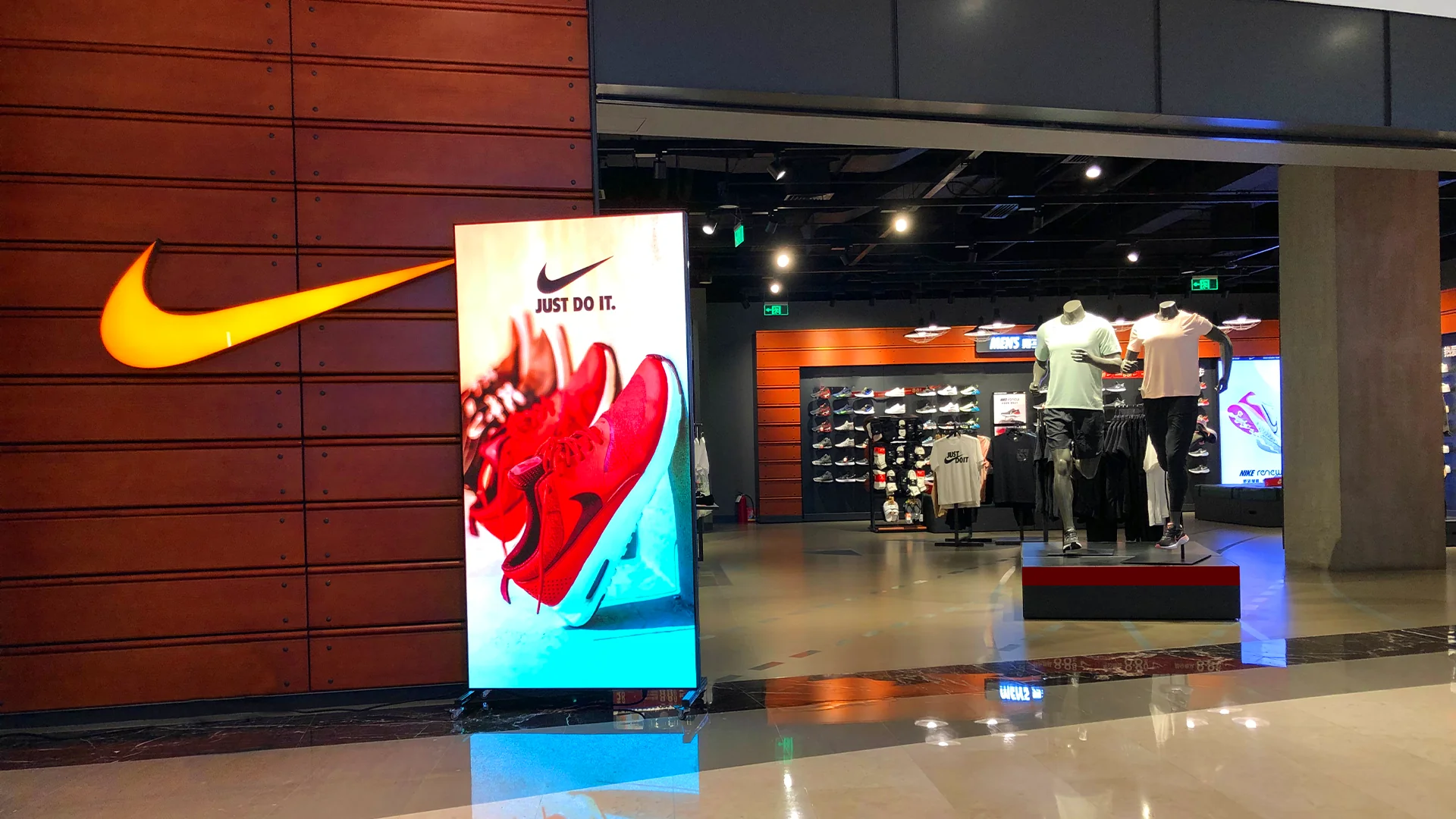
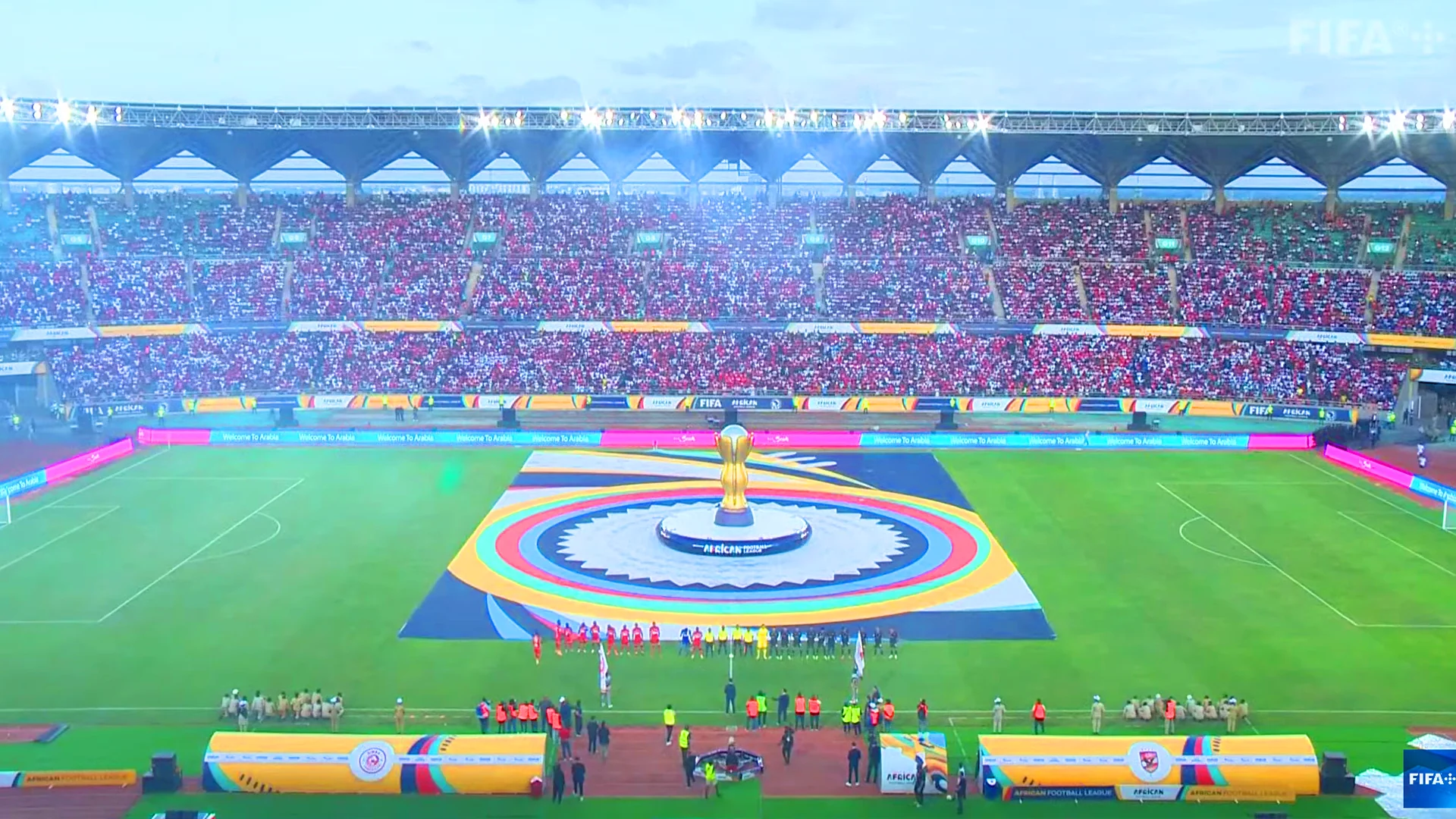
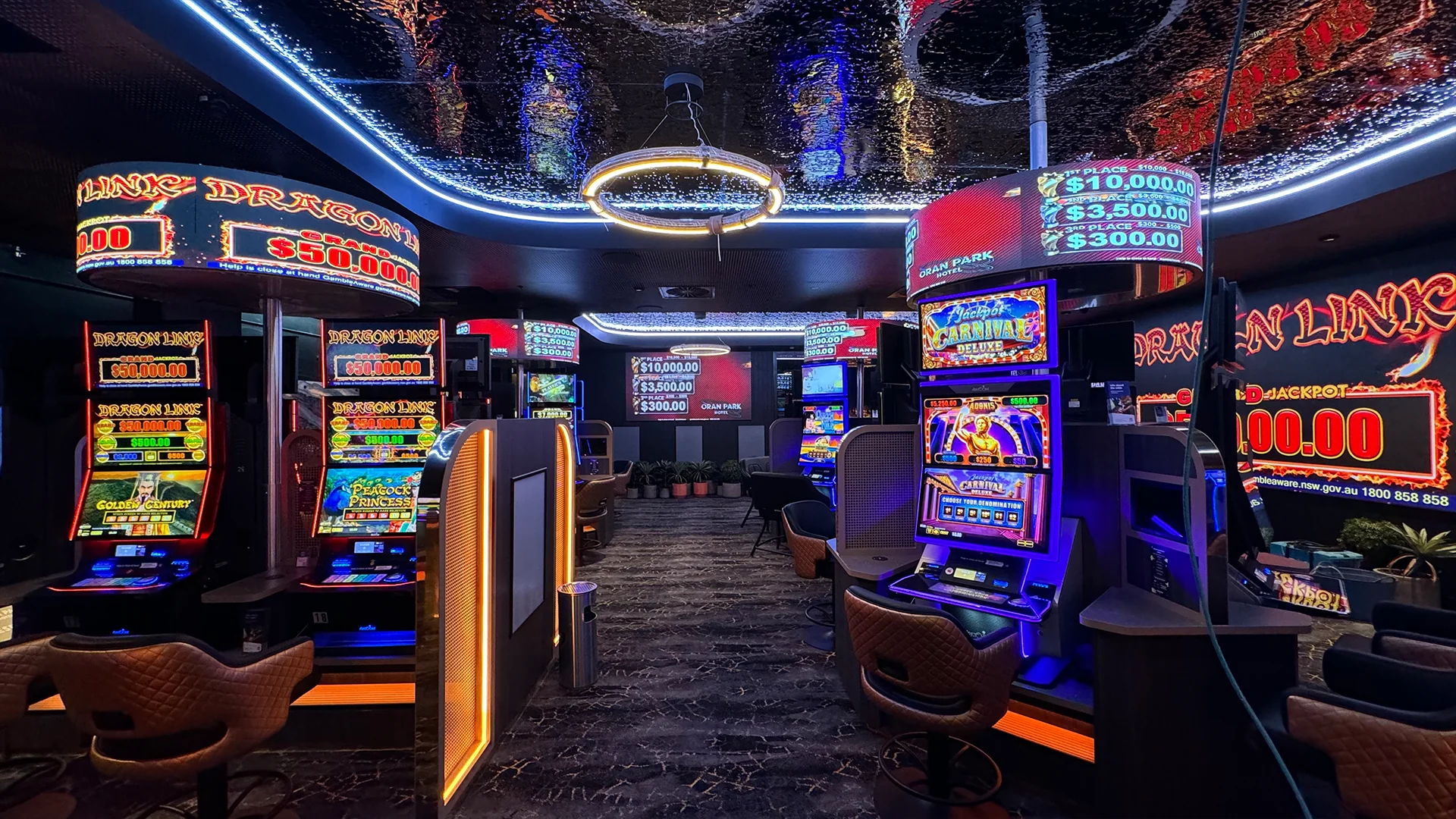
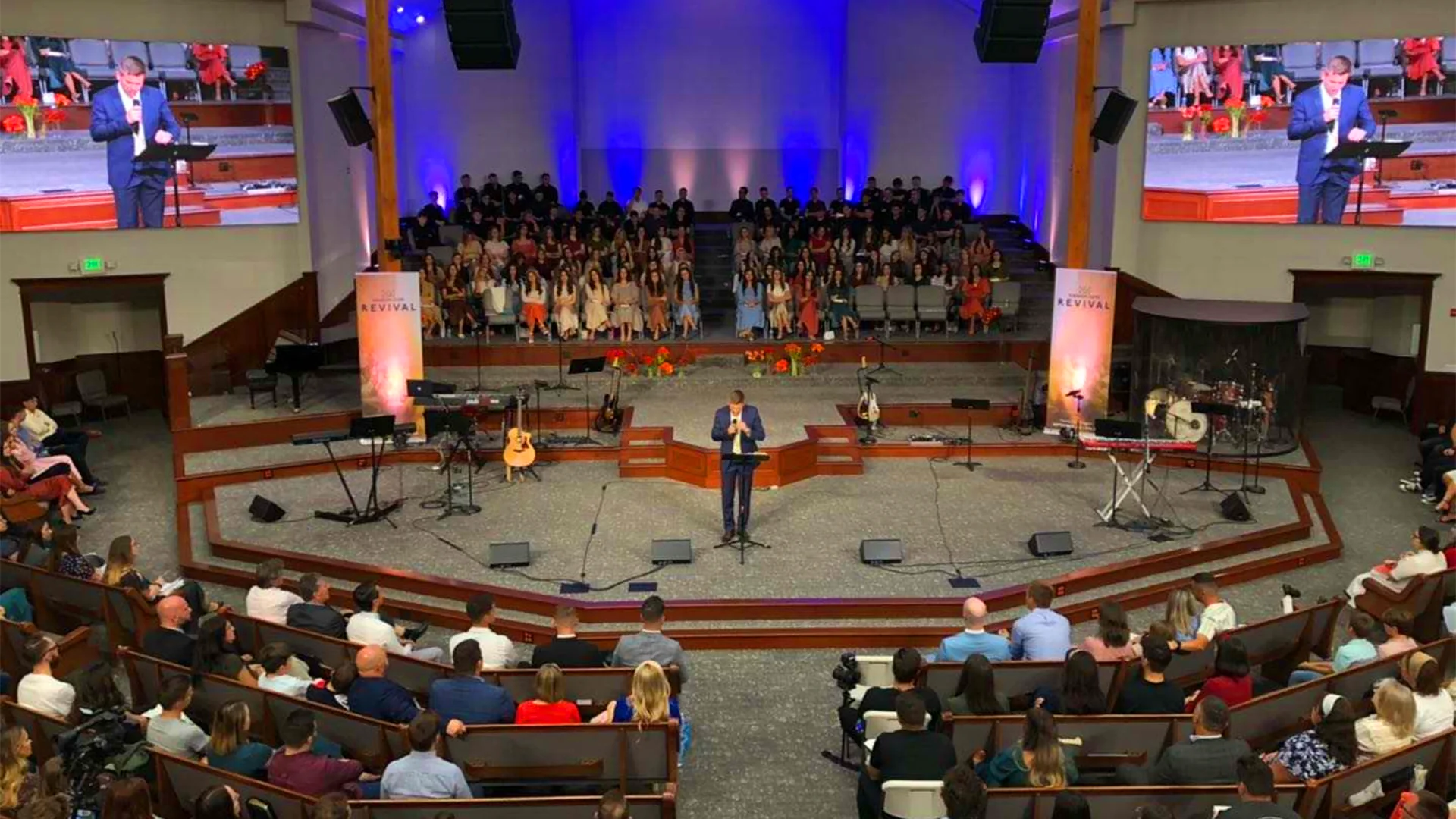
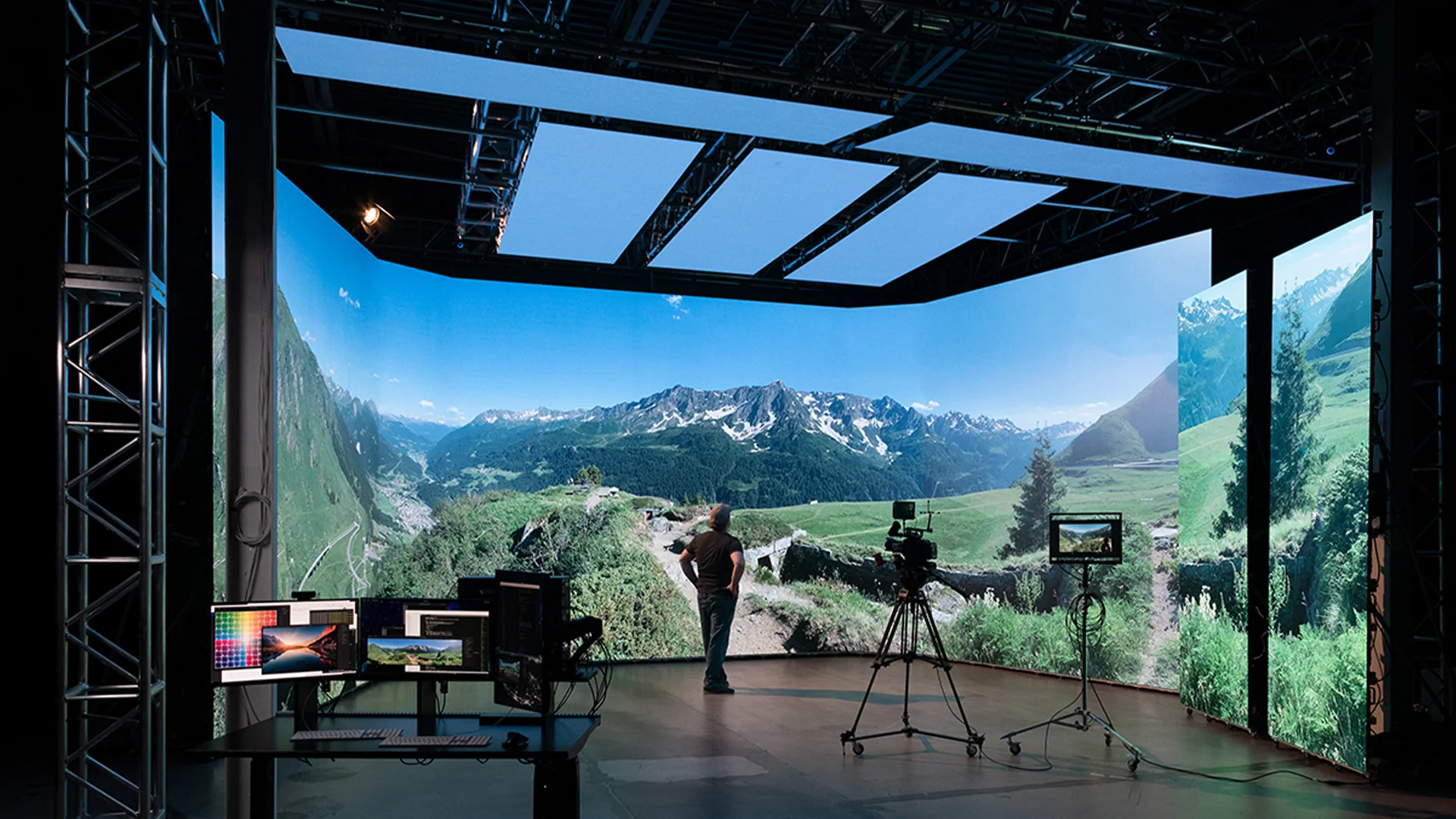
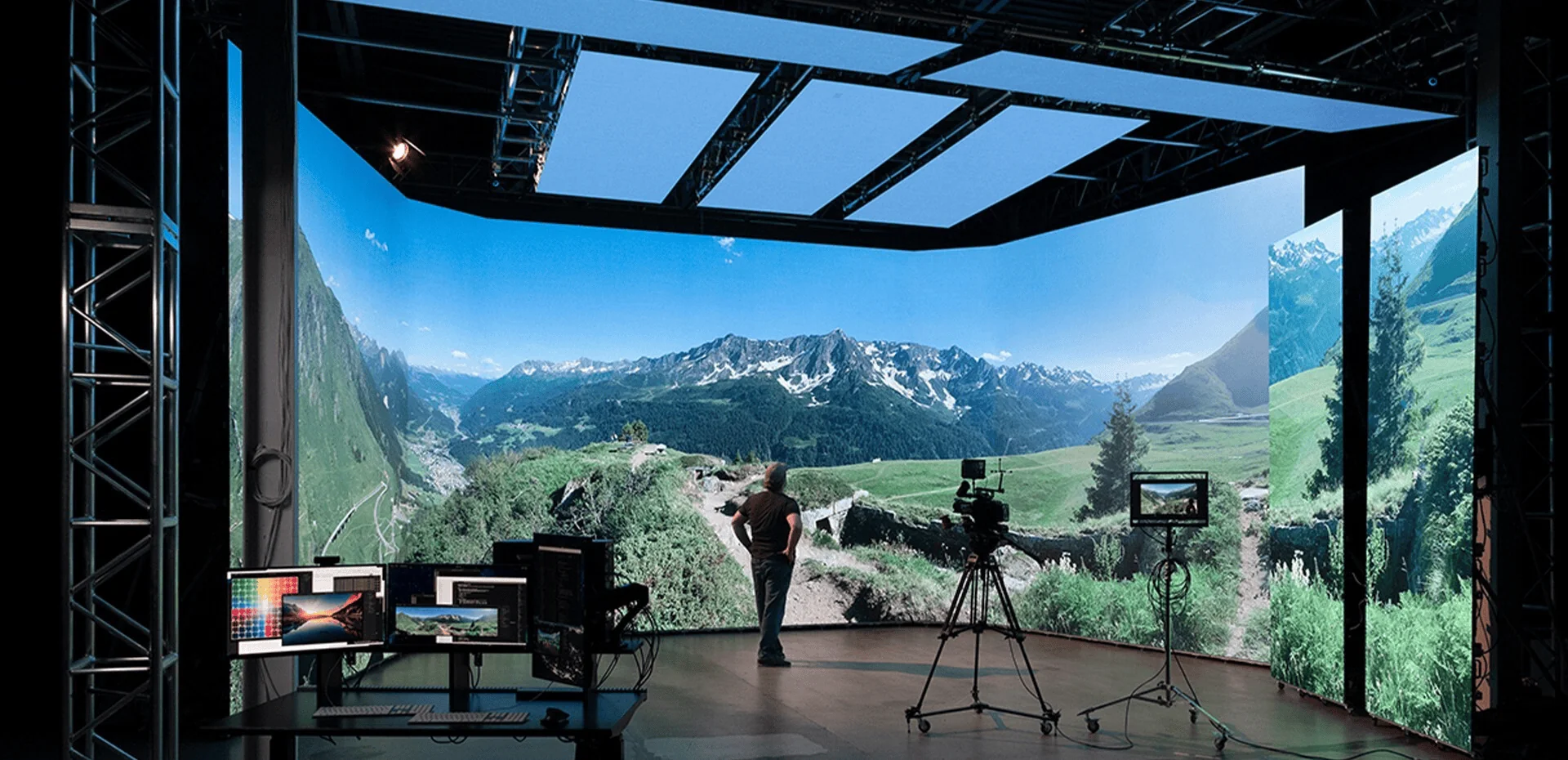
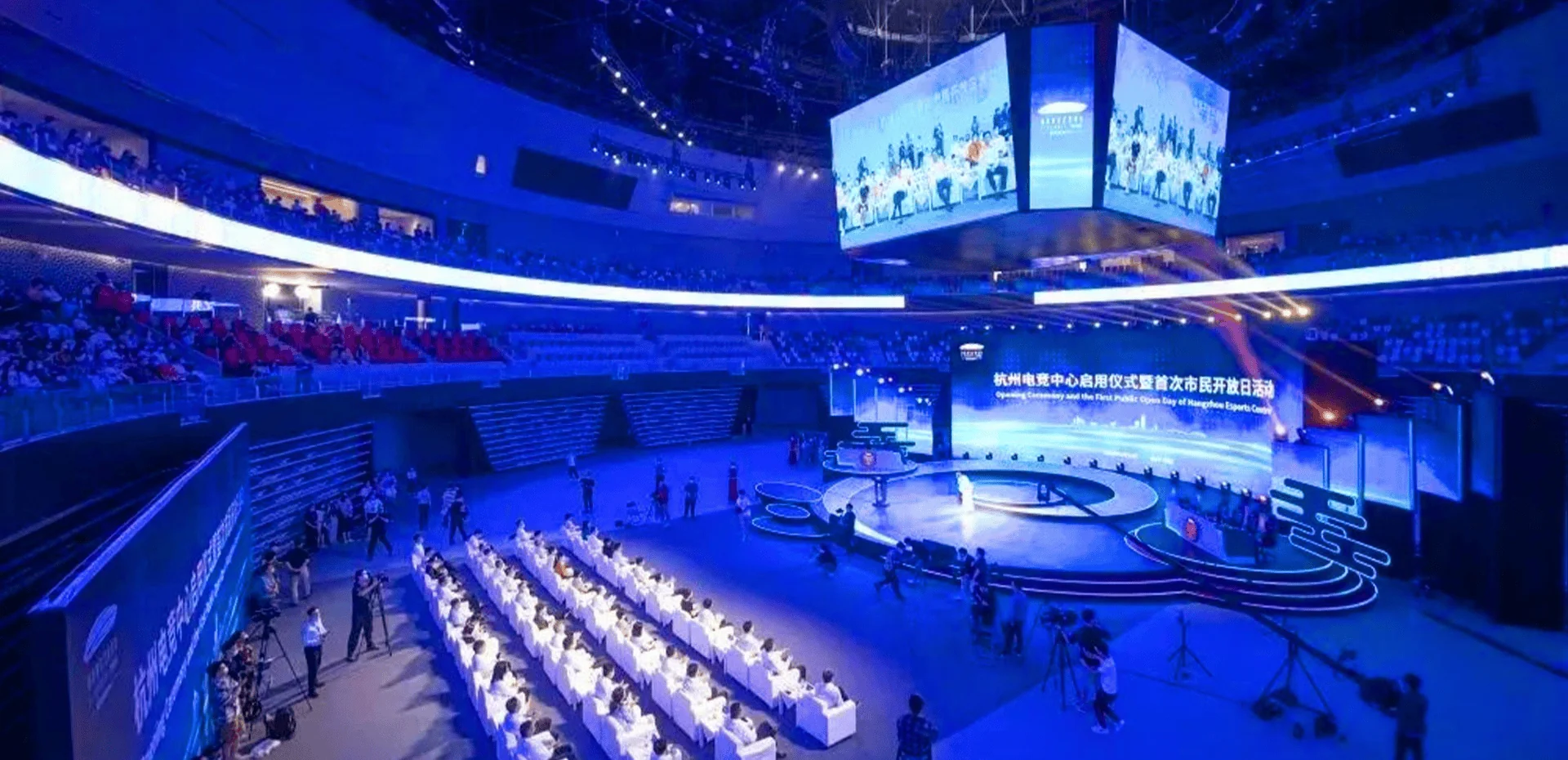
The V&H Series is designed as an HD rental LED display with an ultra-thin and lightweight cabinet, while its application range covers indoor and outdoor event environments. Its quick maintenance design and installation-oriented structure are intended for scenarios such as conference rooms, airports, retail spaces, auditoriums, theaters, houses of worship, hotels, shopping malls, and entertainment centers. These characteristics illustrate how hardware design can influence both handling and on-site workflow without turning logistics into a separate engineering problem.
Transport cases also deserve attention during planning. Cabinets should be packed according to installation sequence rather than simply grouped by quantity. Frequently accessed components can be positioned where crews can retrieve them first, while fragile modules and spare parts should have dedicated protection. Such organization reduces unnecessary unpacking and makes inventory checks easier after each event.
Building A More Predictable Delivery Workflow
Scheduling becomes particularly important for touring productions and multi-venue events. Delivery times should account for unloading, inspection, temporary storage, installation, testing, and possible corrections. Sending equipment to the venue without allowing sufficient setup time can create pressure later, even if the physical transportation itself goes smoothly.
A China rental LED display project may involve long-distance transportation before the equipment reaches its final venue. Documentation should identify cabinet quantities, receiving contacts, packing cases, accessories, power components, and spare modules. Serial or case-level tracking can also help production teams determine whether every required component has arrived before technicians begin assembly.
Communication between logistics teams and technical crews has equal importance. The people receiving the equipment should know the intended installation sequence, while technicians should understand delivery restrictions such as loading hours and access routes. A shared checklist can connect these two sides, covering arrival inspection, cabinet condition, accessory counts, power requirements, and return packing.
Maintenance Without Disrupting Event Schedules
Maintenance requirements become more visible once an installation is already operating. If a module, receiving component, or connection requires attention, technicians need access without unnecessarily dismantling the surrounding structure. Quick maintenance features can reduce the amount of equipment that must be disturbed during troubleshooting.
Front-service access is particularly useful in locations where the rear of the display is blocked by walls, staging structures, or other event equipment. Rear access may remain practical in open stage environments, but the preferred maintenance method should be established before installation. Such preparation helps crews bring the right tools and spare components instead of discovering access limitations after the screen is already assembled.
A well-organized rental LED display screen maintenance kit should match the system being deployed. Spare modules, connection components, power-related parts, tools, and configuration files can be grouped according to the expected failure points. The objective is not to carry every possible replacement, but to make common interventions faster and more orderly. For supplier research, see our list of top LED display manufacturers in China.
Conclusion
Efficient event logistics depend on many small decisions made before the first cabinet reaches the venue. Lightweight construction, practical maintenance access, organized packing, accurate inventory control, and communication between technical and logistics teams can collectively make temporary deployments more manageable.
We at LEDFUL view the rental LED display screen as part of a broader event workflow, where equipment design and logistics planning need to support each other. With a structured approach to transportation, installation, service, and reuse, a China rental LED display system can fit more smoothly into the demanding schedules of modern events.