


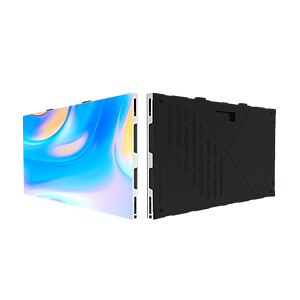
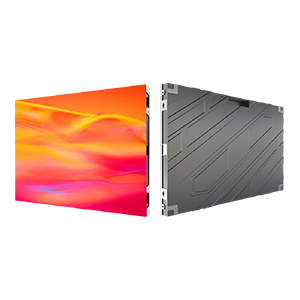

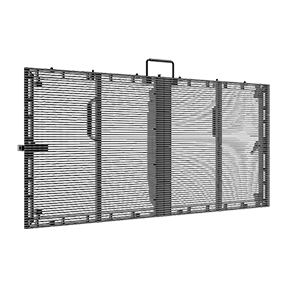
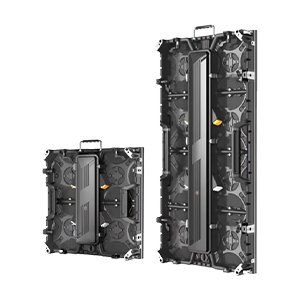














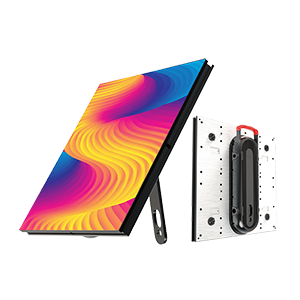
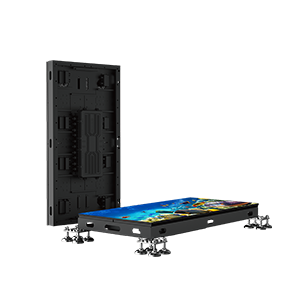

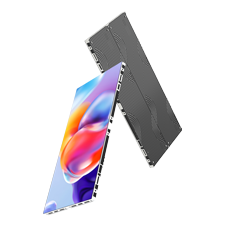

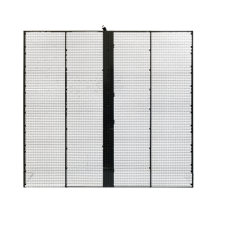

































Large-scale events place unusual demands on equipment crews, particularly during load-in, installation, dismantling, and transport between venues. Weight becomes more than a specification once hundreds of cabinets must be moved within a narrow production window. For LEDFUL, practical event engineering means considering how display hardware fits into the entire workflow. An indoor rental LED display with a manageable physical design can reduce handling pressure while giving crews greater flexibility as venue layouts and production schedules change.

Why Cabinet Weight Matters In Event Logistics
Every cabinet passes through several stages before an event begins: warehouse preparation, packing, transportation, unloading, assembly, testing, and positioning. Even a modest difference in cabinet weight becomes significant once the quantity rises. Handling requirements can affect crew size, transportation arrangements, lifting procedures, and the amount of time allocated for installation.
Venue access adds another variable. Exhibition halls may provide loading docks, while hotels, theaters, and conference facilities can involve elevators, corridors, ramps, or restricted delivery windows. Lightweight equipment is easier to maneuver through these spaces, but dimensions and packing methods still need to be considered alongside weight.
The financial effect is also broader than labor hours. Transportation capacity, handling equipment, temporary storage, and setup scheduling all contribute to event expenditure. With a properly planned rental LED display, teams can examine these factors together rather than treating cabinet weight as an isolated technical specification.
Cabinet Construction And Handling Efficiency
Material selection has a direct influence on how temporary display systems behave during repeated installation cycles. Precision die-casting aluminum can provide a rigid cabinet structure while keeping the physical form relatively manageable. Heat dissipation is another consideration, since compact event equipment needs to handle operating heat without creating unnecessary service complications.
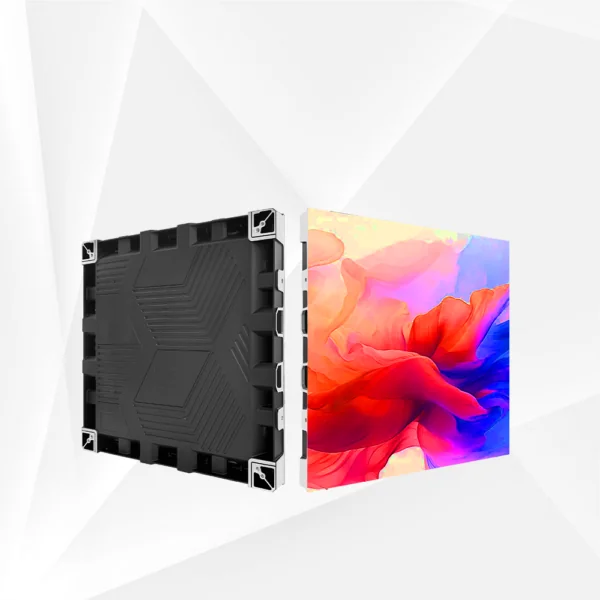
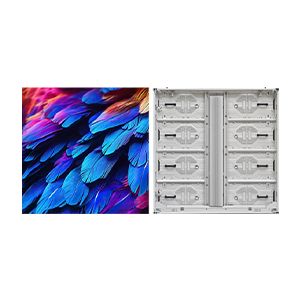
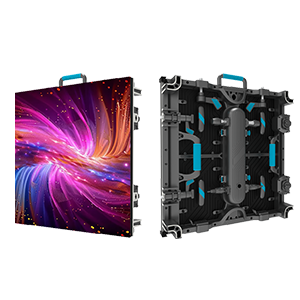
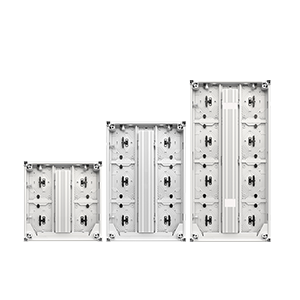
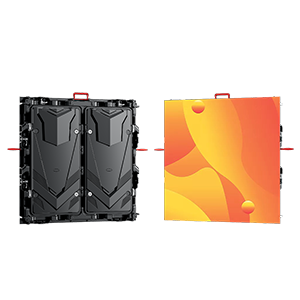
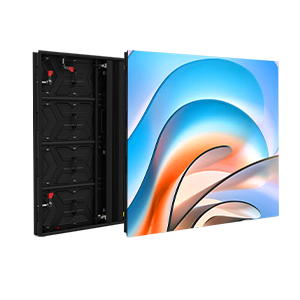
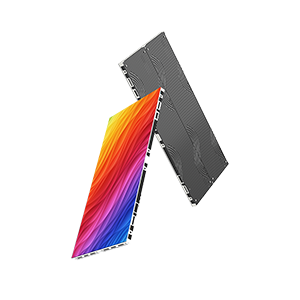
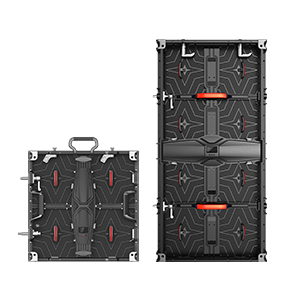
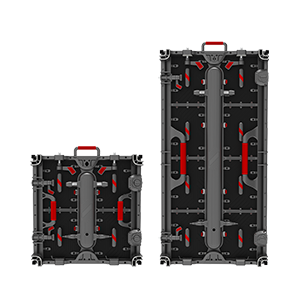
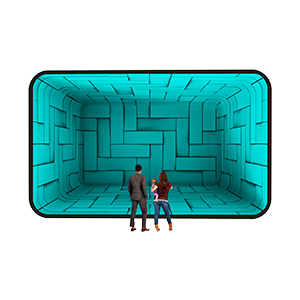
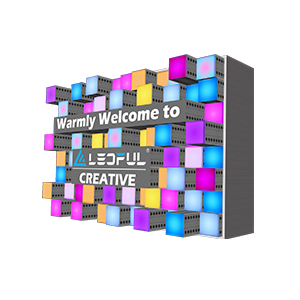
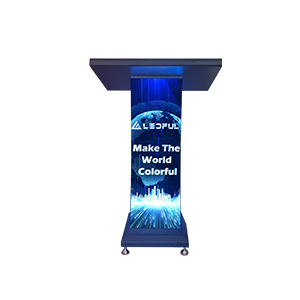
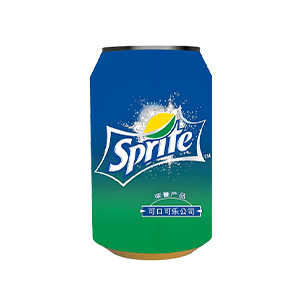
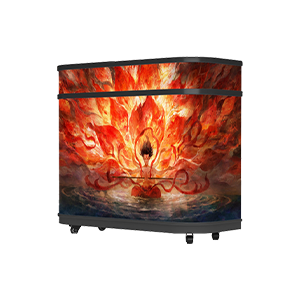
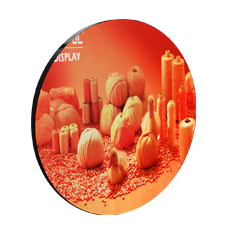
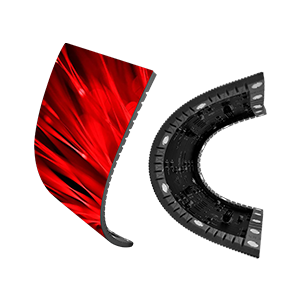
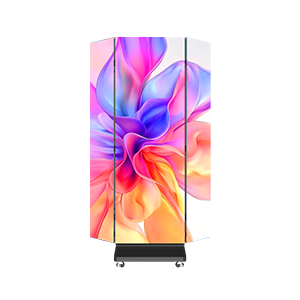
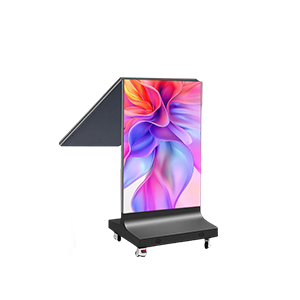
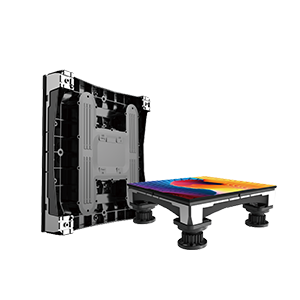
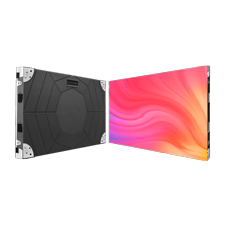
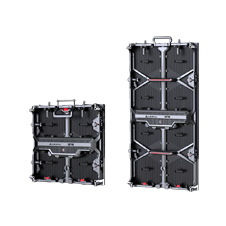
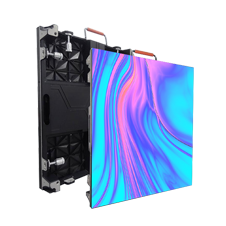
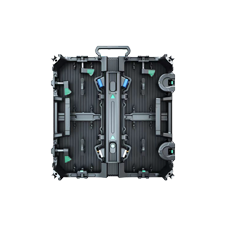
The V&H Series uses a precision die-casting aluminum cabinet with an ultra-thin and lightweight structure. Its design supports frequent installation and dismantling while accommodating curved, 90° corner, and creative stage configurations. These characteristics make the system applicable to exhibitions, concerts, conferences, weddings, hotels, stadiums, theaters, and other temporary event settings.
Cabinet design can also influence how crews divide their work. Equipment that is easier to carry allows teams to position components progressively rather than depending on heavy lifting equipment for every stage. Such flexibility becomes especially useful in venues where access conditions differ from one event to the next.
Designing Better Load-In And Setup Procedures
Good logistics begin before the truck arrives. A site plan should identify unloading points, equipment routes, temporary storage areas, assembly zones, and the final screen position. Matching cabinet quantities with the installation sequence helps technicians avoid repeatedly moving the same cases around the venue.
Packing deserves similar attention. Cabinets, receiving components, power equipment, cables, and spare parts should be grouped in a way that reflects the order of use. Clear case identification can shorten inventory checks and make it easier to identify missing components before installation work begins.
An indoor rental LED display may also need to move between very different event environments. Conference rooms require a different access strategy from theaters or exhibition halls, while large entertainment venues may demand much larger quantities of equipment. Flexible handling procedures allow the same basic logistics framework to accommodate different project scales.
Managing Repeated Installation Cycles
Rental equipment experiences a different usage pattern from permanent installations. Cabinets may be assembled, dismantled, transported, stored, and installed again within a relatively short period. Repeated handling places importance on structural durability, connection methods, protective packaging, and inspection routines.
Inspection should take place both before dispatch and after return. Crews can check cabinet surfaces, connectors, locking mechanisms, modules, cables, and power components. Recording issues at each stage creates a history that helps warehouse and technical teams identify recurring problems rather than treating every event as an isolated case.
Maintenance planning also affects schedule reliability. A rental LED display operation benefits from clearly defined spare-part procedures, documented cabinet layouts, and accessible technical information. These resources allow technicians to respond systematically when equipment requires attention during a busy production period.
Using Flexibility To Reduce Operational Pressure
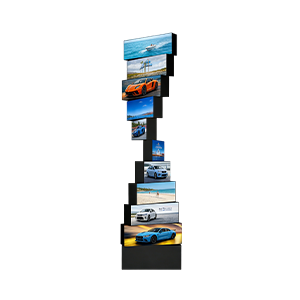
Large events rarely follow identical layouts. Curved walls, corner installations, irregular stage structures, and creative visual arrangements may require more than a flat screen configuration. Modular cabinets can provide additional possibilities without requiring an entirely different logistics framework for every project.
Installation flexibility has a practical relationship with transportation as well. If the same equipment can support several configurations, crews can transport a standardized inventory and adapt it according to the venue. That approach can simplify preparation for touring productions, exhibitions, conferences, and entertainment events with changing floor plans.
Our team at LEDFUL considers handling characteristics alongside visual and structural requirements when developing event display solutions. The value of an indoor rental LED display is not limited to what audiences see during the show; its physical design also affects how efficiently crews can move, assemble, service, and reuse the equipment.
Conclusion
Event logistics become easier to manage when hardware decisions reflect the realities of transportation and human handling. Lightweight cabinet construction, durable materials, organized packing, adaptable configurations, and disciplined inspection practices can reduce unnecessary complexity across repeated deployments. We at LEDFUL view the rental LED display as one component within a wider production system, where efficient movement matters just as much as the final visual result. With thoughtful planning, an indoor rental LED display can fit more naturally into demanding event schedules while giving technical teams greater freedom to adapt each installation to its surroundings.