
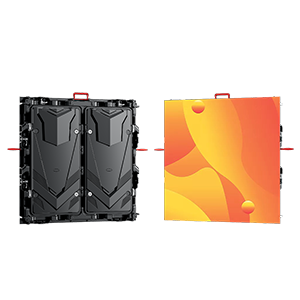
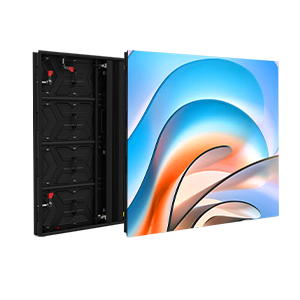

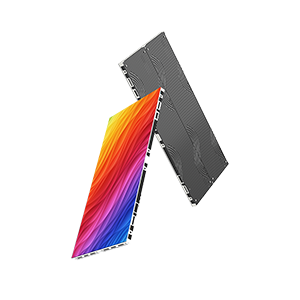

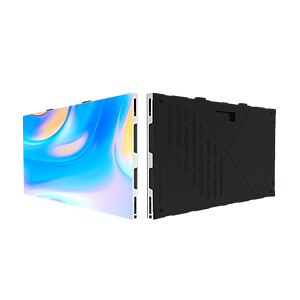












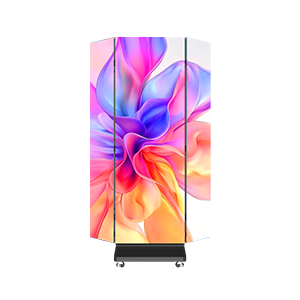
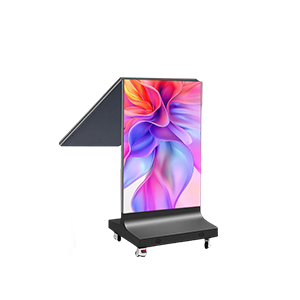
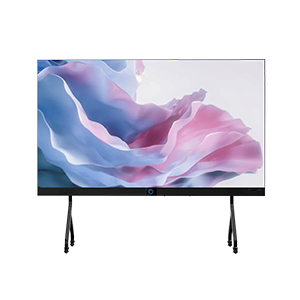


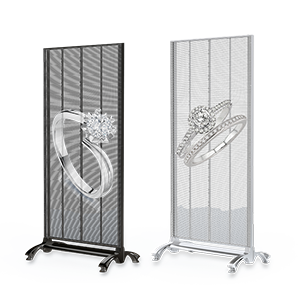








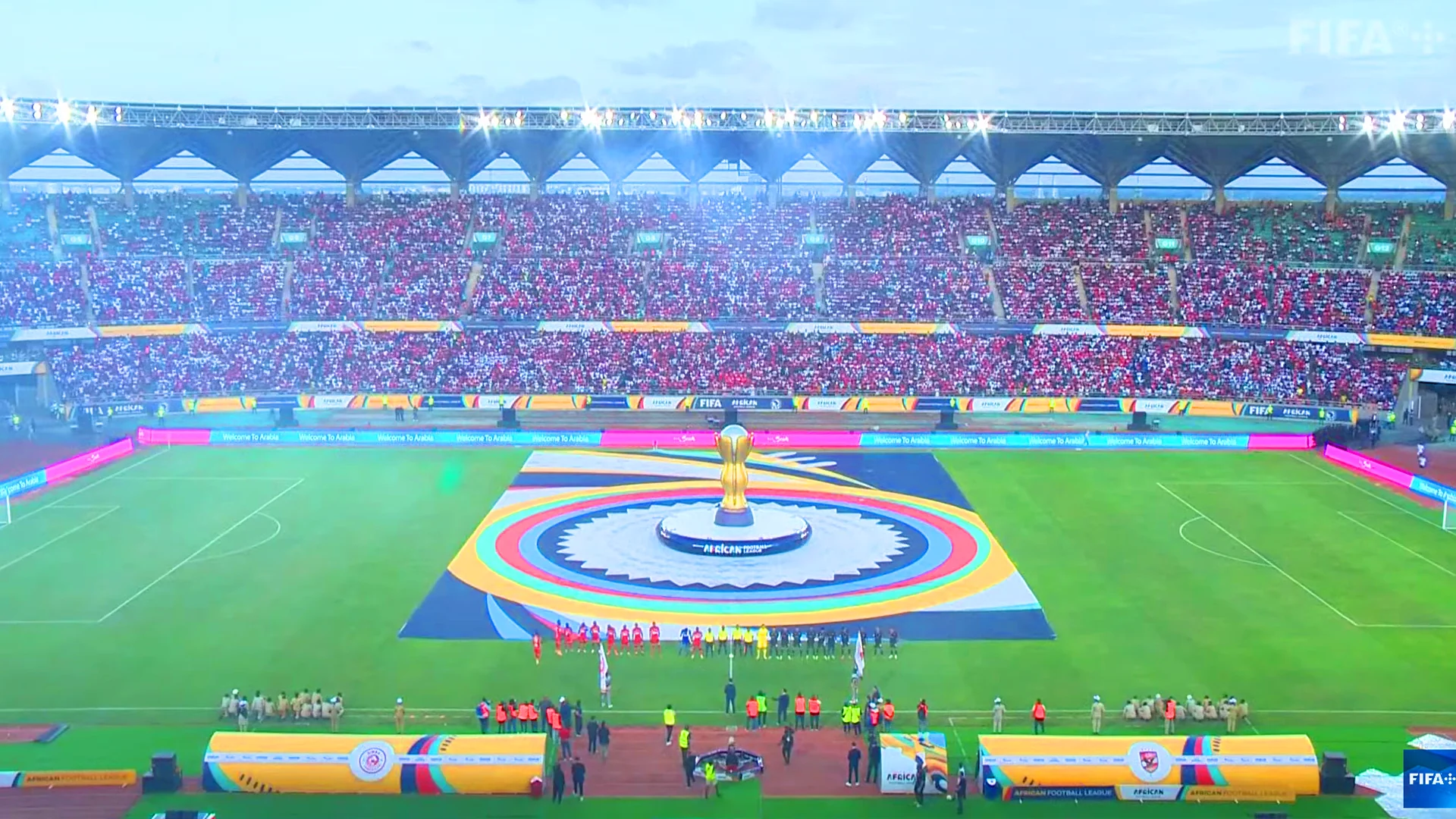
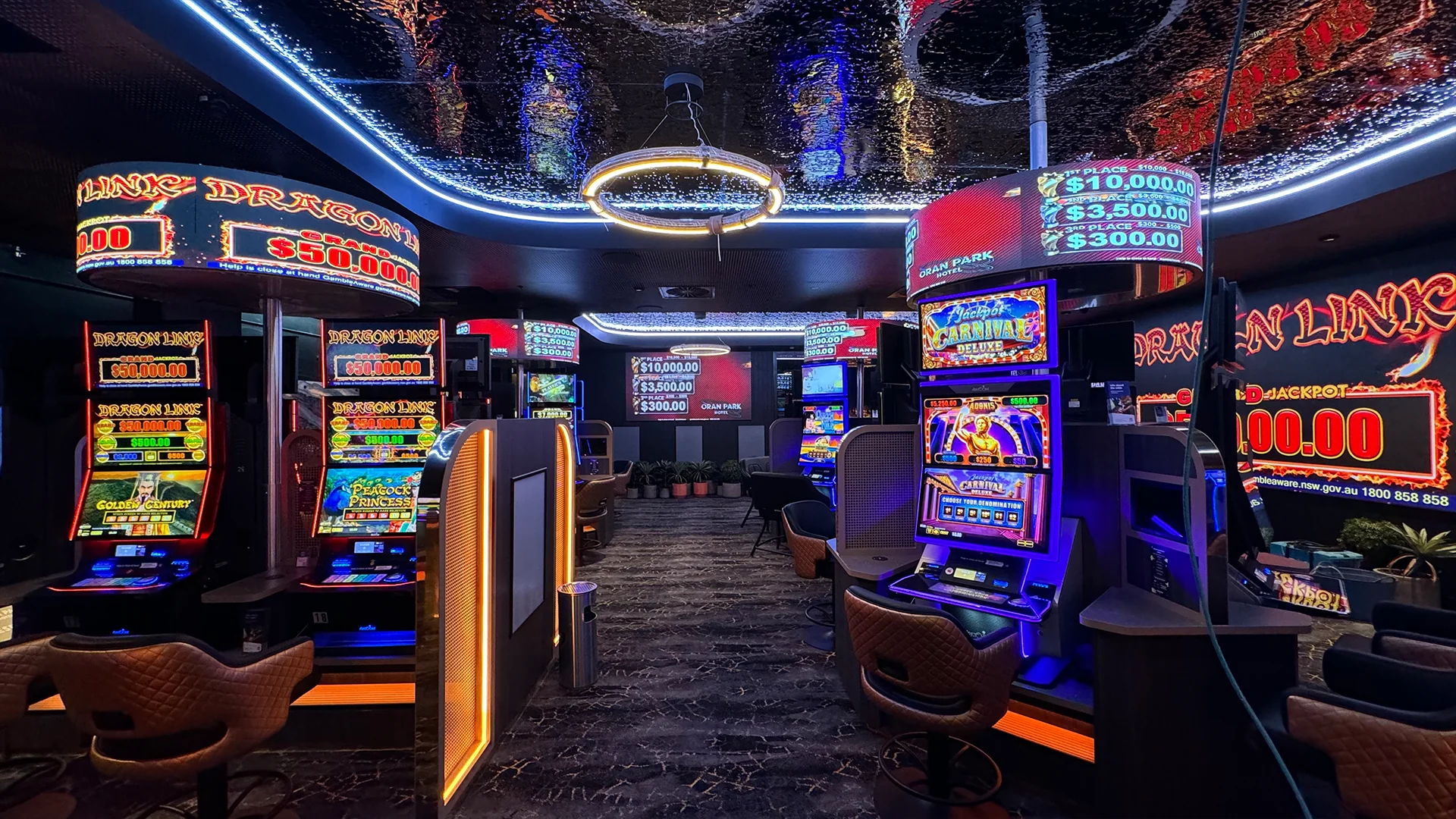
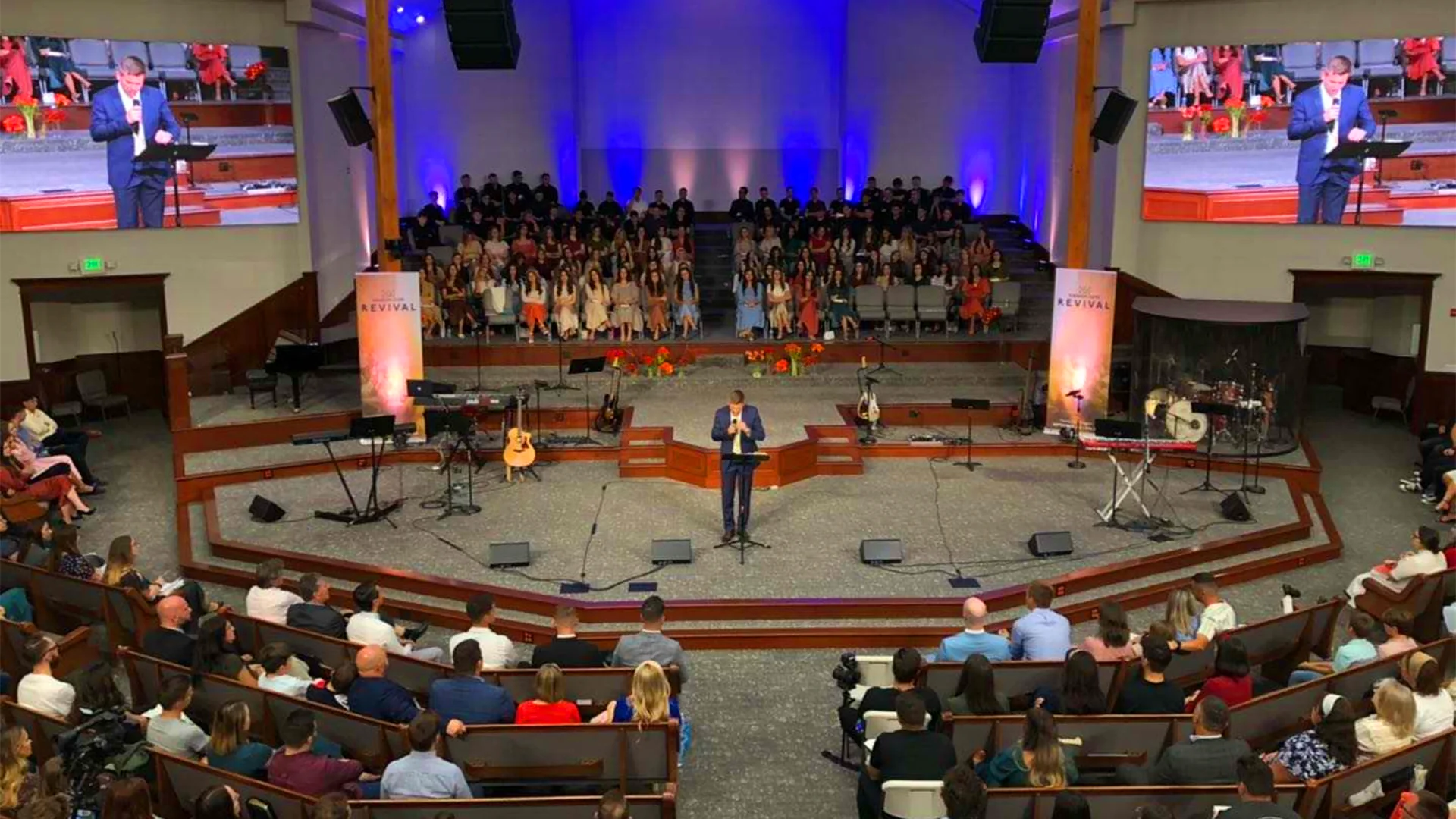
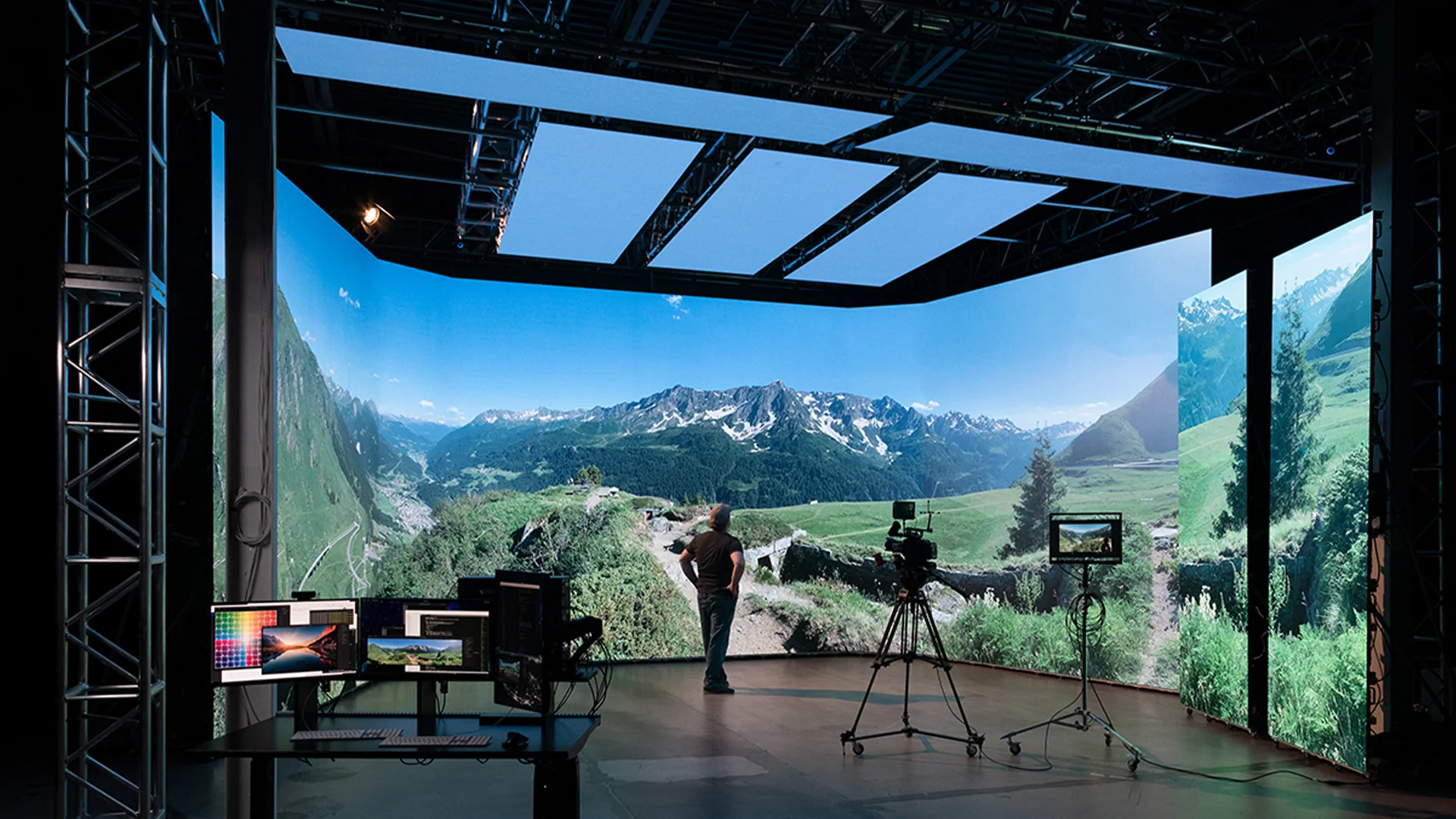






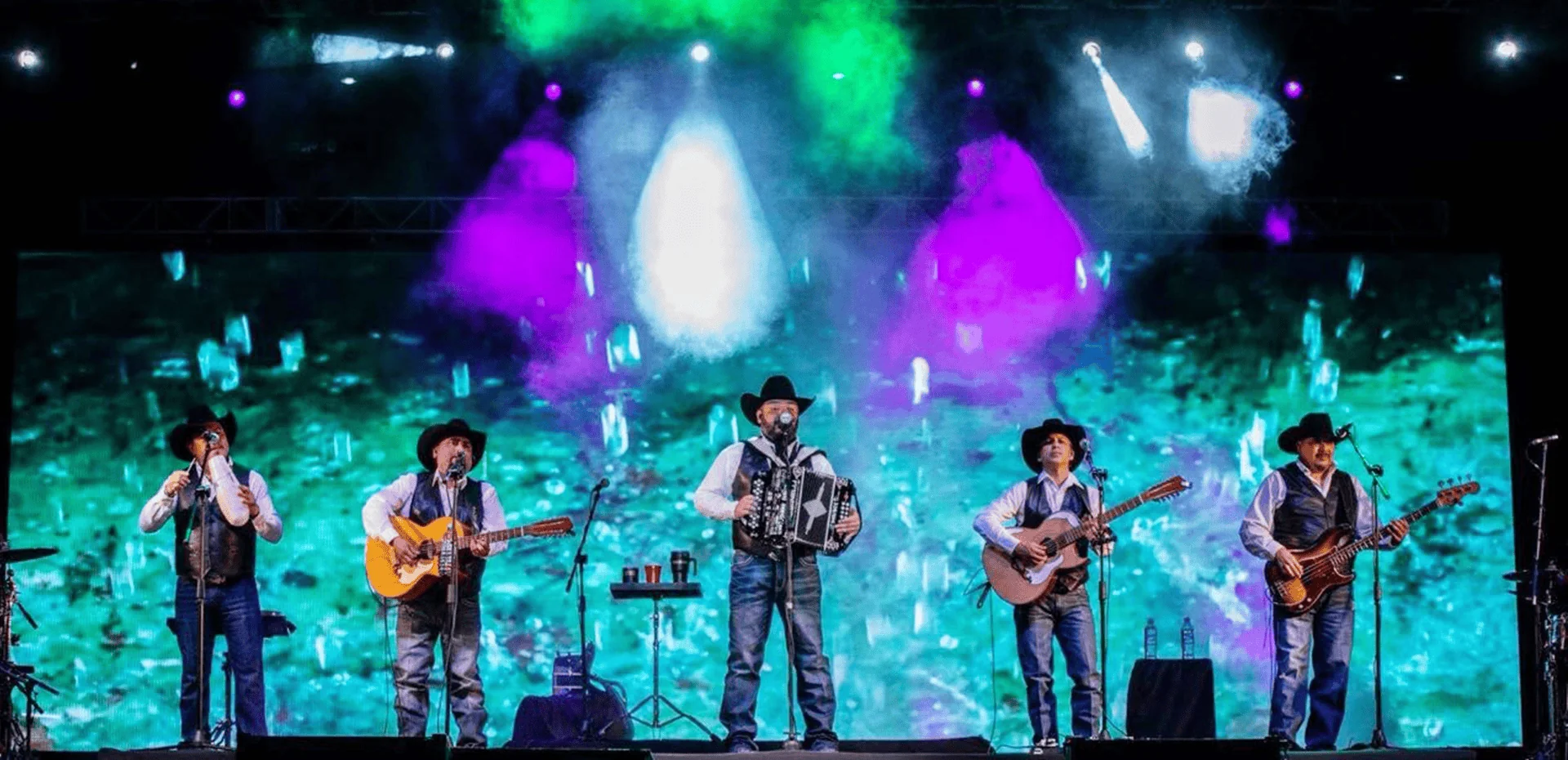
Direct sunlight can dramatically change how digital content appears on a temporary screen. Glare, high ambient luminance, heat, and shifting daylight can all reduce perceived image contrast, making brightness management a central consideration for event planners. Our team at LEDFUL approaches an outdoor rental LED display as part of a wider visual system, where screen output, content design, viewing position, and environmental conditions need to be considered together.

Why Direct Sunlight Changes Screen Visibility
Human vision adapts continuously to surrounding light, which means the same screen can appear very different in the morning, afternoon, or after sunset. Under strong daylight, dark areas may lose apparent depth while low-brightness content becomes harder to distinguish. Screen performance should consequently be assessed under the conditions in which audiences will actually view it.
Brightness is normally expressed in nits, or candelas per square meter. A higher figure can provide greater visible output under strong ambient light, but maximum brightness alone does not determine perceived image quality. Contrast, black-level behavior, calibration, surface reflection, and viewing angle all contribute to what an audience sees.
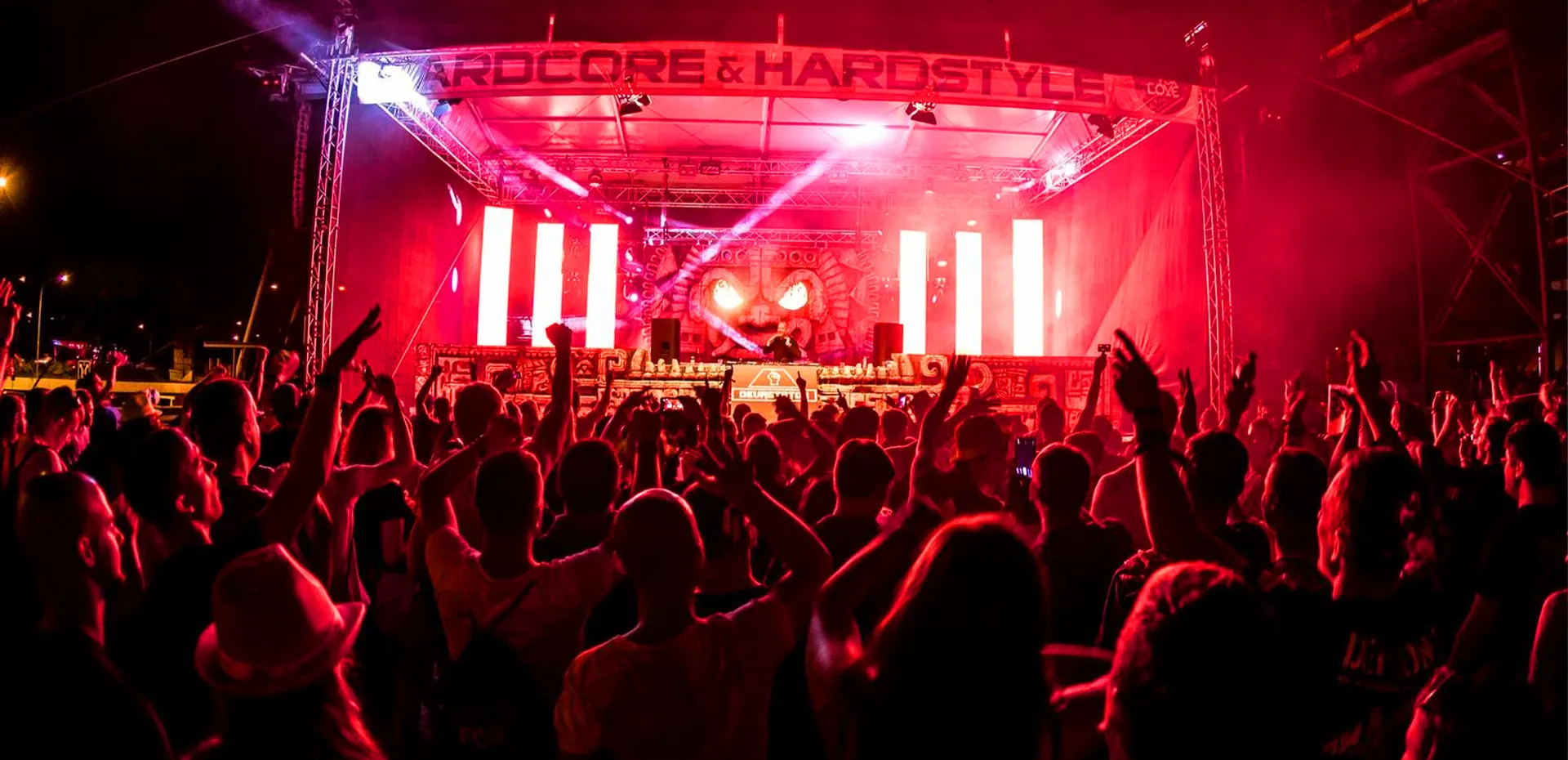
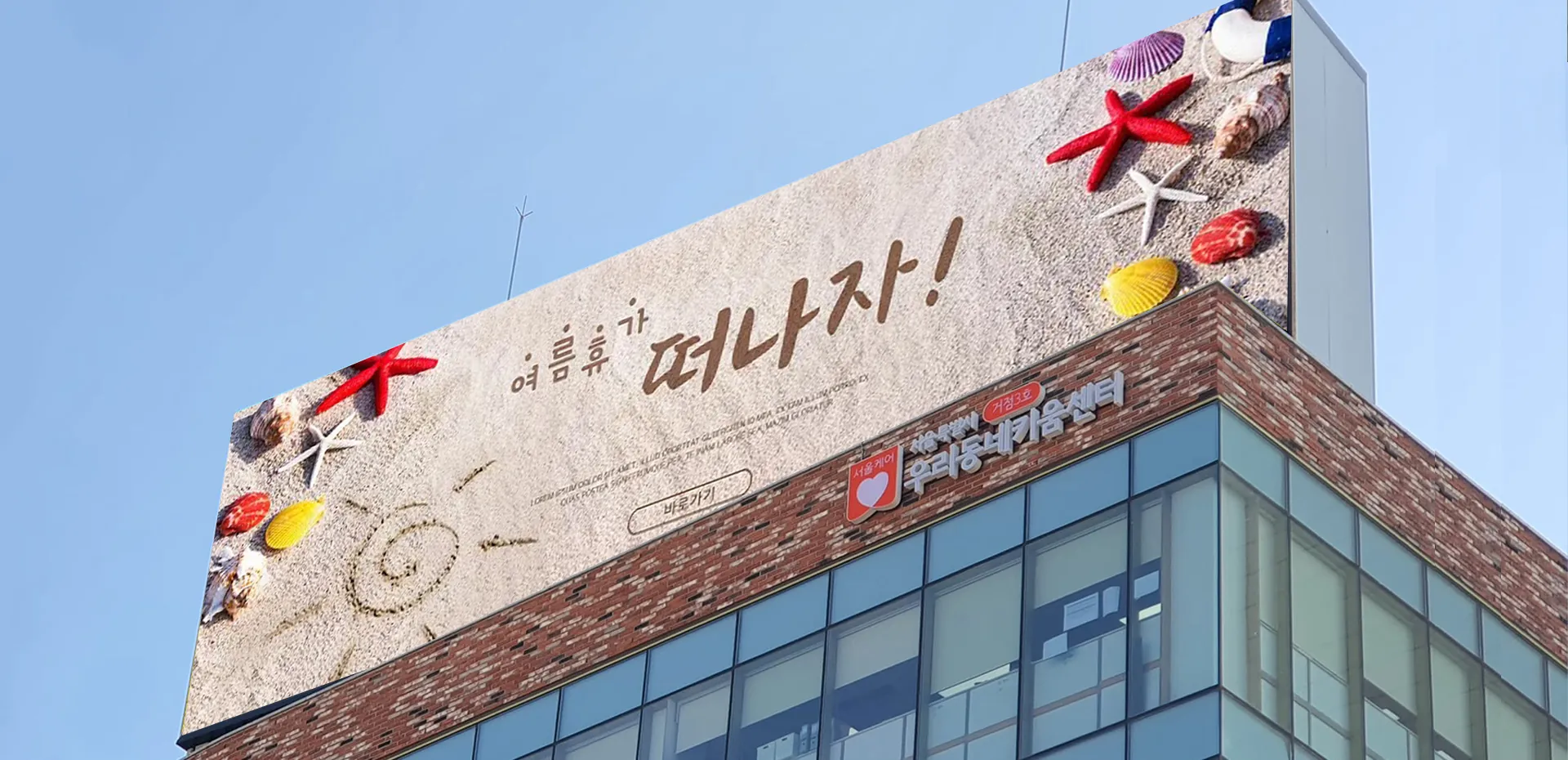
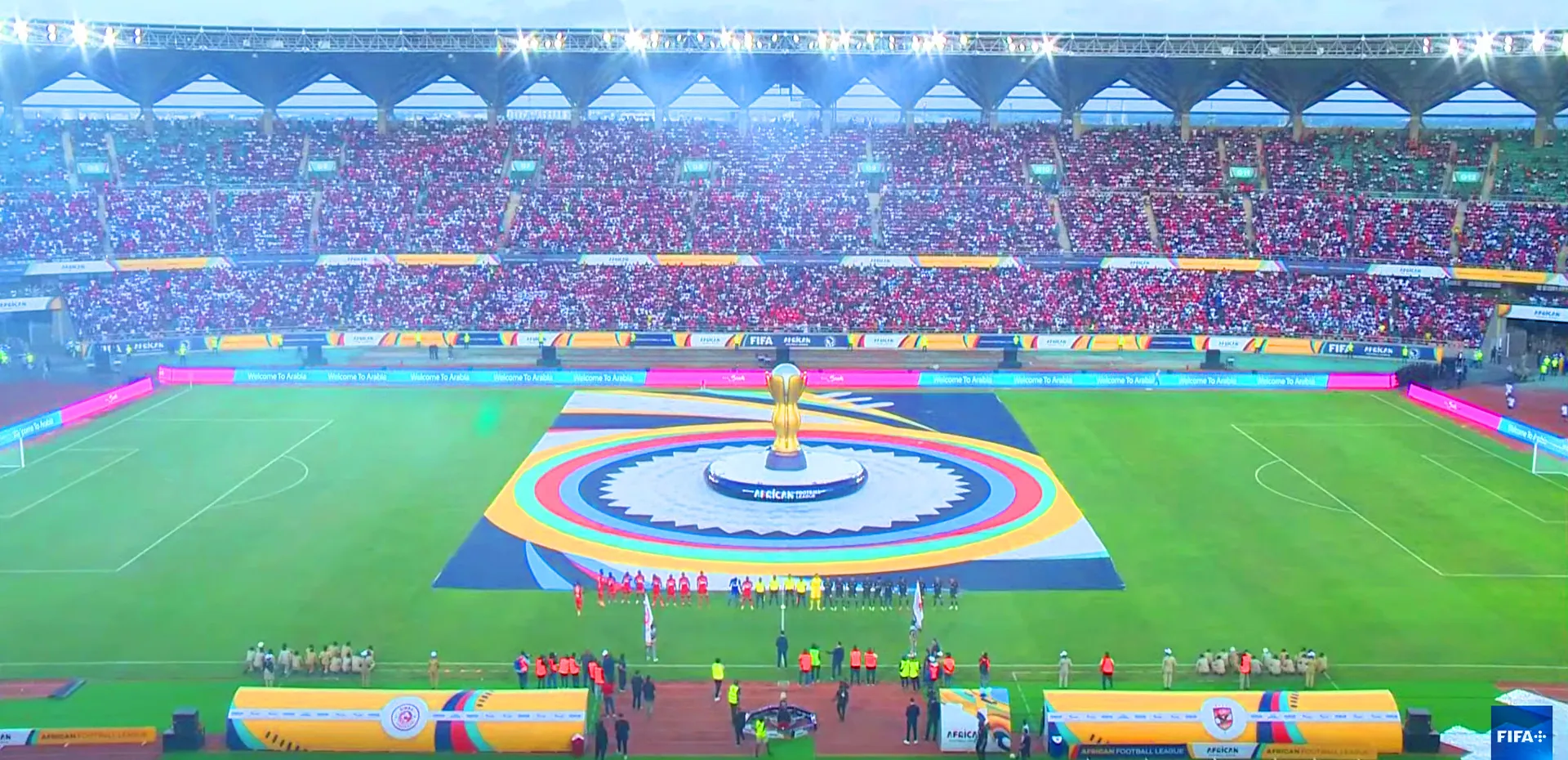
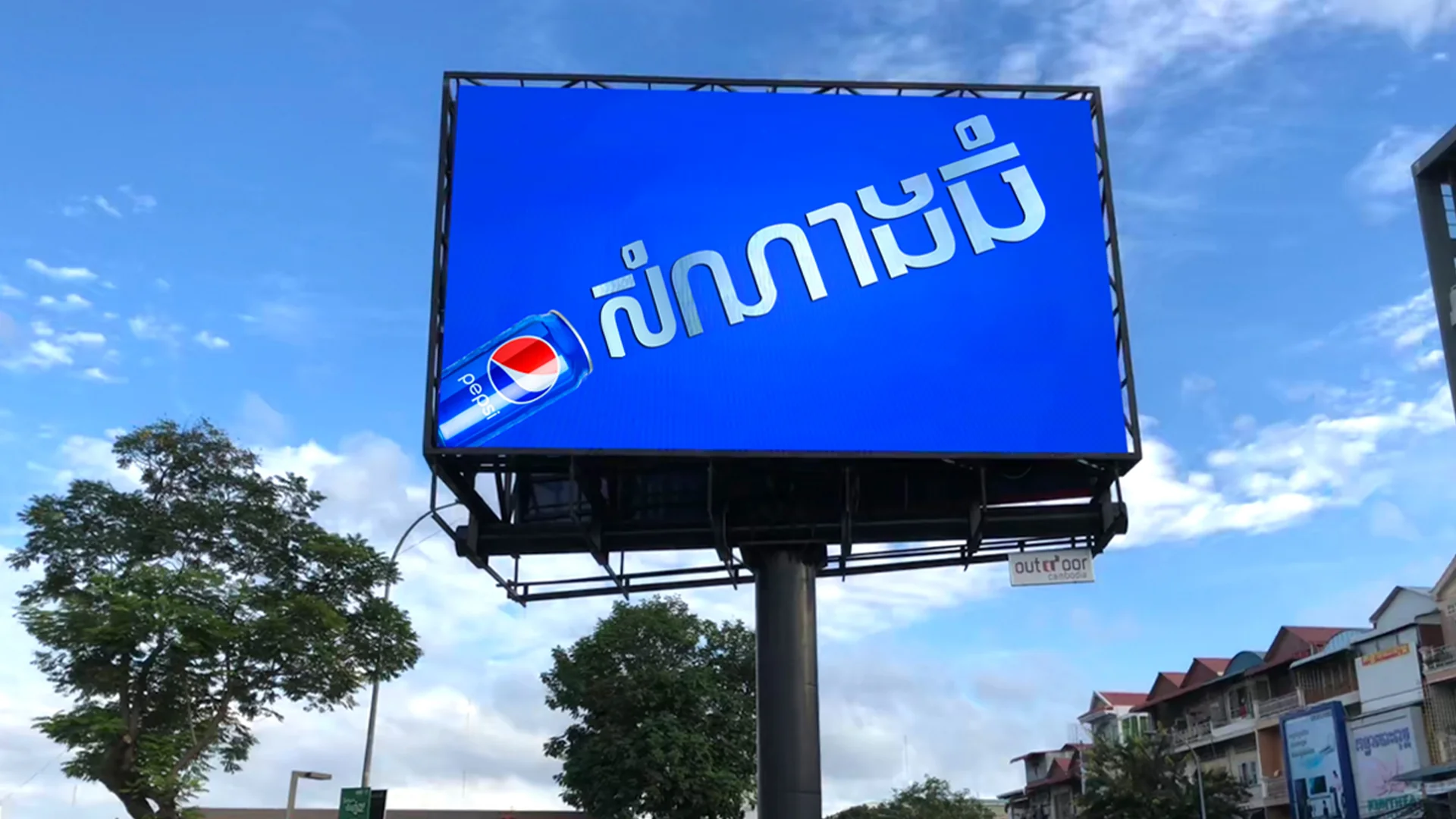
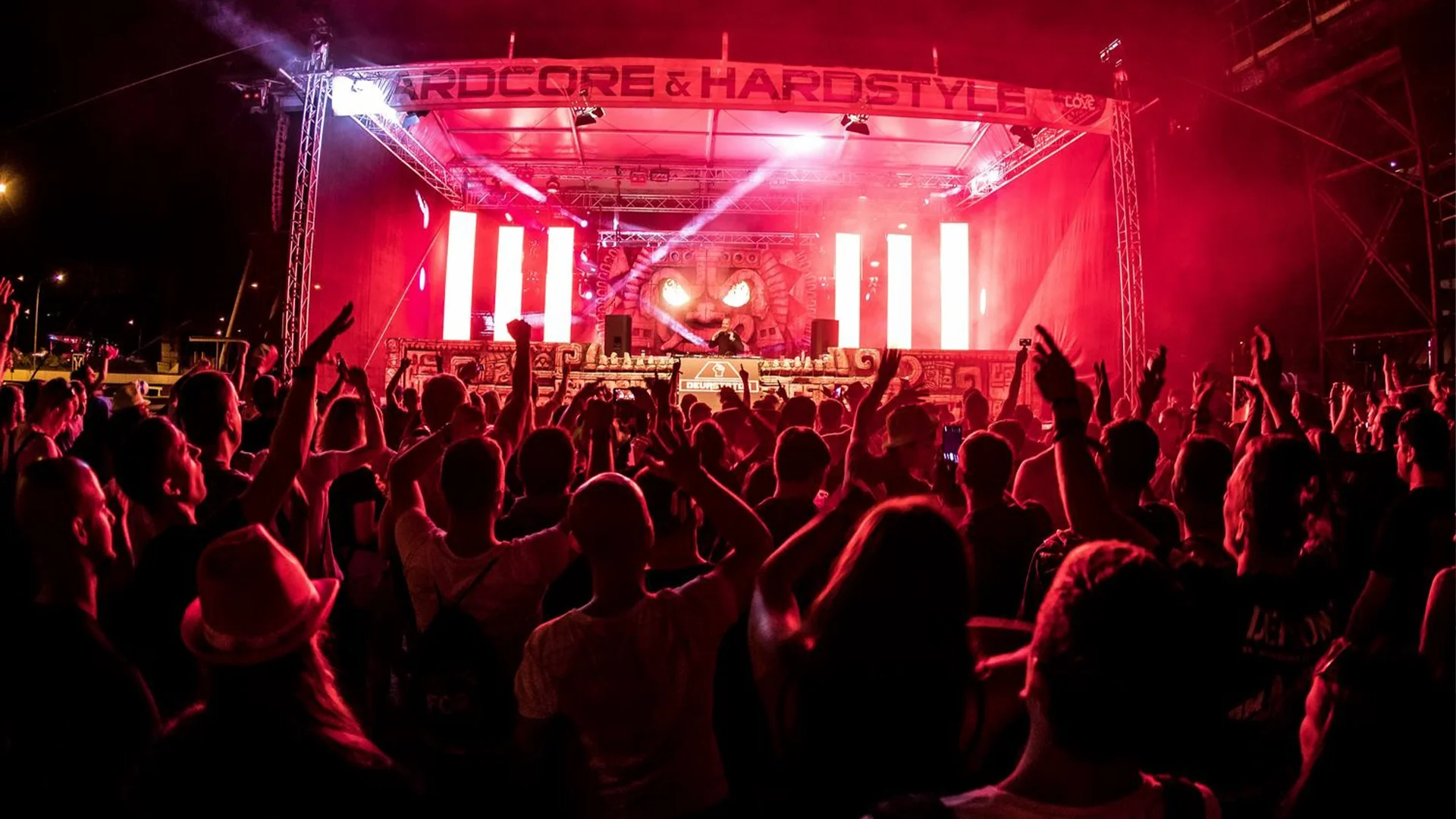
An outdoor rental LED display used for a daytime festival or sporting event may need a different brightness strategy from equipment installed under a covered stage. Project teams should first identify the amount of direct and indirect sunlight reaching the screen, then consider the expected audience distance and content type.
Balancing Brightness And Image Contrast
Simply increasing brightness is not always the most effective response to sunlight. Extremely bright output can make certain colors appear harsh while increasing power demand and thermal load. A more controlled approach combines suitable luminance with calibrated color reproduction and content designed for daylight visibility.
Dark backgrounds can behave differently from bright visual elements under intense ambient illumination. Text, logos, and important graphics may benefit from sufficient contrast and appropriately sized visual features. Content creators should preview materials under representative outdoor lighting rather than evaluating them exclusively on an indoor monitor.
Viewing angle introduces another variable. Audiences rarely stand directly in front of a large event screen, so brightness and color consistency across the viewing area matter. An outdoor rental LED display should be evaluated from several audience positions, particularly if the installation serves a wide seating area or pedestrian zone. For a clearer explanation of brightness units, see cd/m² vs nits.
Hardware Factors Behind Daylight Performance
LED efficiency and cabinet design influence how a display handles sustained high output. Continuous operation at elevated brightness generates additional heat, making thermal pathways, ventilation, power distribution, and component selection relevant to outdoor deployment.
The relationship between brightness and refresh rate also deserves attention during live production. Cameras can capture visual artifacts that are not obvious to people watching directly. Broadcasts, event recordings, and social media footage may require high refresh performance alongside appropriate luminance.
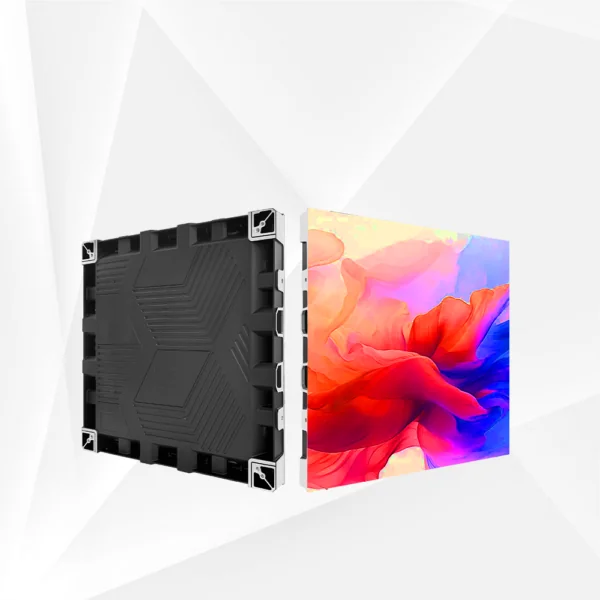
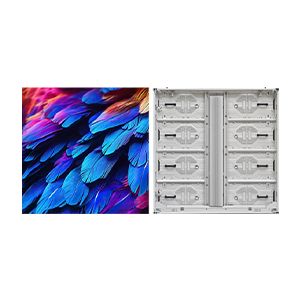
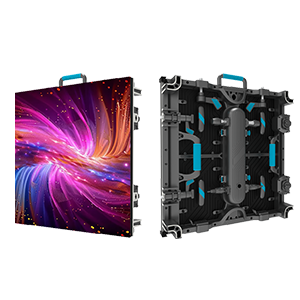
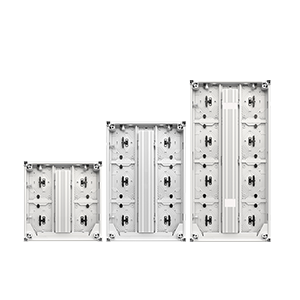
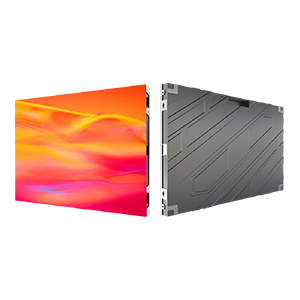
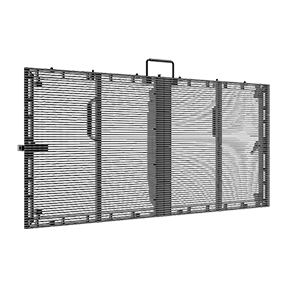
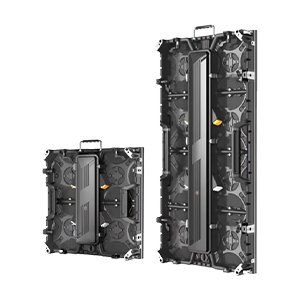
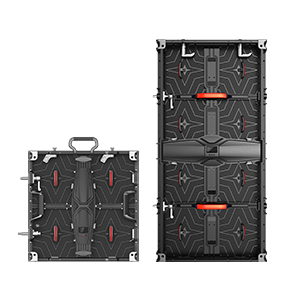
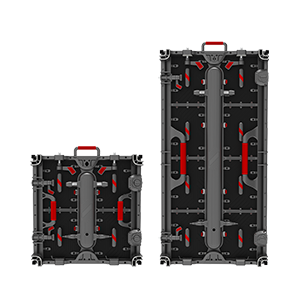
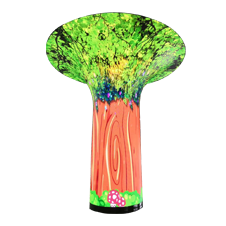
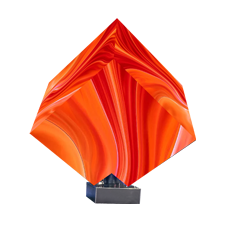
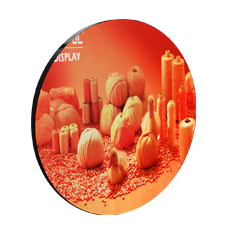
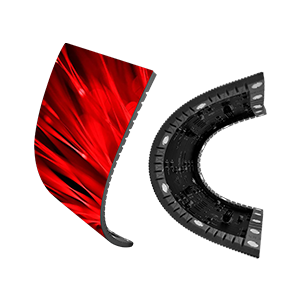
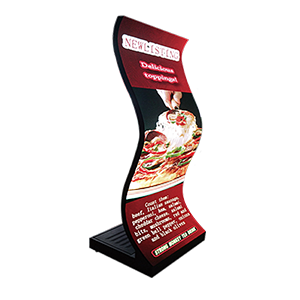
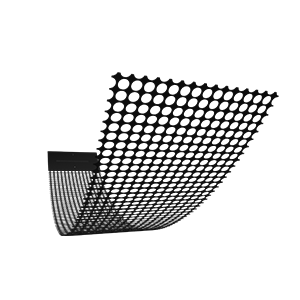
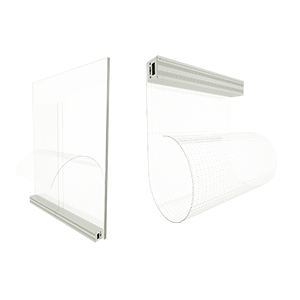
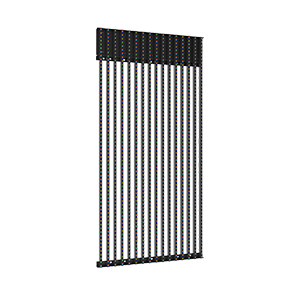
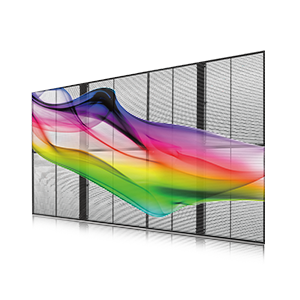
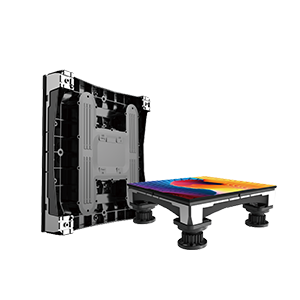
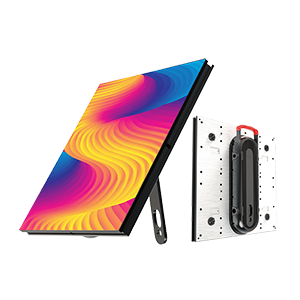
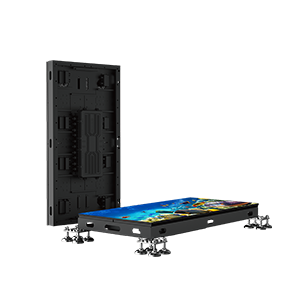
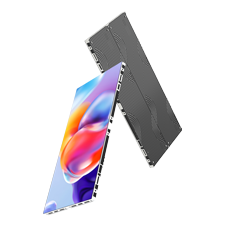
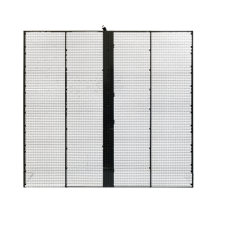
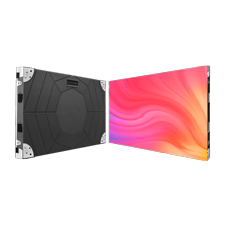
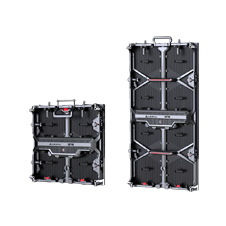
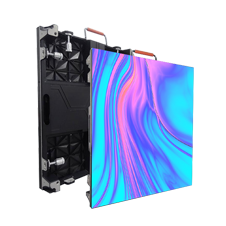
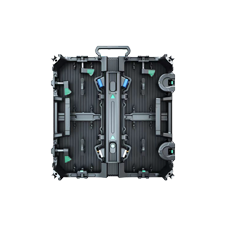
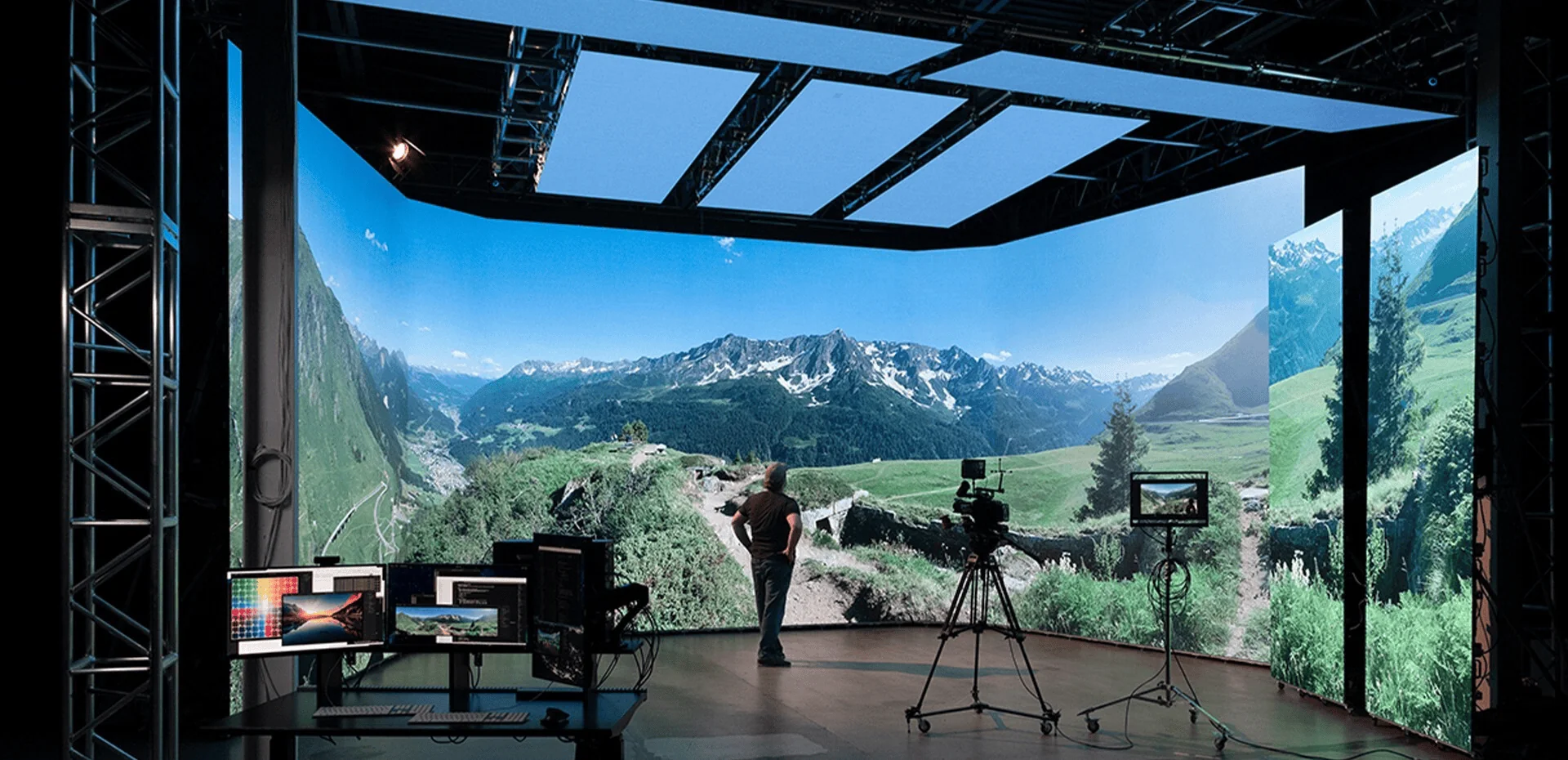
Our TGC-R series is designed as a super-thin, lightweight rental display for event applications and can be used across indoor and outdoor window environments, broadcasting stages, and rental events. Its positioning within temporary display applications illustrates why portability and visual requirements often need to be addressed together rather than evaluated separately.
Managing Daylight Through Content And Scheduling
Brightness control becomes more practical when it follows the event schedule. A display operating from midday through evening does not necessarily need identical output throughout the entire program. Preset brightness levels can correspond with changing ambient conditions, provided operators monitor the screen and adjust settings appropriately.
Content scheduling can support the same principle. High-contrast promotional graphics may be appropriate during strong daylight, while more detailed or visually subtle material can become easier to appreciate as ambient light decreases. Designers can prepare different content treatments instead of relying exclusively on hardware adjustments.
For a rental LED display screen, screen placement can reduce some of the burden placed on brightness. Orientation, nearby structures, temporary shade, and the angle of the screen relative to the sun can all affect glare. Site planning should examine these factors before the equipment is assembled.
Rental-Specific Planning In Bright Environments
Temporary installations face tighter setup schedules than many permanent projects. Technicians need to verify power distribution, cabinet connections, signal paths, structural arrangements, and brightness settings before the audience arrives. Outdoor conditions add another layer because weather and changing light can alter operating requirements.
Transportation and repeated assembly also deserve consideration. Rental equipment may move between venues frequently, so pre-event inspections can identify damaged modules, connectors, cables, or cabinet surfaces before installation. A documented inspection process makes it easier to separate transportation-related faults from configuration issues.
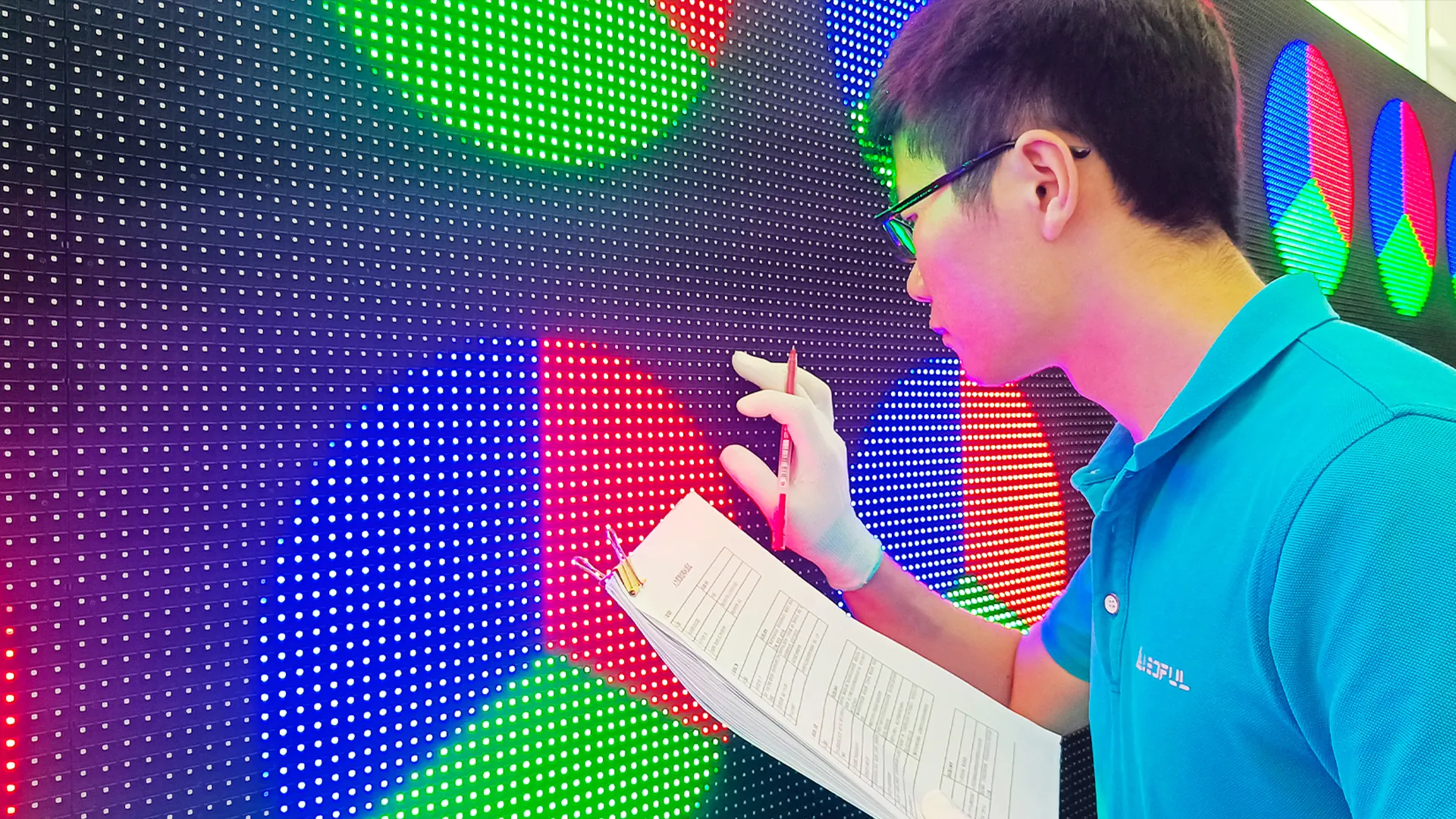
A rental LED display screen should also be tested from the actual audience zone. Operators can check text readability, color appearance, brightness uniformity, camera footage, and viewing angles during representative daylight conditions. Such testing provides more useful evidence than relying only on laboratory specifications.
Conclusion
Sunlight presents a moving visual challenge rather than a single brightness problem. We at LEDFUL consider luminance, contrast, thermal behavior, content, placement, camera requirements, and event schedules together when planning temporary outdoor applications. With those variables understood in context, an outdoor rental LED display can deliver clearer daytime communication without treating maximum brightness as the only performance measure, while a properly planned rental LED display screen can adapt more effectively as the surrounding light changes.