


















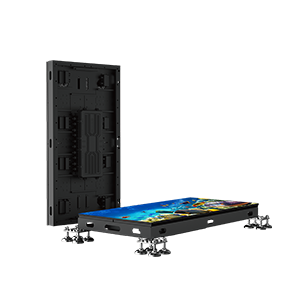

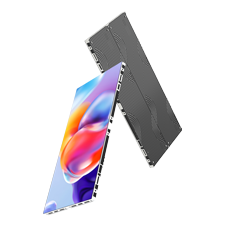

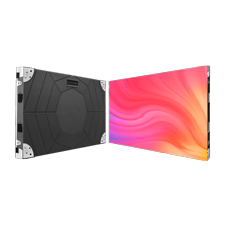

































As the sun sets, digital billboards and stadium screens should adjust their brightness to match the darker environment. If an outdoor full color LED display remains at maximum brightness, it creates severe light pollution and visual fatigue for pedestrians. However, when operators reduce the brightness, a new technical challenge often emerges: the loss of image detail and color richness.
This degradation happens when a screen lacks sufficient grayscale processing capabilities. Whether managing a large-scale event or a city-wide advertising network, maintaining vivid image quality under low brightness is critical. Understanding the relationship between brightness and grayscale is essential for maximizing your digital investment and ensuring professional presentations during nighttime operations.
The Science Behind Grayscale in Outdoor LED Display Screens
Grayscale describes the number of intensity levels a display can reproduce, while bit depth is commonly used to describe the resolution of grayscale or color processing. Higher bit depths provide more potential intensity levels, which can help produce smoother gradients when the rest of the display system can reproduce that additional information accurately.
For outdoor LED display screens, grayscale performance is one of the factors that affects tonal detail and color reproduction. An RGB display combines red, green, and blue diodes to create millions of colors. If the grayscale level is too low, transitions become harsh and jagged. This negative effect is known as color banding, which diminishes realism.
During the day, bright ambient sunlight masks many subtle hardware imperfections. The screen runs at high brightness, utilizing its full processing range to deliver punchy colors. At night, however, the technical limitations of the hardware are exposed if the underlying grayscale processing architecture is subpar.
The Challenge of Low Brightness and Color Loss
Basic control systems may reduce brightness by lowering drive current or adjusting PWM output, which can reduce low-brightness grayscale performance if the driver system is not properly designed. This blunt approach sacrifices crucial grayscale data.
This phenomenon is known as the “loss of grayscale at low brightness.” Brightness is normally expressed in nits or cd/m², and understanding these equivalent units helps operators establish suitable daytime and nighttime output levels. When this occurs, dark areas of an image lose texture, turning into flat blocks of black. Subtly shaded areas, like human faces or twilight skies, appear pixelated, noisy, and visually distorted.
For commercial advertising, this loss of quality is unacceptable. Brands rely on accurate color reproduction to maintain their visual identity. A luxury car advertisement or high-fashion campaign will look unprofessional if shadows lack depth and color gradients appear staggered across the digital billboard.
How High Grayscale Elevates the Viewing Experience
Investing in a system with high grayscale retention transforms the nighttime viewing experience. Premium driver ICs use advanced PWM (Pulse Width Modulation) algorithms. These precise algorithms allow the screen to dim smoothly by adjusting the light duty cycle while keeping the bit depth intact, preserving visual detail.
High grayscale supports dark scenes retain depth and intricate texture. Transitions between contrasting colors remain smooth, reducing unnatural banding. This provides an immersive, true-to-life visual experience that captures audience attention in a dark environment without causing glare, eye strain, or light pollution.
Furthermore, high grayscale performance can improve the tonal detail visible in dark areas, helping the display reproduce more nuanced nighttime content. By precisely controlling the lowest brightness levels of individual diodes, the display achieves deeper blacks. This is important for outdoor installations where nighttime content often features dark backgrounds with high-impact, luminous text.
Choosing the Right LED Display Manufacturer
Overcoming the “low brightness, low grayscale” hurdle requires superior hardware engineering. A reliable LED display manufacturer will transparently discuss the driver ICs and control systems used in their products. They will not just quote maximum daytime brightness, but will rigorously explain nighttime performance metrics and testing protocols.
When evaluating manufacturing partners, ask about specific technical solutions for grayscale retention. Do they offer automated brightness sensors that adjust smoothly? Do they provide custom control configurations tailored for demanding environments, such as sports stadiums, retail centers, or government institutions?
Proper system integration is just as vital as hardware components. The manufacturer should provide comprehensive project matching solutions. This supports the video processor, sending box, and receiving cards communicate to maintain high bit-depth data throughout the entire signal chain.
How LEDFUL Solves Nighttime Display Challenges
At LEDFUL, we engineer our products to deliver uncompromising visual excellence 24 hours a day. We understand our clients need screens that look just as stunning at midnight as they do at noon. Our robust control architectures support high grayscale performance even when brightness is reduced.
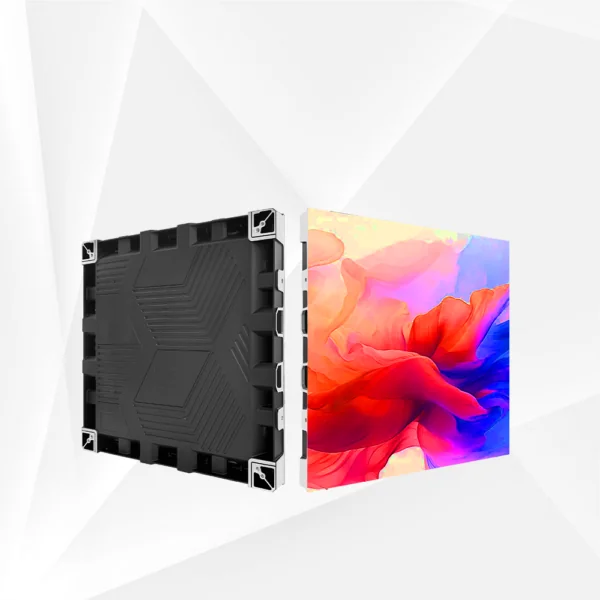
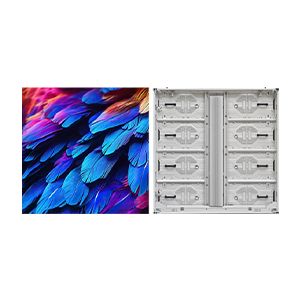
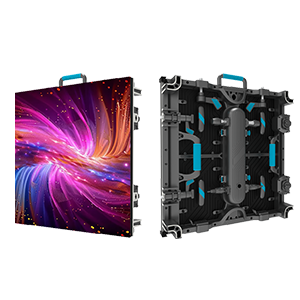
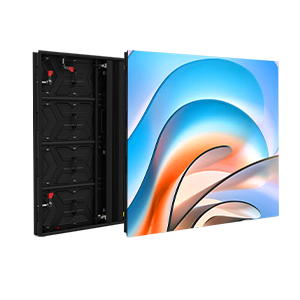
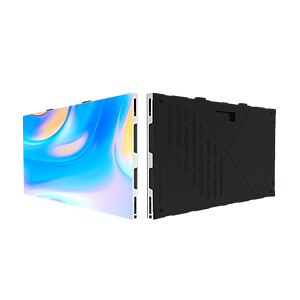
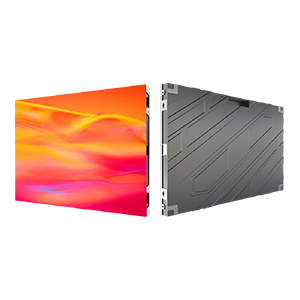
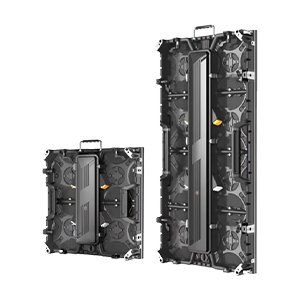
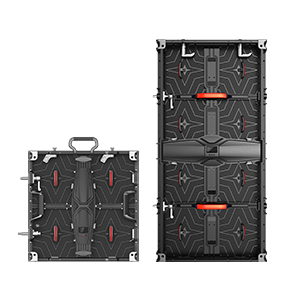
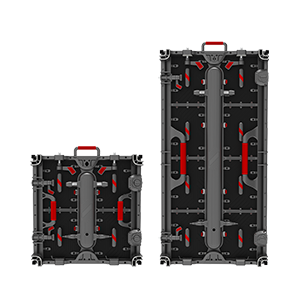
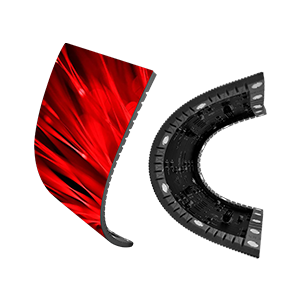
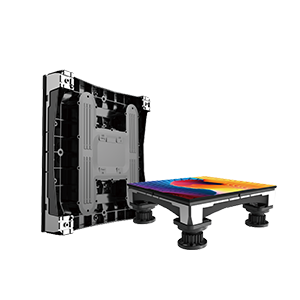
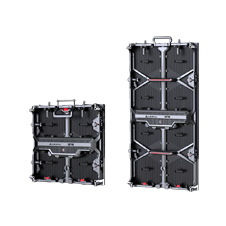
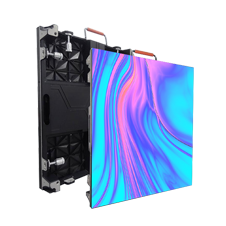
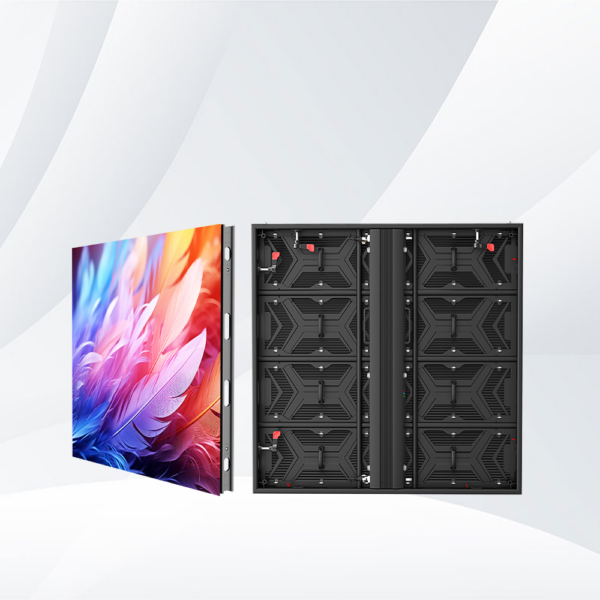
Whether you require strong low-brightness grayscale performance at night for roadside billboards or curved facade installations, our FM series delivers premium outdoor performance. Featuring Nationstar LED lamp beads with brightness of more than 6,000 nits and a refresh rate of at least 3,840 Hz, the FM series maintains strong grayscale performance at low brightness levels. Its die-cast aluminum cabinet with protection and beveled right-angle design supports both flat and curved outdoor configurations.
We stand behind our products with solid warranty protection and reliable after-sales support, including free professional consultation. We prioritize rigorous testing to ensure reliable performance under all conditions.
Delivering a high-quality nighttime experience is a blend of precise science and quality engineering. Do not let poor grayscale capability ruin your expensive visual campaigns after dark. Reach out to our dedicated technical team today for a free consultation. Let us help you build a high-performance system that shines at any hour.