






















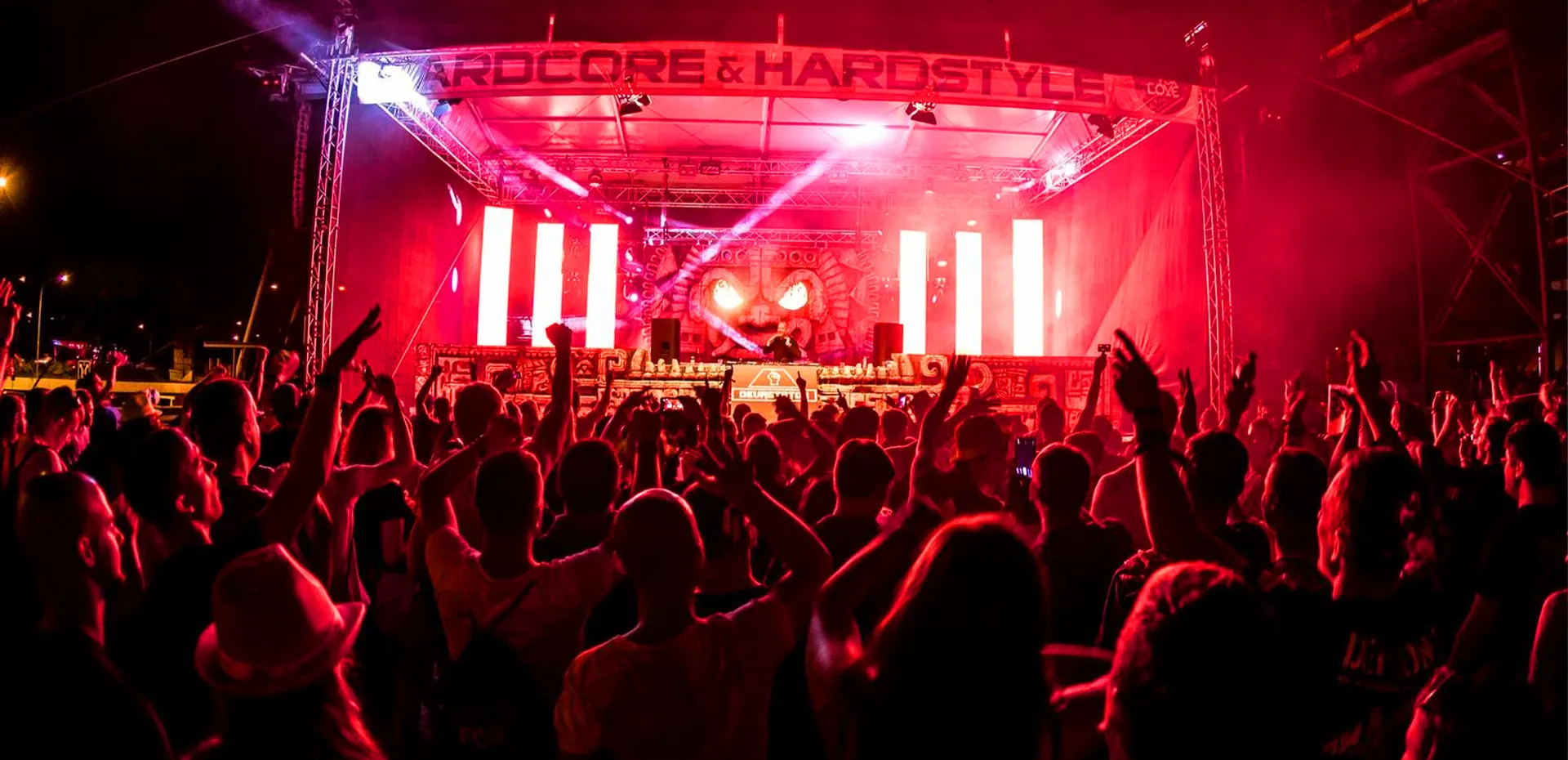
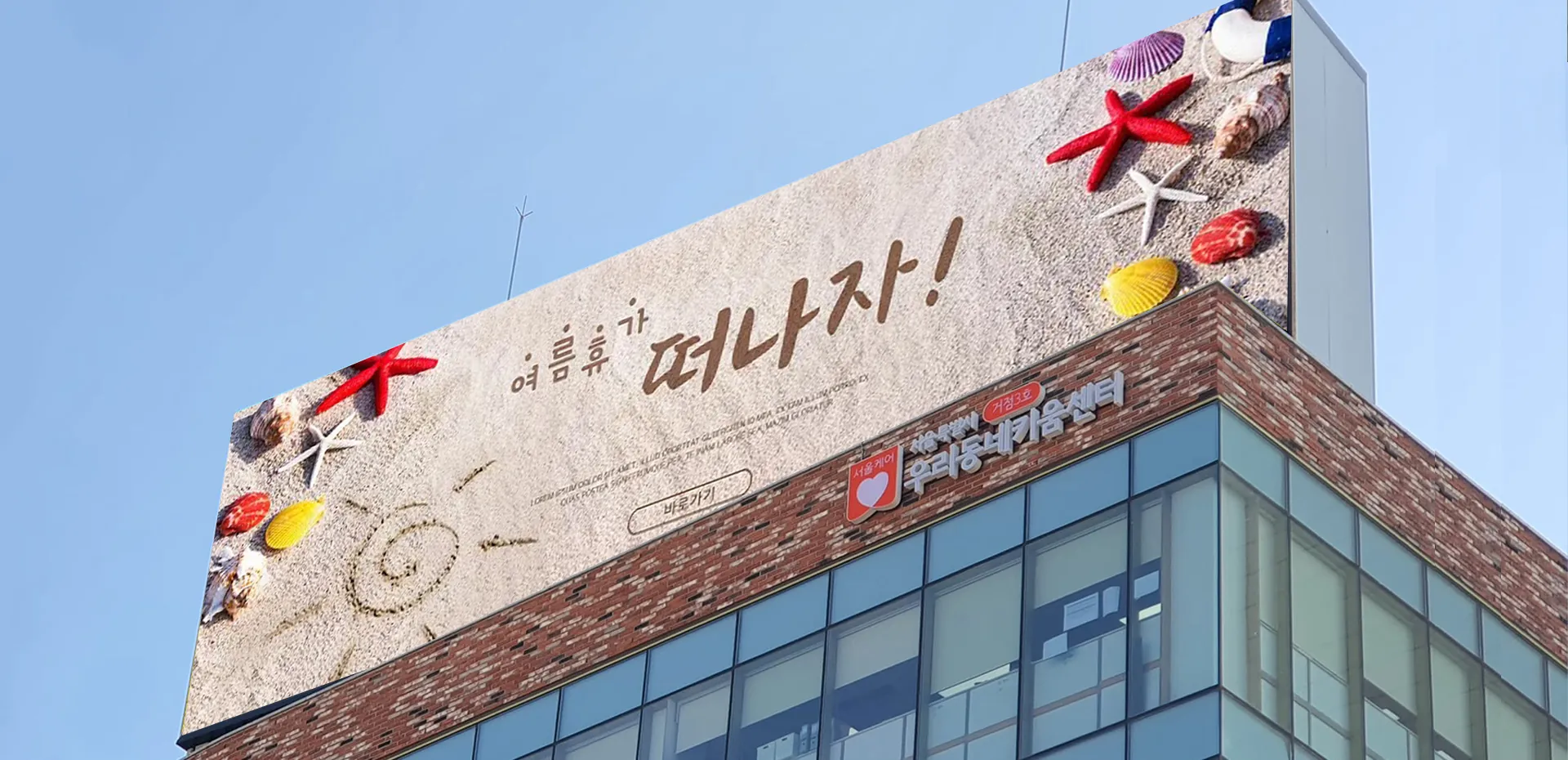
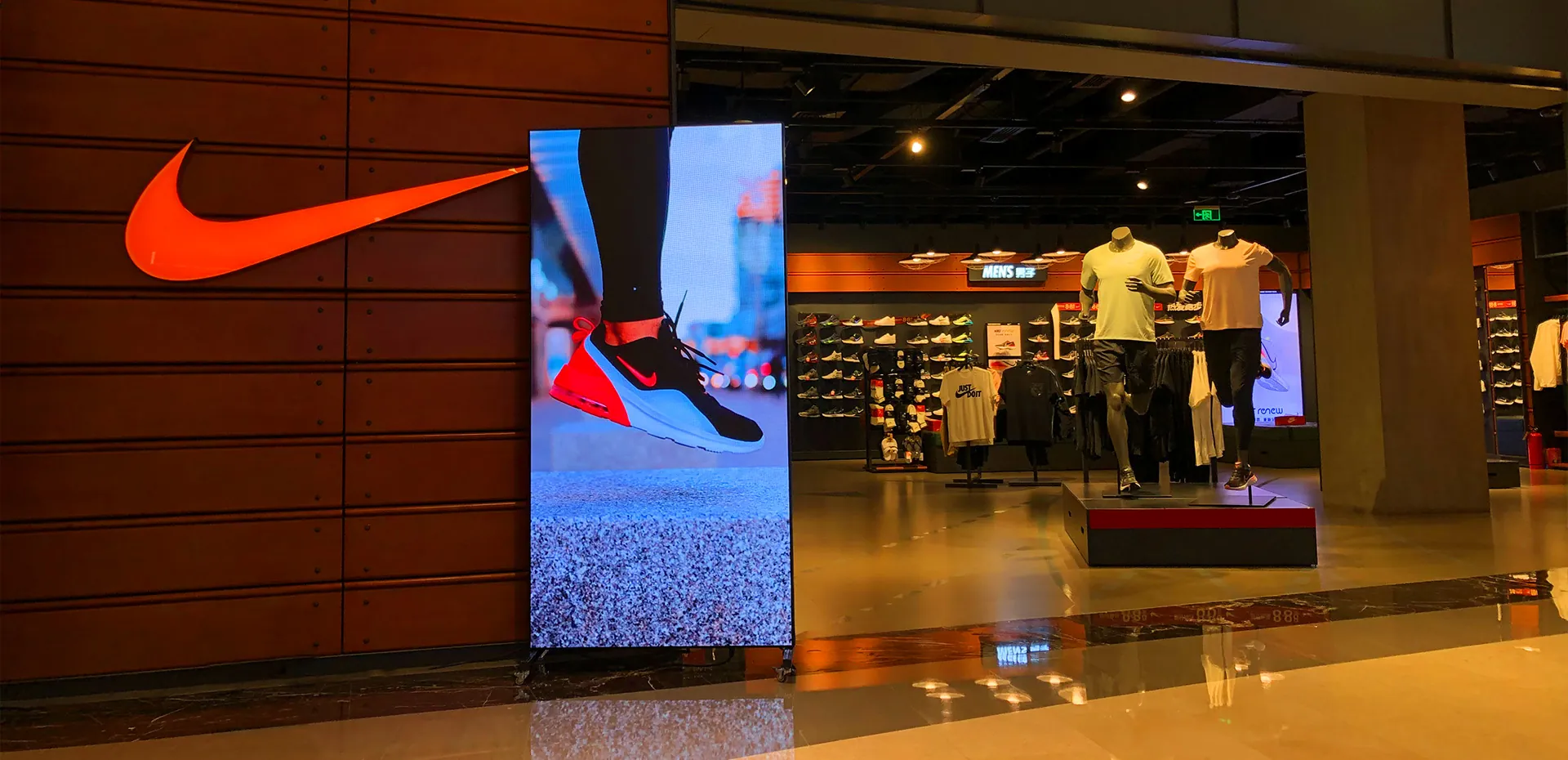
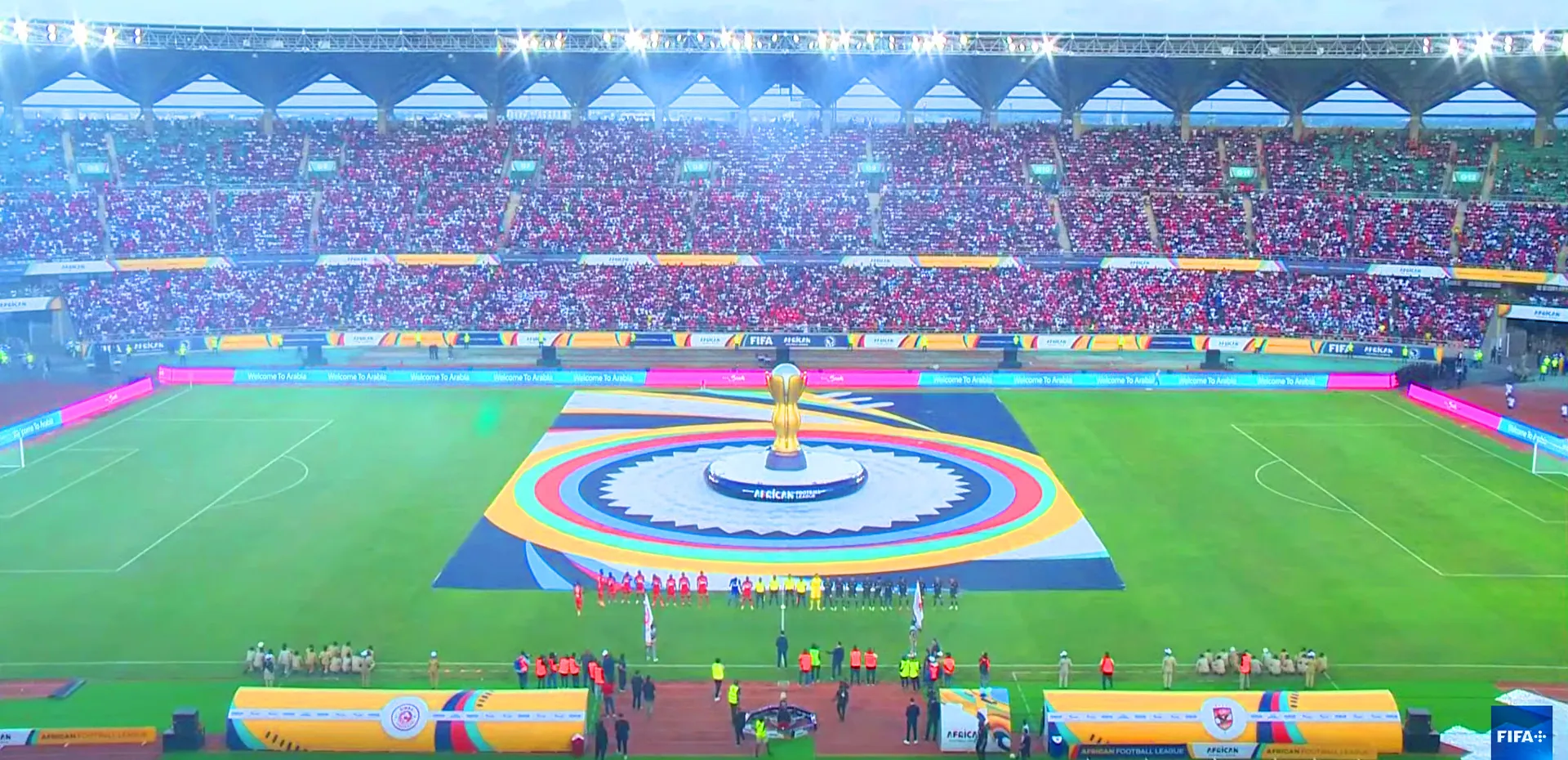





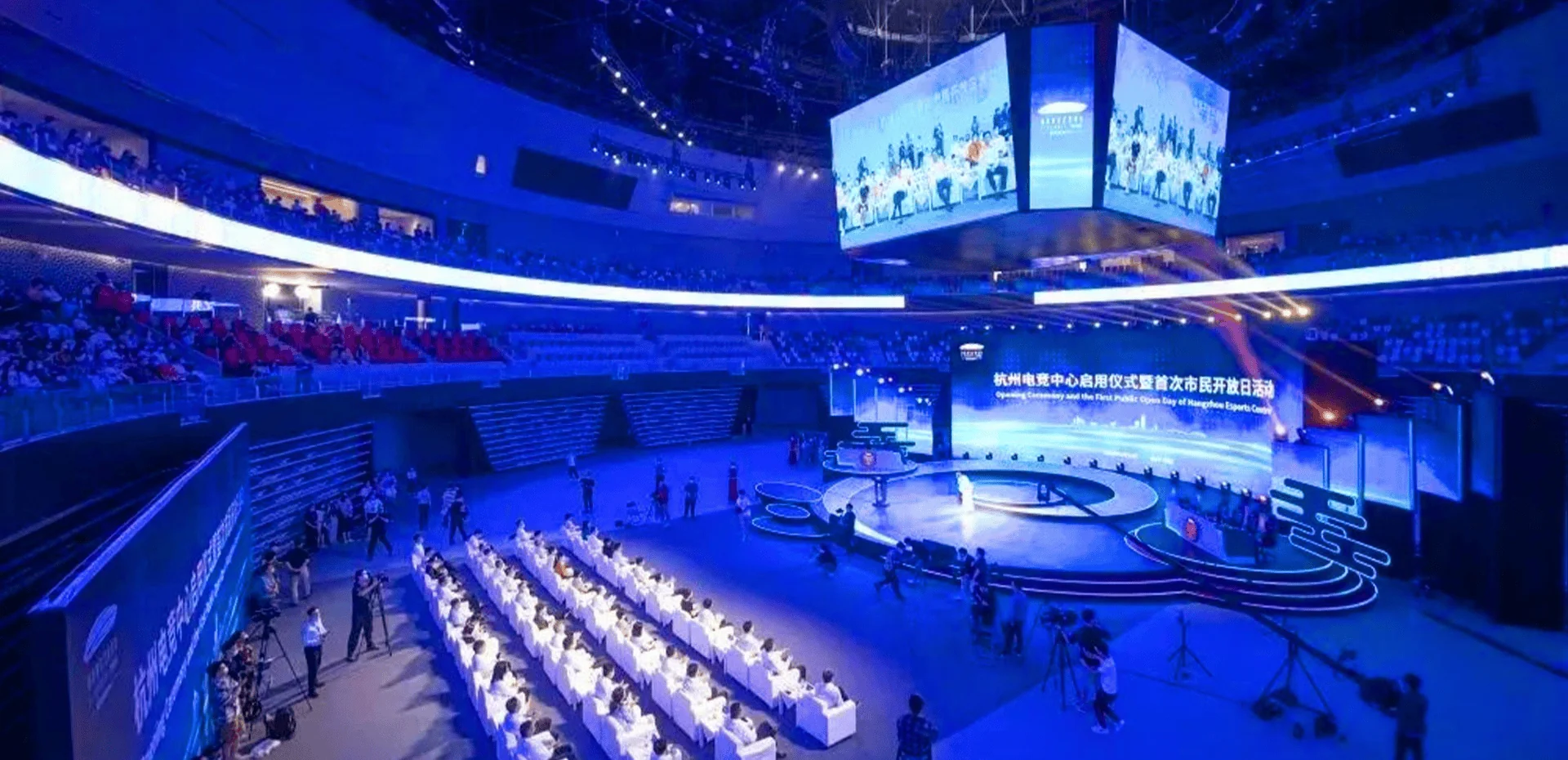
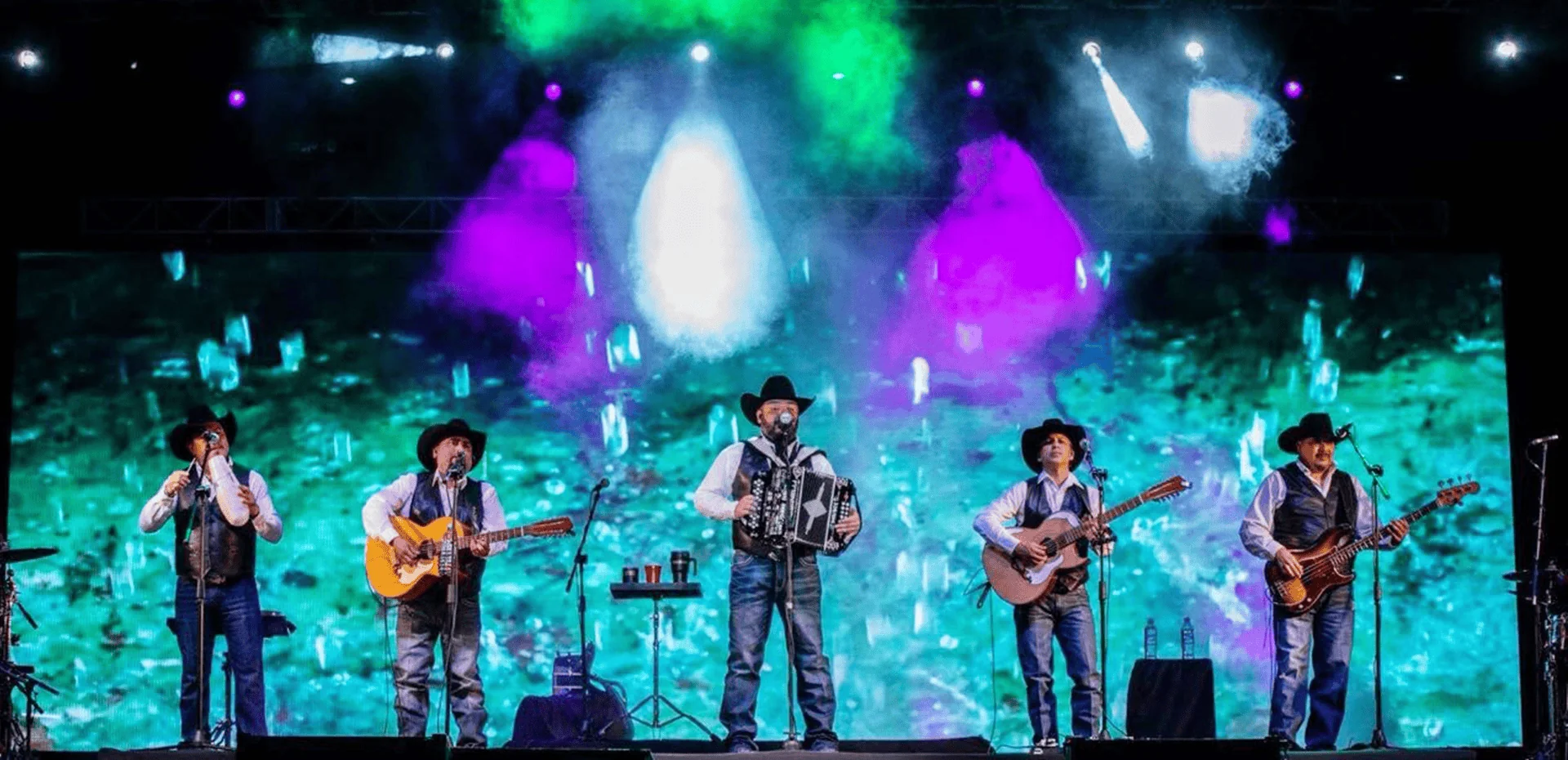
Imagine hosting a stadium event or coordinating a city-wide advertising campaign. You rely on multiple outdoor LED display screens to deliver a unified message. However, a slight playback delay across different displays can shatter the immersive experience. Visual latency not only frustrates audiences but also diminishes the professional impact of your content.
Achieving reliable synchronization requires a combination of robust hardware, precise signal routing, and advanced control systems. For engineers, project contractors, and event organizers, solving this technical puzzle is critical. In this guide, we will explore practical methods to reduce latency and keep your visual setups running under any demanding conditions.
The Root Causes of Screen Desynchronization
To solve playback delays, you first need to understand why they happen. A common cause is signal transmission latency. When video data travels over long distances, transmission latency and differences between signal paths can contribute to timing mismatches.
Another major factor is hardware processing time. If you use video processors or receiving cards from different manufacturers, they may decode frames at varying speeds. Even a discrepancy of a few milliseconds will become highly visible to the human eye, especially during fast-moving video.
Software misconfigurations also play a hidden role. If the software mapping the display coordinates is not improve d, the control system might process data sequentially instead of simultaneously. This creates a cascading delay effect across chained panels.
Lastly, unstable power supplies and environmental interference can disrupt signal integrity. For an outdoor LED display, extreme weather or electromagnetic interference from nearby heavy equipment can cause data packet loss, leading to stuttering or out-of-sync playback.
Hardware Strategies for Your Outdoor LED Display
Building a lag-free network starts with premium hardware infrastructure. For long-distance outdoor transmission, fiber-optic links can be a suitable option when the distance, bandwidth, or electromagnetic environment makes them preferable to copper-based links. Fiber optics support bandwidth and transmit data at the speed of light, virtually eliminating signal decay.
Next, invest in high-quality video processors and synchronous sending boxes. These devices act as the centralized brain of your display network. They distribute the video signal to connected receiving cards using a coordinated timing structure, helping multiple displays update consistently.
Furthermore, you should standardize your internal components. Ensure every screen in your network uses the exact same model of receiving cards. Mixing different brands or generations of hardware often introduces processing bottlenecks and firmware conflicts.
Implementing Genlock and Frame Sync Technology
For professional broadcast and mega-events, basic networking is sometimes not enough. This is where Genlock (generator locking) technology becomes essential. Genlock provides a master reference signal that dictates the exact timing for every single frame of video.
By feeding a Genlock signal into your media server and video processors, you force all devices to operate on the exact same clock. This backs that multiple screens refresh simultaneously, reducing tearing and playback delays.
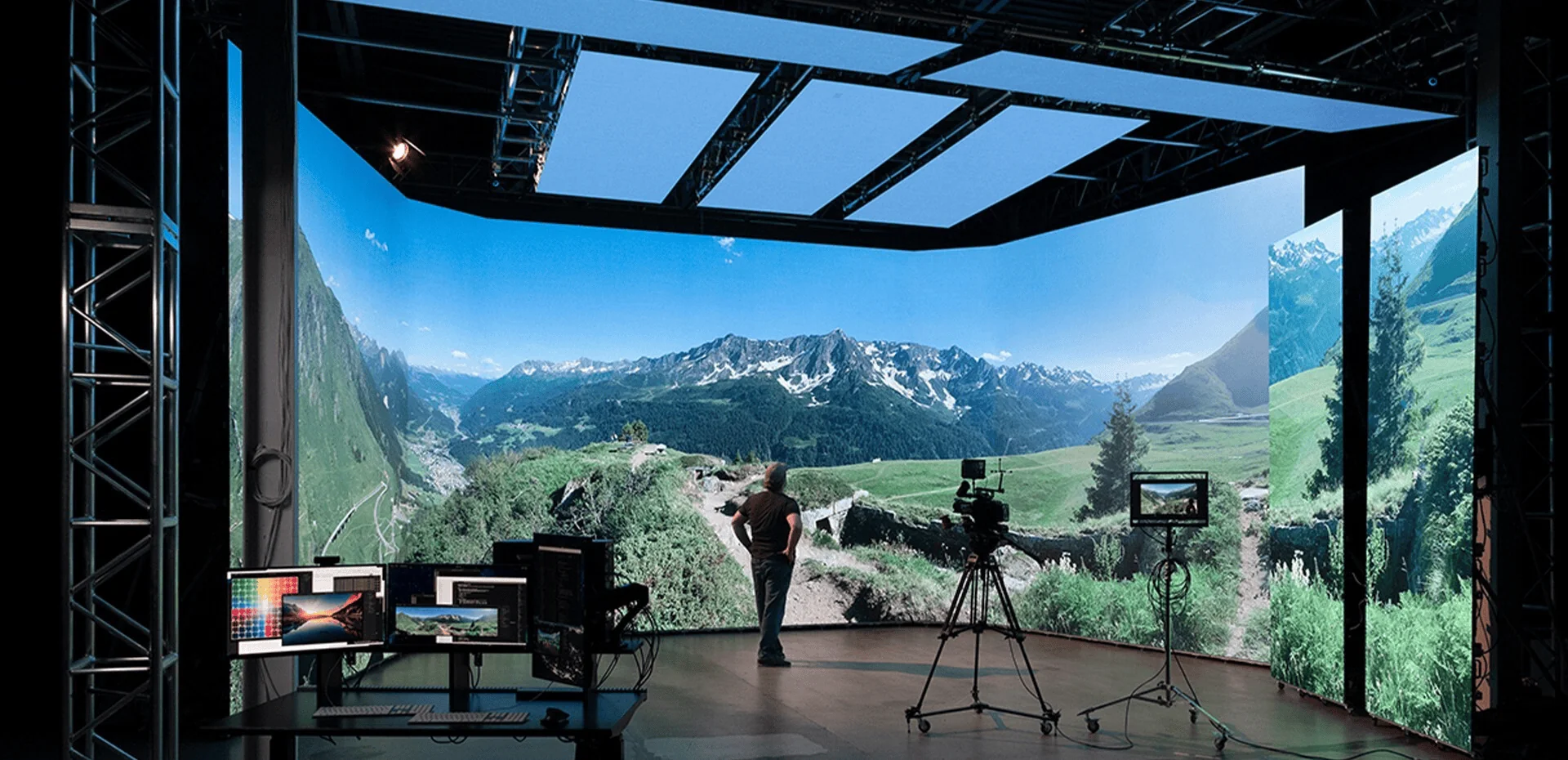
This technology is especially crucial when live cameras are involved. When the camera shutter speed reliably aligns with the synchronized refresh rate of the screens, the resulting broadcast footage looks flawless, without any flickering or scan lines.
Modern smart control systems also allow for real-time monitoring. Technicians can use cloud-based platforms to track the latency status of each screen. If a network node experiences a delay, the system can automatically adjust routing to maintain synchronization.
How LEDFUL Supports High-Quality Display Synchronization
At LEDFUL, we understand that our clients need reliable, plug-and-play solutions for complex projects. Whether you are installing digital signage across a city or setting up a sports arena, we provide customized control systems tailored to your specific infrastructure.
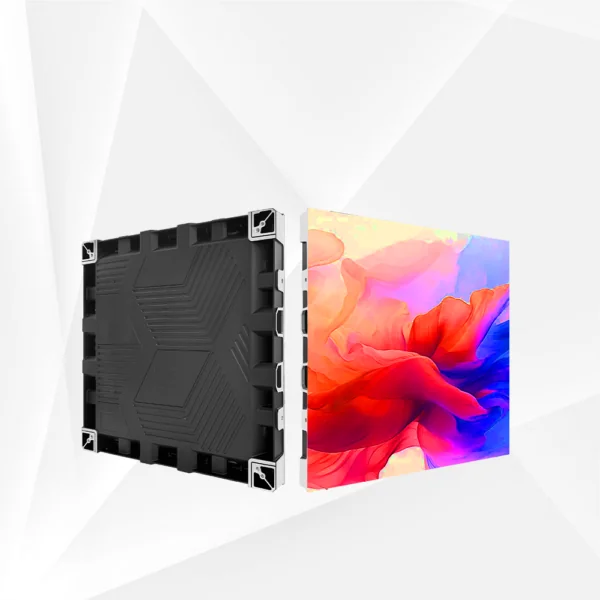
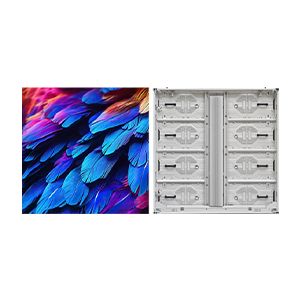
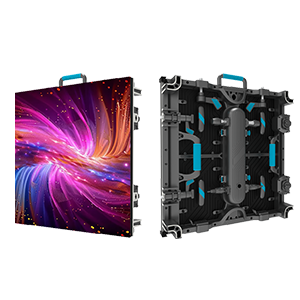
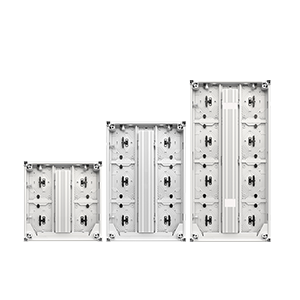
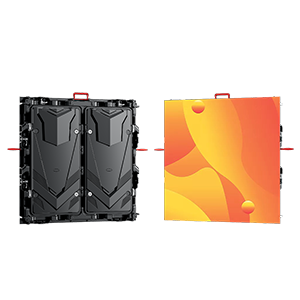
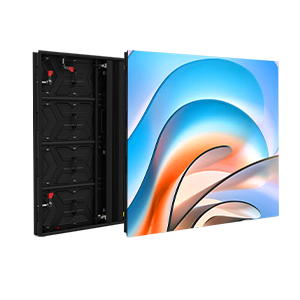
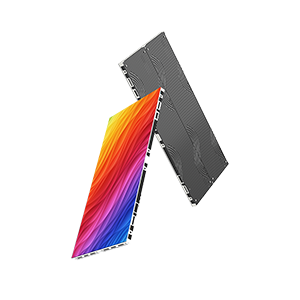
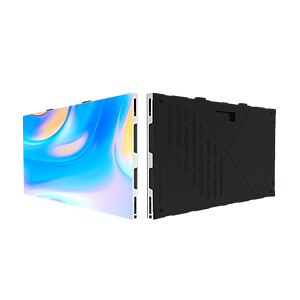
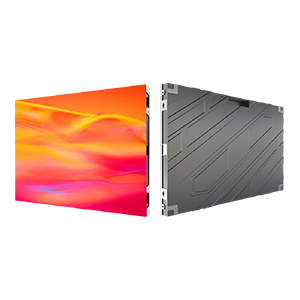
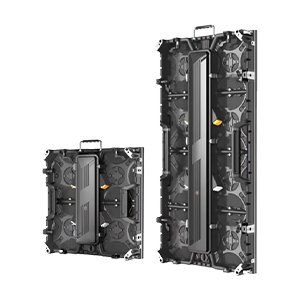
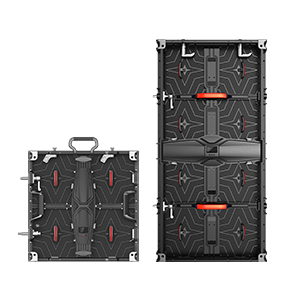
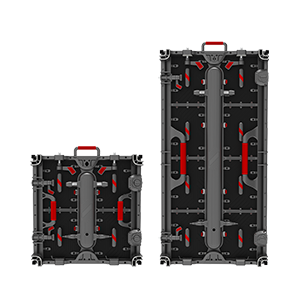
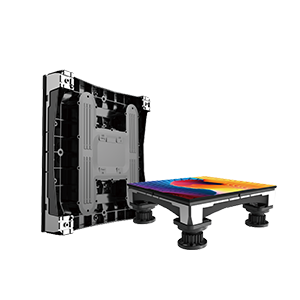
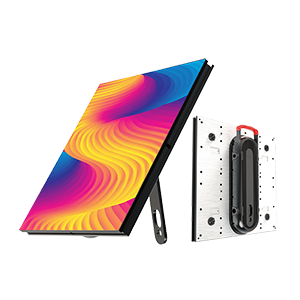
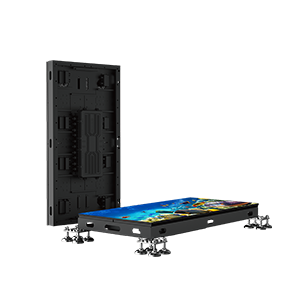
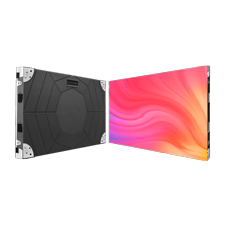
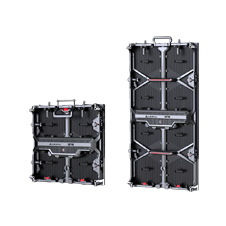
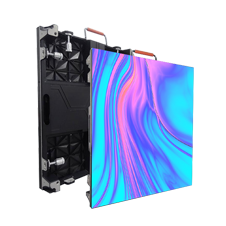
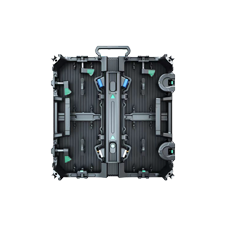
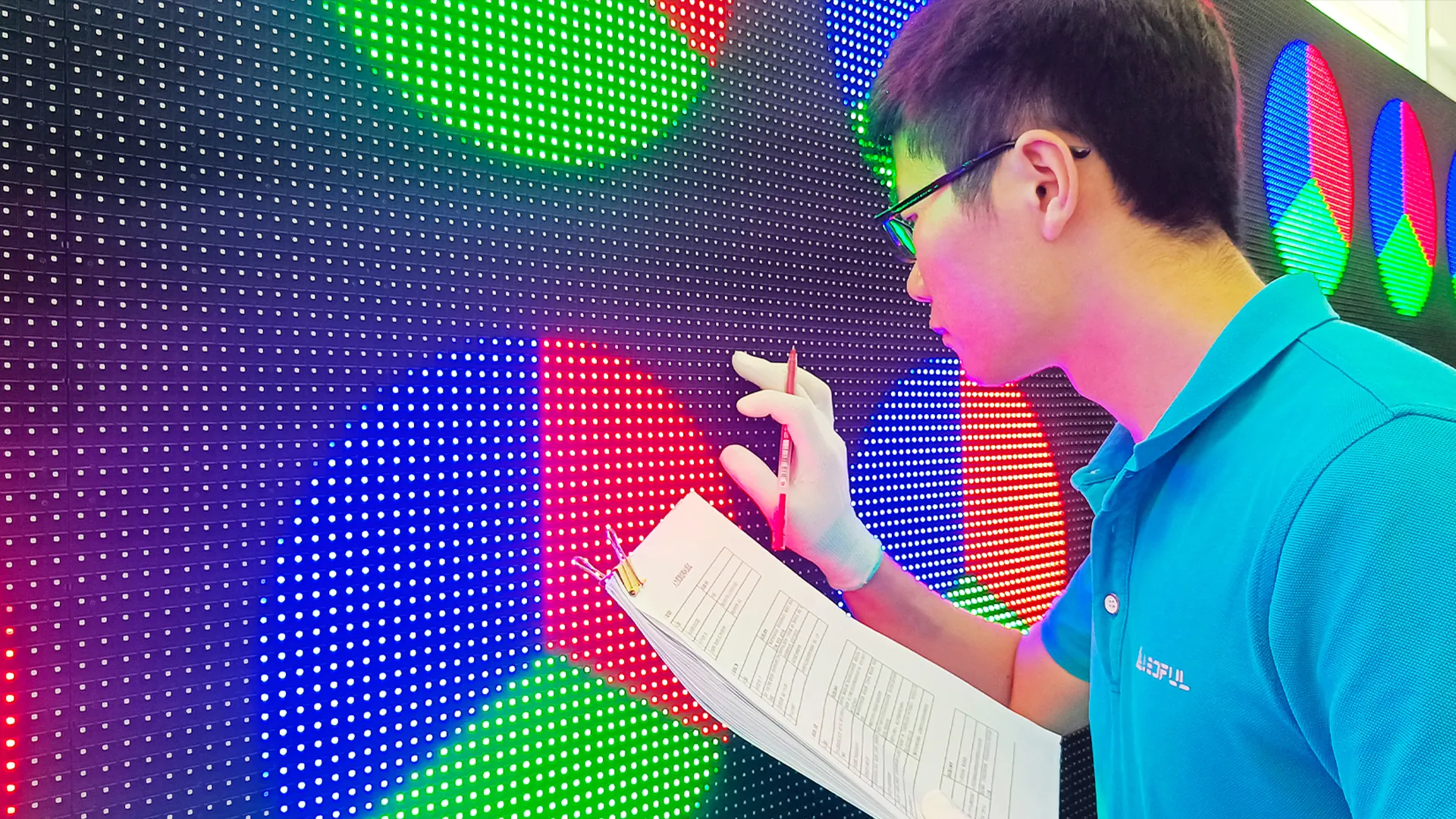
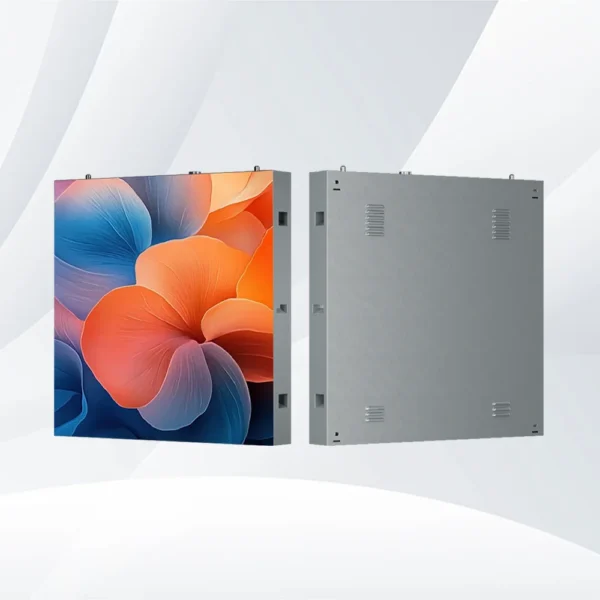
Our FA series outdoor displays are paired with robust synchronous control systems to support stable multi-screen synchronization. With a 3840Hz refresh rate and front & rear dual service access, the FA series is designed for outdoor fixed installations where reliable signal distribution across multiple screens is required. Its IP65-rated iron cabinet with customized sizing provides flexibility for large-scale outdoor projects.
We do more than just manufacture hardware. We provide comprehensive project matching solutions, including effective fiber optic network layouts and synchronized processing units. Our experienced engineers work closely with your team to design a custom signal topology.
By actively mapping out the most efficient data paths, we decrease latency at the architectural level. This approach helps multiple displays maintain closely synchronized playback when the signal network is properly designed.
Installation Best Practices for Long-Term Stability
Even the most effective technology can fail if installed incorrectly. Always plan your cable routing meticulously. Keep signal cables separated from heavy-duty power lines to prevent electromagnetic interference. This simple step preserves signal purity and prevents unexpected synchronization dropouts.
Utilize a closed-loop redundancy system during setup. By connecting your screens in a circular network architecture, the data signal can travel in both directions. If one cable is accidentally severed, the backup path instantly takes over.
Finally, maintain proper temperature control for your external control units. While our displays are built to withstand harsh weather, extreme ambient heat can sometimes slow down control room hardware. Ensure that your server rack has adequate ventilation.
Partnering for High-Quality Visual Experiences
Synchronizing multiple screens is a technical challenge, but with the right knowledge and equipment, it is manageable. By prioritizing fiber optic transmission, standardizing hardware components, and utilizing frame sync technology, you can deliver spectacular, unified presentations.
From initial technical consultation to final site installation, we are here to support your ambitious projects. We back our products with comprehensive warranty coverage and flexible order quantities, complemented by free tailored project solutions.
Are you ready to upgrade your next outdoor project with reliable synchronized displays? Reach out to our dedicated team today for a custom technical evaluation. We are excited to help you create unforgettable, integrated visual environments.