
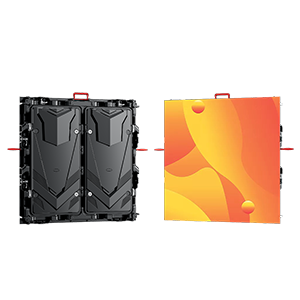
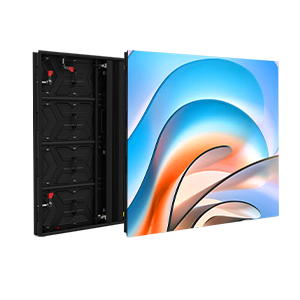

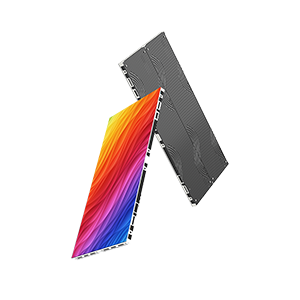

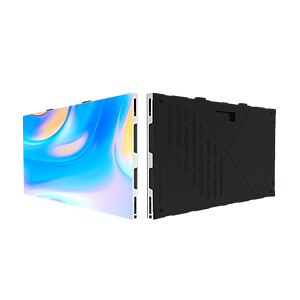











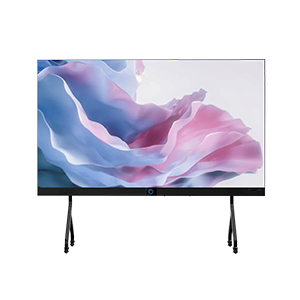







































Corporate boardrooms, broadcast studios, and luxury retail centers rely on immaculate visual presentations to captivate audiences. When you invest in a high-definition indoor LED display, you are purchasing a premium digital asset engineered for rigorous pixel perfection. This hardware should deliver stunning clarity to justify the capital expenditure.
However, the commercial lifespan of this visual asset is not backed merely by its initial factory specifications. Hardware longevity relies on proactive, rigorous upkeep to prevent premature diode degradation, electrical failures, and subtle color shifting over years of continuous operation.
Thermal Management and Heat Dissipation
Sub-viewpoint: Ambient temperature dictates the decay rate of light-emitting diodes and internal power units.
Even highly efficient internal components generate concentrated heat during maximum brightness operations. If this thermal energy remains trapped within the cabinet, the semiconductor junctions degrade rapidly. This trapped heat durably destroys color fidelity, warps plastic housings, and severely accelerates hardware depreciation over time.
Supporting Example: Facility managers should rigorously regulate the ambient room temperature through dedicated HVAC integration.
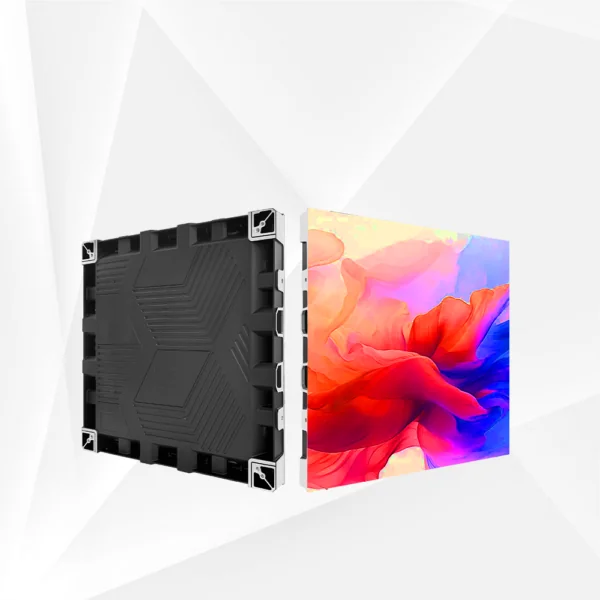
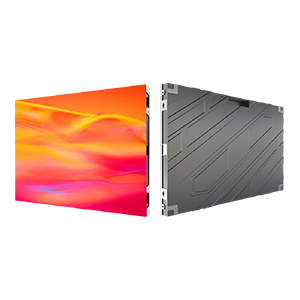
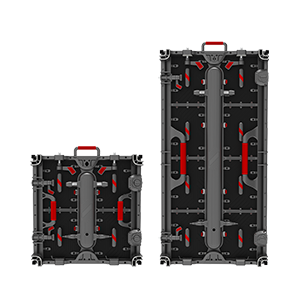
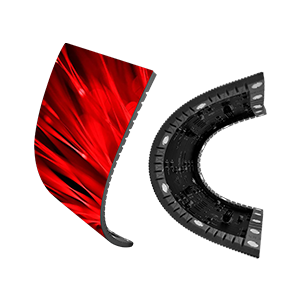
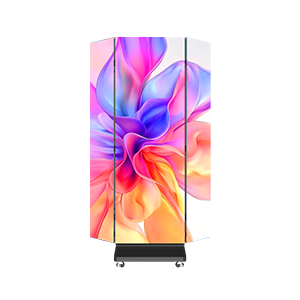
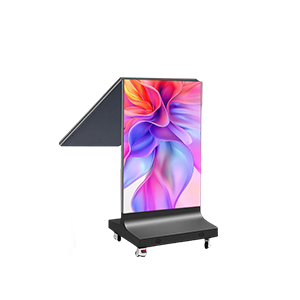
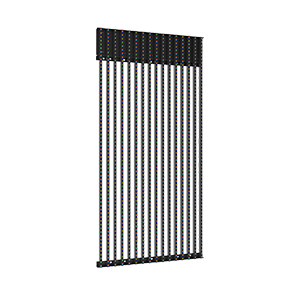
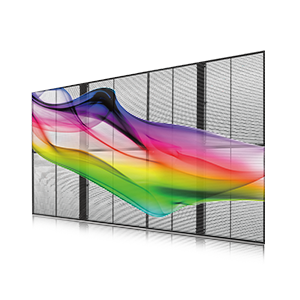
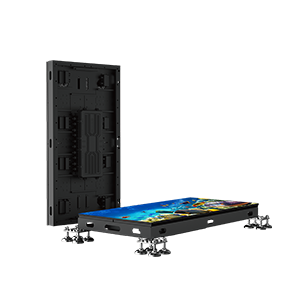
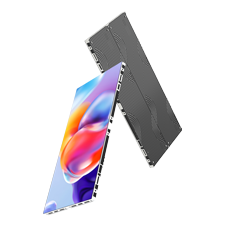
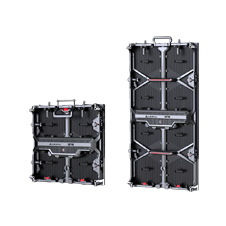
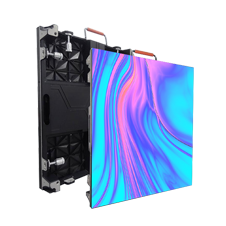
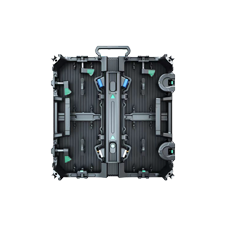
When operating specialized hardware like our IF series, which features strong heat dissipation capabilities in an extremely thin profile, adequate room ventilation prevents the control cards from thermal throttling during high-demand broadcast events.
Electrical Sequencing and Power Purity
Sub-viewpoint: Sudden electrical spikes are the leading cause of catastrophic receiving card failures.
Turning on an entire digital canvas simultaneously triggers a inrush current. This aggressive electrical surge can overload local circuit breakers. It can instantly fry the microscopic driver ICs governing the pixel grid, causing immediate operational downtime.
Supporting Example: Implementing a staggered power-on sequence reduces this critical electrical threat.
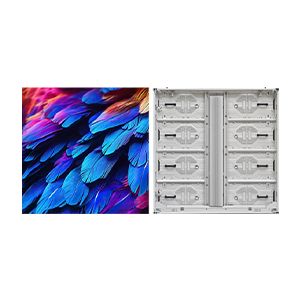
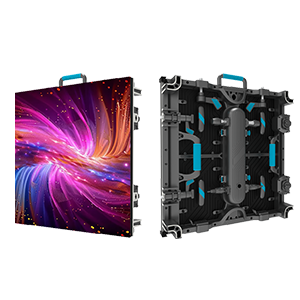
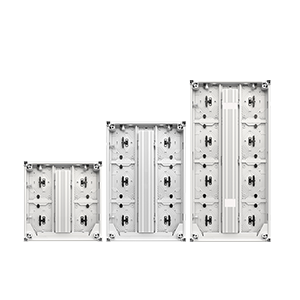
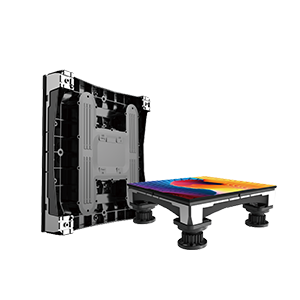
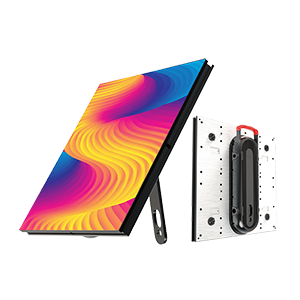
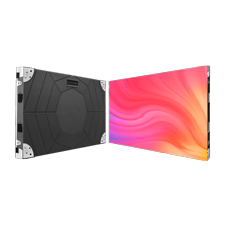
For indoor display maintenance, our IF series is designed with service-friendly features that support routine upkeep. With accessible module design and stable thermal performance, the IF series helps maintenance teams address color calibration and component checks efficiently. Its indoor-optimized construction supports the controlled environment conditions that are important for long-term display reliability in conference rooms, control centers, and commercial spaces
Controlling Humidity and Dust Ingress
Sub-viewpoint: Microscopic moisture and airborne particulates slowly corrode unprotected printed circuit boards over time.
Many project contractors mistakenly assume that indoor environments reduce all weather-related hardware risks, ignoring the silent threat of internal condensation.
High-humidity environments, such as newly constructed retail lobbies, underground subway stations, or transit hubs, require strict dehumidification routines.
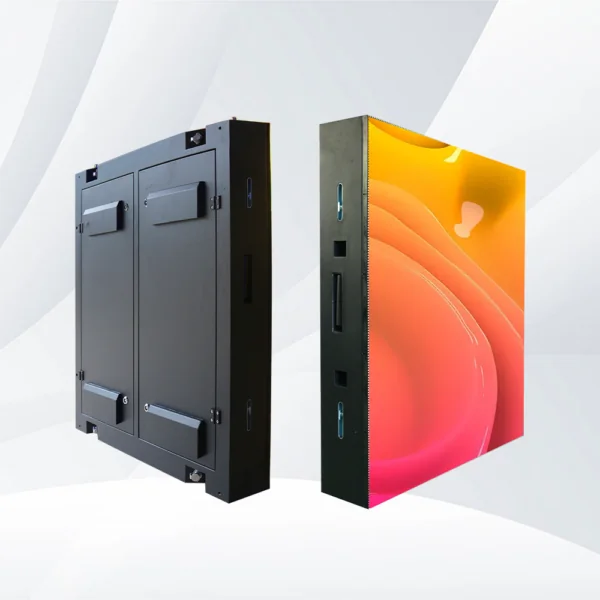
If a screen sits dormant in a humid environment for an extended period, condensation can form on internal components. To address this, operators should gradually increase brightness from a low level, allowing the display to warm up before full operation. Sourcing a well-sealed indoor LED display helps reduce this environmental vulnerability from the factory floor.
Specialized Physical Surface Cleaning
Sub-viewpoint: Improper physical cleaning agents destroy the delicate optical coating on pixel modules and induce short circuits.
Janitorial staff often apply standard glass cleaners, ammonia-based sprays, or wet rags to digital screens. They fail to realize the severe chemical damage this inflicts on the external diode masks. Liquid seeping into the module edges will immediately corrode the microscopic soldering joints underneath.
Supporting Example: Employing anti-static brushes and dedicated isopropyl alcohol solutions preserves the hardware’s anti-glare properties.
Wiping the surface with abrasive materials generates static electricity, which can instantly short out an exposed diode upon contact. Technicians should gently sweep the surface with dedicated tools, ensuring the physical face of the screen remains pristine without risking mechanical shorts.
Routine Optical Calibration and Software Audits
Sub-viewpoint: Hardware maintenance should be paired with digital software alignment to preserve uniform visual clarity.
Over years of continuous commercial use, natural diode aging causes subtle shifts in RGB wavelengths. Without technical intervention, this physical depreciation creates a patchy, uneven image. This mosaic effect ruins the commercial viewing experience and devalues the digital space.
Supporting Example: Scheduling annual point-by-point software calibration rectifies this physical hardware drift.
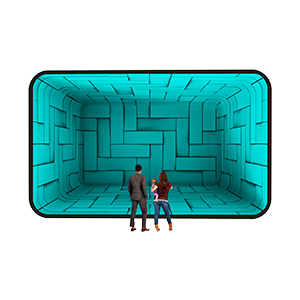
By utilizing specialized optical cameras to remeasure light output, technicians can generate a new compensation matrix. This data is fed back into the control system, forcing the aging diodes to display uniform colors. For complex, curved installations utilizing our IF series, maintaining this digital calibration preserves its stunning visual flatness and uniformity.
Partnering for Long-Term Asset Protection
Sub-viewpoint: Effective maintenance requires immediate access to identical spare parts from the original manufacturing run.
If a cluster of pixels suffers mechanical damage, replacing it with a module from a different production batch creates a glaring optical mismatch.
Supporting Example: The foundation of hardware upkeep is selecting a technically proficient LED display supplier.
At LEDFUL, we protect your commercial investment long before the physical installation ever begins. We mandate single-batch spare modules with every project, ensuring reliable color matching for all future repairs. We support our clients with comprehensive project matching solutions, complimentary technical consultation, and highly responsive after-sales service.
Securing maximum financial yield from your high-value digital infrastructure demands far more than just occasional dusting. Every component requires systematic care.
By enforcing strict thermal controls, pure electrical sequencing, and routine optical calibration, you extend the profitable lifespan of your visual network. These practical steps prevent premature component failure. We stand behind our products with solid warranty protection and reliable after-sales support, including free professional consultation.
Reach out to our dedicated engineering team today to design a durable, improved digital asset for your commercial space.