













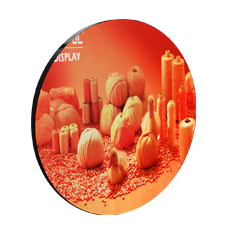
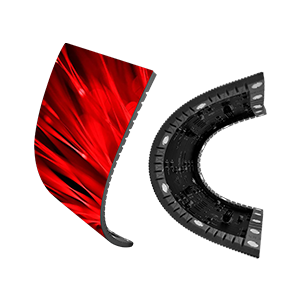
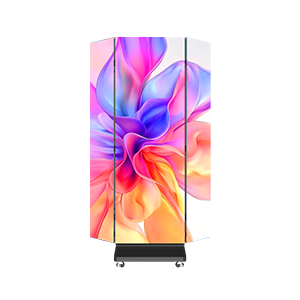
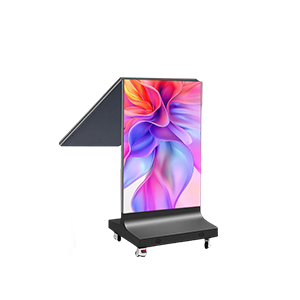
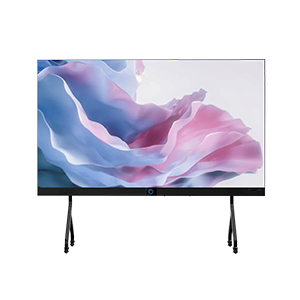


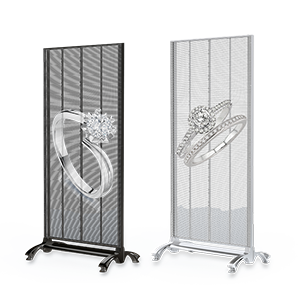
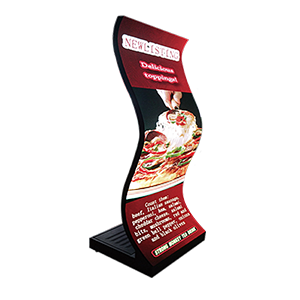


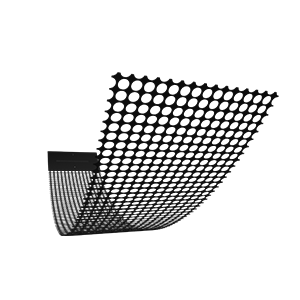



































Imagine spending thousands of dollars on a stunning digital centerpiece for a busy retail lobby, only to have a carelessly swung backpack shear off a cluster of pixels on opening day. Physical damage is the silent margin-killer for commercial digital networks. When deploying an indoor full color LED display in high-traffic environments, engineers face a critical structural decision regarding the physical vulnerability of the diodes.
The choice largely boils down to the packaging method used for the pixels themselves. Should contractors rely on the industry-standard Surface Mounted Device (SMD) technology, or upgrade to the heavily armored Glue on Board (GOB) manufacturing process? Understanding the mechanical differences between these two packaging methodologies is essential for protecting your capital expenditure against everyday environmental hazards.
The Mechanical Reality of Traditional SMD Technology
Standard SMD manufacturing has dominated the digital signage industry for over a decade.
In this process, individual diodes are soldered onto the printed circuit board with microscopic precision. This exposed architecture delivers incredible visual clarity, high brightness, and excellent heat dissipation. Because there is no barrier between the light source and the viewer, the color fidelity and viewing angles remain unobstructed.
However, this exposed structural design creates a significant physical vulnerability.
The microscopic solder joints holding each pixel are fragile. A minor physical impact—such as a misplaced cleaning cart or a curious pedestrian touching the screen—can easily dislodge a diode. For ground-level indoor LED displays, this mechanical weakness leads to frequent dispatch calls for technicians to replace dead pixels, steadily driving up long-term operational costs.
The Armored Defense of GOB Manufacturing
GOB technology fundamentally alters the physical defense mechanism of the hardware.
After the standard SMD soldering process is comprehensive, engineers pour a layer of highly transparent, advanced optical epoxy resin over the entire module surface. Once cured, this custom glue encapsulates the diodes, transforming the fragile pixel array into a solid, impenetrable block.
This hardened shield delivers exceptional physical resilience.
The epoxy layer absorbs blunt force impacts, preventing individual diodes from being knocked off the printed circuit board. Furthermore, it seals the microscopic electronics from moisture, dust, and corrosive airborne particles. This comprehensive shielding reduces the mechanical failure rate, extending hardware lifespan in chaotic environments.
Analyzing the Trade-offs in Visual and Thermal Performance
While physical armor is crucial, project managers should carefully evaluate how this epoxy layer affects overall optical performance.
A poorly manufactured GOB screen can suffer from subtle visual degradation. If the optical resin is not formulated, it can cause slight yellowing over time or trap microscopic air bubbles during the curing process. This refracts the light, slightly altering the contrast ratio compared to the pure, unobstructed emission of a standard SMD screen.
Thermal management also shifts under this protective layer.
Encasing diodes in resin slightly restricts standard air cooling. Premium manufacturing is required to support the base board can aggressively wick heat away from the encapsulated pixels. Without superior driver ICs and thermal engineering, an encapsulated screen may depreciate faster due to trapped internal heat.
Maintenance protocols present another distinct operational contrast.
Repairing a standard SMD pixel requires a technician to simply use a hot-air gun, melt the microscopic solder, and swap the diode in seconds. Repairing a GOB module is more complex. Technicians should carefully carve away the hardened optical resin to access the diode, swap it, and reseal the surface to maintain waterproofing. This complexity increases off-site repair times.
Aligning Hardware with High-Traffic Commercial Scenarios
Selecting the appropriate pixel packaging strictly depends on the physical accessibility of the commercial installation.
If you are mounting a digital canvas high above a sports arena concourse or inside a secure corporate boardroom, standard SMD technology is highly effective. The screen remains safely out of reach from human interaction, allowing you to improve pristine optical clarity and excellent thermal venting without the premium cost of an epoxy shield.
Conversely, interactive retail facades and ground-level subway installations demand robust physical shielding. Here, the immediate threat of impact damage vastly outweighs any subtle optical trade-offs, making the hardened resin shield a rigorous necessity.
Financial officers should weigh these varying maintenance costs against the probability of initial physical damage.
Public transit hubs face near-certain mechanical impacts from luggage or vandalism. In this specific ecosystem, the higher initial procurement cost of encapsulated modules is easily offset by avoiding daily dispatch calls for broken pixels. The armored surface acts as a financial safeguard for your continuous advertising revenue.
How LEDFUL Engineers Superior Visual Resilience
Matching structural defense to your specific commercial scenario is our core expertise.
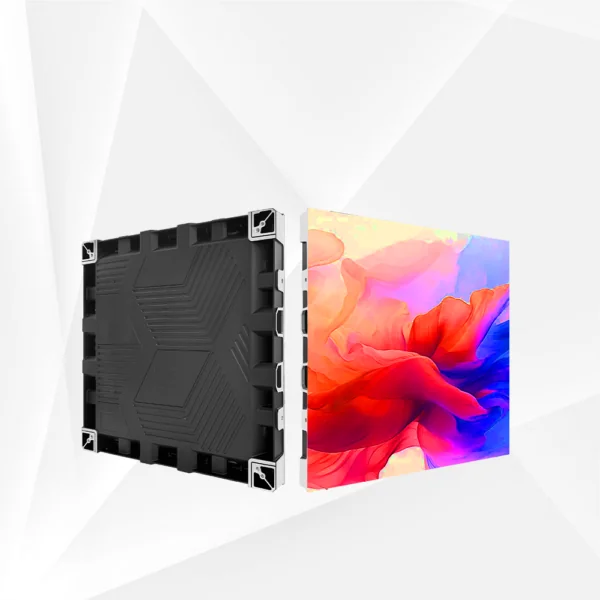
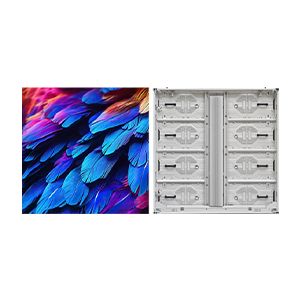
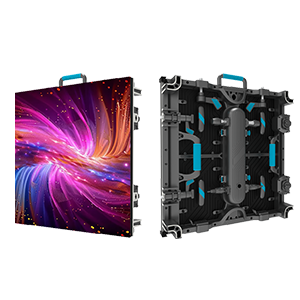
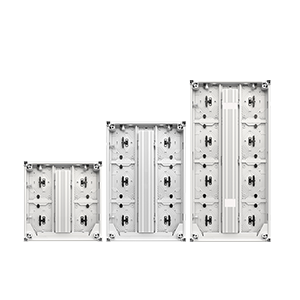
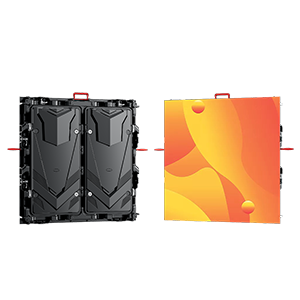
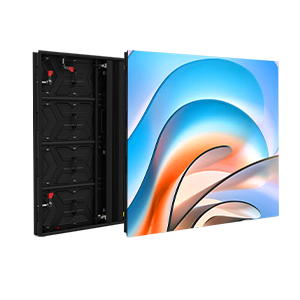
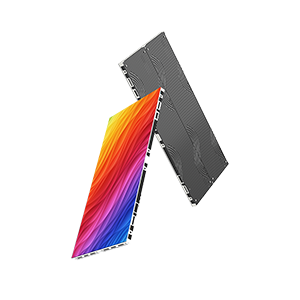
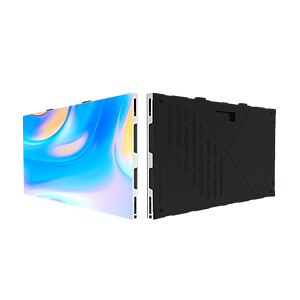
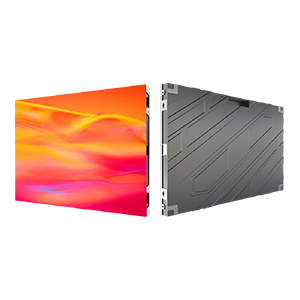
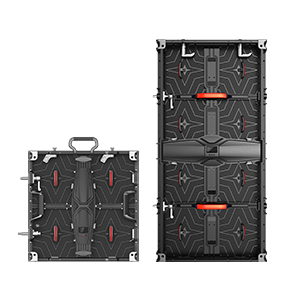
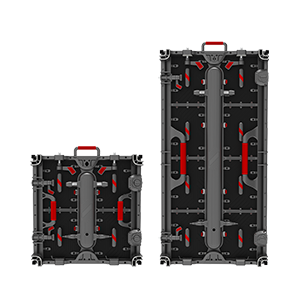
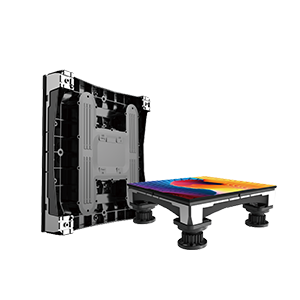
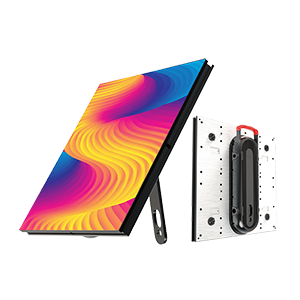
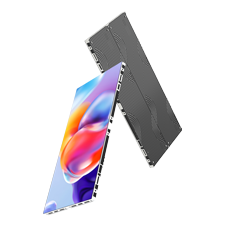
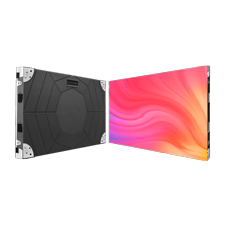
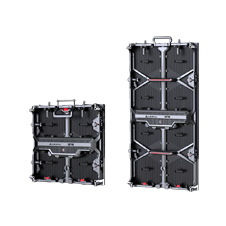
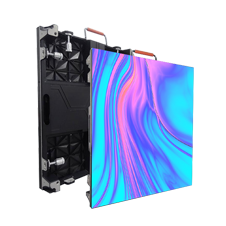
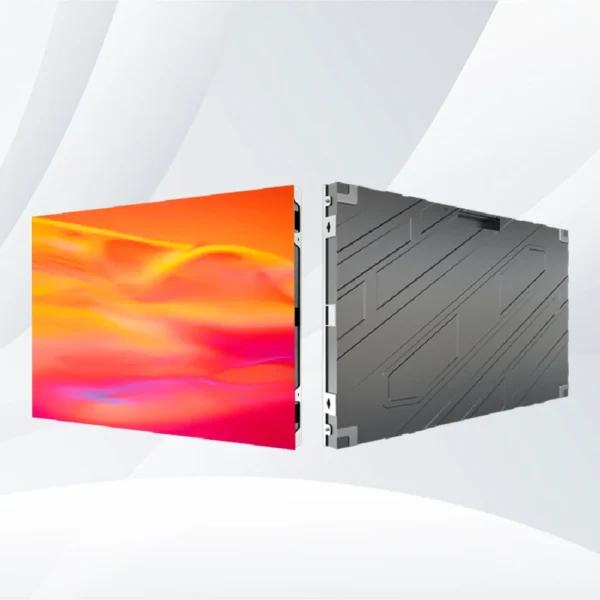
At LEDFUL, we engineer highly resilient visual solutions tailored to your exact architectural demands. Our BM series, featuring an incredibly thin and lightweight profile with an integrated back frame, provides a stunning, high-flatness canvas for secure, high-altitude installations where high-quality optical purity is paramount.
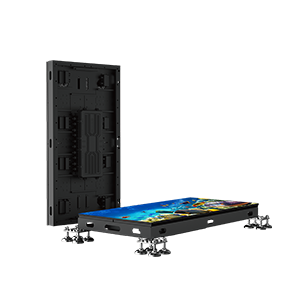
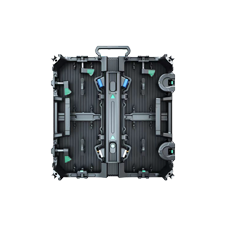
For indoor installations evaluating GOB and SMD technologies, our BM series provides a reliable indoor display platform. With die-cast aluminum construction and support for various pixel packaging configurations, the BM series suits indoor environments where durability and consistent image quality are priorities. Its lightweight design and flexible installation options make it adaptable to conference rooms, retail spaces, and auditoriums.
We protect your commercial procurement strategy with tangible, long-term backs.
We back our products with comprehensive warranty coverage and flexible order quantities, complemented by free tailored project solutions. Do not let unexpected physical damage compromise your commercial ad revenue. Contact our expert engineering team today for a free technical consultation, and let us design a customized, highly durable visual network.