


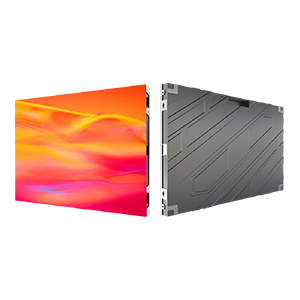

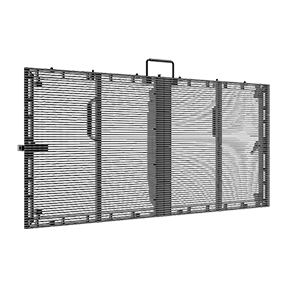
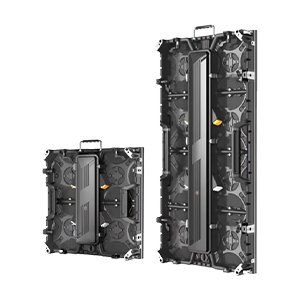
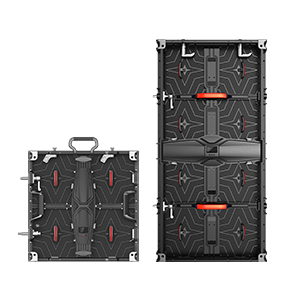




























Imagine securing a prime advertising location on a skyscraper, only to realize there is no physical space behind the structure for routine technical repairs.
Choosing between front and rear servicing access is a defining structural decision for any digital signage project. Selecting the inappropriate mechanical design can inflate future labor costs and complicate architectural engineering. For system integrators and contractors, understanding the physical differences between these two access methods is critical before investing capital in outdoor LED display panels.
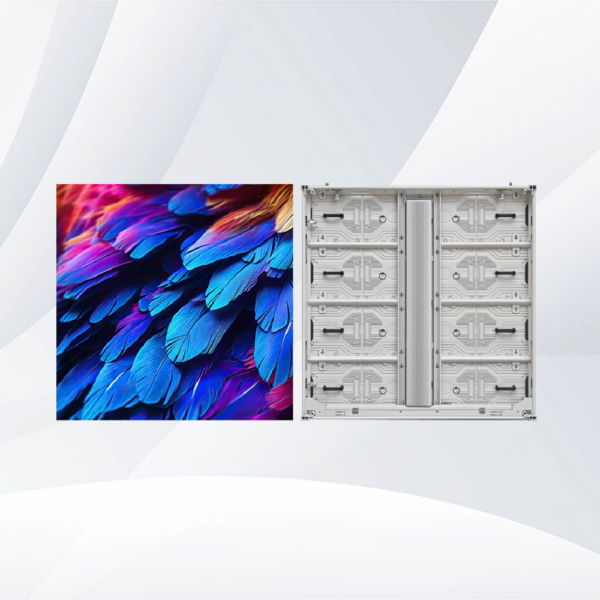
The Mechanics of Rear Access Architecture
Rear access remains the traditional structural standard for large-scale digital billboards.
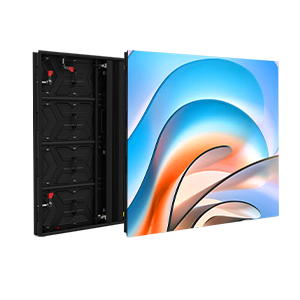
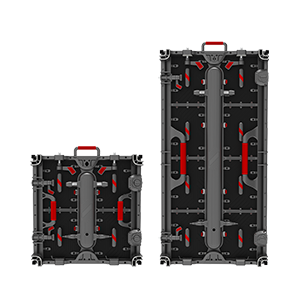
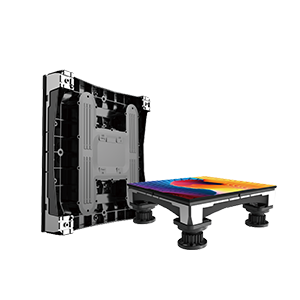
In this configuration, technical crews open cabinet doors from behind to swap out power supplies, receiving cards, or data cables. This method requires sufficient access space behind the screen, which may take the form of a maintenance platform, service corridor, or other suitable access arrangement.
The primary mechanical advantage here is unhindered physical leverage.
Engineers have ample room to diagnose complex electrical routing issues safely. They can replace internal components without removing the fragile diode modules located on the viewing side. A rear service corridor may provide additional ventilation space when the installation is properly designed. The hollow servicing corridor provides an air cavity for thermal venting, keeping the internal electronics cool during scorching summer afternoons.
Effective thermal management can support the long-term reliability and operating life of LED components. It reduces the strain on internal cooling fans, making rear-access designs incredibly reliable for long-term highway installations or rooftop billboards facing direct, punishing sunlight daily.
The Advantages of Front Serviceable Modules
Urban commercial real estate is notoriously expensive.
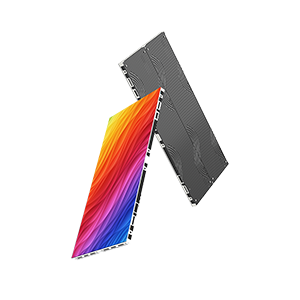
Leaving a two-foot structural gap behind a screen is often architecturally impossible on crowded city streets. Front-accessible designs reduce the need for rear corridors. Specialized T-handle tools or motorized magnetic suction devices allow maintenance crews to extract individual pixel modules from the viewing face of the outdoor LED display screen.
This engineering breakthrough dramatically slashes the overall physical footprint of the installation.
Wall-mounted commercial screens, retail facades, and low-level transit displays benefit immensely from this flush-mounting approach. The structural cabinet can be bolted against a solid concrete wall. This reduces heavy steel framework costs and simplifies the initial structural engineering calculations required for city permits.
Front-access modules can often be replaced more quickly, depending on the cabinet structure and service tools. The technician simply applies the suction tool, pulls the module forward, unclips the data cable, and inserts a replacement. This rapid component swapping decreases display downtime, ensuring that expensive commercial advertising campaigns remain active and visually high-quality.
Analyzing Waterproofing and Cost Trade-offs
While front extraction saves valuable physical space, it introduces distinct engineering challenges.
Waterproofing a front-serviced cabinet demands extremely tight manufacturing tolerances. Every removable module should feature premium silicone sealing rings to prevent rainwater ingress. Because the modules may need to be removed and replaced from the weather-facing side during maintenance, the locking mechanisms should remain reliably sealed over years of operation. This precise CNC machining slightly increases the initial manufacturing cost.
Conversely, rear-serviced cabinets are generally more budget-friendly upfront.
The weather-facing front side remains permanently sealed, while the rear doors utilize simple but highly effective rubber gaskets. However, project managers should carefully calculate the secondary costs of constructing that rear steel catwalk. The price of extra structural steel and specialized high-altitude safety rigging can quickly offset the cheaper initial hardware costs of the cabinets themselves.
When evaluating total operational expenses, labor efficiency plays a role. Front repairs generally require fewer technicians and less specialized climbing gear. Rear repairs might require certified high-altitude workers for rooftop billboards, significantly driving up hourly maintenance fees.
Aligning Hardware with Specific Business Scenarios
Matching the exact mechanical design to the physical environment dictates long-term commercial success.
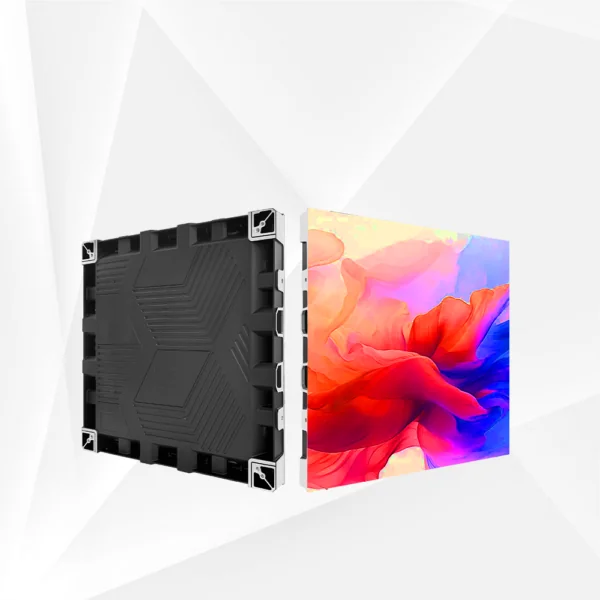
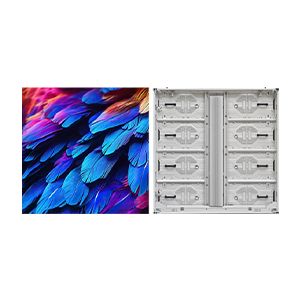
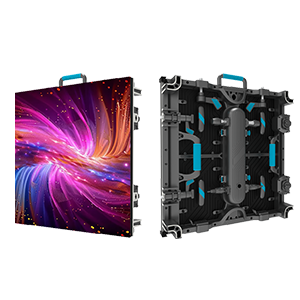
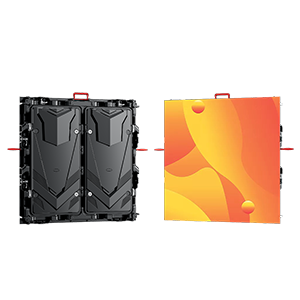
At LEDFUL, we engineer both architectural types to meet stringent professional requirements. For highway billboards or stadium perimeters where physical space is abundant, our FS PRO series offers highly efficient rear access. The energy-saving design paired with robust rear servicing supports rapid diagnostics and superior stability during high-stakes events.
Long-term outdoor installations face brutal weather cycles. A dedicated rear maintenance corridor provides technicians with a safe, sheltered environment to perform physical upkeep during heavy rain or wind. This architectural choice decreases weather-related servicing delays, ensuring your network remains highly profitable.
We recognize that modern street-level retail demands a much sleeker visual profile.
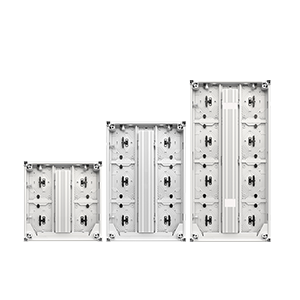
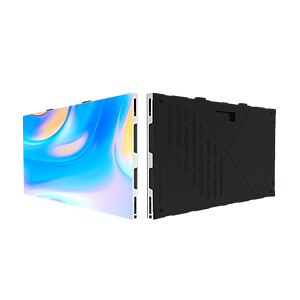
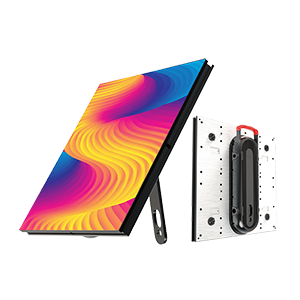
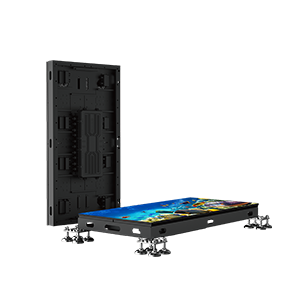
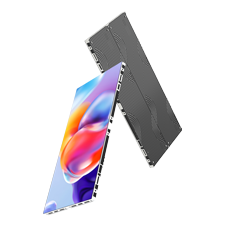
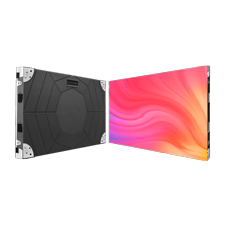
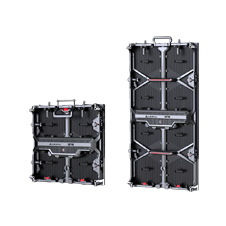
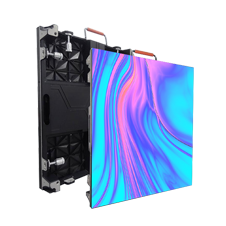
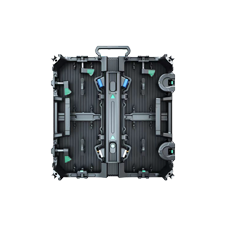
Our FS PRO 500×250 series is purpose-built for outdoor front and rear maintenance scenarios. Featuring full front service capability with cable-free design and die-cast aluminum 250x250mm modules, this series allows maintenance access from the viewing face when rear space is limited.
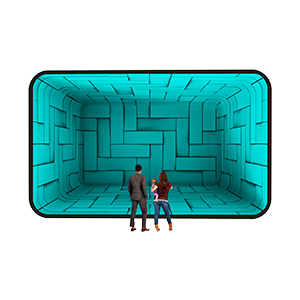
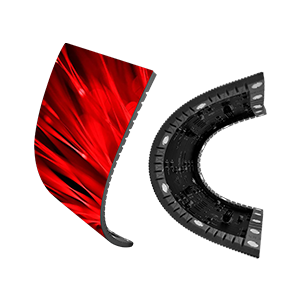
With common cathode energy-saving technology and IP66 dustproof and water-ingress protection, it suits both flush-mounted street-level installations and rear-access highway billboards. The corner cabinet option supports right-angle and arc splicing for creative outdoor layouts.
Selecting an Experienced LED Display Factory
The structural upkeep of a digital canvas should never be an afterthought.
Whether your commercial project demands the well-integrated flush mounting of front-accessible modules or the rugged, highly ventilated accessibility of a rear-maintenance corridor, precision engineering is non-negotiable. Partnering with a proven hardware manufacturer ensures that your structural design aligns reliably with your operational capabilities. Buyers comparing production capabilities, quality control, customization, and technical support can also consult our guide to leading LED display manufacturers in China.
As an experienced LED display factory, we provide comprehensive project matching solutions. We help project contractors and engineers calculate structural loads, analyze thermal dynamics, and evaluate labor efficiency before finalizing any architectural design. We support our global commercial partners with a low minimum order quantity of just one square meter, ensuring flexibility for projects of any scale.
Customizing the reliable structural solution is our core expertise. Reach out to our dedicated technical team today for a free professional consultation. Let us help you design a stunning digital asset that is as effortless to service as it is captivating to your target audience.