







































Operating digital billboards in fluctuating weather conditions presents a unique challenge for complex multi-screen deployments. Direct sunlight typically requires higher display brightness for clear visibility, while nighttime operation generally calls for significantly lower output.
Manually adjusting an outdoor LED display screen throughout the day is highly inefficient and impractical for large-scale commercial installations. An effective solution to this environmental variability is the integration of ambient light sensors. These smart hardware components automate brightness levels, ensuring effective visibility without human intervention.
The Technical Mechanics of Light Sensors
Ambient light sensors are photodetectors installed near or on the display cabinet. They continuously measure the illuminance of the surrounding environment, converting light intensity into measurable electrical signals. These signals are transmitted to the control system in real time.
The display’s central control software processes these data inputs using pre-programmed brightness curves. As ambient light changes, the control system processes the sensor readings according to configured brightness curves and adjusts the display output accordingly, allowing for smoother brightness transitions.
This automated feedback loop occurs continuously. By matching the display’s luminosity to ambient conditions, the sensor prevents the image from appearing washed out during the day or blindingly bright at night. For a clearer explanation of how professional display luminance is specified, see our guide to cd/m² and nits. This dynamic adjustment helps maintain suitable image visibility and perceived contrast as ambient light conditions change.
Combating Light Pollution and Visual Fatigue
One of the primary reasons city planners and government agencies mandate ambient light sensors is to address urban light pollution concerns. A digital billboard running at full brightness after dark can create excessive glare. This light spill may disturb nearby residential areas and create visual distractions for drivers on adjacent roadways.
To address these concerns, the control system can automatically dim the diodes to a safer, more comfortable level as ambient light drops. This approach helps reduce the risk of excessive nighttime brightness and supports compliance with applicable local requirements.
Furthermore, appropriate brightness levels prevent visual fatigue for the audience. When pedestrians or event attendees view a glaringly bright screen in a dim environment, eye strain occurs quickly. Automated dimming helps keep advertising and event content legible and comfortable to view throughout the day.
Maximizing ROI on an Outdoor LED Display for Sale
Energy consumption is a major operational expense for large digital installations. Running diodes at maximum brightness constantly can consume significant amounts of electricity. When evaluating an outdoor LED display for sale, smart buyers should factor in the long-term energy costs alongside the initial capital expenditure to calculate the true return on investment.
Ambient light sensors reduce power consumption. Because the display can reduce brightness when ambient illuminance is lower, its average power consumption may decrease compared with operating continuously at a high brightness level.
During cloudy days, dusk, and nighttime hours, the reduced electrical current translates into lower utility bills, saving commercial operators substantial operational costs annually.
This energy-saving automation makes smart digital billboards highly attractive to financial officers and procurement managers. Lower operational costs accelerate the break-even point for the installation. Integrating a simple, low-cost sensor network into your digital infrastructure can reduce operating costs over the service life of the display over the multi-year lifespan of the advertising equipment.
Extending Hardware Lifespan Through Thermal Management
Excessive heat is an important factor affecting the long-term reliability of electronic components. When diodes are forced to emit maximum brightness continuously, they generate substantial thermal output. If this heat is not managed properly, it can degrade the internal circuitry over time, leading to color shifting, dead pixels, and premature hardware failure.
By dynamically lowering the brightness when full power is unnecessary, light sensors reduce the heat generated by the display modules. This proactive thermal management prevents the internal temperature of the cabinets from reaching critical thresholds. Consequently, the internal cooling fans or heat sinks do not have to overwork.
Reduced thermal stress may support longer component life and lower maintenance requirements. For long-term installations in stadiums, city centers, or highways, this enhanced durability means fewer maintenance dispatches and less downtime, keeping your visual assets performing reliably year after year.
Selecting a Reliable LED Display Supplier
To fully leverage smart sensor technology, you should partner with an experienced LED display supplier. A knowledgeable manufacturer ensures that the hardware, control systems, and sensors are reliably integrated. Poorly configured control software can result in jerky brightness transitions or sensor failures, ruining the viewing experience and causing operational headaches.
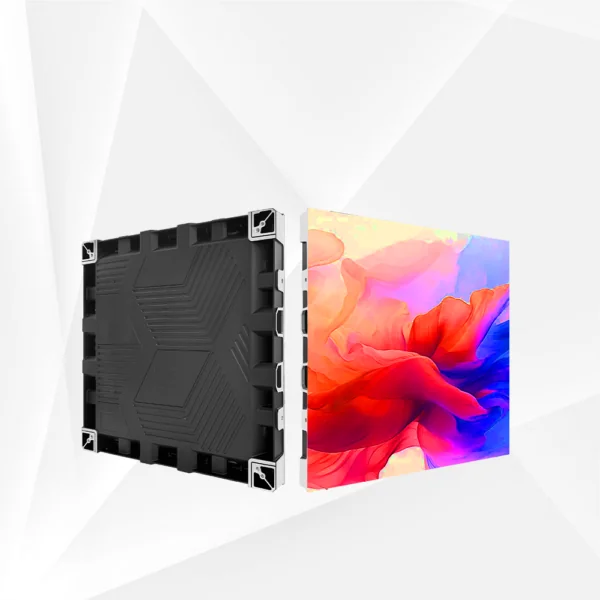
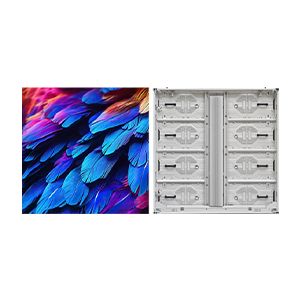
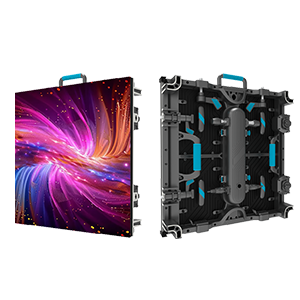
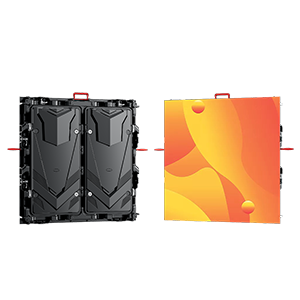
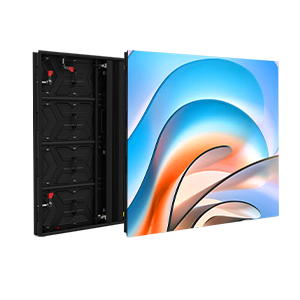
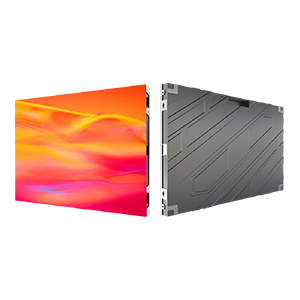
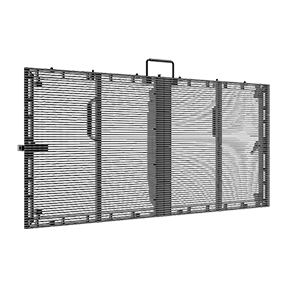
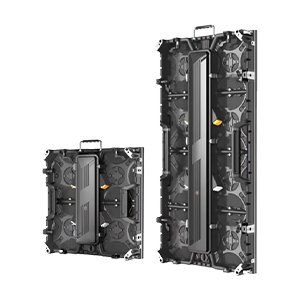
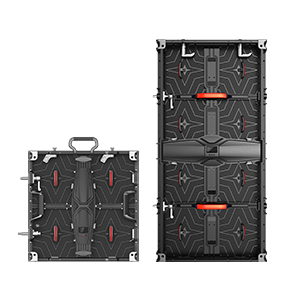
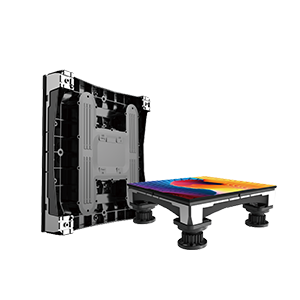
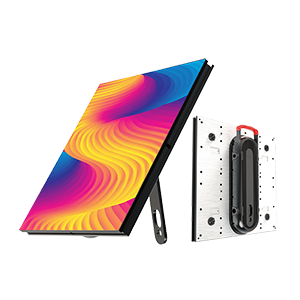
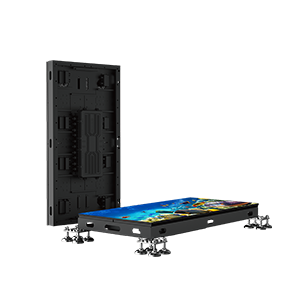
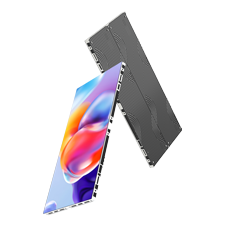
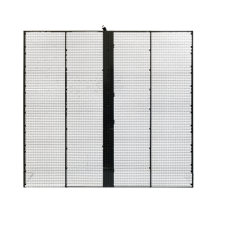
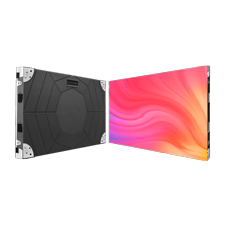
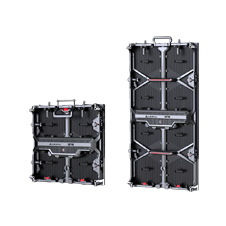
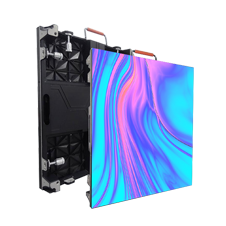
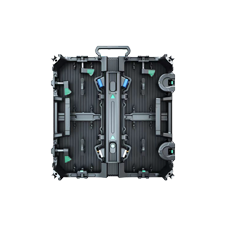
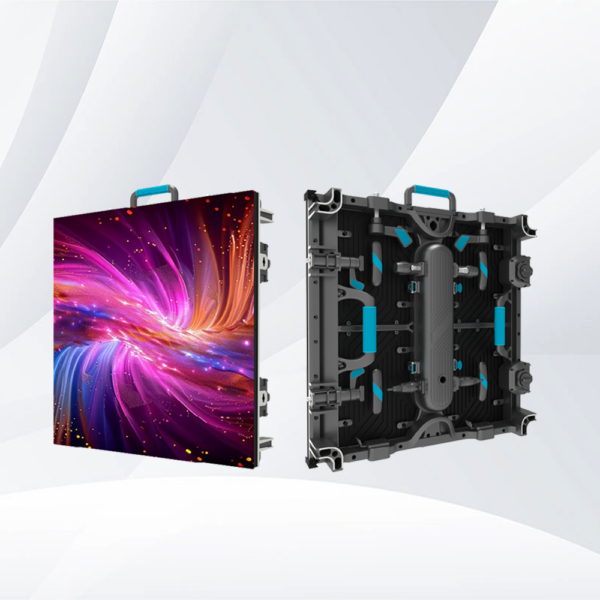
At LEDFUL, we provide comprehensive project solutions tailored to your environment. Our OHD series is engineered for outdoor environments where ambient light adaptation is critical. With common cathode energy-saving technology and 4000 nits brightness, the OHD series integrates smoothly with ambient light sensor systems.
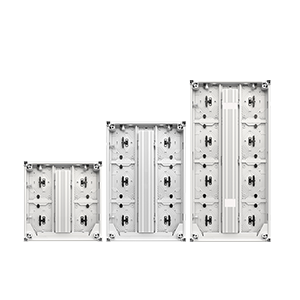
Its 500x500mm die-cast aluminum cabinet with MIP packaging and IP65 protection rating supports both fixed and rental-friendly outdoor installations, with refresh rates higher than 3,840 Hz for stable performance under varying light conditions.
LEDFUL’s Commitment to Sustainable Visual Solutions
Integrating smart ambient light sensors is just one way we help clients achieve operational excellence. We focus on building highly durable, sustainable display networks that deliver long-term value. Our dedicated technical team ensures that every configuration improves both visual performance and energy efficiency for your specific application.
Backed by reliable warranty protection and dedicated factory support, we help protect your investment over the long term. Furthermore, our flexible manufacturing capabilities support order quantities tailored to your project scale.
Are you ready to improve your next digital billboard project with smart, automated technology? We offer free professional consultation and custom solutions tailored to your exact specifications. Reach out to the LEDFUL team today, and let us help you build a reliable, high-performance visual network that adapts intelligently to any environment.