

































Have you ever encountered a premium boardroom screen that boasts immense internal brightness on its technical specification sheet, yet appears gray and washed out under standard fluorescent lights? Corporate buyers often assume that procuring panels with maximum luminous power automatically resolves poor visibility inside brightly lit executive environments. This misguided assumption frequently leads to capital waste and deep frustration among technical directors.
The true culprit destroying your expensive visual contrast is rarely a lack of internal diode luminance. Instead, the failure involves the complex physics occurring exactly where the digital hardware surface meets ambient room lighting. To salvage high-definition imagery, manufacturing engineers should manipulate surface reflection. This invisible optical battle is precisely where specialized surface treatments revolutionize the operational performance of a micro COB LED display.
The Glare Problem in High-Density Packaging
Chip-on-board technology mounts bare LED chips onto a PCB or substrate, eliminating individual SMD LED packages and allowing the chips to be protected by a continuous encapsulation layer. To secure this delicate matrix, engineers seal the entire dense electronic array beneath a rigid layer of protective epoxy resin.
This raw epoxy shield presents a severe optical dilemma for commercial integrators. While the thick resin provides excellent physical defense against moisture intrusion and accidental impacts, its natural, untreated surface acts exactly like a dark, glossy mirror.
Unaltered resin aggressively reflects external light sources back into the viewer’s eyes. When direct sunlight from nearby windows or intense overhead office fixtures hits a raw COB LED display, this mirrored effect instantly dilutes the deep black levels necessary for high-contrast imagery. The hardware essentially fights its own physical exterior, masking the video content behind a distracting, glossy glare.
Absorbing Ambient Light via Micro-Texturing
Altering this destructive reflective behavior requires manipulating the physical structure of the encapsulating shield at a microscopic level. Standard cleaning or brightness adjustments cannot solve a fundamental material flaw.
Advanced optical coatings introduce a specifically engineered matte finish over the resin layer. Instead of a smooth, mirror-like plane, the chemical treatment supports the surface features microscopic peaks and valleys. These structural variations remain invisible to the naked eye but alter light behavior.
When harsh external lighting strikes this textured exterior, the incoming light rays scatter in multiple, chaotic directions. This deliberate diffusion prevents concentrated glare from bouncing into a broadcast camera lens or the executive audience’s line of sight.
By reducing the intensity of direct specular reflections, the treatment can improve perceived contrast in brightly lit environments, making dark areas of the image easier to distinguish. Dark areas of the corporate video content appear pitch-black, allowing the activated pixels to punch through the environment with astonishing vibrancy and pristine clarity.
Enhancing Wavelength Transmission Efficiency
Beyond merely deflecting ambient room lighting away from the audience, these specialized chemical treatments heavily influence how internal light escapes the cabinet structure.
A significant fraction of the luminance generated by the internal diodes naturally bounces back inward when it hits the physical boundary between the dense epoxy and the open air. This phenomenon, known as internal reflection, traps valuable photon energy inside the hardware casing.
Applying a precise anti-reflective optical layer alters the refractive index at this critical boundary line. It smooths the optical transition between the two mediums, allowing a significantly higher percentage of the generated wavelengths to pass through the resin shield successfully.
This increased transmittance efficiency means the digital signage can achieve higher perceived brightness while drawing significantly less electrical power. It fundamentally improves the energy consumption of the entire visual network, lowering long-term operating costs and extending the lifespan of the power supplies.
Executing Precision Engineering with LEDFUL
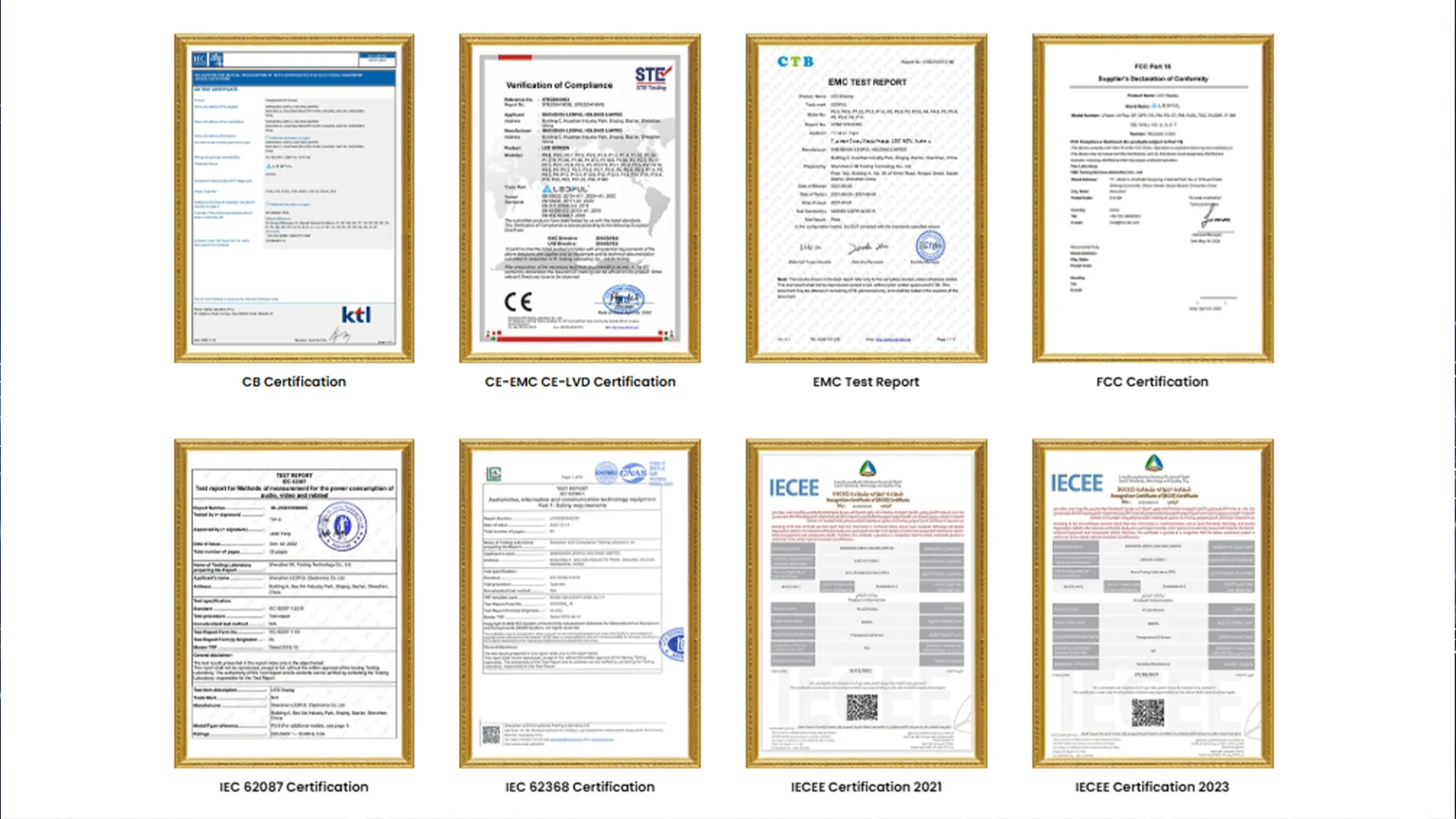
Mastering these complex optical variables requires meticulous factory execution and rigorous quality control. At LEDFUL, we understand that sophisticated surface engineering separates basic, functional screens from premium, immersive visual experiences.
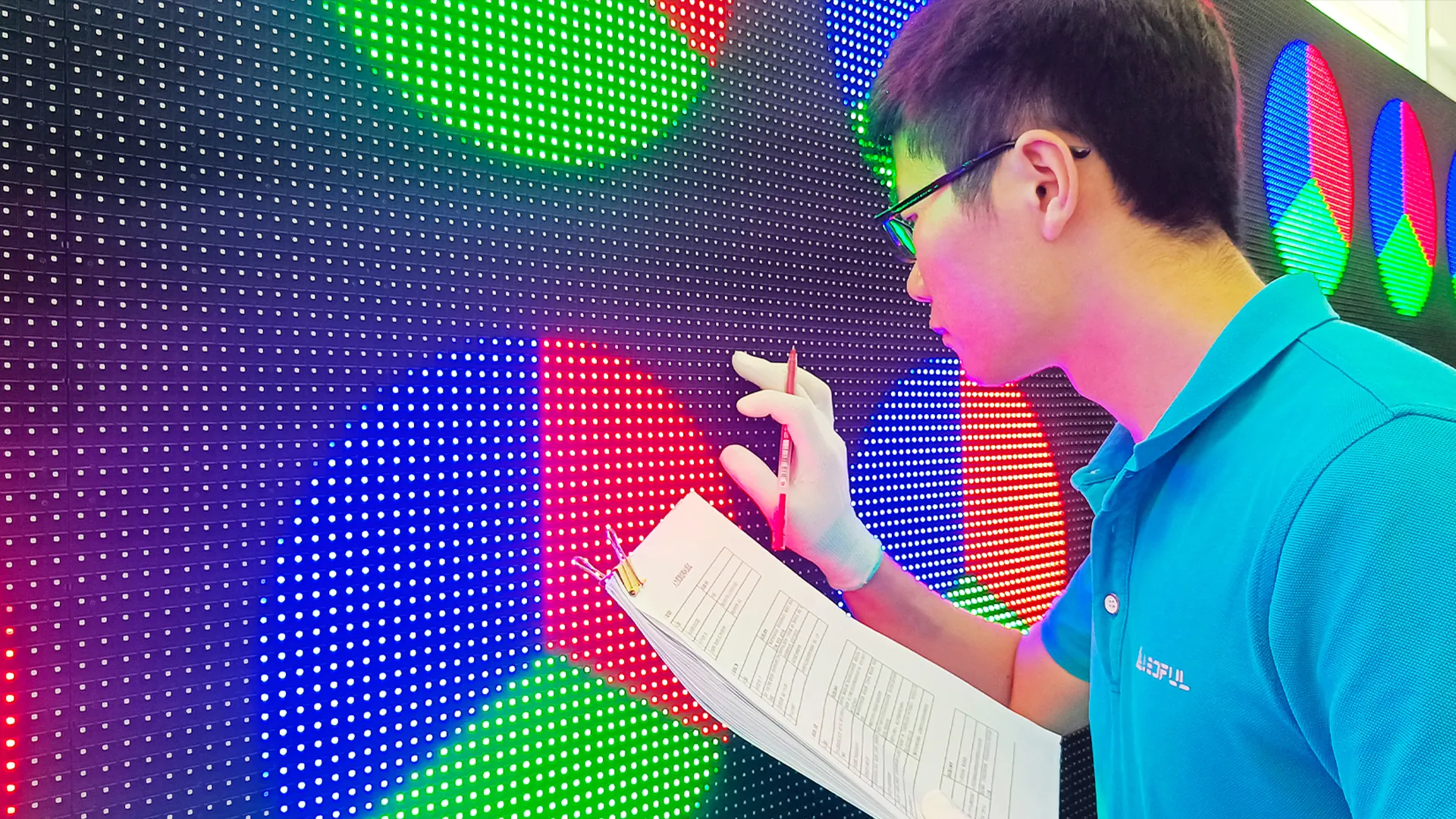
We apply strict testing protocols to all our visual infrastructures. Whether you are deploying screens for corporate boardrooms, high-stakes broadcast studios, or demanding retail environments, controlling light behavior remains an rigorous technical priority for our engineering teams.
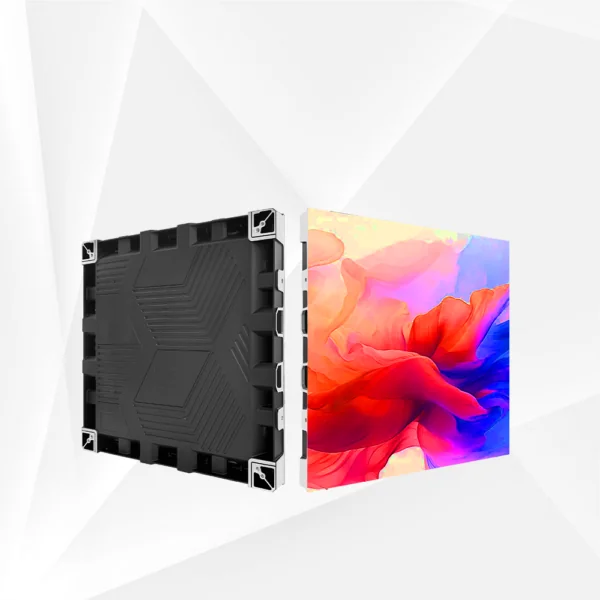
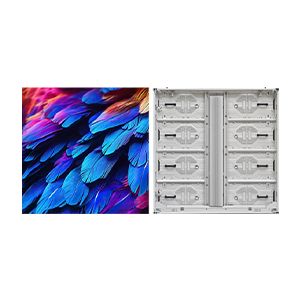
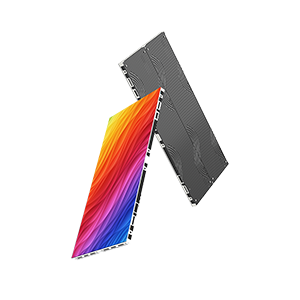
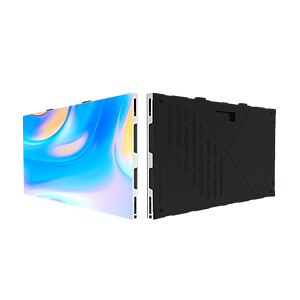
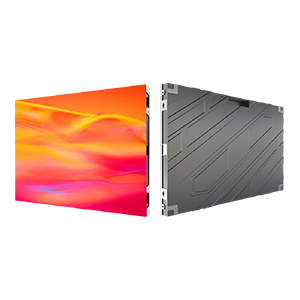
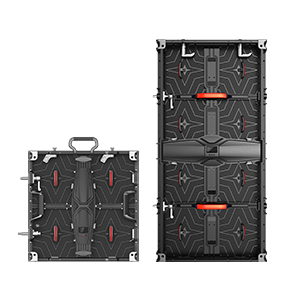
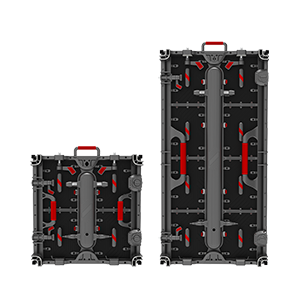
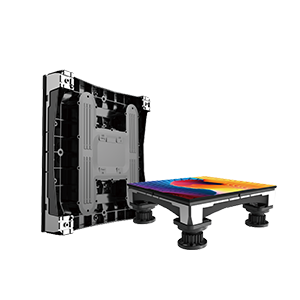
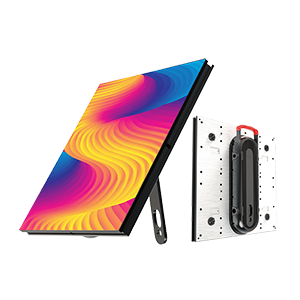
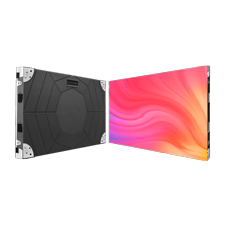
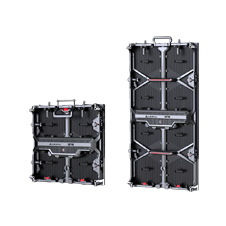
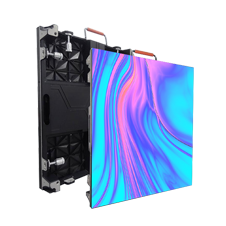
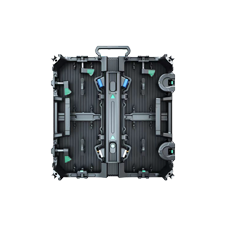
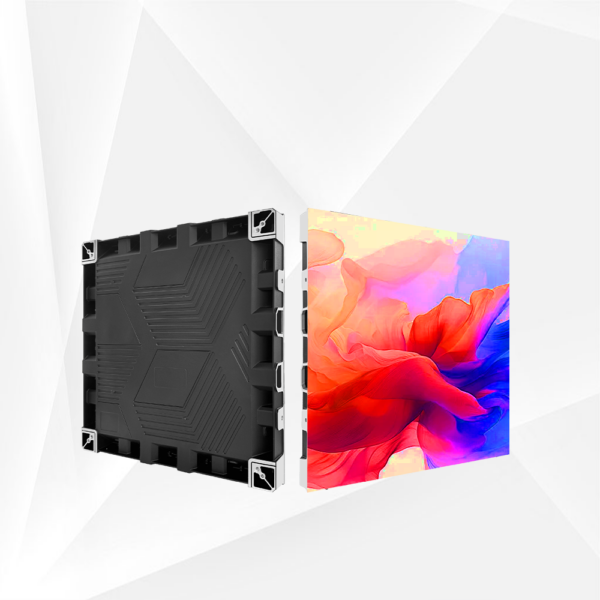
For COB display applications, our COB 500×500 series uses flip-chip technology with epoxy resin sealing, creating a smooth, protected surface that is well-suited for optical coating applications. The chip-on-board construction eliminates exposed solder joints, providing a uniform surface that supports consistent optical performance.
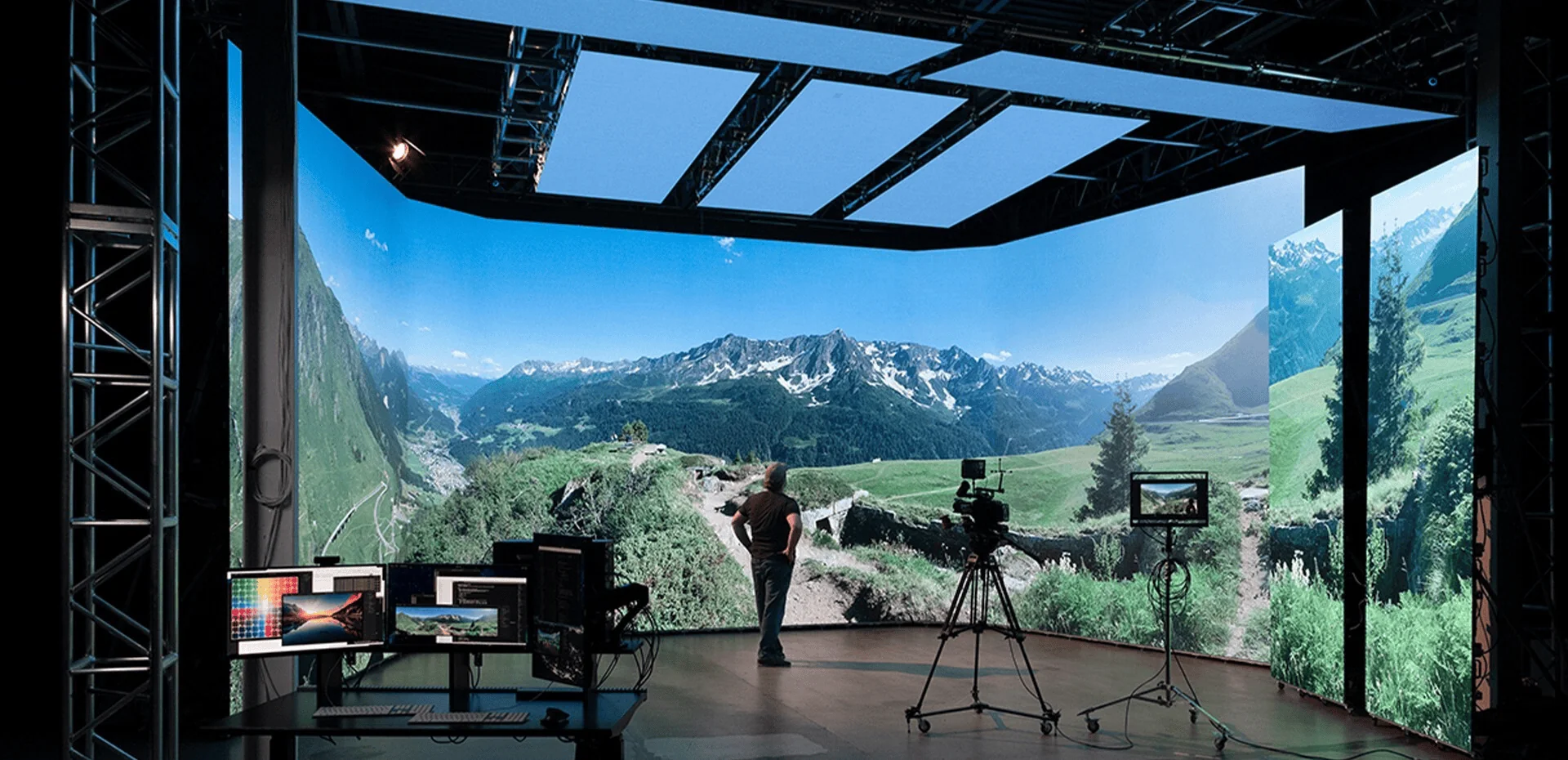
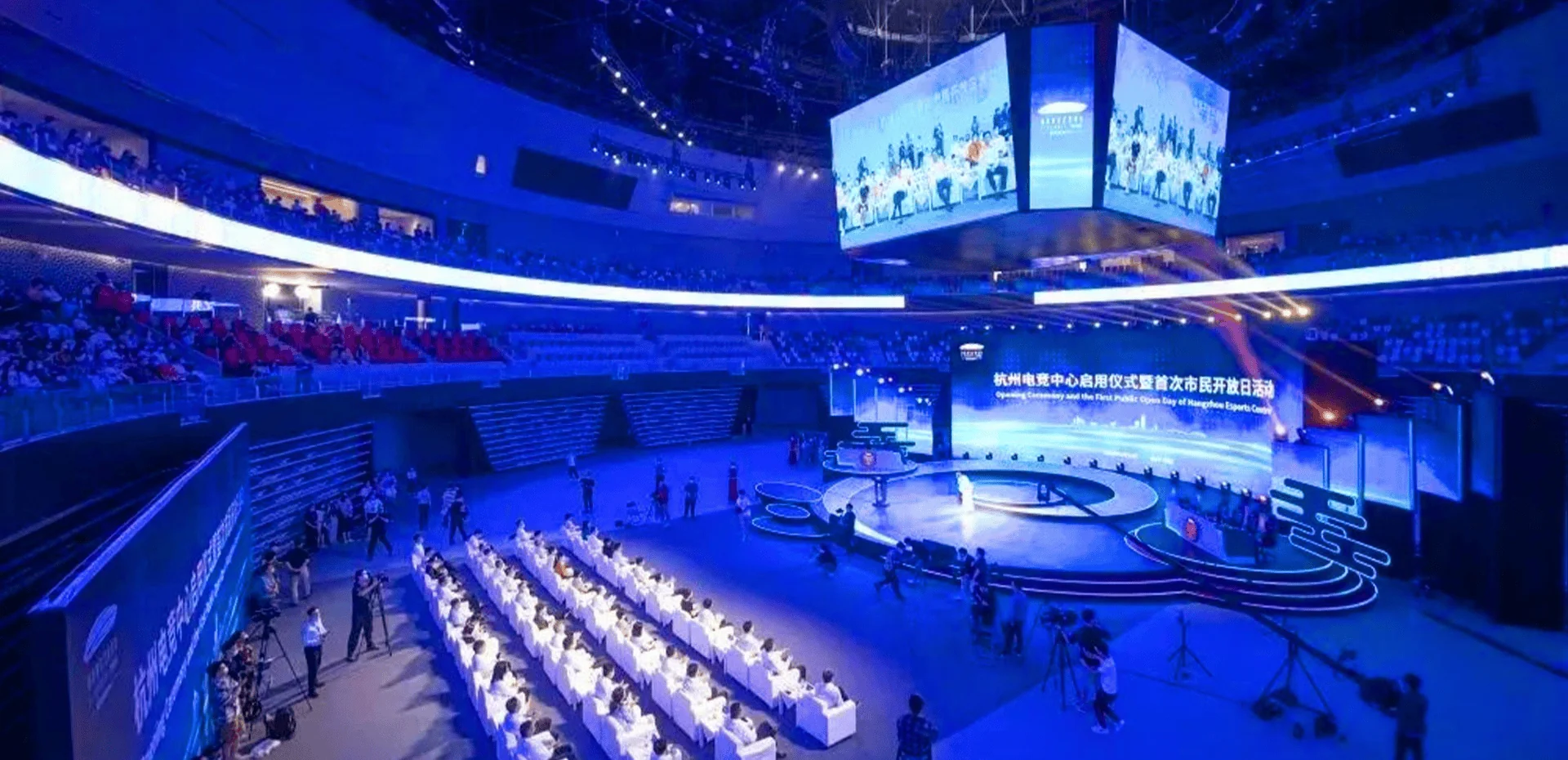
With wide viewing angles and high brightness uniformity, this COB series is suitable for control rooms, broadcast studios, exhibition halls, and corporate lobbies where surface quality and image consistency are priorities.
Securing Long-Term Visual Integrity
Optical coatings serve another vital, invisible function beyond light manipulation. They act as a chemical barrier, defending the delicate micro-components from continuous environmental degradation.
High-quality surface treatments resist sustained ultraviolet radiation, preventing the encapsulating resin from turning yellow after years of continuous operation. This chemical stability ensures that your corporate brand colors remain accurate and vibrant over the entire lifecycle of the equipment.
To help corporate procurement teams navigate these precise technical specifications safely, our experienced engineers provide comprehensive project solutions alongside free technical consultations. We ensure that your hardware matches your spatial requirements.
We significantly lower your upfront capital risk by maintaining flexible order quantities tailored to your project scale. You can physically pilot our exact hardware performance in your actual boardroom lighting conditions before authorizing any extensive corporate rollouts.
We support your project with comprehensive warranty coverage, flexible procurement options, and free technical consultation. Our manufacturing and quality-control processes are designed to maintain consistent optical performance and mechanical reliability throughout the product’s service life.