
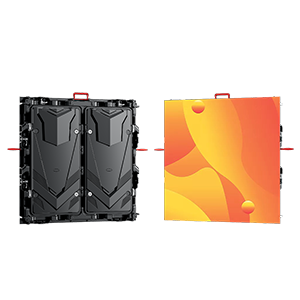
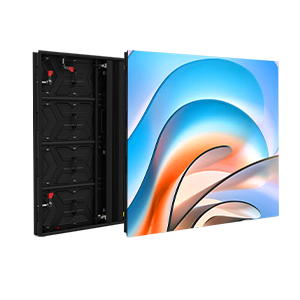

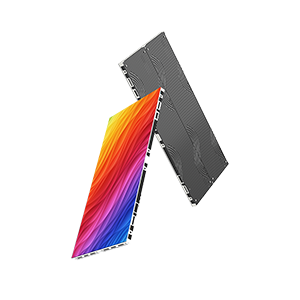

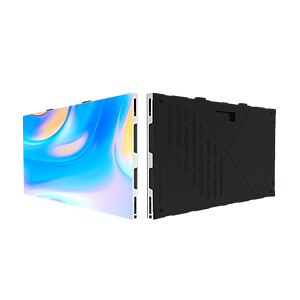
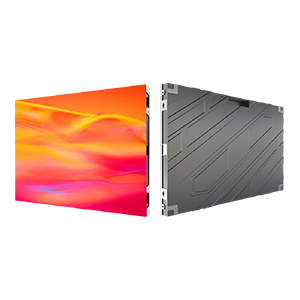

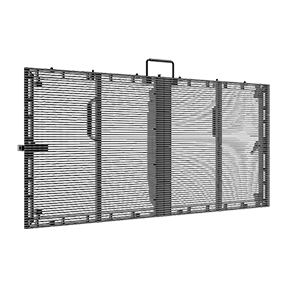
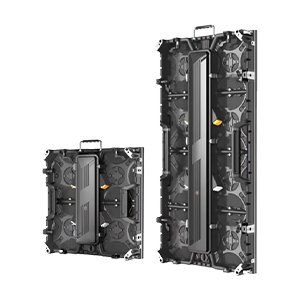
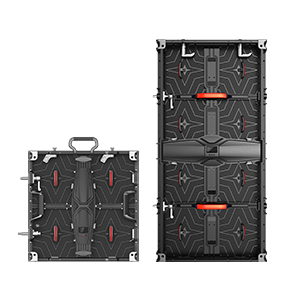















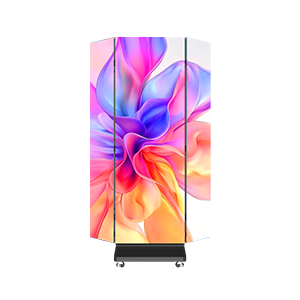
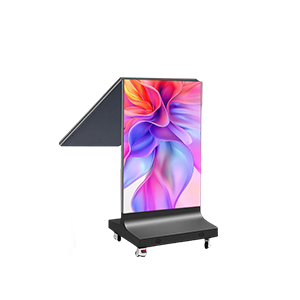
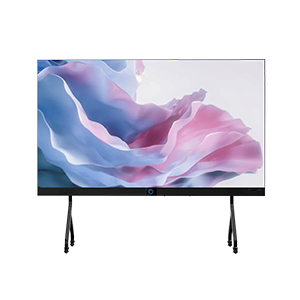


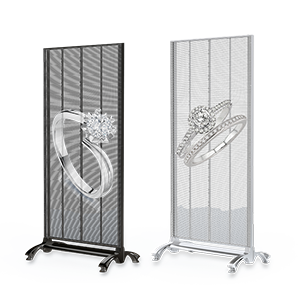
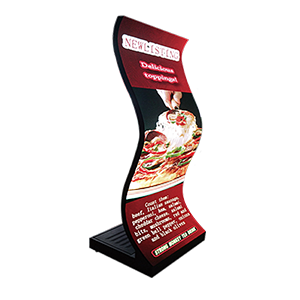


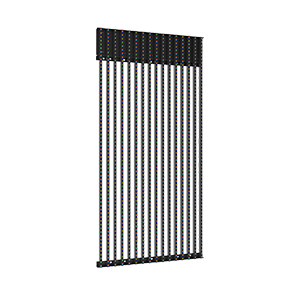
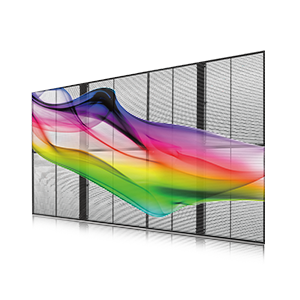
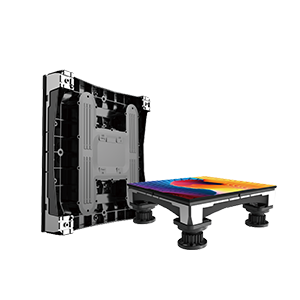
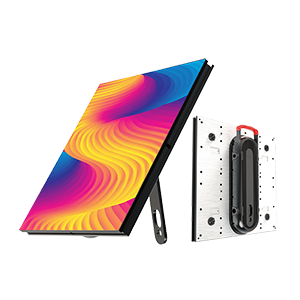
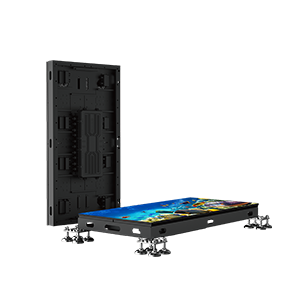



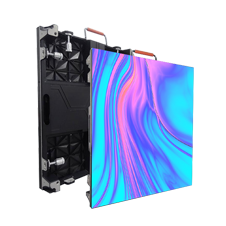
































Retail executives frequently express frustration when comparing digital signage quotations. Bids for seemingly identical electronic standees can vary by thousands of dollars across different commercial vendors. This financial discrepancy leaves corporate procurement teams guessing whether they are paying an artificial premium or securing necessary commercial stability. Understanding the true LED poster display price requires dissecting the equipment into isolated cost centers to reveal the underlying value.
You cannot evaluate these visual assets as single, monolithic products. They are intricate assemblies of microscopic light engines, heavy-duty thermal management chassis, and sophisticated networking code. Unpacking these individual layers reveals exactly where your capital goes. We compiled a comprehensive modular guide to demystify these expenditures. This list-style breakdown empowers IT directors to align their operational budgets with genuine technical requirements, eliminating costly specification errors.
Diode Density and Optical Resolution Constraints
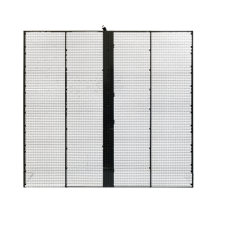
The physical proximity of the semiconductor beads represents the largest single hardware expense on your invoice. High-resolution indoor environments, such as luxury boutique entrances or corporate lobbies, demand ultra-fine pixel pitches to render crisp, legible text at close ranges. The selected LED display pixel pitch determines pixel density and influences both viewing distance and hardware cost. Buyers should then calculate the complete LED display resolution from the poster dimensions and selected pixel pitch.
Manufacturing these highly dense arrays requires soldering thousands of additional raw microchips per square meter. It also necessitates incredibly slow, highly precise robotic assembly lines to prevent microscopic misalignments. This immense material volume naturally drives the baseline capital required upward.
Conversely, deploying screens in large, open concourses allows for significantly wider diode spacing. Expanding the pixel pitch reduces the raw component volume. This modular adjustment lowers the total hardware expenditure without compromising the perceived image quality for distant viewers navigating the airport terminal.
Internal Processing and Refresh Capabilities
Visual data does not render magically onto the screen. Internal driver integrated circuits dictate exactly how smoothly your high-definition promotional videos play back to the passing audience.
Basic commercial microchips struggle under heavy visual data loads. They cause severe optical tearing and ugly scanning lines when consumers attempt to photograph the display with their smartphones. This severe digital friction ruins the organic social media sharing potential of your LED poster display.
Upgrading to high-frequency driver chips solves this visual degradation. These premium processing units force the screen to redraw the video frames thousands of times per second. Budgeting for advanced internal processing helps ensure that your marketing assets remain pristine, flicker-free, and broadcast-ready across all digital channels.
Software Orchestration and Cloud Licensing Models
Hardware remains dormant without an intelligent operating system directing the traffic. The specific complexity of your content management network dictates your ongoing software expenditure.
Single-store operators might rely on basic, localized playback via direct USB insertion. This offline approach carries almost zero recurring software fees. It remains highly economical for independent retailers who rarely update their promotional video loops.
Enterprise franchises face different logistical hurdles. Managing synchronized visual campaigns across fifty geographic locations requires secure, multi-node cloud integration. Licensing these robust enterprise platforms adds to the total system invoice but eradicates the manual labor of updating individual branches on foot.
Structural Chassis and Thermal Defense Mechanisms
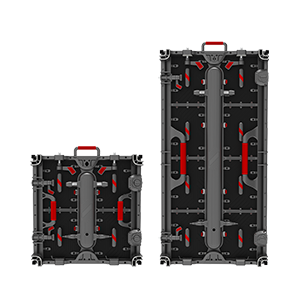
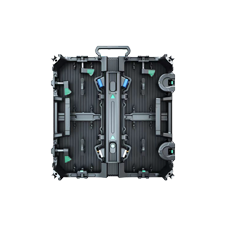
Protecting fragile micro-electronics within high-traffic public spaces requires advanced metallurgy. The cabinet material dictates both the physical weight of the unit and the thermal survival of your digital investment.
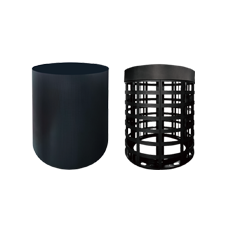
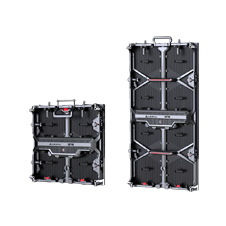
Budget-tier units utilize heavy, folded steel enclosures. While highly cheap to fabricate, steel traps amounts of internal heat. This trapped thermal energy rapidly degrades the semiconductors, resulting in premature pixel death, color shifting, and long-term repair invoices for the facility.
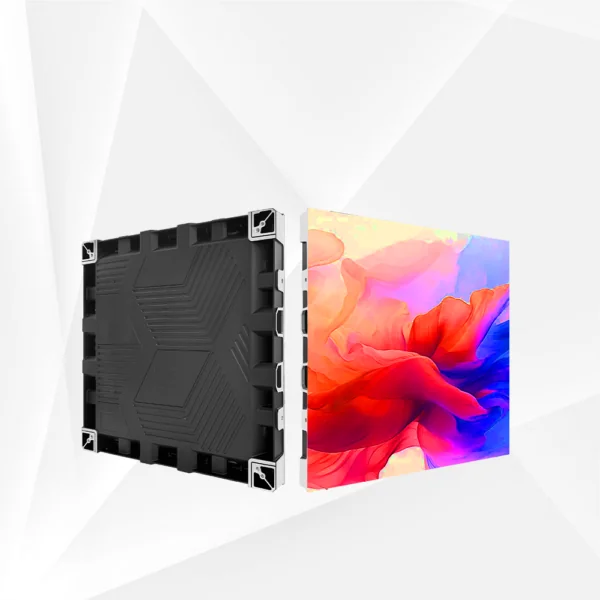
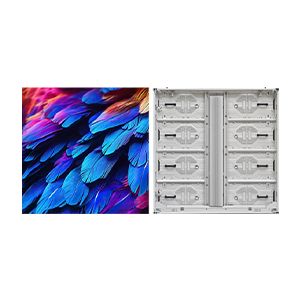
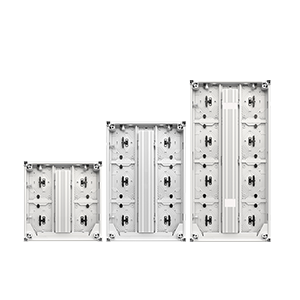
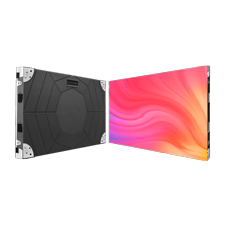
Premium setups exclusively utilize die-cast aluminum frameworks. Aluminum acts as a highly efficient heat sink, aggressively pulling thermal energy away from the core components. While advanced alloys increase the initial quote, they definitively secure the operational lifespan and safety of the entire visual network.
The Strategic Value of a Direct LED display supplier
The final financial variable involves your procurement pipeline. Purchasing technology through domestic third-party integrators inherently introduces steep middleman markups that bloat your final capital expenditure.
Securing digital infrastructure straight from a dedicated LED display supplier reduces these artificial financial layers. We provide transparent pricing models for our commercial partners, removing all supply chain ambiguity from your purchasing process.
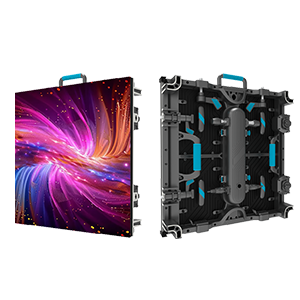
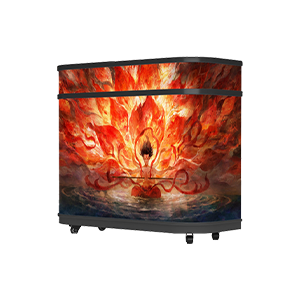
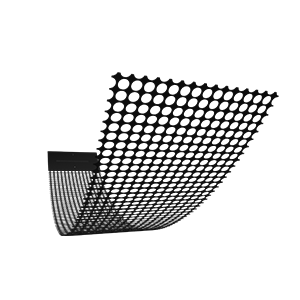
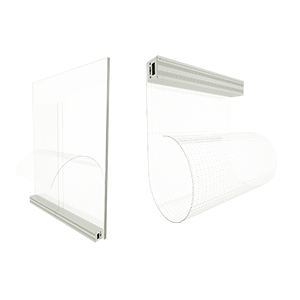
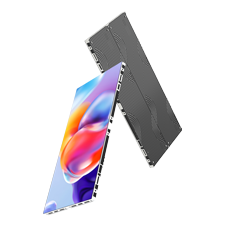
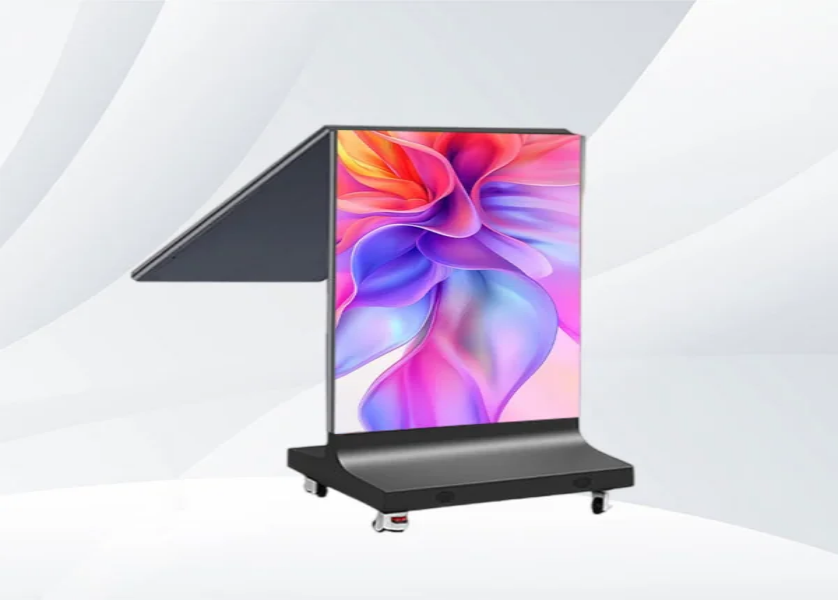
We align our core products with exact architectural realities. For instance, our LPoster PLUS foldable series offers a portable, space-efficient solution that reduces shipping and storage costs compared to rigid alternatives. The foldable design allows easy transport between locations, making it suitable for pop-up stores, events, and multi-location retail deployments.
Pricing factors include screen size, pixel pitch, and control system configuration — the foldable form factor can lower logistics costs within the total investment.
Minimizing Financial Risk with LEDFUL
Procuring enterprise technology requires verifiable performance data. Through our customized services, our engineering team helps your financial officers mathematically model accurate long-term operational savings based on your specific venue constraints.
You can evaluate our structural resilience independently by reviewing our global projects. Exploring our extensive customer cases showcases exactly how our durable digital platforms endure intense commercial realities globally without failing.
We aggressively lower your initial procurement anxiety by offering flexible order quantities tailored to your project scale. You can physically audit our hardware quality and thermal efficiency before authorizing a national rollout.
We stand behind our products with solid warranty protection and reliable after-sales support, including free professional consultation. We provide the rigorous engineering data and premium commercial hardware necessary to justify your capital expenditure and drive sustained retail revenue continuously.