
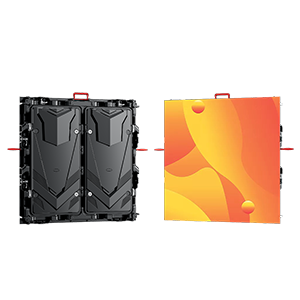
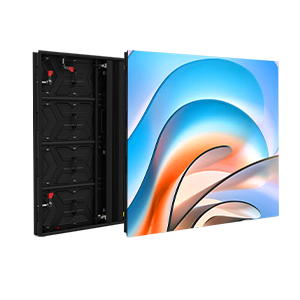

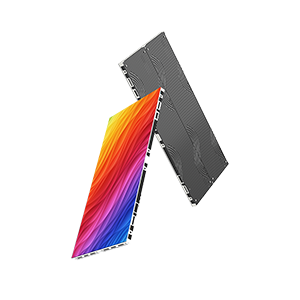

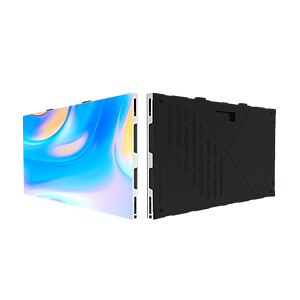
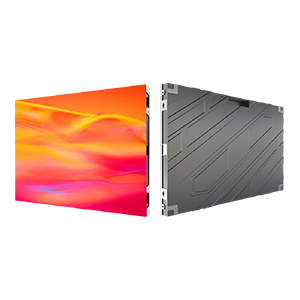

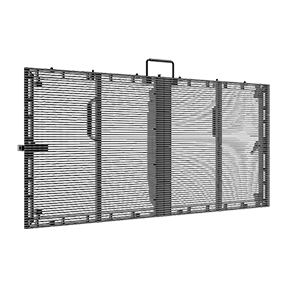
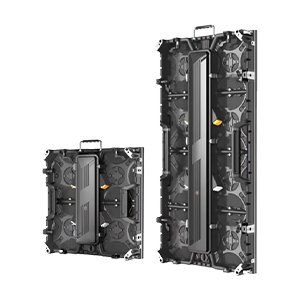
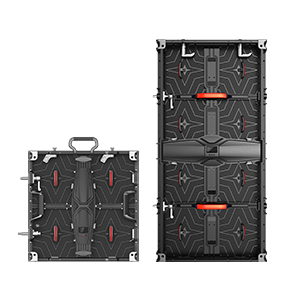










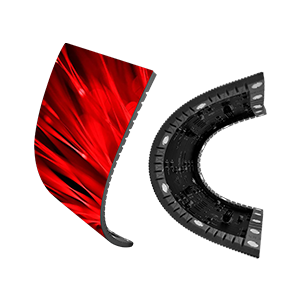
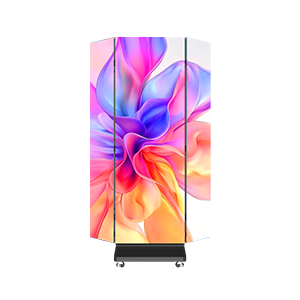
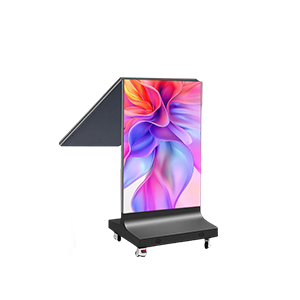
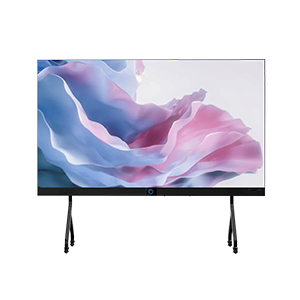




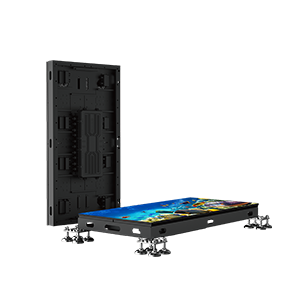

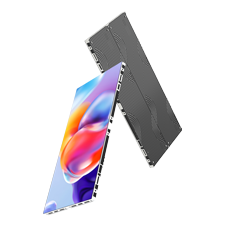

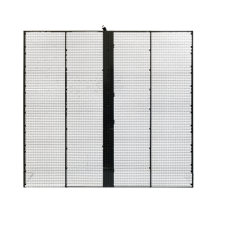
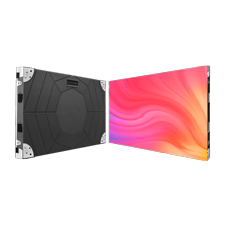



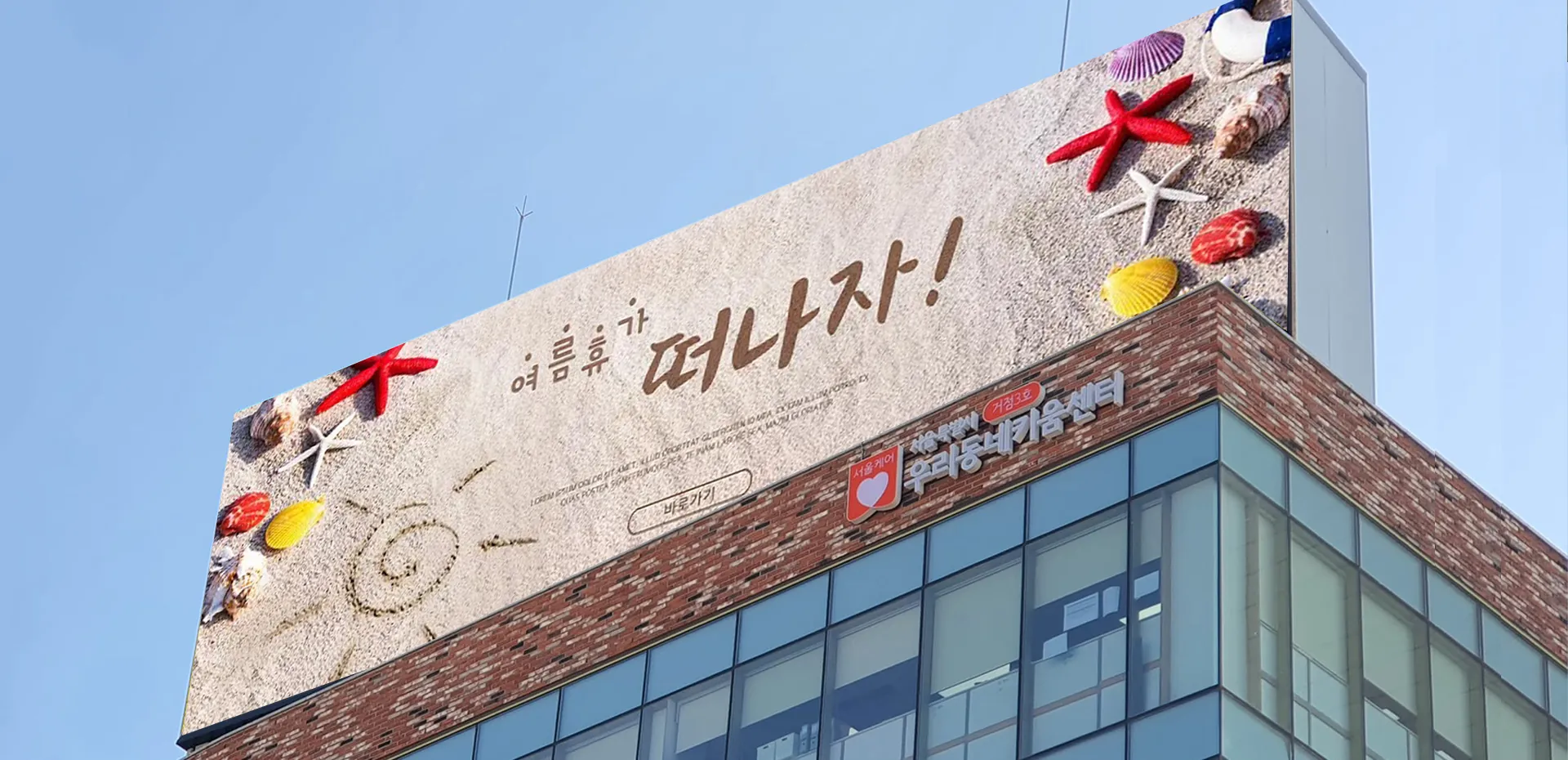
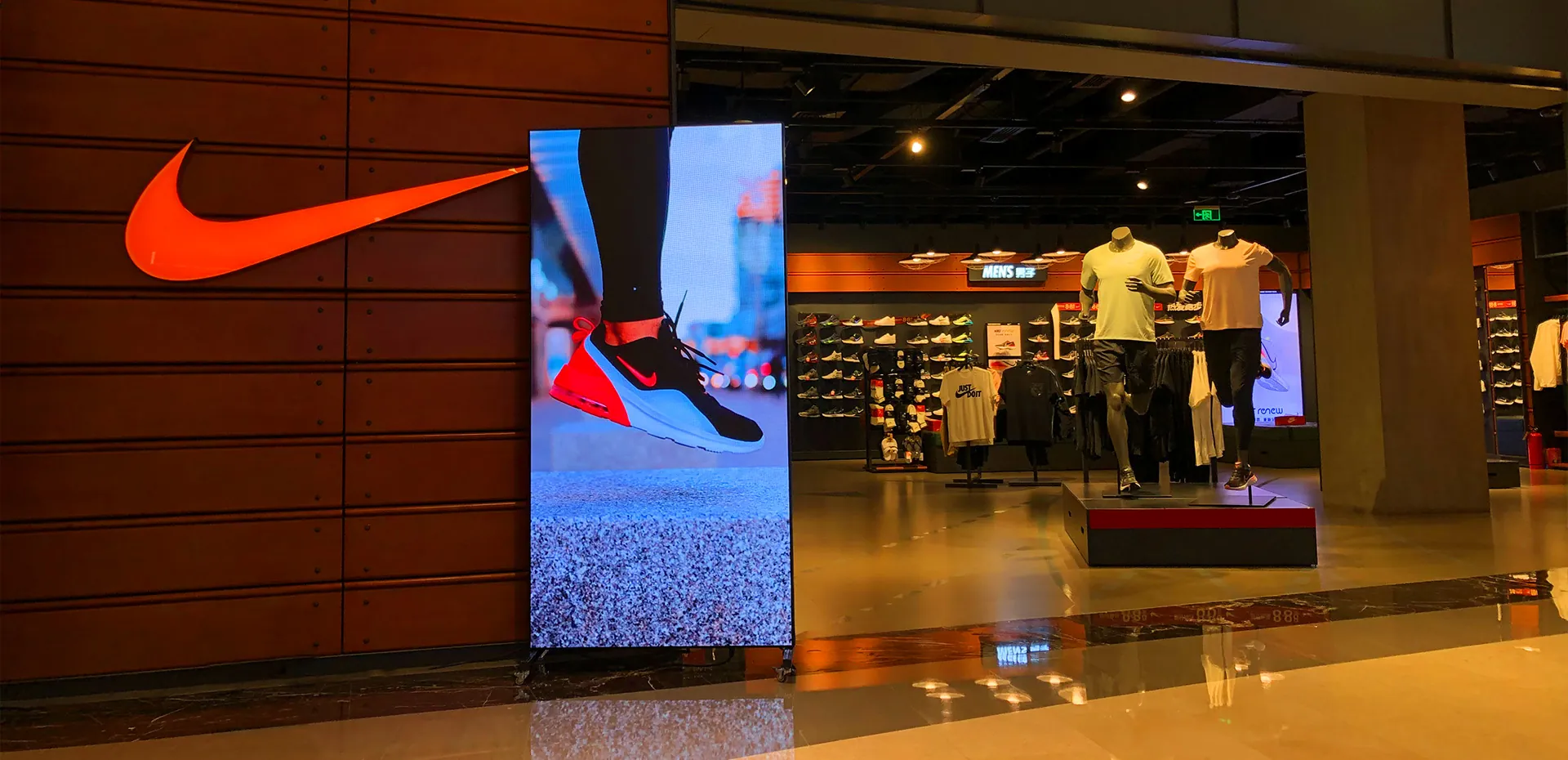
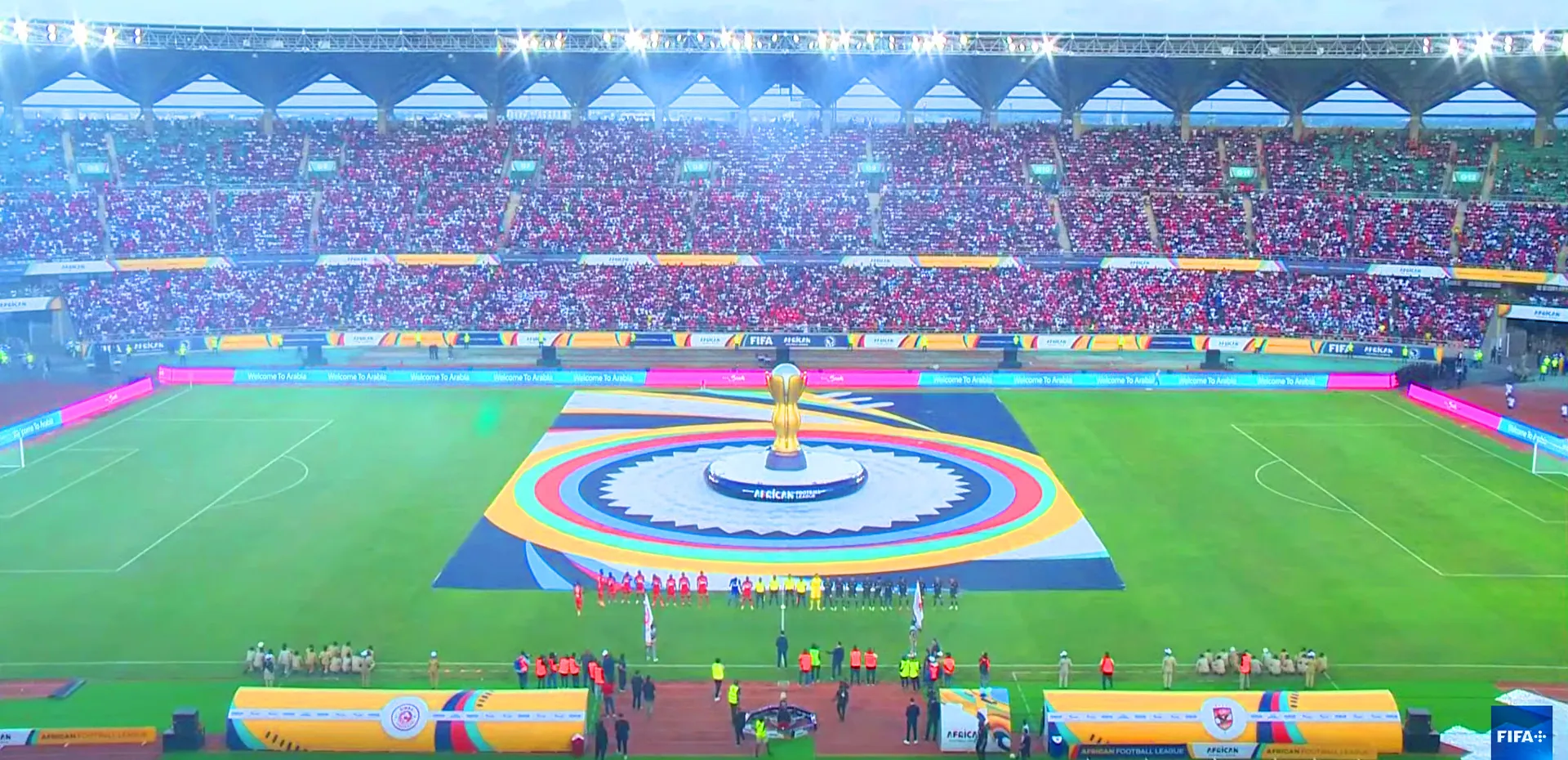
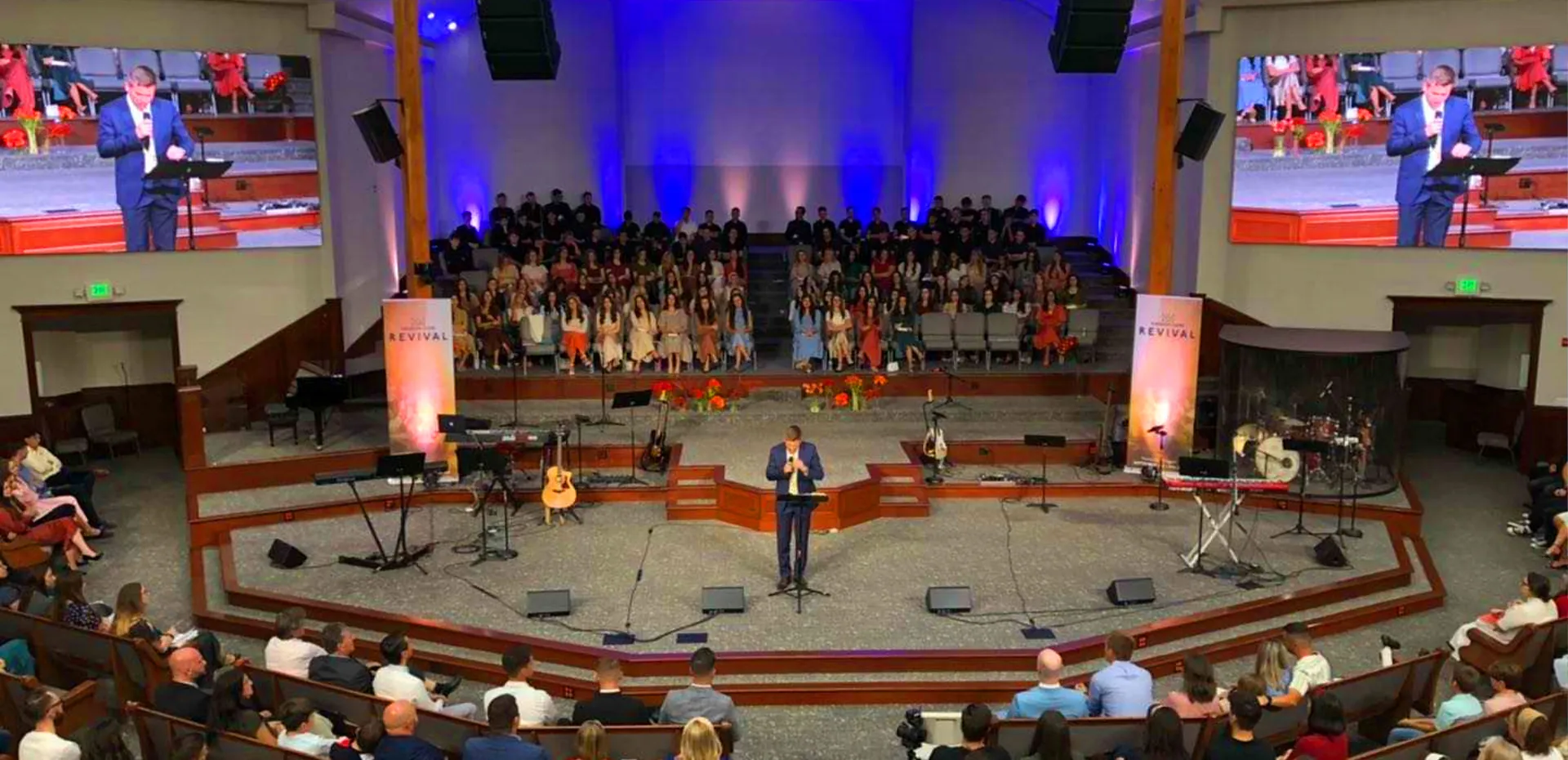
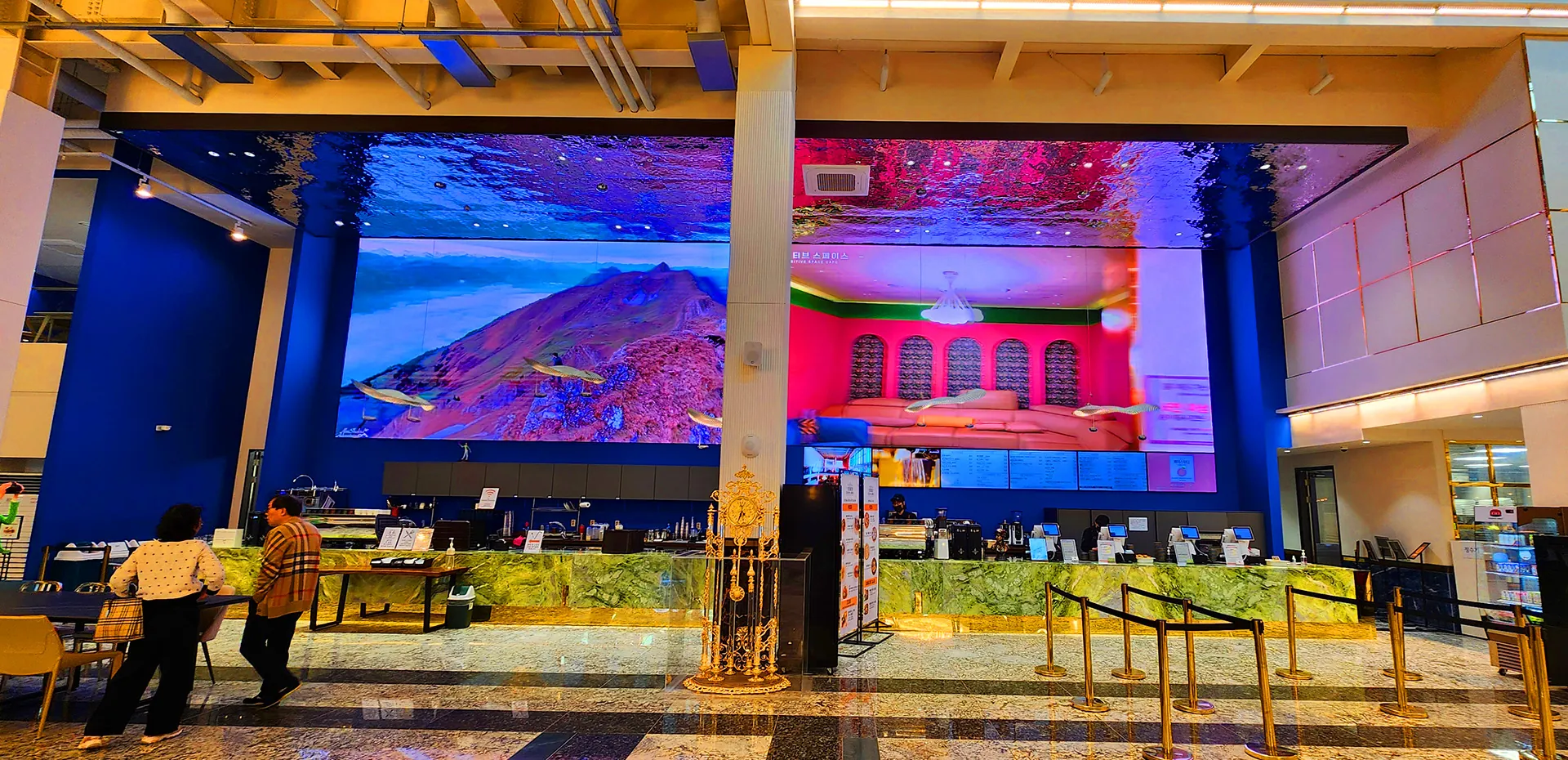
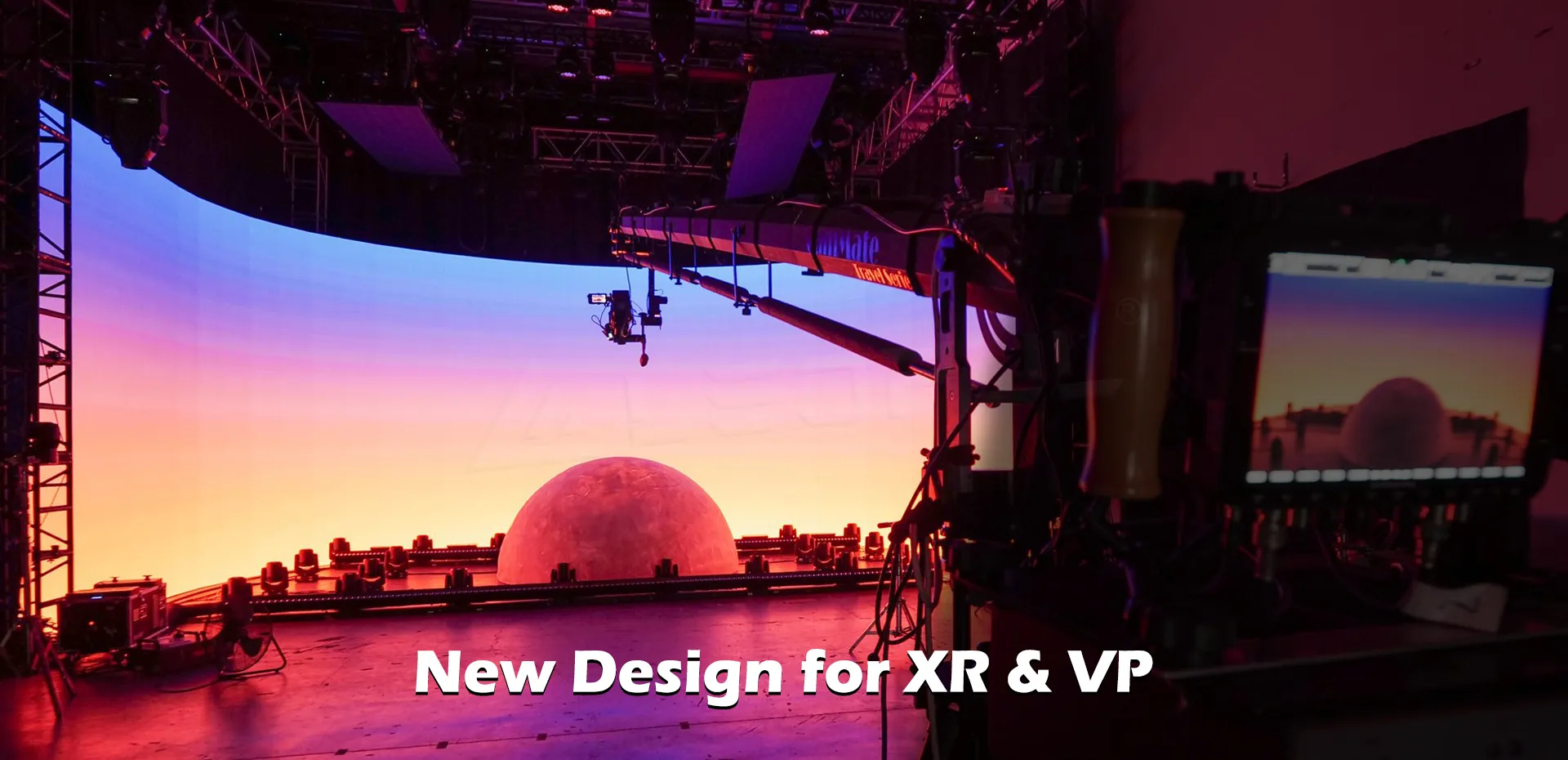
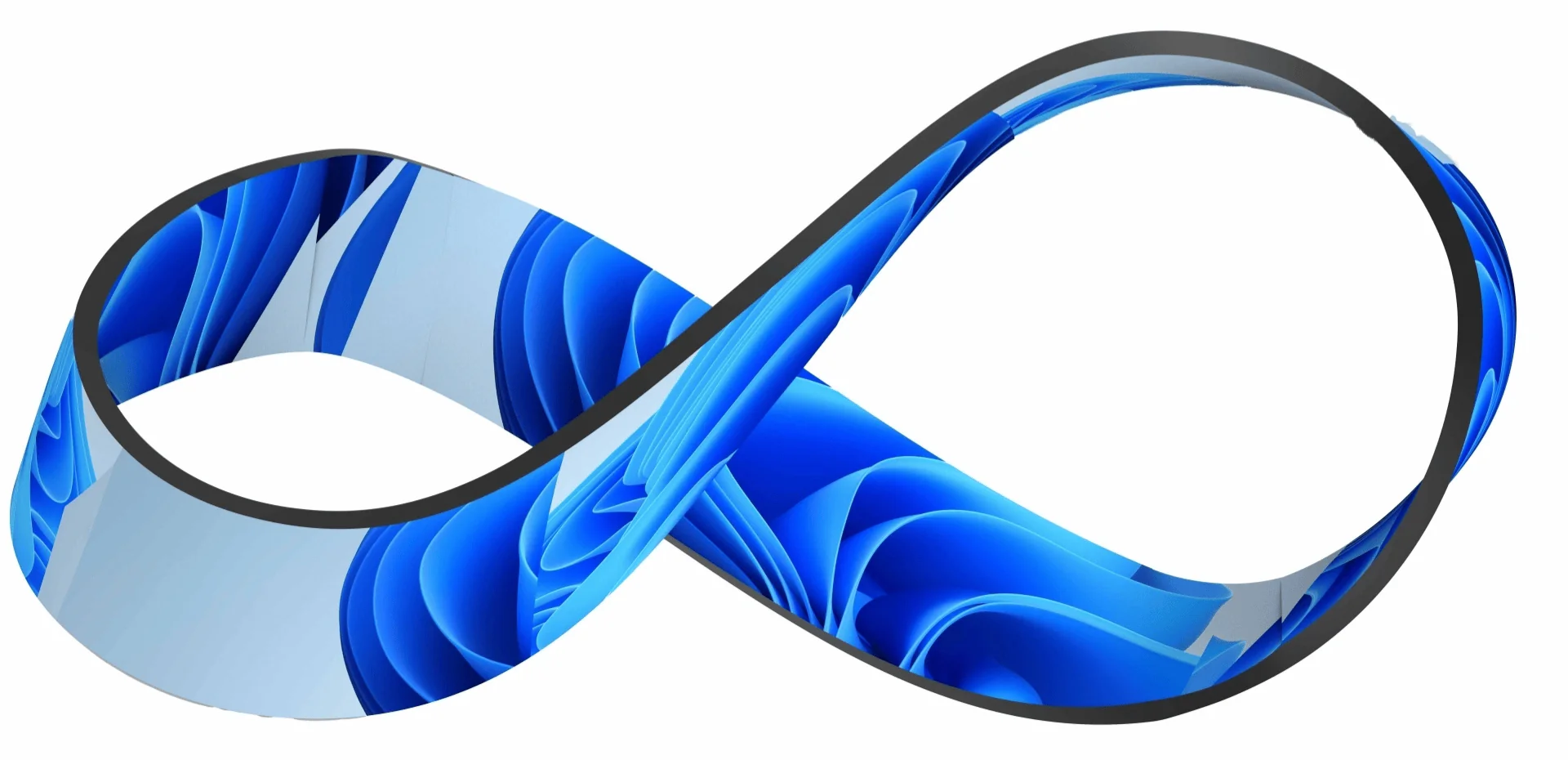
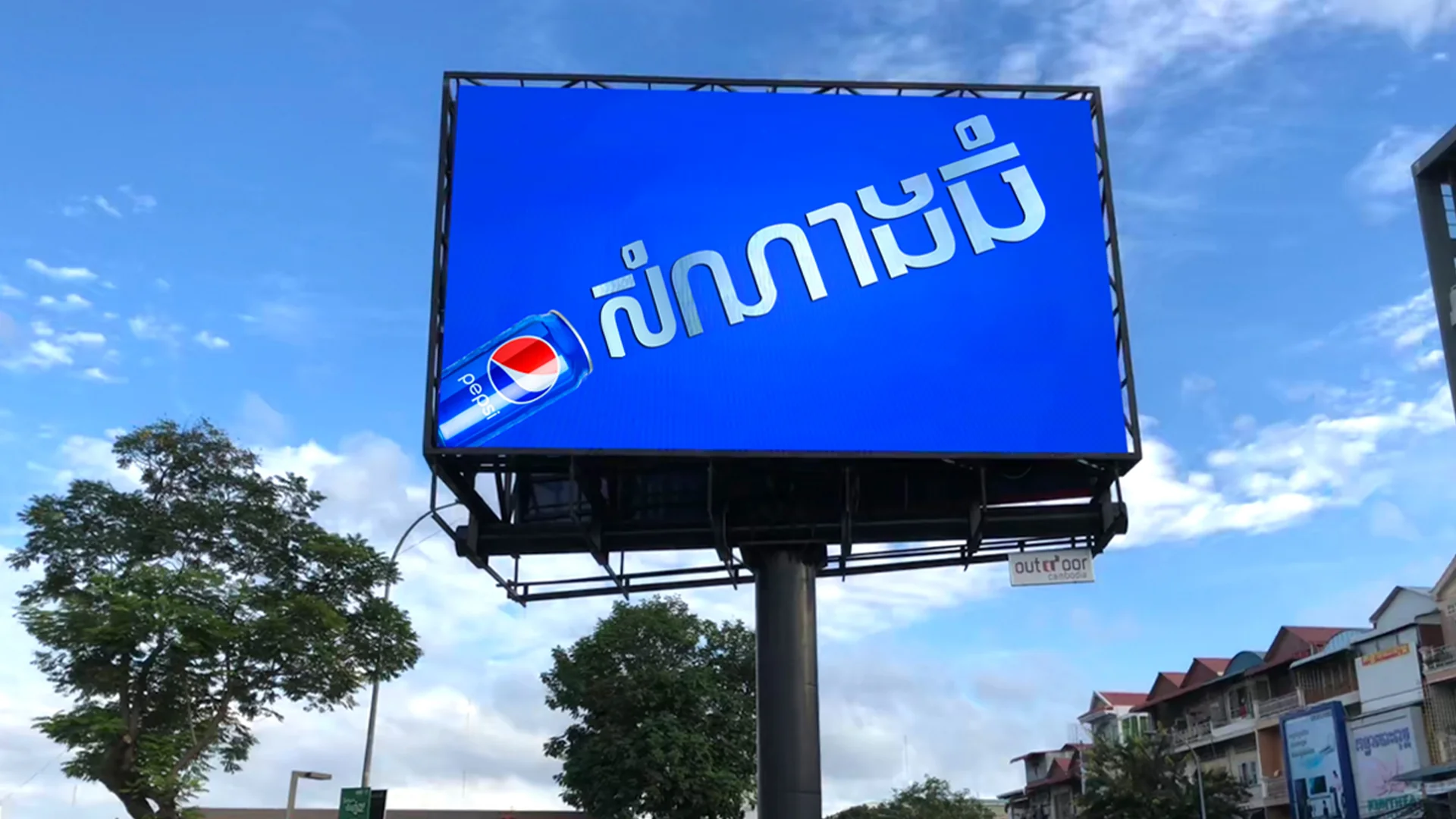






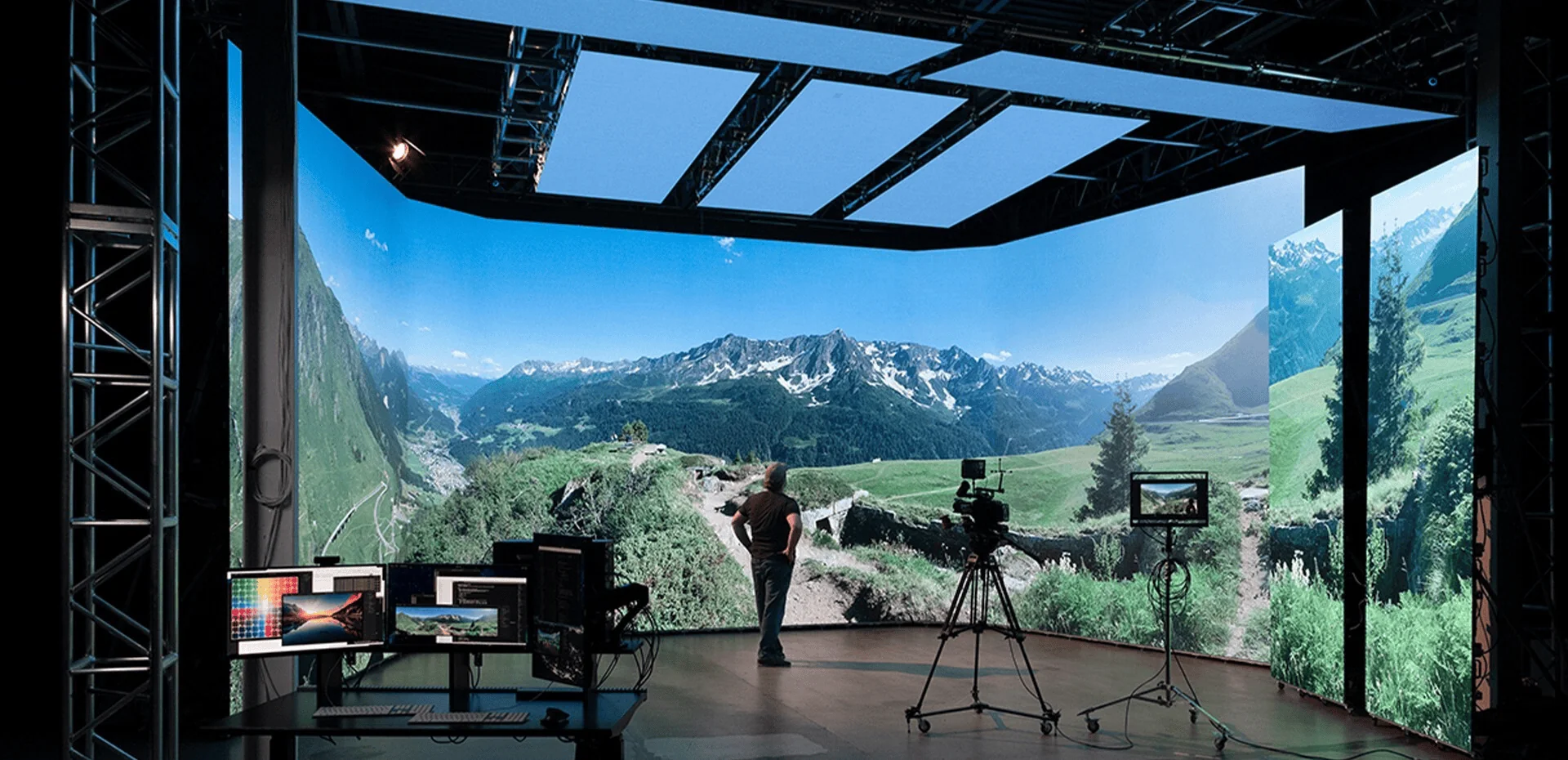
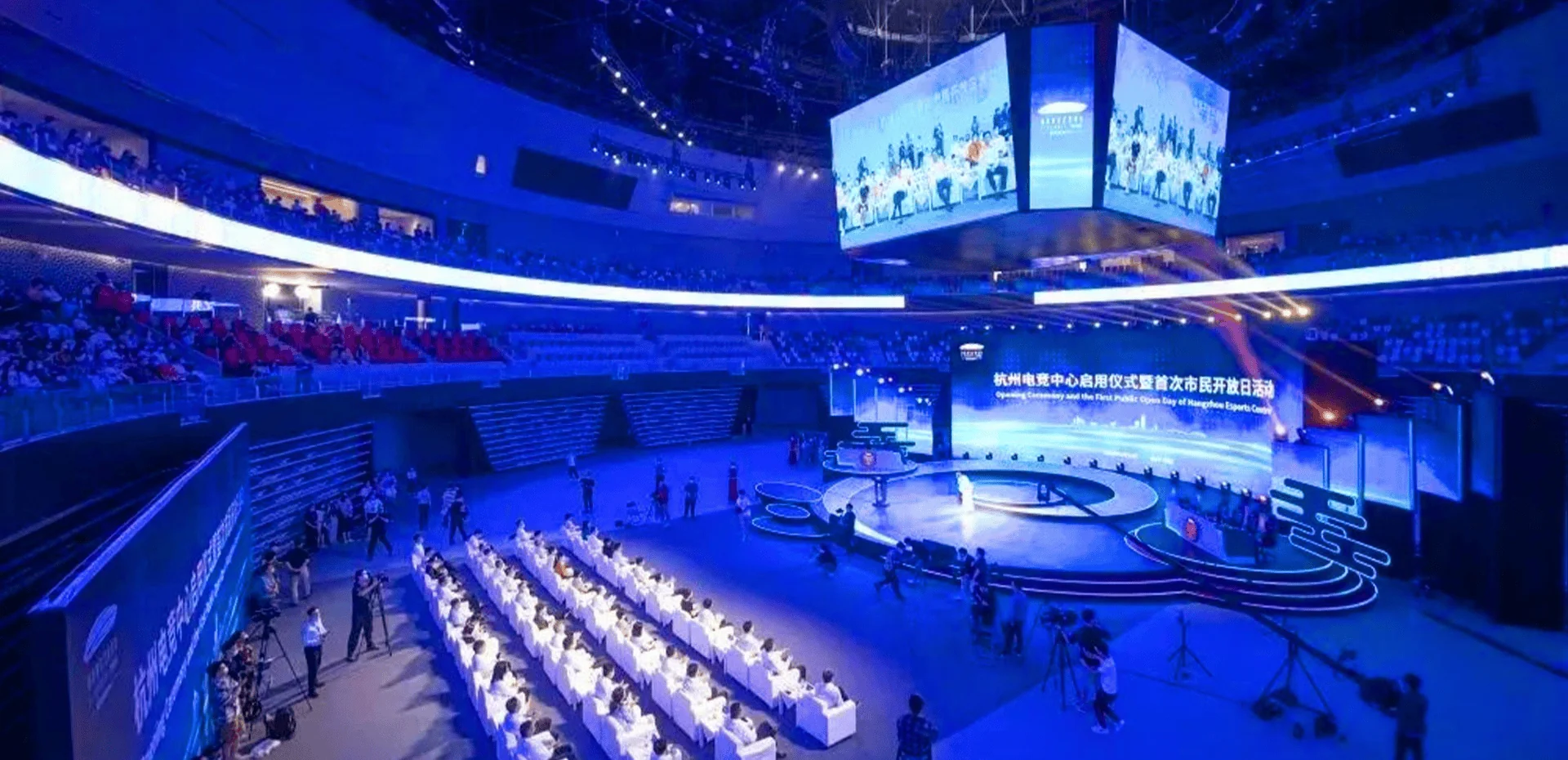
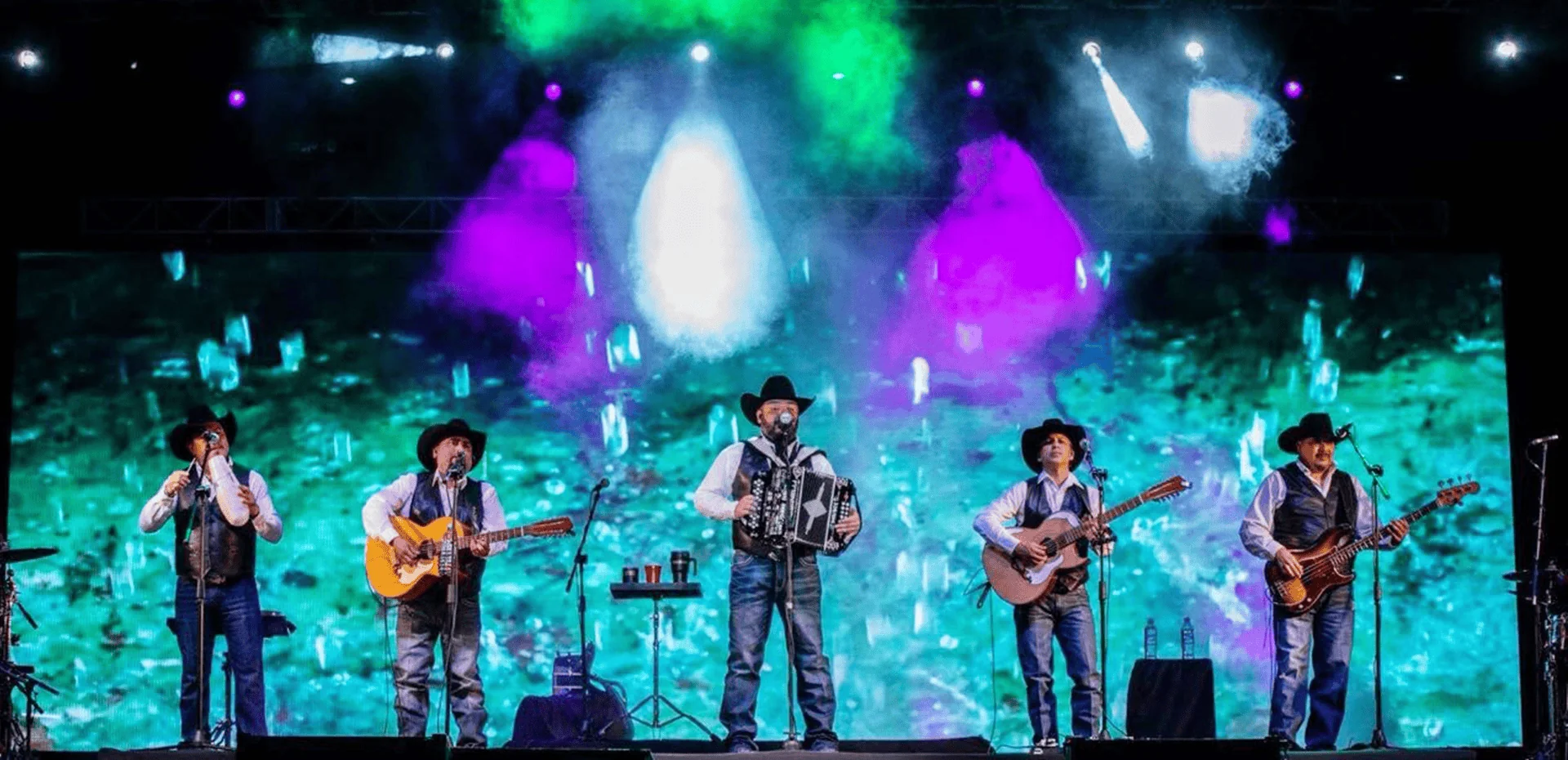
Curved glass façades, rounded storefronts, and irregular architectural surfaces create visual opportunities that conventional rigid screens cannot always accommodate gracefully. Preserving the original character of these structures requires careful consideration of weight, thickness, installation method, viewing geometry, and light transmission. At LEDFUL, we explore flexible transparent LED display technology as part of this architectural equation, where digital content needs to coexist with the physical form of the building instead of visually overwhelming it.

Why Curved Surfaces Require Different Display Thinking
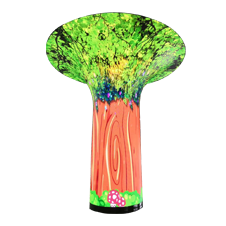
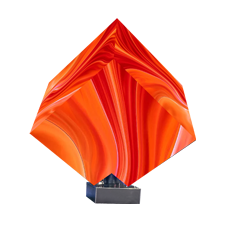
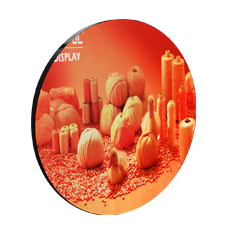
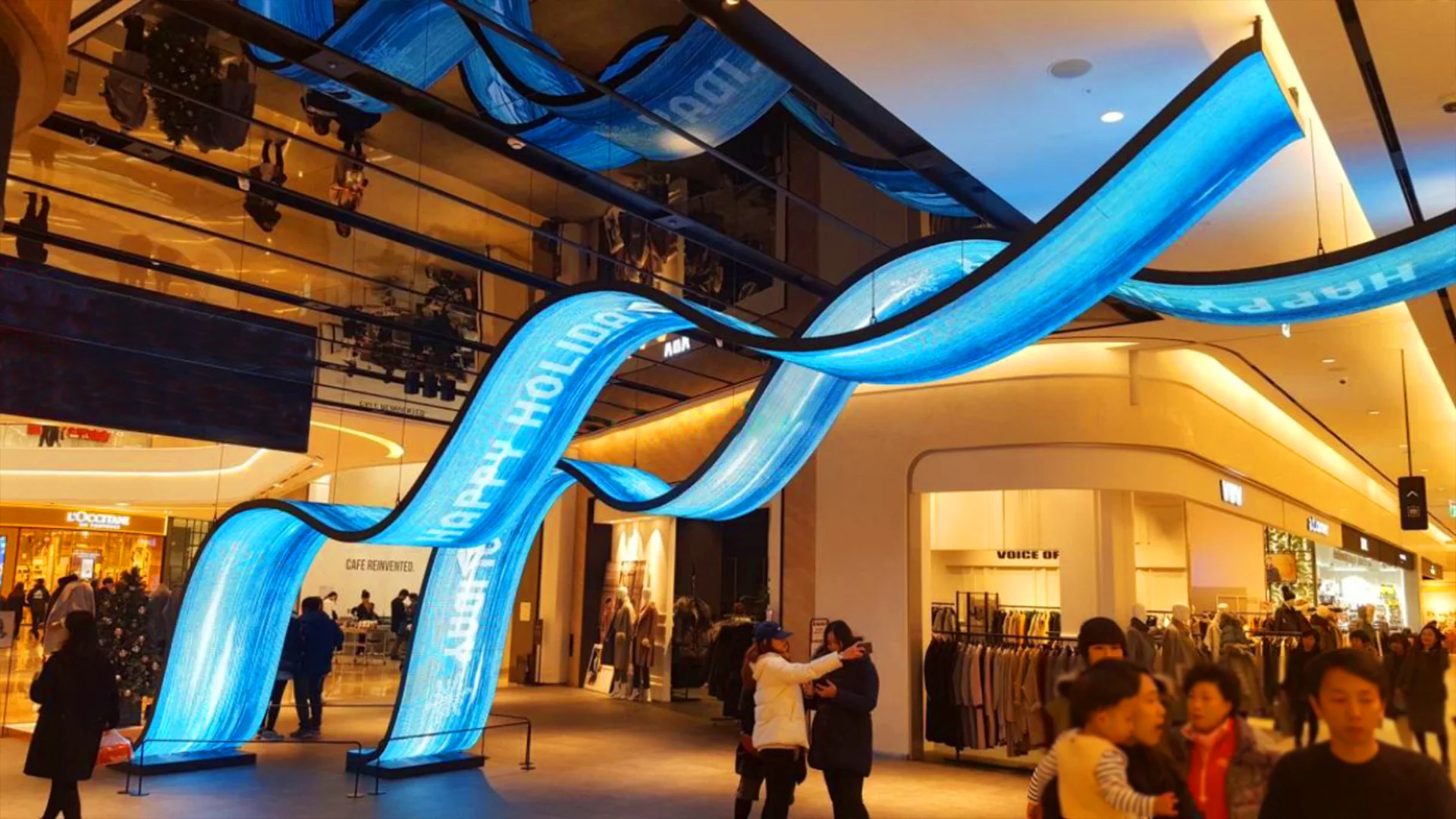
Flat LED cabinets are built around fixed geometric planes, while curved applications introduce changing distances and angles between the display and its supporting surface. Even a modest curve can affect how modules align, how viewers perceive proportions, and how installation teams position individual sections. For more curved-screen engineering information, see our curved LED video wall guide.
Glass adds another layer of complexity. Retail windows and façades often need to retain daylight, exterior visibility, and architectural transparency. A display system that occupies excessive visual or physical space may interfere with those functions, particularly in locations where pedestrians need to see both the content and the interior environment.
The purpose of a transparent LED screen is not simply to make a surface digital. Its value comes from balancing image visibility with the character of the underlying architecture. That balance requires attention to transparency, physical profile, mounting method, and the distance from which people will view the content.
Managing Curvature Without Losing Visual Continuity
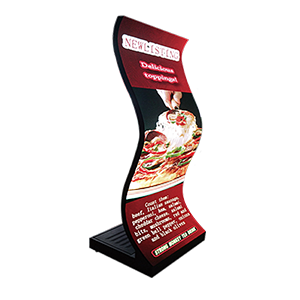
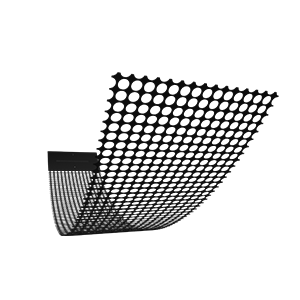
Curved installations benefit from modular systems because individual sections can be positioned according to the geometry of the surface. Rather than forcing a large rigid panel into an unsuitable shape, smaller elements can follow a designed radius or architectural contour with greater control.
Pixel pitch also affects the visual result. Smaller pitches can provide greater image detail at relatively short viewing distances, while larger pitches may be appropriate where audiences primarily view the display from farther away. The correct relationship depends on screen dimensions, content type, and expected audience position rather than on pitch alone.
Content designers should account for curvature before producing visual assets. Straight lines, typography, logos, and geometric graphics can appear different once displayed across changing viewing angles. Testing representative content on the intended structure helps identify distortion that may not be obvious during flat-screen content preparation.
Lightweight Structures And Installation Flexibility
Physical weight becomes particularly relevant when a display is attached directly to glass or another architectural surface. Heavy equipment can complicate mounting calculations, access arrangements, and installation labor. Slim construction can provide more flexibility, although the supporting surface and attachment method still require appropriate engineering review.
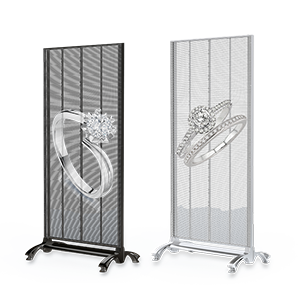
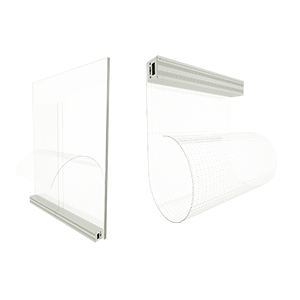
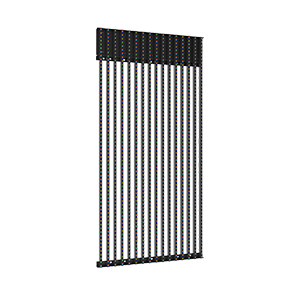
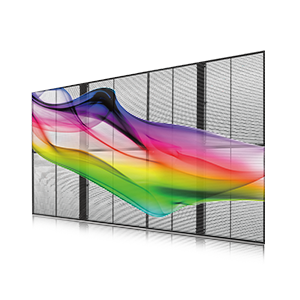
The HIS Series provides a specific example of this approach. Its holographic window display uses a 2 mm-thick structure weighing 3 kg per square meter, with P3.9 mm and P6.25 mm pixel pitch options and a standard 250 × 1500 mm panel size. The system supports ceiling suspension, movable ground-standing installation, and direct glass attachment, while customized panel dimensions can accommodate different window layouts.
Installation method should be selected according to the building rather than treated as a universal formula. Suspended configurations may suit large open areas, movable structures can support temporary campaigns, and direct attachment may be useful for storefront applications. Such flexibility gives project teams more ways to adapt digital content to existing architecture.
Preserving Light And Architectural Visibility
Transparent displays occupy an unusual position between digital signage and architectural glazing. Their visual effect depends partly on what remains visible behind the display. During daylight, natural illumination can continue through the glass, while digital content becomes more prominent as environmental lighting changes.
Brightness calibration is essential in this context. Excessive output may compete with the surrounding architecture, while insufficient brightness can make content difficult to perceive in direct sunlight. Operators should consider time of day, façade orientation, weather conditions, and audience distance when establishing brightness settings.
The visual relationship between indoor and outdoor spaces also deserves attention. Retailers may want promotional content to remain visible from outside without making the interior feel enclosed. Airports, hotels, shopping malls, and automotive showrooms can face similar requirements, particularly where glass serves both functional and aesthetic purposes.
Creating Depth And Visual Interest
Transparent technology can support content that interacts with its background rather than simply covering it. Layered graphics, motion elements, and carefully constructed depth effects may create a stronger sense of spatial separation, especially on glass façades where the physical environment remains visible.
Naked-eye 3D content introduces another possibility. Perspective cues can make selected objects appear to extend beyond the visual plane, although the effect depends heavily on viewing position and content design. Designers need to define the intended audience zone so that perspective remains convincing from the primary viewing angles.
A flexible transparent LED display can also serve different communication purposes within the same architectural environment. Promotional campaigns may prioritize movement and short messages, while corporate spaces could use restrained graphics that complement the building’s interior. The content strategy should respond to the location rather than treating transparency itself as the message.
Conclusion
Curved architecture does not have to compete with digital communication, provided the display system respects the physical qualities of the space around it. Thickness, weight, pixel pitch, mounting approach, brightness, viewing geometry, and content design all influence whether a transparent installation feels integrated or visually intrusive.
Our team at LEDFUL considers these factors together when working with transparent LED screen applications, while the right flexible transparent LED display configuration can preserve light, accommodate unusual surfaces, and introduce dynamic visual content without turning the architecture into a conventional flat billboard.