
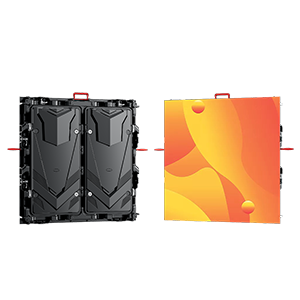
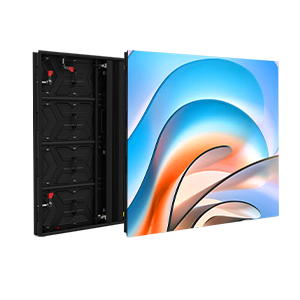

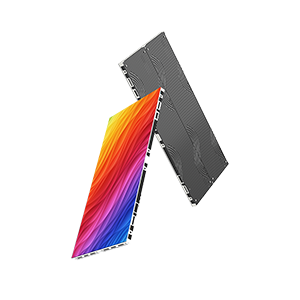

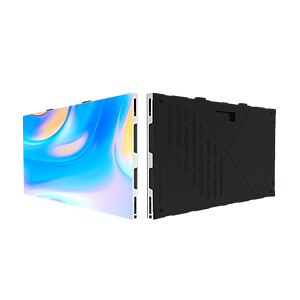
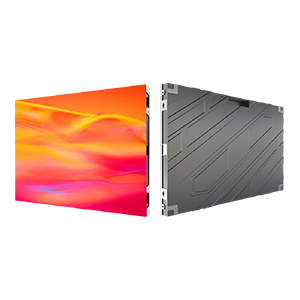

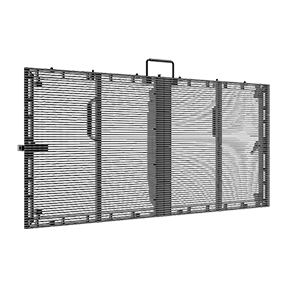
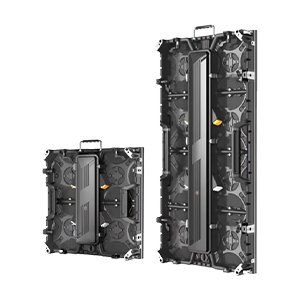
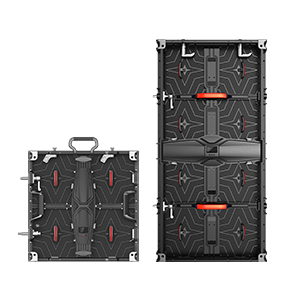



















































Stadium operators face intense pressure to modernize their infrastructure. Fans attending live athletic events expect an immersive, high-definition broadcast experience that rivals their living room televisions. When upgrading arena visual networks, procurement officers should choose between several competing electronic mediums to satisfy this demand.
Making the wrong hardware investment cripples venue profitability for decades. A modern sports LED screen represents a capital expenditure. We should objectively contrast this advanced semiconductor technology against legacy projection systems, commercial LCD video walls, and static analog boards to understand its superior operational value.
The Brightness Contrast: Defeating Venue Illumination
Projection systems remain historically popular due to their low initial hardware costs. Facility managers often attempt to scale these systems for audiences. However, projectors rely on reflecting light off a secondary canvas.
This physical limitation makes projection architecture useless in brightly lit environments.
Athletic facilities utilize intense overhead floodlights to illuminate the playing field. These lighting rigs instantly wash out projection beams. The broadcast feed becomes invisible to the audience sitting in the upper decks.
An active semiconductor matrix solves this optical failure. Instead of reflecting light, the diodes generate their own intense luminance. They easily cut through blinding stadium glare.
This supports pristine visibility during afternoon football matches under direct sunlight and brightly lit evening basketball games alike. The visual infrastructure maintains total optical dominance over the venue’s ambient lighting.
The Well-Integrated Canvas: Overcoming LCD Fragility
Many event operations consider LCD video walls for indoor VIP lounges or concourse broadcasts. These commercial monitors deliver excellent baseline resolution for close-up viewing.
Yet, they possess two fatal flaws for rigorous athletic environments.
Assembling multiple LCD panels creates unavoidable black grid lines where the thick plastic bezels meet. These harsh physical borders slice through live replay footage. They instantly destroy the immersive optical illusion for the fans.
Furthermore, LCD glass is incredibly fragile. An errant basketball or hockey puck will shatter a standard commercial monitor instantly upon impact, causing severe broadcast interruptions.
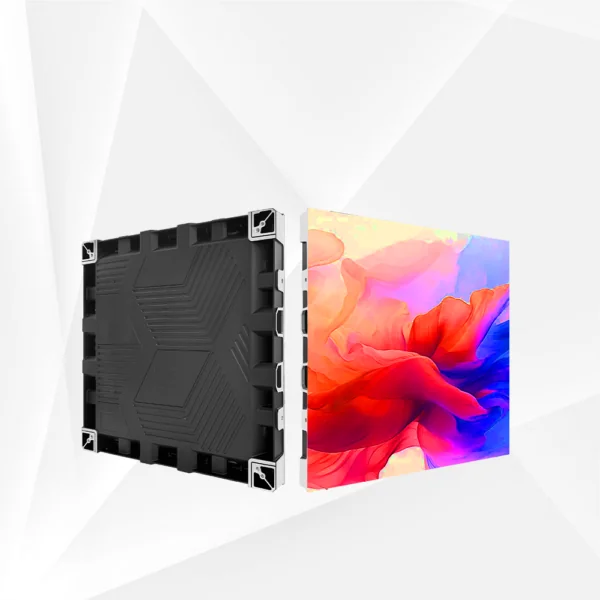
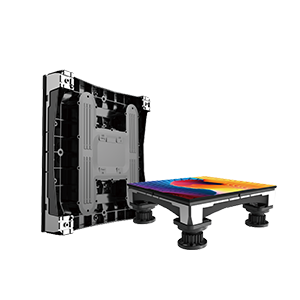
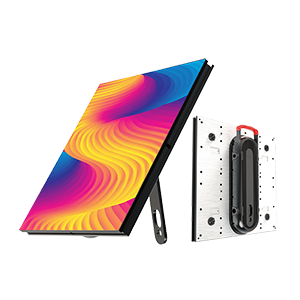
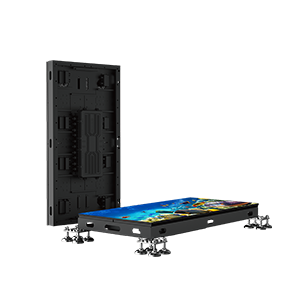
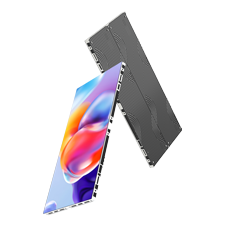
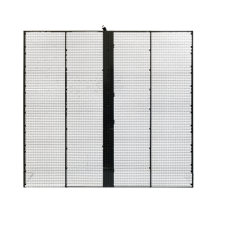
A premium LED display for sports reduces these visual interruptions. The individual modules interlock with rigorous mechanical precision, forming a well-integrated, uninterrupted digital surface.
Specialized protective masks cast over the diode arrays repel mechanical impacts effortlessly. The hardware survives the kinetic hazards inherent to live athletics without suffering catastrophic pixel failure.
Dynamic Monetization vs. Static Scoreboards
Older venues still cling to traditional painted scoreboards featuring simple numerical digit displays. These analog systems successfully report game statistics and timing. Static boards offer far less flexibility for rotating advertising content and updating campaigns.
A static painted logo belonging to a single corporate sponsor cannot adapt. Venue owners cannot rotate multiple advertisements during a single hockey period or run high-resolution video commercials during halftime breaks.
Upgrading to a dynamic digital canvas rewrites the stadium’s financial model. The hardware transforms from a mere legacy timekeeping device into a highly lucrative monetization engine.
Facility managers can program infinite commercial loops. This capability dramatically multiplies their advertising inventory. It rapidly accelerates their return on investment through dynamic corporate sponsorships and real-time vendor promotions.
Thermal Management and Long-Term Maintenance
Beyond optical performance, the financial evaluation should include ongoing maintenance costs. Traditional lamp-based projectors require periodic lamp replacement, while laser projectors use longer-life solid-state light sources. LCDs demand comprehensive panel swaps when a single screen cracks.
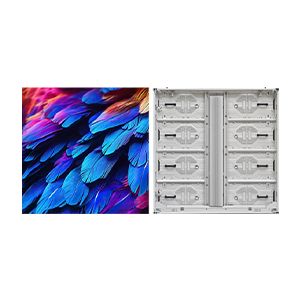
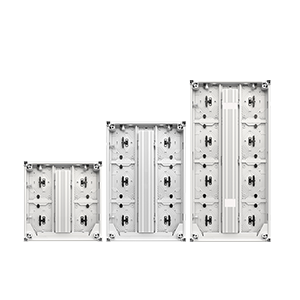
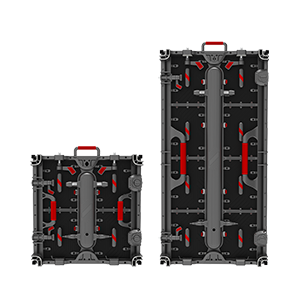
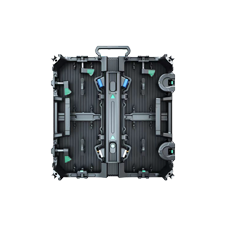
Modern semiconductor setups utilize highly localized maintenance protocols. If a module requires servicing, technicians can access the display from the front or rear using the designated maintenance method, reducing the need to dismantle the entire screen.
They replace a tiny section without dismantling the entire billboard. This localized repair strategy reduces ongoing labor costs.
Premium aluminum chassis designs provide vastly superior thermal dissipation. Managing heat effectively prevents internal microchips from overheating during prolonged, four-hour sporting events. This thermal control extends the operational lifespan of the entire digital network significantly.
Engineering Athletic Infrastructure with LEDFUL
Procuring durable stadium electronics requires partnering with a manufacturer capable of meeting these strict architectural demands.
At LEDFUL, we engineer our products to endure the specific kinetic and thermal realities of global athletic facilities. We provide the rigorous testing data required by procurement officers to secure their corporate investments.
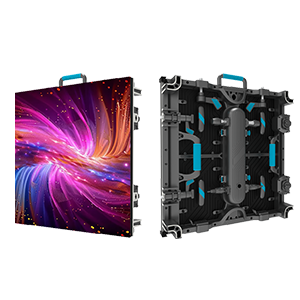
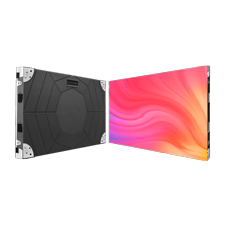
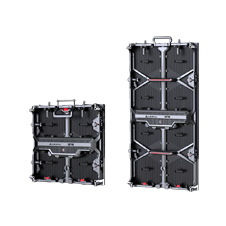
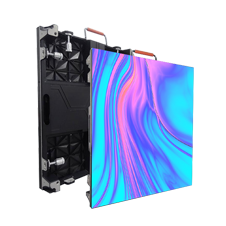
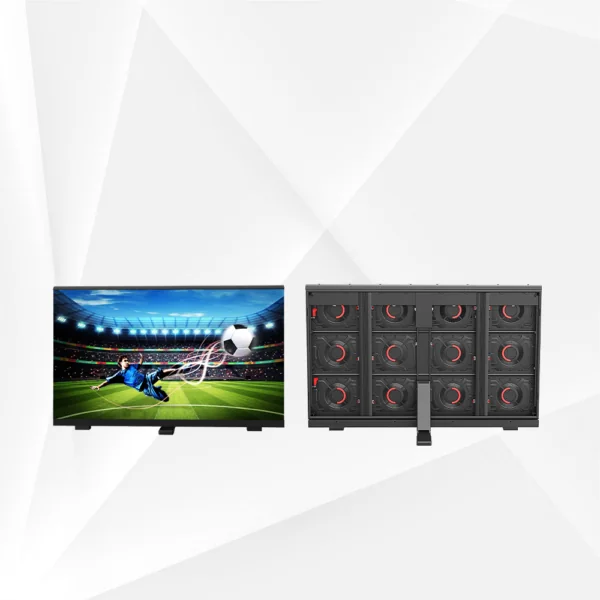
For sports venue upgrades, our PM PLUS series is designed specifically for stadium and arena applications, offering high brightness, wide viewing angles, and robust construction for perimeter and large-format displays. The PM PLUS addresses the unique demands of sports environments, including broadcast camera compatibility and durable outdoor operation.
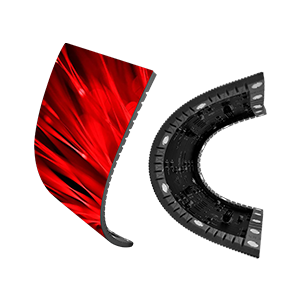
For center-hung and curved configurations, consult our sports product range for suitable structural options. Indoor concourse areas can utilize our BM PRO series, but it should be presented as an indoor supplement rather than the primary sports display.
You can explore our extensive global projects to see exactly how our premium visual platforms endure intense deployments. Reviewing our customer cases reveals our deep commitment to operational success.
We reduce procurement anxiety by maintaining flexible order quantities tailored to your project scale. Venue directors can physically test our surface resilience and visual clarity before authorizing a stadium-wide rollout.
We stand behind our products with solid warranty protection and reliable after-sales support, including free professional consultation. We deliver the reliable infrastructure necessary to elevate your fan experience and drive venue profitability.