




























Event production companies constantly balance razor-thin operating margins against the relentless demand for spectacular, high-quality visual experiences. Investing in touring visual equipment represents a capital expenditure for any staging business. Unfortunately, widespread industry misinformation routinely forces audiovisual staging agencies to make highly inefficient purchasing decisions. These critical errors silently drain their daily operational budgets and severely reduce their total revenue.
Believing outdated hardware logic leads to bloated labor costs, frequent equipment failures, and compromised event timelines during live shows. By exposing the rigorous truth behind how a rental LED display screen actually functions in high-stress touring environments, production managers can improve their procurement strategies. Addressing these misconceptions head-on allows businesses to secure a much healthier, predictable return on investment.
Physical Weight and Structural Misconceptions
Many older technicians still equate physical bulk with rugged reliability. They mistakenly believe that heavy, stamped iron cabinets survive touring abuse better than lighter materials. In reality, excess weight inflates cross-country freight shipping costs. Heavier panels also require significantly more stagehands to lift and secure, multiplying your hourly labor expenses on every single corporate gig.
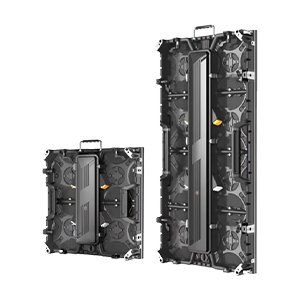
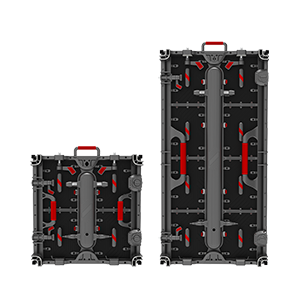
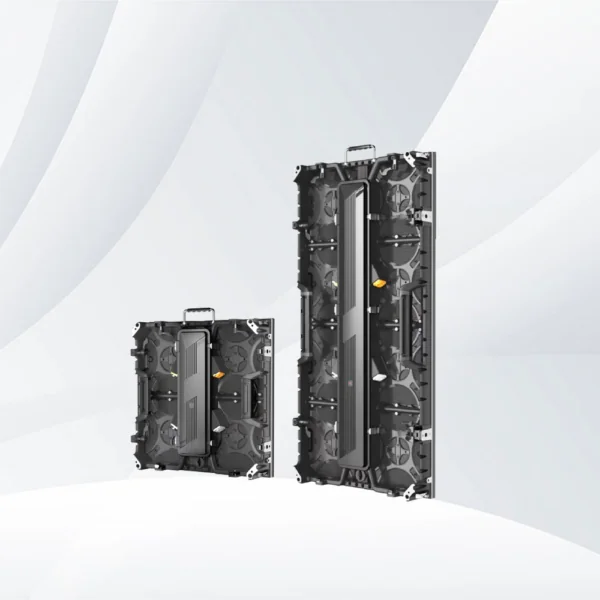
Modern engineering has rendered bulky frames obsolete. Premium staging equipment now utilizes die-cast aluminum enclosures. This advanced metallurgy delivers vastly superior structural rigidity while shedding amounts of dead weight. The panels remain square during transit, ensuring that technicians can align the digital canvas without struggling against bent or warped iron frames.
Contractors often budget heavily for secondary trussing and custom external support structures. They assume bare cabinets cannot support their own geometry safely. This outdated assumption complicates the staging footprint and adds hours to the initial teardown process.
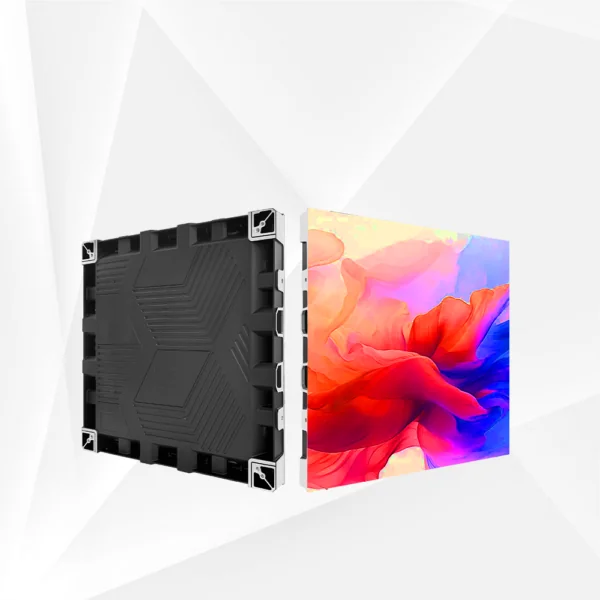
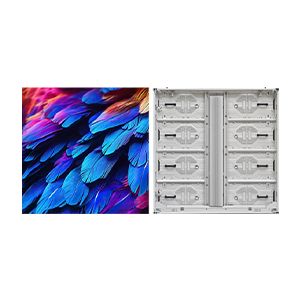
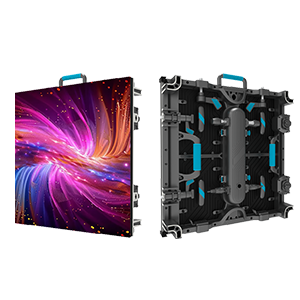
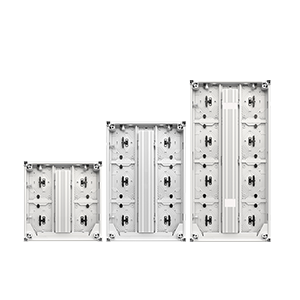
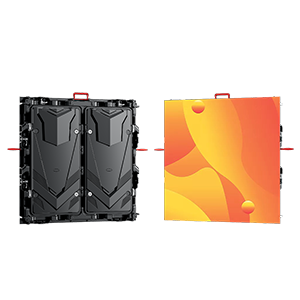
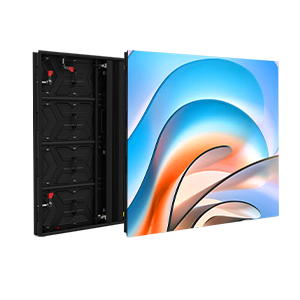
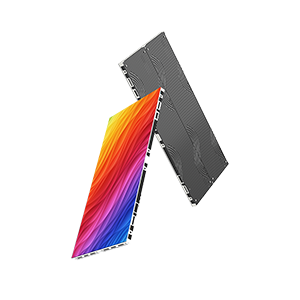
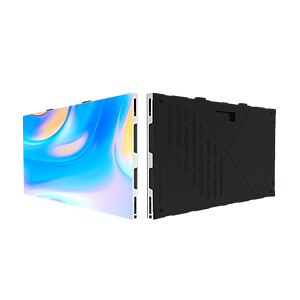
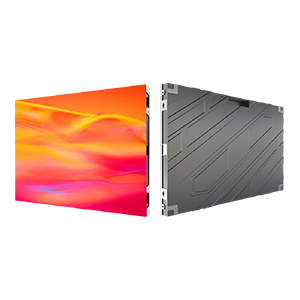
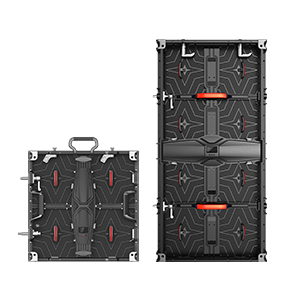
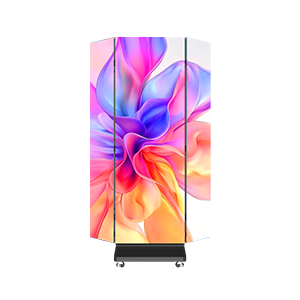
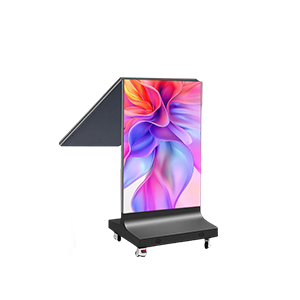
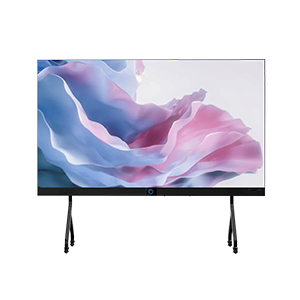
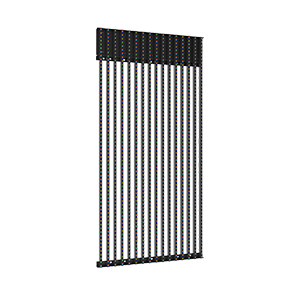
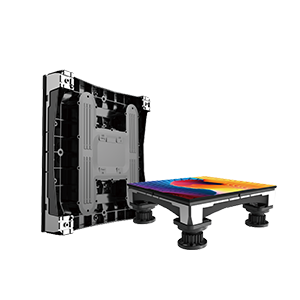
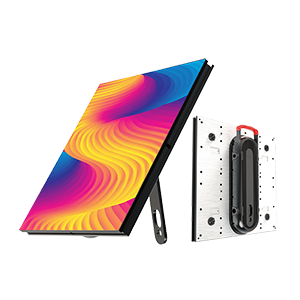
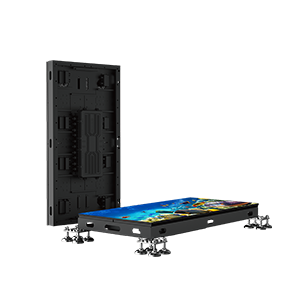
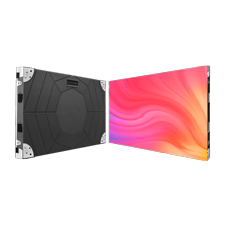
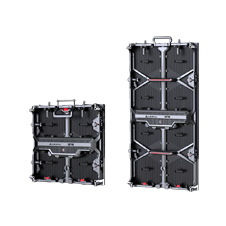
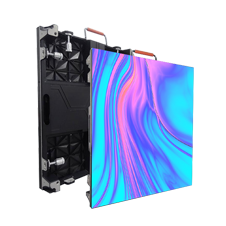
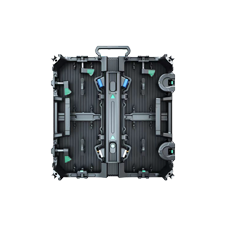
Our S&K series is engineered for rental and staging applications, addressing common pain points of touring inventory. It features a lightweight profile with rental-optimized quick-assembly construction. This design helps a smaller technical team deploy rental LED displays efficiently.
The Illusion of Maximum Brightness and Pixel Density
Inexperienced operators often blast indoor screens at one hundred percent capacity, assuming brighter is always better. This destroys the visual balance of a broadcast. Running diodes at full blast indoors overwhelms expensive camera sensors and causes severe eye fatigue for the audience sitting in the front rows.
The true metric of premium performance is high grayscale retention at lower brightness levels. Sophisticated control software allows operators to dim the hardware appropriately while maintaining rich textures and smooth gradients. This nuance prevents corporate presentations from looking washed out or harshly illuminated under studio lighting.
Procurement teams sometimes over-engineer their inventory, purchasing ultra-fine pitch modules for arena tours. If the closest audience member stands fifteen meters away from the stage, paying a financial premium for a 1.5mm pixel pitch is a comprehensive waste of capital. The human eye cannot perceive that microscopic detail from a distance.
Smart event agencies match their pixel geometry strictly to the venue’s physical dimensions. Purchasing a versatile, mid-range pitch offers a much wider rental application across various venue sizes. This strategic flexibility keeps the hardware out of the warehouse and actively generating daily rental income.
Cabling Vulnerabilities and Creative Limitations
Some engineers prefer a mess of external wiring, claiming it allows for quick swapping if a signal drops. The reality is far more punishing. Exposed data and power cables get repeatedly snagged, bent, and crushed during fast-paced concert load-outs. Cable fatigue is actually the leading cause of unexpected signal dropping mid-show.
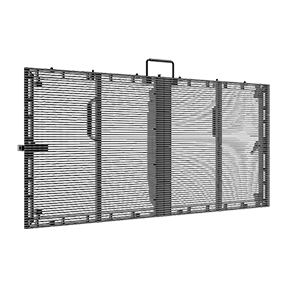
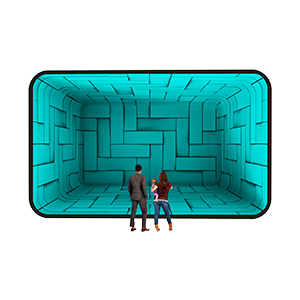
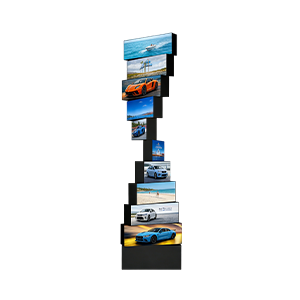
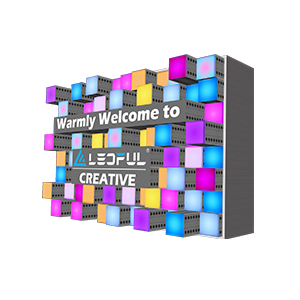
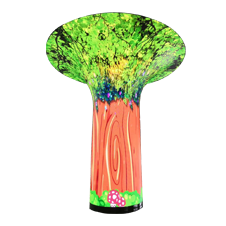
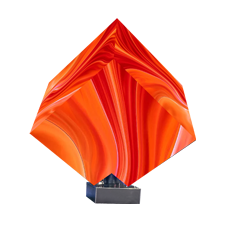
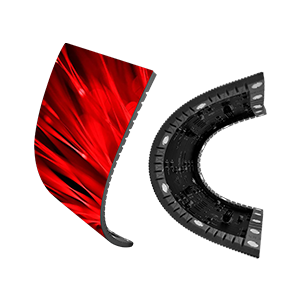
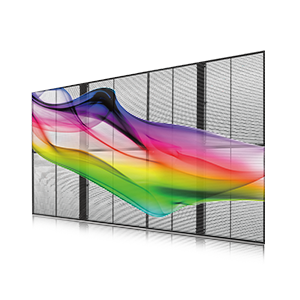
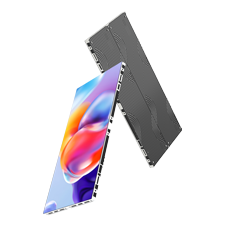
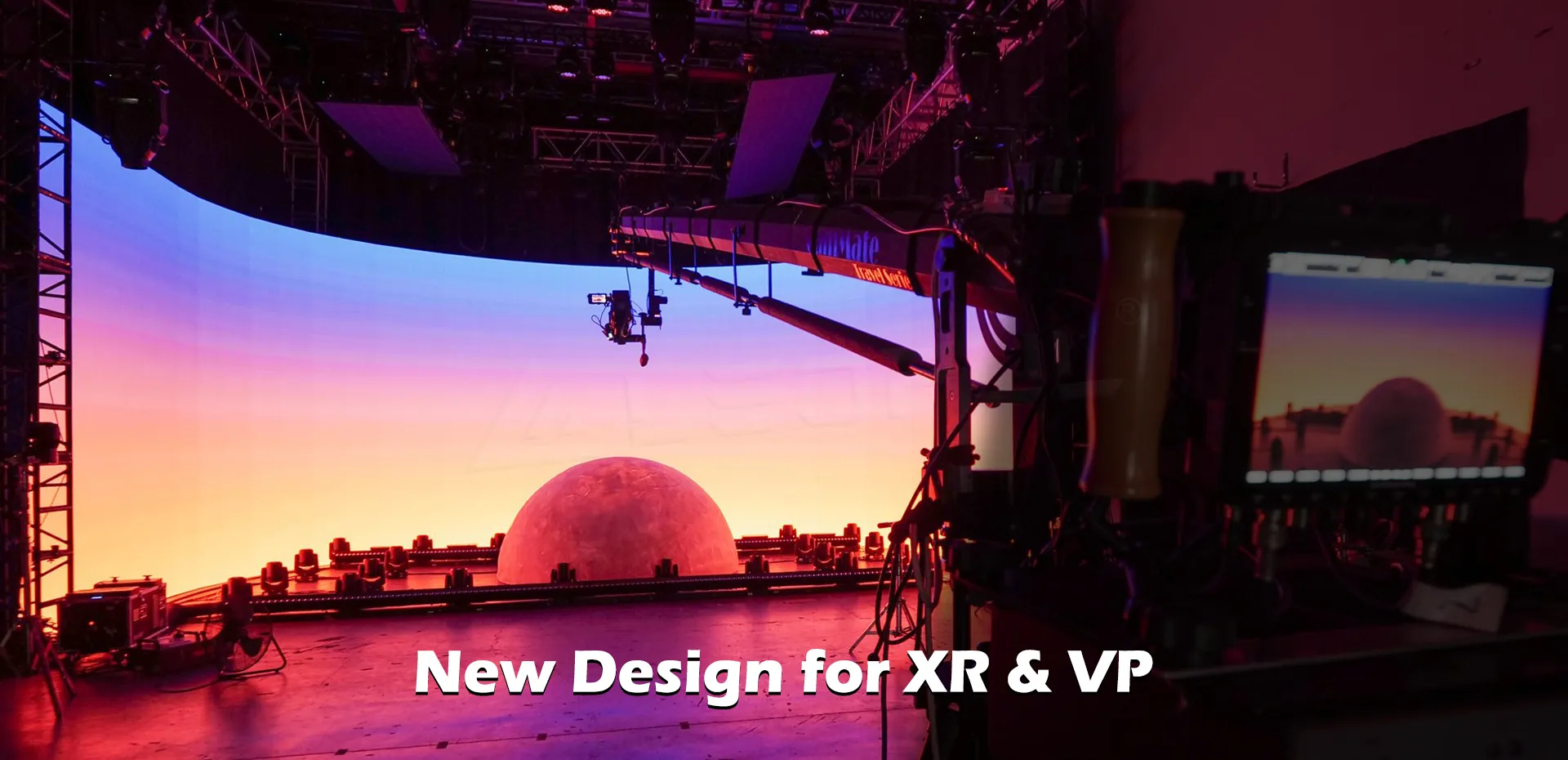
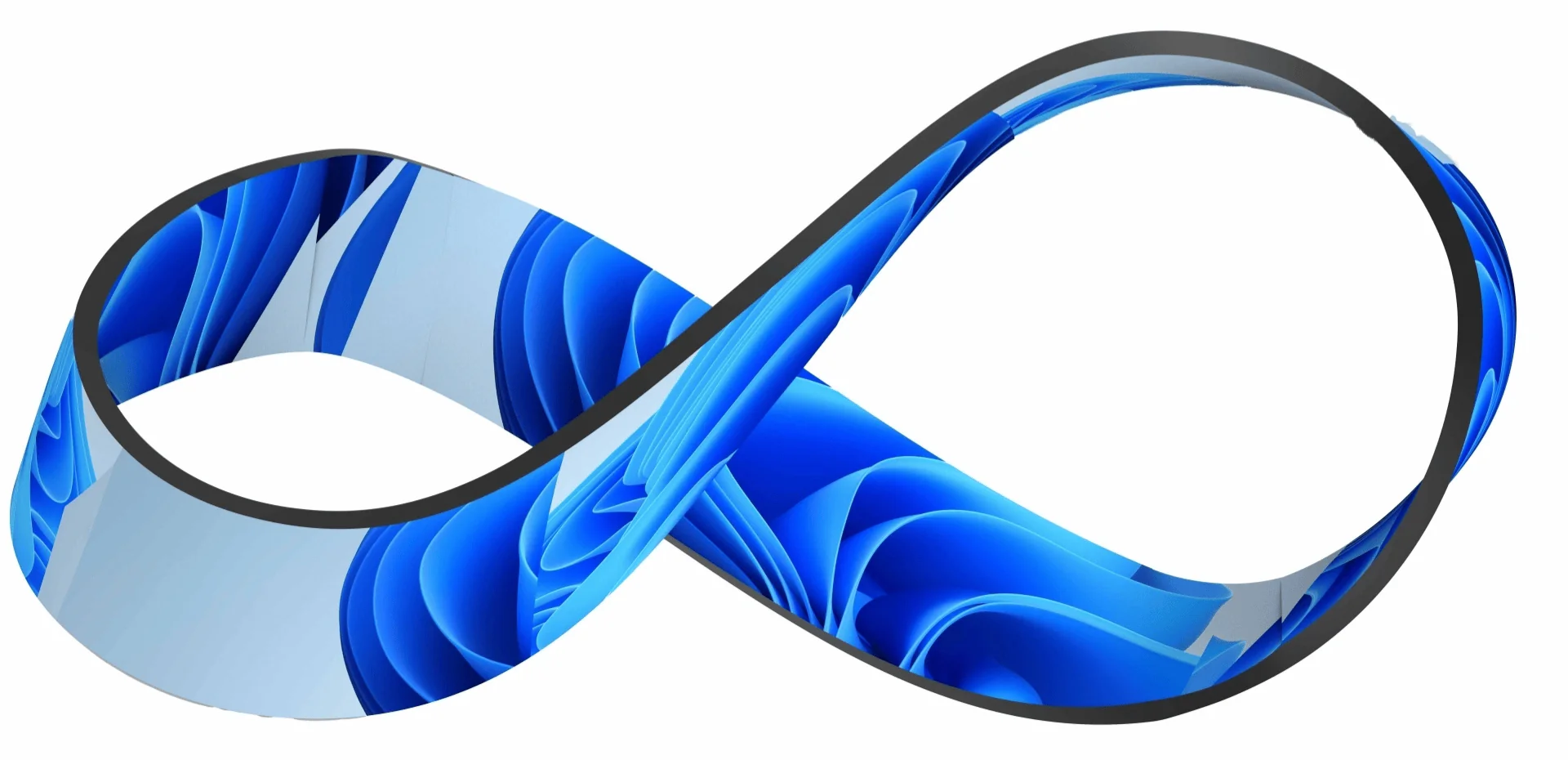
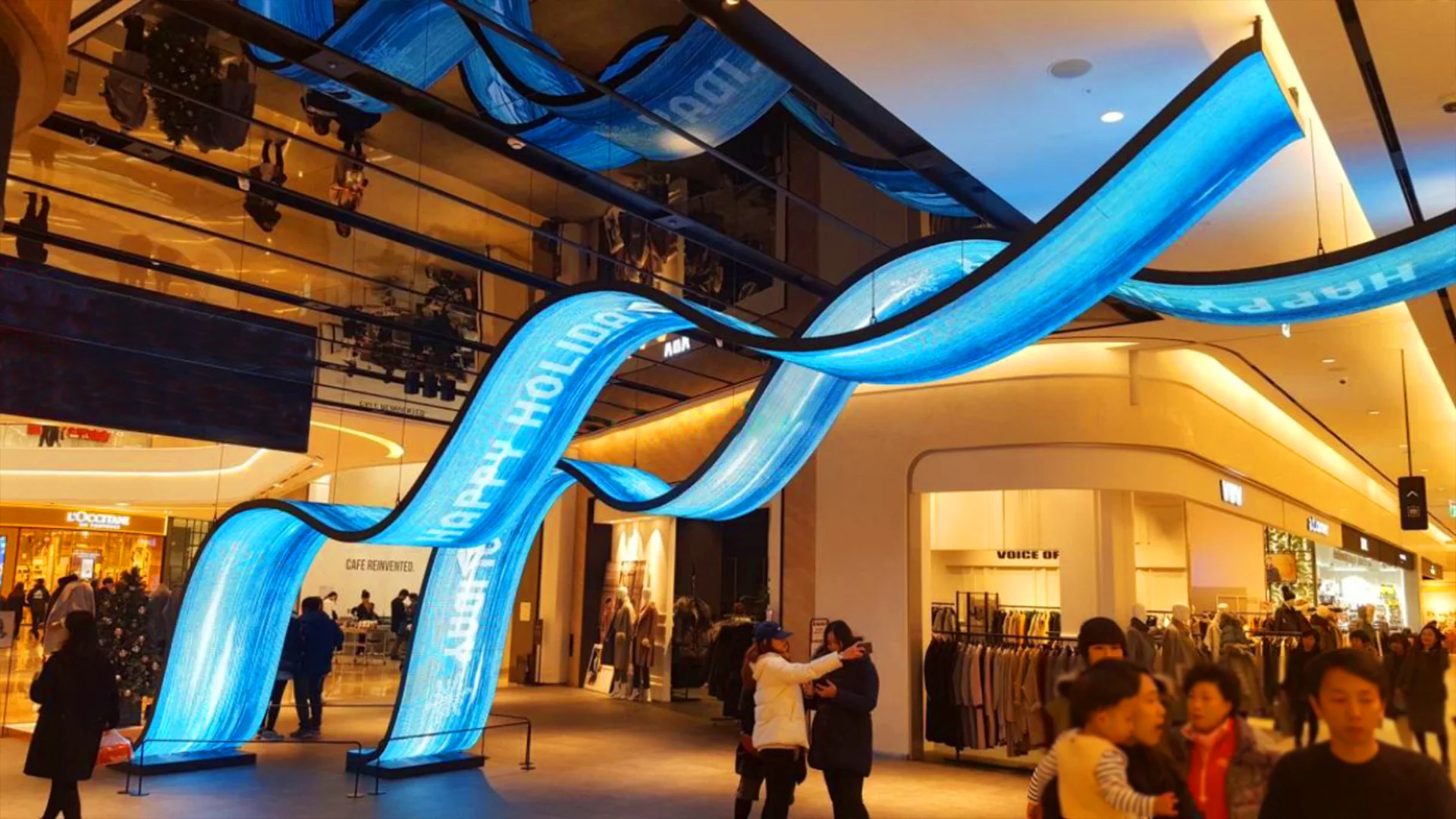
Sticking solely to rigid, flat panels severely restricts an agency’s ability to bid on avant-garde, high-margin stage designs. Clients increasingly demand immersive, three-dimensional visual environments rather than basic flat rectangles. Refusing to invest in flexible architecture leaves substantial revenue on the table.
We engineer our S&K series to address these cabling limitations. With rental-optimized connections between modules, we help reduce physical cable vulnerabilities that can affect live events. Furthermore, this series supports multiple installation methods, helping event designers build flexible stage backdrops efficiently.
The Trap of Initial Hardware Pricing
Accepting the cheapest factory quote is the most dangerous myth in the AV staging industry. Bargain equipment lacks baseline stability and utilizes substandard power supplies. When these budget screens inevitably overheat and fail during a live corporate keynote, the resulting brand damage and contractual penalties far exceed the initial money saved.
True profitability is strictly measured over years of continuous touring. With quick-lock assembly and durable construction designed for frequent setup and teardown, the S&K series helps rental companies reduce on-site labor time and transportation complexity. Its rental-optimized cabinet design supports reliable performance across repeated event cycles, making it a practical choice for event companies seeking to control long-term operational costs.
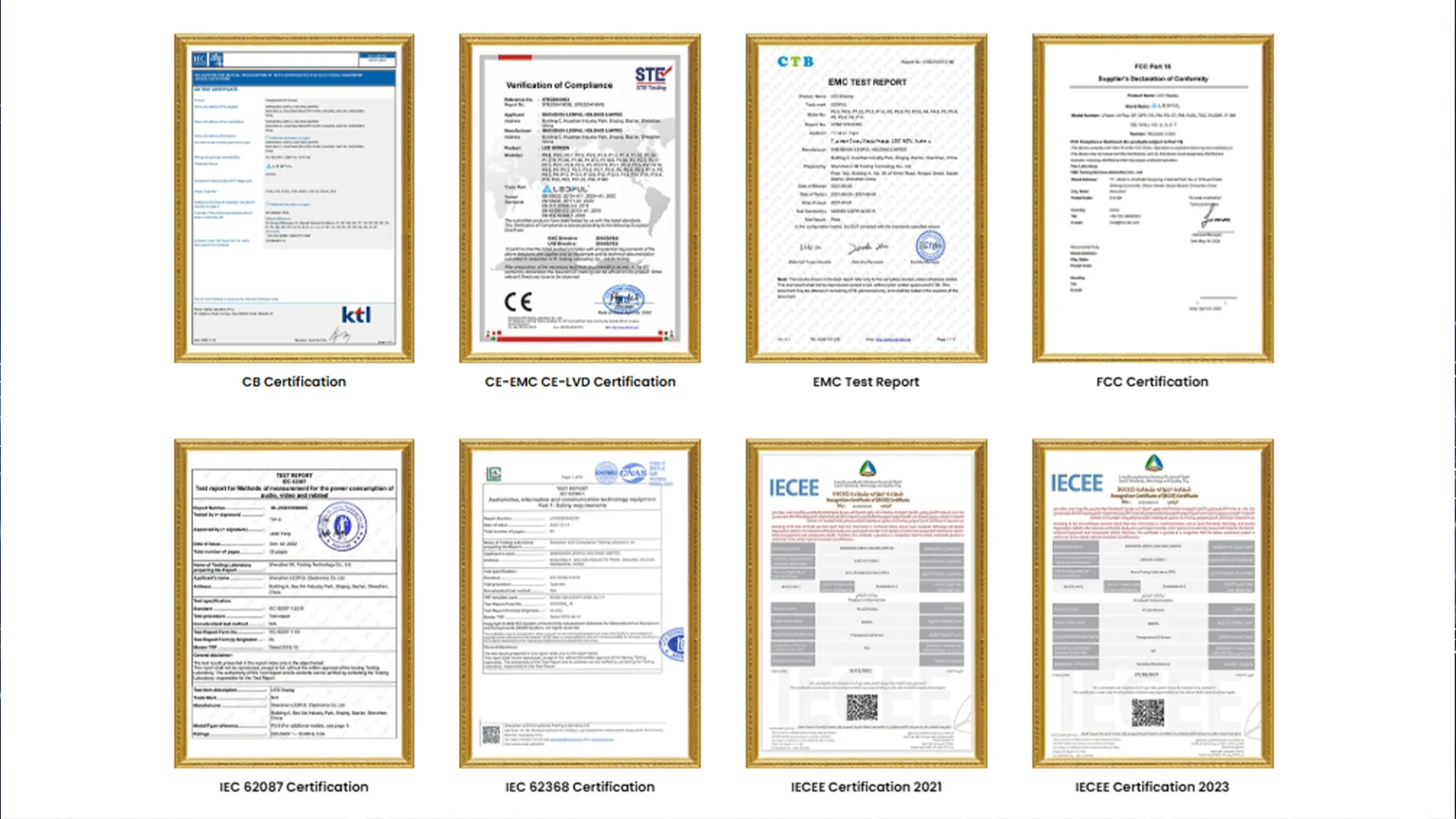
At LEDFUL, we protect our global partners from these costly financial pitfalls through meticulous, application-specific engineering. We back our products with comprehensive warranty coverage and flexible order quantities, complemented by free tailored project solutions. With flexible order quantities tailored to your project scale and complimentary project consultation, we help your staging company procure exactly what the environment demands.