





































Procurement teams often experience severe sticker shock when comparing digital signage quotes. Two screens with the exact same physical dimensions can possess a financial discrepancy, leaving project managers confused about the underlying value.
The major premise governing commercial procurement is that an indoor LED display price is never an arbitrary number. The final financial outlay is strictly dictated by exact hardware specifications, microscopic manufacturing tolerances, and data processing capabilities that define the digital viewing experience.
The Major Premise: Pixel Density Governs the Procurement Budget
Visual sharpness controls manufacturing expenses.
The most significant variable impacting your capital expenditure is pixel pitch. This metric defines the exact physical distance between adjacent light-emitting diodes. When contractors require ultra-high-definition imagery for corporate boardrooms or television broadcast studios, they should deploy hardware with a very tight dot pitch. Because pixel pitch affects pixel density, viewing distance, and cost, buyers should understand how to choose the right LED display pixel pitch before comparing quotations.
Shrinking this microscopic distance multiplies the total diode count per square meter.
Manufacturing a densely packed visual canvas requires millions of additional semiconductor components. Furthermore, placing these microscopic diodes onto a printed circuit board demands extended CNC machining time. This intense manufacturing density naturally elevates the total cost of premium indoor LED displays.
Beyond sheer quantity, the specific packaging of the diodes heavily influences the final invoice. Opting for advanced anti-collision encapsulation techniques adds a layer of optical resin over the pixels. This protective armor requires highly specialized chemical curing processes, inherently raising the baseline procurement budget.
Elaborating the Minor Premise: Wire Bonding and Internal Metallurgy
What lies inside the individual diode also dictates long-term financial viability.
Diodes are connected to their internal circuitry using microscopic bonding wires. Budget-friendly modules utilize copper or alloy wiring. While copper reduces the upfront capital expenditure, it is highly susceptible to thermal expansion and oxidation over time. This vulnerability leads to premature dead pixels.
Premium diode packages utilize pure gold wire bonding.
Gold possesses unparalleled electrical conductivity and extreme resistance to oxidation. It withstands the relentless thermal cycles of continuous commercial broadcasting without breaking. Selecting gold-wire diodes significantly increases the initial hardware quote but slashes long-term maintenance fees and costly component replacements.
Elaborating the Minor Premise: Processing Power and Refresh Rates
A pixel count is useless without the computing power to drive it.
Another critical specification driving up hardware quotes is the quality of the internal driver integrated circuits. Budget-tier panels often utilize basic processing chips. Lower-performance driver ICs may provide less precise current control or PWM performance, which can affect grayscale, refresh performance, and image uniformity.
Professional deployments require high-quality visual fluidity.
Upgrading to premium driver ICs pushes the refresh rate well beyond standard commercial levels. High refresh rates ensure that fast-moving motion graphics remain crisp and tear-free. These advanced silicon processors increase the initial investment, but they are non-negotiable for luxury retail environments.
Elaborating the Minor Premise: Cabinet Architecture and Deployment Speed
Physical hardware engineering represents another major variable in commercial digital pricing.
Entry-level display systems frequently utilize heavy, stamped iron cabinets. These rudimentary metal frames are cheap to produce but suffer from poor heat dissipation and severe alignment issues. When heavy cabinets warp under their own weight, it creates visible physical gaps across the digital canvas.
Precision requires superior metallurgy and meticulous mechanical design.
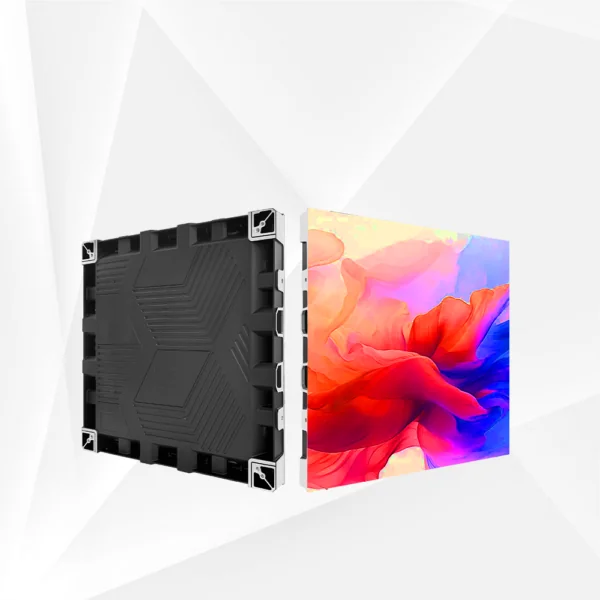
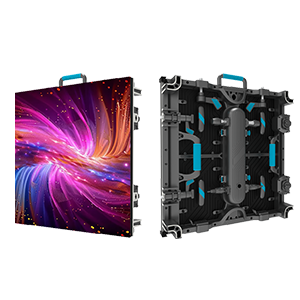
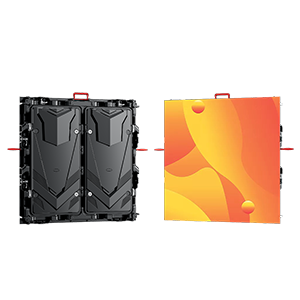
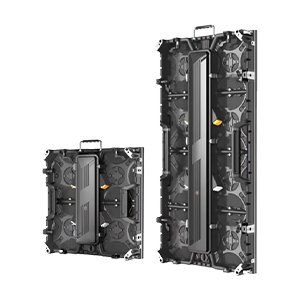
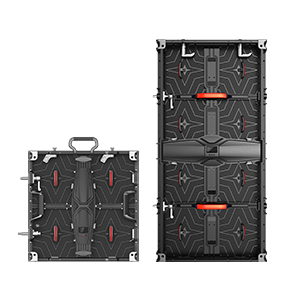
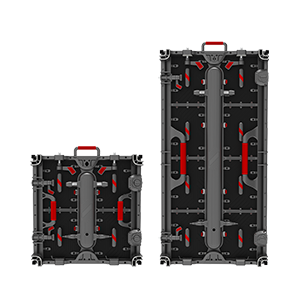
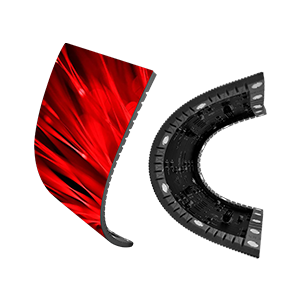
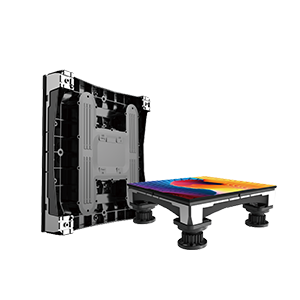
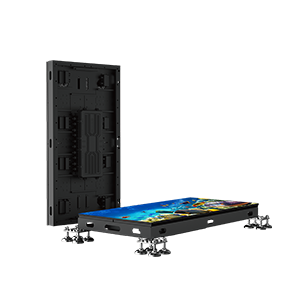
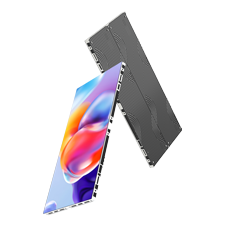
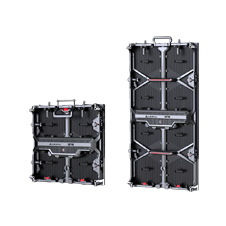
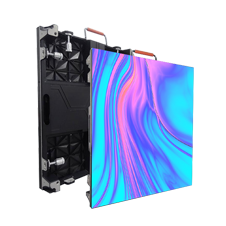
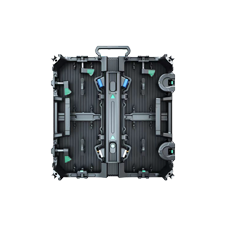
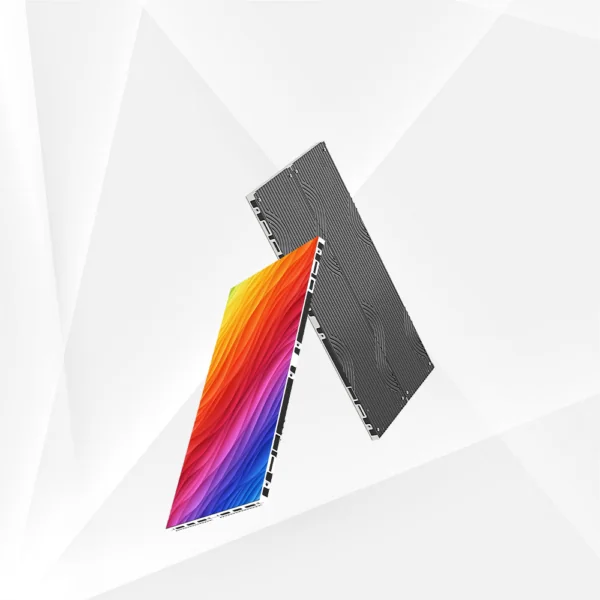
High-end systems utilize die-cast aluminum enclosures. This advanced material is incredibly lightweight, structurally rigid, and disperses internal heat highly efficiently. Our highly versatile BM PRO series leverages this exact ultra-thin profile, equipped with a dedicated back frame for high-quality, rapid deployment and precise flatness.
Specialized physical shapes also command a distinct financial premium.
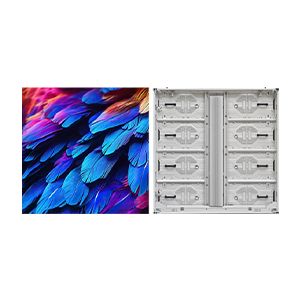
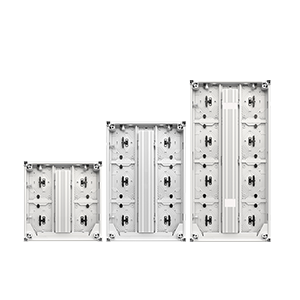
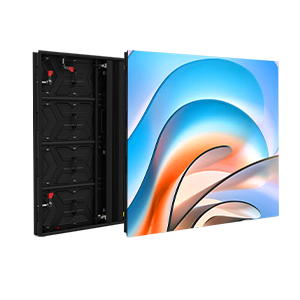
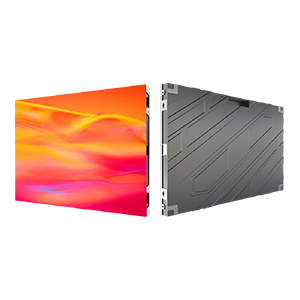
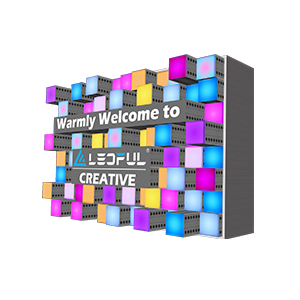
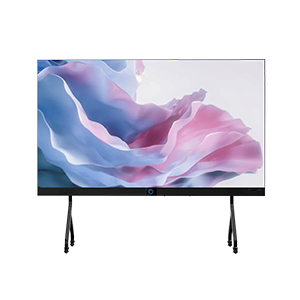
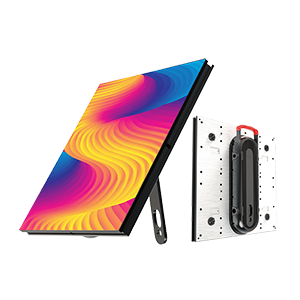
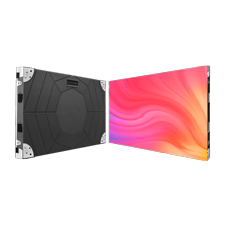
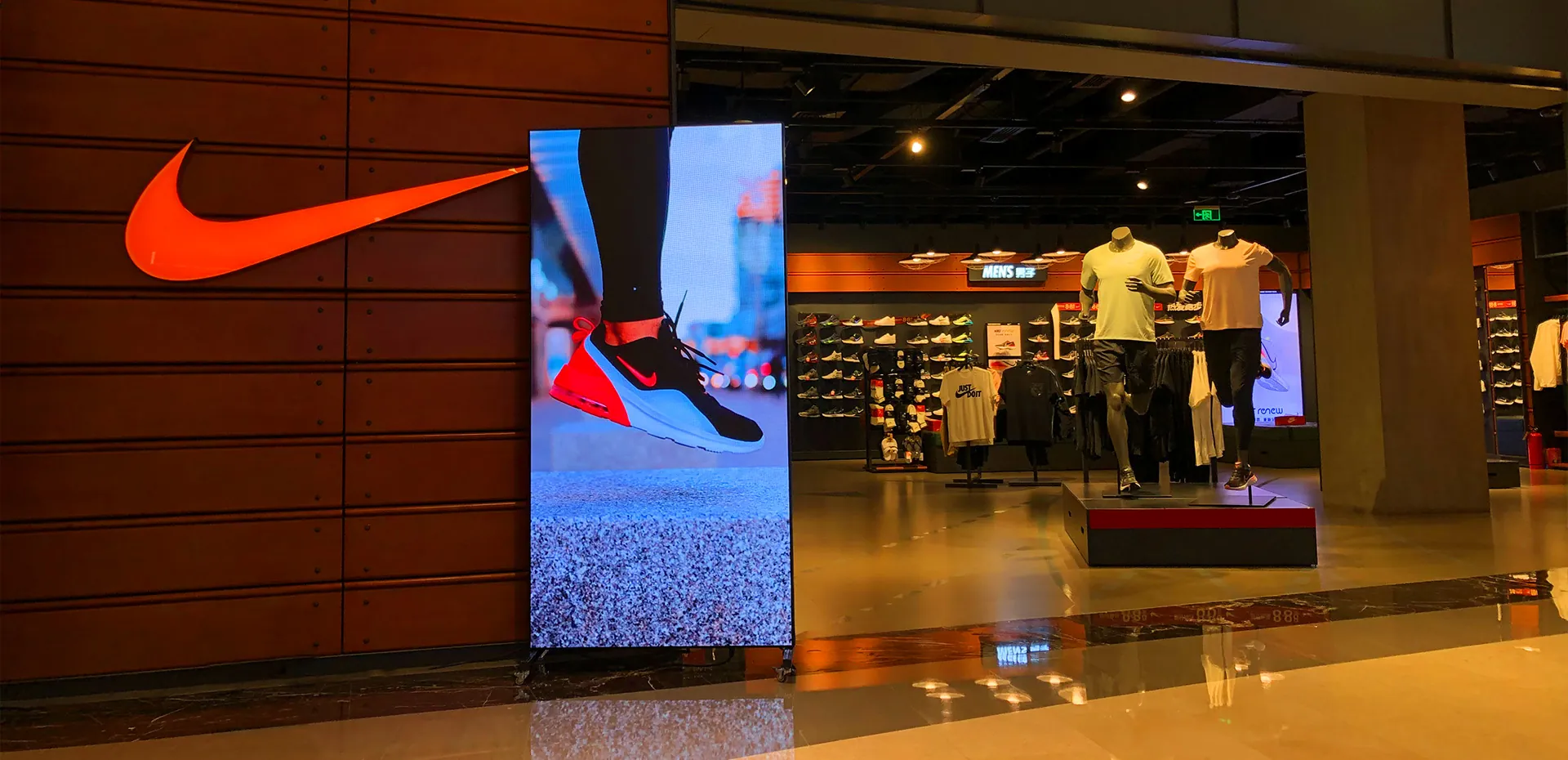
For indoor wall-mounted installations, our WALL PRO series is optimized for slim profile mounting, reducing structural requirements and associated costs. With its ultra-slim cabinet design and front-service access, the WALL PRO minimizes the need for rear maintenance space and expensive support structures.
The total cost of ownership is influenced by pixel pitch selection, screen size, and installation method — the WALL PRO offers a cost-effective option for offices, retail stores, and exhibition spaces where a clean wall-mounted aesthetic is desired.
Analyzing Baseline Stability and Thermal Management Components
Initial hardware quotes rarely reflect the true, long-term operational costs.
The quality of the internal power supplies severely impacts both the upfront price and the subsequent return on investment. Standard digital infrastructure degrades quickly under heavy thermal stress. If the power units lack proper voltage regulation, the internal circuitry will eventually overheat and fail.
Premium displays prioritize relentless internal stability over superficial savings.
Utilizing highly efficient, energy-saving power units extends the operational lifespan of the diodes. Our robust WALL PRO series is engineered with these exacting performance standards. It delivers an effective balance of superior baseline stability, dependable quality, and high cost-effectiveness for budget-conscious system integrators.
The Deductive Conclusion: Strategic Value with the Right Partner
We can mathematically deduce that maximizing your procurement budget requires aligning precise hardware specifications with actual architectural realities.
Over-engineering a lobby screen with broadcast-level pixel density wastes capital. Conversely, deploying budget hardware in a high-profile retail environment destroys brand equity through rapid pixel degradation. Financial efficiency is achieved strictly through balanced, application-specific hardware selection.
The key financial safeguard is selecting a transparent, technically proficient LED display manufacturer.
We help corporate clients navigate these complex technical variables. We ensure that you pay only for the exact specifications your specific viewing distance and environmental conditions demand. We provide comprehensive project matching solutions, backed by a highly accessible minimum order quantity of just one square meter.
Securing your digital infrastructure requires rigorous professional guidance.
We support your project with comprehensive warranty coverage, flexible procurement options, and free technical consultation. Contact our dedicated engineering team today to receive a precise, data-driven hardware evaluation and improve the financial yield of your next visual installation.