



































Have you ever stood in a brightly lit cinema lobby, captivated by a brilliant digital film advertisement, only to pull out your smartphone and capture a photograph ruined by thick black lines?
To the naked eye, the marketing visual looks high-quality and vibrant. Yet, the camera lens reveals a chaotic, flickering mess. This widespread optical disparity frustrates countless cinema operators and film promoters globally.
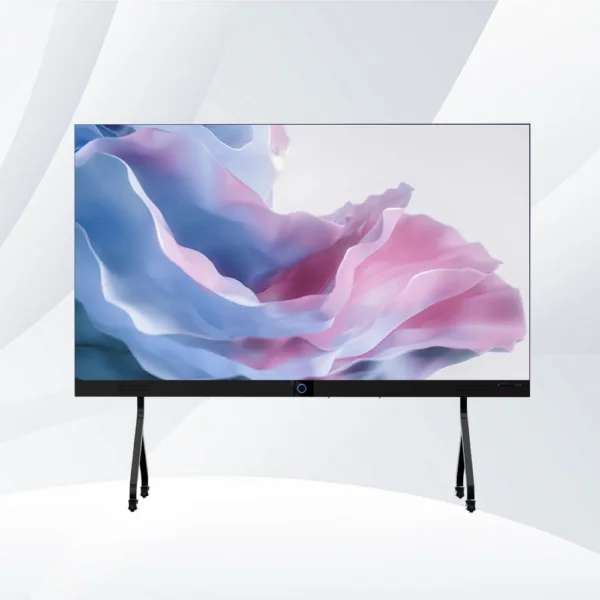
The Microscopic Illusion of Continuous Light
Why does this severe visual mismatch occur?
The discrepancy does not stem from a broken smartphone lens. Nor is it caused by corrupted video files provided by the film studio. The root cause lies hidden within the microscopic electronic rhythm of the screen itself.
Unlocking the secret behind these frustrating optical artifacts requires examining a fundamental clash. We should explore the conflict between modern digital photography and the internal processing hardware of your LED movie poster display.
To understand this phenomenon, we should analyze how digital signage actually emits light. These electronic canvases do not illuminate constantly like a traditional incandescent light bulb.
Instead, internal microchips draw the digital image frame by frame. They rapidly activate and deactivate rows of light-emitting diodes from the top of the cabinet to the bottom.
When Shutter Speeds Outpace Hardware
This sequential drawing process happens incredibly fast.
The human optical nerve is relatively slow. It naturally blends these rapid, sequential flashes together. This biological delay creates the reliable illusion of a solid, persistent image for anyone walking past the installation.
However, modern camera sensors process incoming light differently. They do not blend time. They freeze it using mechanical or electronic shutters set to specific, tiny fractions of a second.
When a smartphone shutter speed outpaces the hardware’s sequential drawing speed, digital disaster strikes.
The camera lens literally captures the digital facade during the exact microsecond a specific row of diodes is temporarily turned off. Those ugly black bands ruining your promotional photograph are simply the unlit pixel rows caught mid-cycle.
Distinguishing Between Frame Rate and Hardware Frequency
Many procurement managers confuse video frame rates with hardware drawing speeds. This misunderstanding often leads to incorrect hardware investments.
A movie file typically plays at twenty-four or sixty frames per second. This dictates how smoothly the recorded action moves. However, the hardware frequency dictates how many times the screen illuminates to display those specific frames.
Even if your cinematic video file is smooth, a low-frequency screen will still tear and flicker under a camera lens. The physical diodes simply cannot cycle fast enough to match the shutter capture.
Investing in premium driver chips solves this bottleneck. It supports the physical light output matches the high fidelity of your digital marketing assets.
The Social Media Cost of Low-Frequency Signage
This technical glitch creates a, tangible problem for cinematic event operations.
Modern novie marketing relies heavily on organic social media sharing to build hype. When fans attend a weekend premiere, they immediately photograph the promotional setups to share online.
If your LED poster display flickers aggressively on their Instagram feeds, you instantly lose valuable digital impressions. A premium, high-budget film release suddenly looks cheap, broken, and poorly executed to a global online audience.
Correcting this destructive visual mismatch requires increasing the drawing speed. This specific hardware capability is measured in Hertz .
A higher display refresh rate allows the LED system to update the image more frequently, helping reduce visible flicker and scanning artifacts on camera.
Delivering the Core Answer: Electronic Synergy
A higher refresh rate can significantly reduce visible flicker and scanning artifacts when the display is photographed or recorded, although camera settings and display driving characteristics also affect the result.
At LEDFUL, we engineer our professional visual solutions to ensure accurate optical reproduction across all mediums. We help ensure that your marketing investments look stunning both in person and on camera.
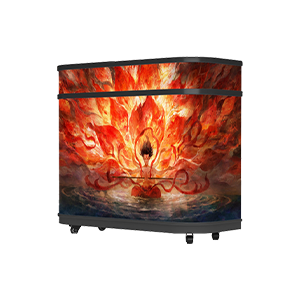
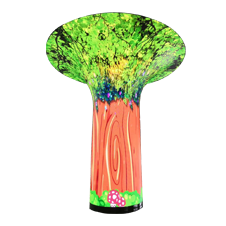
When film studios deploy temporary architectural installations for red-carpet premieres, they require rigorous visual perfection.
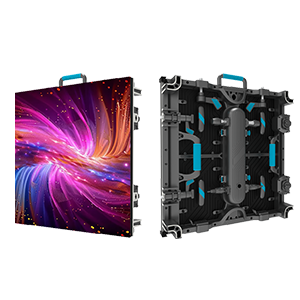
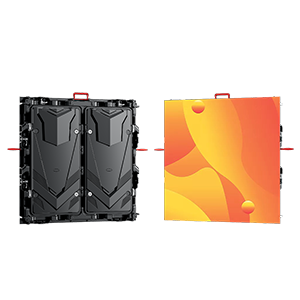
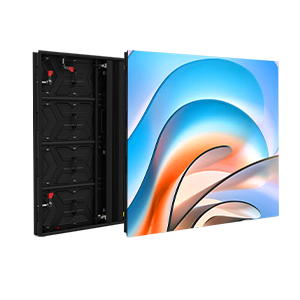
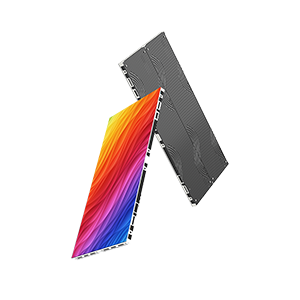
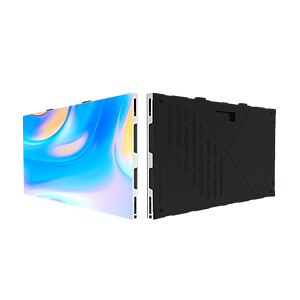
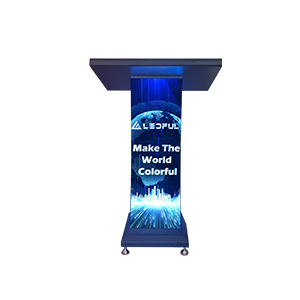
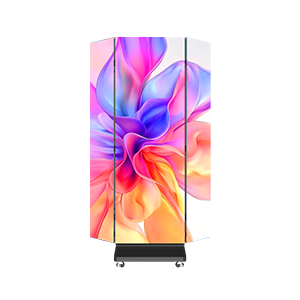
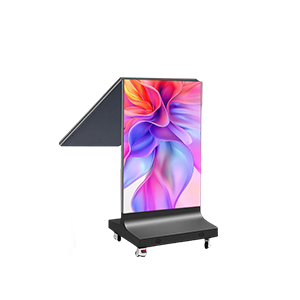
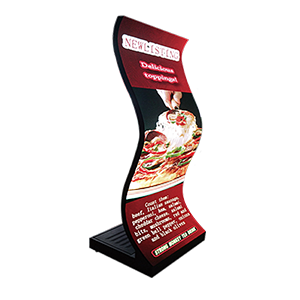
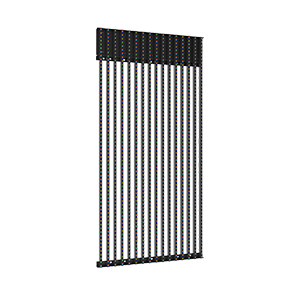
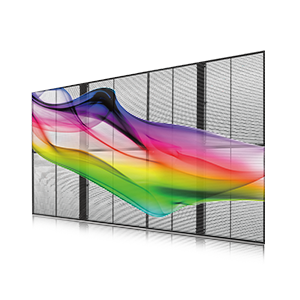
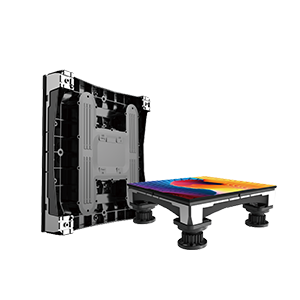
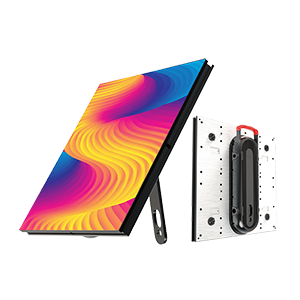
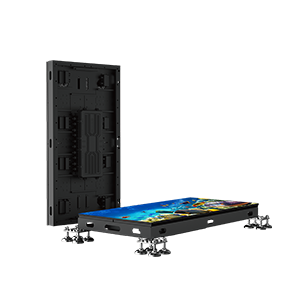
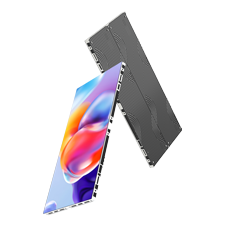
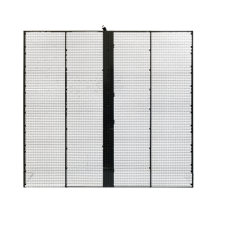
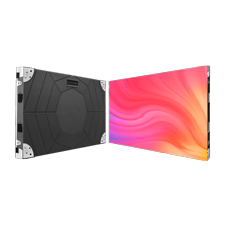
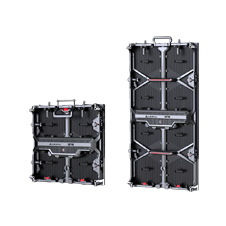
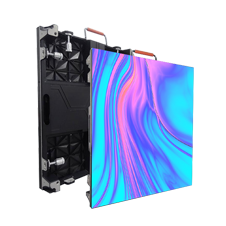
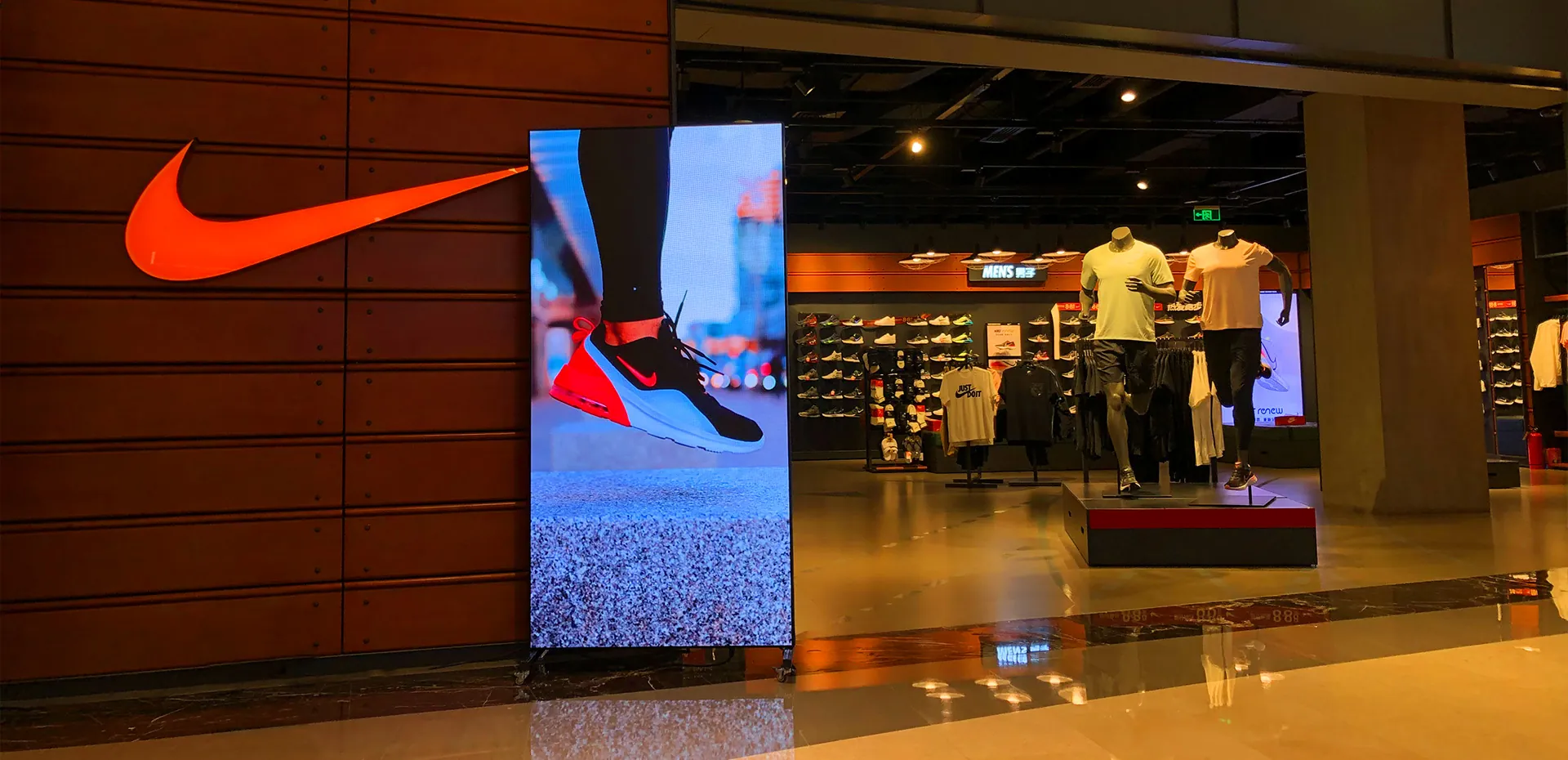
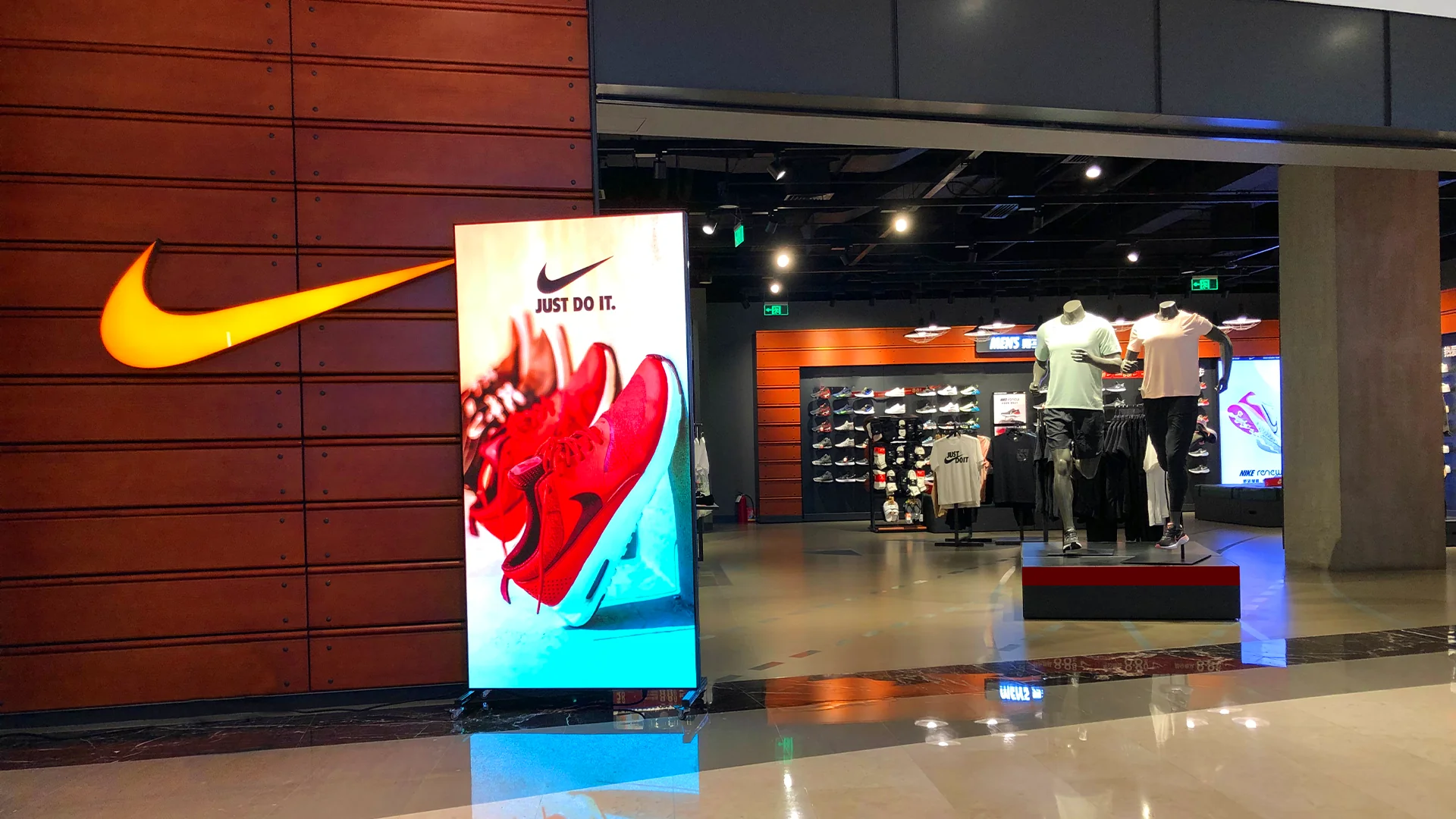
For LED poster display applications where on-camera refresh rate performance matters, our CPOSTER series is designed for retail and commercial environments with slim, freestanding construction.
High refresh rate capabilities help ensure clean capture without scan lines when the poster is filmed or photographed. Its portable form factor suits placement in storefronts, lobbies, and event spaces where a standalone vertical display is needed.
Protecting Your Digital Brand Identity
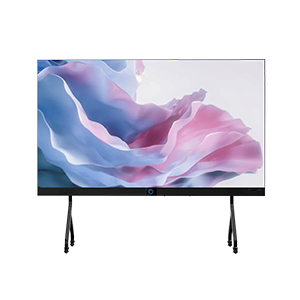
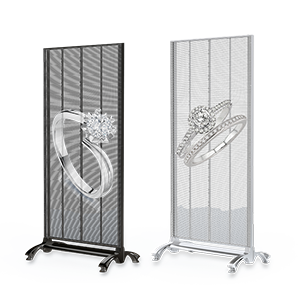
Both of these specialized product series reduce the embarrassing electronic flickering that heavily plagues cheaper, low-frequency alternatives.
Sourcing a reliable LED poster display means evaluating the invisible internal components just as rigorously as the physical exterior. We provide comprehensive project consultations to help procurement teams navigate these precise electronic specifications.
To verify our high-frequency optical performance firsthand, we maintain an incredibly low entry threshold. We offer flexible order quantities tailored to your project scale.
This allows technical directors to conduct rigorous, real-world camera tests before authorizing large-scale corporate purchases. You can film the test modules with your own equipment to confirm the visual stability.
We deliver the rigorous data and reliable hardware necessary to ensure that your cinematic marketing assets look brilliant from every angle, through every single lens.