























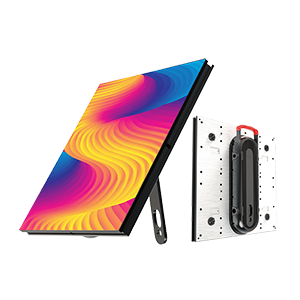
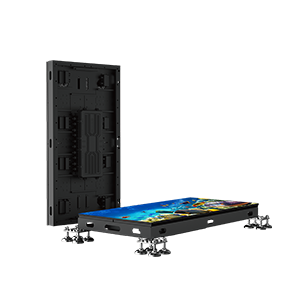

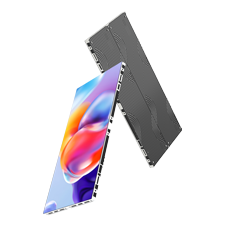

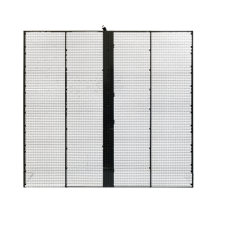
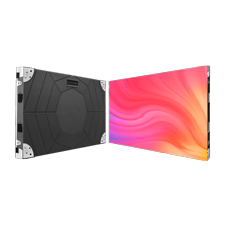
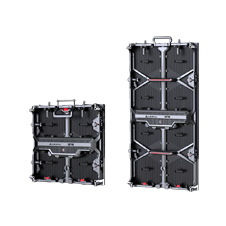

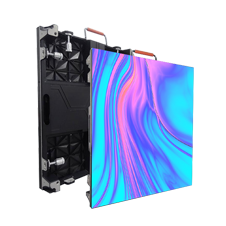
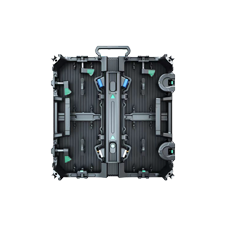
































Budget discussions around digital signage often stop at the purchase quotation, even though the screen itself represents only one part of the expenditure. Cabinet configuration, pixel pitch, brightness requirements, structural work, electricity, spare parts, and technical service can all influence the final project budget. At LEDFUL, we look at outdoor LED display price through the entire operating cycle, since an installation that appears inexpensive initially may have very different costs after several years of use.

Understanding The Hardware Cost
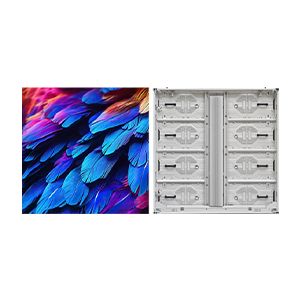
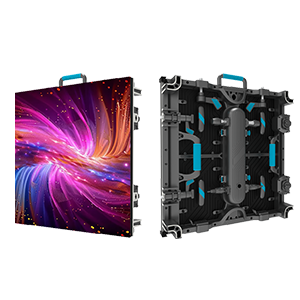
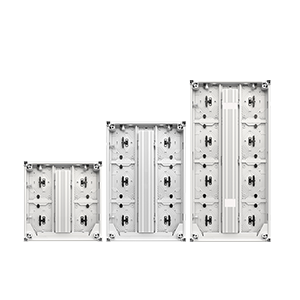
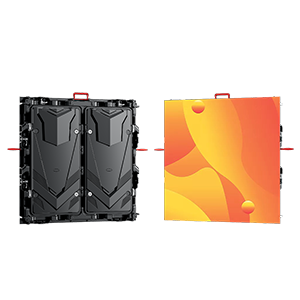
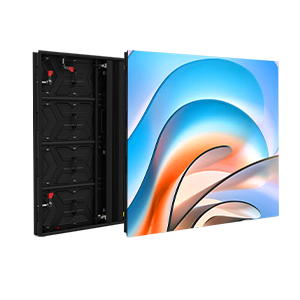
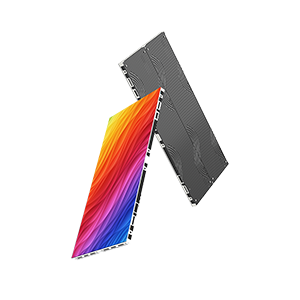
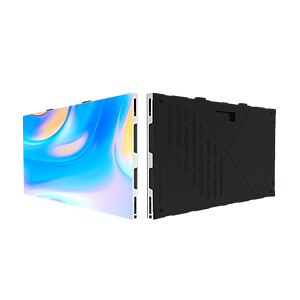
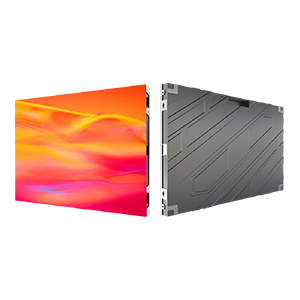
The display cabinets and LED modules usually account for a substantial portion of the initial investment. Pixel pitch has a direct relationship with this cost: tighter pixel spacing generally requires a higher LED density, while larger pitches can be more appropriate for installations viewed from a greater distance. Screen dimensions also matter because expanding the display area increases the quantity of modules, cabinets, power supplies, and related components.
Brightness adds another variable to the calculation. Outdoor screens exposed to strong daylight often require substantially higher brightness than displays installed in shaded environments. The required specification should reflect the site’s ambient light and viewing conditions rather than simply selecting the highest available figure.
Control equipment forms another part of the hardware budget. Sending cards, receiving cards, processors, communication equipment, and content-management hardware may be required depending on system architecture. Consequently, an LED display solution quotation should be examined as a system package rather than as a simple price per square meter.
Separating Installation Costs From The Screen
Structural work can become significant on large outdoor projects. Steel frameworks, mounting systems, foundations, lifting equipment, and site labor may all be required, particularly for façades, rooftops, roadside structures, and large freestanding installations. Local building conditions can produce substantial differences between otherwise similar screen projects.
Electrical infrastructure deserves its own budget line. Distribution cabinets, cables, breakers, grounding, and power connections contribute to installation expenditure, while the site’s existing electrical capacity may determine whether additional work is necessary. Long cable runs or difficult access can also increase labor requirements.
Transportation is another cost that is easy to overlook during early budgeting. Cabinet dimensions, shipping distance, packaging requirements, unloading conditions, and installation height can affect logistics. Looking at outdoor LED display price without these supporting expenses can make an initial quotation appear more comparable than it really is.
Calculating Ongoing Maintenance Expenses
Maintenance costs begin after commissioning and continue throughout the display’s service life. Outdoor exposure can introduce dust, moisture, temperature fluctuations, and other environmental stresses, so periodic inspection is useful for identifying developing issues before they become larger service events.
Replacement components represent another recurring expense. LED modules, power supplies, receiving cards, cables, and other electronic parts may occasionally need replacement. Keeping appropriate spare parts on site can reduce downtime, although inventory also represents a cost that should be included in the operating budget.
Service access affects labor as well. Front-access systems can be particularly useful where the rear of the display is blocked by a wall or architectural structure, while installations with rear access may require different maintenance arrangements. A practical outdoor LED display solution should account for how technicians will actually reach and service the equipment.
Energy And Long-Term Operating Costs
Electricity consumption depends on several variables rather than screen size alone. Brightness settings, operating hours, content characteristics, pixel density, power-system design, and environmental conditions all influence energy use. A display operating continuously at high brightness will naturally have a different electricity profile from one using scheduled brightness adjustments.
Content management can also affect operating efficiency. Automated brightness control may adapt output to changing ambient conditions, while scheduling can reduce unnecessary operation during periods when the screen is not required. These measures should be considered alongside the intended communication schedule instead of being treated as isolated energy-saving features.
Long-term budgeting becomes clearer once electricity, routine inspection, component replacement, cleaning, and technical service are recorded over time. At LEDFUL, we use this broader perspective when discussing an LED display solution, since operating expenditure can substantially change the financial picture after installation.
Building A More Realistic Project Budget
A useful budget separates one-time and recurring expenses. Hardware, structural work, transportation, installation, and commissioning normally belong to the initial investment, whereas electricity, maintenance labor, spare parts, cleaning, software services, and potential component replacement belong to ongoing expenditure.
The expected operating period should also influence procurement analysis. A display intended for a long-term landmark installation may justify more attention to service access, energy management, and component availability. Temporary or lower-duty applications can have a different cost structure because utilization, transportation, and deployment frequency become more relevant.
Price comparisons become more meaningful once every quotation is converted into the same scope. Buyers can request detailed information about included hardware, installation responsibilities, warranty coverage, spare parts, control equipment, and projected operating requirements. This approach gives the outdoor LED display price a useful context instead of treating one headline figure as the entire investment.
Conclusion
The financial picture of an outdoor LED project develops over time, beginning with hardware procurement and extending through installation, electricity consumption, maintenance, repairs, and eventual component replacement. Looking at those categories separately makes it easier to identify which expenses are fixed, which fluctuate with usage, and which depend on site conditions. Our team at LEDFUL considers outdoor LED display price alongside these lifecycle factors, allowing each LED display solution budget to reflect the technical and operational realities of the intended installation.