

















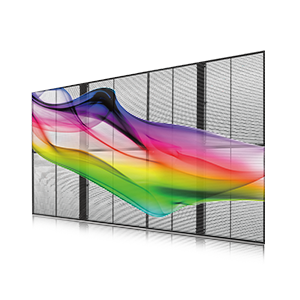


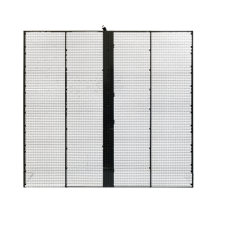
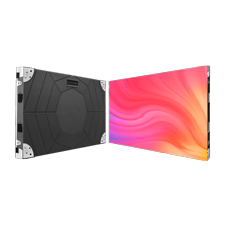
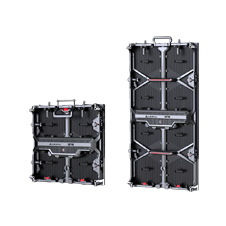

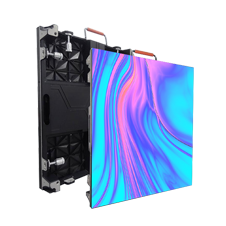
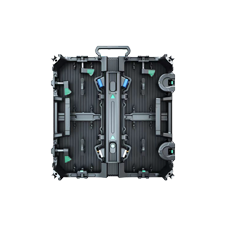








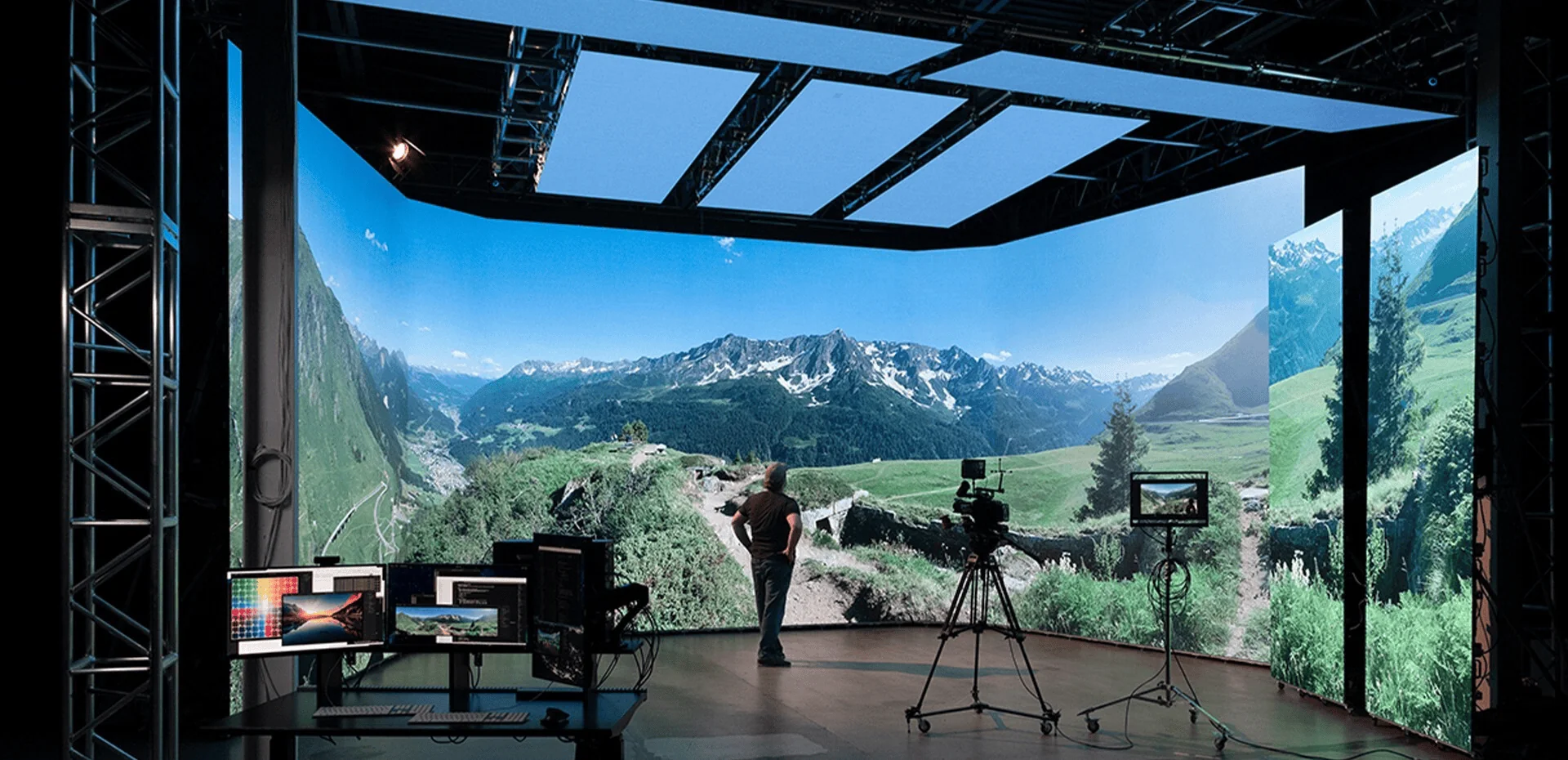
Architects and retail designers are increasingly turning to glass-wall screen technologies. These modern visual solutions merge architectural aesthetics with digital marketing, transforming storefronts without blocking natural sunlight. Business owners can display dynamic promotions while maintaining a bright, welcoming interior atmosphere.
Budgeting for this specific hardware often confuses procurement teams. You might receive different quotes from various vendors for seemingly identical projects. Decoding the true cost requires looking past the surface dimensions. Building a reliable digital facade involves balancing optical physics, structural engineering, and electronic precision. Understanding exactly what drives these material expenses protects your capital investment and supports long-term operational success.
Pixel Pitch and Brightness Specifications
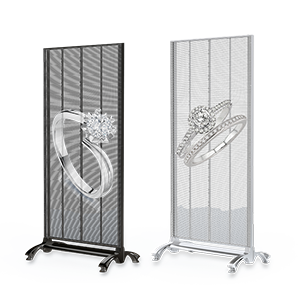
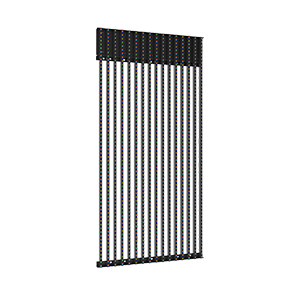
The physical distance between individual lamp beads dictates the overall pixel density of transparent LED displays.
A smaller pitch means more diodes packed into every square meter. Manufacturing dense diode arrays requires significantly more raw materials and precision soldering. This density inherently drives up hardware expenses. High-resolution models are necessary for close-up retail viewing inside shopping malls. Conversely, larger pitches suit high-altitude architectural installations where the audience is far away. Selecting the appropriate pitch prevents overspending on unnecessary pixel density.
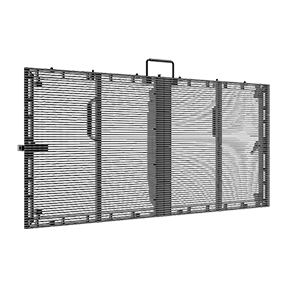
Glass-mounted screens often face direct sunlight, requiring high-brightness lamps to remain visible outdoors. Achieving a high permeability rate means reducing the width of the printed circuit board strips holding those diodes. Engineering ultra-narrow, high-brightness strips involves advanced manufacturing techniques. You pay a premium for systems that maintain vivid color reproduction without obstructing the view from inside the building.
Cabinet Materials and Structural Customization
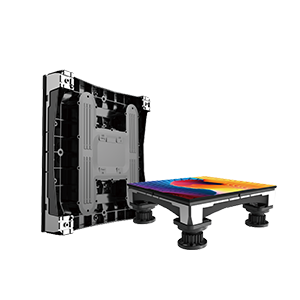
Standard steel frames are heavy and visually intrusive, defeating the purpose of a see-through design. Premium units utilize die-cast aluminum or customized lightweight alloys.
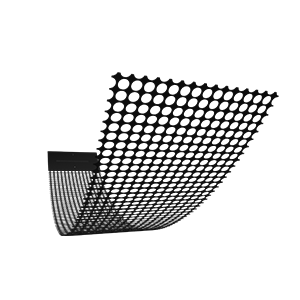
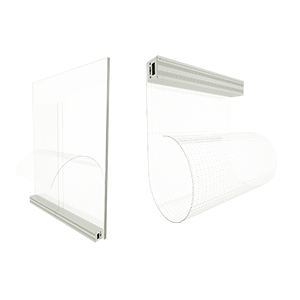
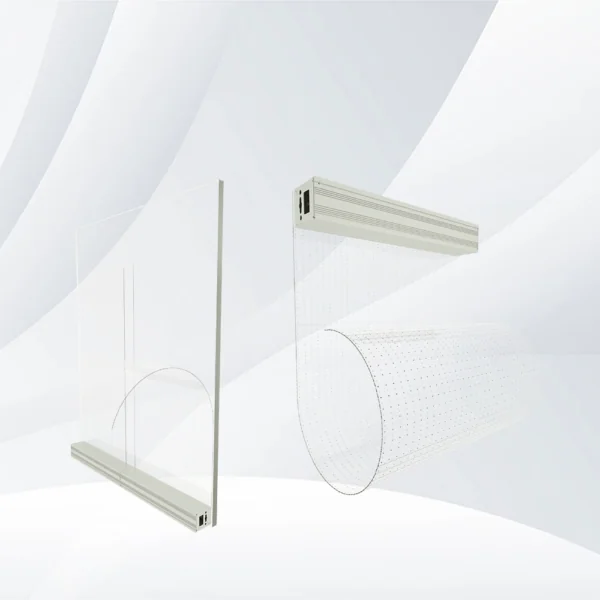
These advanced metals offer good heat dissipation and alignment capabilities. For our A Series adhesive transparent film screen, the ultra-thin 2.5mm profile and lightweight 3kg/m² construction help maintain structural integrity. It keeps the overall load manageable for glass curtain walls, since the film applies directly to glass without expensive secondary support frames.
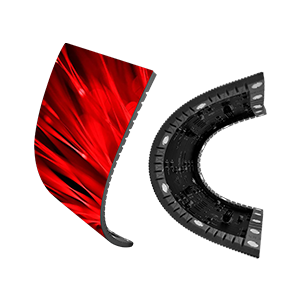
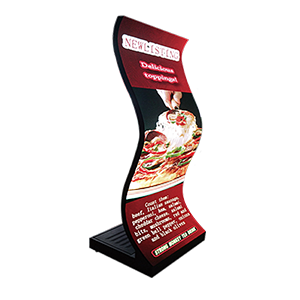
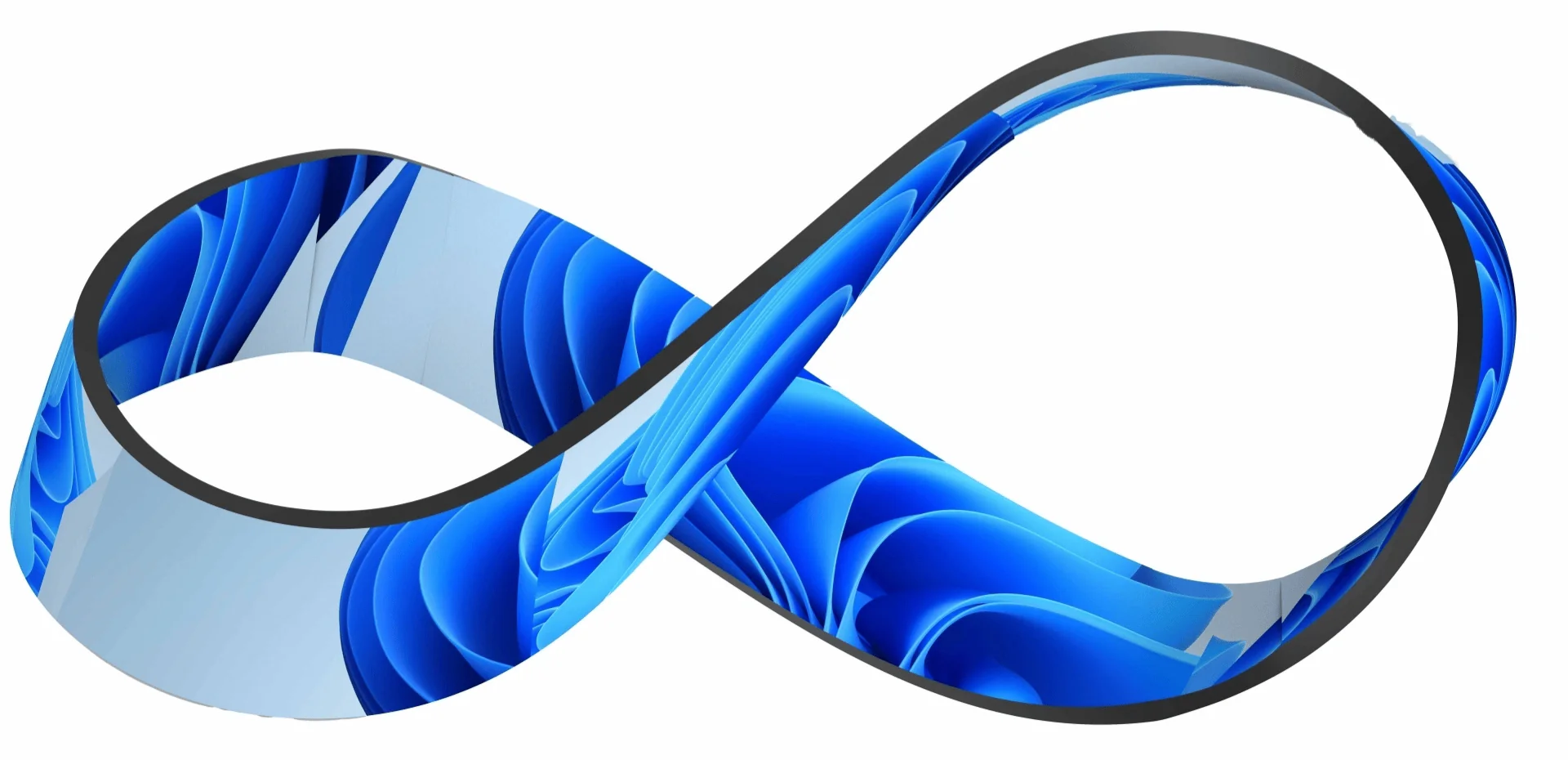
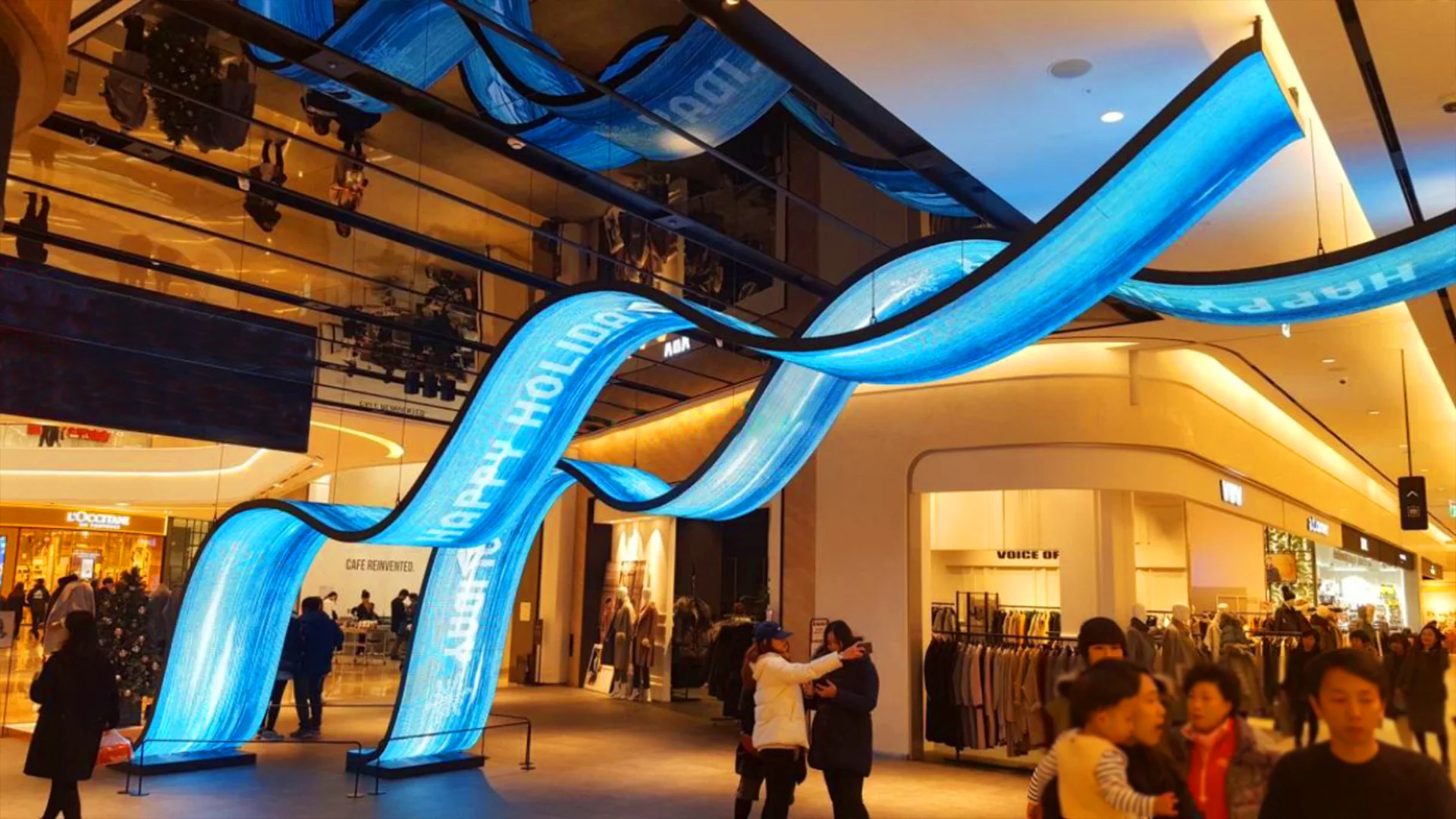
Standard flat rectangular panels run on mass-production lines, keeping production costs relatively stable. However, architectural projects frequently demand curved radii, corner wraps, or triangular modules to fit specific building contours.
Custom engineering requires dedicated research time, specialized circuit board modeling, and unique frame fabrication. For instance, creating versatile geometric shapes—similar to the flexibility we engineer into our A series—demands rigorous structural testing. These bespoke physical adaptations naturally increase the overall project quotation but deliver unmatched visual impact.
Internal Electronics and Power Efficiency
Internal electronic components are invisible to the audience but alter visual performance.
High-refresh-rate driver integrated circuits prevent scanning lines when the digital facade is filmed or photographed. These premium microchips support smooth grayscale transitions and accurate color rendering, even when operating at lowered brightness levels during evening hours. Standard chips cost less but run the risk of flickering under smartphone camera lenses.
Installation Complexity and Specialized Rigging Hardware
Attaching heavy digital equipment to existing glass infrastructure presents unique engineering challenges.
Unlike traditional solid walls, glass facades cannot bear significant weight loads or accommodate standard drilling. Consequently, engineers should design specialized mounting brackets, tension cables, or custom hanging bars. These mounting solutions should be structurally sound while remaining practically invisible to maintain the aesthetic illusion.
Developing these site-specific rigging systems demands advanced structural calculations and custom metal fabrication. If your venue requires complex suspended arrays rather than simple floor stacking, the associated hardware and labor will increase the budget. We supply comprehensive installation plans to mitigate these exact logistical hurdles.
Factory Capabilities of the LED display manufacturer
The assembly environment heavily influences the longevity of your digital assets.
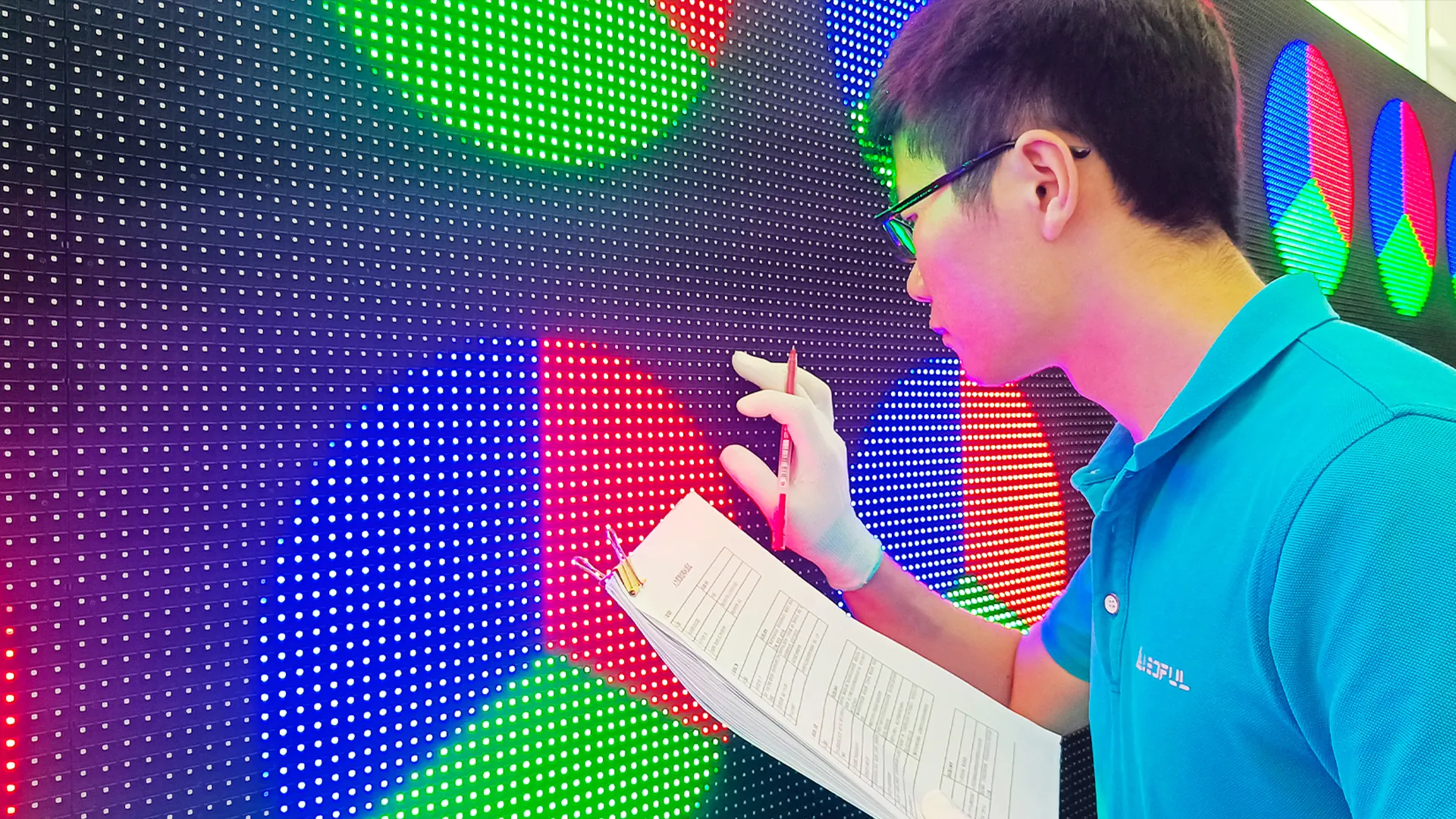
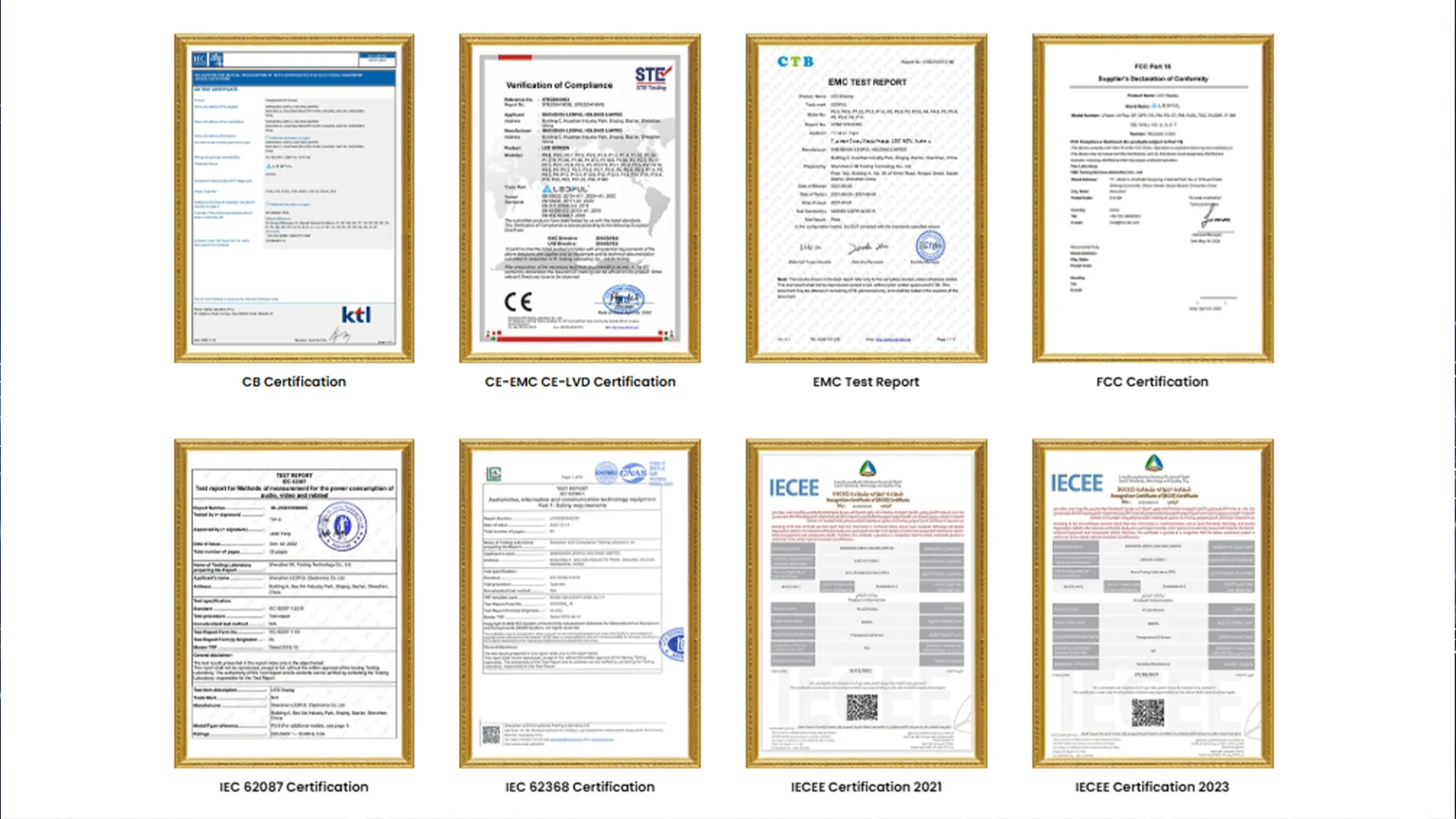
Working with an established LED display manufacturer reduces middleman markups and supports stringent quality control. At LEDFUL, we implement rigorous aging tests and exact calibration protocols across our production lines. Proper factory-level calibration supports uniform color across every single module.
Subpar assembly leads to early diode failure, inconsistent color patches, and costly on-site repairs. Direct factory sourcing provides transparent hardware costs and ensures professional fabrication standards. We focus on delivering full-scale project solutions, guiding clients from the initial blueprint stage through the final technical commissioning, ensuring no detail is overlooked. We maintain an inventory of spare parts to resolve any rare malfunctions instantly.
Long-Term Maintenance and the transparent LED display price
The final invoice represents only one part of the financial equation.
Evaluating the transparent LED display price should include post-installation support and operational longevity. We support your project with comprehensive warranty coverage, flexible procurement options, and free technical consultation. This extensive coverage decreases unexpected maintenance budgets and improves your return on investment over the product’s lifespan.
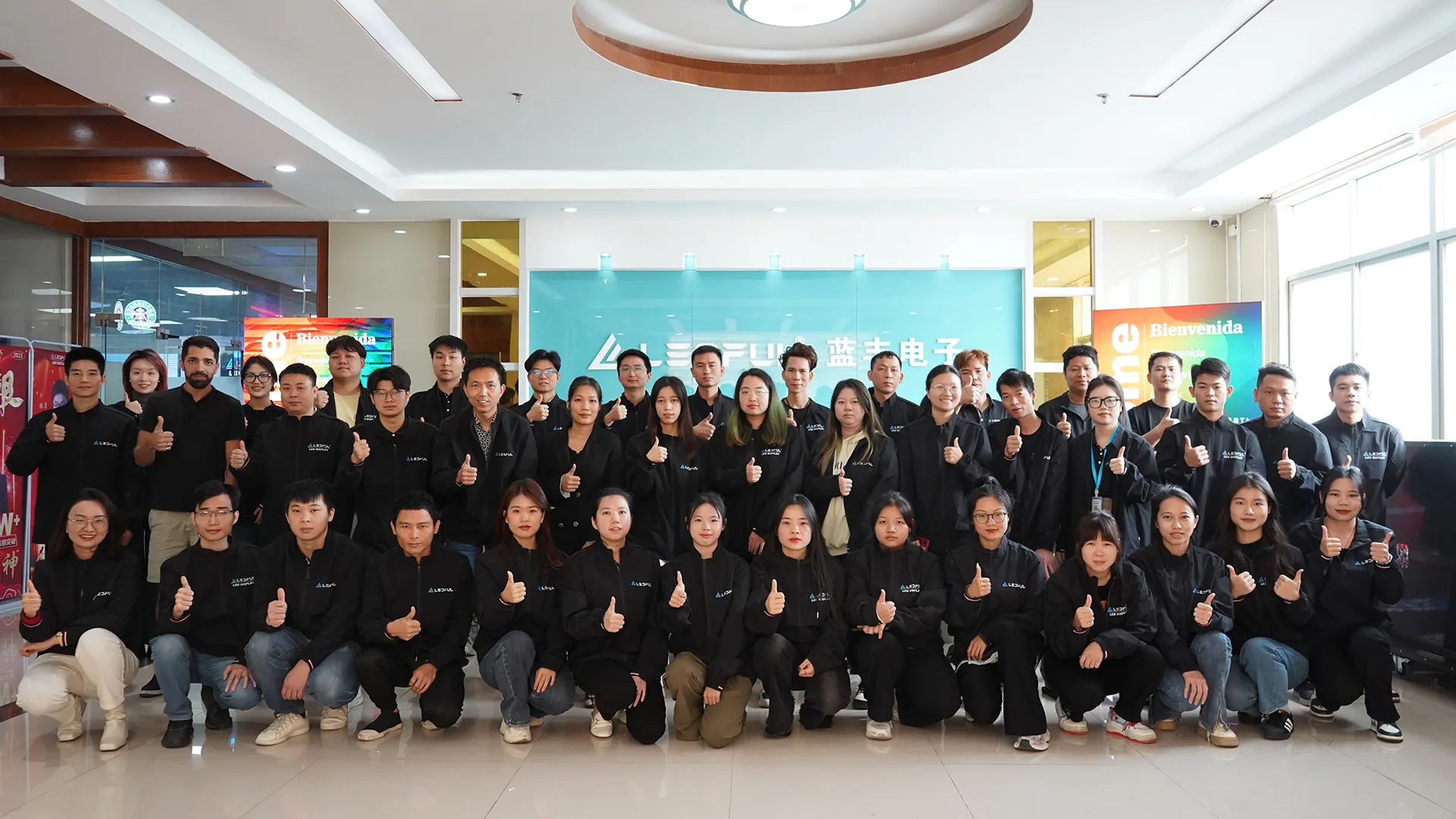
Our engineering team provides free consultations to help you align your technical requirements with your financial constraints. We offer bespoke project solutions tailored to your specific architectural environment. Our excellent after-sales system helps keep your displays running year after year.
To facilitate low-risk testing, we set our minimum order quantity at just one square meter. This approach allows business clients to physically evaluate our build quality, material finish, and installation designs before scaling up. By combining durable technologies with expert consultation, we lower your total cost of ownership significantly.