
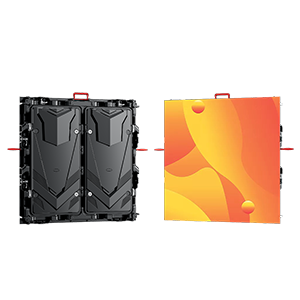
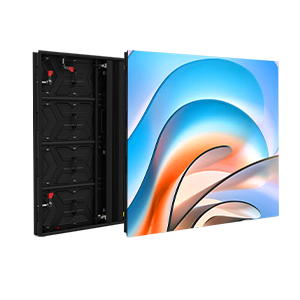

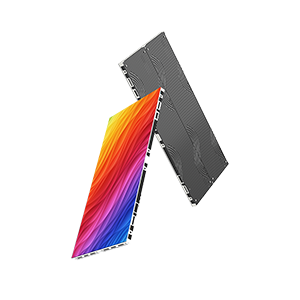

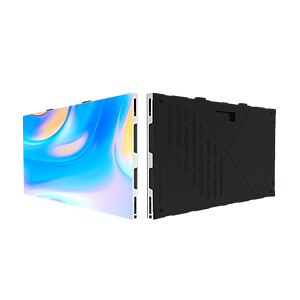




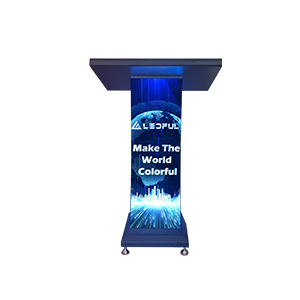

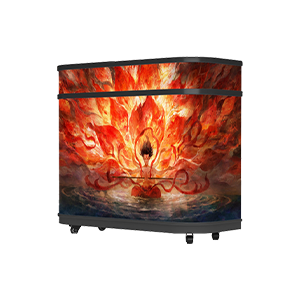





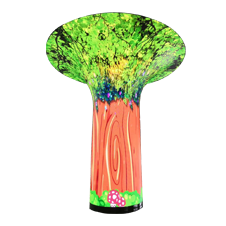



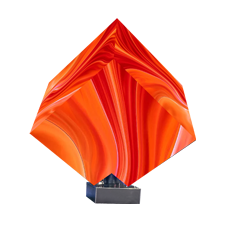
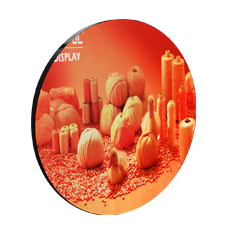
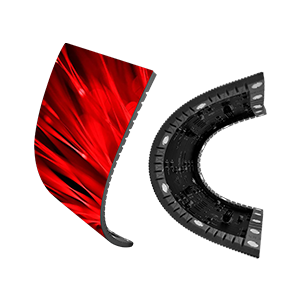
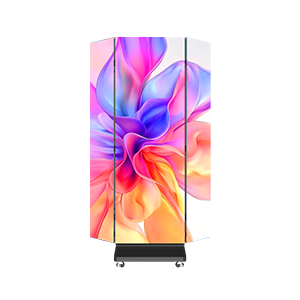
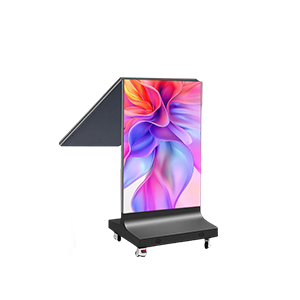
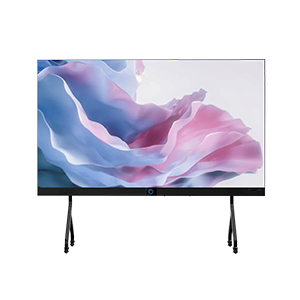



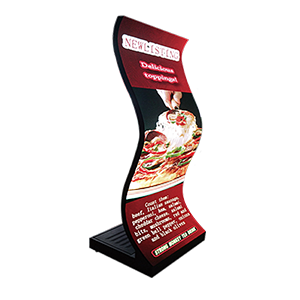


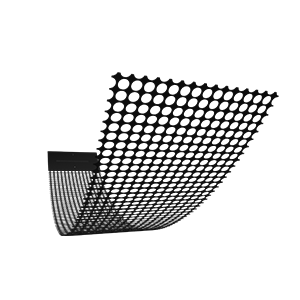








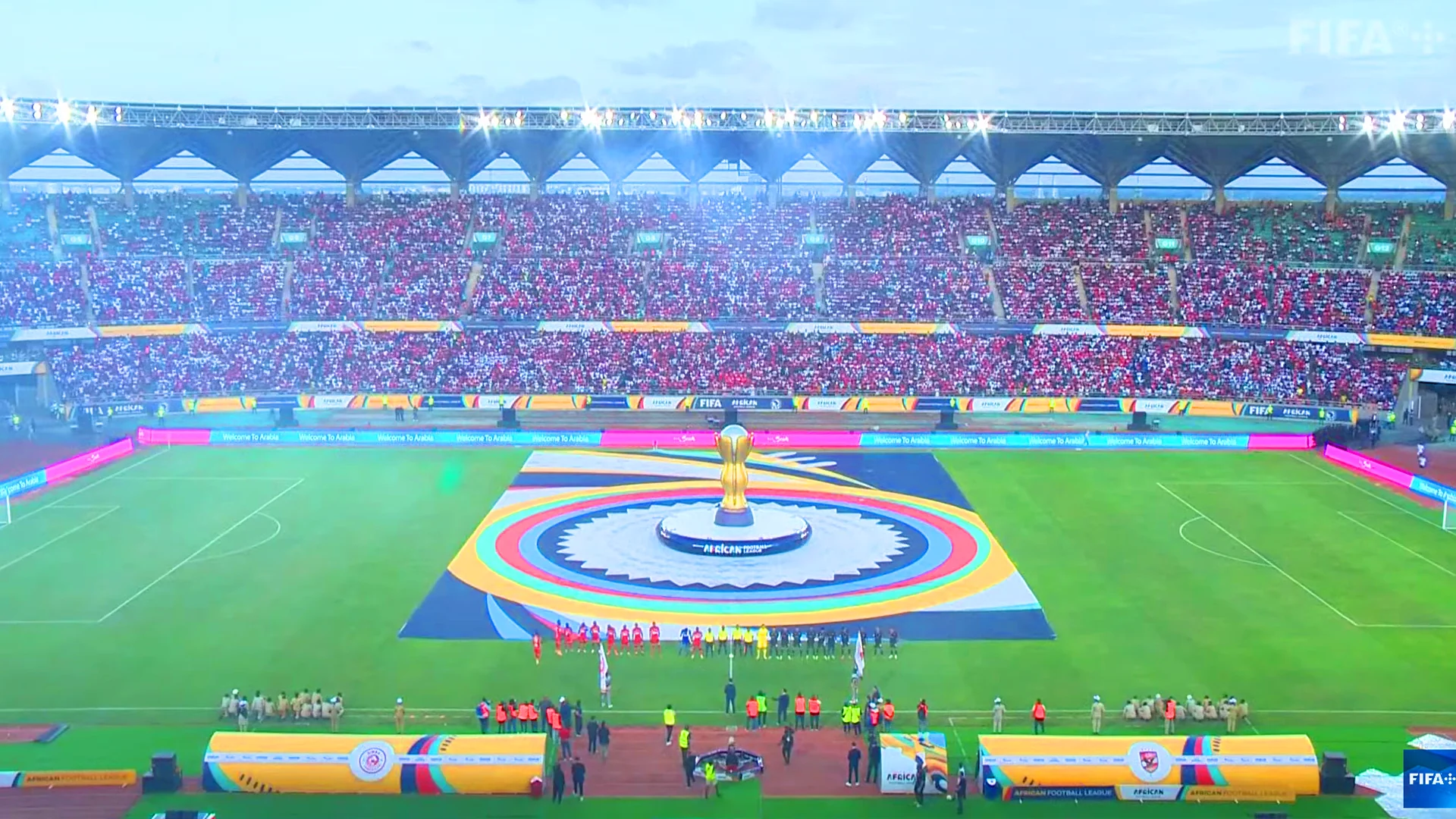
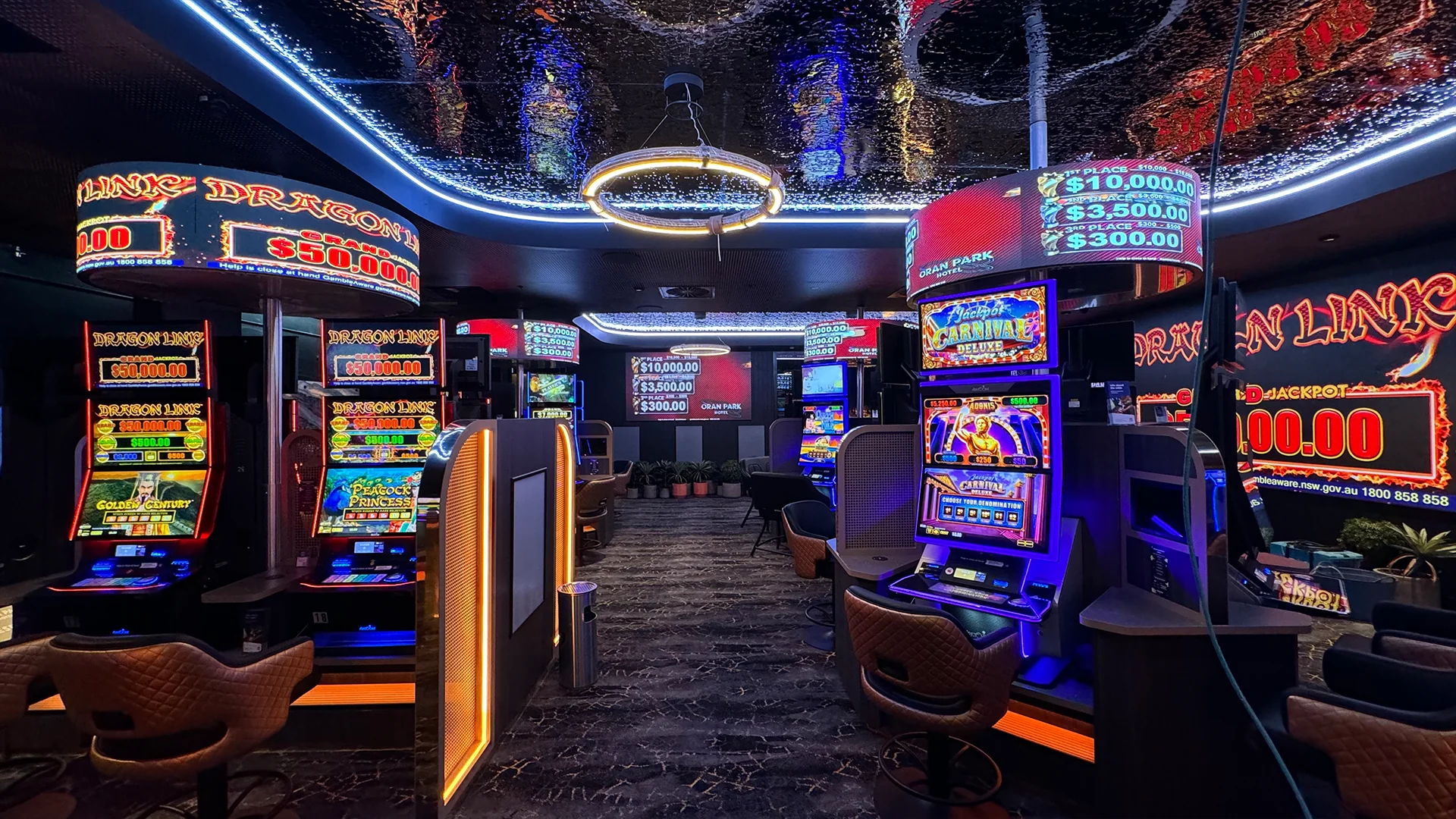
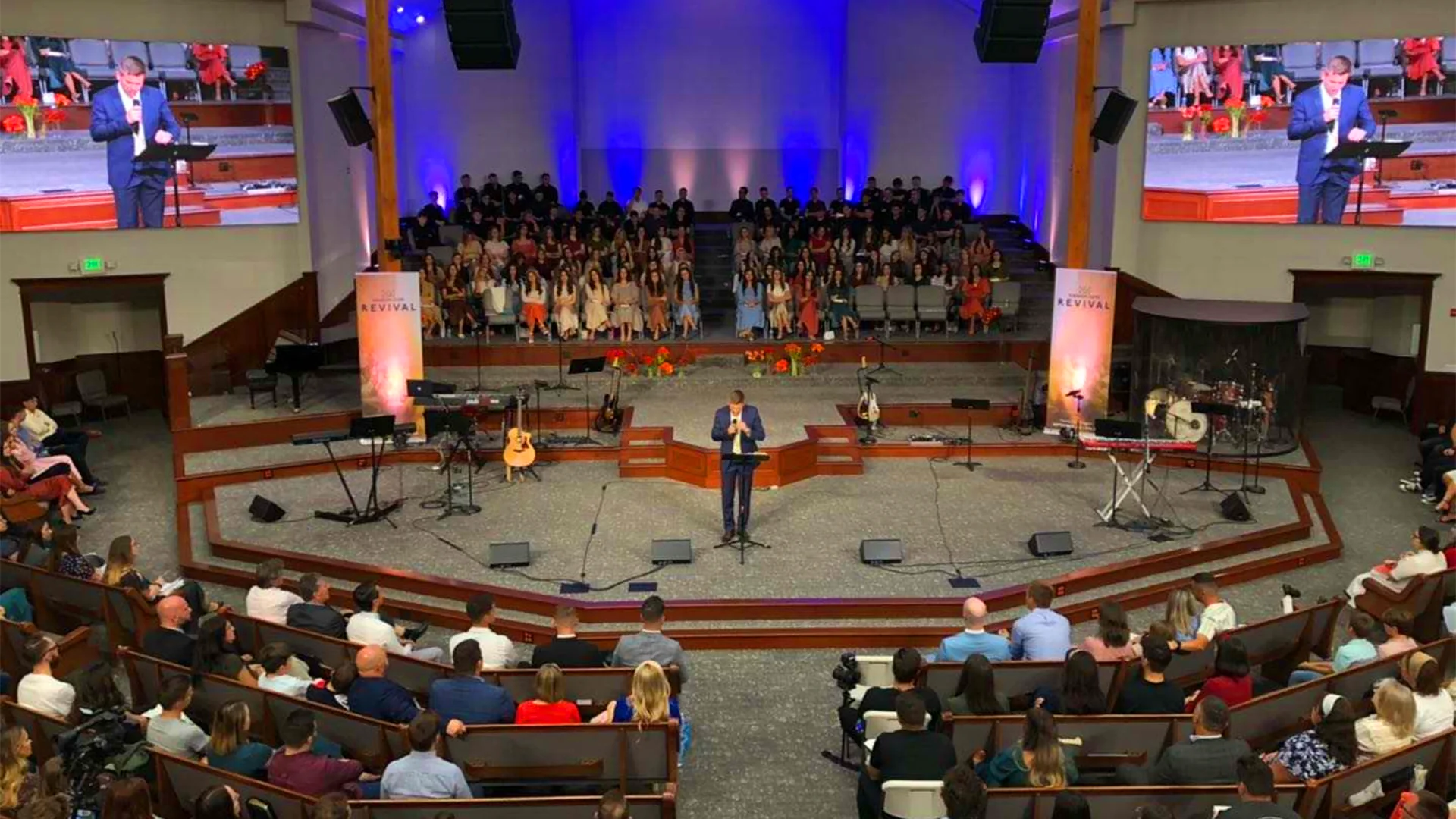
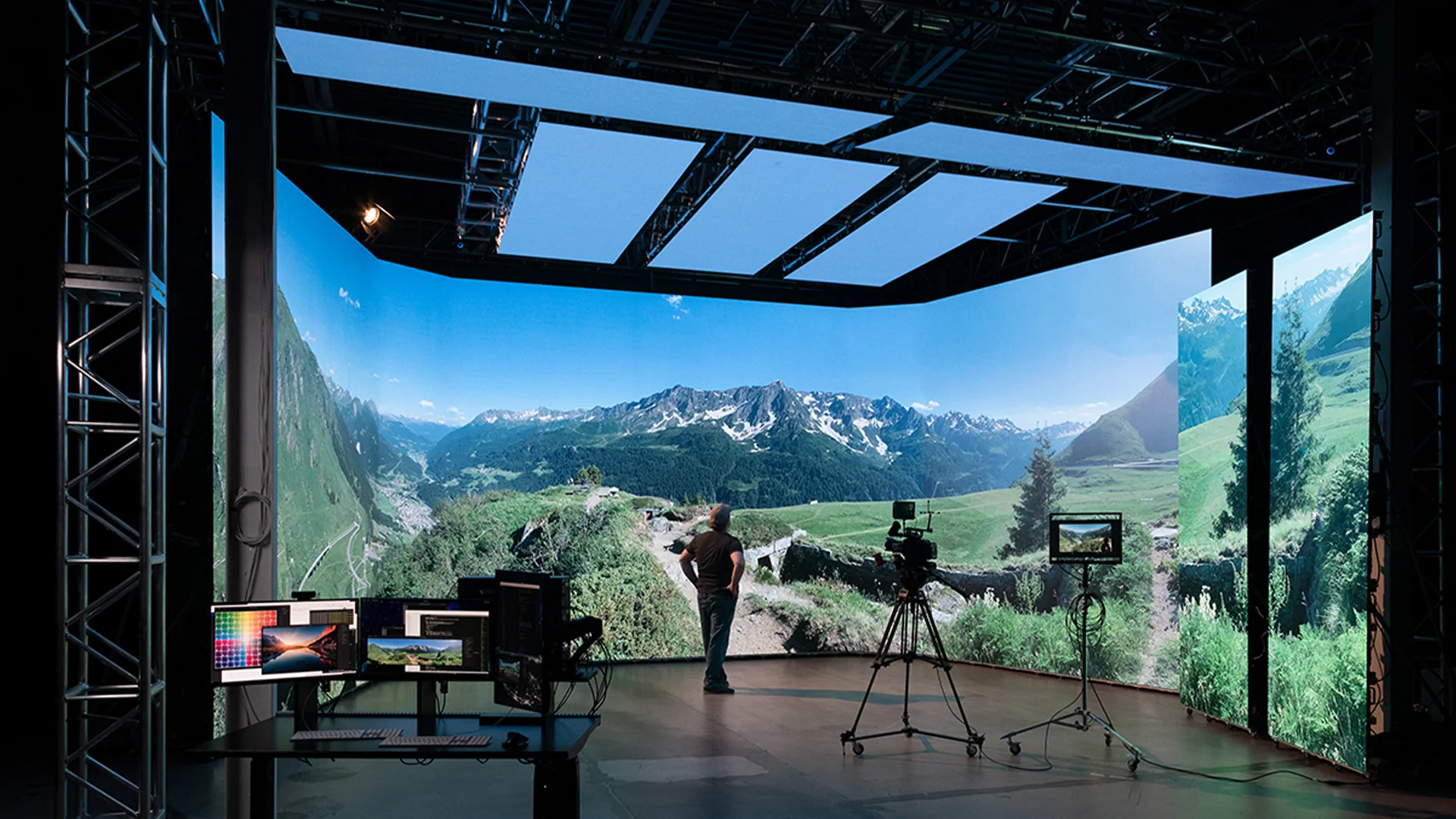







Digital advertising is moving beyond scheduled playback toward systems that can respond to audiences, content performance, and changing environments. AI-assisted analytics, automated content management, and real-time data feeds are reshaping how brands use an indoor advertising LED display screen, while our team at LEDFUL continues to view these developments through the practical needs of commercial display projects rather than technology alone.

How AI Is Changing Digital Advertising
AI can analyze large volumes of audience and content data far faster than manual review. Retailers may examine viewing patterns, campaign timing, customer traffic, and content engagement to identify useful trends. Such information can then support more responsive decisions about which messages should appear, where they should run, and how frequently they should change.
Content automation represents another major shift. Instead of manually preparing every playback schedule, software can connect advertising material with predefined conditions such as time, location, event schedules, or audience characteristics. The display remains part of a broader communication system, while automated rules handle repetitive operational tasks.
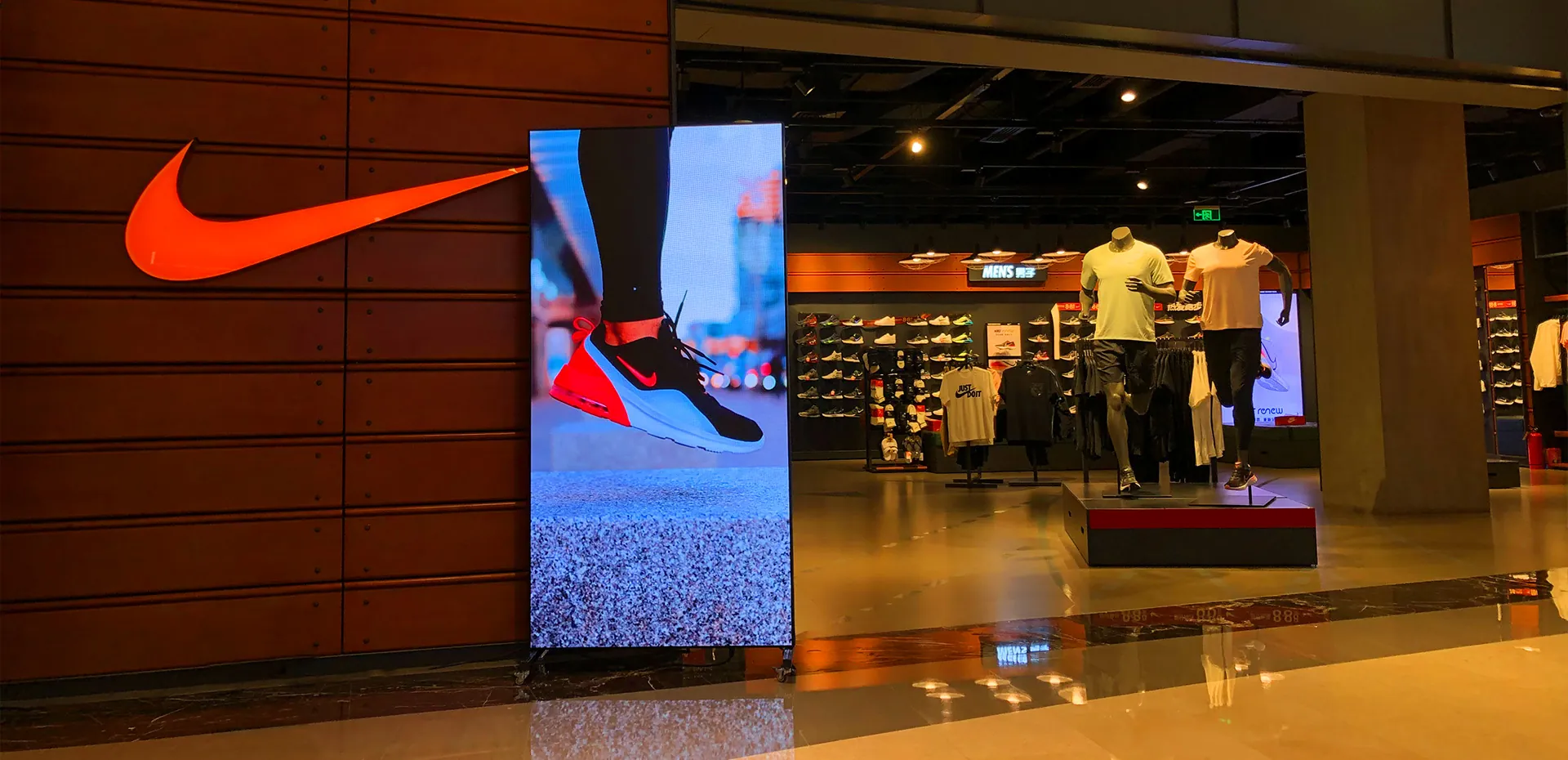
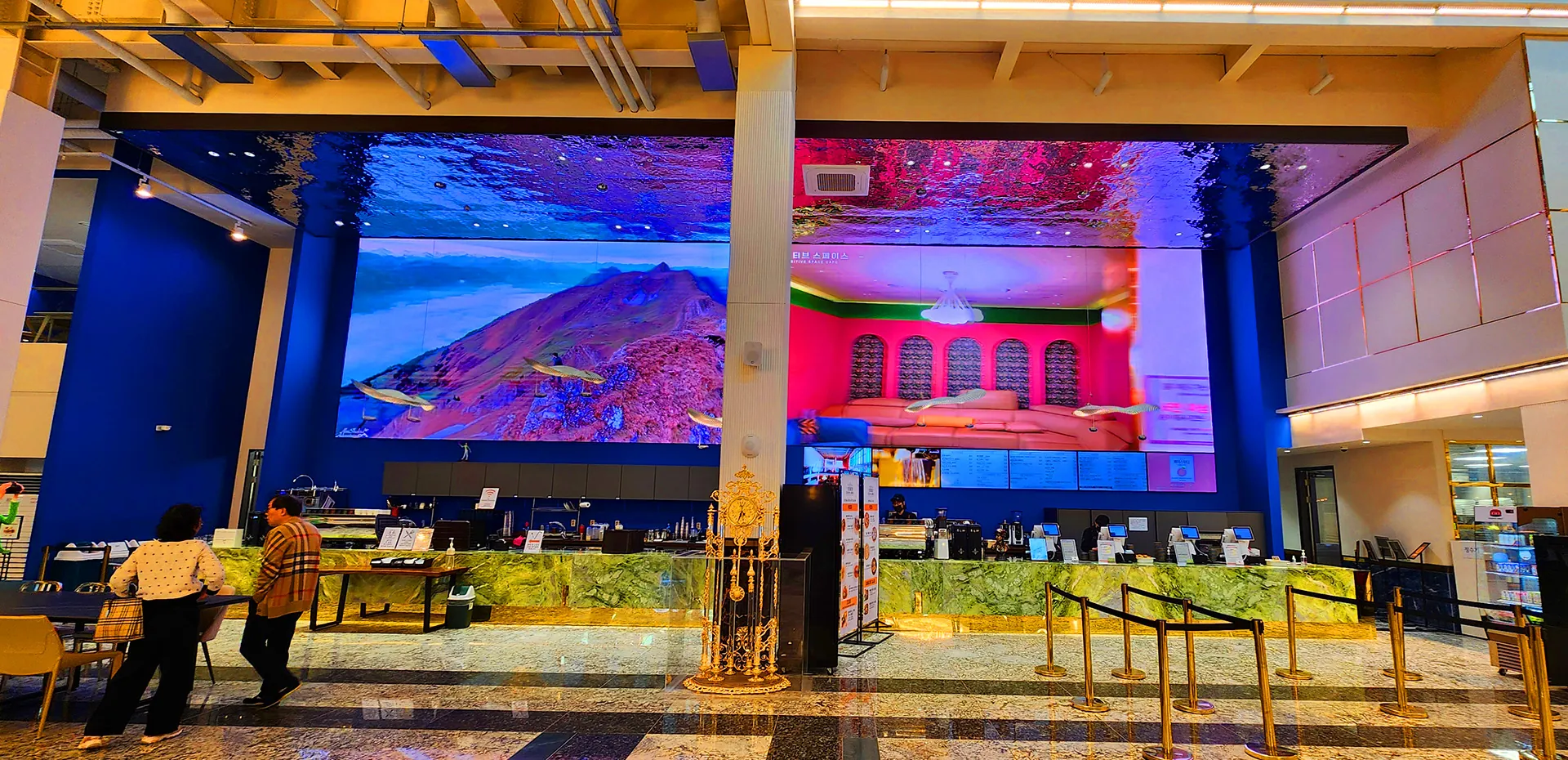
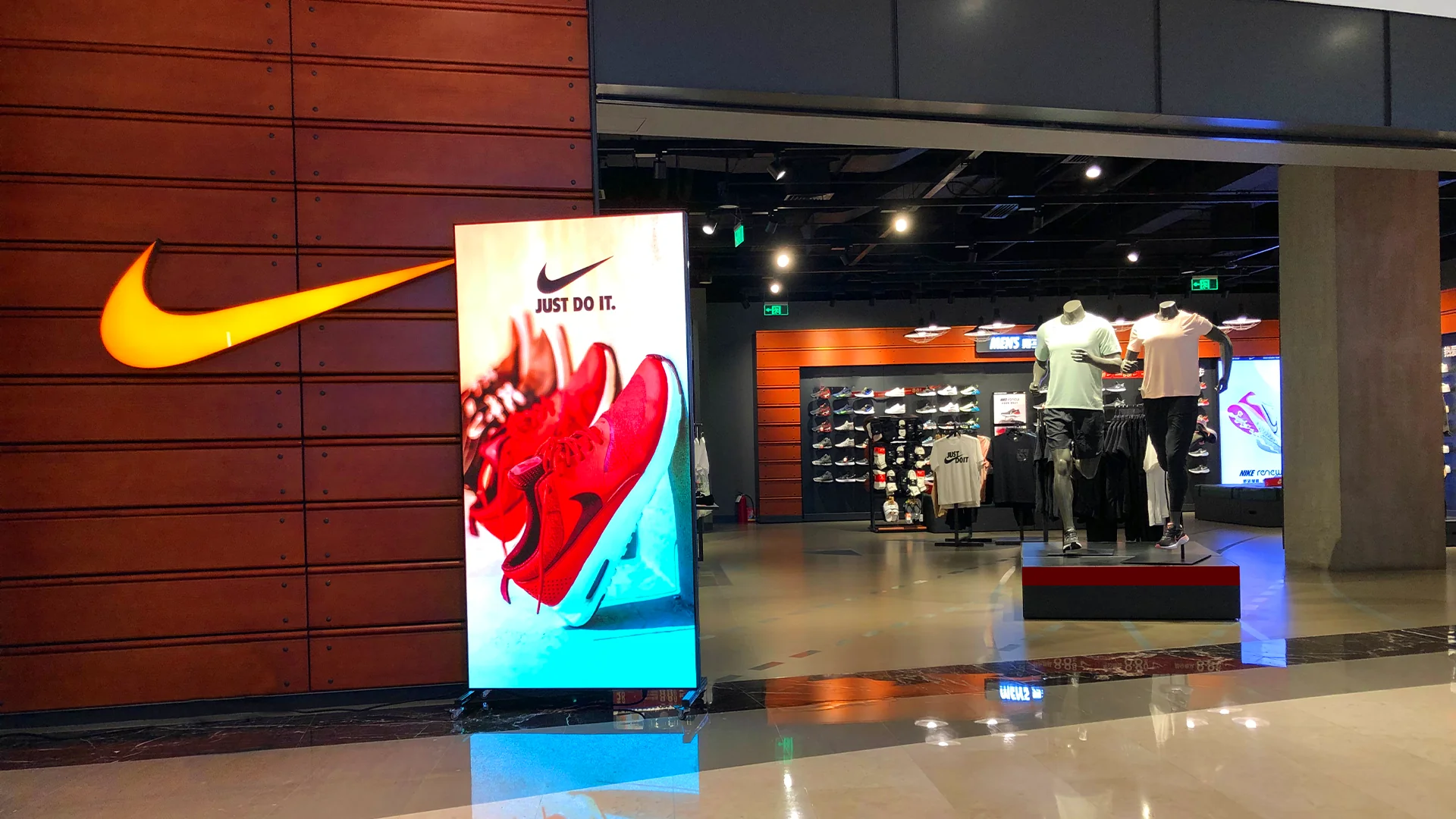
For an indoor LED displays network, automation can also simplify centralized management. Multiple screens across stores, malls, hotels, or transportation facilities may receive content from one platform, allowing authorized teams to coordinate campaigns without visiting each physical location.
Personalization And Real-Time Content
Advertising becomes more relevant when content reflects its immediate context. Time-sensitive promotions, weather information, local events, inventory updates, and seasonal campaigns can all be connected to digital signage systems. Rather than relying exclusively on fixed playlists, businesses can build content rules that respond to external data.
AI can support this process by helping marketing teams identify patterns within campaign information. The technology does not need to make every decision independently; human teams can establish brand guidelines, content boundaries, and approval procedures while automation handles repetitive scheduling or data processing.
The growing role of an indoor advertising LED display screen also changes the way creative teams prepare campaigns. Static artwork may no longer be sufficient for every application. Designers can create modular visual assets that adapt to different screen dimensions, messages, languages, or time periods while retaining consistent branding.
Hardware Requirements For Automated Systems
Software intelligence still depends on reliable display hardware. Image quality, refresh rate, cabinet precision, signal transmission, brightness control, and thermal characteristics influence how effectively automated content appears in real environments. Poor physical performance can undermine even sophisticated software workflows.
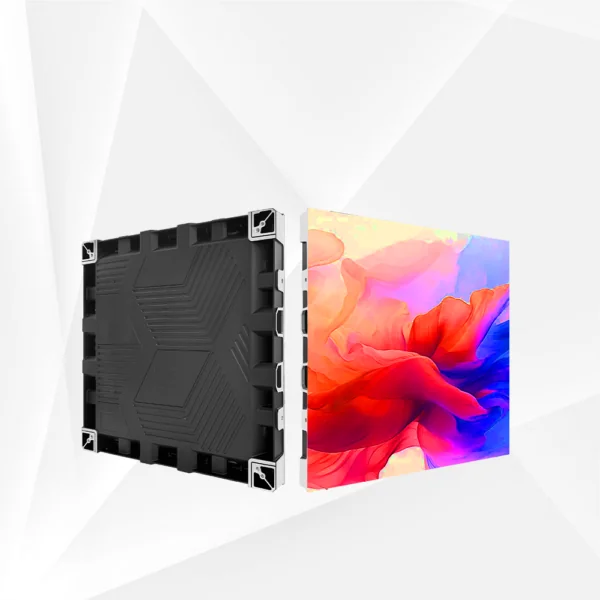
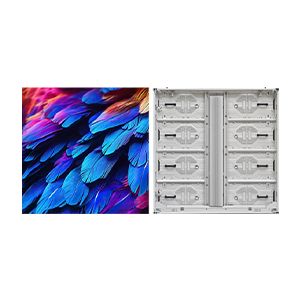
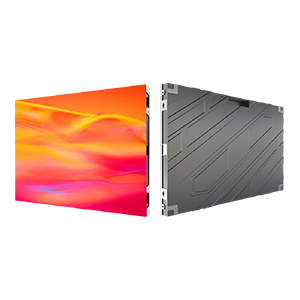
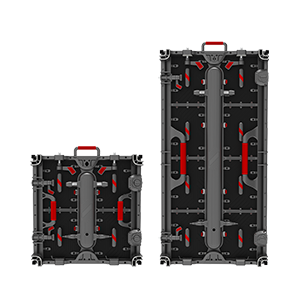
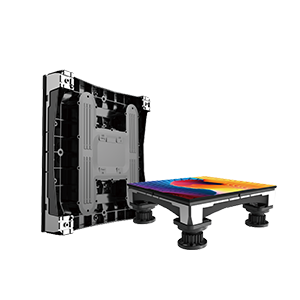
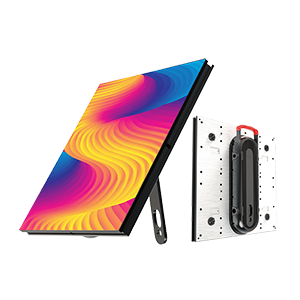
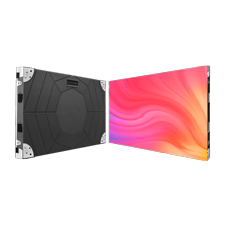
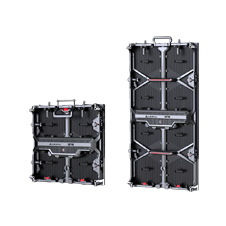
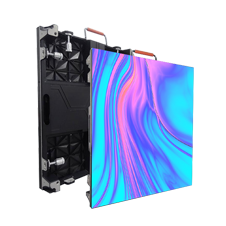
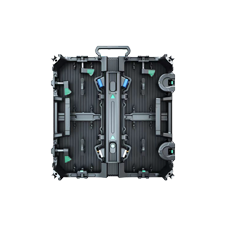
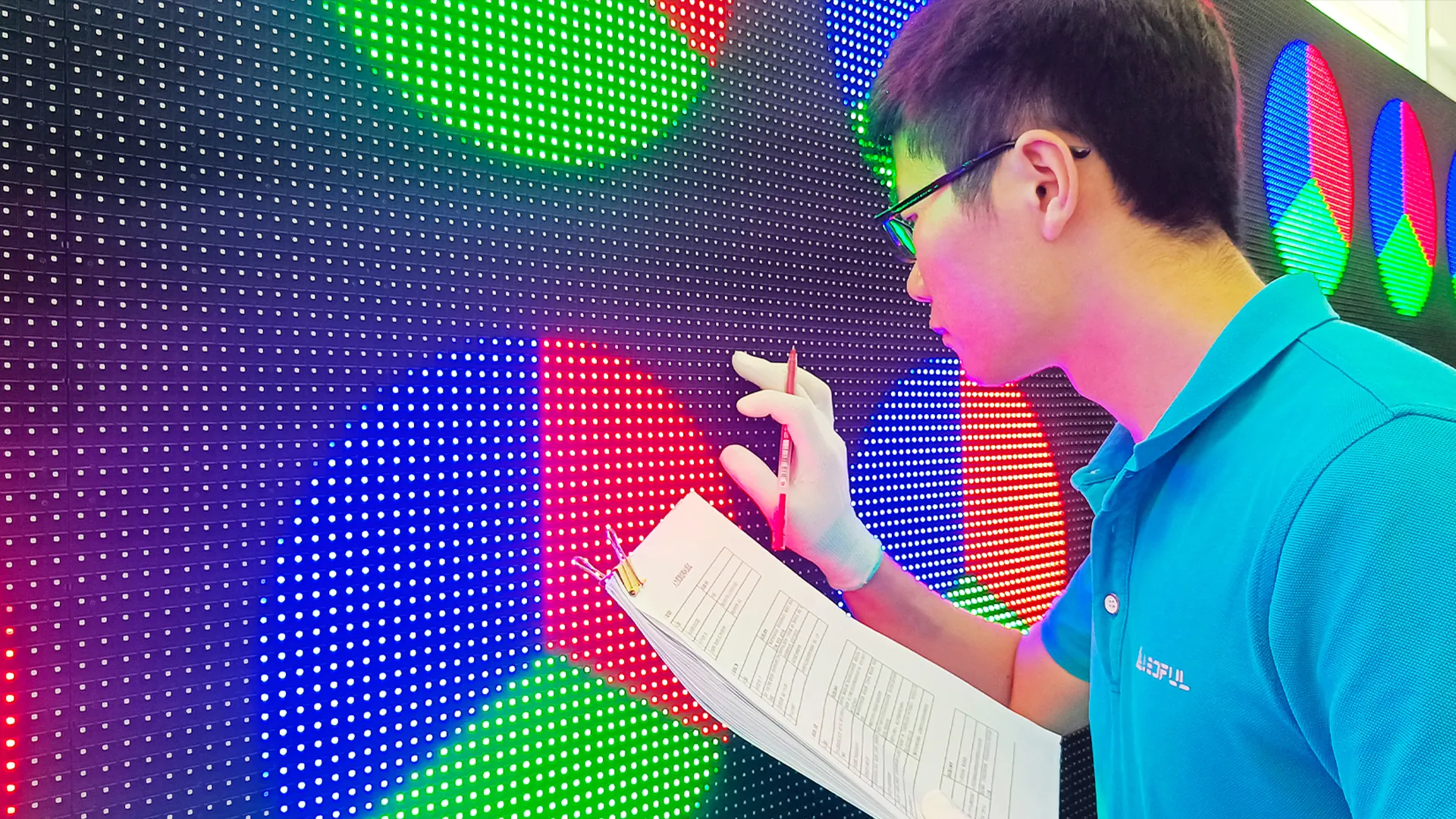
Fine-pitch technology has particular value in locations where viewers stand relatively close to the screen. The U-PRO Series from our indoor range uses a 16:9 golden-ratio format and emphasizes an ultra-thin, lightweight structure, cable-free design, and precise manufacturing with low tolerance. These characteristics show how physical design can support modern commercial environments where installation efficiency and visual consistency matter.
For indoor LED displays, hardware and software should be evaluated as one operating system rather than separate purchases. Control cards, processors, content platforms, sensors, and network connections all influence how smoothly automated functions can work across a larger installation.
Automation, Data Security, And Human Oversight
Greater automation also creates new management responsibilities. Advertising systems may interact with customer analytics, cloud platforms, scheduling software, and external data sources, so access permissions should be carefully defined. Different users may need different levels of control over content, configuration, and system settings.
Data governance deserves similar attention. Businesses should understand what information is collected, where it is processed, how long it is retained, and which parties can access it. Privacy requirements vary by market and application, making legal and technical review important before audience-related data becomes part of an automated workflow.
Human supervision remains valuable even in highly automated environments. An indoor advertising LED display screen can respond to programmed conditions, yet unusual events, incorrect source data, or inappropriate content may still require intervention. Approval workflows and manual override functions give operators a practical way to retain control.
What The Future May Look Like
The next stage of digital signage will likely involve deeper connections between displays and business systems. Inventory platforms, customer relationship tools, event calendars, analytics dashboards, and advertising management software can potentially communicate with display networks through defined interfaces. Such integration can reduce duplicated work and make campaigns more responsive.
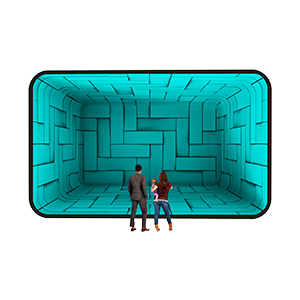
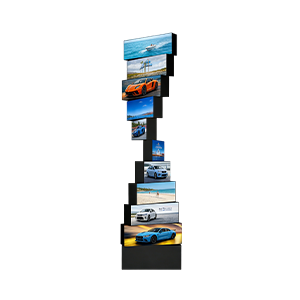
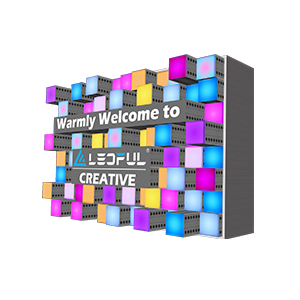
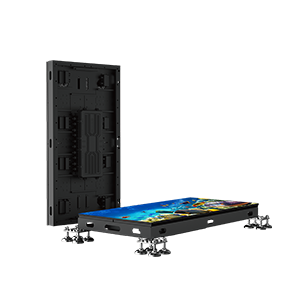
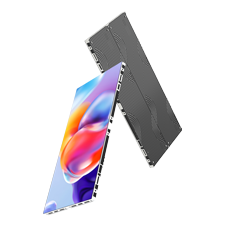
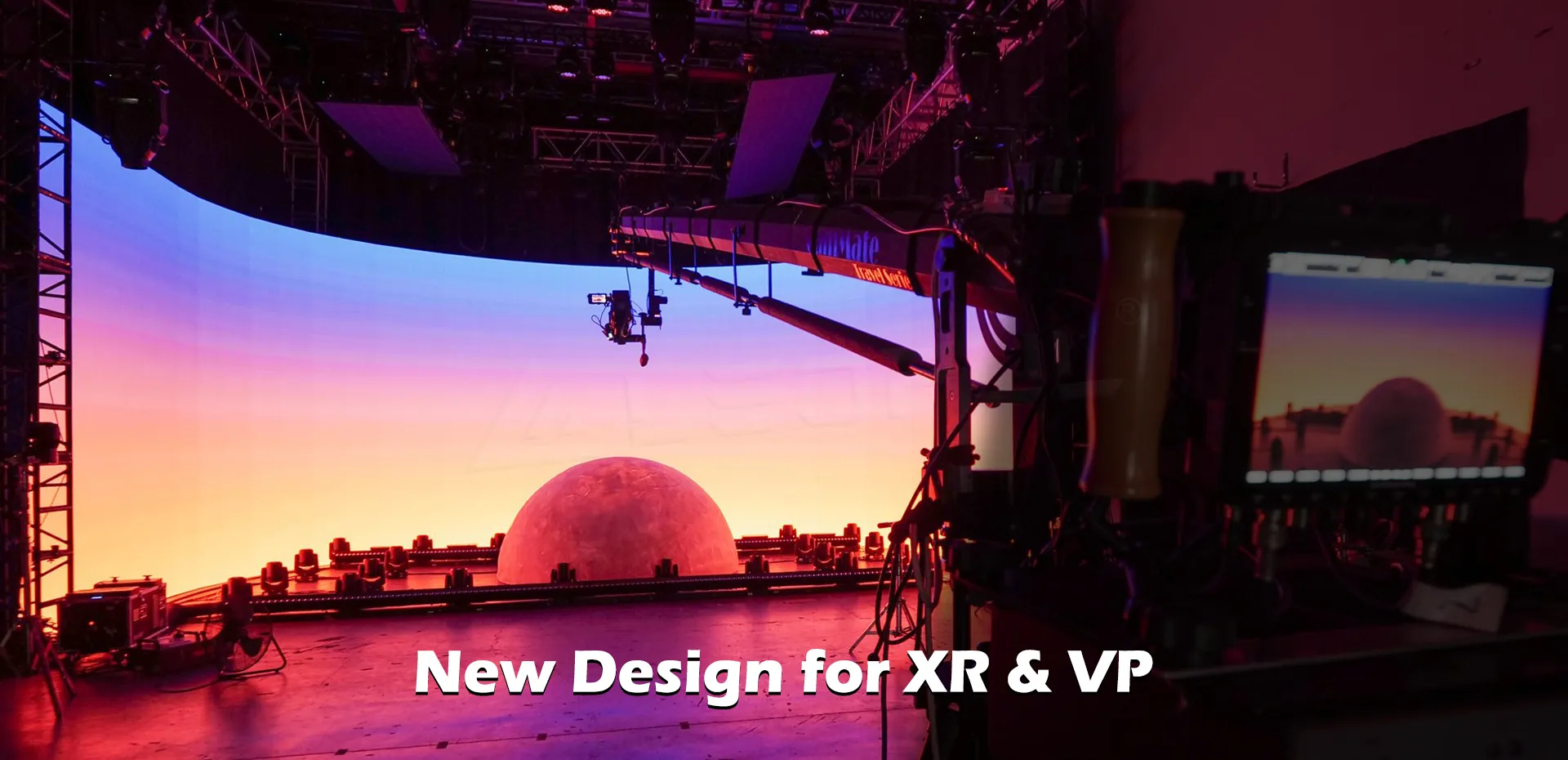
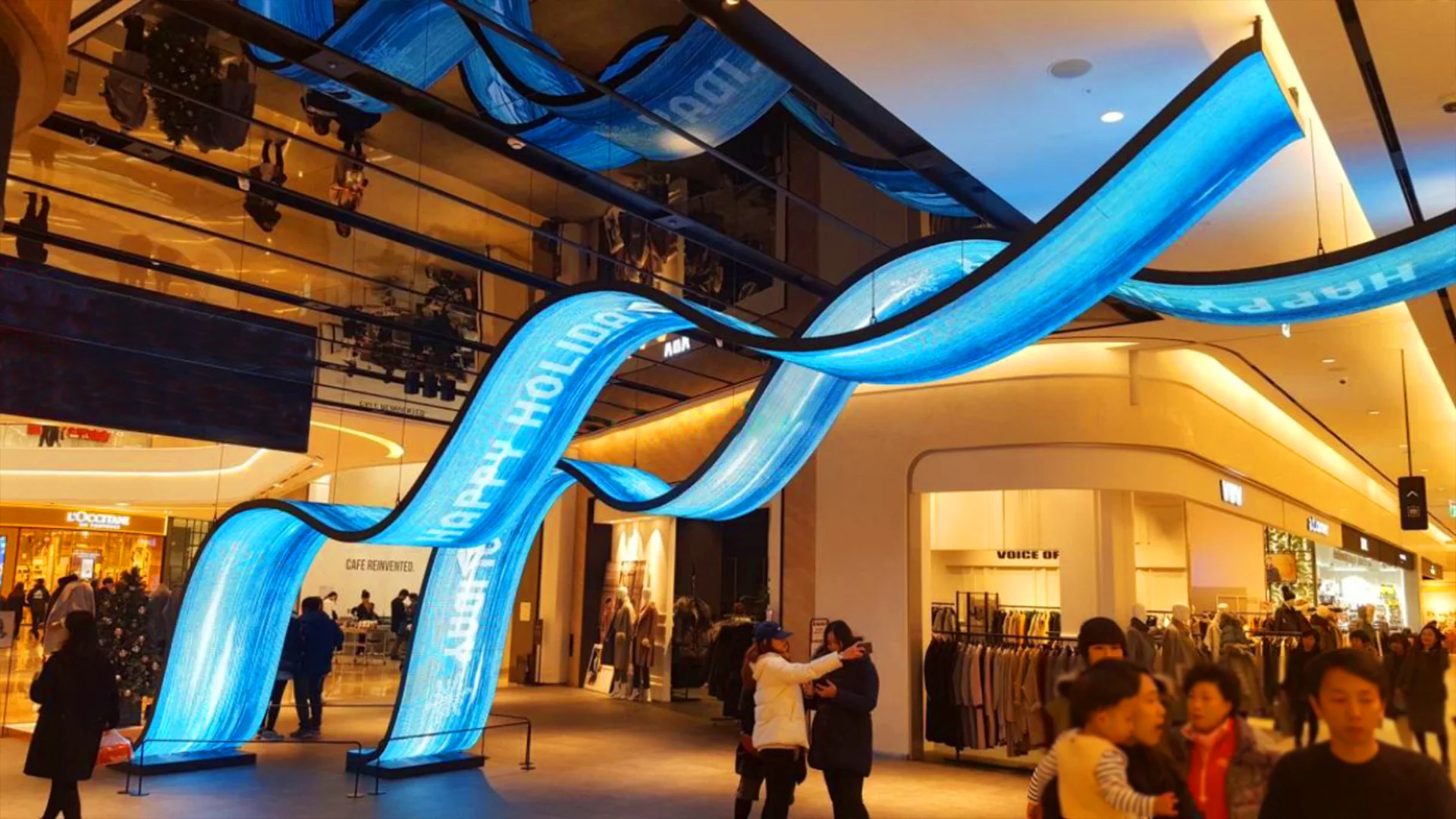
Physical displays may also become more flexible. Lightweight structures, simplified cabling, precise cabinet fabrication, and adaptable screen configurations can help businesses deploy digital communication across spaces that were previously difficult to accommodate. These developments matter as much as AI because intelligent software still needs suitable physical infrastructure.
Our perspective at LEDFUL is that technology should serve a clear communication purpose rather than exist simply because it is new. As indoor LED displays become increasingly connected to automated platforms, businesses can assess each project through content requirements, data practices, hardware capabilities, maintenance needs, and measurable operational goals. The future of the indoor advertising LED display screen will be shaped not only by smarter algorithms, but also by thoughtful integration between people, software, and physical display systems.