
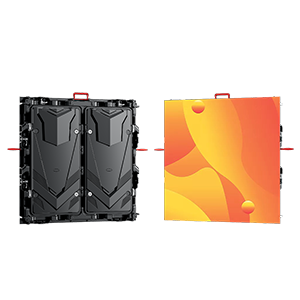
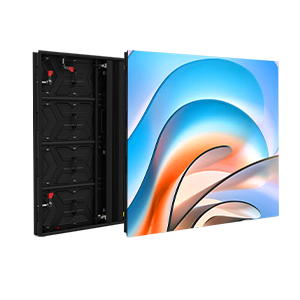

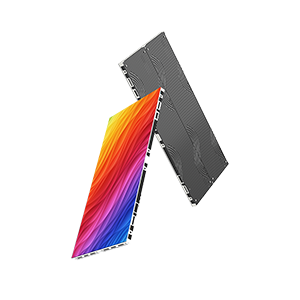

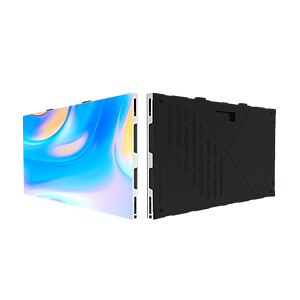
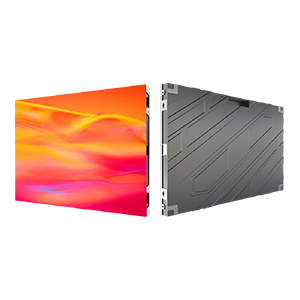

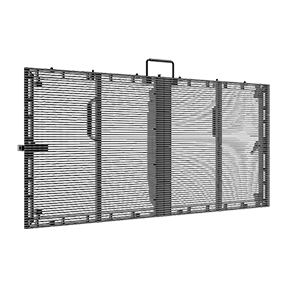
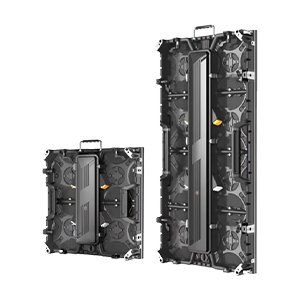
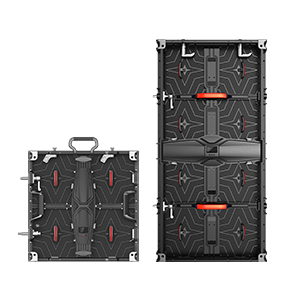













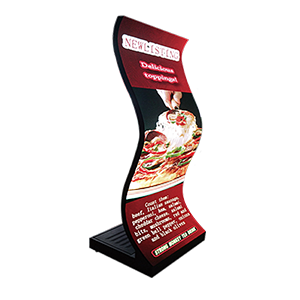


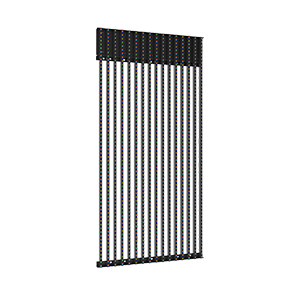
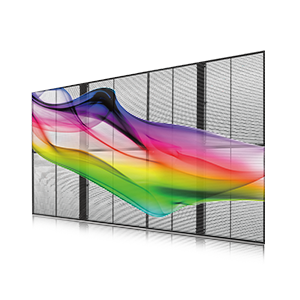
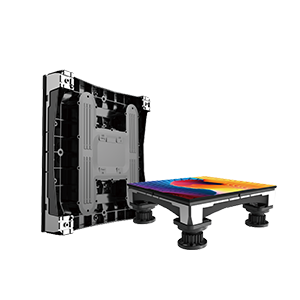
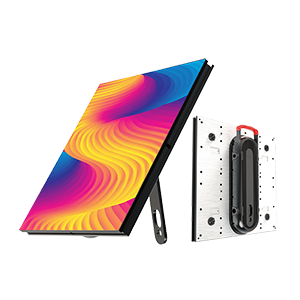
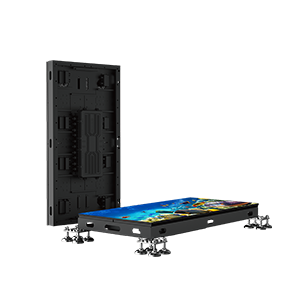

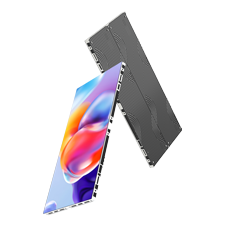

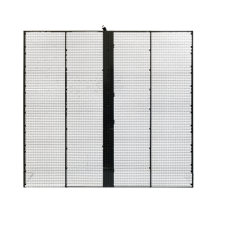
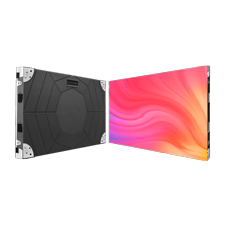
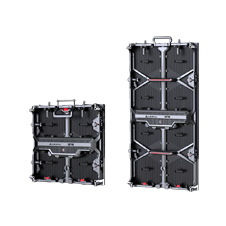

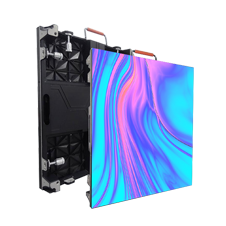
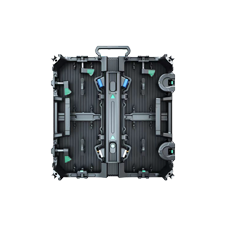
































Selecting the right LED display solution is only half the battle—proper installation determines whether your outdoor LED displays will deliver reliable performance for years or become a maintenance nightmare. From our experience working with integrators and project managers worldwide, we know that rushed or ill-planned installations lead to water ingress, structural failures, and costly downtime. This guide walks you through four proven methods for mounting outdoor LED displays, helping you match each approach to your site’s specific conditions.

Pole Standing Installation: The Ground-Up Approach
When you need a long-term LED display solution on stable terrain, pole mounting is our most frequently specified method. Begin by pouring a concrete foundation sized to the display’s weight and wind load calculations—never guess these figures. Once cured, install a steel pole (or multi-pole assembly for larger screens) anchored with galvanized bolts to prevent corrosion. The outdoor LED displays themselves are then hoisted and fixed to a mounting frame welded atop the pole. This method works best for roadside billboards, gas station signage, and parking lot entrances. Key checks: ensure the pole height provides clear sightlines without exceeding local zoning limits.
Wall and Rooftop Mounting: Leveraging Existing Structures
For urban environments where ground space is scarce, wall-mounted outdoor LED displays offer a space-saving LED display solution. The critical step is verifying the wall’s load-bearing capacity—we insist on a structural engineer’s report before any drilling. A galvanized steel frame is anchored into the building’s primary structure (brick or concrete), never just façade cladding. Rooftop installation follows a similar principle but requires elevated steel frameworks to position the LED display above parapet walls. Windproofing is non-negotiable: add diagonal bracing and use high-tensile bolts. This configuration suits stadiums, shopping centers, and corporate campuses needing high-angle visibility.
Hoisting Installation: When No Other Option Exists
Hoisting is our least recommended method, reserved for indoor-adjacent or covered exterior spaces where poles, walls, and roofs are impossible. By adding lifting rings to each cabinet and suspending outdoor LED displays with galvanized steel cables from overhead structures, you gain flexibility but introduce sway and vibration risks. We only approve this approach for temporary installations or covered walkways, and we mandate redundant cable systems and regular tension checks. If you must hoist, double the safety factor on all rigging.
Trust LEDFUL for Seamless Execution
At LEDFUL, we do not just manufacture outdoor LED displays—we partner with you through every step of site assessment, structural planning, and commissioning. Our team provides detailed installation drawings for pole, wall, rooftop, and hoisting scenarios, plus on-site training for your contractors. As a China-based LED display solution specialist, we deliver one-stop custom solutions built for real-world wind, water, and temperature extremes. From a small highway sign to a massive stadium screen, LEDFUL ensures your outdoor LED displays stand secure, perform brilliantly, and last. Contact us to review your site’s installation plan today.