




























Interactive display technology is transforming how people experience entertainment, exhibitions, commercial spaces, and immersive environments. Among these innovations, the floor LED display has become an effective solution for creating engaging experiences that combine visual effects with real-time interaction. From stage performances to VR environments, businesses are exploring how interactive LED floors can attract audiences and provide new ways of communication.
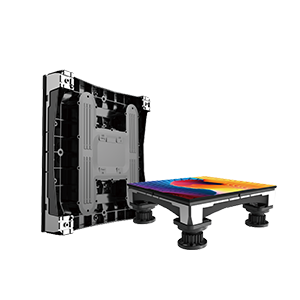
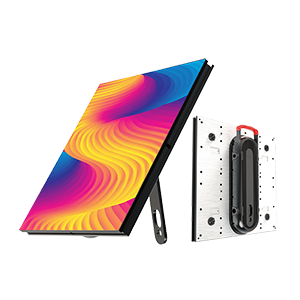
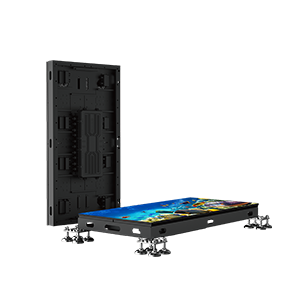
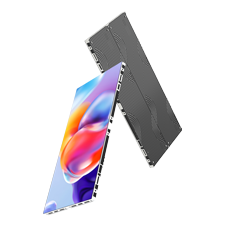
At LEDFUL, we develop advanced LED display solutions designed for professional applications. Our Floor Series indoor and outdoor dance floor LED display combines strong load-bearing performance, flexible design, and interactive capabilities to support demanding projects. With more than 16 years of industry expertise, 11,000+ successful projects, and solutions delivered across 116 countries and regions, we help global customers create reliable and immersive visual experiences.

Understanding Interactive Sensors in Floor LED Display Technology
The performance of an interactive floor LED display depends heavily on sensor technology. Sensors determine how accurately the system detects user movement and responds with visual feedback. Two common approaches are optical sensing and pressure-sensitive sensing.
Optical sensors detect movement by using light-based technologies such as cameras, infrared systems, or optical modules. Pressure-sensitive systems identify interaction by measuring physical force applied to the surface.
Both technologies have advantages, but their suitability depends on the application environment. Factors such as user activity, installation location, response requirements, and durability expectations all influence the choice of sensor system.
For businesses investing in a floor LED display, understanding sensor accuracy helps ensure the final solution delivers the desired interactive experience.
Optical Sensor Technology: Advantages and Limitations
Optical interactive systems provide contactless detection, making them suitable for environments where users move freely across large areas. These systems can recognize gestures, body movements, and positions without requiring direct physical contact with the display surface.
For entertainment venues, museums, and immersive exhibitions, optical technology can create engaging experiences where users interact naturally with digital content. It can support applications such as motion tracking, interactive games, and virtual environments.
However, optical systems may be affected by environmental conditions. Lighting changes, obstacles, viewing angles, and crowded spaces can influence detection accuracy. In some commercial environments, maintaining consistent performance may require additional calibration and system optimization.
Therefore, businesses need to carefully evaluate whether optical sensing matches their project requirements before selecting this approach.
Pressure-Sensitive Technology for Reliable Floor Interaction
Pressure-sensitive technology works by detecting physical contact and weight changes on the LED floor surface. When users step on the display, the system identifies pressure changes and triggers corresponding visual effects.
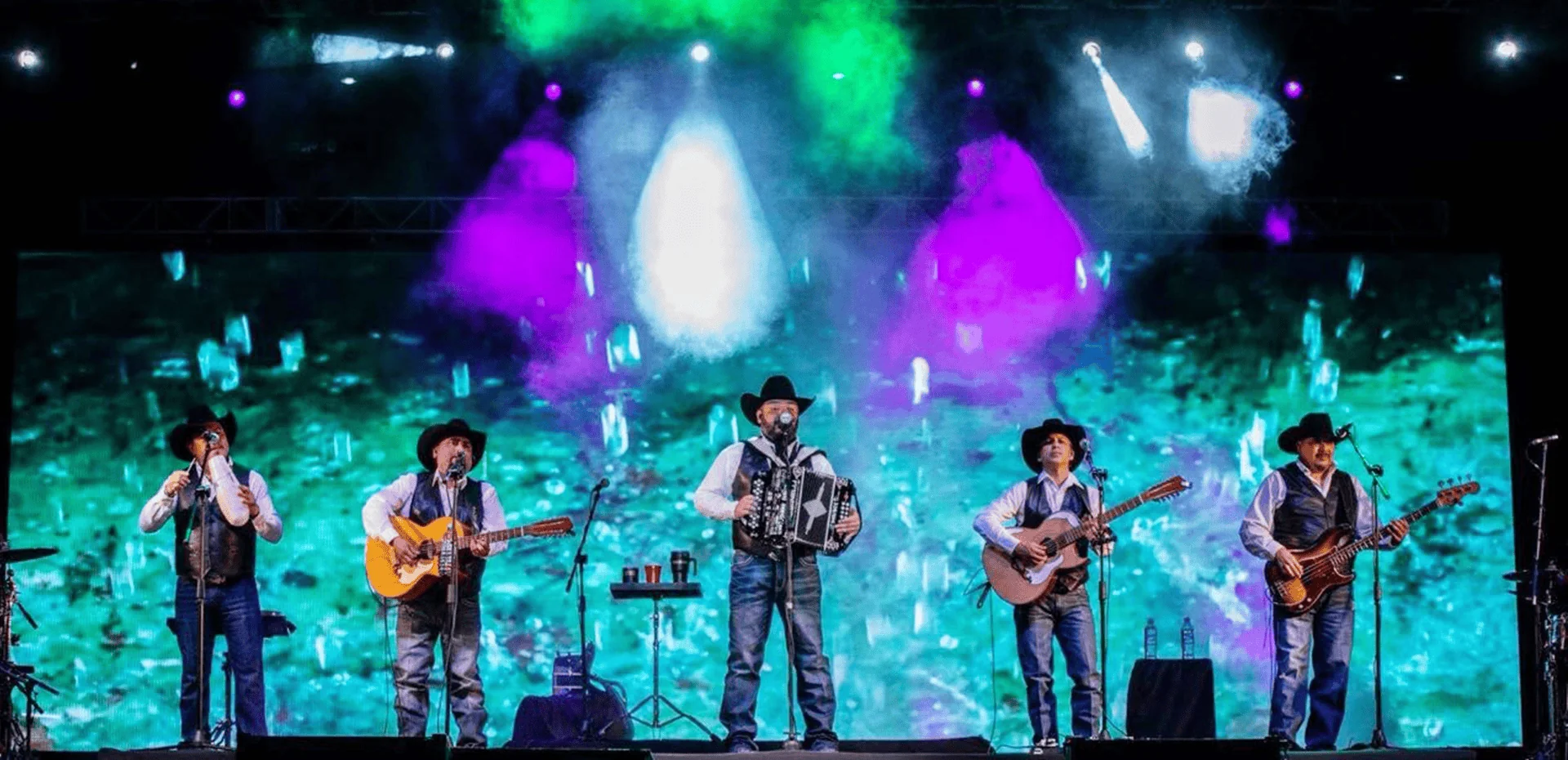
This technology provides direct interaction and strong response stability, making it suitable for applications where users physically engage with the floor. Dance performances, interactive stages, entertainment centers, and commercial installations can benefit from this reliable sensing method.
LEDFUL’s Floor Series integrates advanced interactive technology with strong structural performance. The system features a built-in interactive sensory chip in the module, supporting multiple interactive materials, multi-touch functions, and excellent sensitivity with a response time of only 0.01 seconds.
This high sensitivity allows the floor LED display to respond quickly to user actions, creating smooth and engaging interactive experiences.
Comparing Optical and Pressure-Sensitive Interactive LED Floors
When comparing optical and pressure-sensitive solutions, accuracy and application requirements are the key considerations. Optical systems provide flexible, contactless interaction, while pressure-sensitive systems offer direct and stable response based on physical movement.
For large-scale public environments with complex user activity, pressure-sensitive floor displays often provide more predictable interaction performance. Users can directly control visual effects through movement, making the experience more intuitive.
Optical systems may be suitable for projects focused on gesture-based interaction or contact-free experiences. However, pressure-sensitive solutions can provide stronger reliability for applications where users frequently step, dance, or move across the display surface.
Choosing the right technology depends on the intended user experience, environmental conditions, and operational goals.
Floor Series: A Durable Solution for Interactive Applications
The LEDFUL Floor Series is designed to meet the requirements of professional interactive environments. As an indoor and outdoor dance floor LED display, it combines high durability with creative flexibility.
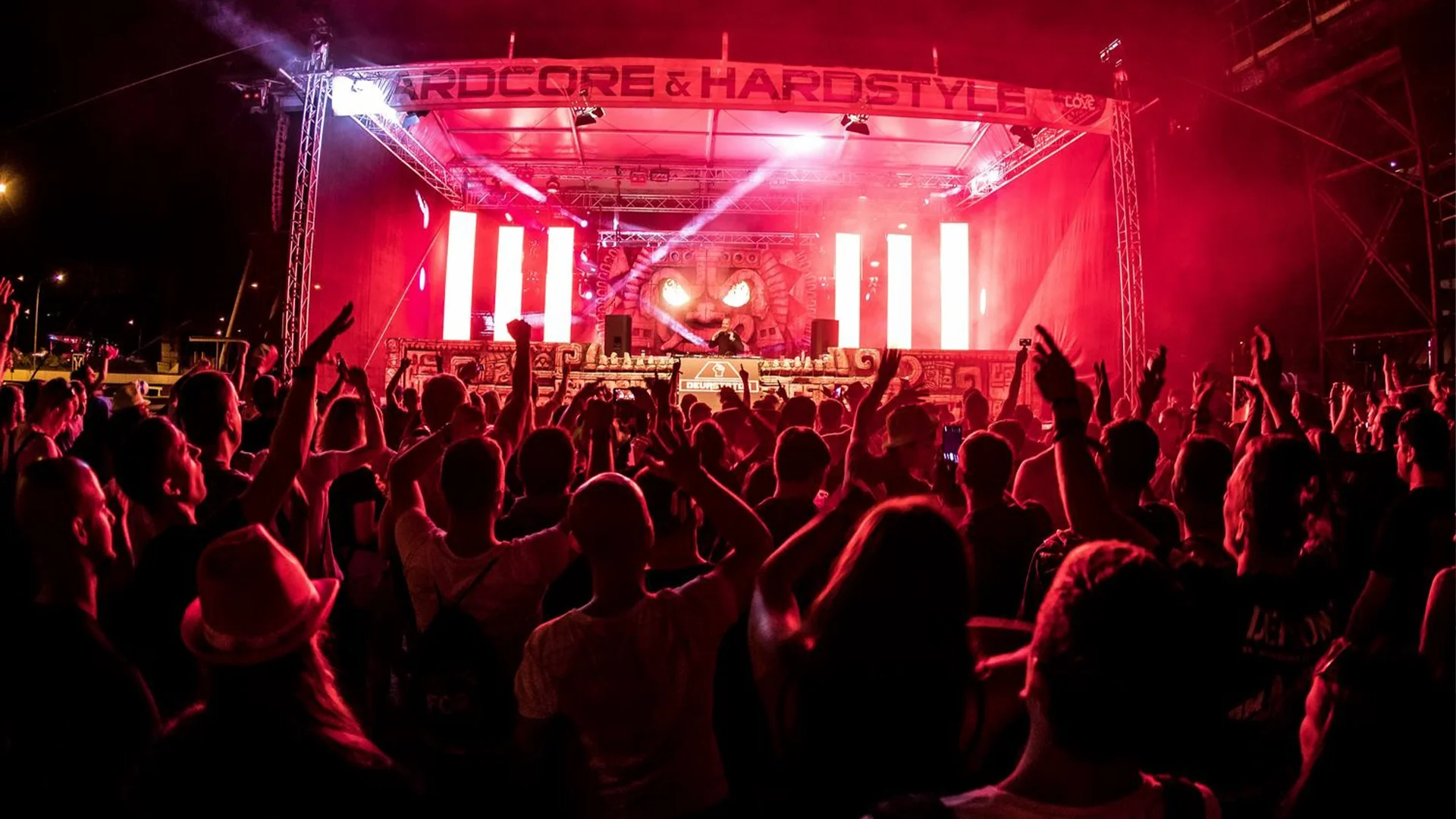
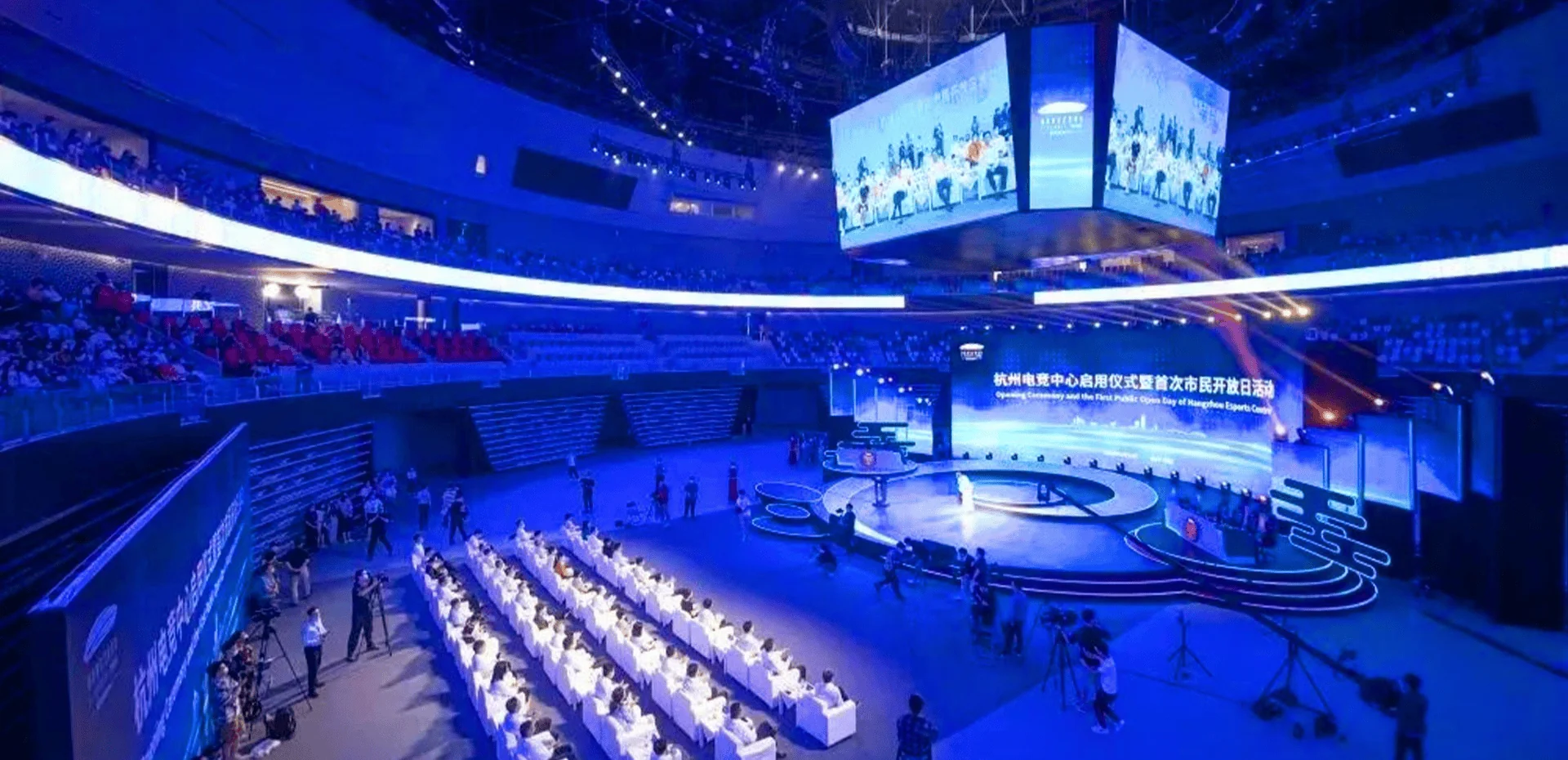
The system features an iron cabinet structure with high load-bearing capability, supporting up to 2 tons of weight. This strong construction allows the display to perform reliably in high-traffic environments such as stages, entertainment centers, shopping centers, theaters, TV stations, bars, hotels, and scenic spots.
Beyond strength, the Floor Series offers customizable shapes and sizes, versatile installation options, and easy maintenance. Its wear-resistant and anti-slip surface design helps ensure safe operation while maintaining excellent visual performance.
Supporting XR and Immersive Virtual Experiences
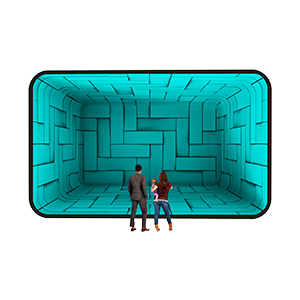
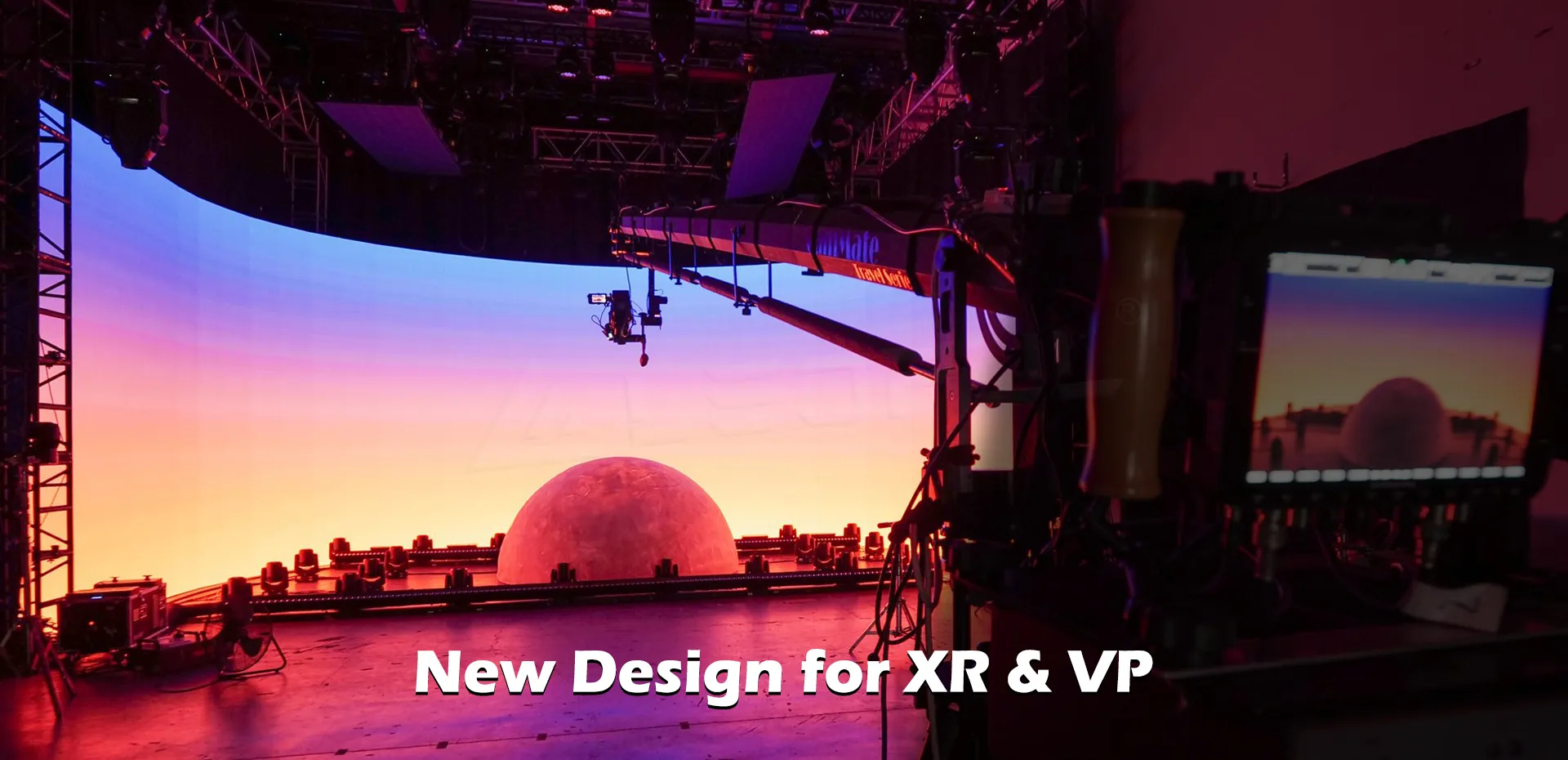
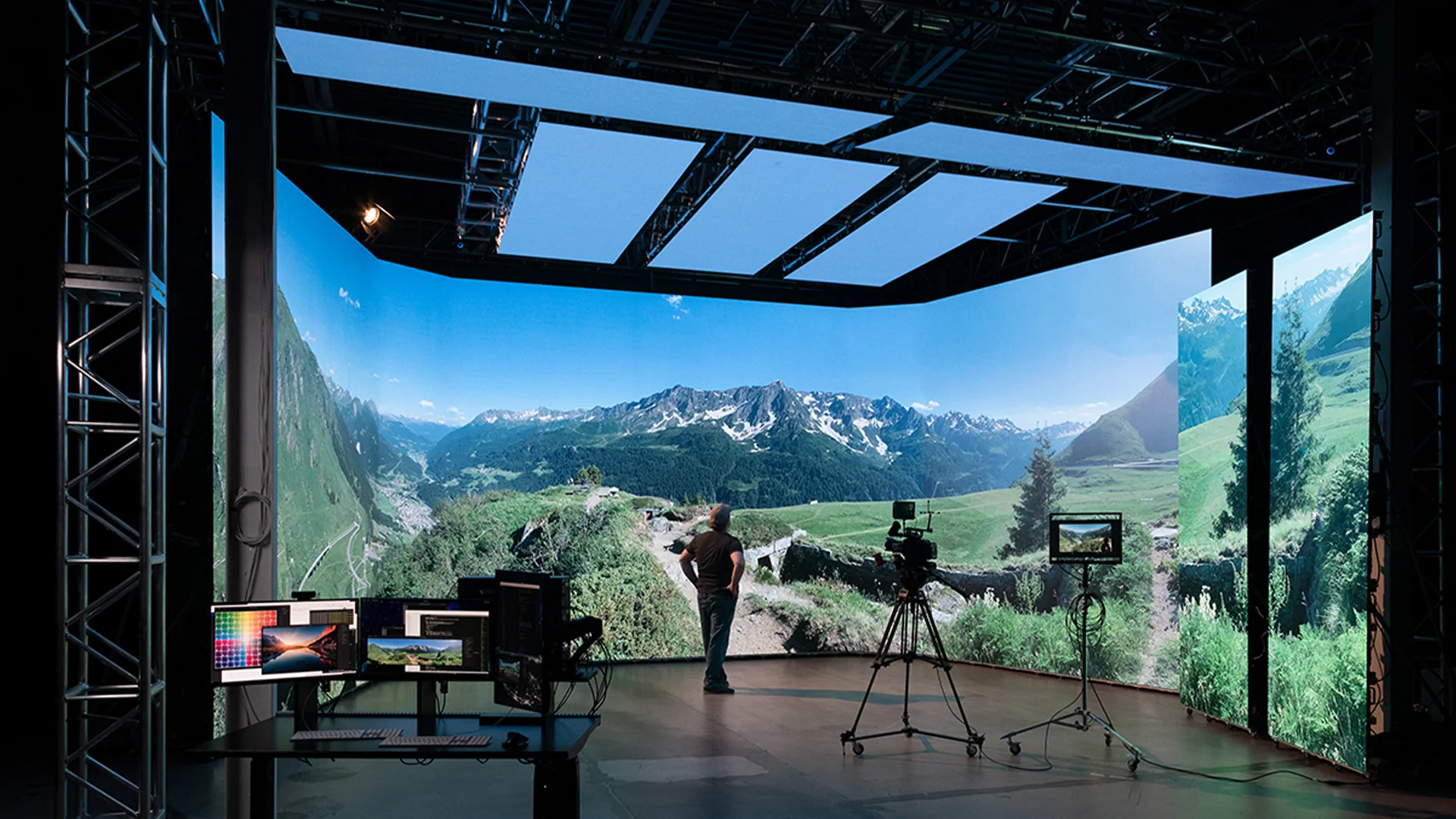
Interactive floor LED displays are becoming increasingly important in XR and immersive applications. By combining high-resolution visuals with real-time interaction, they help create realistic virtual environments for users.
In XR experiences, LED floors can display dynamically changing ground scenes that respond to movement. Interactive features allow users to engage more deeply with virtual worlds, improving immersion and entertainment value.
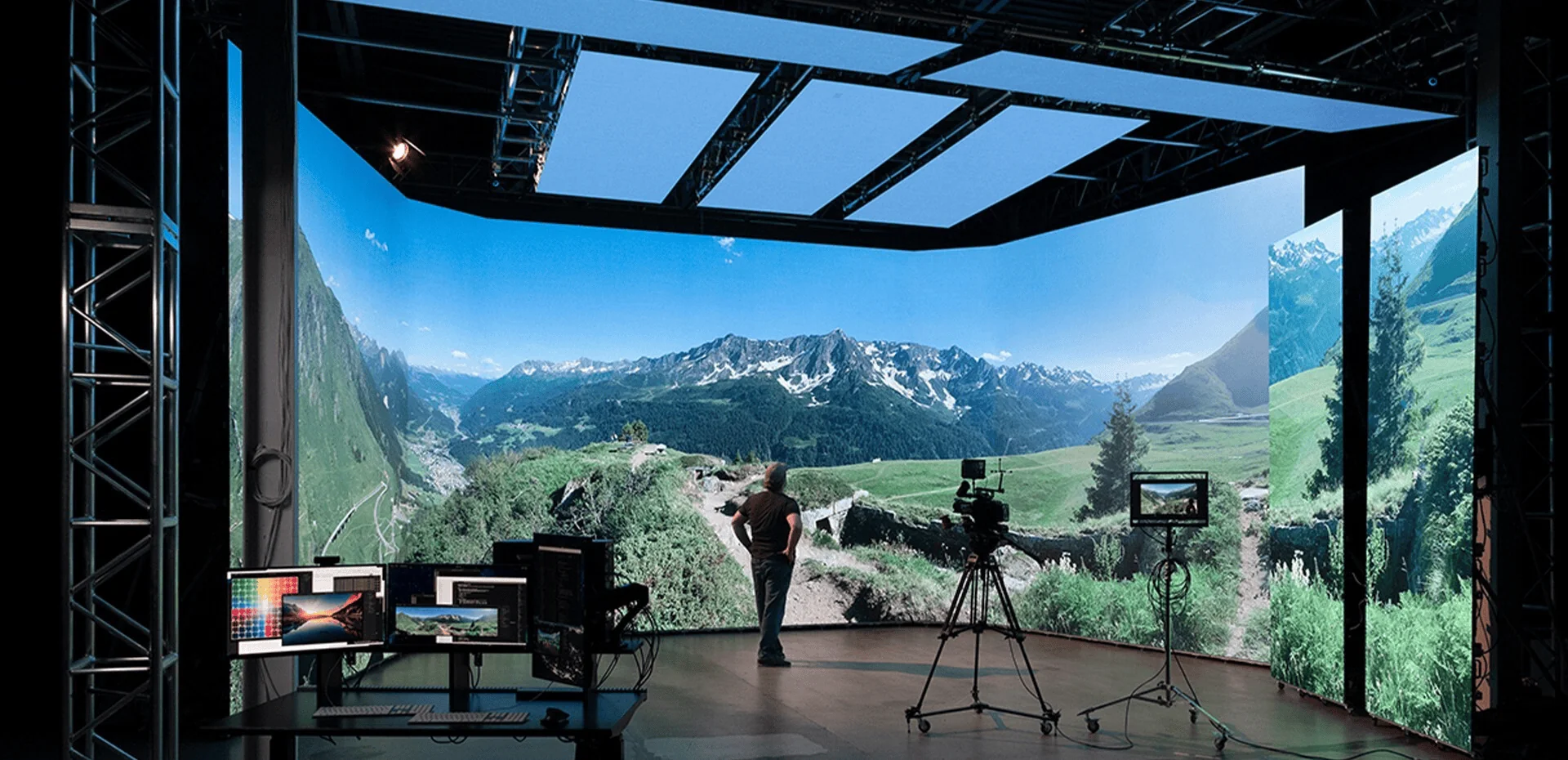
LEDFUL’s Floor Series supports these advanced applications by providing stable display performance and responsive interaction capabilities. Whether used for virtual production, immersive exhibitions, or entertainment projects, the system helps businesses create innovative experiences.
Creating More Interactive Experiences with LEDFUL
As interactive technology continues to evolve, businesses need floor display solutions that deliver both visual quality and reliable performance. Sensor accuracy plays an important role in creating natural and engaging interactions, and the right technology selection can significantly improve user experiences.
At LEDFUL, we focus on developing professional floor LED display solutions that combine durability, flexibility, and advanced interaction. Through innovative design and reliable manufacturing, our Floor Series helps customers build immersive spaces for entertainment, commercial, and creative applications.
By integrating strong hardware, responsive sensors, and customized solutions, LEDFUL continues to support businesses worldwide in creating the next generation of interactive environments.