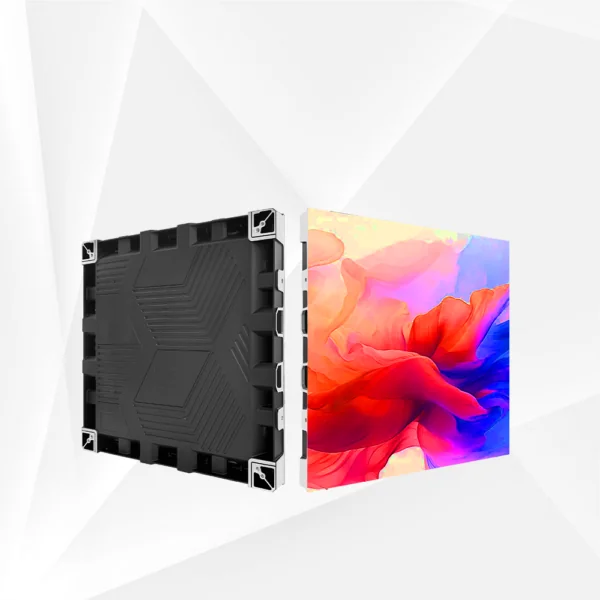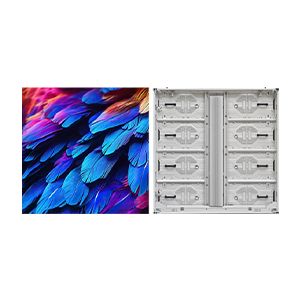
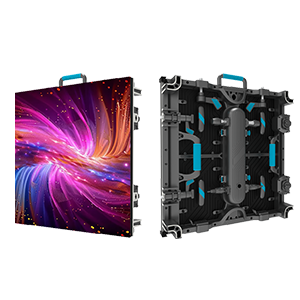
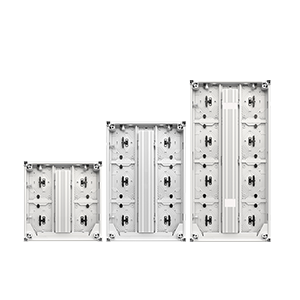

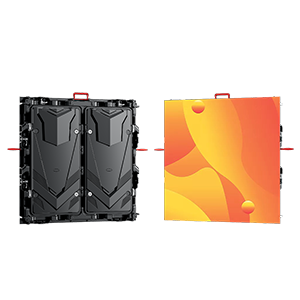
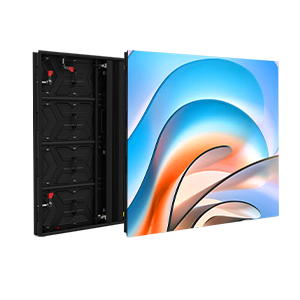

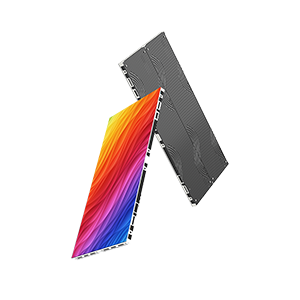

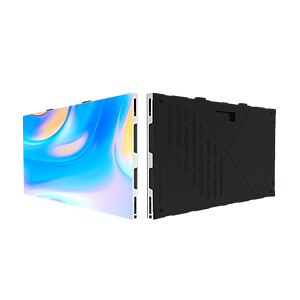
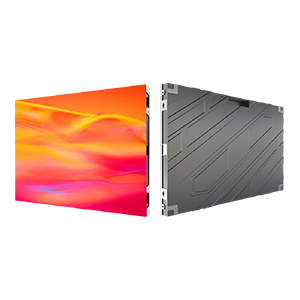

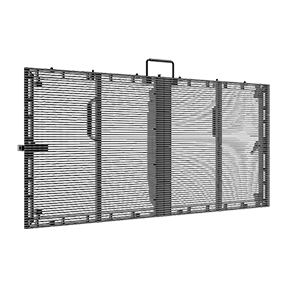
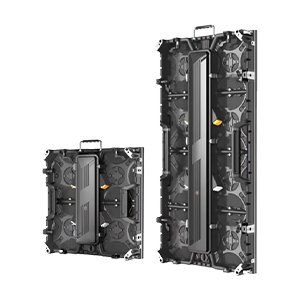
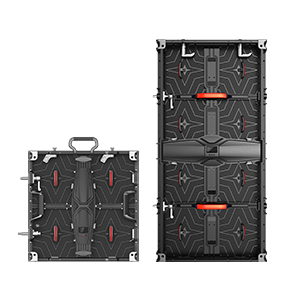












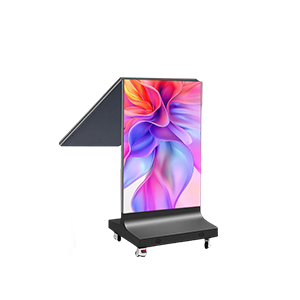
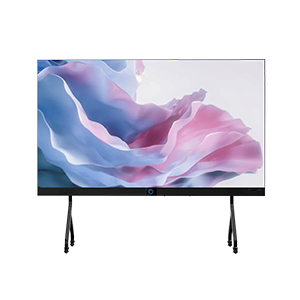


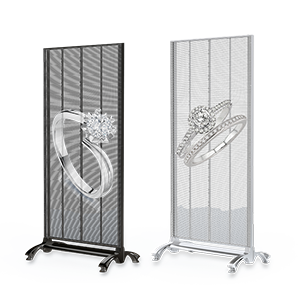
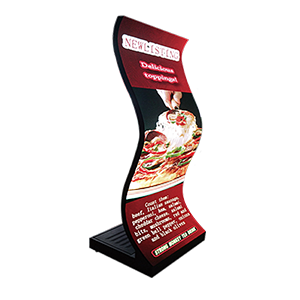




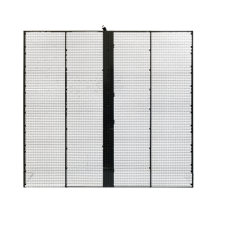
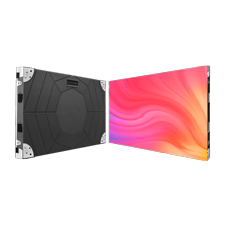
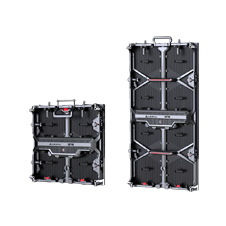

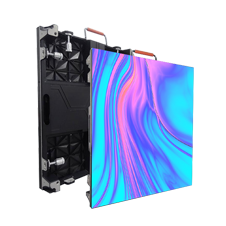

















Pixel pitch has a direct relationship with image density, viewing distance, and the visual character of a screen. Our team at LEDFUL often considers these factors together rather than treating a smaller pitch as automatically preferable. In practical installations, the difference between 1.2mm and 2.5mm can affect not only image detail but also viewing comfort, system scale, power requirements, and project economics. Understanding where each specification makes sense gives integrators and buyers a clearer basis for matching display resolution with the environment.

How Pixel Pitch Changes Image Detail
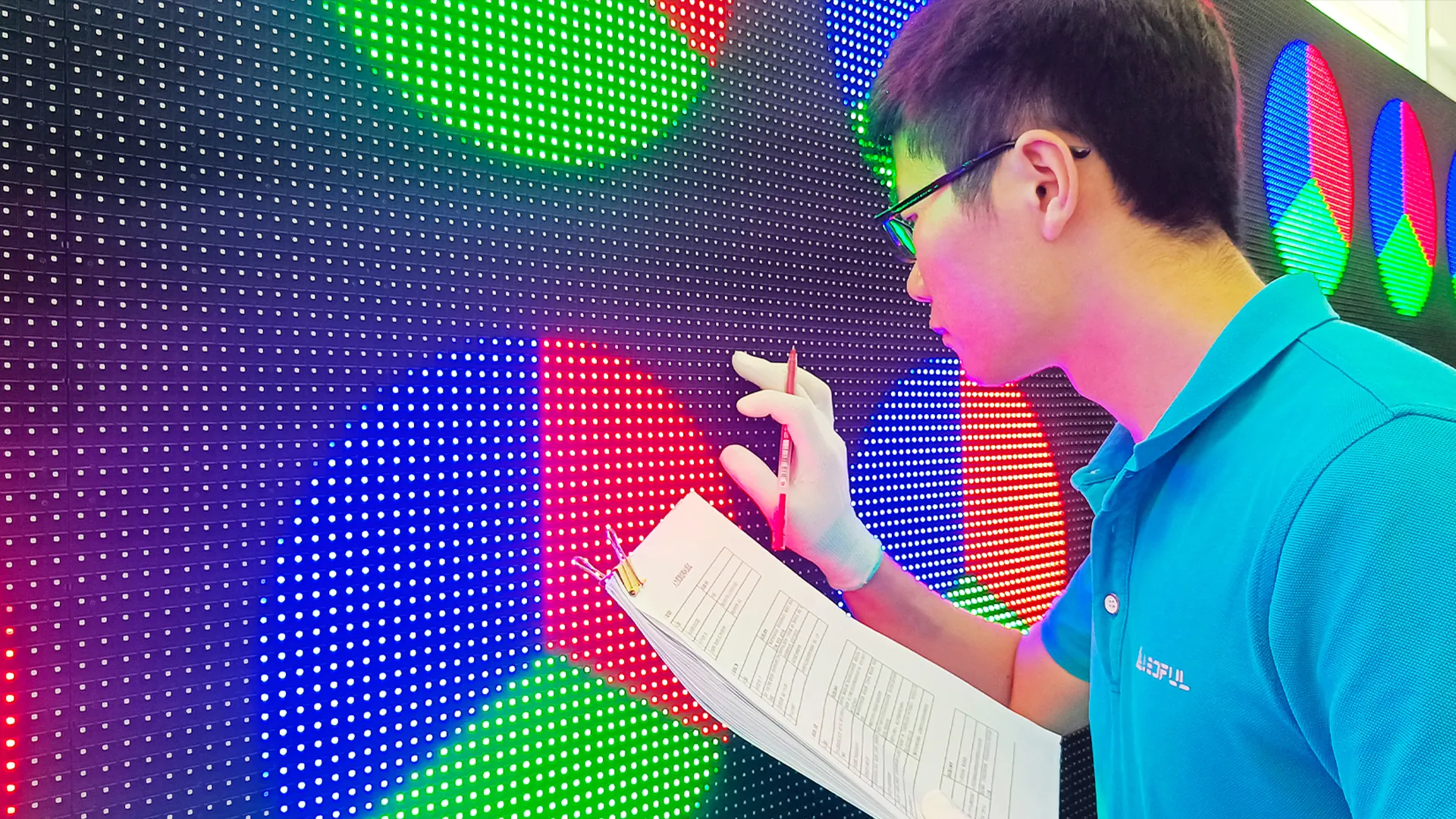
Pixel pitch refers to the distance between the centers of two neighboring pixels, normally measured in millimeters. Reducing this distance allows more pixels to occupy the same physical area. Consequently, fine text, detailed graphics, and high-resolution video can retain greater definition when viewed from relatively short distances. For a detailed explanation, read our guide to pixel pitch in LED displays.
The relationship becomes particularly noticeable as viewers move closer to the screen. A high-density surface can present smoother-looking images at close range, while a larger pitch may appear less refined when examined from nearby. Viewing distance should still remain the primary reference because people rarely evaluate a display from the same position throughout an installation.
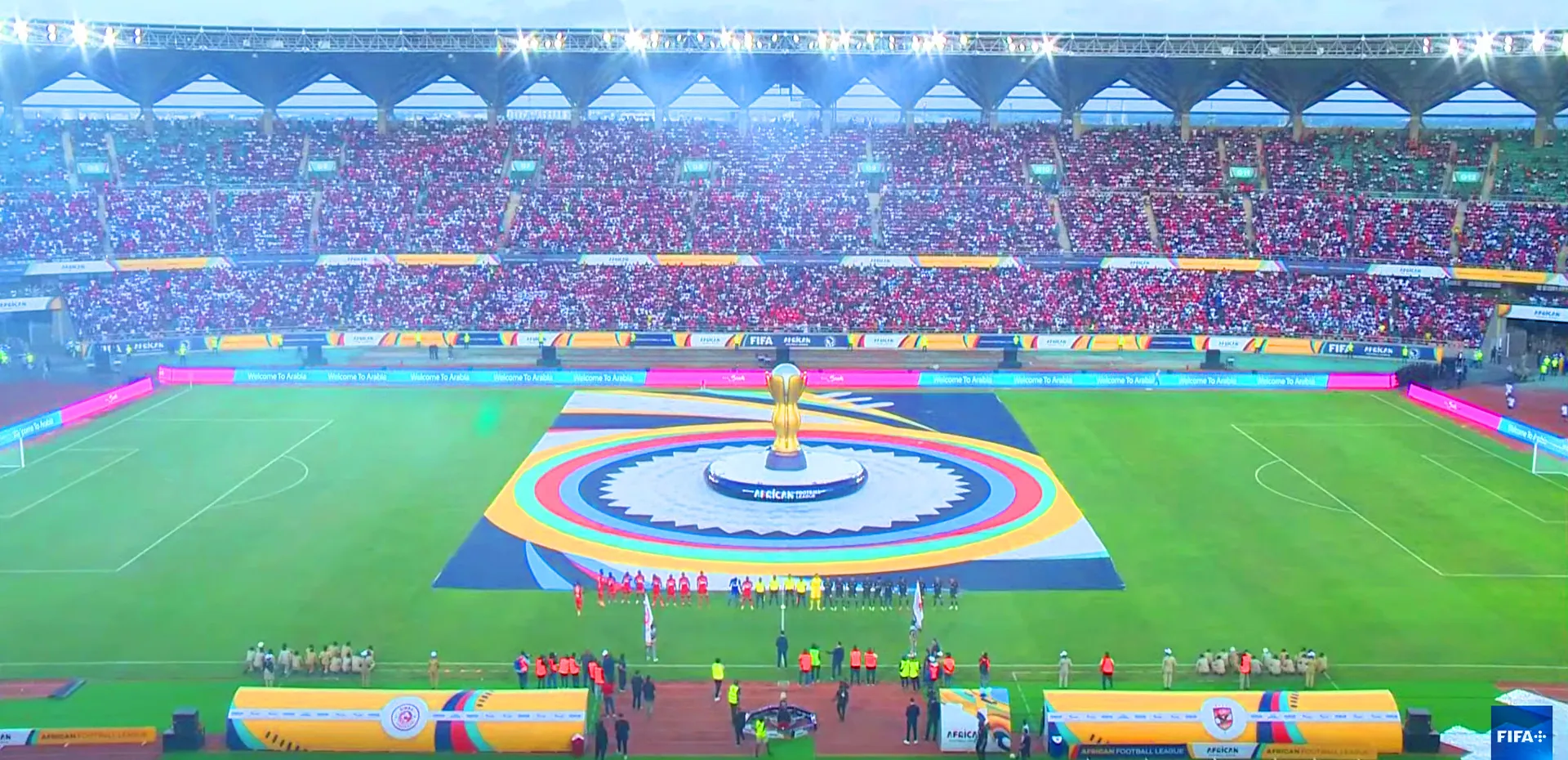
Screen size matters as well. Increasing the physical dimensions of a display can provide more room for content without necessarily requiring the smallest available pitch. In a spacious venue where viewers remain farther away, excessive pixel density may contribute little to the perceived improvement. LED display planning works best when resolution corresponds to how the audience will actually experience the image.
Comparing 1.2mm And 2.5mm Applications
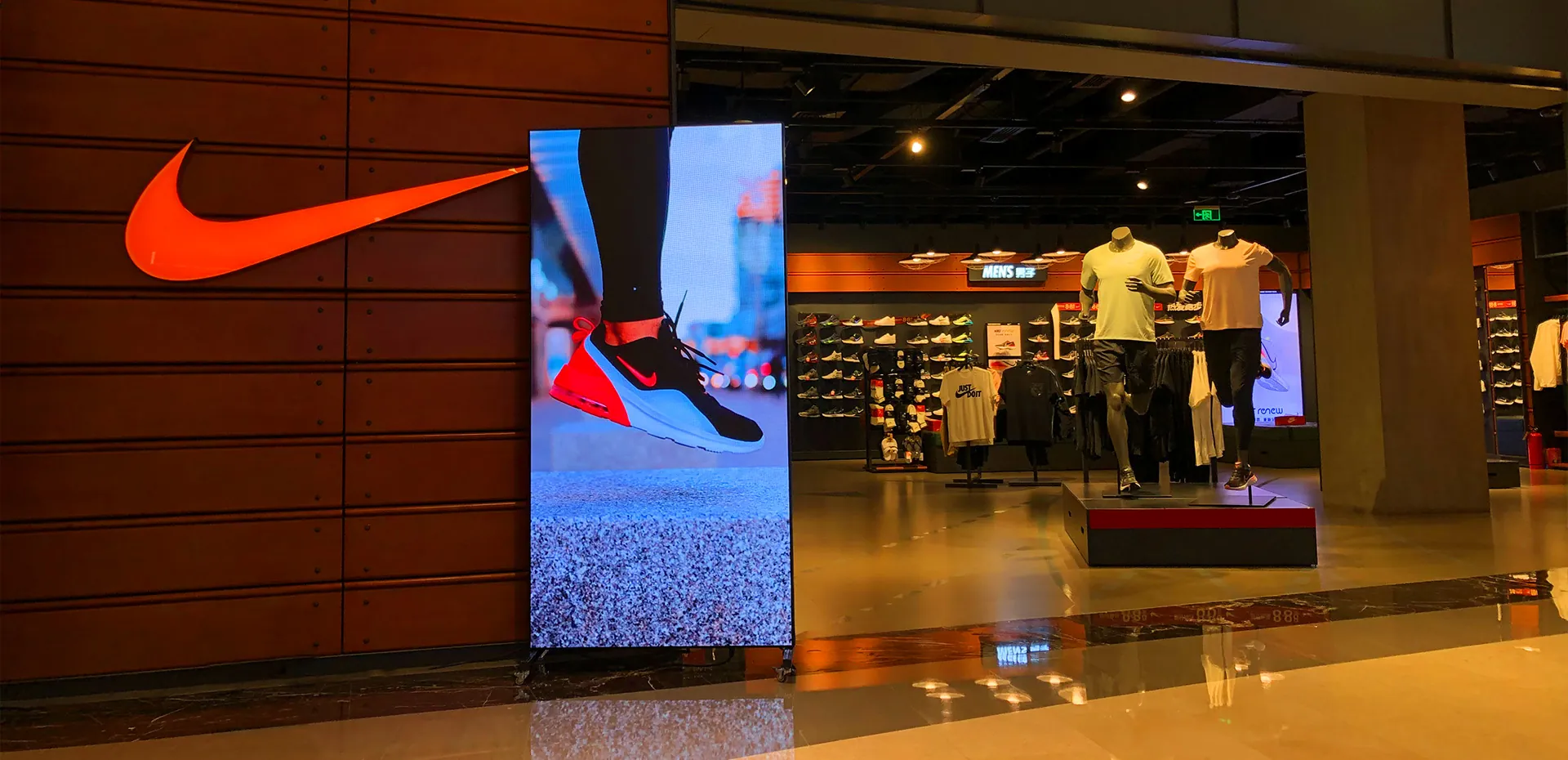
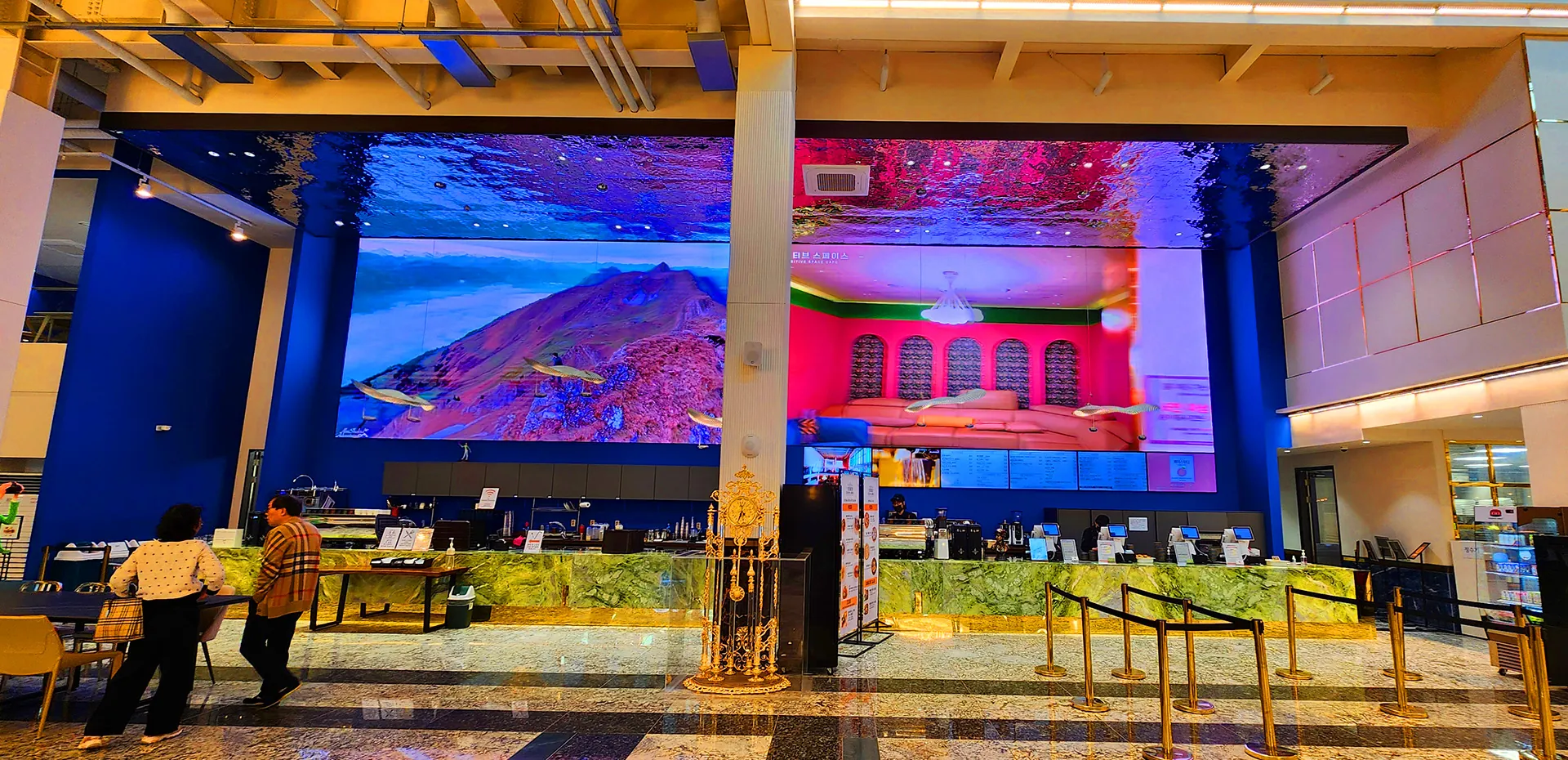
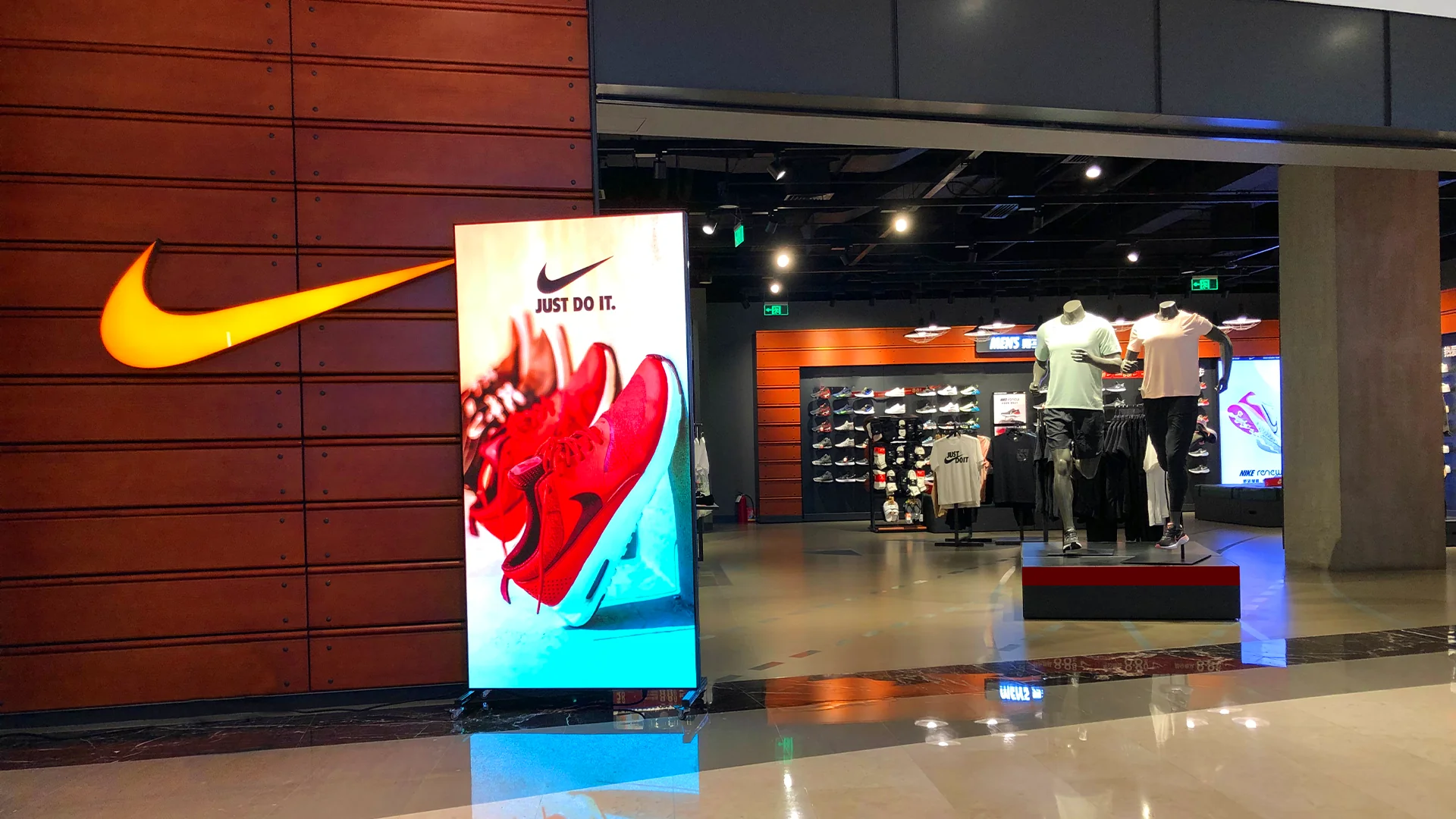
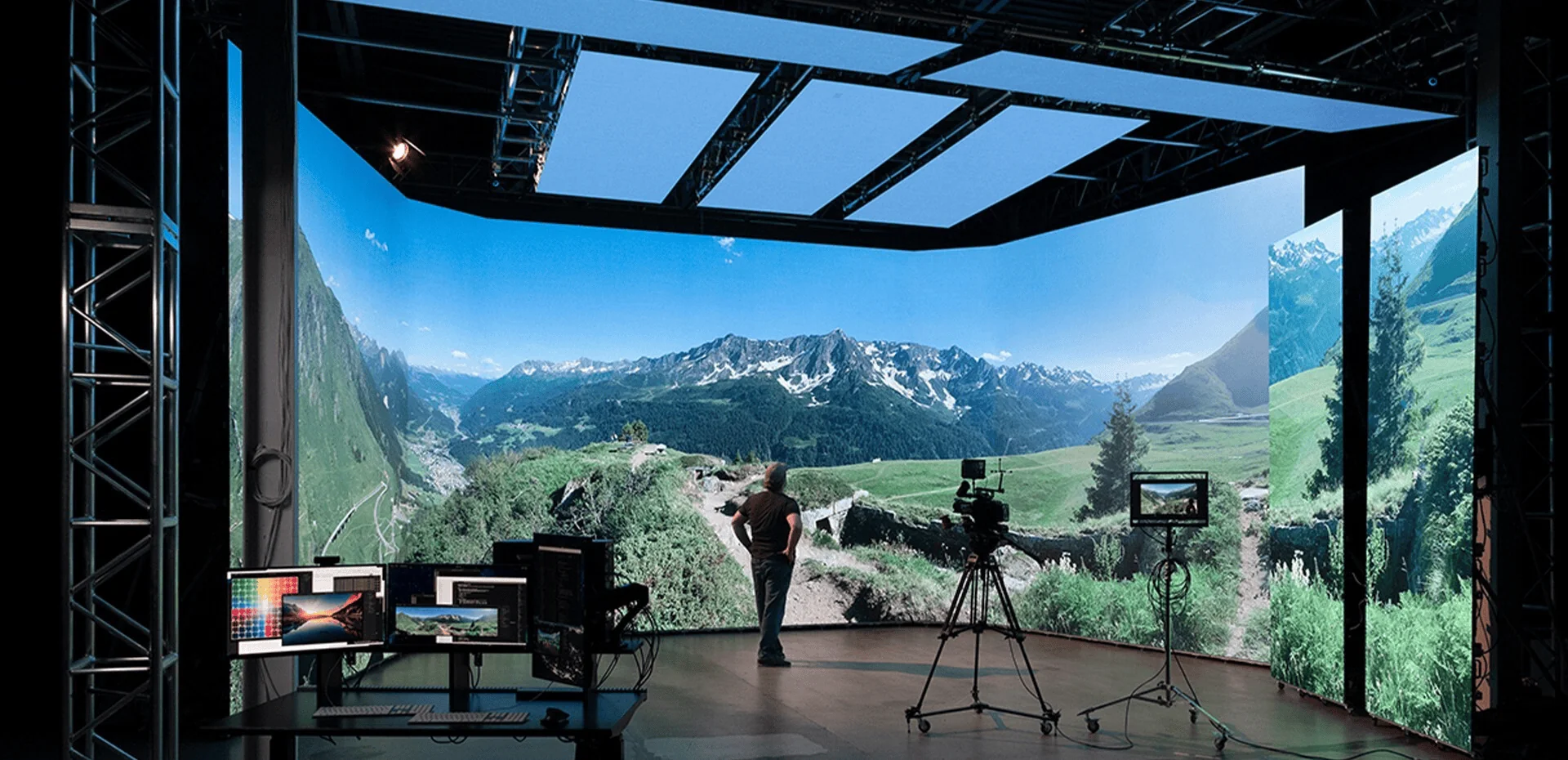
Close-viewing environments place greater emphasis on pixel density. Conference spaces, control rooms, premium retail interiors, studios, and other locations where people may stand several meters or less from the screen can benefit from finer-pitch technology. Small text, product details, graphical interfaces, and presentation materials are more demanding than simple logos or large-format imagery.
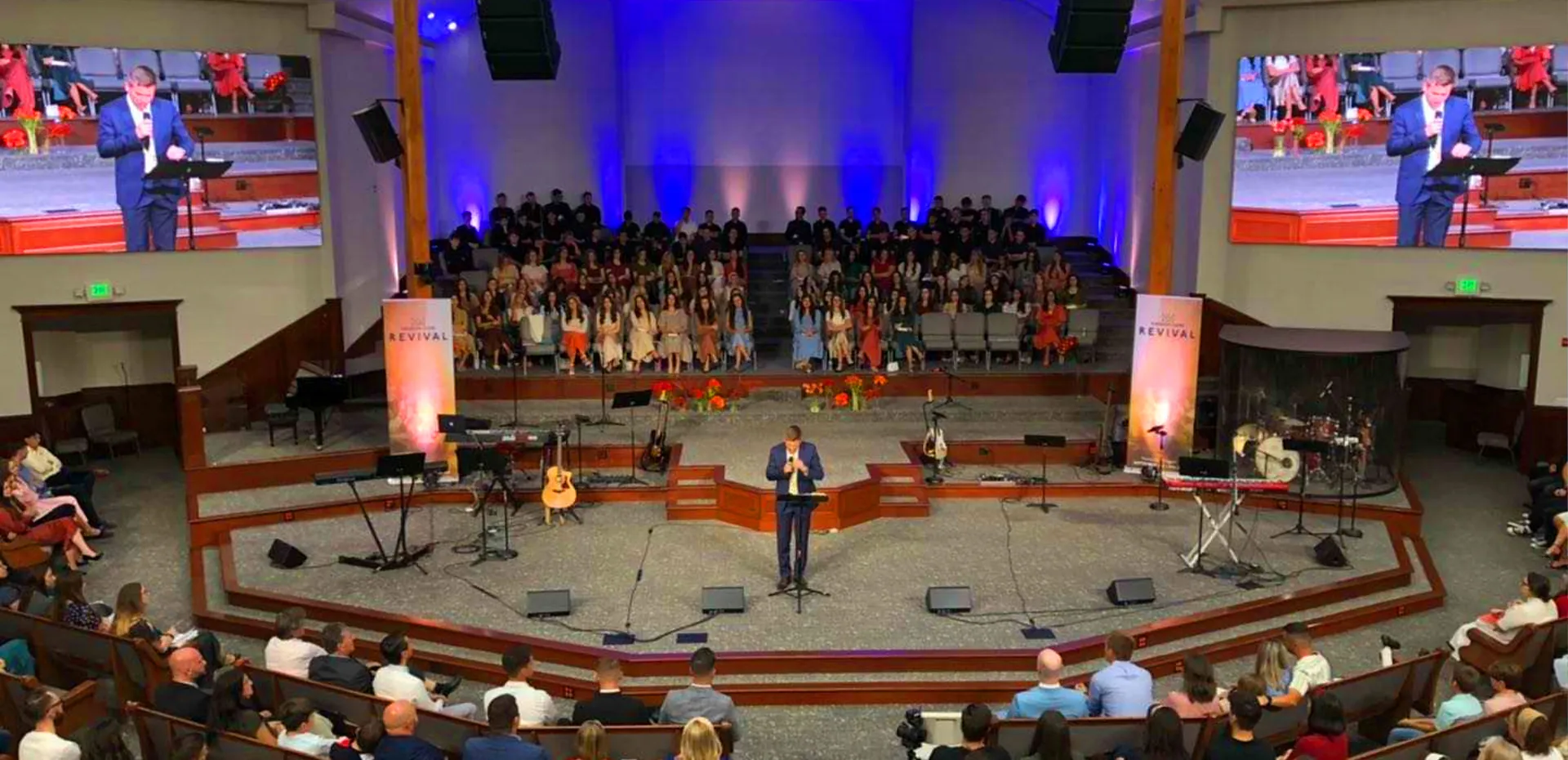
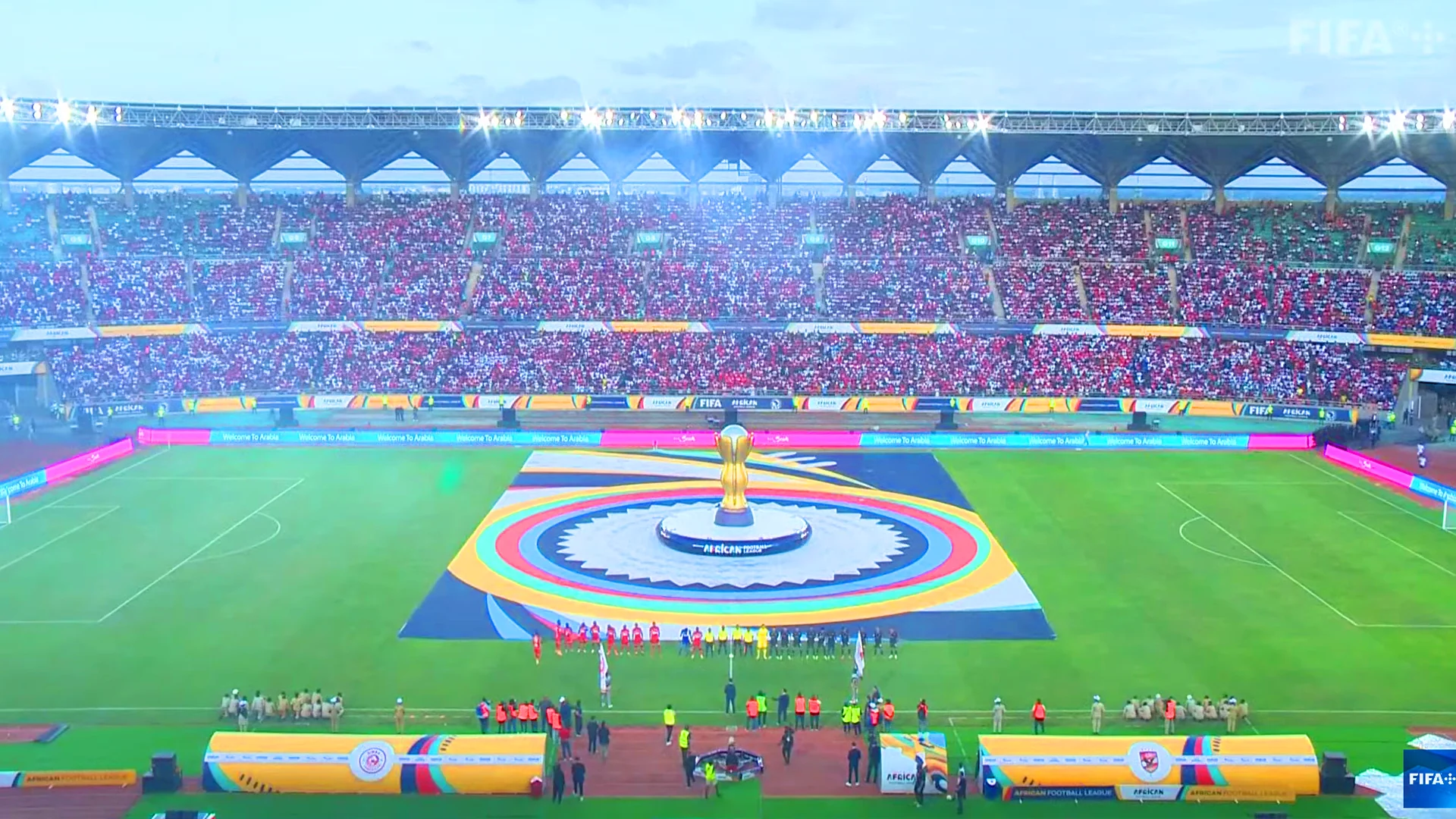
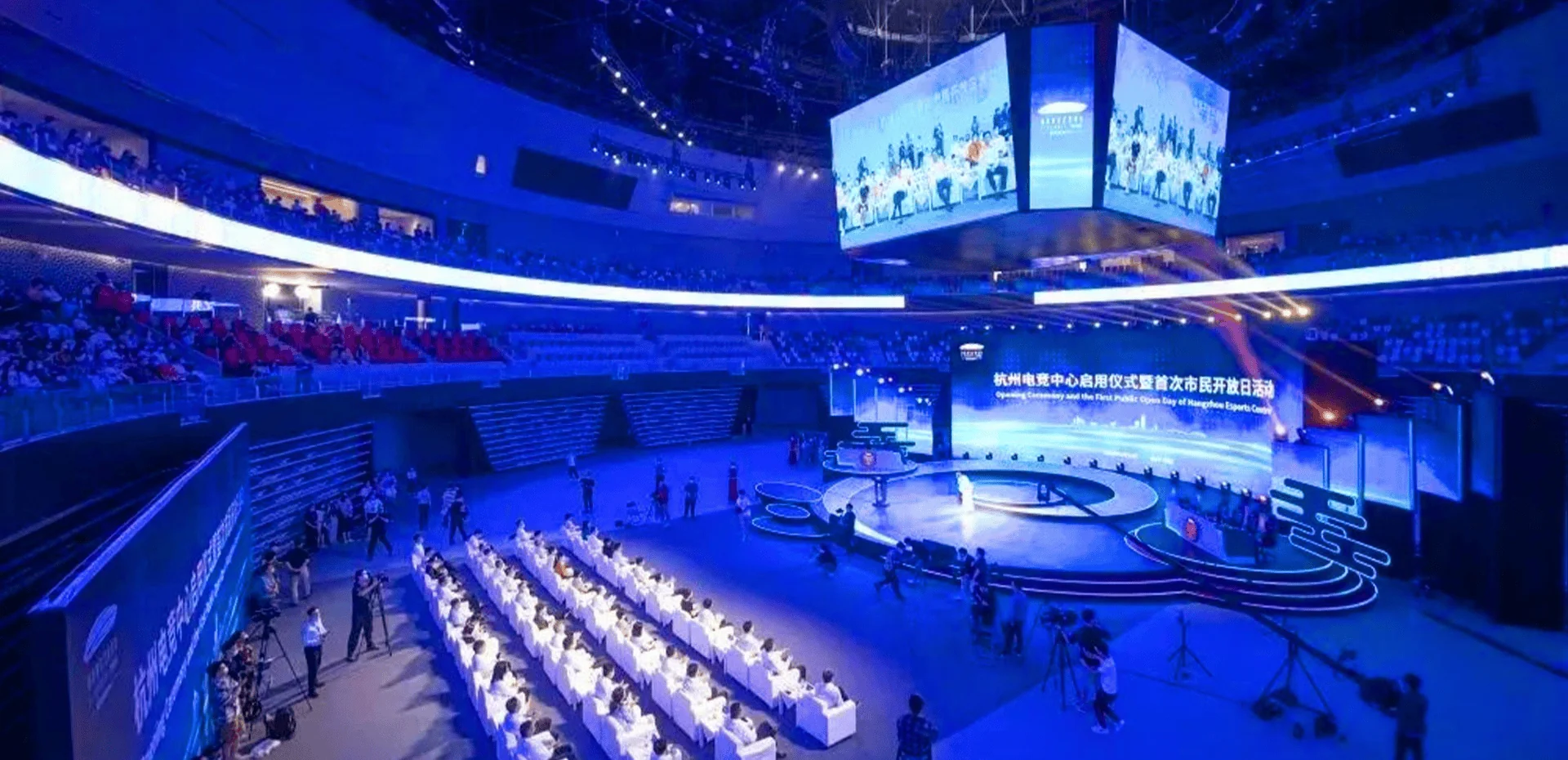
Larger-pitch configurations can make more sense where viewing distances increase. Auditoriums, event spaces, commercial interiors, and other applications with broader audience areas may not require the same pixel density as a close-range display. The physical dimensions of the screen, expected audience distribution, and content type should be assessed together rather than relying on pitch alone.
The distinction between a small LED display and a large-format installation is also worth noting. A compact screen may still need fine pitch if viewers stand close to it, while a much larger surface can use a wider pitch when its audience is positioned farther away. Physical size and pixel pitch describe different characteristics, so they should not be treated as interchangeable concepts.
Product Specifications In Context
Resolution decisions extend beyond the number of pixels visible from one square meter. Content resolution, processor capability, camera requirements, and the native aspect ratio of source material can influence how effectively that density is used. High-detail content may reveal the benefits of a finer pitch, whereas simple graphics with large typography may not show a dramatic visual difference from ordinary viewing distances.
Power and installation planning deserve attention too. More pixels across the same area can affect component density and system requirements, while the physical screen dimensions influence cabinet quantities, structural arrangements, servicing, and transportation. Buyers comparing two pitch options should examine the complete specification set rather than focusing on one figure.
Viewing Distance And Content Should Guide Selection
There is no universal distance at which one pixel pitch suddenly becomes appropriate. Human vision, content type, screen dimensions, ambient conditions, and audience movement all influence perceived image quality. A presentation room may have relatively predictable viewing positions, whereas a shopping center can expose the same screen to people standing both close to and far away.
Content provides another useful test. Detailed architectural renders, spreadsheets, close-up product imagery, and professional video can reveal pixel structure more readily than broad-color graphics or simple promotional messages. Evaluating representative content on different pitch options can give project teams a more realistic impression than relying solely on specification sheets.
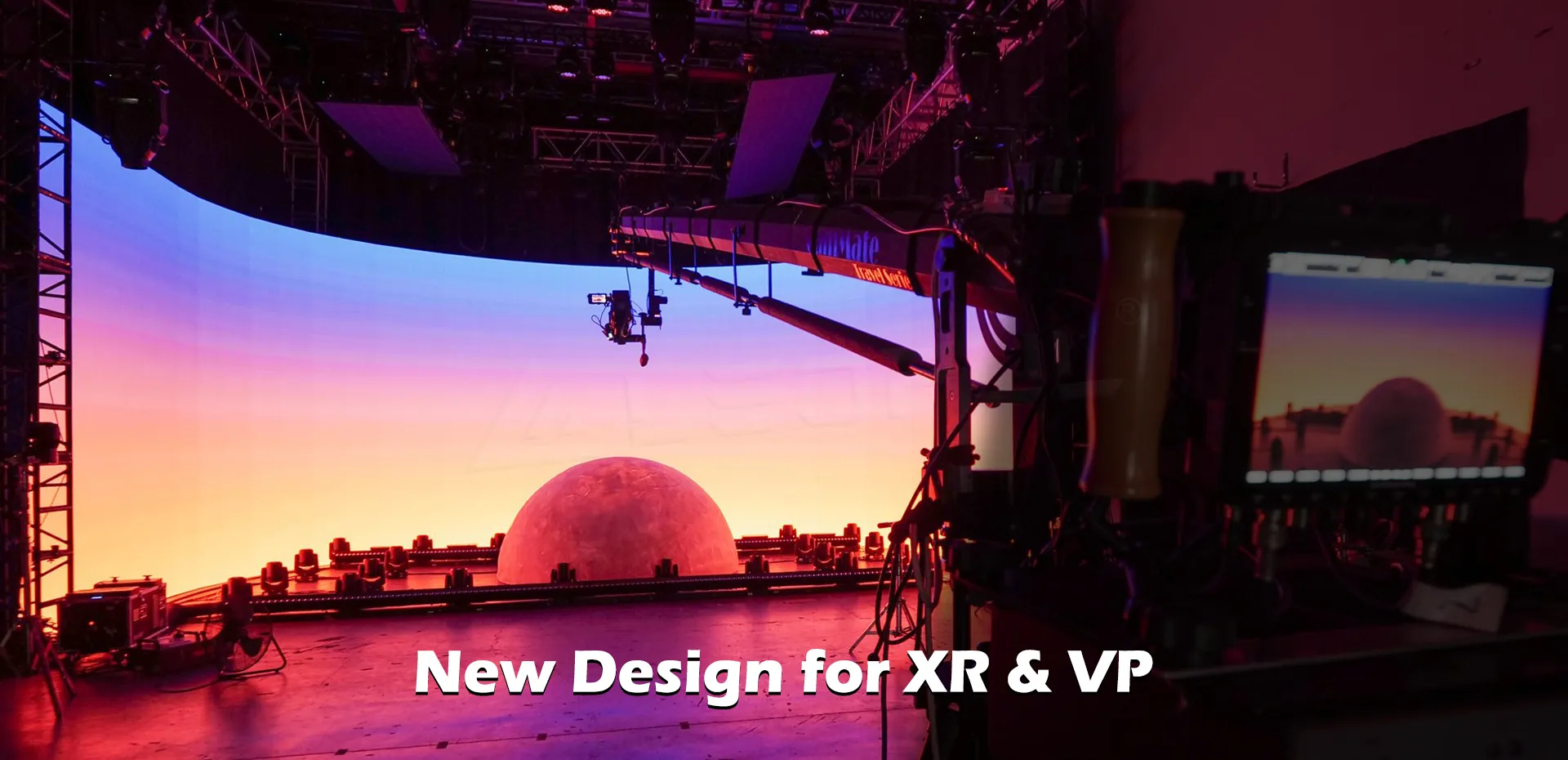
Camera use adds another consideration. Broadcast studios, live events, and recorded presentations require attention to refresh performance, scanning behavior, grayscale, and camera settings. The finest pixel pitch cannot compensate for unsuitable image-processing parameters, so the entire signal chain needs to be assessed before finalizing the display configuration.
Conclusion
Selecting between 1.2mm and 2.5mm is ultimately an exercise in matching visual requirements with the environment in which people will experience the screen. Fine pitch has clear value in close-viewing situations, while wider spacing can be entirely practical when distance, screen scale, and content reduce the need for extremely dense pixel arrangements.
A small LED display may demand high pixel density because of its viewing position, whereas a larger installation can sometimes achieve the intended visual effect with a wider pitch. At LEDFUL, we approach these decisions by looking at viewing behavior, content, installation conditions, and technical specifications together, giving each project a resolution strategy grounded in its actual use rather than a single specification in isolation.