


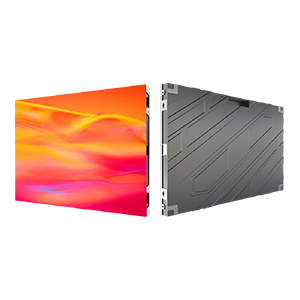

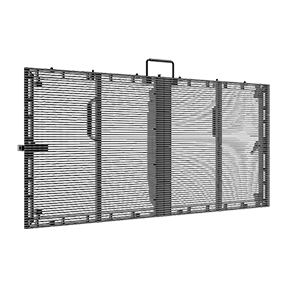
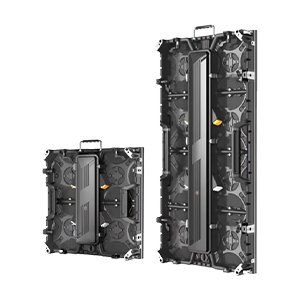
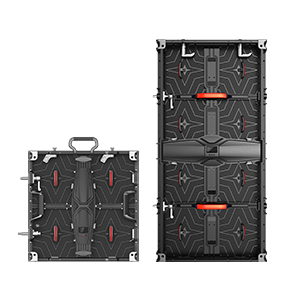













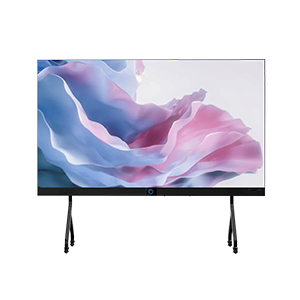


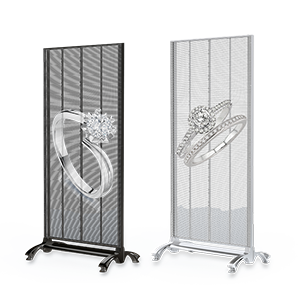
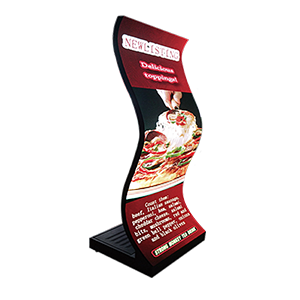


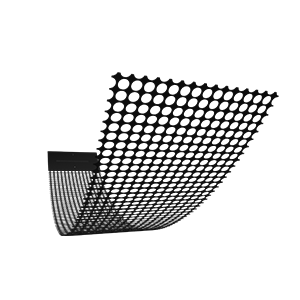
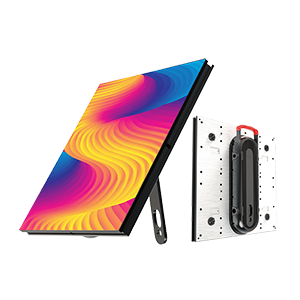
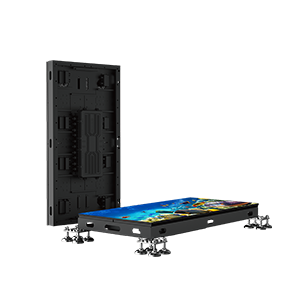







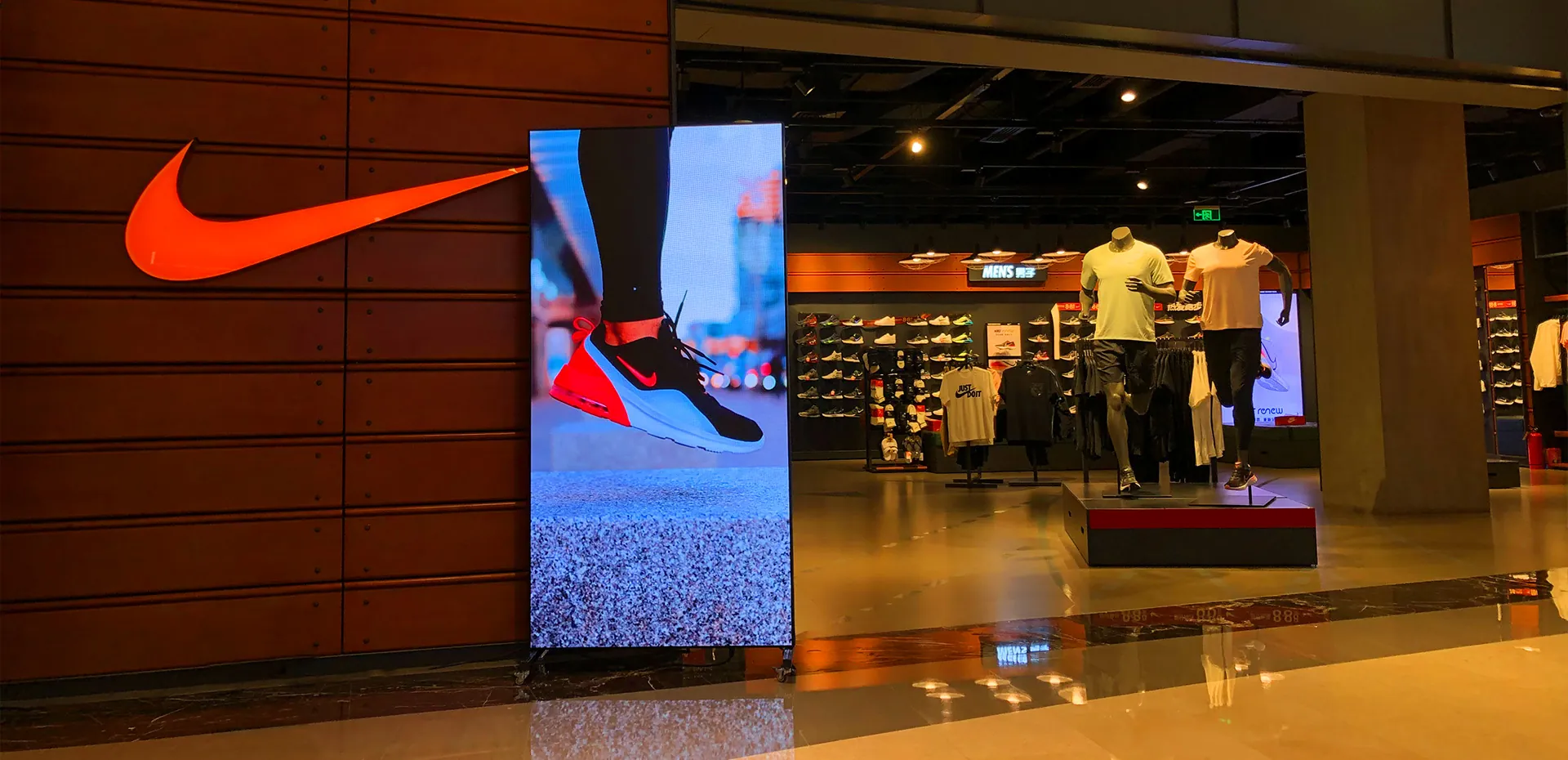
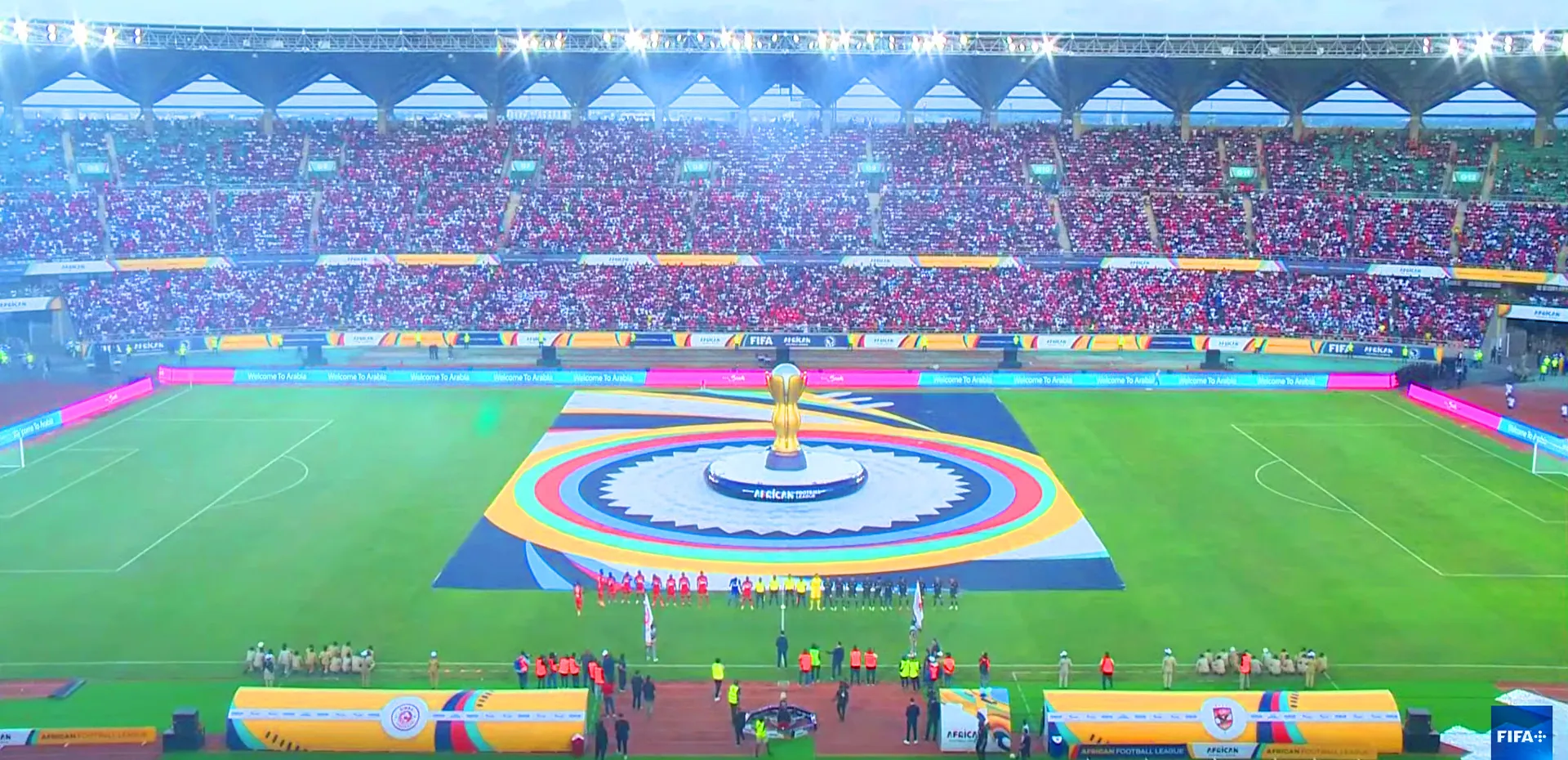

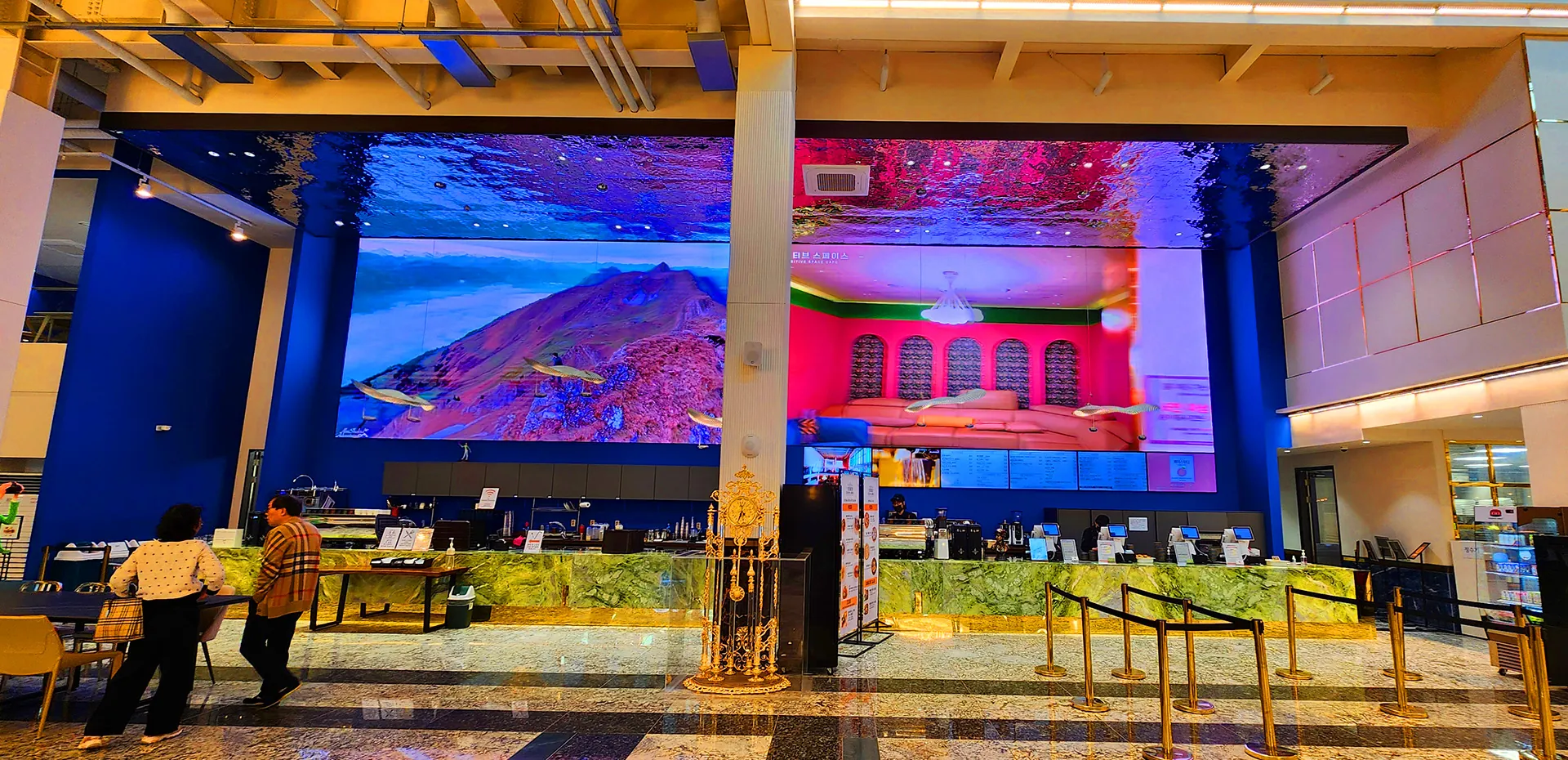
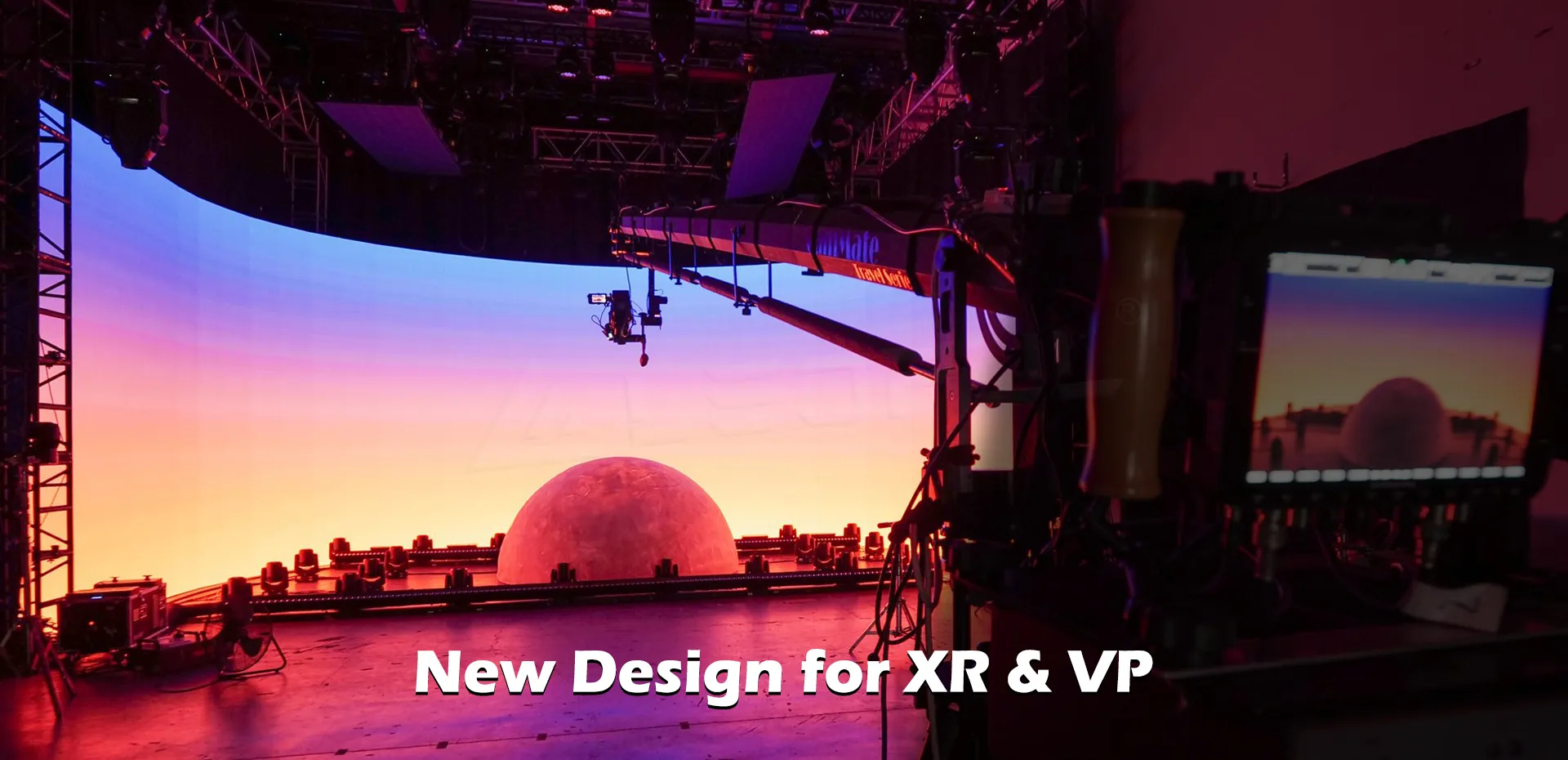



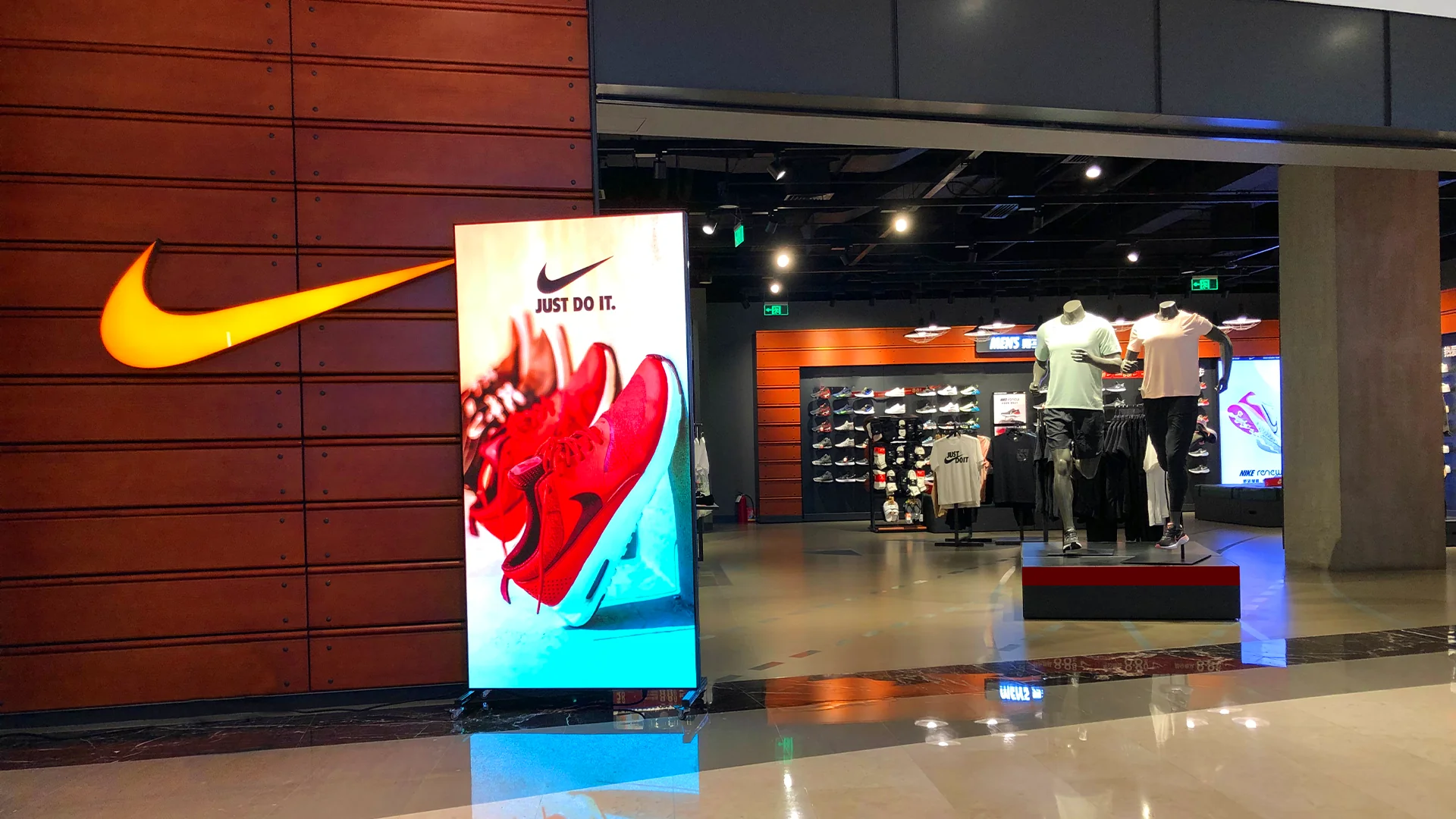
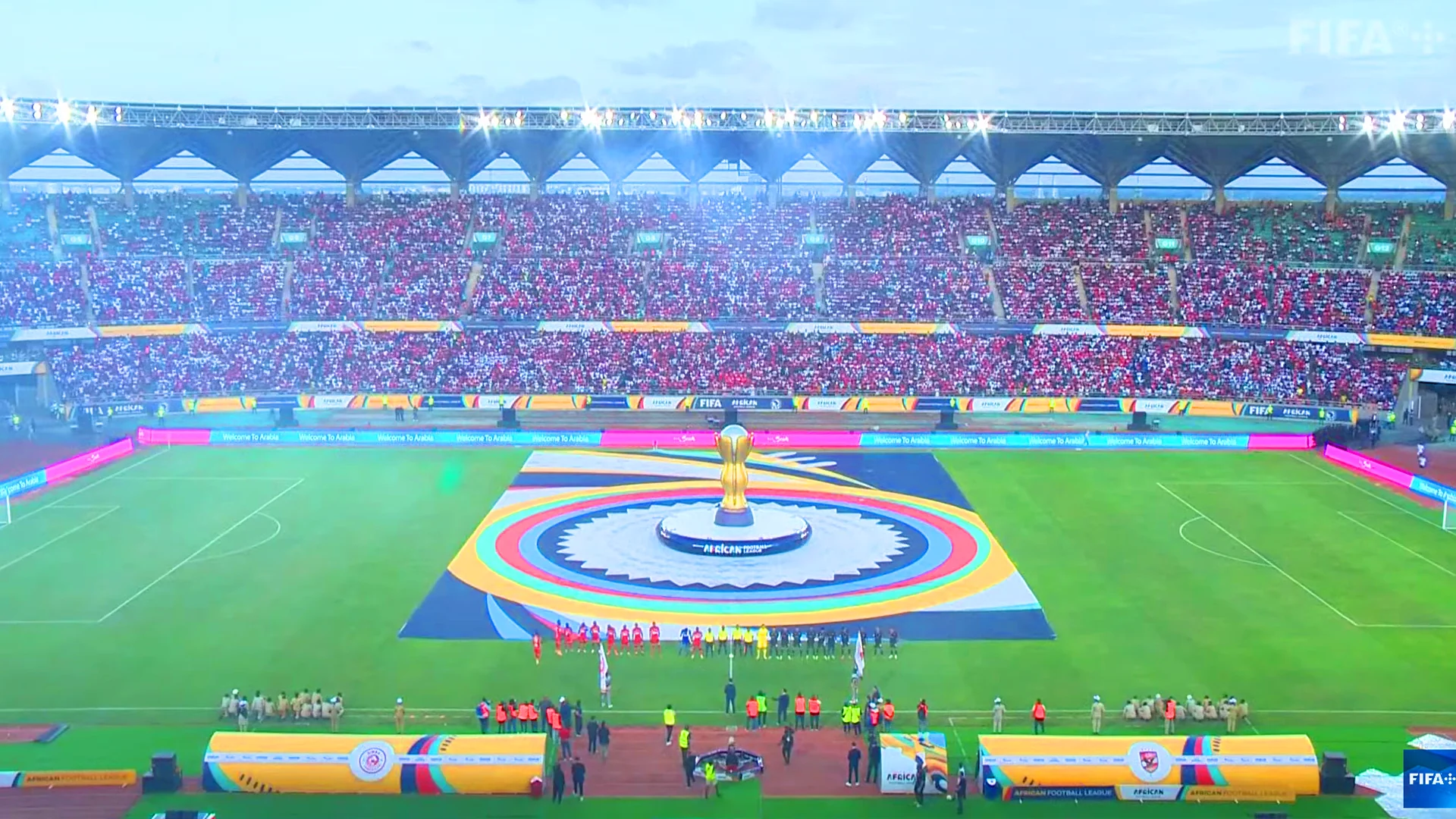

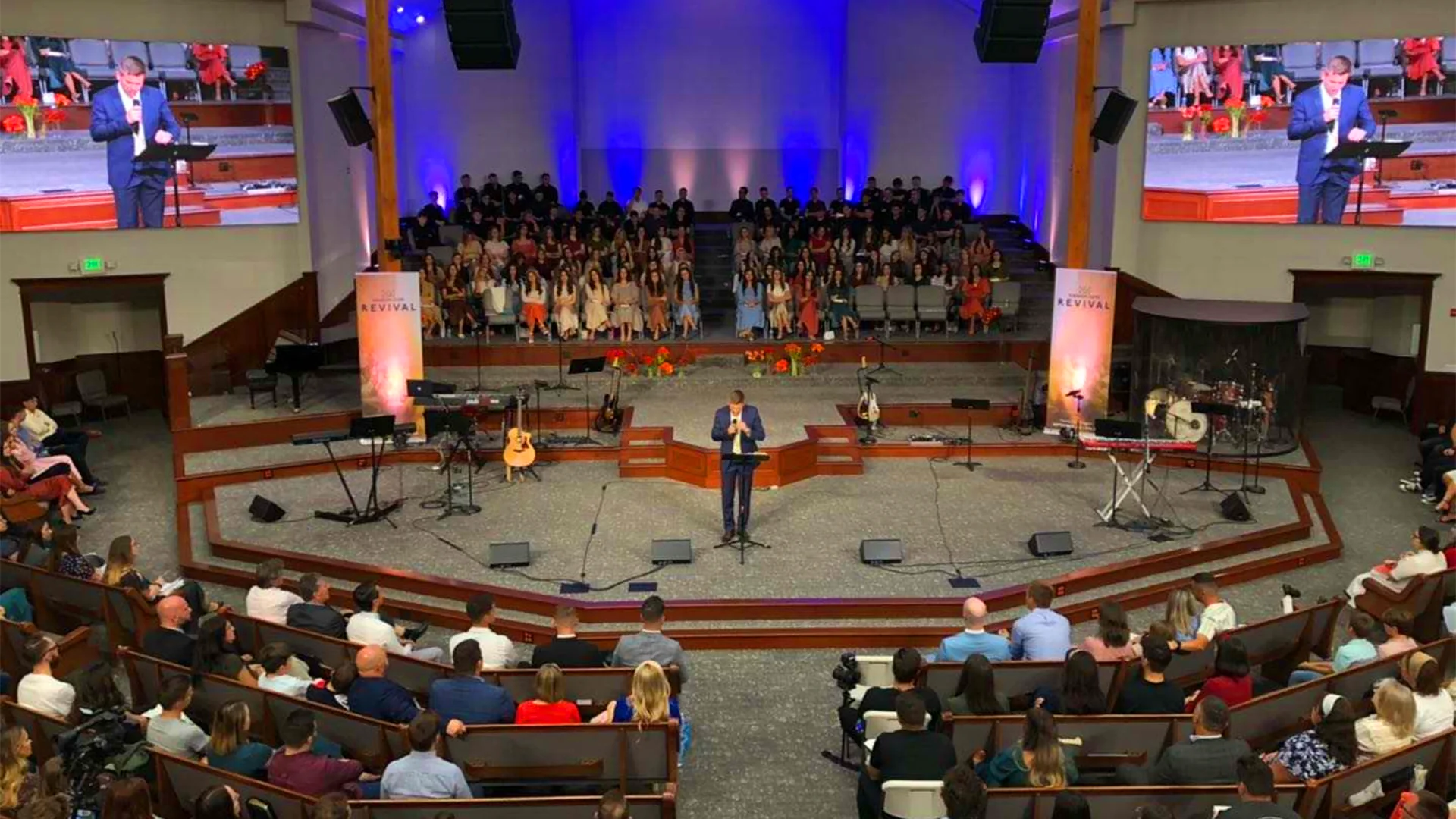
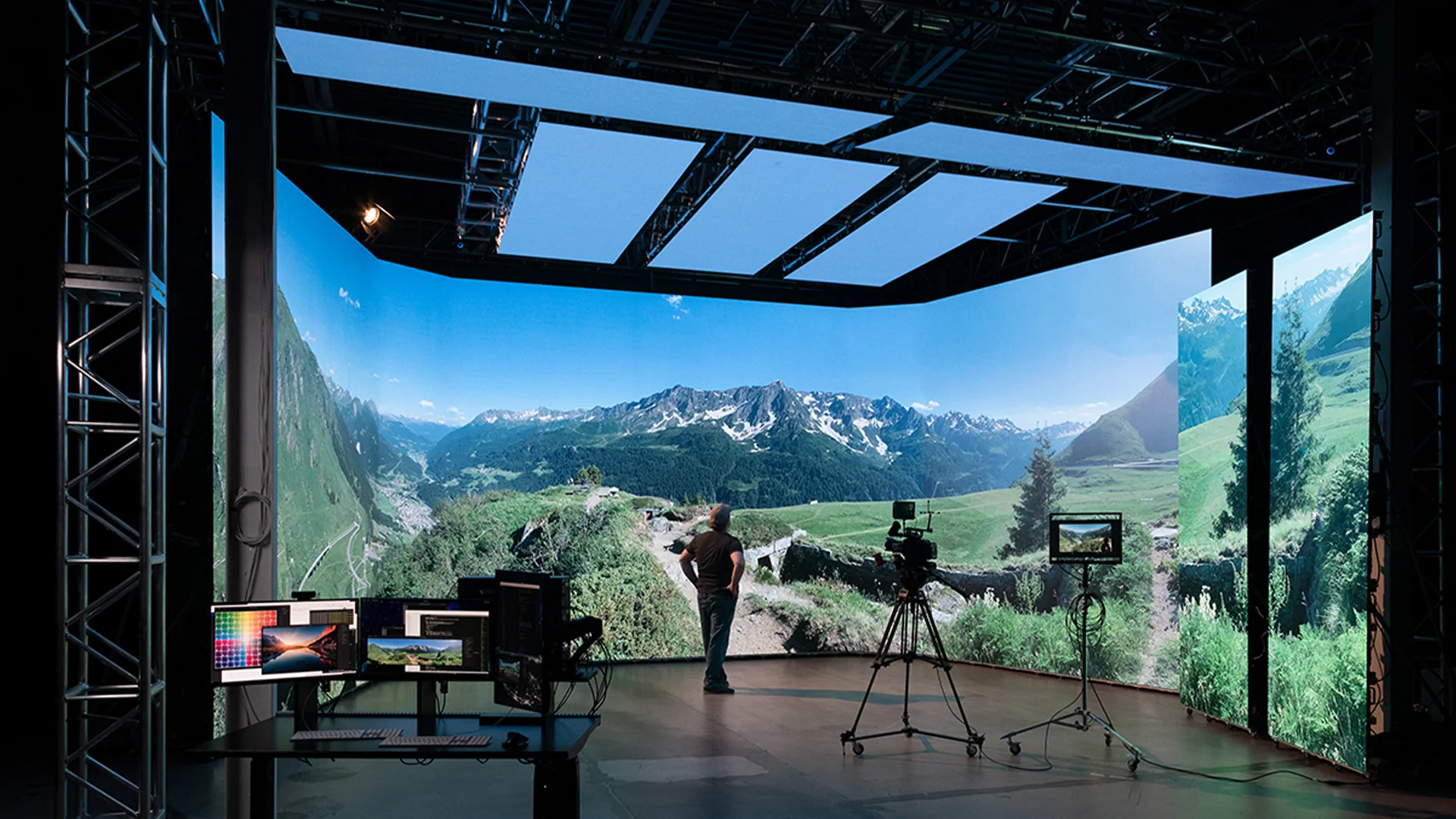
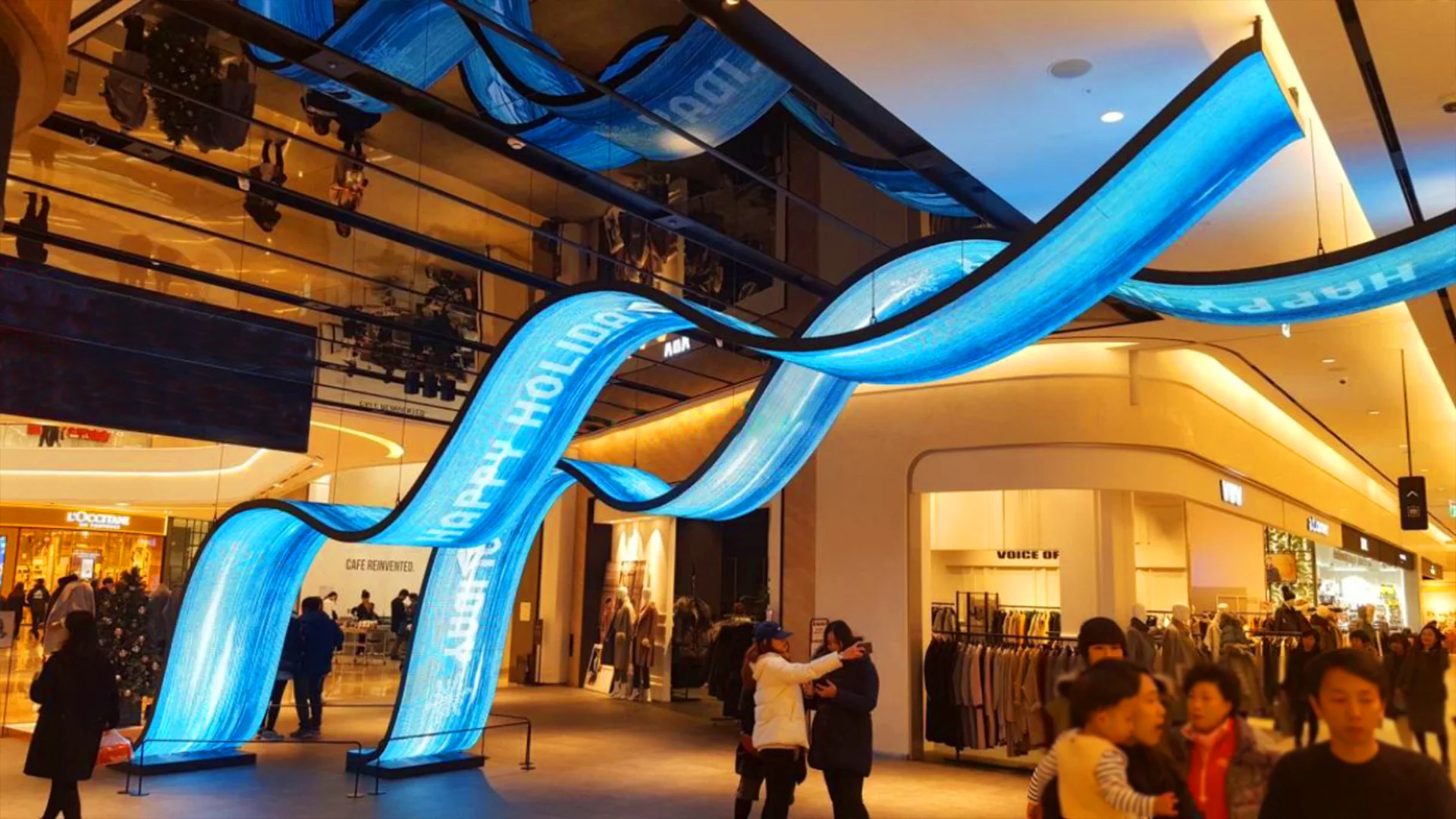






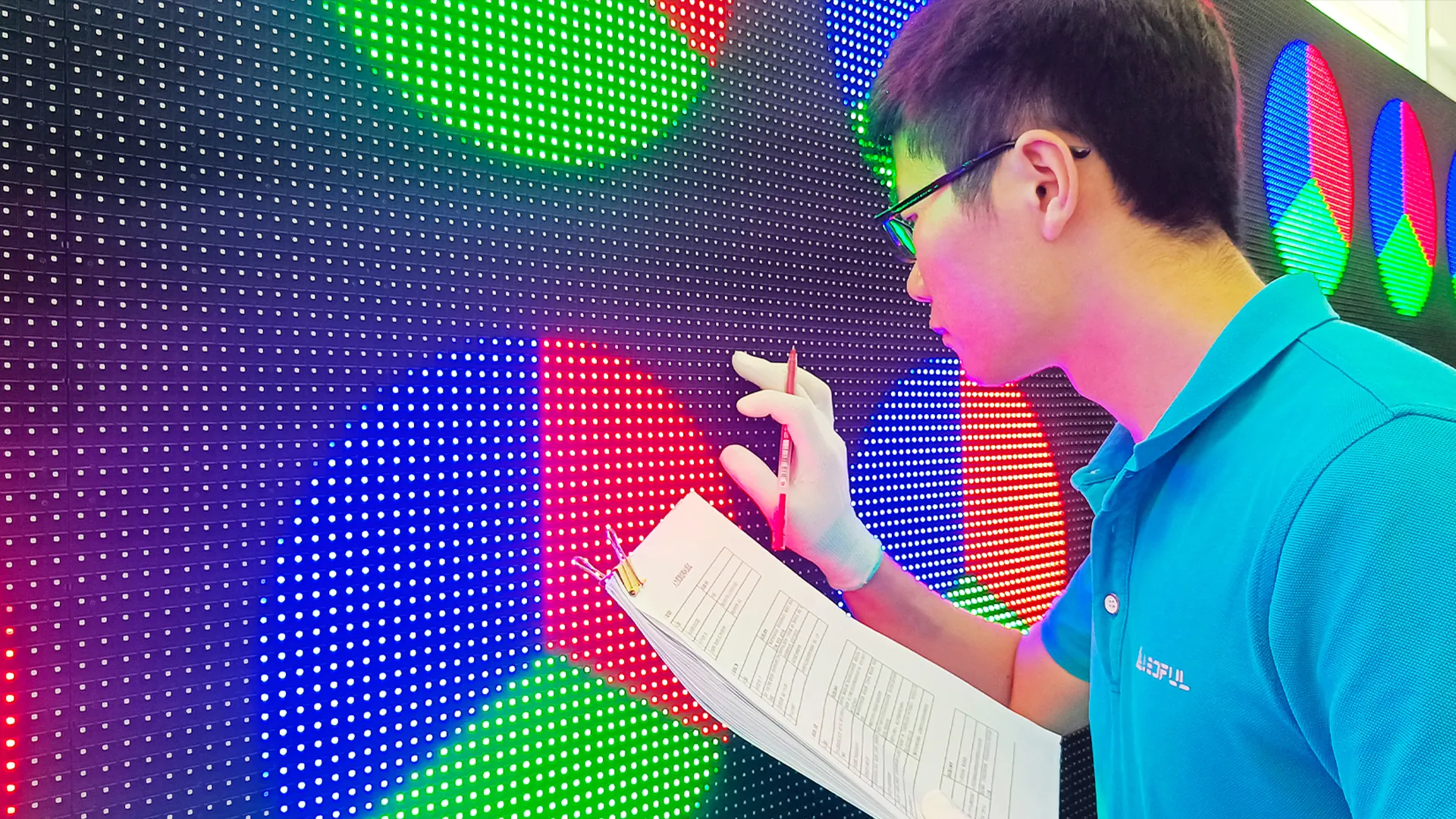


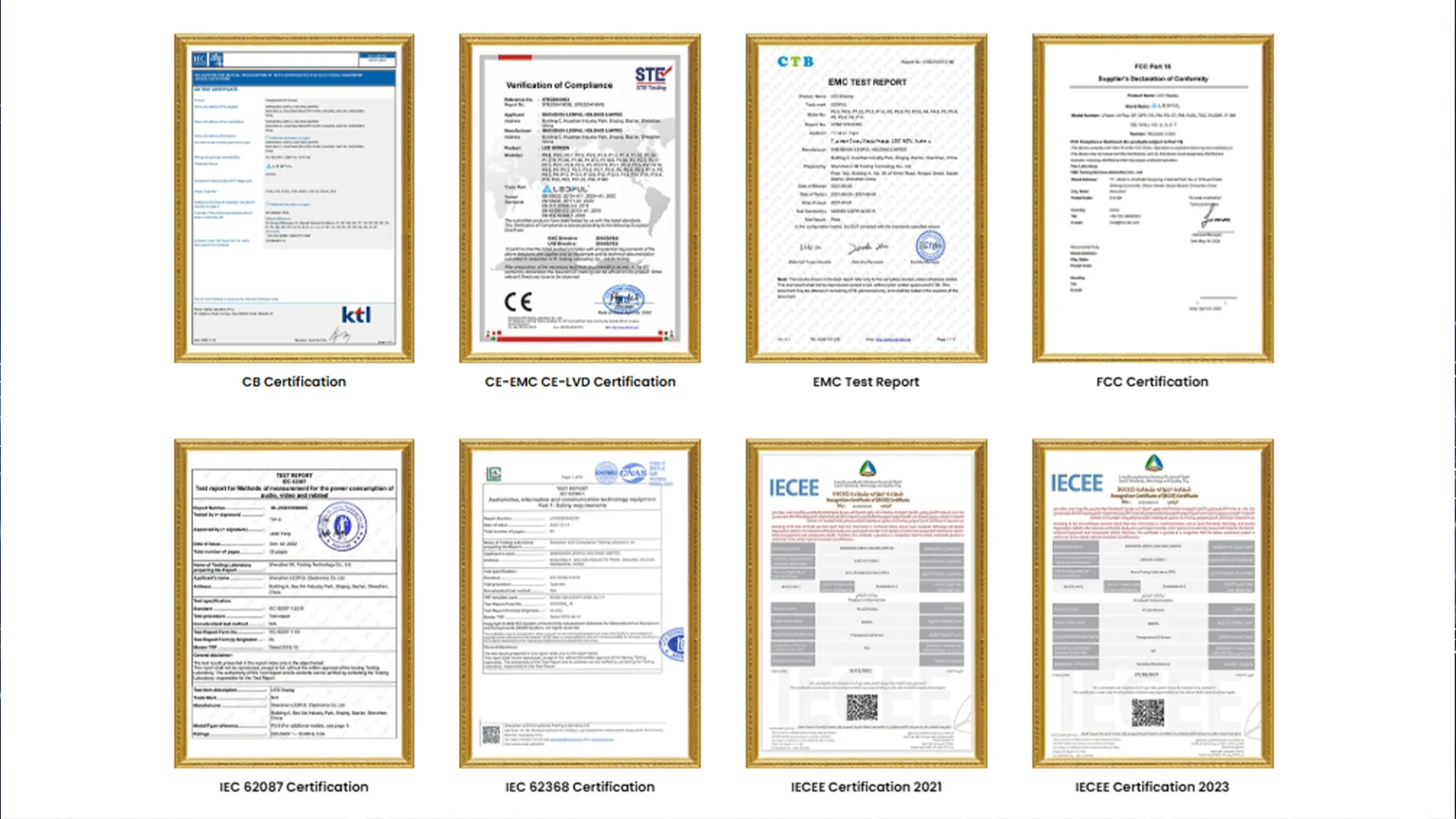

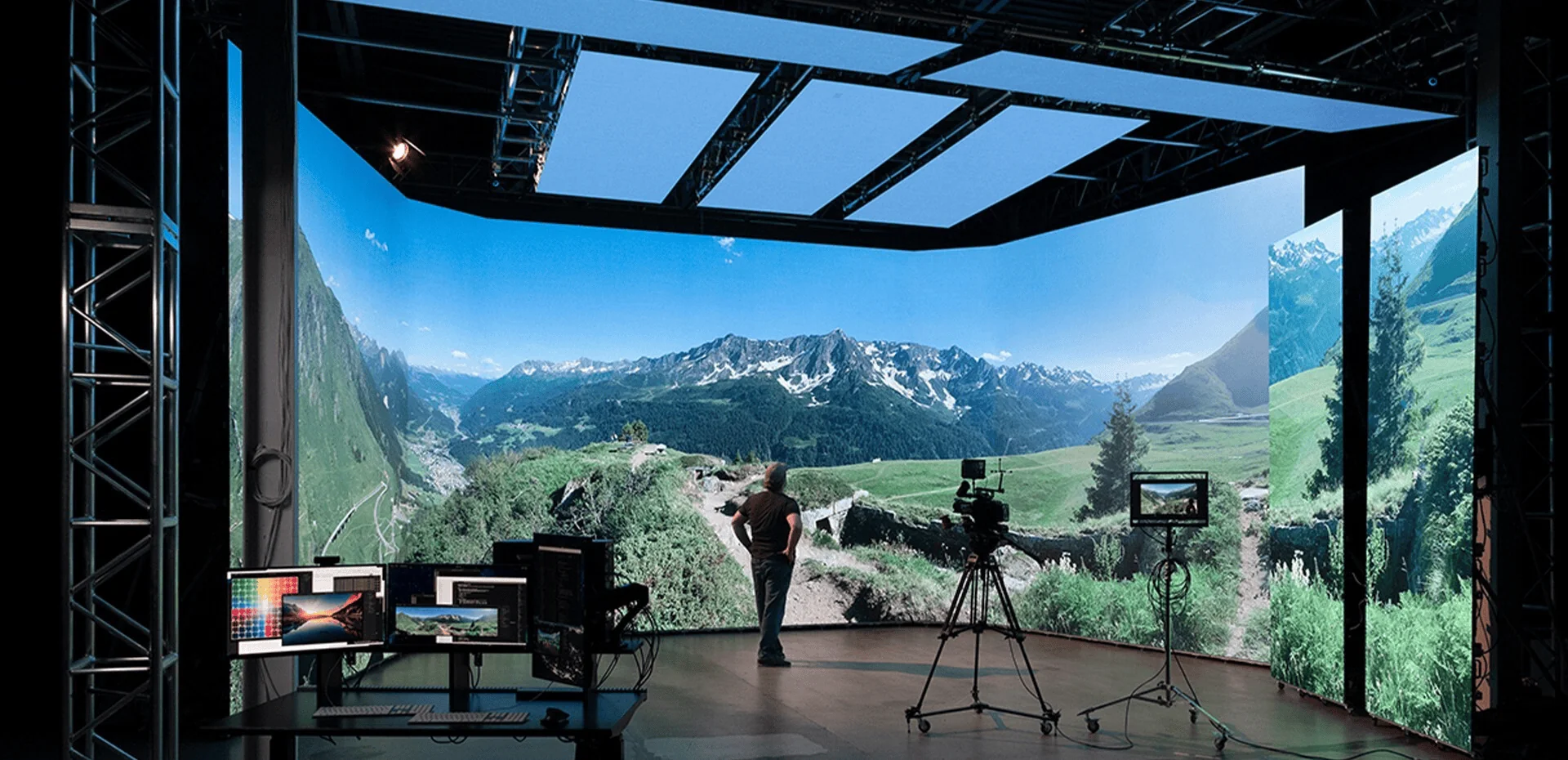

Rising electricity costs and tightening environmental regulations are forcing facility managers to rethink their outdoor LED video display strategies. A typical LED display solution running 18 hours daily can account for nearly half of a building’s outdoor energy budget. Over years of helping clients reduce operational expenses, we have identified five actionable tips that cut power consumption without sacrificing brightness or content quality. Here is our proven playbook for optimizing outdoor LED video display efficiency.

Tip 1: Switch to Common Cathode Technology
The single most effective upgrade for any outdoor LED video display is moving from traditional common anode to common cathode power delivery. Conventional LED display solution designs send the same voltage (typically 5V) to red, green, and blue LED chips—but red chips require only 2.2V, wasting the excess as heat. Common cathode technology delivers the exact voltage each chip needs: approximately 2.2V for red, 3.0V for green, and 3.2V for blue. This precision eliminates waste. In real-world terms, a standard outdoor LED video display consumes 900W per square meter, while a common cathode unit uses just 624W—a 30% energy saving. With a 50 m² large-scale outdoor screen, businesses can achieve substantial annual electricity cost savings.
Tip 2: Implement Automatic Brightness Adjustment
Many outdoor LED video display installations run at fixed brightness, often set to maximum “just in case.” This is extraordinarily wasteful. Install ambient light sensors that automatically dim the LED display solution during overcast conditions, nighttime hours, or early morning. We have seen 40–50% energy reductions simply from dynamic brightness control. Set your maximum to 100% for noon sun, but allow the system to drop to 20–30% after midnight.
Tip 3: Optimize Content for Darker Backgrounds
Content design directly impacts power draw. On an outdoor LED video display, black pixels consume nearly zero energy (LEDs are off), while white pixels require full power. Work with your creative team to use dark-themed backgrounds, reduced text boxes, and deeper color palettes. A simple switch from a white to a black background on 30% of your content can lower total outdoor LED video display consumption by 10–15%.
Tip 4: Schedule Shutdowns During Vacant Hours
If your venue experiences predictable low-traffic windows—say, 2 am. to 5 am.—power down the LED display solution entirely. Modern controllers support timer-based shutdown and wake-up. Even reducing runtime by three hours daily cuts annual energy use by 12.5% with zero impact on audience engagement.
Tip 5: Choose High-Efficiency Power Supplies
Not all power supplies are equal. Upgrade to 92%+ efficiency power supplies versus standard 82–85% units. For a 20,000-watt outdoor LED video display, that 10% difference represents 2,000 watts of continuous heat loss—wasted electricity that also burdens your HVAC system.
LEDFUL: Built for Energy Savings
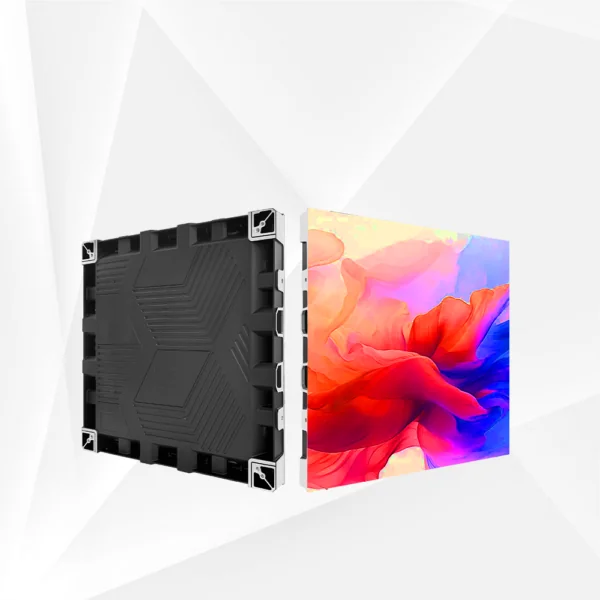
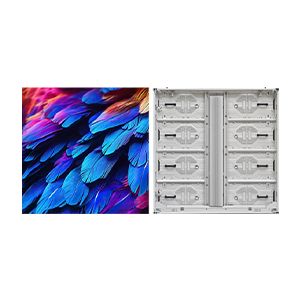
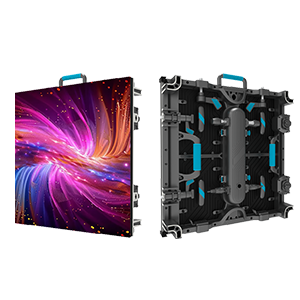
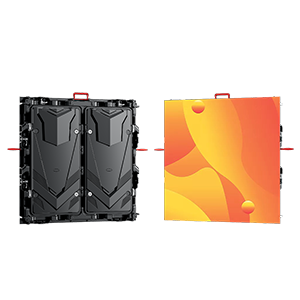
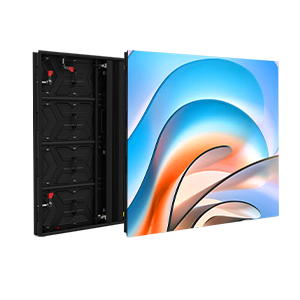
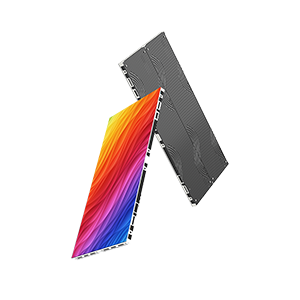
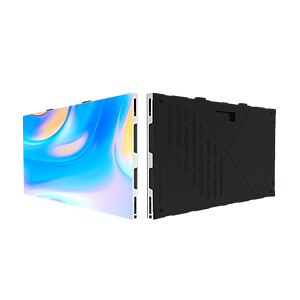
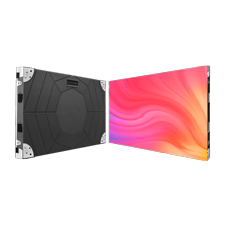
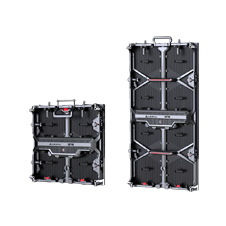
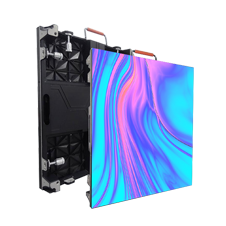
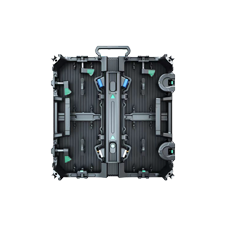
At LEDFUL, we embed common cathode technology across our outdoor LED display solution portfolio. Our common cathode outdoor LED video display delivers 624W per square meter (30% less than conventional screens), reduces heat generation, and prolongs screen life. Lower operating costs, easier environmental compliance, and no compromise on 10,000-nit brightness. When you choose LEDFUL, you are choosing an LED display solution engineered for the bottom line and the planet. Contact us for a free energy audit of your current outdoor displays.