
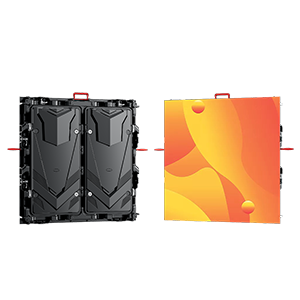
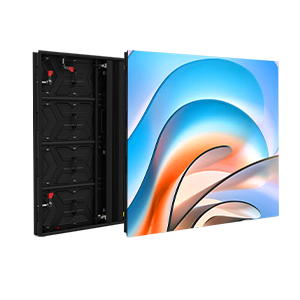

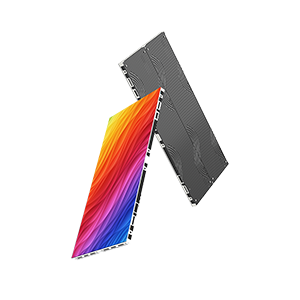

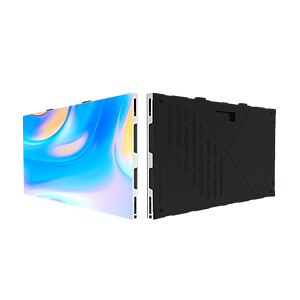

















































Choosing the right brightness level is one of the most important decisions when selecting an LED display for outdoor or high-ambient-light environments. A screen that looks impressive indoors may become difficult to view under direct sunlight if its brightness is insufficient. To make the right choice, businesses need to understand key brightness measurements, including nits and candela, and how they influence daylight viewing performance.
As a trusted LED display manufacturer in China, we at LEDFUL focus on developing and supplying high-quality LED display screens and customized LED display solutions for different applications. From DOOH advertising and retail environments to sports venues, studios, and commercial spaces, we help customers select display technologies that deliver clear visuals, reliable performance, and long-term value.
Understanding Nits and Candela in LED Display Brightness
Brightness measurement can often seem technical, but understanding the basics helps businesses make better purchasing decisions. Nit is one of the most commonly used terms when discussing LED display brightness. A nit is a unit that represents one candela per square meter (cd/m²). It measures how much light a display emits across a specific surface area.
Candela, meanwhile, is the standard unit of luminous intensity. It describes the amount of light emitted by a source in a particular direction. While candela focuses on the intensity of light from a source, nits are more directly related to how bright a screen appears over its viewing area.
Although nits and cd/m² are commonly presented as different terms, they describe the same measurement of luminance. For a more detailed explanation of their definitions, conversion, and practical use, read our guide to cd/m² vs. nits.
For LED display applications, manufacturers usually use nits to describe screen brightness because it provides a clearer reference for evaluating visibility in different environments. A higher nit value generally means the display can maintain better image clarity in bright surroundings.
Why Brightness Matters for Daylight Viewing
Outdoor environments create unique challenges for visual displays. Natural sunlight can be thousands of times brighter than indoor lighting, causing low-brightness screens to appear faded or unclear. For outdoor advertising, transportation displays, and stadium screens, brightness is not simply a feature—it is essential for effective communication.
A properly designed LED display balances brightness with image quality, energy efficiency, and viewing comfort. Excessive brightness can increase power consumption and create unnecessary glare, while insufficient brightness can reduce visibility and weaken the impact of displayed content.
At LEDFUL, we develop LED display solutions based on specific application requirements. Outdoor advertising screens, for example, require strong brightness performance to attract attention throughout the day, while indoor commercial displays usually need more moderate brightness levels for comfortable viewing.
Selecting the Right LED Display Brightness for Different Applications
Different environments require different brightness levels. There is no universal brightness standard that works for every project. Indoor LED displays commonly use lower brightness levels, while outdoor LED displays typically require higher brightness levels depending on sunlight exposure, viewing distance, and installation conditions. The ideal choice depends on installation location, viewing distance, sunlight exposure, and content requirements.
For outdoor applications such as DOOH advertising, high-brightness LED display panels are commonly preferred because they need to remain visible under direct sunlight. These screens must deliver strong contrast and vibrant colors even during daytime operation.
Sports venues also require powerful brightness performance. Large stadium screens and perimeter displays need to provide clear images for audiences across long viewing distances. High-brightness LED displays help ensure that live content, advertisements, and score information remain visible throughout events.
For indoor environments such as retail stores, churches, studios, and conference rooms, brightness requirements are usually lower. A professional indoor LED display focuses more on color accuracy, image consistency, and comfortable viewing. Our company provides customized solutions for these scenarios, helping businesses achieve the right balance between brightness and visual performance.
How LEDFUL Creates Reliable LED Display Solutions
As an experienced LED display manufacturer, we understand that brightness is only one part of overall display quality. A professional LED display must combine brightness, resolution, durability, and intelligent design to meet different commercial needs.
We provide one-stop LED display solutions for indoor and outdoor applications, offering reliable and customizable screens for various industries. Our product solutions support multiple scenarios, including DOOH advertising, rental and stage events, retail environments, sports facilities, commercial spaces, churches, studios, broadcasting, and conference rooms.
For businesses investing in LED display technology, customization is often essential. Factors such as screen size, installation environment, viewing distance, and operating conditions can influence the ideal product configuration. Our team works with customers to develop solutions that match their project requirements and deliver stable performance.
Improving Daylight Visibility Beyond Brightness
Although brightness is important, several other factors influence daylight visibility. Contrast ratio, pixel pitch, LED quality, cabinet design, and image processing technology all affect how clearly content appears in bright environments.
A high-quality LED display uses advanced components to maintain accurate colors and sharp images even under challenging lighting conditions. Proper brightness control also allows displays to adjust according to environmental changes, improving energy efficiency and extending product lifespan.
At LEDFUL, we pay attention to every detail of LED display design. By combining professional manufacturing capabilities with application-focused solutions, we help customers create displays that deliver consistent visual experiences in different environments.
Making the Right Brightness Choice for Your LED Display Project
Understanding nits and candela helps businesses evaluate LED display performance more effectively. Brightness directly influences whether a screen can communicate clearly in daylight conditions, but the solution requires a comprehensive evaluation of the entire application.
At LEDFUL, we continue to provide professional LED display products and customized solutions designed for diverse commercial needs. Whether for outdoor advertising, live events, retail spaces, or professional studios, we help customers select reliable display systems with the right brightness, performance, and flexibility.
By combining technical expertise with industry experience, we aim to support businesses in creating impactful visual communication solutions that perform well in every environment.