

















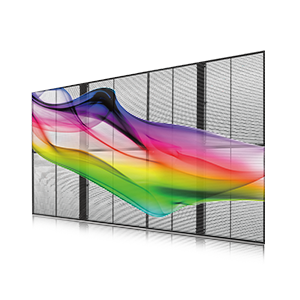











Retail architects love turning storefront windows into dynamic video canvases without blocking natural daylight. Applying flexible digital layers onto architectural glass seems deceptively simple on paper. Many contractors assume the process mirrors applying standard commercial window tinting.
This assumption causes catastrophic electronic failures. You are permanently bonding thousands of active micro-LEDs. to a rigid, thermally conductive surface. High-quality execution demands rigorous site evaluation before peeling the protective backing. We compiled an essential pre-installation checklist to ensure that your digital facade functions properly.
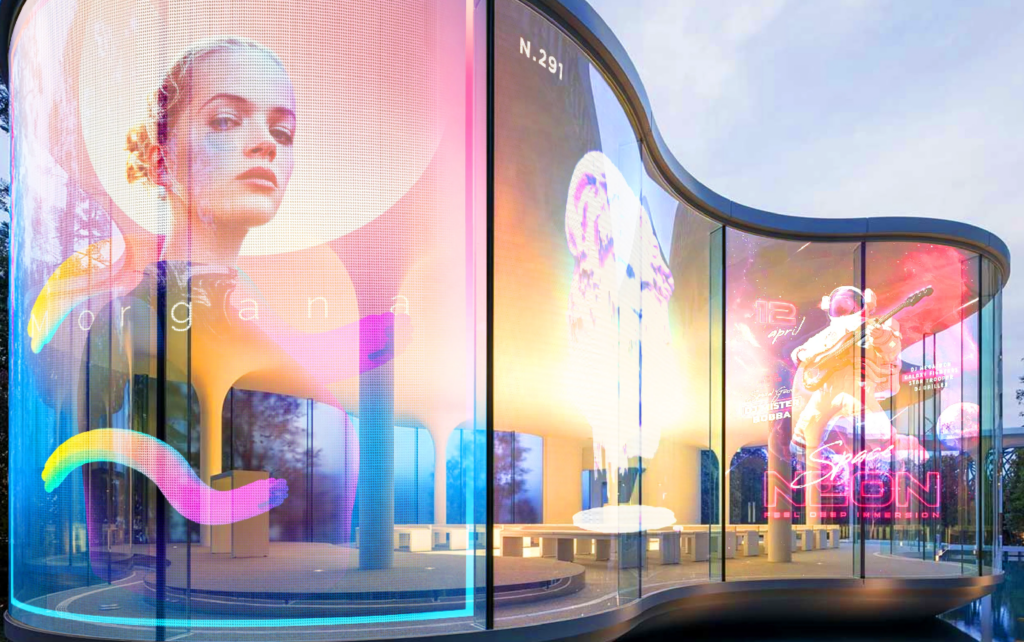
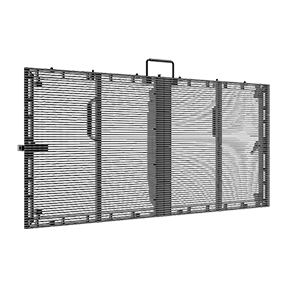
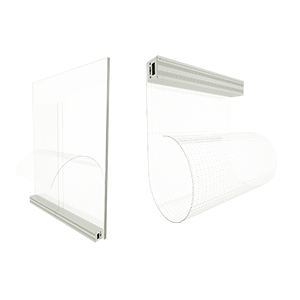
Assessing Glass Topography for your adhesive LED transparent film screen
Structural glass is rarely flat. Tempered architectural panels contain microscopic waves resulting from the immense heat applied during their manufacturing process.
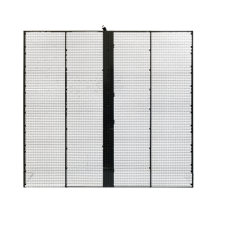
Before installing your adhesive LED transparent film screen, technicians should meticulously map the target pane using laser levels. Severe surface deviations prevent the electronic layer from bonding flush against the glass.
Trapped air bubbles do more than ruin the visual aesthetic. These tiny air pockets act as localized thermal insulators. They trap heat generated by the diodes, triggering rapid pixel burnout in those specific isolated zones.
Furthermore, surface decontamination is rigorous. Chemical residue from commercial window cleaners degrades the specialized optical glue. Installers should prep the glass utilizing pure isopropyl alcohol, ensuring zero particulate matter remains to compromise the chemical bond.
Mapping Ambient Lux and Transparency Ratios
Procurement teams often demand maximum brightness alongside maximum see-through capability. Optical physics strictly prevents this contradictory request from becoming reality.
Generating intense luminance requires densely packed semiconductor beads.
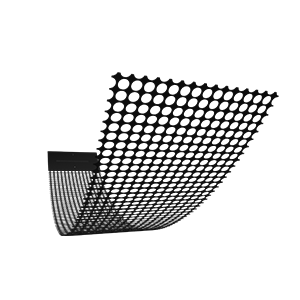
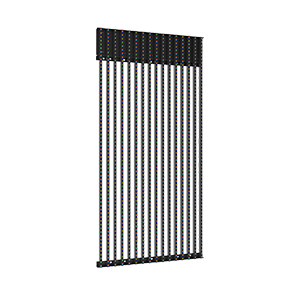
Packing more microchips onto the pliable substrate naturally thickens the electronic mesh. This density inevitably reduces the amount of natural sunlight passing into your retail lobby.
You should evaluate the specific venue’s ambient lighting before finalizing hardware specifications. A south-facing exterior window receiving direct afternoon sun demands high-luminance diodes to overpower the aggressive solar glare.
Conversely, an interior shopping mall partition viewed from a greater distance may be suitable for a larger pixel pitch, depending on the required image detail. Sacrificing unnecessary brightness vastly improves the optical permeability. This preserves the open, airy architectural design intended for the indoor commercial space.
Engineering Invisible Power Architecture
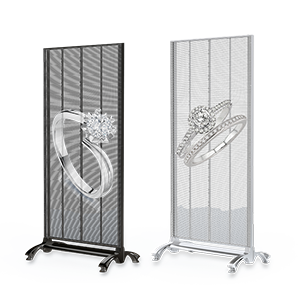
The primary appeal of glass-mounted digital art is the captivating illusion of floating imagery. Clunky, exposed wiring instantly shatters this sophisticated corporate aesthetic.
Because the digital layer itself is microscopically thin, it cannot conceal bulky power supplies or heavy data cables. Your facility engineers should design hidden electrical routing pathways well before the physical installation begins.
Power distribution boxes should be recessed into the surrounding ceiling bulkheads. Alternatively, technicians can hide these critical components within adjacent structural aluminum mullions.
Calculate the exact cable run length from the hidden control boxes to the edge of the glass. Long cable runs can introduce voltage drop, particularly when current demand is high. If the power distribution is not properly designed, this can contribute to brightness or color inconsistencies across the display.
Mitigating Glass-Magnified Thermal Stress
Standard commercial windows act as solar amplifiers. When direct sunlight hits a thick glass facade, the surface temperature spikes dramatically within minutes.
Adhering active electronic components to this superheated surface compounds the thermal danger immensely. The diodes generate their own operational heat. This thermal energy now has nowhere to dissipate efficiently.
Evaluating the venue’s HVAC air circulation near the glass wall is a mandatory checklist requirement. Active cooling mechanisms or dedicated air curtains might be strictly necessary to sweep hot air away from the installation zone.
Analyzing Pixel Pitch for Close-Proximity Viewing
The physical distance between the viewing audience and the digital window dictates your resolution requirements. Procurement officers often mistakenly order identical specifications for every floor of a multi-level commercial building.
This blanket approach wastes amounts of capital.
Ground-floor installations demand a microscopic pixel pitch. Pedestrians walk mere inches from the glass, requiring dense diode arrays to render crisp, highly readable text without pixelation.
Conversely, windows located on the third or fourth floor operate under different optical rules. The audience views these screens from across the street. Utilizing a larger, more economical pixel pitch for elevated installations achieves the exact same perceived visual quality.
Calculating these viewing distance formulas prevents overspending on unnecessary resolution. It improves your overall project budget while maximizing the visual impact.
Integrating an A Series LED Screen and Strategic Sourcing with LEDFUL
Executing a high-quality digital window transformation requires sourcing reliable technology from a proven manufacturing partner. Exploring advanced pliable architectures like A Series LED Screens highlights the critical need for premium optical adhesives and highly stable driver chips.
Poorly manufactured substrates peel away from the glass after just a few months of thermal expansion.
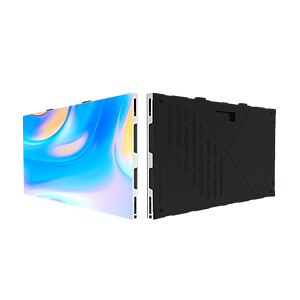
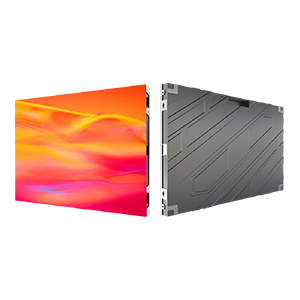
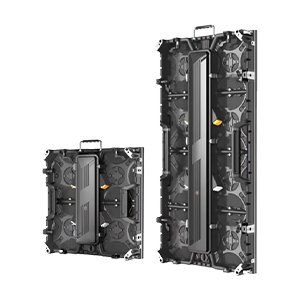
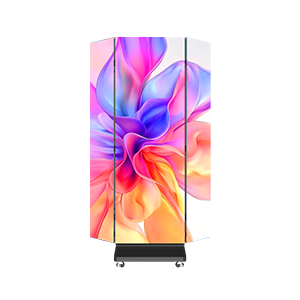
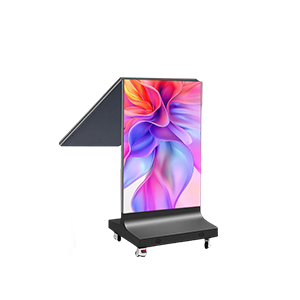
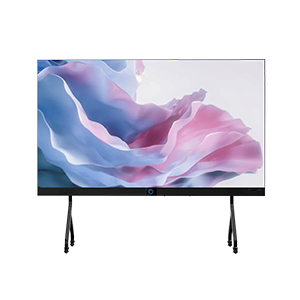
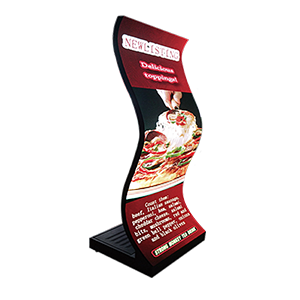
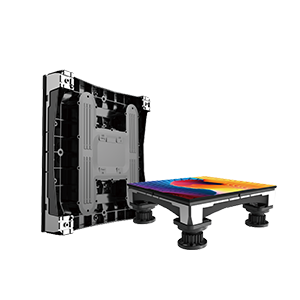
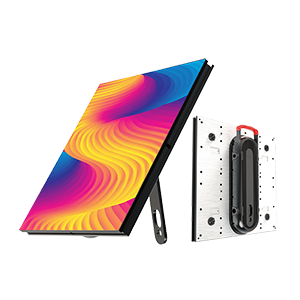
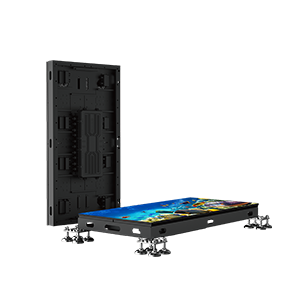
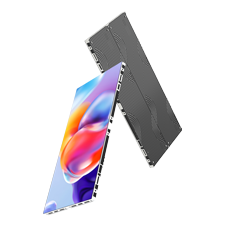
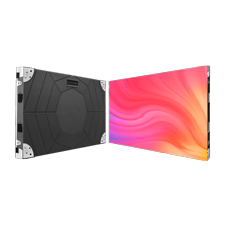
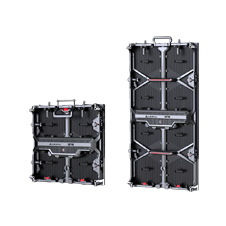
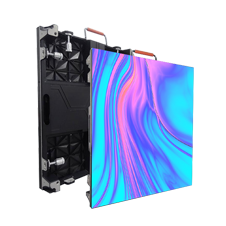
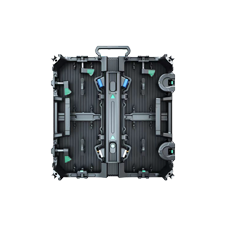
At LEDFUL, we engineer diverse digital infrastructures strictly tailored for rigorous applications. If your venue requires alternative physical structures, you might consider our V&H series for customized geometric shapes. We also engineer the BM PRO series for ultra-thin indoor setups requiring a highly stable, self-contained back frame.
We deliver comprehensive project blueprints to guide your technical teams safely through complex architectural integrations.
To reduce your procurement anxiety, we offer highly flexible order quantities tailored to your project scale. You can physically pilot the optical clarity and thermal stability locally.