


















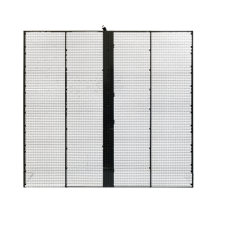
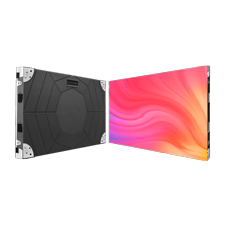
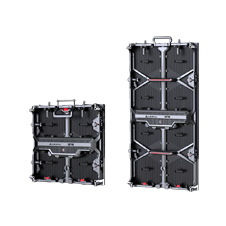

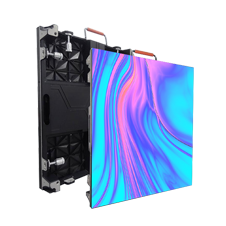


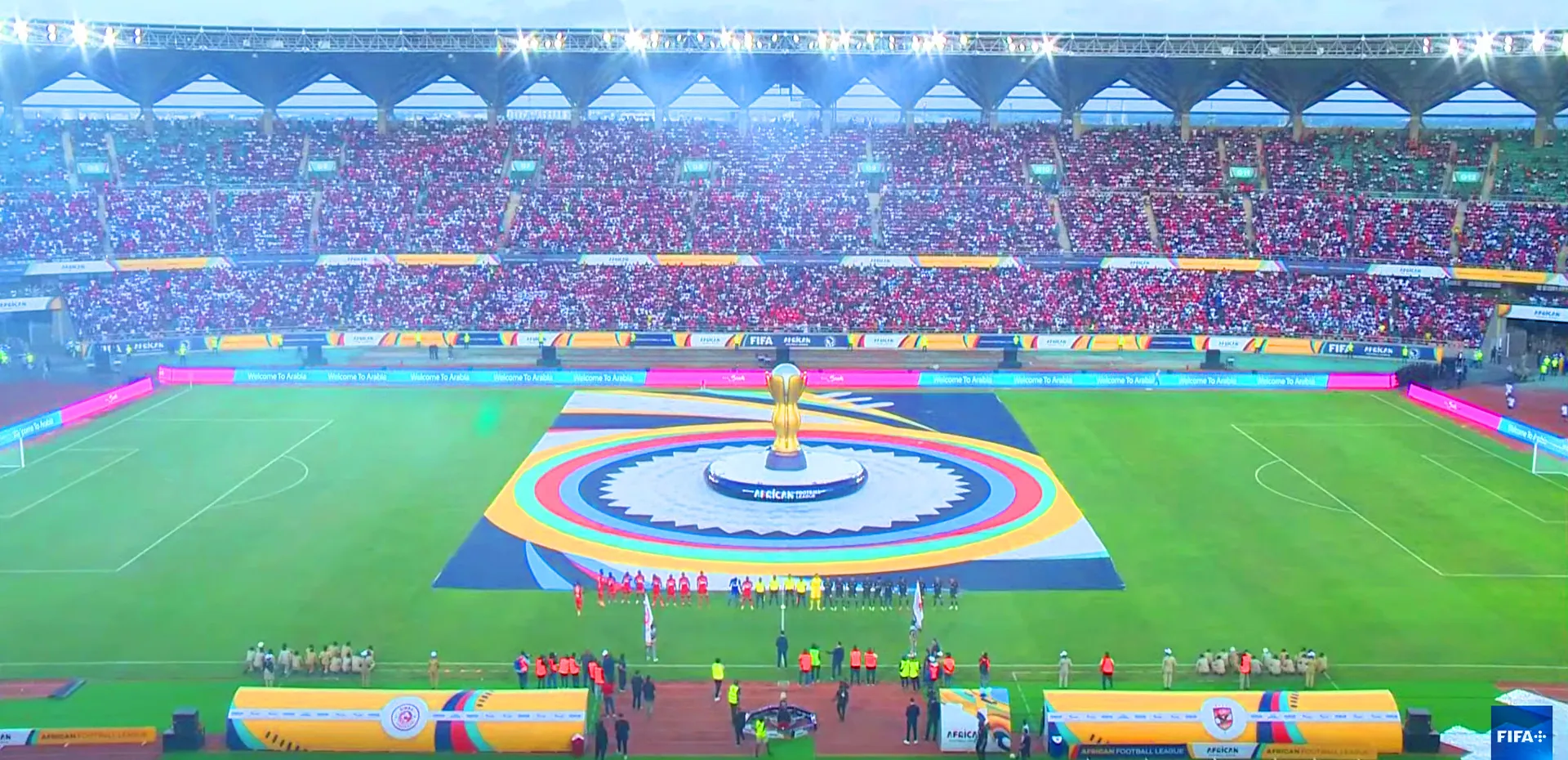
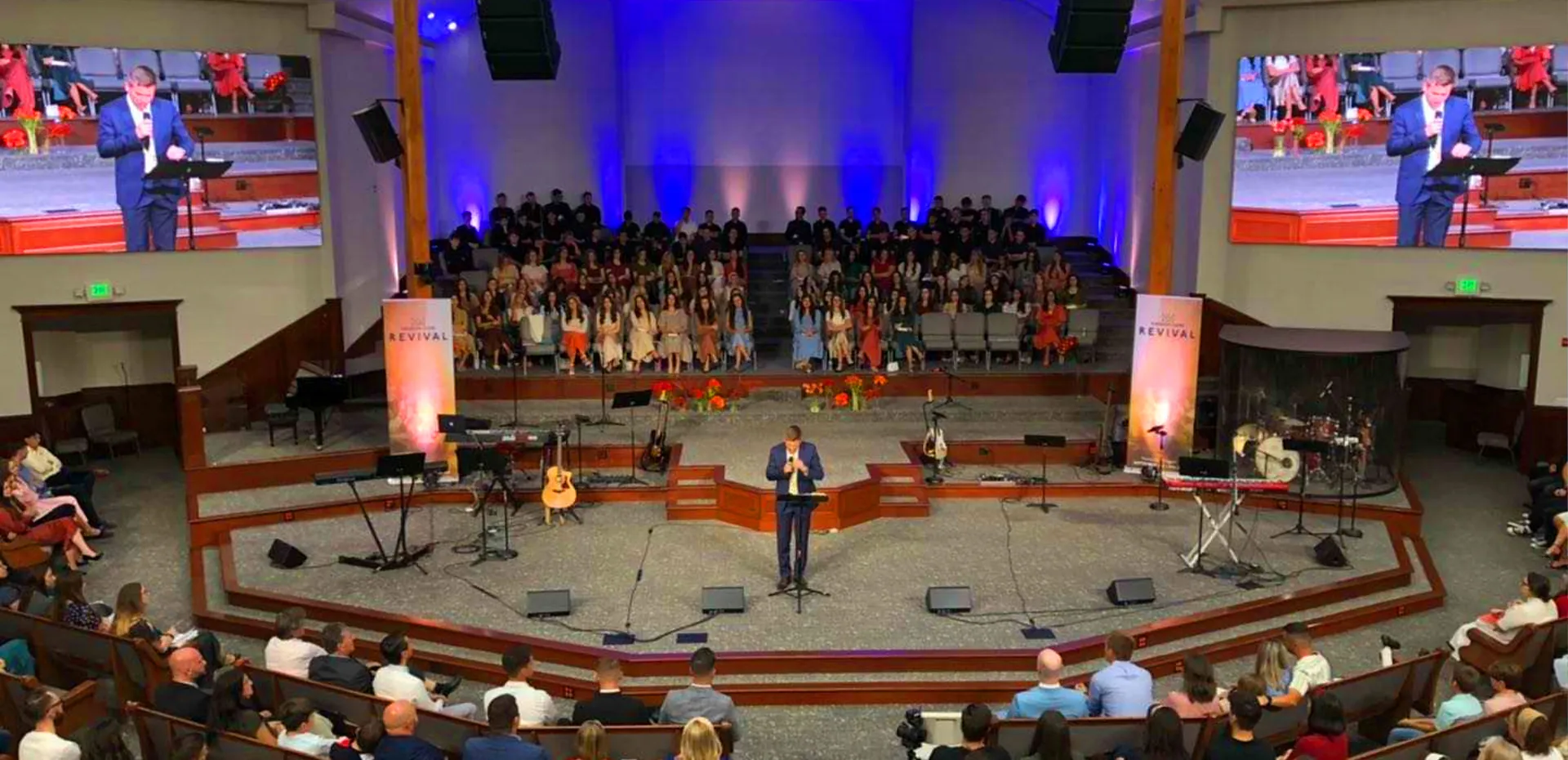
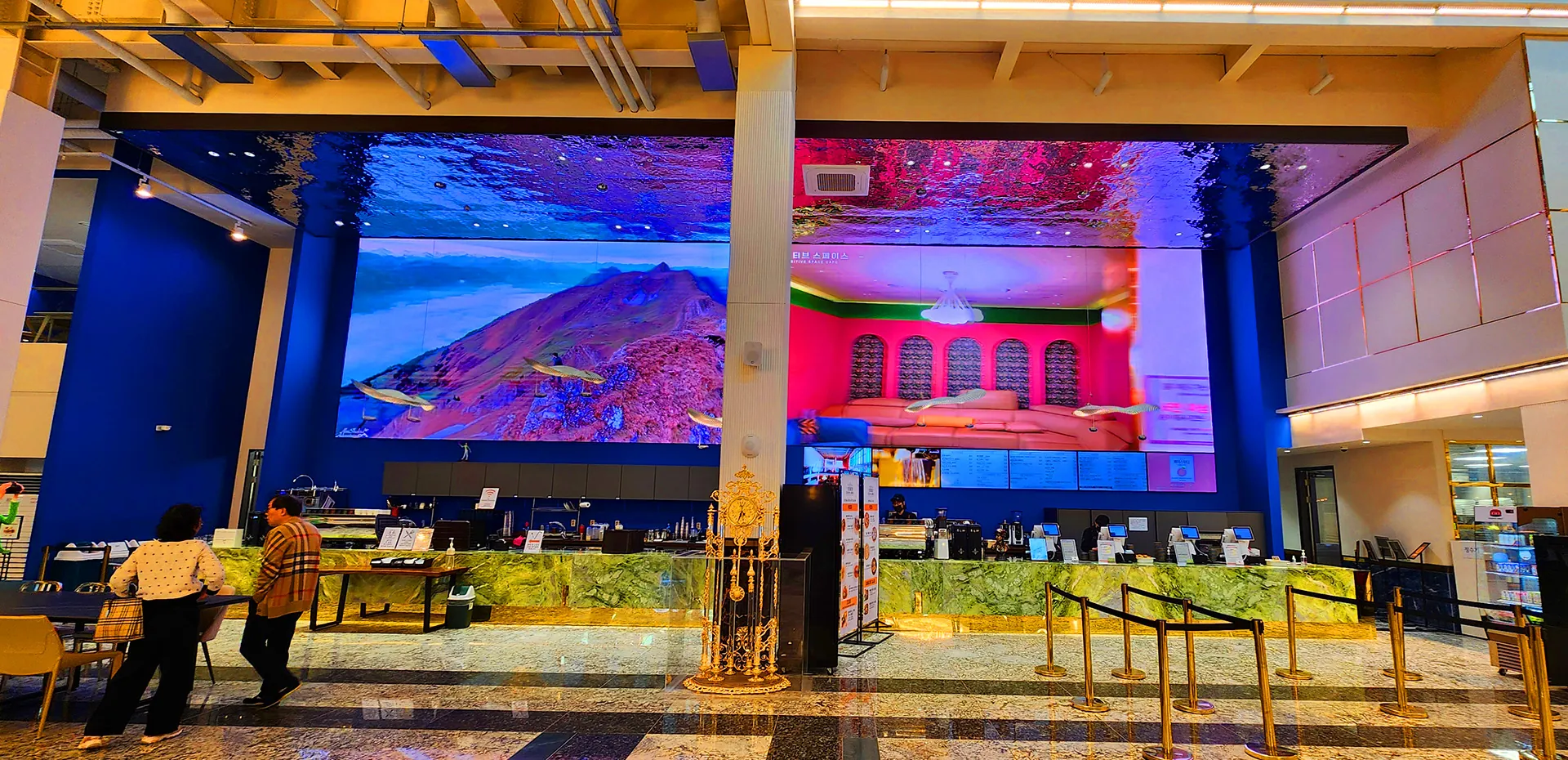
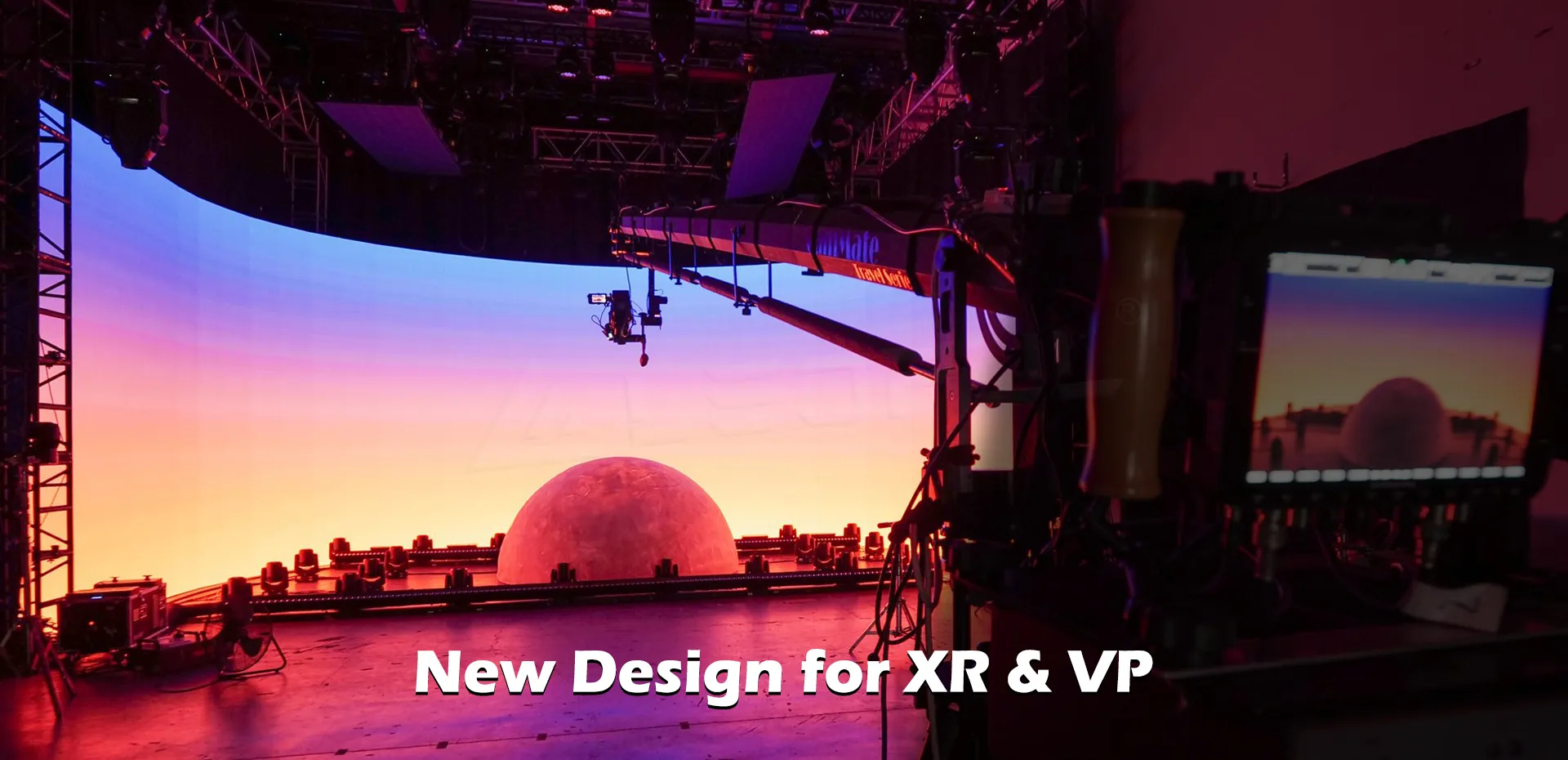
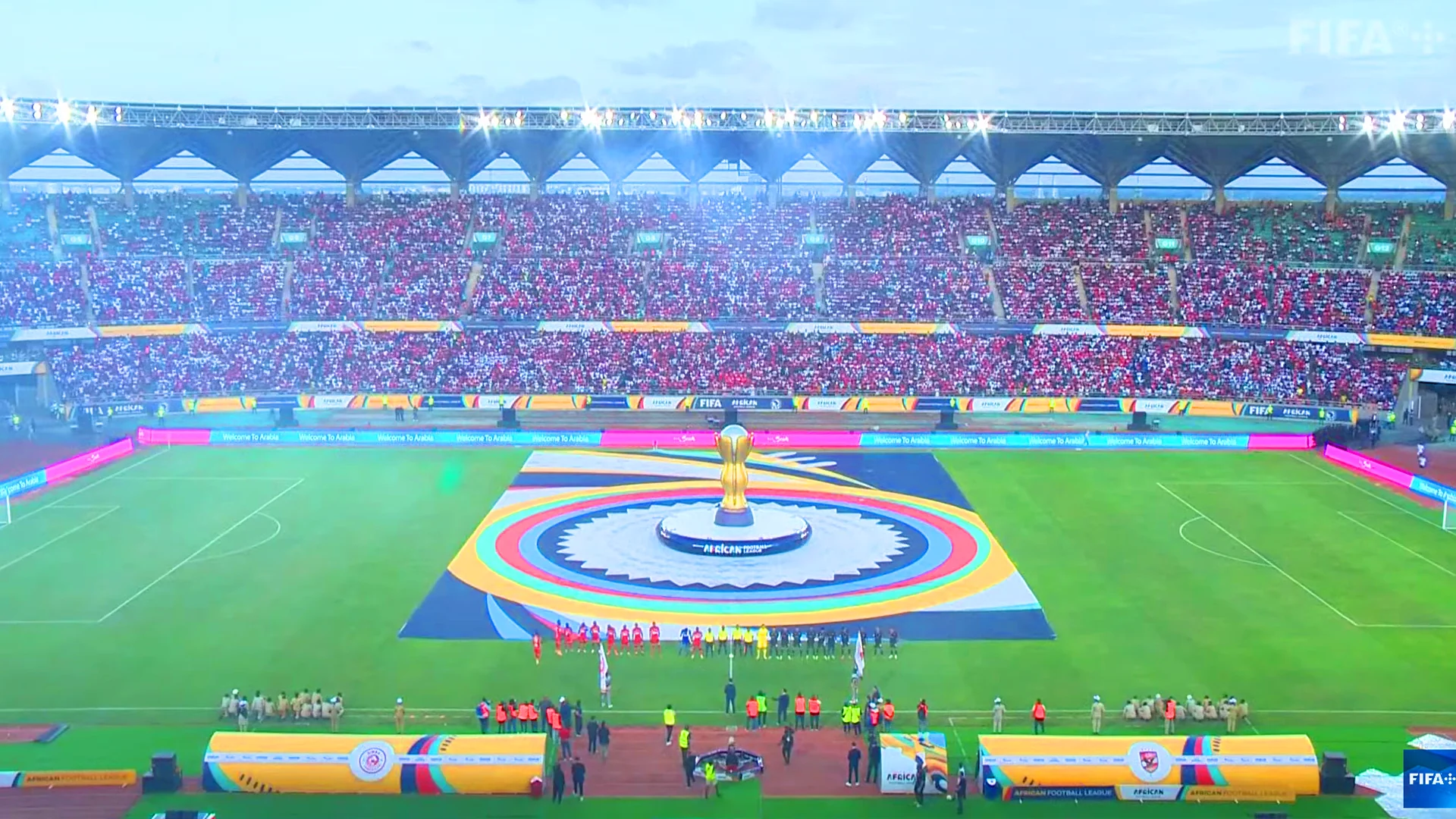
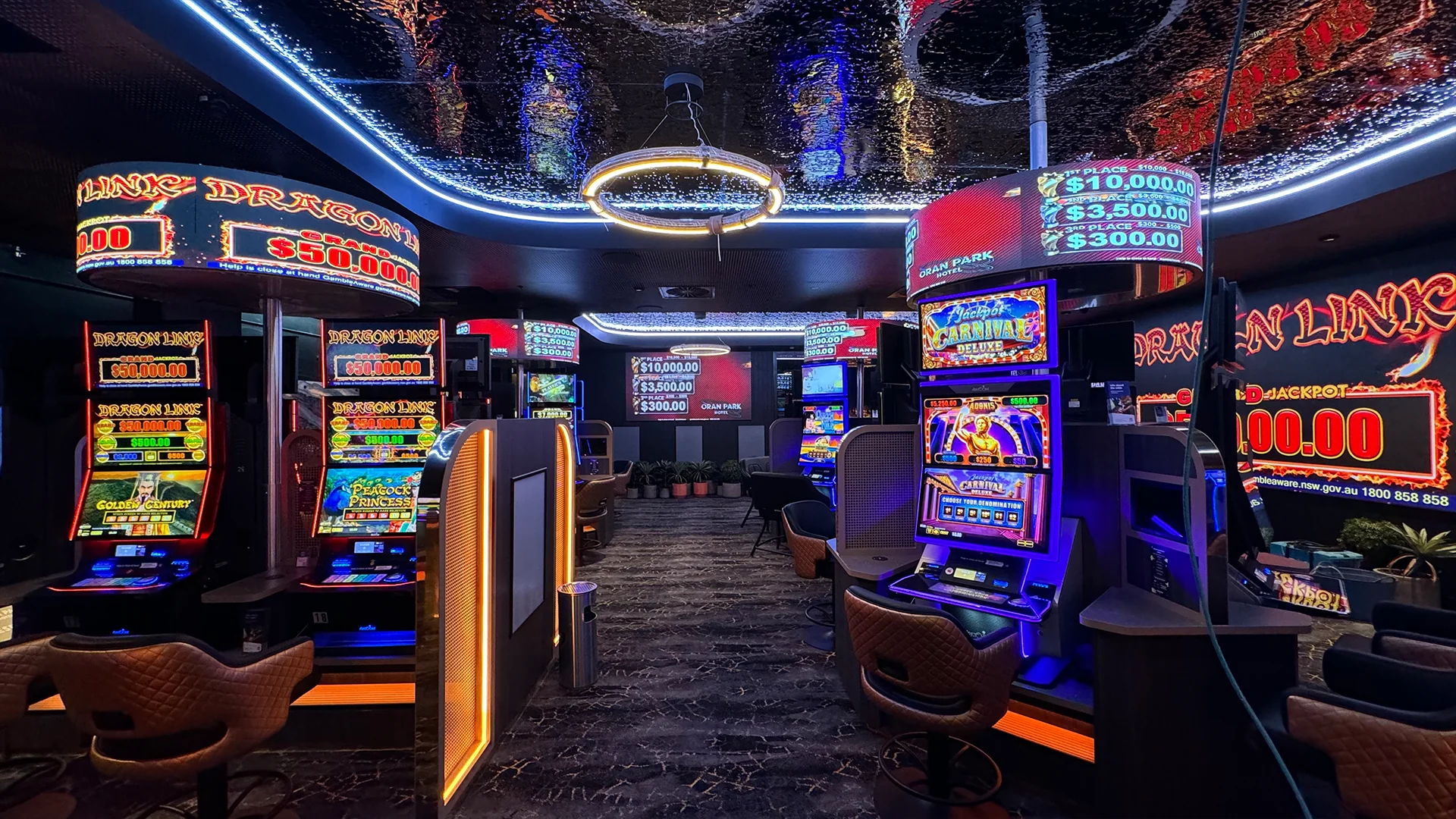
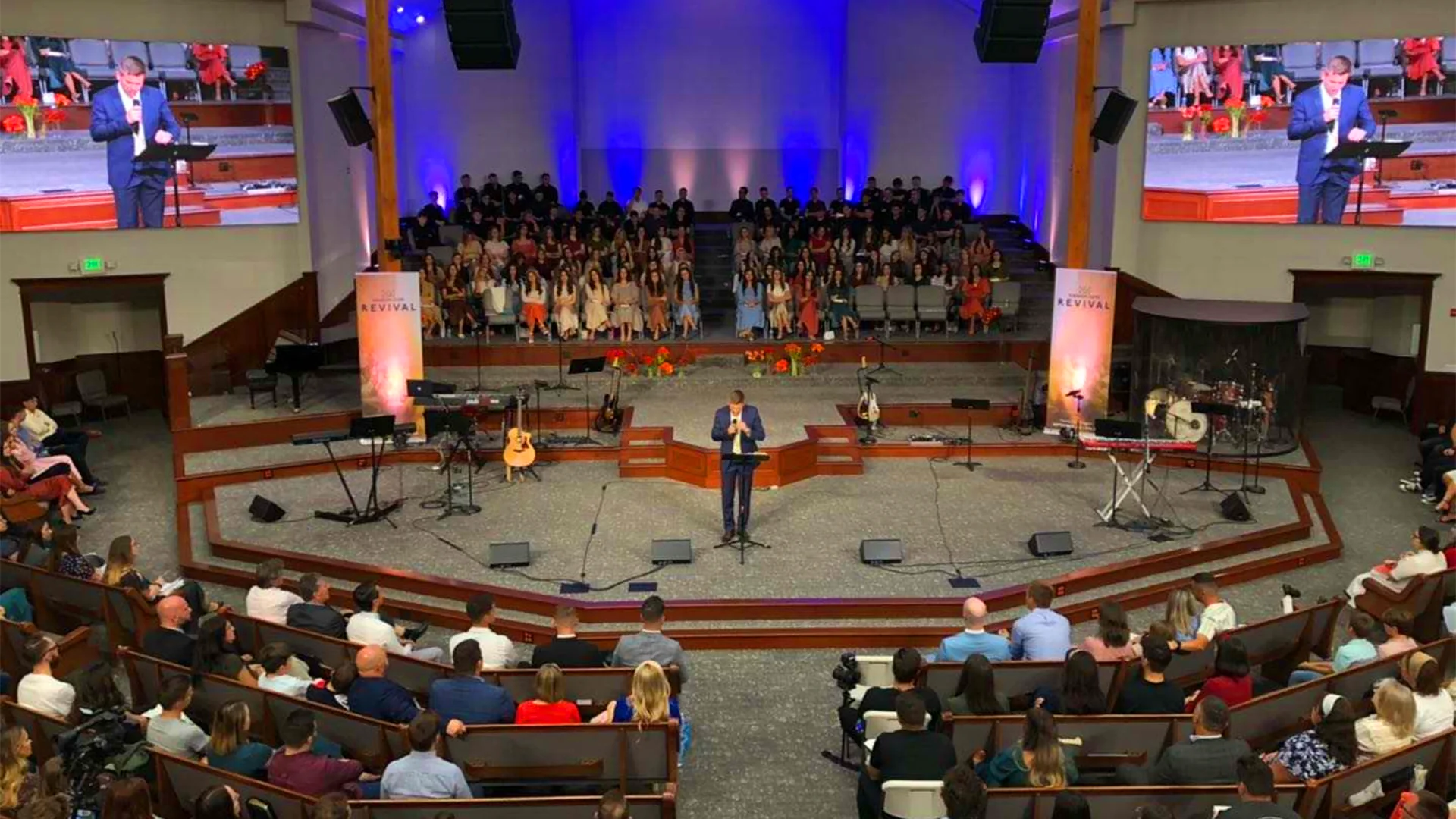
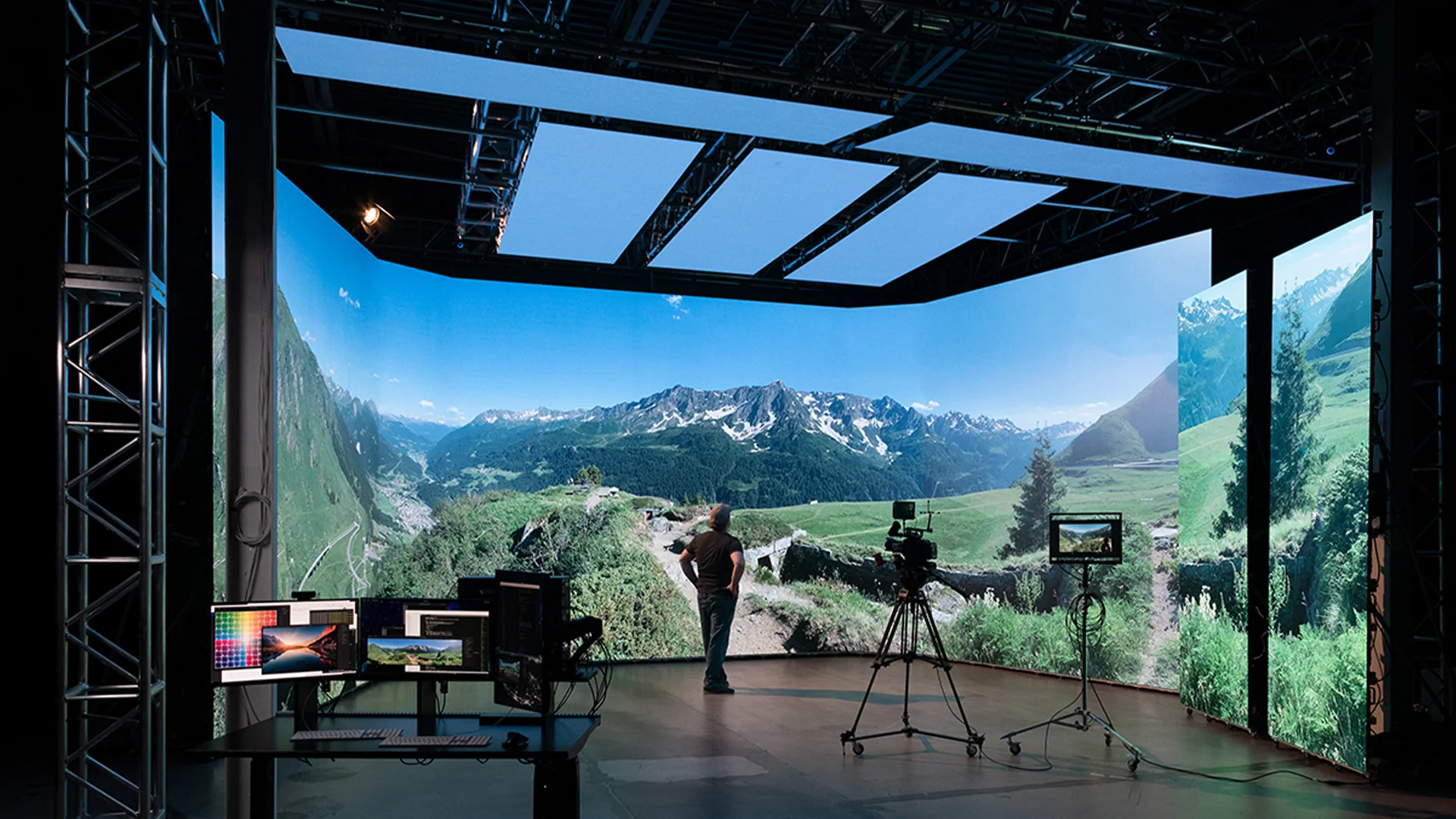






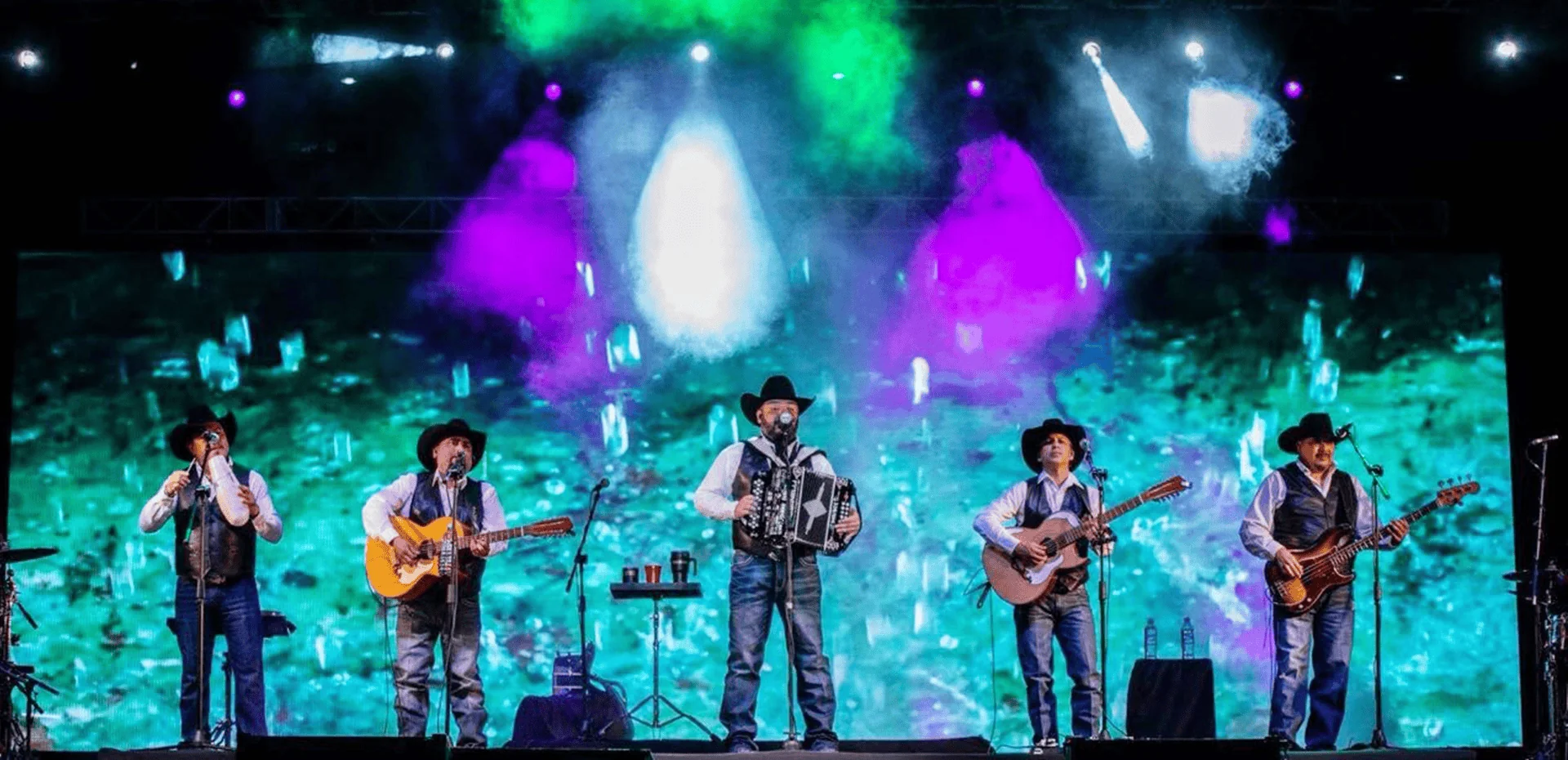
Walk into any large-scale concert, corporate gala, or trade show, and you will see rental LED display screens configured in dramatically different ways. Some rise from the stage floor in towering stacked columns. Others float overhead, suspended from ceiling grids. Each rigging method—stacking and hanging—serves distinct event requirements. Having deployed thousands of LED display screen rental solutions across 116 countries, from world-class sports finals to Fortune 500 conferences, we at LEDFUL know that choosing the wrong method can compromise safety, visuals, and budget. Here is how to decide which suits your event.
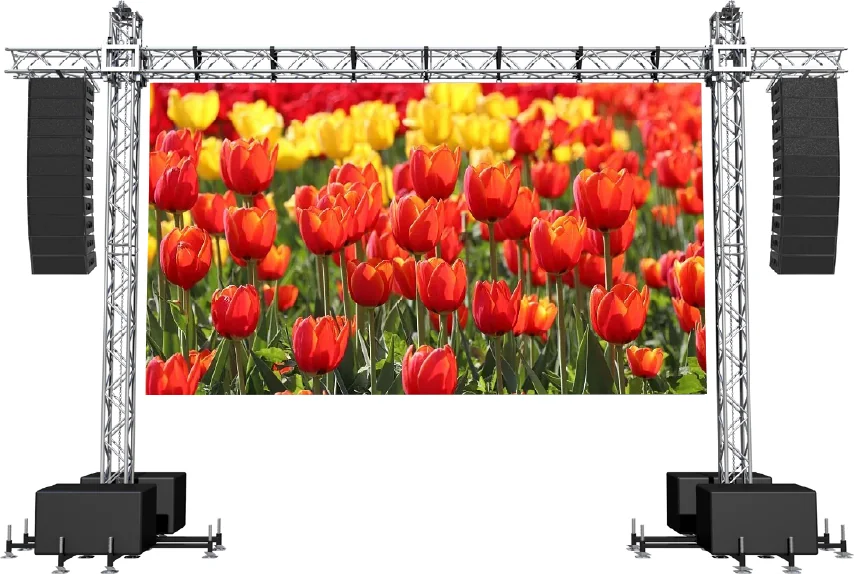
Stacking: Stability for Ground-Level Impact
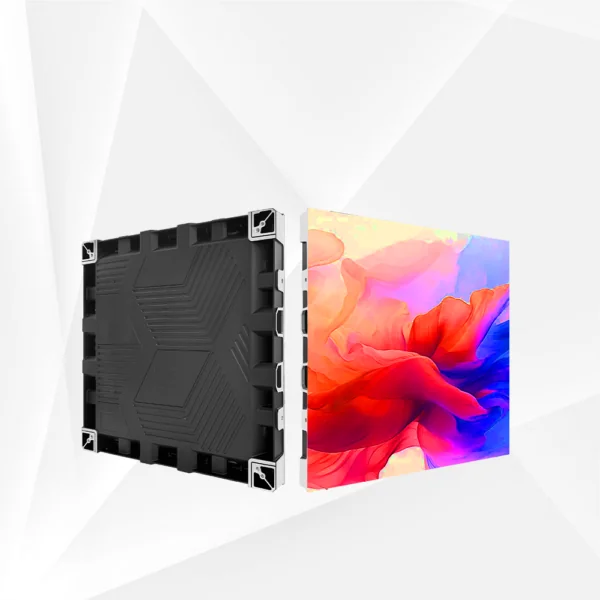
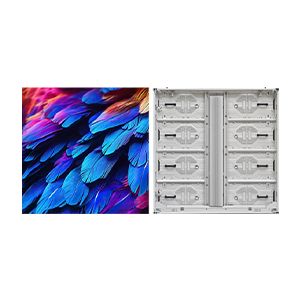
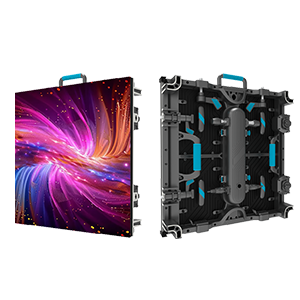
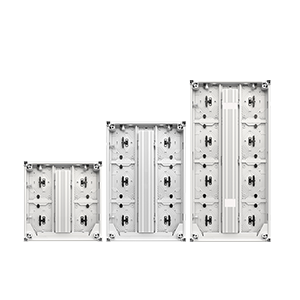
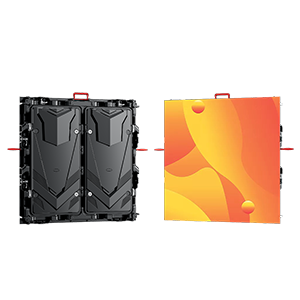
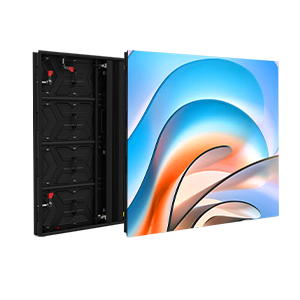
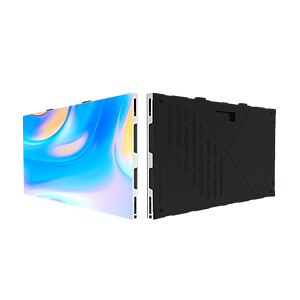
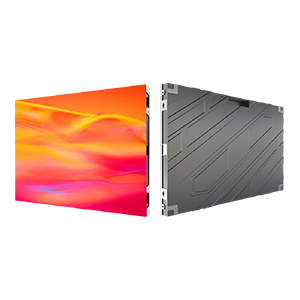
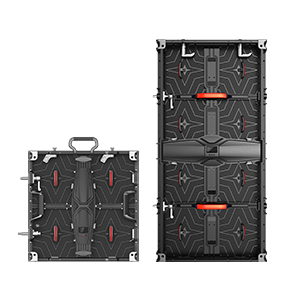
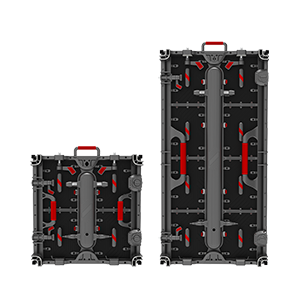
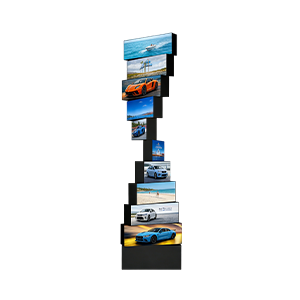
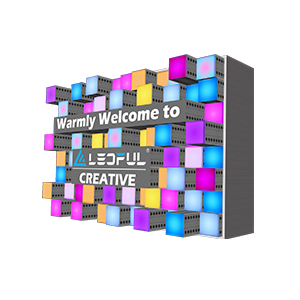
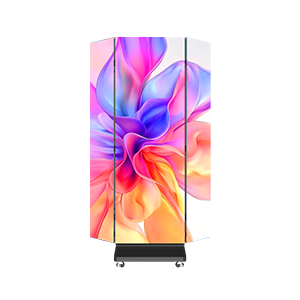
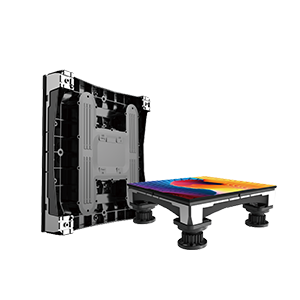
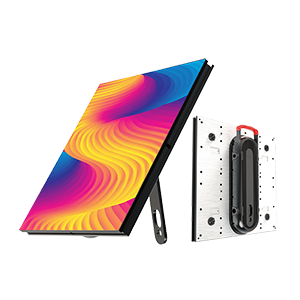
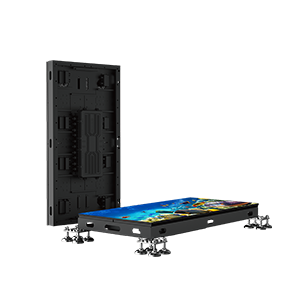
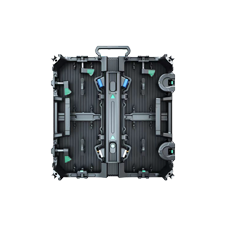
Stacking involves mounting rental LED display screens on top of one another, with the weight resting on the floor or stage deck. This method excels when your LED display screen rental needs to be tall but ground-supported—think trade show backwalls, press conference backdrops, or festival side screens. Stacking provides inherent stability because the entire weight transfers directly to the ground. No overhead rigging points are required, making it the only option for venues without load-bearing ceilings. Our S&K Series rental LED screen, with its quick-lock system and cable-free design, makes stacking exceptionally fast. The all-in-one power box and screw-free assembly mean a crew can stack a 4-meter wall in under an hour. Stacking works best for events where the rental LED display screen remains in one position without overhead clearance concerns.
Hanging: Maximizing Sightlines and Floor Space
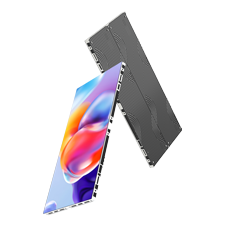
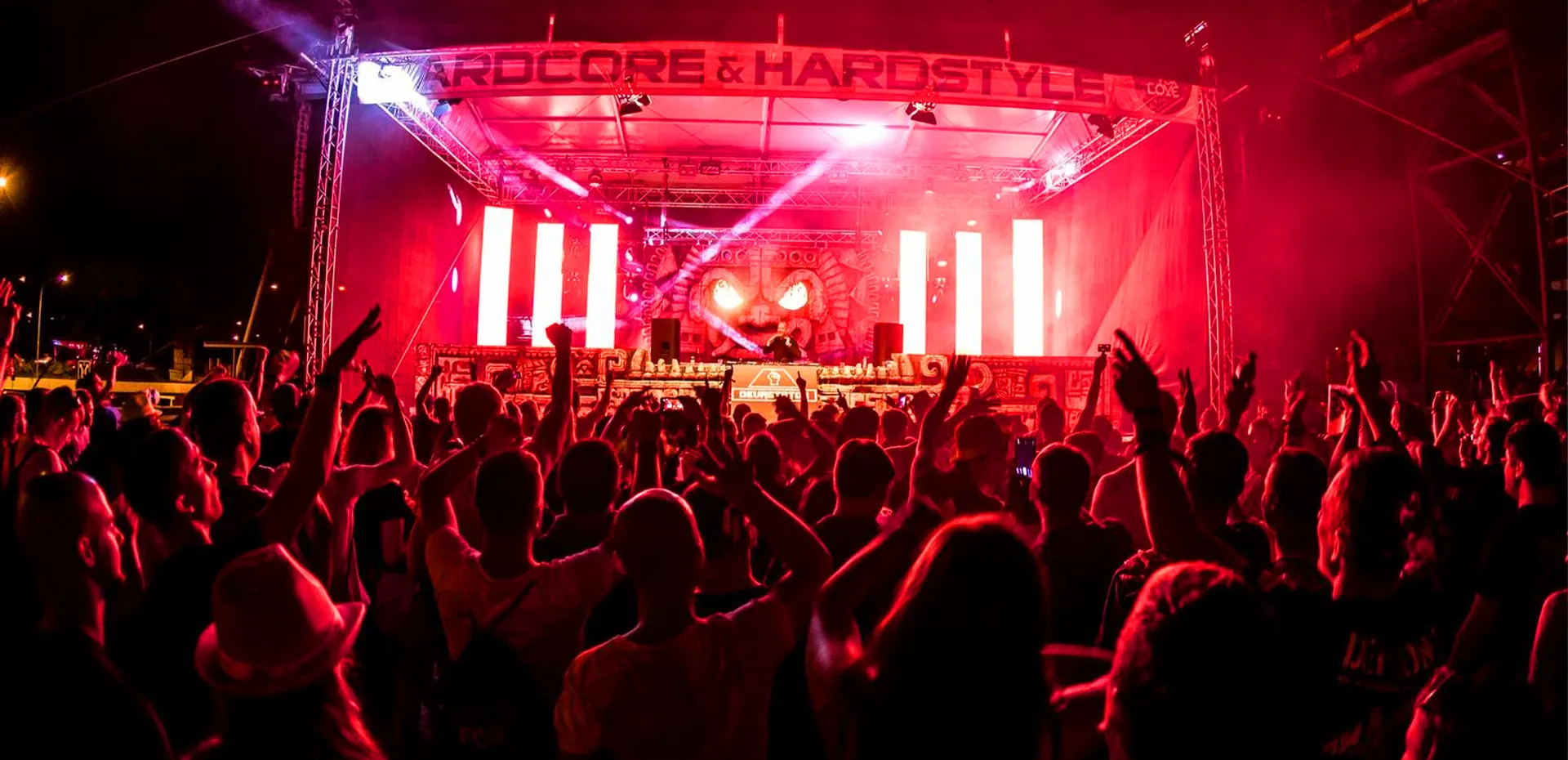
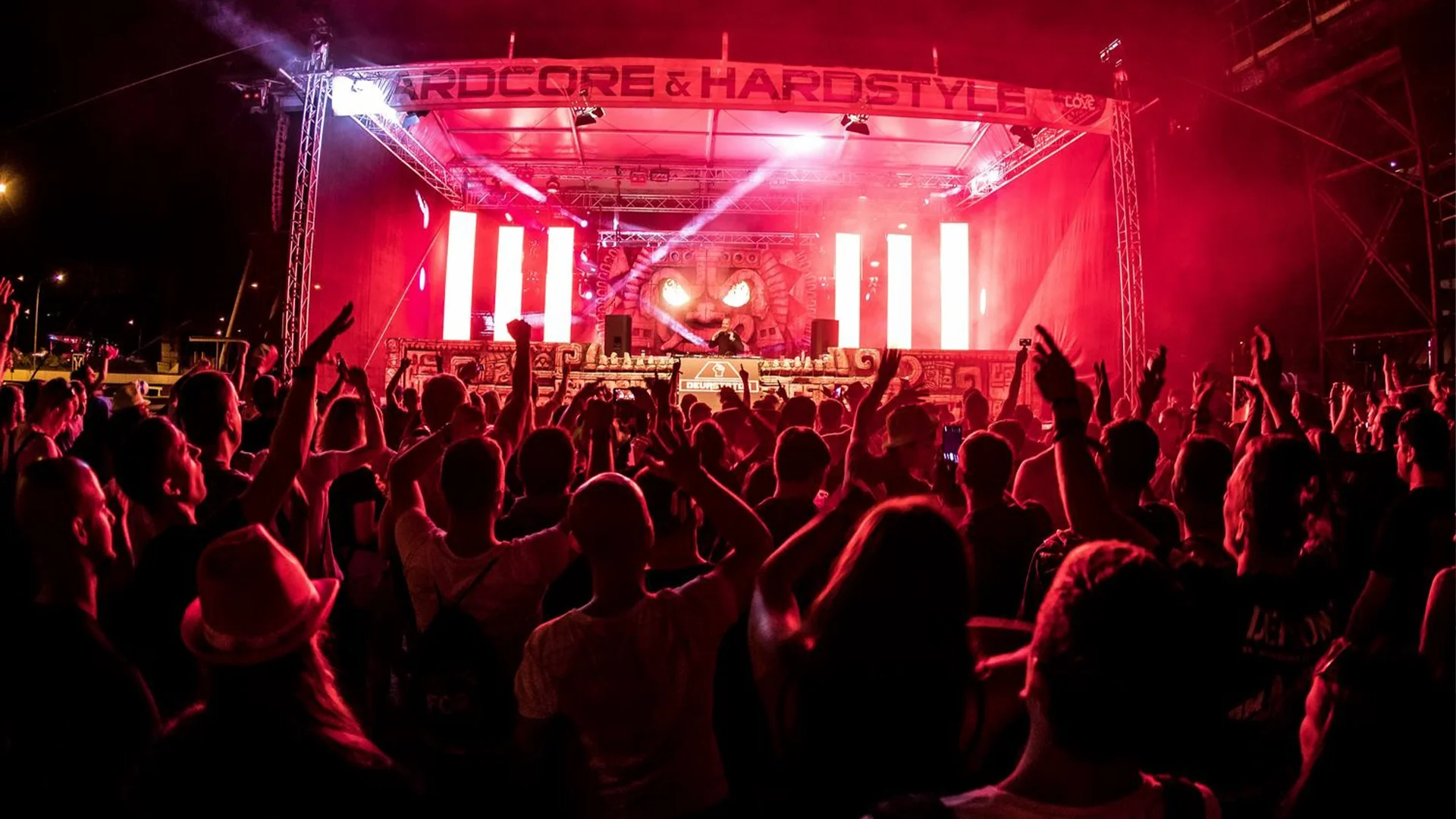
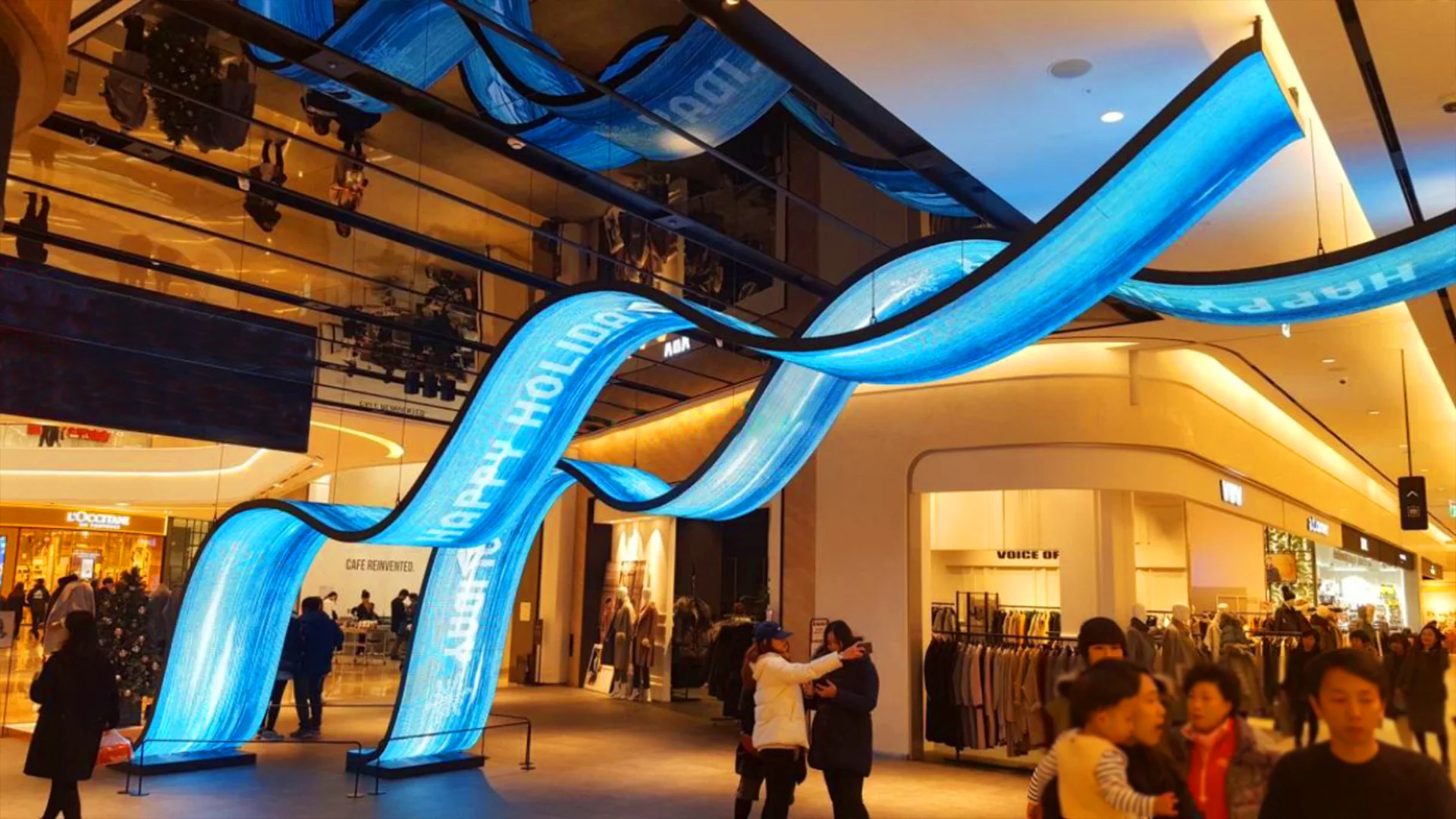
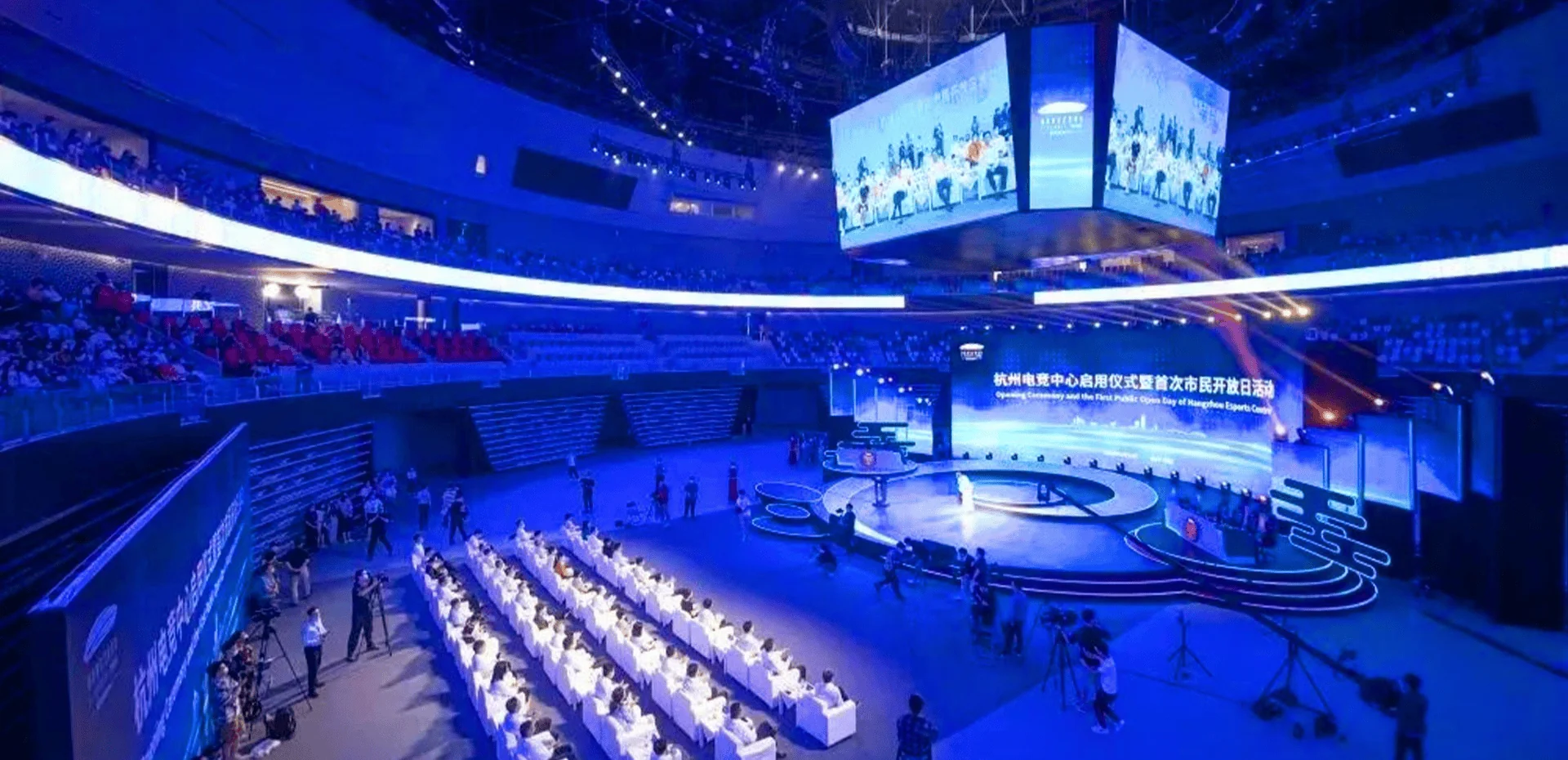
Hanging suspends rental LED display screens from trusses, beams, or arena roofs. This method frees up valuable floor space—critical for concerts where fans stand near the stage, or for corporate events with elaborate staging. A hung LED display screen rental also improves sightlines because no cabinet bases block the view. However, hanging requires certified rigging points, professional load calculations, and truss systems capable of supporting the display’s weight. Our S&K Series features lightweight cabinets and integrated rigging bars, making hanging practical even for mid-sized venues. The high refresh rate (3840Hz–7680Hz) ensures flicker-free performance whether the screen is hung at 10 meters or stacked at 2 meters. Hanging is ideal for arena concerts, stadium events, and any venue where floor congestion is a concern.
Hybrid Configurations and Curved Applications
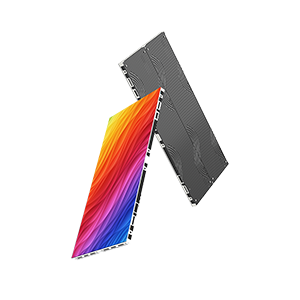
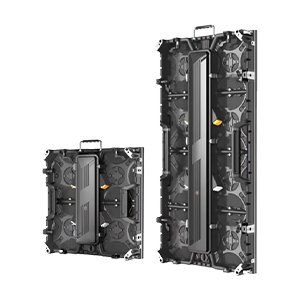
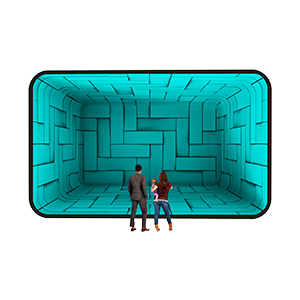
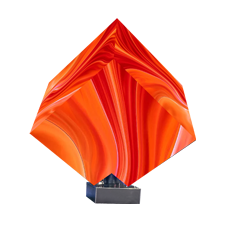
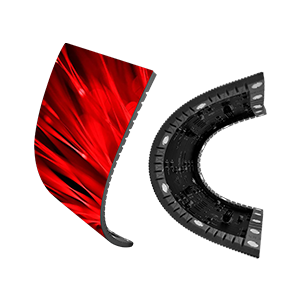
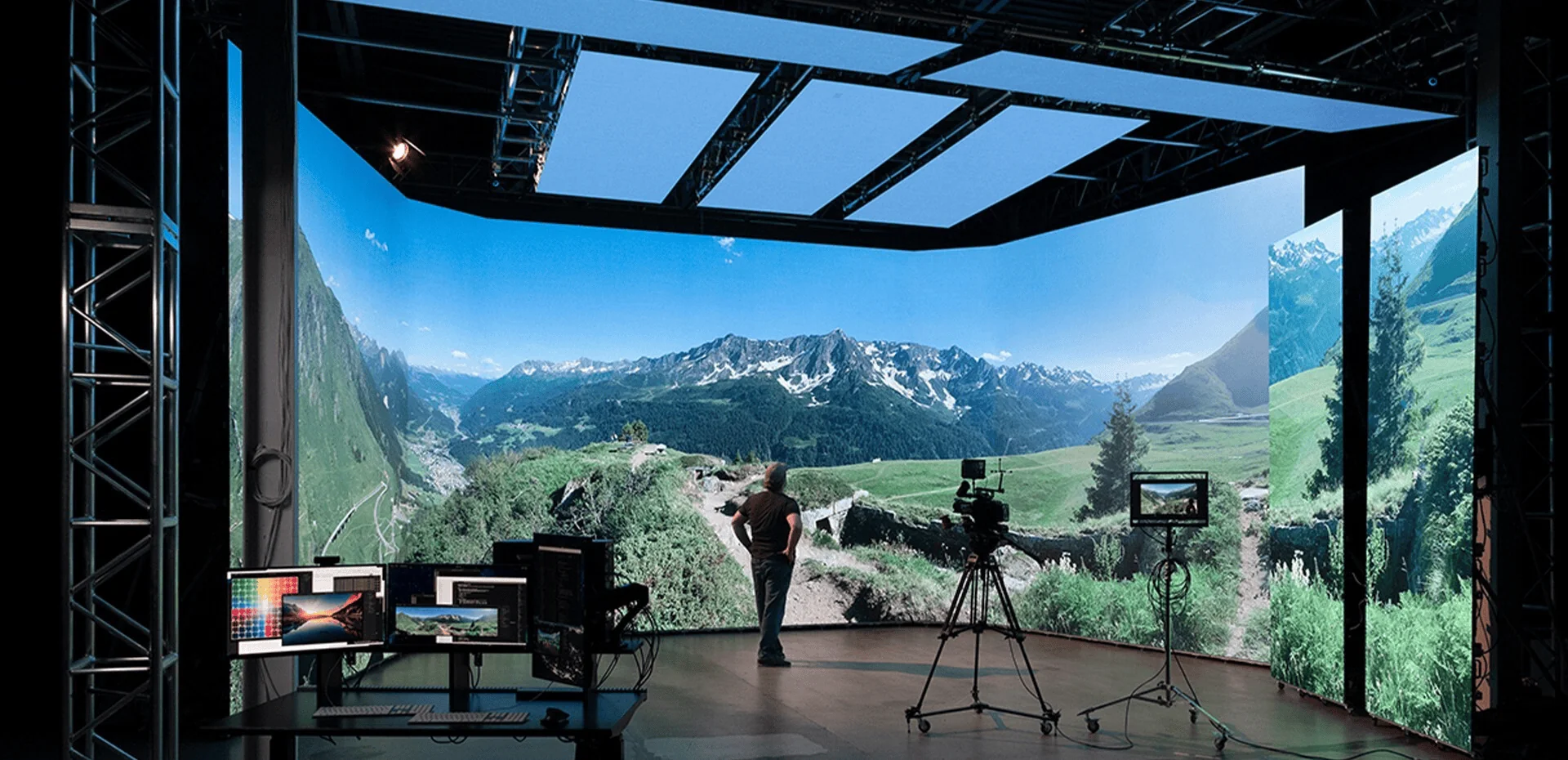
Some events combine both methods. A main LED display screen rental might be stacked for the lower section and hung for upper extensions. Additionally, both stacking and hanging support curved and 90° angle configurations when using flexible cabinets like the S&K Series. Always verify that your rental LED display screen cabinets include dual rigging options—stacking feet and hanging brackets—to preserve flexibility.
Making the Right Choice for Your Event
Consider venue ceiling height, floor load limits, audience sightlines, and installation time. Stacking is simpler and safer for ground-supported applications. Hanging maximizes visibility and space but demands engineering oversight.
Let LEDFUL Engineer Your Perfect Rigging
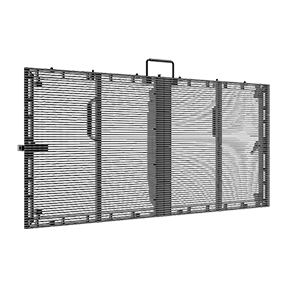
At LEDFUL, our S&K Series indoor and outdoor rental LED display screen is engineered for both stacking and hanging applications. With quick locks, cable-free plug-and-play connectors, front and rear service options, and 90° angle curved design, we give event producers complete flexibility. From the 2022 World Cup to the 2024 G7 Summit, our LED display screen rental solutions have performed flawlessly under every rigging condition. Choose LEDFUL—and raise your event visuals with confidence.