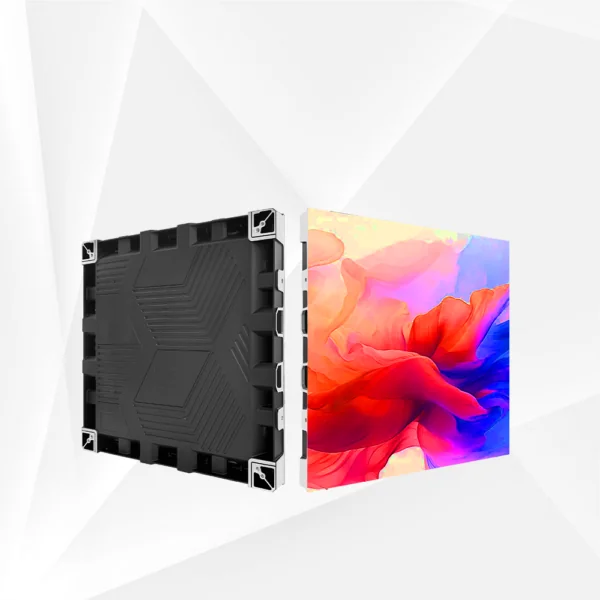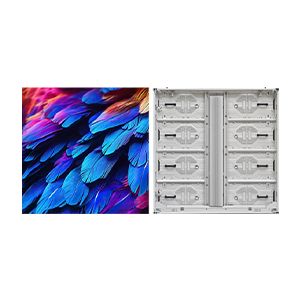
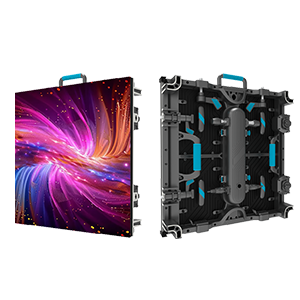
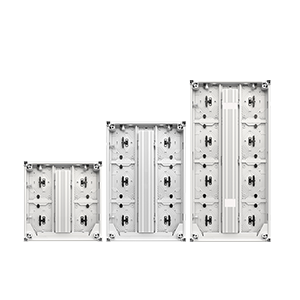

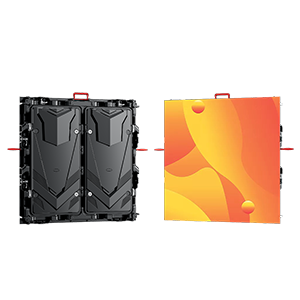
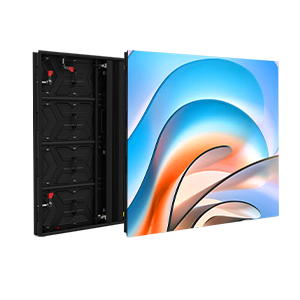

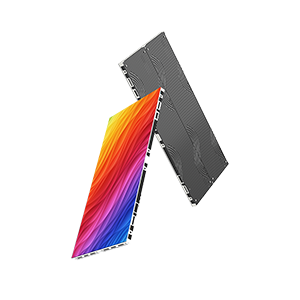

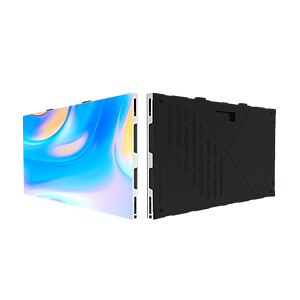
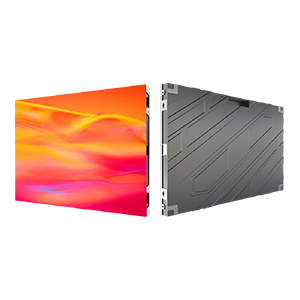

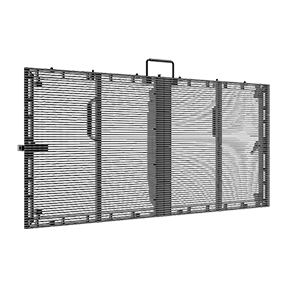
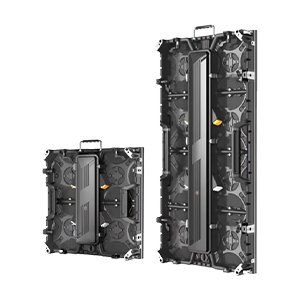
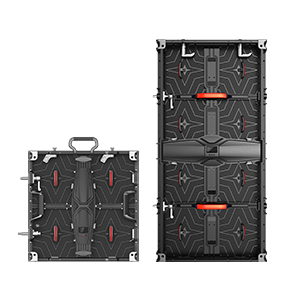



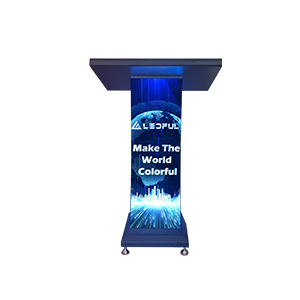

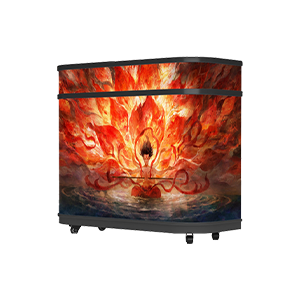





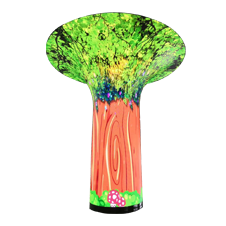



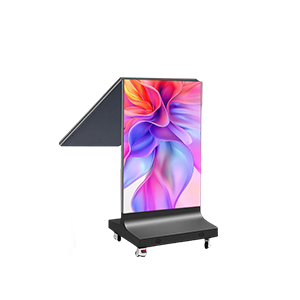
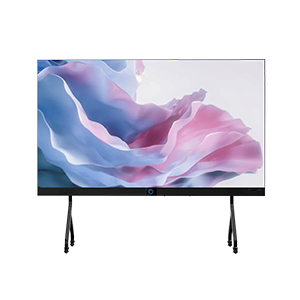


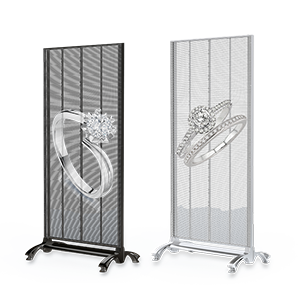
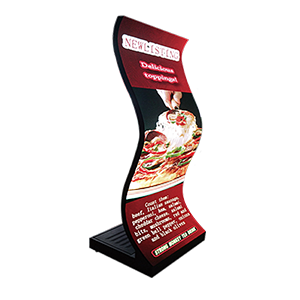


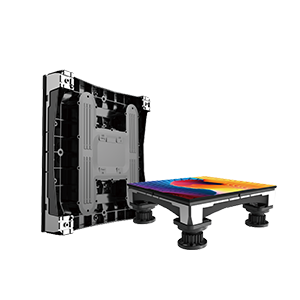
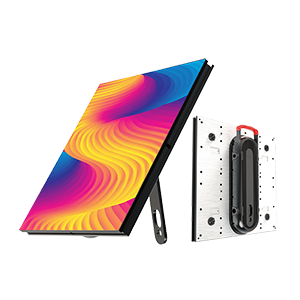
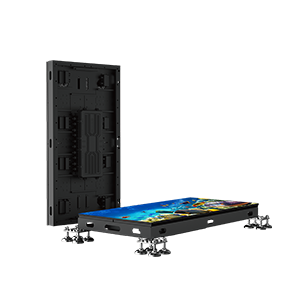

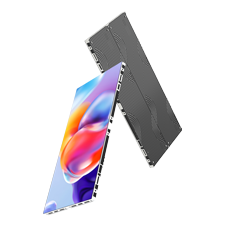

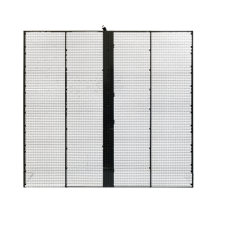
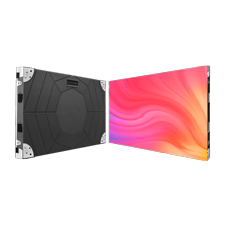
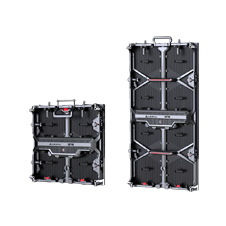

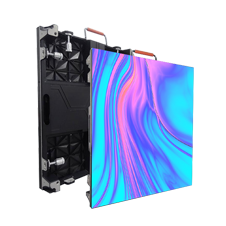
































Walk into any conference room, auditorium, or house of worship, and you will likely see a traditional projector hanging from the ceiling. For decades, projectors were the default choice for large-scale visuals. But the landscape has changed. Across thousands of commercial installations—from shopping malls and stadiums to broadcast studios and digital billboards—we have witnessed a decisive shift toward modern digital screens. Let us compare these two technologies side by side so you can determine which solution truly serves your business needs.

Brightness and Ambient Light Resistance
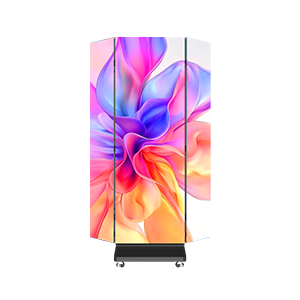
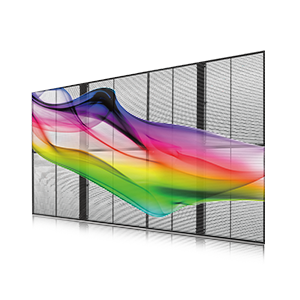
Projectors struggle in any environment with ambient light. Even high-lumen models wash out under overhead lighting or sunlight streaming through windows. Darkened rooms become a necessity, not an option. A commercial LED display screen, by contrast, emits its own light at significantly higher brightness levels—often exceeding 1,500 nits for indoor applications. This means your content remains vivid and readable with all lights on. For retail stores, corporate lobbies, or stadium suites where dimming the room is impossible, a LED display delivers consistent, punchy visuals from morning to night without compromise.
Lifespan and Maintenance Costs
Projector lamps typically last between 2,000 and 5,000 hours before needing expensive replacements. Dust accumulating on filters and lenses further degrades image quality over time. We have calculated that a projector used eight hours daily requires a lamp change every 12 to 18 months—plus periodic cleaning and alignment. A quality commercial LED display screen operates for 100,000 hours with no lamps to replace, no filters to clean, and no calibration drift. That is over a decade of trouble-free operation. The total cost of ownership shifts dramatically in favor of LED within the first two to three years.
Image Quality and Viewing Angles
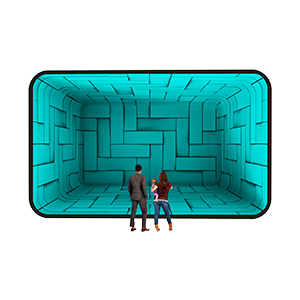
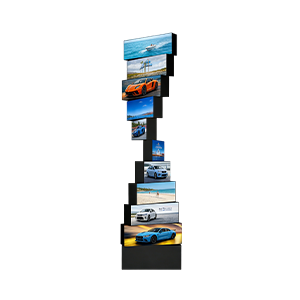
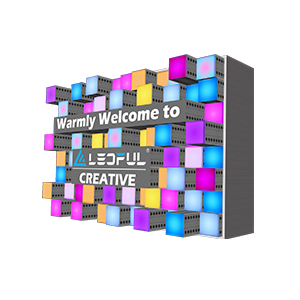
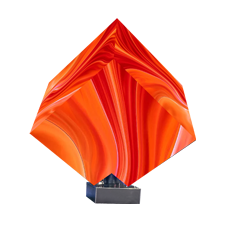
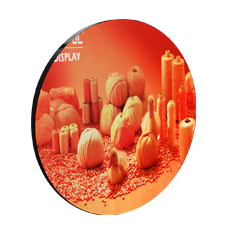
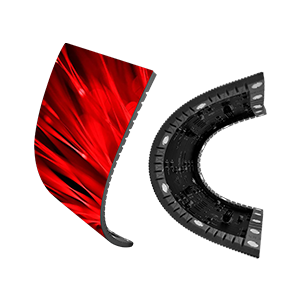
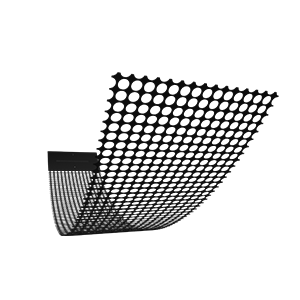
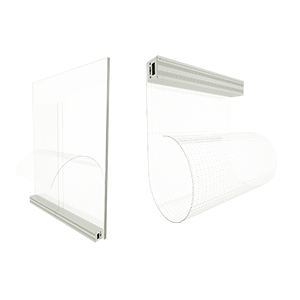
Projectors suffer from hot spots (brighter centers, darker edges) and narrow optimal viewing angles. Move to the side of a conference room, and contrast drops noticeably. LED technology provides uniform brightness across every pixel and wide 160-degree viewing angles. Whether you are presenting in a studio, streaming a service in a house of worship, or running advertisements in a shopping mall, every seat gets the same high-definition experience. Additionally, LED panels can be curved or tiled into any shape—something no projector can match.
Making the Right Investment for Your Venue
Choosing between projectors and digital screens comes down to your specific application. But for most modern commercial environments—especially those with ambient light, long operating hours, or diverse viewer positions—a LED display is the superior long-term investment. At LEDFUL, we design and develop commercial LED display screen solutions for virtually every application: shopping malls, stages, retail stores, conference rooms, broadcast studios, digital billboards, stadiums, and houses of worship. Our advanced production lines and rigorous quality assurance ensure every display meets the highest standards of performance and reliability. When you partner with us, you are not just buying a screen—you are investing in vibrant, colorful visuals that perform flawlessly for years, without the hidden costs of projector maintenance. Let us help you leave the dim, bulb-dependent era behind.