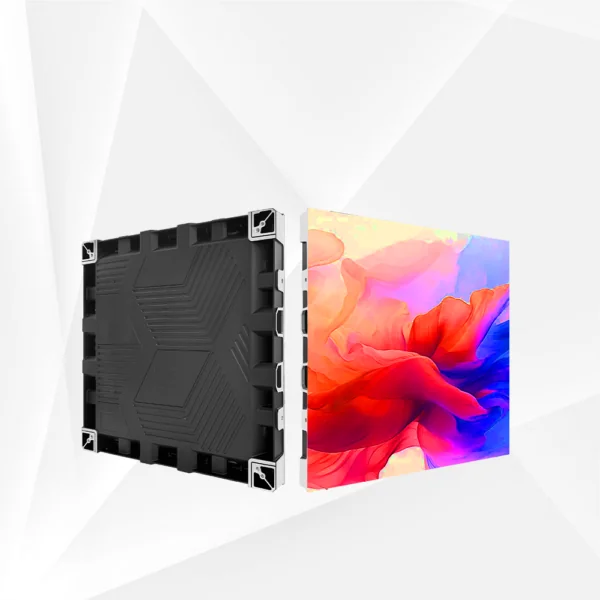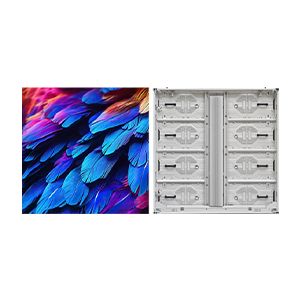
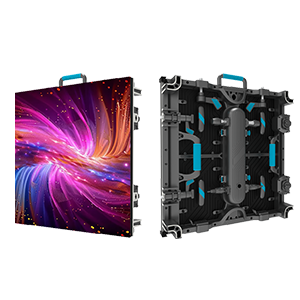
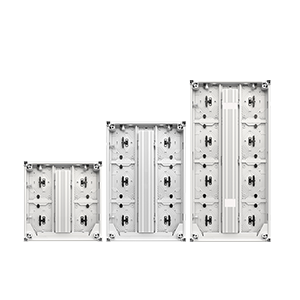

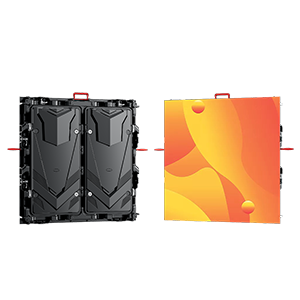
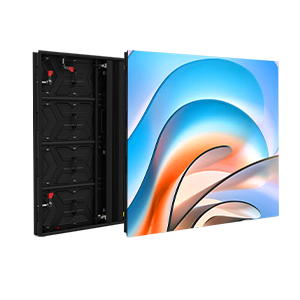

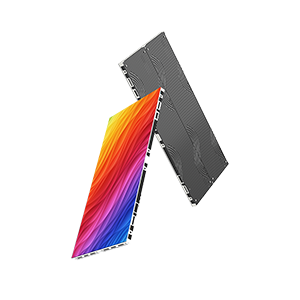

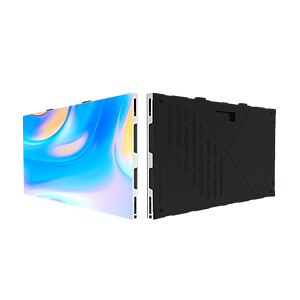
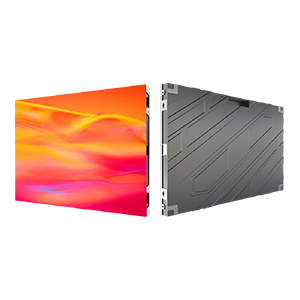













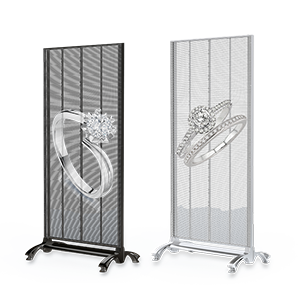
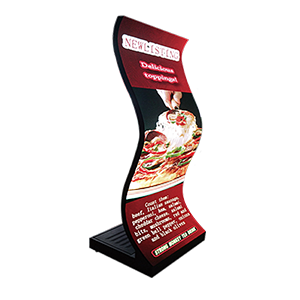


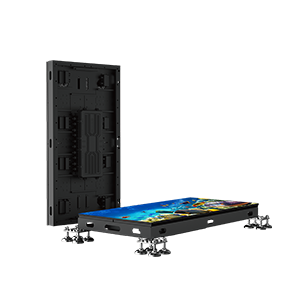

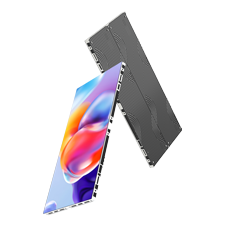

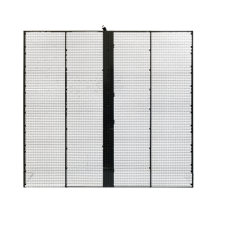
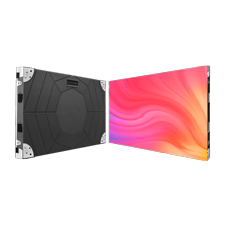















Every facility manager knows the dilemma: a striking digital signage installation often means sealing off windows, adding massive cooling capacity, and watching electricity bills climb. Conventional transparent LED screen technology has begun to shift this equation, but many buyers still underestimate just how much operational expense a well-designed transparent LED screen display can save. From our work with shopping malls, airport terminals, and flagship retail stores, we have quantified the savings—and the engineering choices that make them possible.

Natural Light Penetration Cuts Daytime Cooling Loads
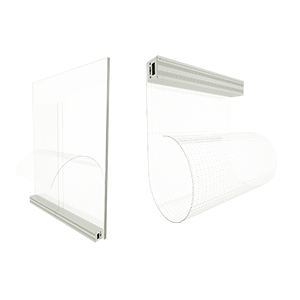
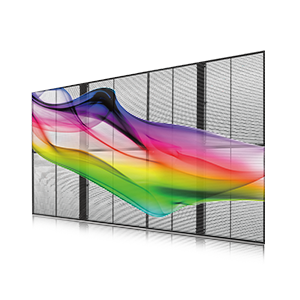
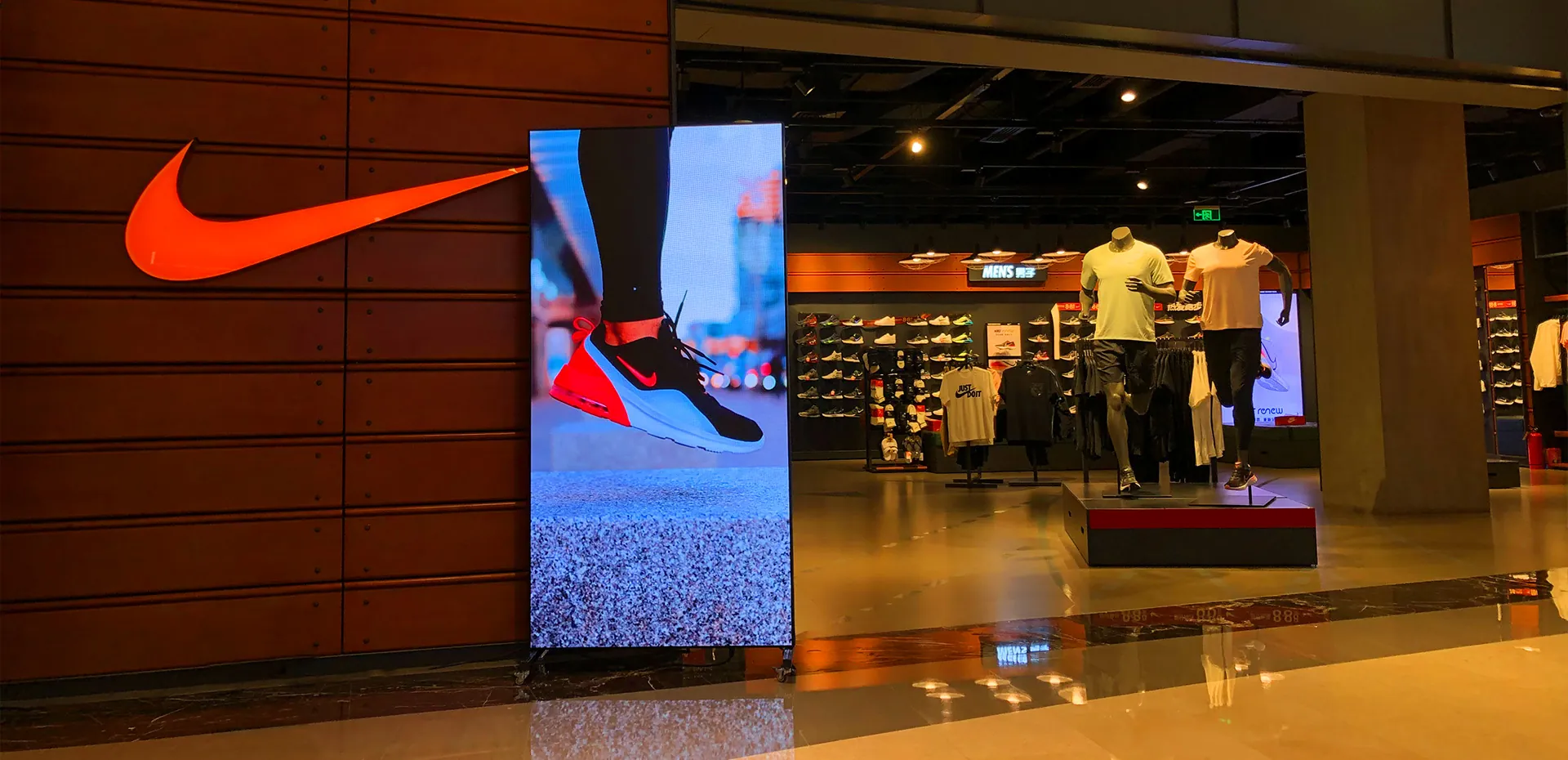
The most immediate advantage of a transparent LED screen is its ability to let sunlight pass through. Traditional solid LED walls turn storefront windows into opaque heat traps, forcing HVAC systems to work harder from morning until evening. By contrast, a high-transparency transparent LED screen display (typically 60–85% see-through) maintains natural illumination of interior spaces while still delivering vibrant video content. We have measured cooling energy reductions of 25–35% in retrofit projects where solid displays were replaced with transparent LED screen alternatives. For a large retail atrium, that translates to thousands of dollars annually in avoided chiller runtime—without sacrificing visual impact.
Passive Airflow and Reduced Fan Hours
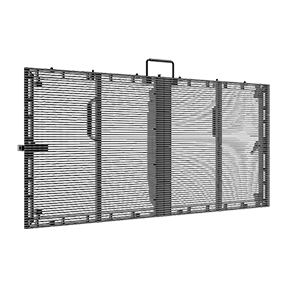
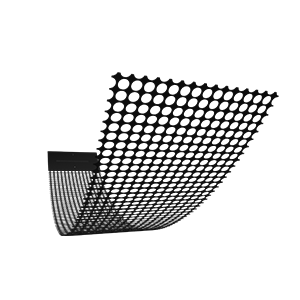
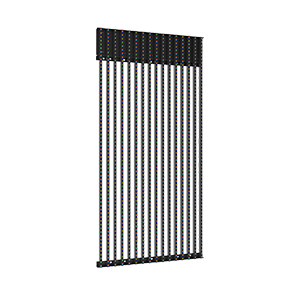
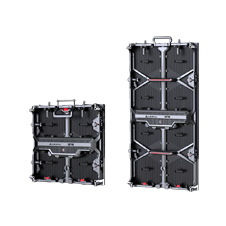
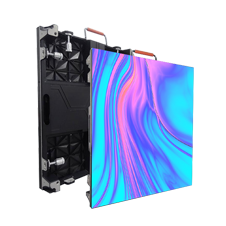
Solid transparent LED screen display panels are sometimes assumed to block ventilation, but the opposite is true with proper design. Because a transparent LED screen consists of narrow LED strips on transparent substrates rather than full metal backplanes, air moves freely through the display. This means perimeter windows can remain functional for natural ventilation during mild weather, further reducing HVAC demand. Additionally, the open structure eliminates the need for forced-air cooling behind the display itself. Conventional LED walls often require dedicated exhaust fans to remove heat trapped between the screen and the building façade—a hidden operational cost that a transparent LED screen simply does not incur.
Lower Power Consumption Per Square Meter
Beyond HVAC interactions, the transparent LED screen display consumes less electricity for the same brightness level compared to standard SMD displays. How? The high openness ratio means fewer LEDs per square meter—typically only 30–50% of the pixel density of a conventional screen for far-viewing applications. For example, a transparent LED screen operating at 5000 nits draws roughly 250–350 watts per square meter, versus 600–800 watts for a traditional outdoor LED wall at equivalent perceived brightness. Over 5,000 operating hours annually, that difference alone can cover the entire display’s purchase price.
LEDFUL: Engineered for Energy Efficiency
At LEDFUL, we build the HIS Series Holographic Invisible Screen precisely for clients who demand both spectacle and savings. Our transparent LED screen achieves high brightness (5000 nits) and true 3840Hz refresh with 16-bit grayscale, while remaining super light and slim. The HIS Series requires no bulky cooling systems behind the transparent LED screen display, thanks to passive heat dissipation and airflow-friendly construction. When you partner with LEDFUL, you are not just buying a display—you are reducing your building’s carbon footprint and utility budget from day one. Contact us to model the savings for your next glass-front project.