
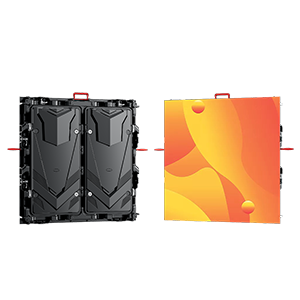
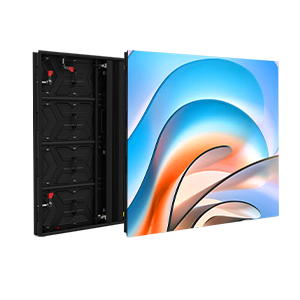

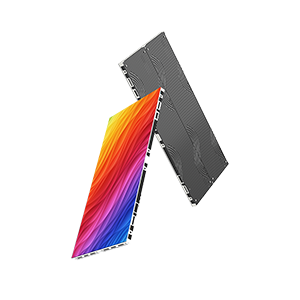

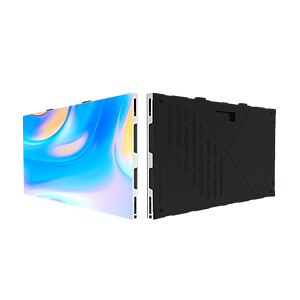
























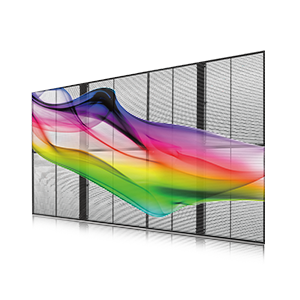
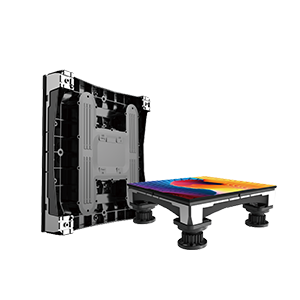
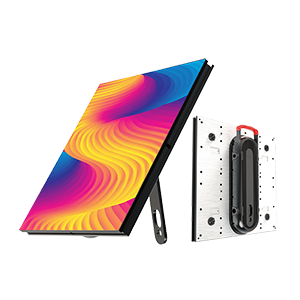
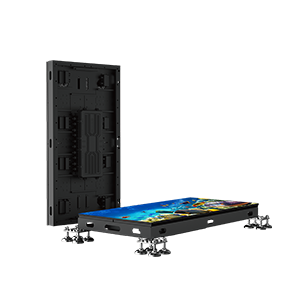

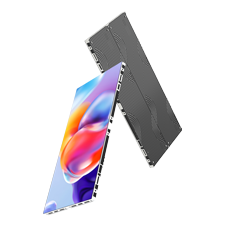

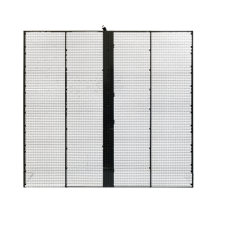
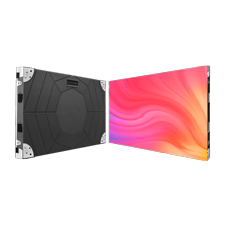
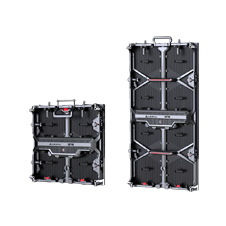
























A digital billboard lights up over a busy intersection, but instead of a high-quality image, the surface looks like a poorly stitched quilt. Distinct squares of varying brightness and tinted hues disrupt the visual message. This jarring patchwork effect, commonly known as the mosaic phenomenon, is a severe technical failure that plagues many poorly manufactured outdoor LED displays.
For advertising agencies and system integrators, inconsistent luminance destroys brand credibility. When high-end commercial content appears distorted, the return on hardware investment plummets rapidly. Preventing these visible module-to-module discrepancies requires understanding the manufacturing physics behind light emission. It also demands implementing strict quality control protocols throughout the entire hardware lifecycle to maintain rigorous uniformity.
The Main Causes of Module-to-Module Color Differences
The root of patchy visual performance begins at the microscopic level inside the factory. Every single light-emitting diode is grown on a semiconductor wafer.
During manufacturing, diodes are sorted by specific brightness and wavelength parameters in a highly precise process called binning. If an outdoor full color LED display is assembled using diodes from multiple different bins, the naked eye will easily detect the subtle shifts in red, green, and blue wavelengths across the panels.
Hardware aging severely accelerates this optical discrepancy over time.
Constant exposure to ultraviolet rays and extreme outdoor temperatures causes materials to degrade. If a cabinet contains diodes with varying thermal resistance, they will depreciate at vastly different rates. After just six months of continuous operation, what started as a uniform canvas slowly degrades into a checkerboard of mismatched color blocks.
The Underlying Essence of Pixel Calibration
Hardware selection is only half the battle for project contractors. The true essence of visual uniformity lies deep within the digital control architecture.
Even identically binned diodes possess microscopic output variances that affect the overall picture. To counteract this physical limitation, premium control systems utilize precise point-by-point calibration. During this critical factory process, specialized optical cameras measure the exact luminance and chromaticity of every individual pixel on the assembled panel.
The central control software then generates a highly unique mathematical compensation matrix.
This specific data is burned into the receiving card of the module. The smart system actively adjusts the electrical current fed to each diode dynamically. This process forces an inherently imperfect hardware array to emit a reliably uniform picture, hiding any physical diode variations from the viewer.
If a screen lacks high-quality driver ICs, this vital calibration data cannot be executed accurately. Subpar ICs suffer from severe voltage drops across the module PCB. This electrical inefficiency causes the edges of a panel to appear noticeably darker than the center, ruining the calibration effort.
Practical Procurement Solutions to Support Consistency
The most effective strategy to prevent module color discrepancies happens long before the physical installation begins.
Procurement managers should strictly mandate that all panels for a single commercial project are manufactured from a single diode batch. Purchasing displays in separate batches over an extended period can increase the risk of component and color variation, so consistent component specifications and calibration should be maintained across replacement modules.
Strategic spare parts management is equally critical for long-term maintenance.
When purchasing a digital canvas, contractors should simultaneously acquire extra modules from that exact same production run. If a panel suffers physical damage three years later, replacing it with a module from a newer batch will create a glaringly obvious bright square against the older, naturally faded screen.
Reputable hardware factories also enforce mandatory, prolonged aging tests before shipping. Running the fully assembled cabinets continuously for 72 hours exposes premature diode failures. This testing period allows engineers to meticulously fine-tune the calibration matrix before the hardware ever reaches the shipping container.
How LEDFUL Maintains Immaculate Visual Standards
Precision manufacturing requires an uncompromising approach to structural engineering and rigorous quality control.
At LEDFUL, we strictly utilize single-bin diodes for every professional sports project. This approach helps reduce wavelength and brightness variation between LEDs used within the same project. Our engineering teams perform exhaustive point-by-point optical calibration on fully assembled cabinets to support impeccable flatness and highly uniform light distribution.
Our diverse product lines are specifically engineered to mitigate these visual inconsistencies.
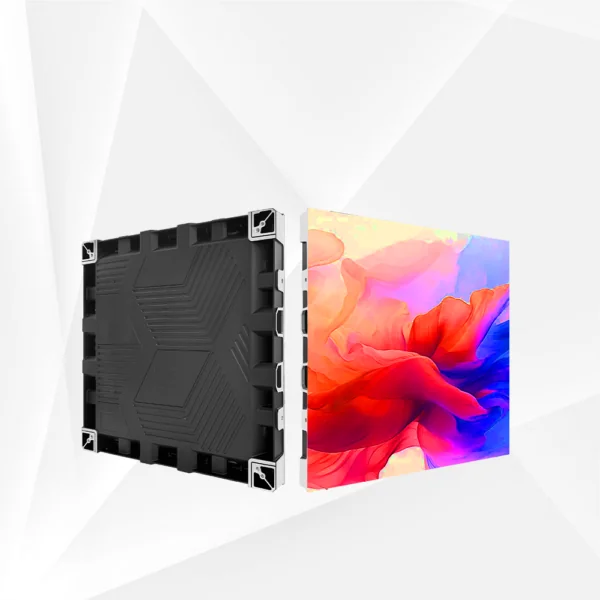
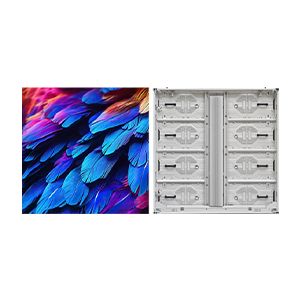
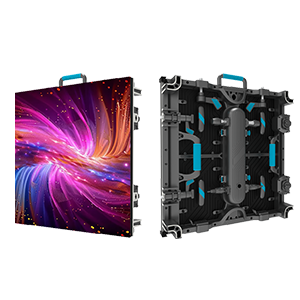
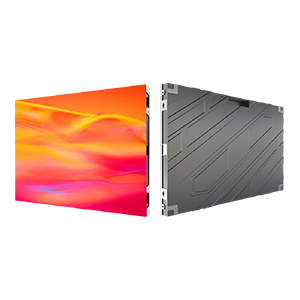
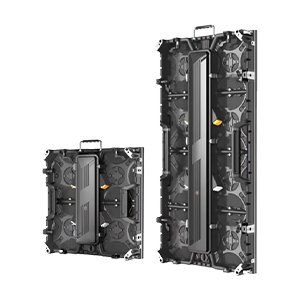
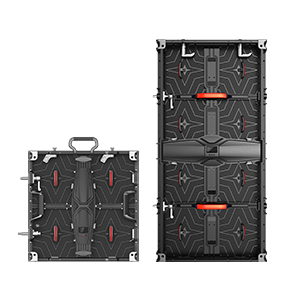
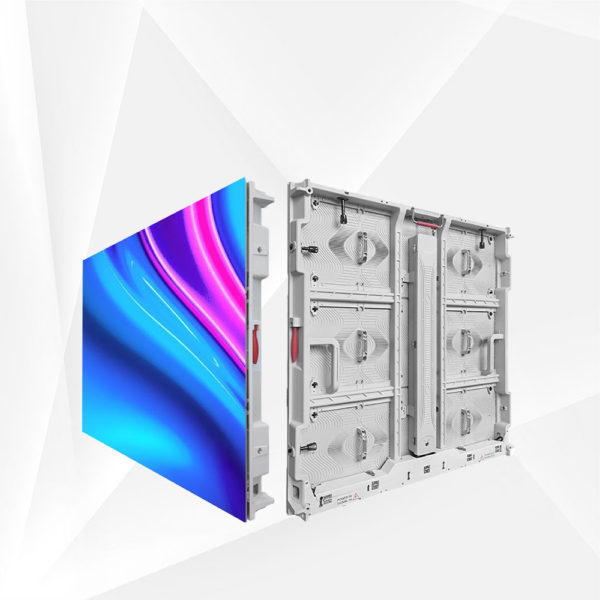
Our FS PRO series delivers strong baseline color uniformity for outdoor fixed installations. With common cathode energy-saving design and high-quality LED binning, the series helps maintain consistent brightness and color across modules over time.
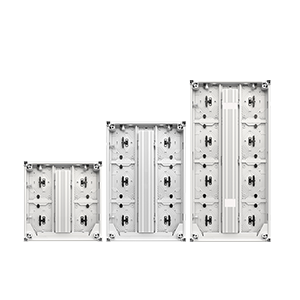
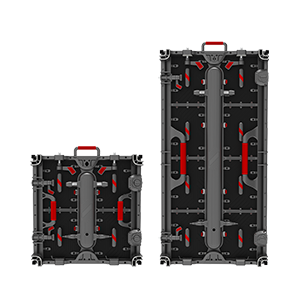
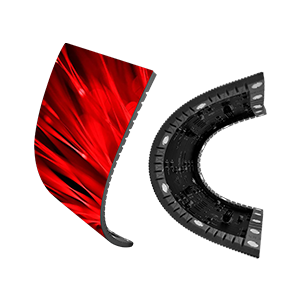
The die-cast aluminum construction provides thermal stability that supports uniform performance, while the cable-free internal design reduces connection points that can contribute to signal variation. For outdoor installations requiring corner or arc configurations, the FS PRO corner cabinet supports right-angle splicing while maintaining uniform light distribution.
Protecting Your Digital Investment Long-Term
We back our rigorous manufacturing standards with comprehensive project matching solutions tailored for commercial users.
With flexible order quantities tailored to your project scale, we empower system integrators to test our visual uniformity firsthand. This flexibility is crucial before committing to structural deployments.
Consistent hardware performance dictates your long-term commercial impact.
By prioritizing consistent component specifications, factory-level optical calibration, and proper replacement planning, you can significantly reduce visible module-to-module color and brightness differences. Reach out to our dedicated technical team today to discuss how we can engineer a uniform visual solution for your next demanding outdoor advertising project.