


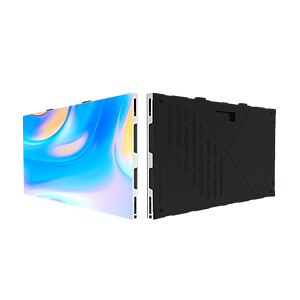
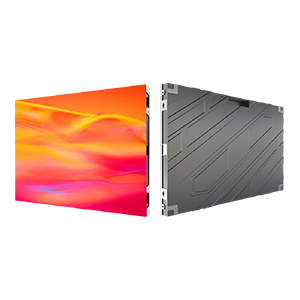

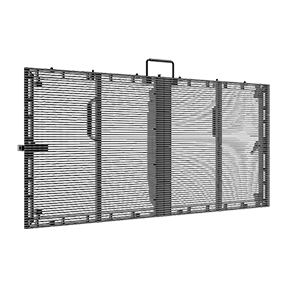
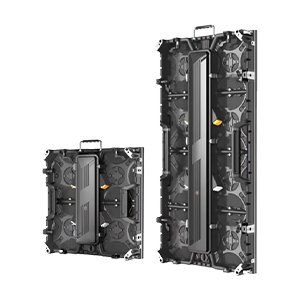










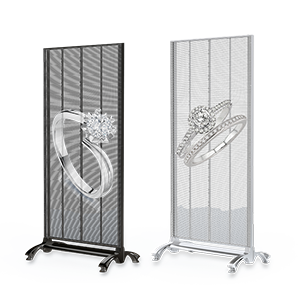


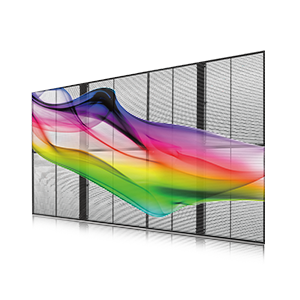
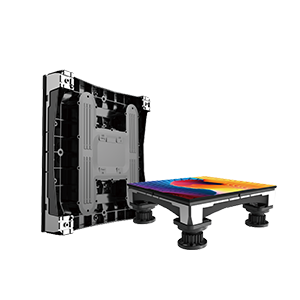
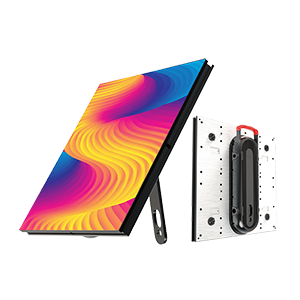
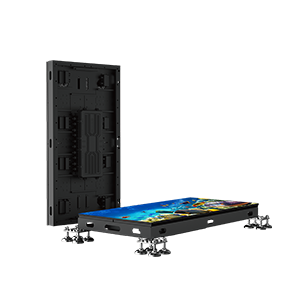

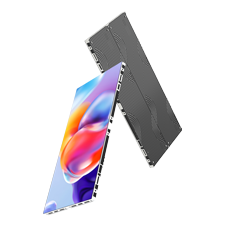

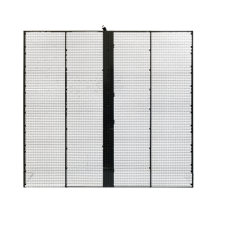
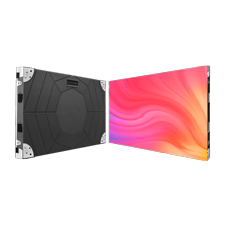
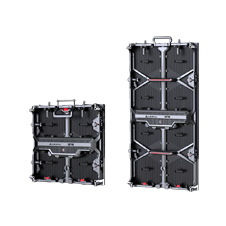

































Look closely at some transparent LED screen installations, and you may notice an annoying visual artifact: wavy, rainbow-like patterns that dance across the image. This is the moiré effect, a common challenge when fine pixel grids interact with background patterns, camera sensors, or layered glass. For architects, integrators, and advertisers using LED transparent screen technology, moiré can ruin an otherwise stunning installation. Having deployed thousands of transparent LED screen solutions globally—including retail windows, landmark projects, and world-class events—we at LEDFUL have developed proven methods to eliminate this issue before it reaches your audience.

Understanding What Causes Moiré on Transparent Displays
Moiré occurs when two repetitive patterns overlap at certain angles. On an LED transparent screen, the primary offender is the interaction between the LED pixel grid and whatever sits behind or in front of it—window blinds, brick facades, fine architectural mesh, or even another display. Camera sensors recording your LED transparent screen can also introduce moiré, making broadcast and social media content look unprofessional. The high transparency that makes these displays beautiful (70% or more) also creates more opportunities for background patterns to interfere. Without proper design precautions, even a premium transparent LED screen can suffer from this distraction.
Optimal Pixel Pitch and Masking Techniques
The most effective way to avoid moiré begins with selecting the correct pixel pitch for your viewing distance and background environment. Dense pixel pitches (smaller gaps between LEDs) naturally reduce moiré because the grid becomes less perceptible. For LED transparent screen installations where viewers will be close or where backgrounds have fine patterns, we recommend tighter pitches. Additionally, applying a subtle diffusion mask or black encapsulation between pixels helps break up contrast transitions that trigger moiré. Our A Series self-adhesive transparent LED screen uses advanced LED spacing calculations and optical coatings specifically designed to minimize interference patterns while maintaining brightness and clarity even in direct sunlight.
Strategic Installation and Camera Settings
Sometimes moiré can be avoided through placement and calibration. Install your LED transparent screen with a slight tilt (1–2 degrees) relative to windows or background patterns. This simple angle change disrupts the parallel alignment that creates moiré. For events where cameras will capture the LED transparent screen, advise your video team to adjust aperture, use polarizing filters, or slightly defocus the lens. These techniques smear the pixel grid without sacrificing overall image quality. Our A Series fits any glass window perfectly while preserving natural light and indoor visibility, and its self-adhesive design allows for precise angular adjustments during installation.
Testing Before Final Deployment
Always test your LED transparent screen with actual background conditions and planned camera angles before permanent installation.
LEDFUL Solves the Moiré Challenge
At LEDFUL, we engineer transparent LED screen solutions that deliver stunning visuals without distracting artifacts. Our A Series self-adhesive LED transparent screen displays content clearly even in bright sunlight, fits any glass surface perfectly, maintains natural light and indoor visibility, and saves time with easy installation. From retail storefronts to landmark architectural projects, we help clients avoid moiré before it starts. Choose LEDFUL—where transparency meets perfection.