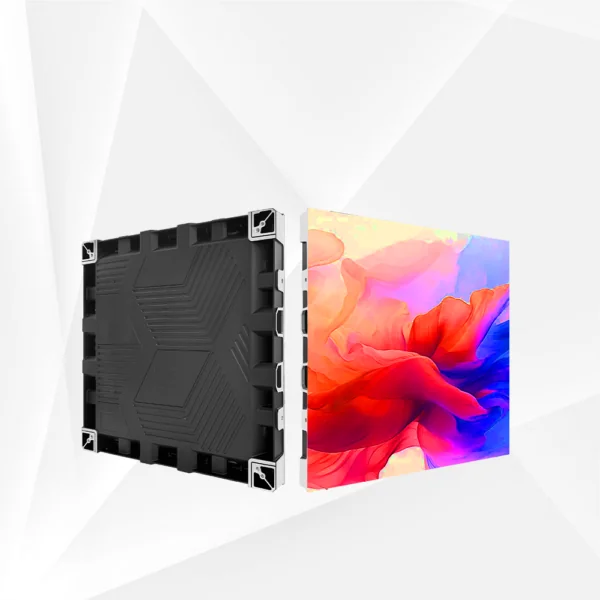
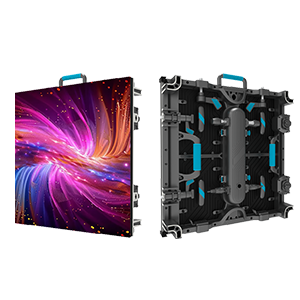



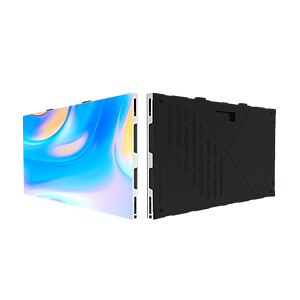
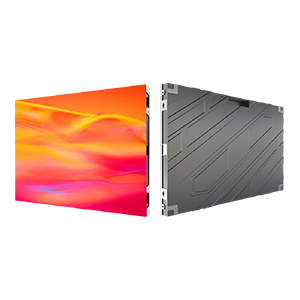

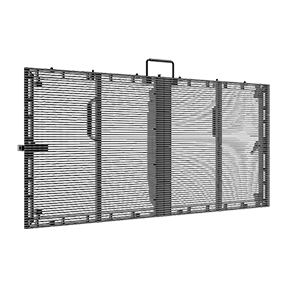
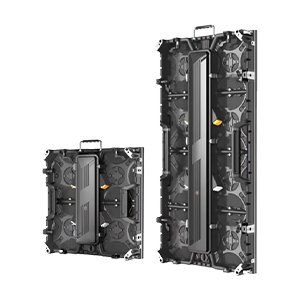








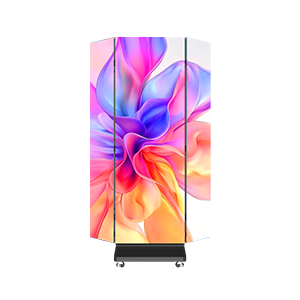
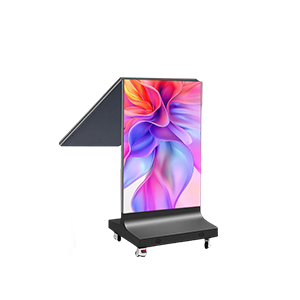
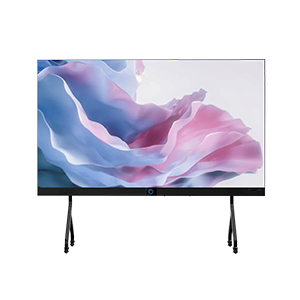


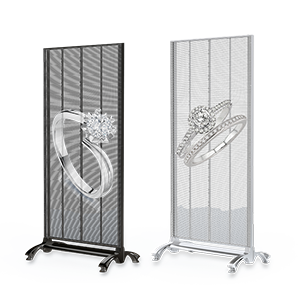


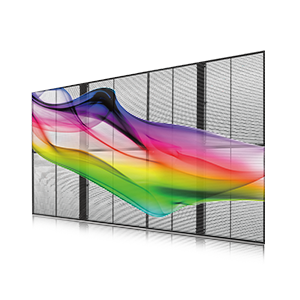
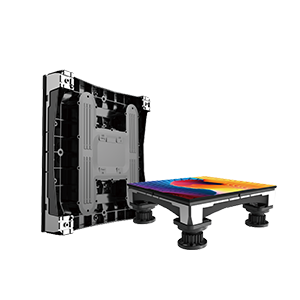
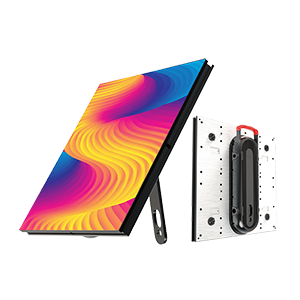
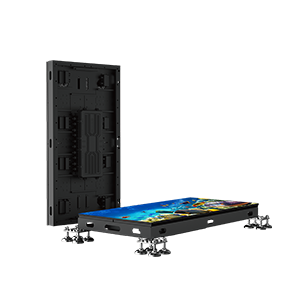

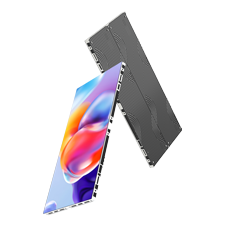

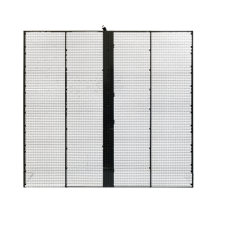
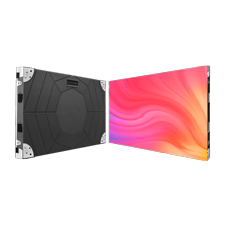
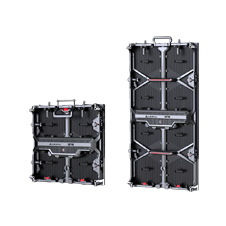








Choosing the right encapsulation technology for the outdoor LED display market has never been more critical. As outdoor advertising shifts toward higher resolution, longer life spans, and harsher environmental demands, two technologies dominate the conversation: GOB (Glue On Board) and COB (Chip on Board). Having deployed thousands of outdoor installations worldwide, we at LEDFUL have tested both extensively. Which one truly serves the outdoor LED display market better? The answer depends on durability, maintainability, and total cost of ownership.

GOB: Superior Protection for Curved and High-Impact Areas
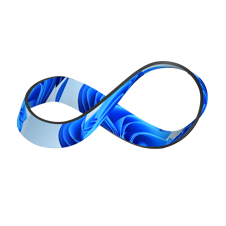
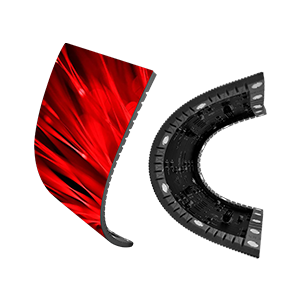
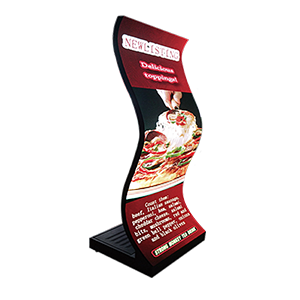
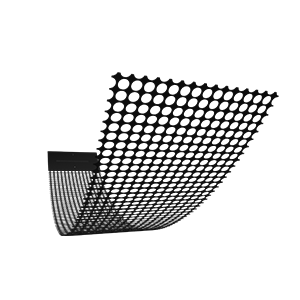
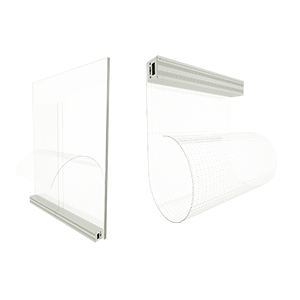
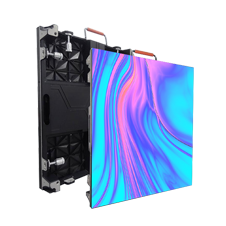
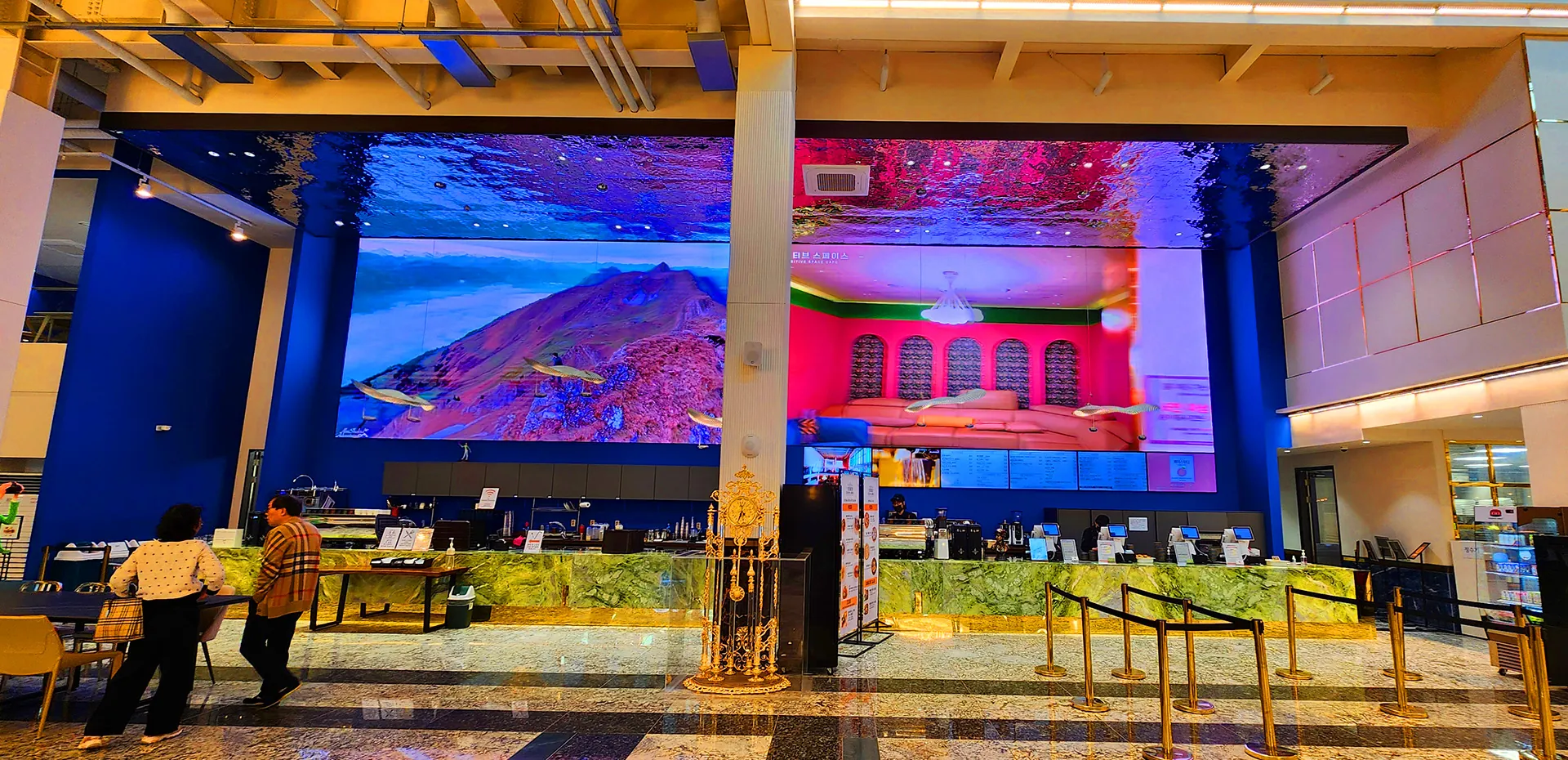
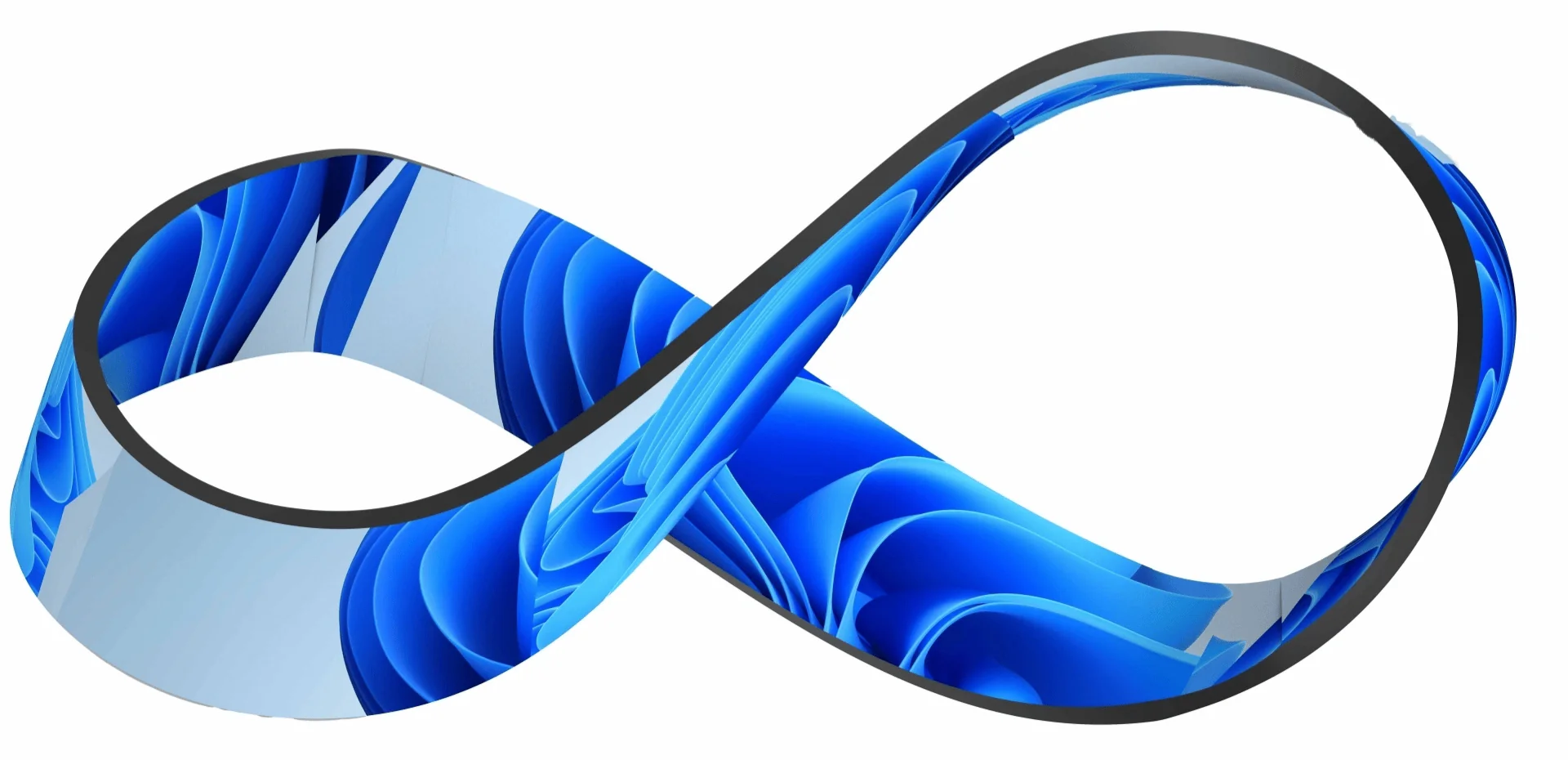
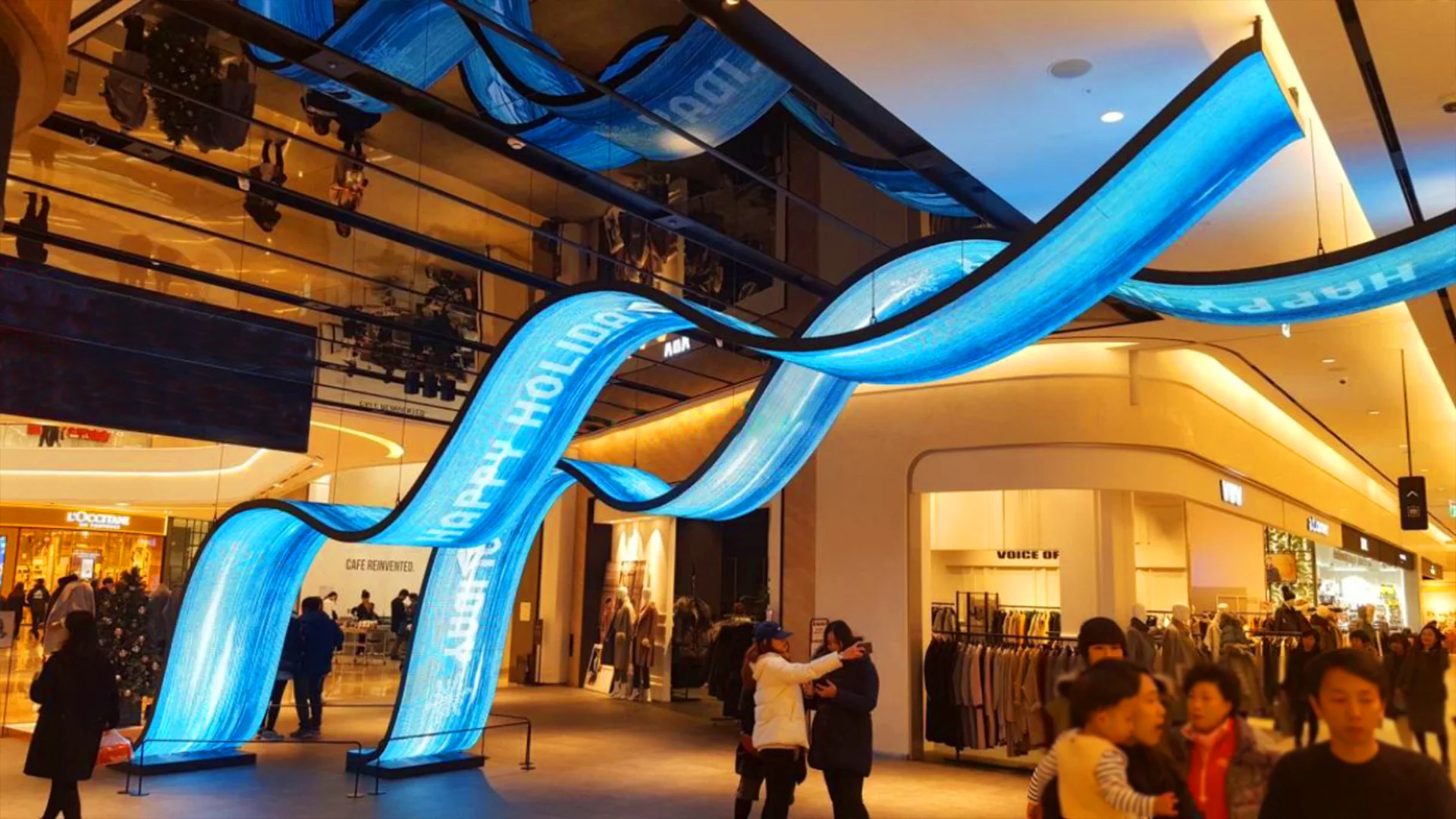
GOB involves applying a transparent glue layer over traditional SMD LEDs. This creates a seamless, waterproof, and impact-resistant surface. For our FLEX1.56 GOB flexible LED display installed in Graz, Austria—a 3.52m × 1.92m curved atrium screen—GOB solved two major challenges: irregular architectural surfaces and potential physical contact from mall visitors. In the outdoor LED display market, GOB excels where screens face dust, moisture, or accidental bumps. The glue layer prevents individual LED damage and allows easy cleaning. However, GOB can be harder to repair at the component level, and glue yellowing over years remains a consideration for direct-sunlight outdoor use.
COB: Higher Density and Better Heat Dissipation
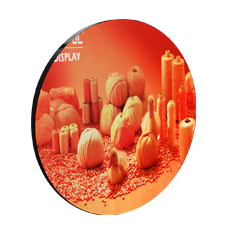
COB mounts multiple LED chips directly onto the circuit board and encapsulates them as one unit. This eliminates solder joints and wire bonding, offering superior thermal management and pixel density. For fine-pitch outdoor applications like digital billboards viewed up close, COB delivers smoother images and higher contrast. The outdoor LED display market benefits from COB’s longer lifespan and lower failure rates because fewer exposed components mean less corrosion. On the downside, COB is less flexible for curved surfaces and typically carries a higher upfront cost per square meter. Repairs also often require full module replacement rather than spot fixes.
Which Technology Leads Outdoors?
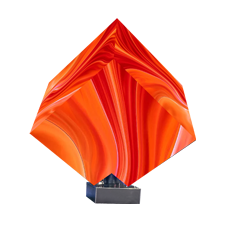
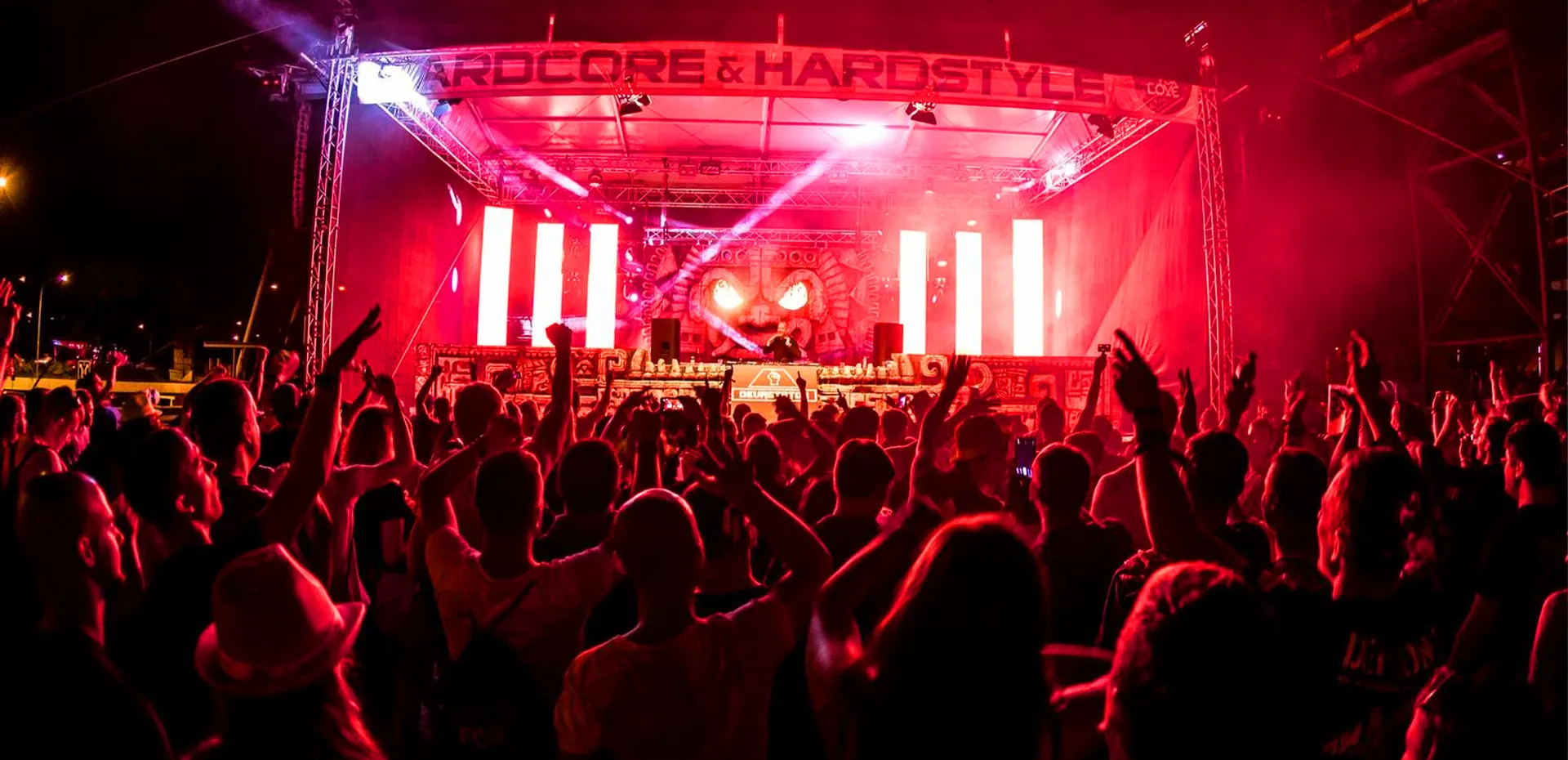
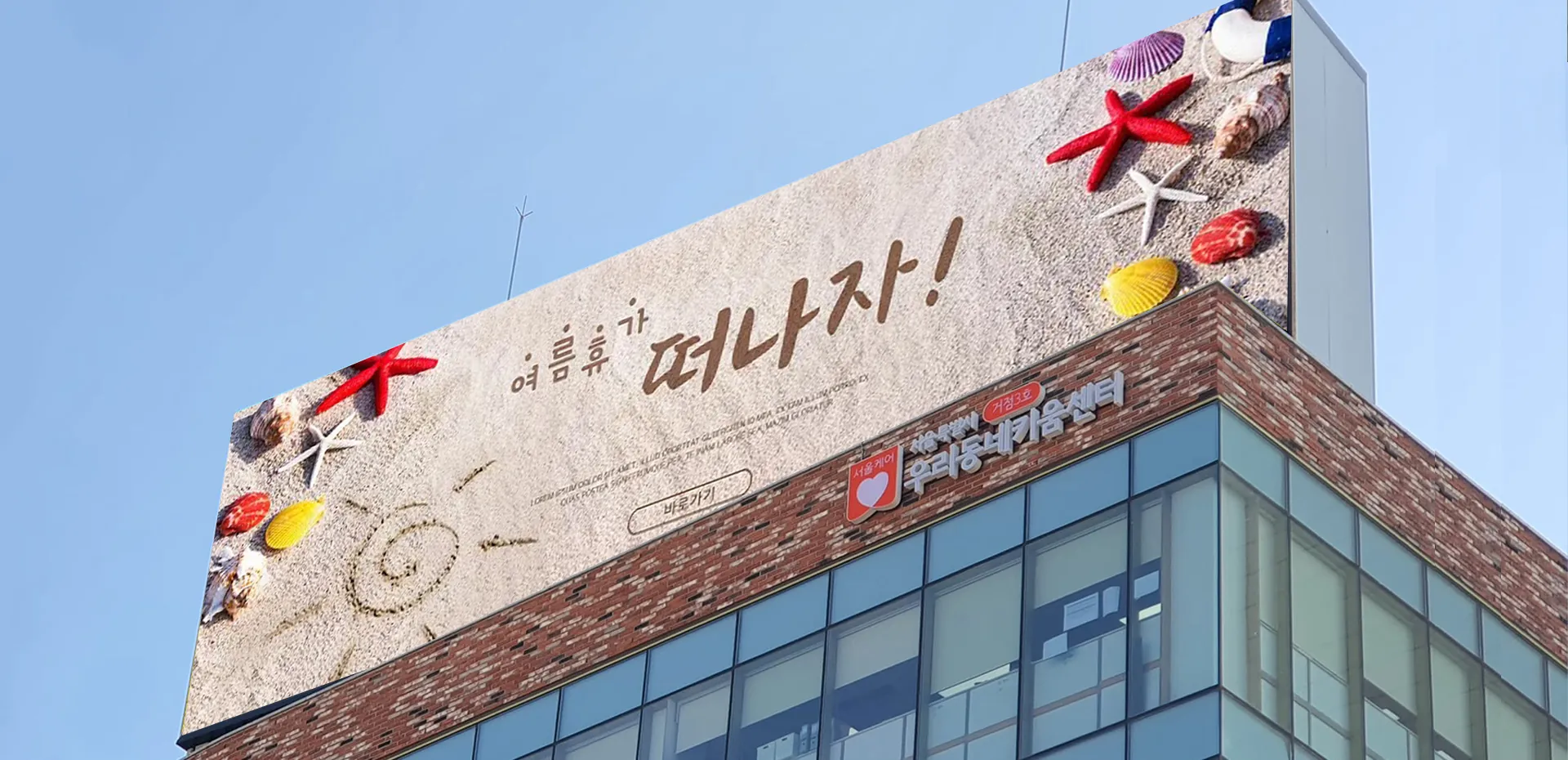
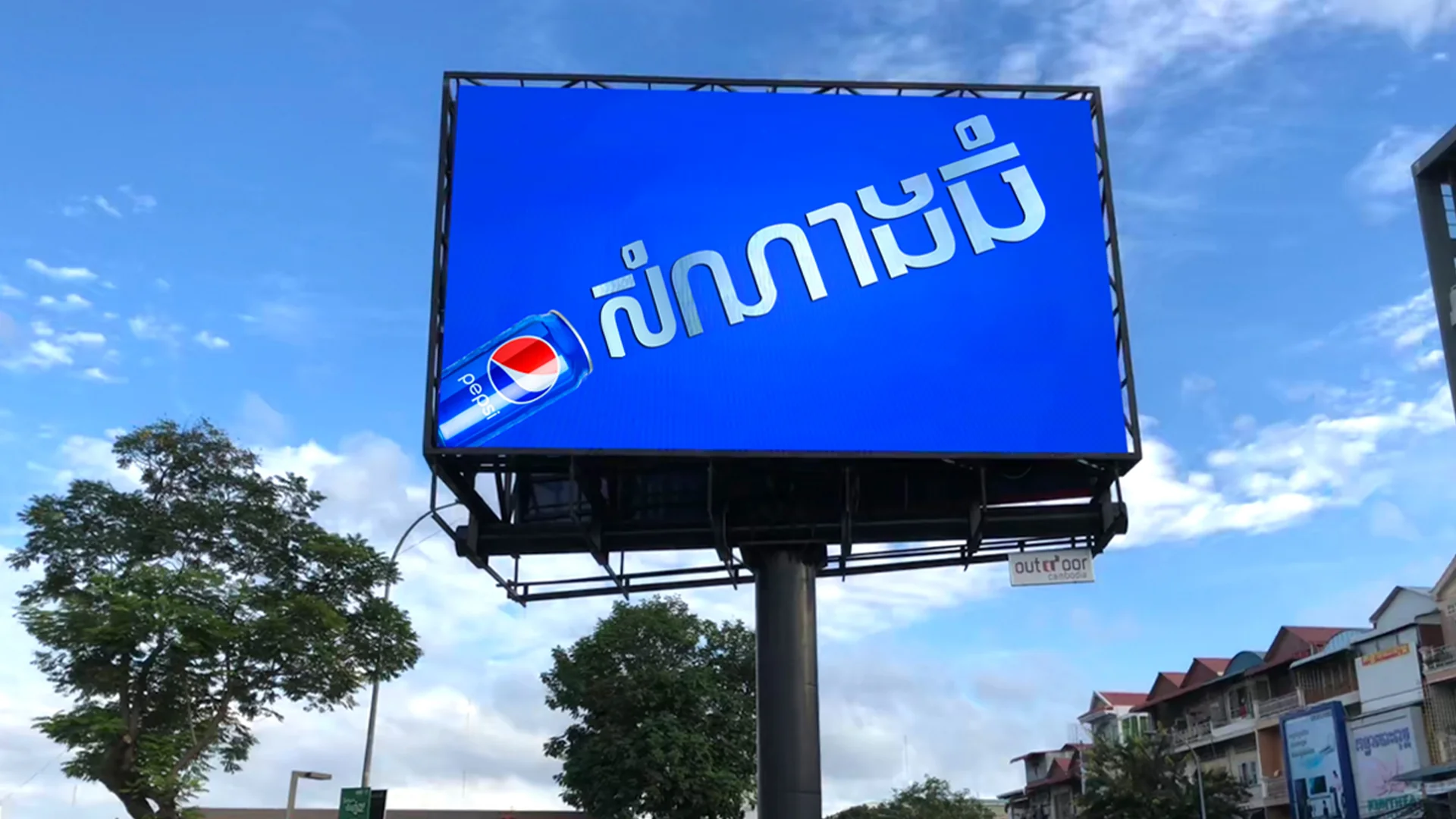
For standard flat billboards or high-mount DOOH signs, COB offers longevity and image quality. For curved, interactive, or semi-outdoor spaces with physical contact risks—such as transit shelters or building facades with pedestrian traffic—GOB provides unmatched ruggedness and design flexibility. The outdoor LED display market is not one-size-fits-all. We match technology to application: GOB for flexibility and impact resistance, COB for ultra-high density and heat management.
Choosing the Right Partner for Your Environment
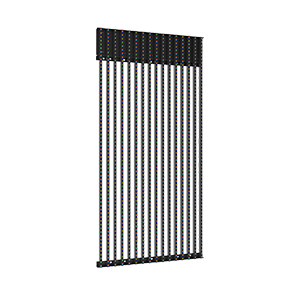
At LEDFUL, we deliver reliable outdoor LED display solution tailored to each project. Our FLEX series with GOB has proven itself in real-world curved installations, while our COB lines serve high-brightness billboards requiring years of maintenance-free operation. We help businesses maximize advertising impact, attract attention, and improve ROI. Whether you need GOB, COB, or a hybrid approach, our team builds LED display solution that meets your specific climate, viewing distance, and structural demands. Contact LEDFUL—we engineer outdoor displays that last.