
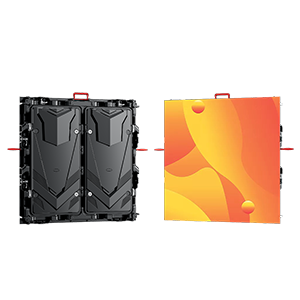
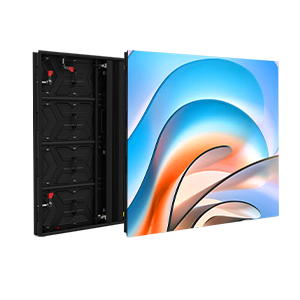

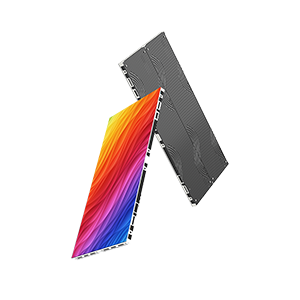

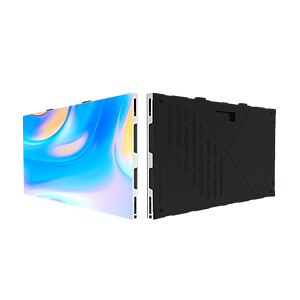


















































Selecting the right service access method for an indoor fixed LED display directly impacts installation flexibility, maintenance downtime, and long-term operating costs. Over years of deploying digital signage in corporate headquarters, retail environments, and public venues, we have learned that no single solution fits every wall. Some projects offer generous rear clearance; others demand a flush mount against concrete. Let us compare front-service and rear-service architectures so you can choose wisely for your next indoor LED display investment.

Rear-Service: Traditional but Space-Dependent
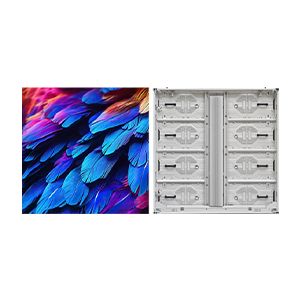
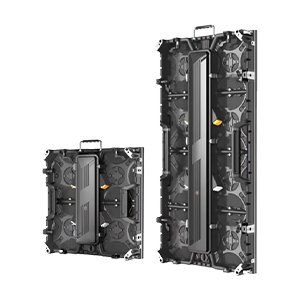
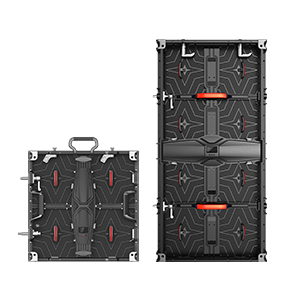
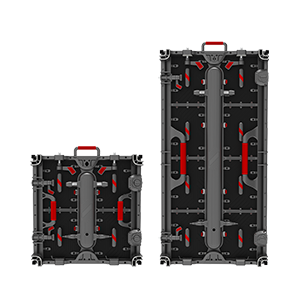
Rear-service indoor fixed LED display systems require a dedicated maintenance corridor behind the screen—typically 600 to 1000 millimeters of clear access. Technicians enter from the back to replace power supplies, receiving cards, or individual modules. For new builds with unlimited depth, this approach works reliably and keeps module costs slightly lower. However, we have witnessed budgets spiral upward when building columns, elevator shafts, or existing walls made rear corridors impossible. Worse, rear-service consumes valuable floor space that could otherwise generate revenue. If your wall sits against another room or an exterior facade, rear-service becomes a non-starter.
Our guidance: Choose rear-service only when you control the entire construction process and have verified rear clearance on site drawings.
Front-Service: Maximum Flexibility for Tight Spaces
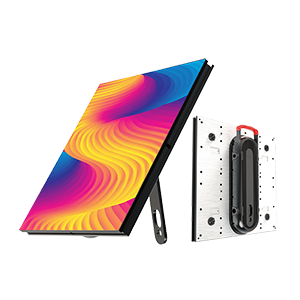
Front-service indoor LED display designs eliminate the rear corridor entirely. Technicians remove magnetic modules from the front, accessing internal components through the display face. This approach allows flush mounting against any wall, fitting into elevator lobbies, narrow hallways, or retrofit projects where structural changes are impossible. We have deployed front-service screens in historic buildings where not a single wall could be touched. The trade-off? Front-service cabinets typically require slightly more precision in module locking mechanisms—a challenge that quality engineering easily solves.
When front-service wins: Nearly every retrofit, plus any venue where square footage costs more than the display itself.
The Best of Both Worlds: Dual-Service Architecture
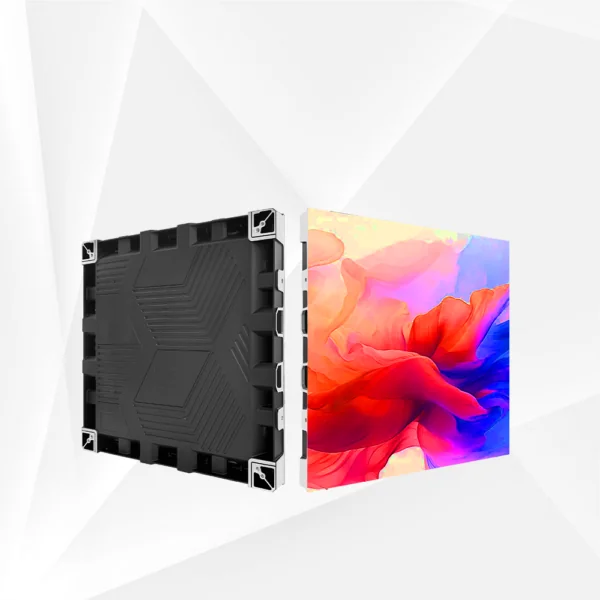
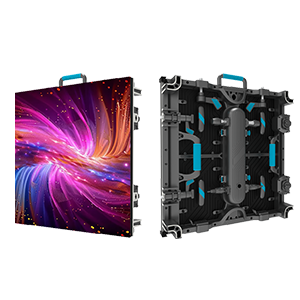
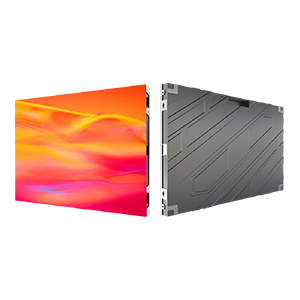
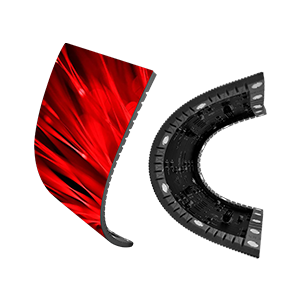
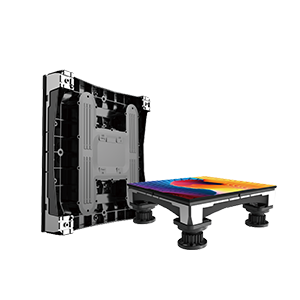
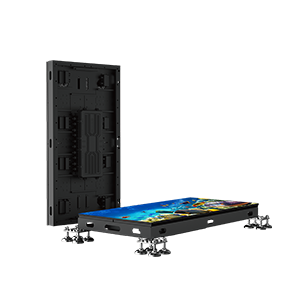
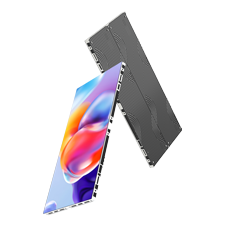
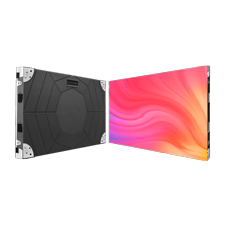
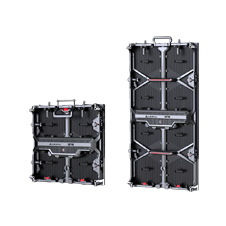
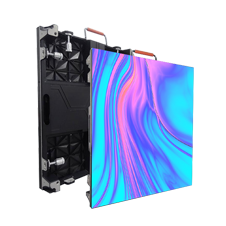
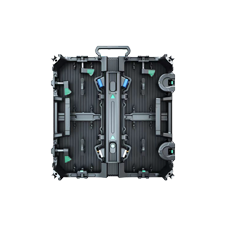
Why choose when you can have both? Advanced indoor fixed LED display designs now offer dual-service capability—front and rear access from the same cabinet. This hybrid approach gives your installation team options during deployment and your maintenance team flexibility for years to come. For example, our BM PRO Series indoor high-definition LED display features true dual-service design. Each panel can be maintained from the front in tight spaces or from the rear when a corridor exists. Die-casting aluminum construction ensures structural strength and exceptional flatness, while the all-aluminum body delivers efficient heat dissipation and a 5VB fireproof rating. This means you are never locked into a single service strategy.
Making the Smart Choice for Your Installation
Deploying an indoor LED display is a long-term commitment. Do not let a short-sighted service access decision create years of maintenance headaches. At LEDFUL, we engineer every indoor fixed LED display with real-world installation constraints in mind. Our BM PRO Series combines full front service, dual-service flexibility, die-casting aluminum profile, and superior heat dissipation into one reliable package. As a trusted LED display manufacturer in China, we help corporate clients, integrators, and venue owners avoid costly mistakes by matching the right service architecture to each unique wall. Partner with us—and install with confidence, whether you have one meter of rear space or none at all.