

















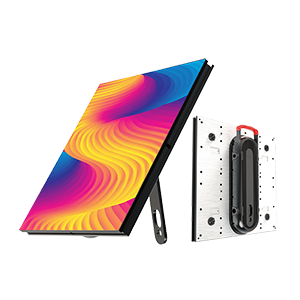
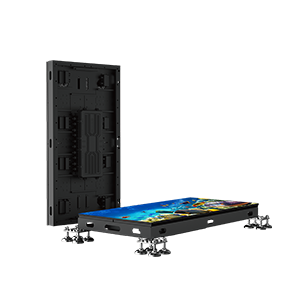

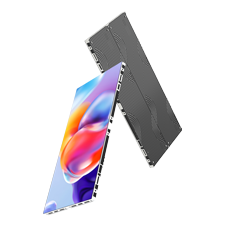












When specifying high-resolution indoor displays for mission-critical environments like control rooms, broadcast studios, or executive conference centers, the internal architecture matters as much as the external image quality. Two dominant technologies compete in the ultra-high-definition space: traditional wire-bonding and advanced flip-chip chip on board LED display designs. Both fall under the broader COB LED display category, but their manufacturing differences create significant gaps in reliability, viewing angles, and long-term stability. Over years of supplying premium visual solutions, we have tested both approaches extensively. Let us share what we have learned about choosing the right internal structure for your most demanding applications.

Why Wire-Bonding Creates Hidden Vulnerabilities
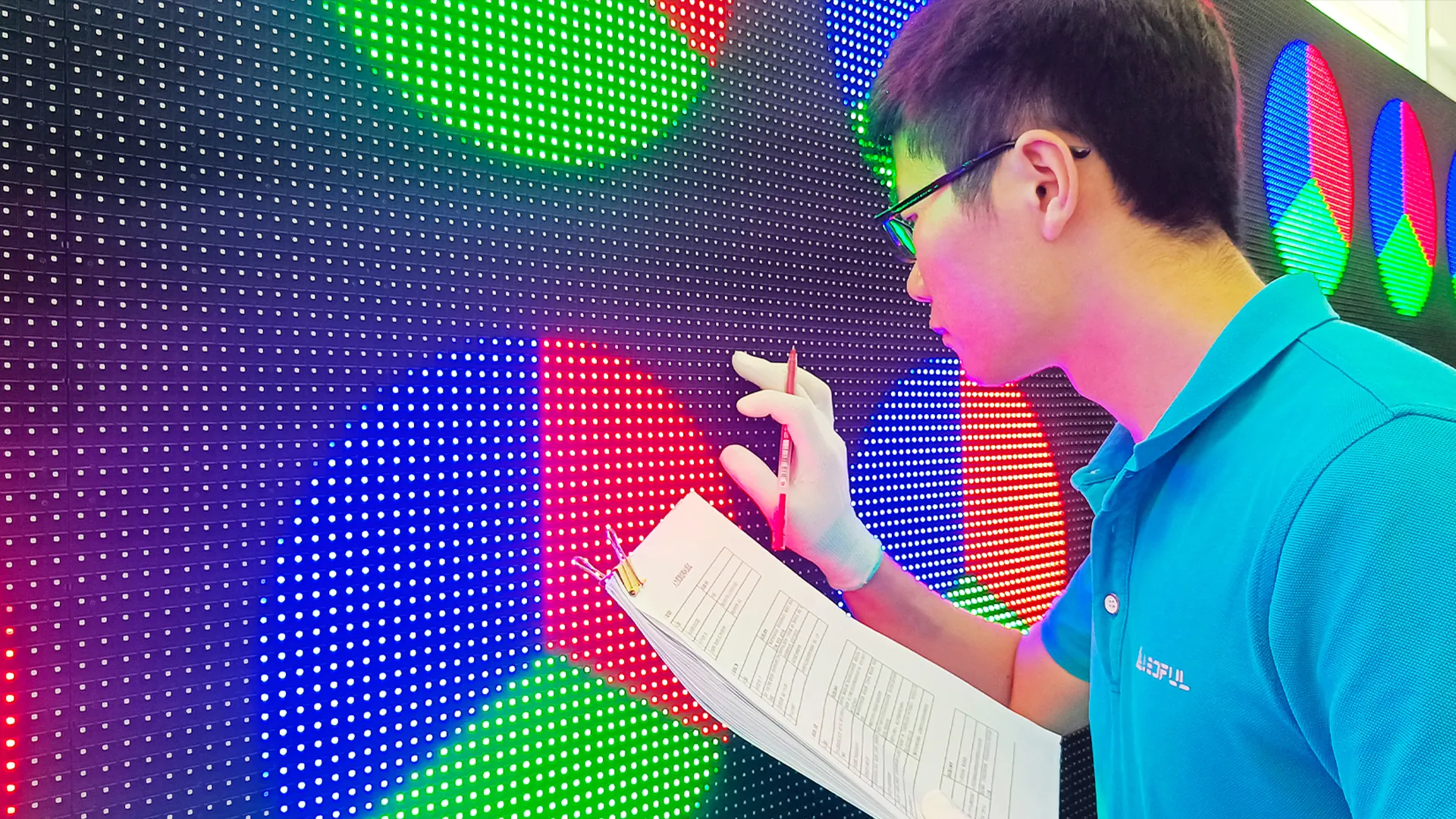
Conventional chip on board LED display manufacturing relies on fine gold or aluminum wires to connect each LED chip to the circuit board. These wires, thinner than a human hair, represent the weakest mechanical link in the entire system. Vibration during transport, thermal expansion from repeated heating and cooling, or even incidental contact during cleaning can fracture these delicate connections. When a wire breaks, you get dead pixels or entire failed clusters. For a COB LED display installed in a 24/7 control room or live broadcast studio, this reliability gap translates directly into costly downtime and visible defects on camera. Wire-bonding remains functional for less demanding applications, but mission-critical environments demand a more robust solution.
Flip-Chip Technology: Eliminating the Weakest Link
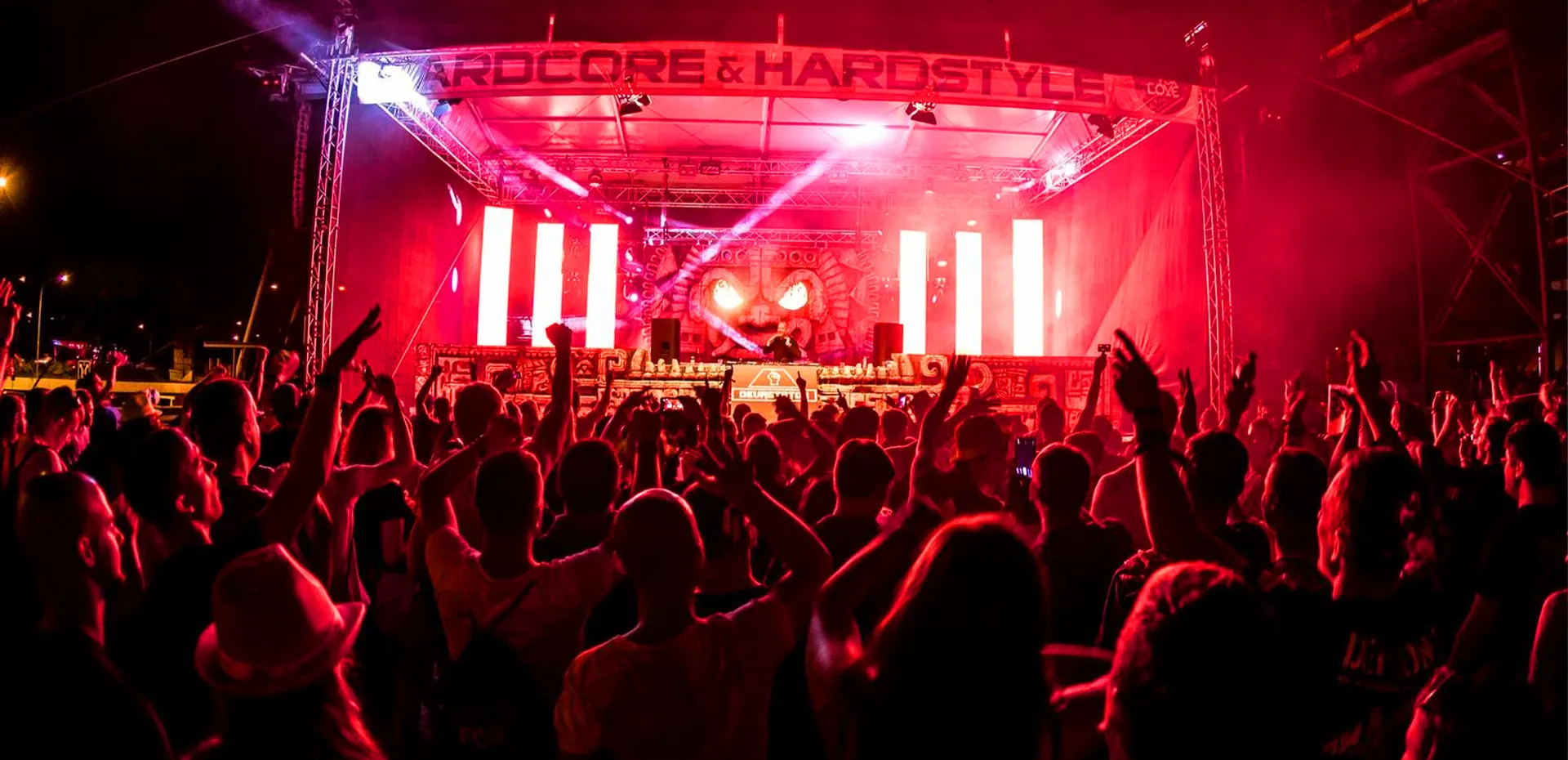
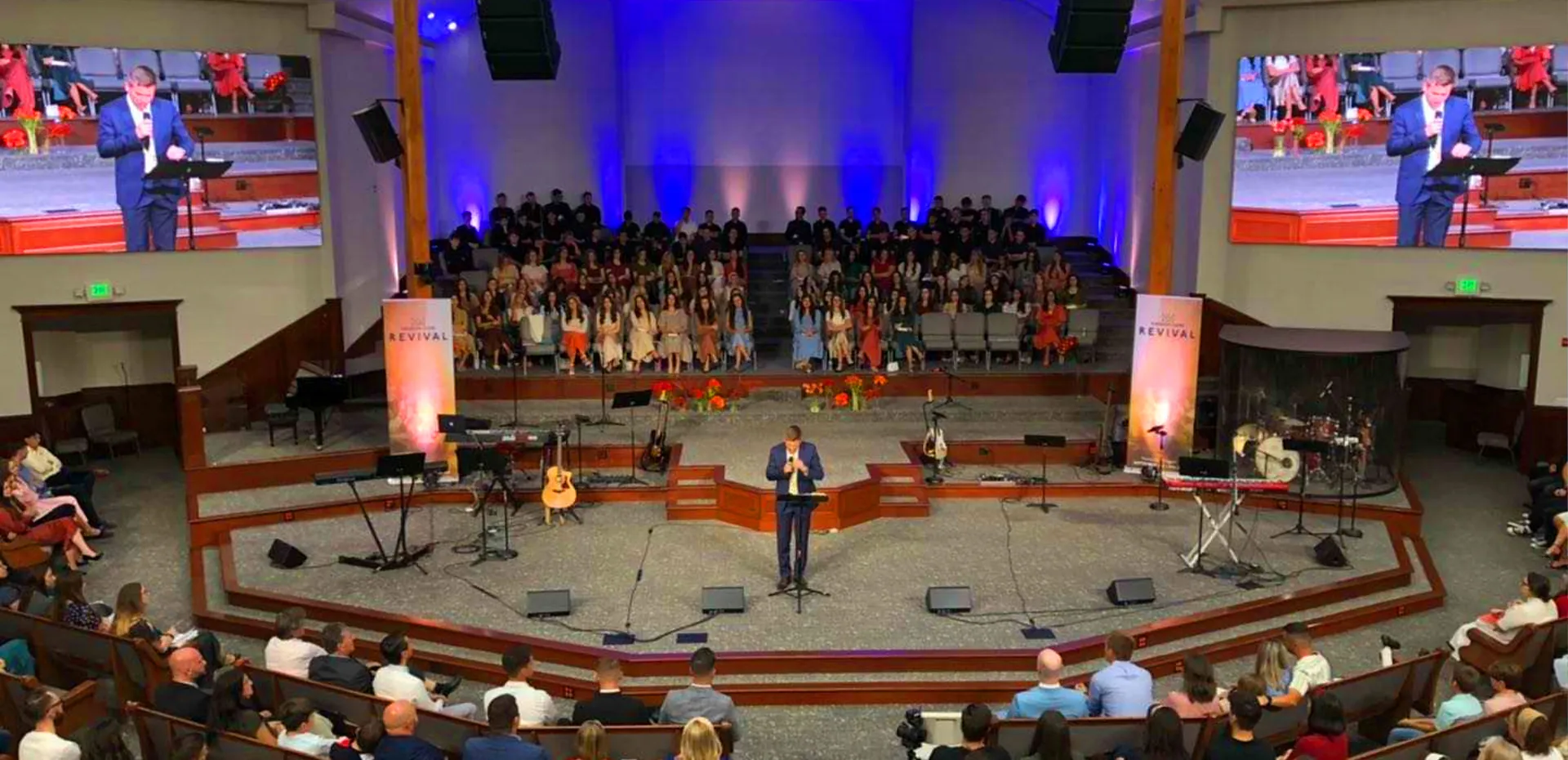
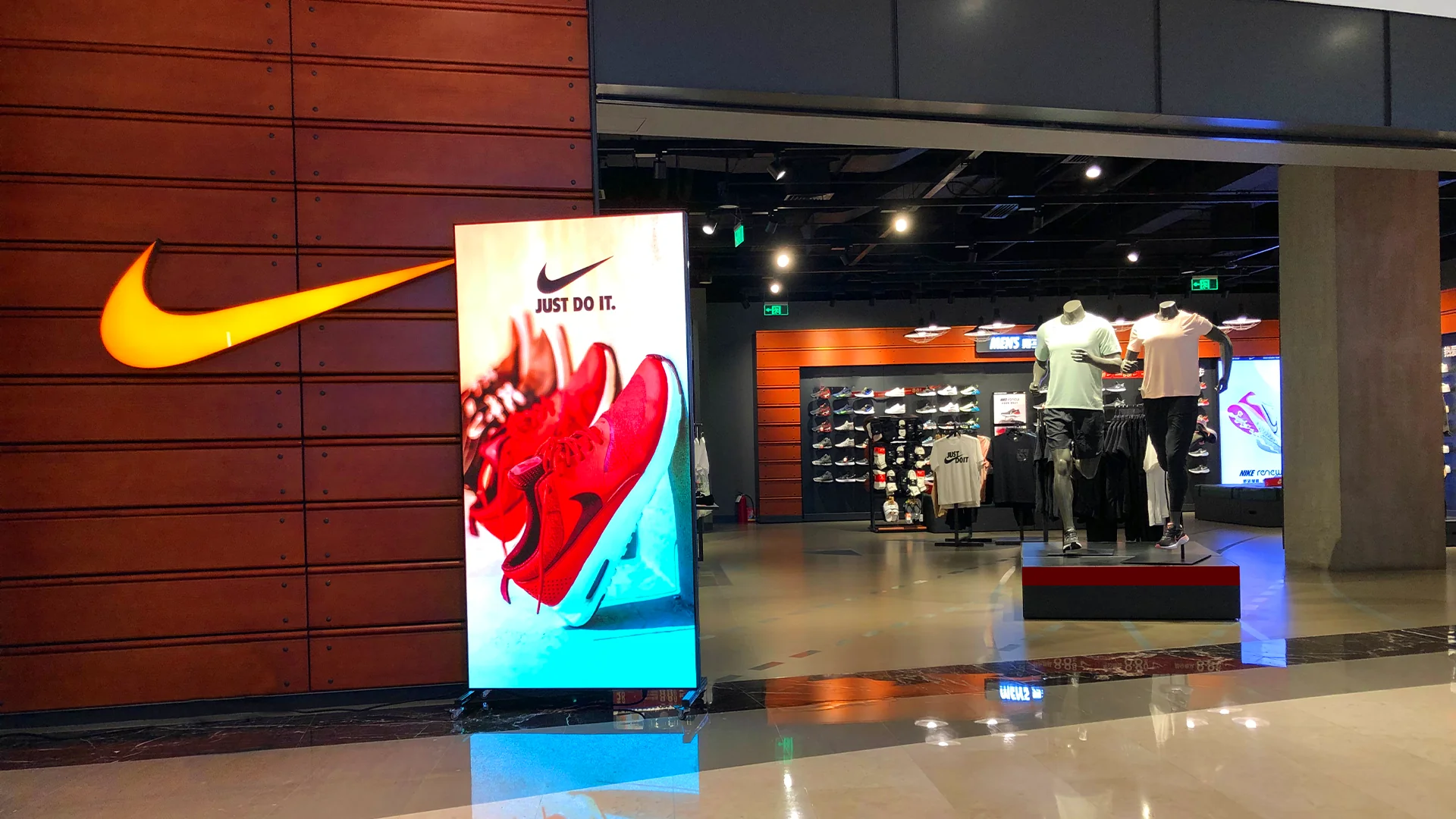
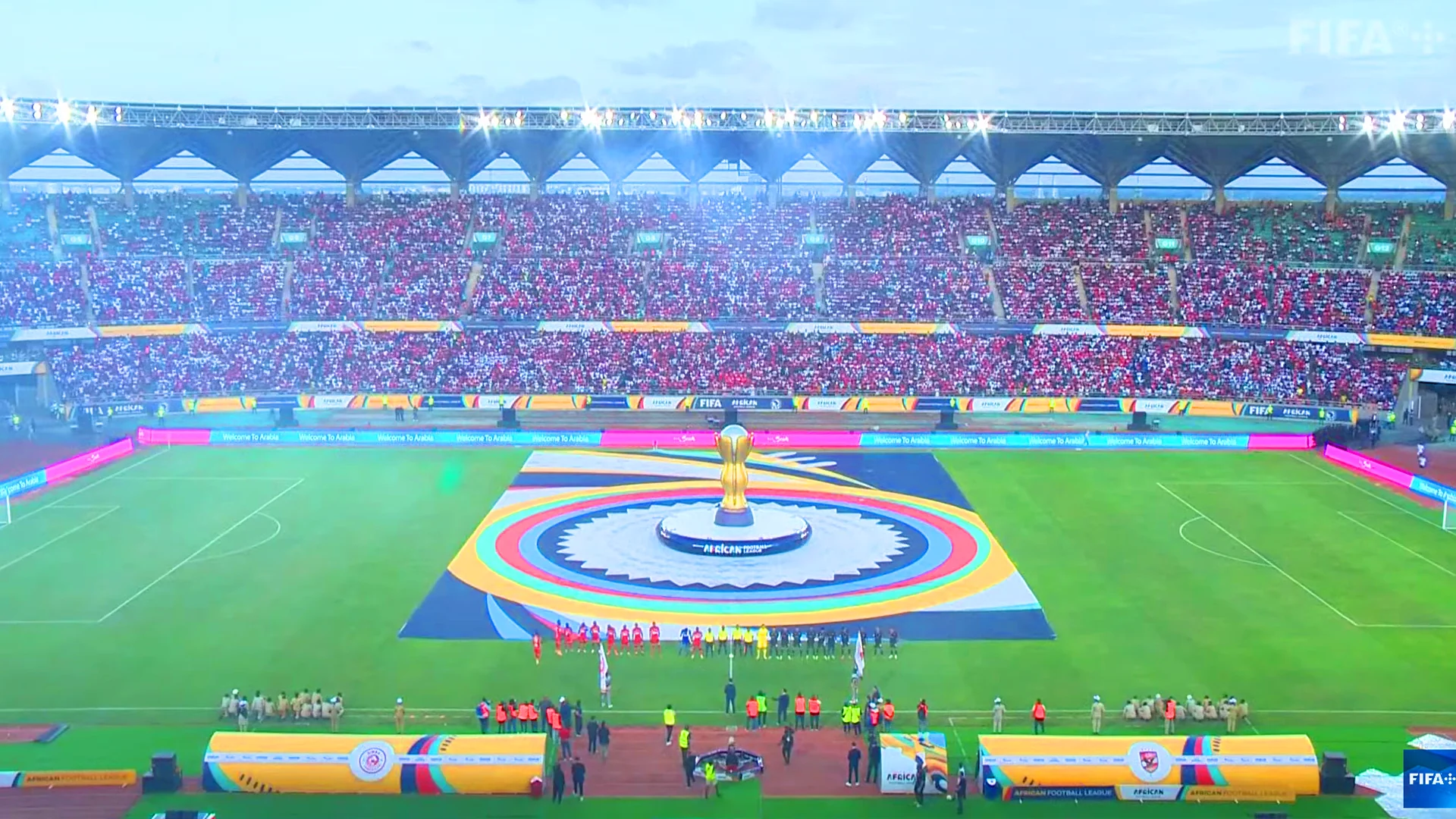
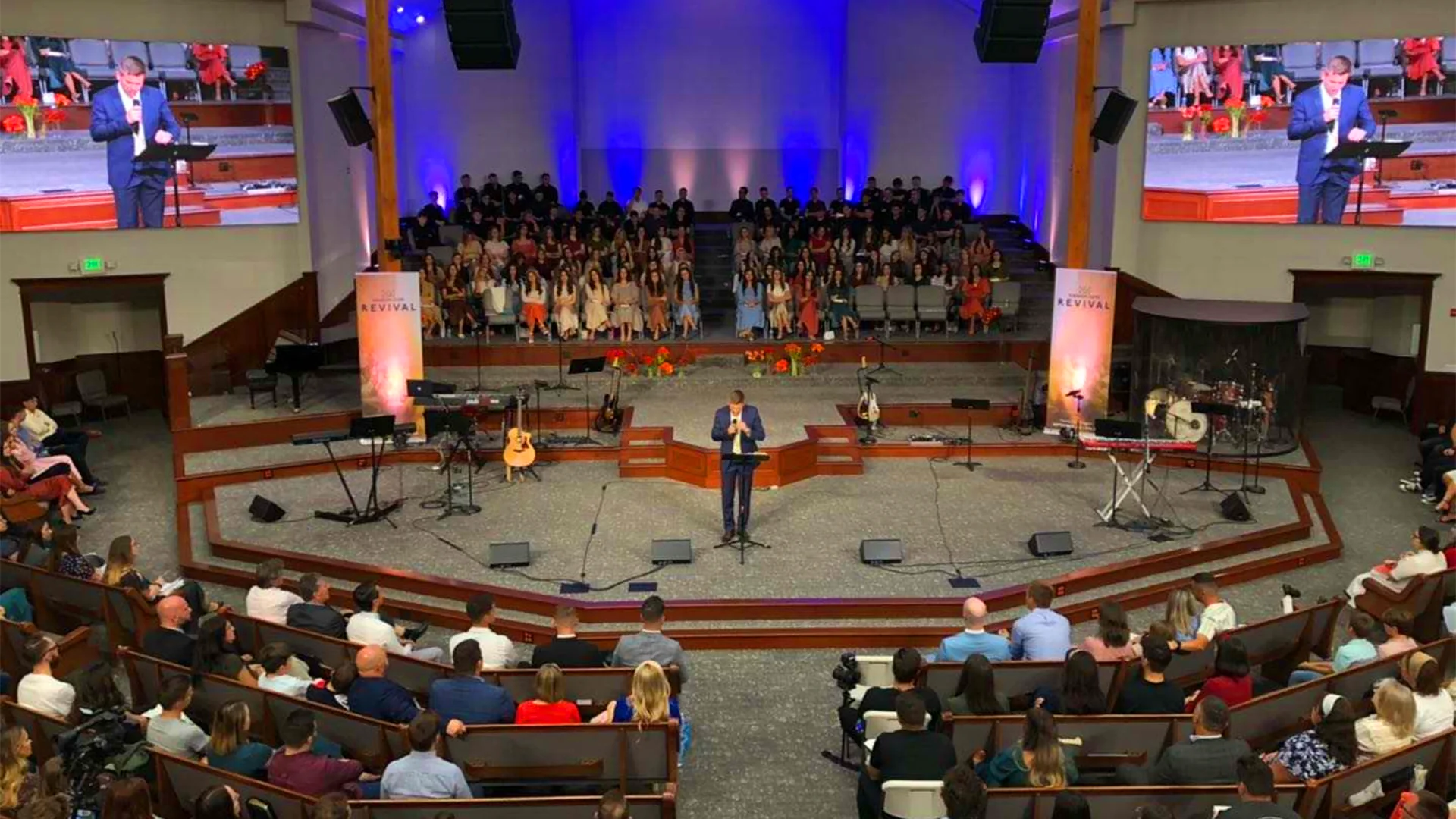
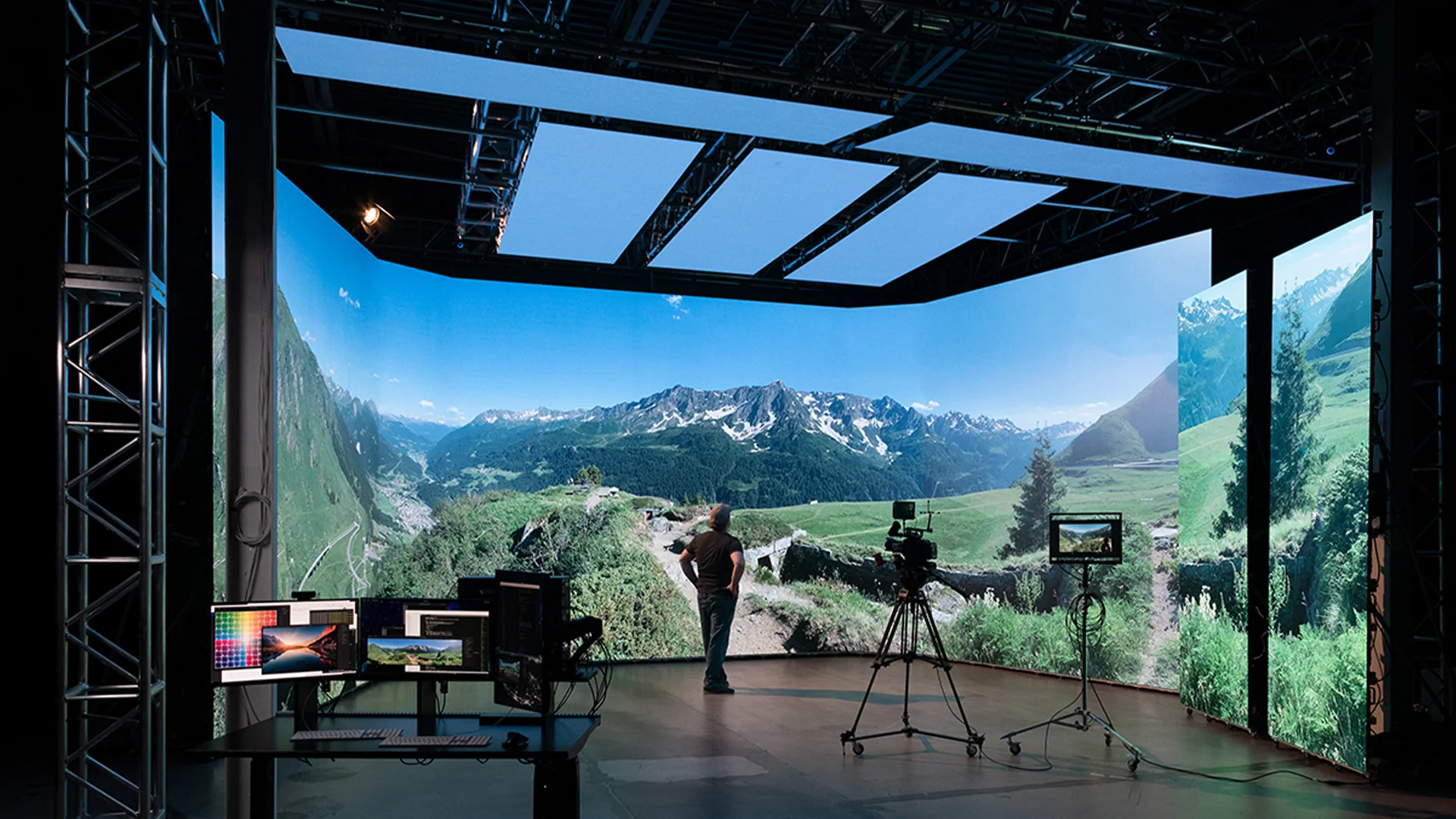
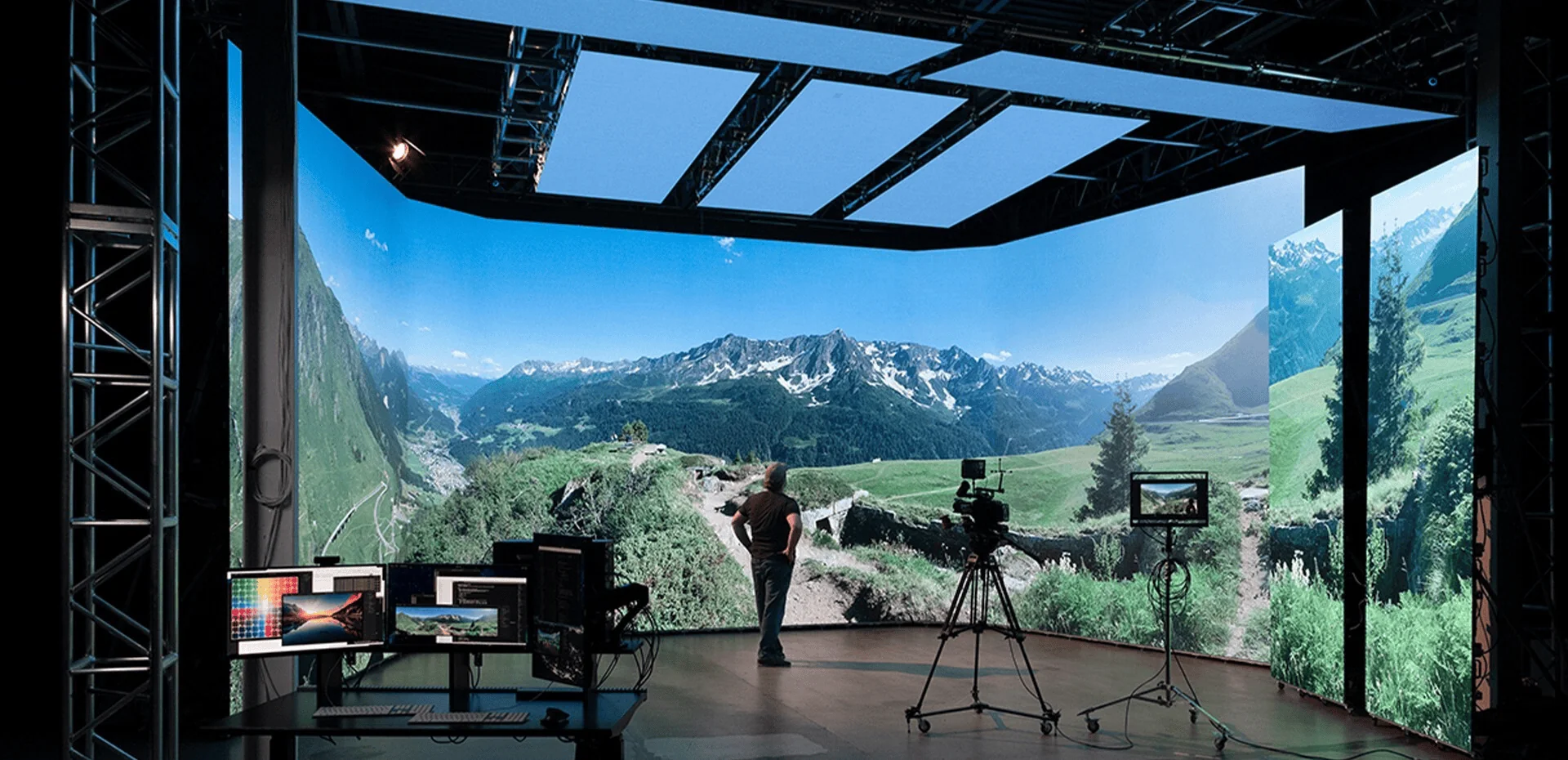
Flip-chip chip on board LED display architecture removes bonding wires entirely. LED chips mount directly onto the PCB using solder bumps, then get sealed with epoxy resin. Without wires to break, the primary failure mode disappears. This structural advantage makes flip-chip COB LED display solutions dramatically more stable under temperature fluctuations, mechanical shock, and prolonged operation. Furthermore, wire removal allows LED chips to sit closer to the surface, improving light extraction efficiency and widening viewing angles. For applications like theater backdrops, studio displays, or church sanctuary screens where viewers sit at various angles, the wider cone of consistent color and brightness transforms the audience experience.
Practical Benefits for High-Stakes Installations
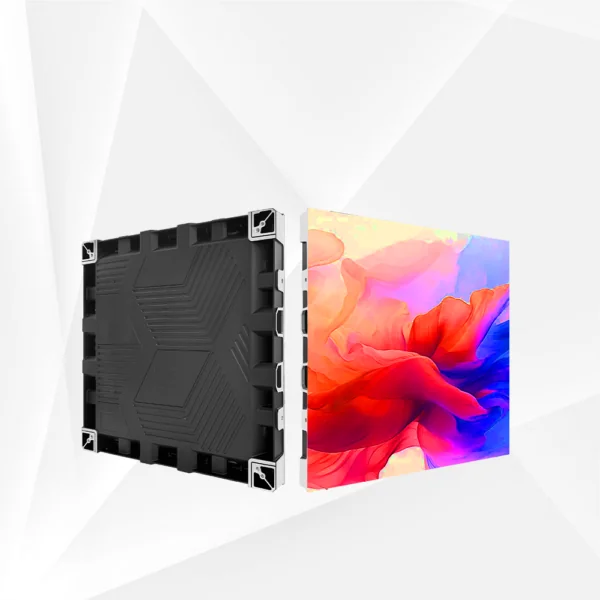
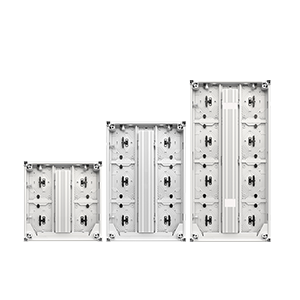
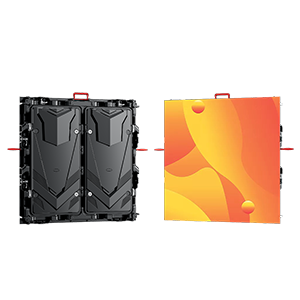
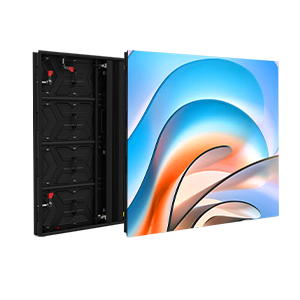
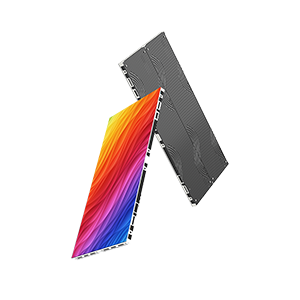
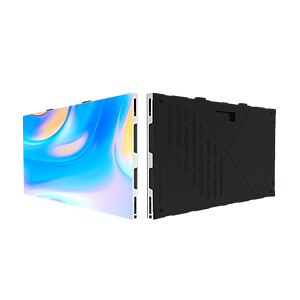
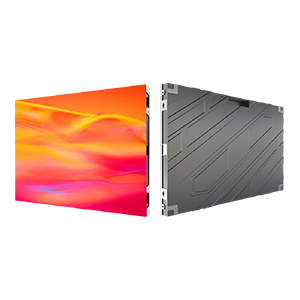
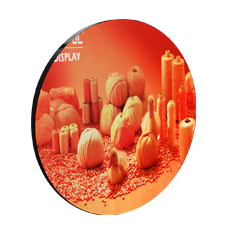
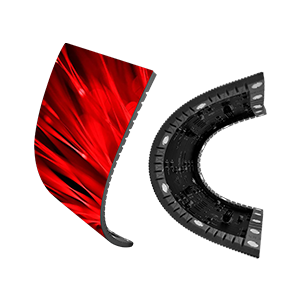
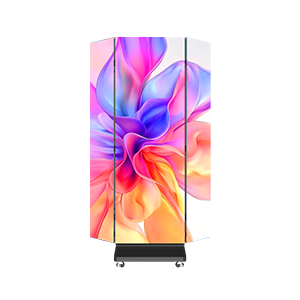
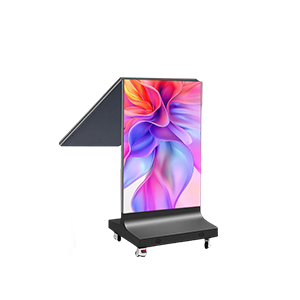
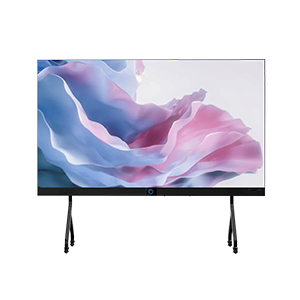
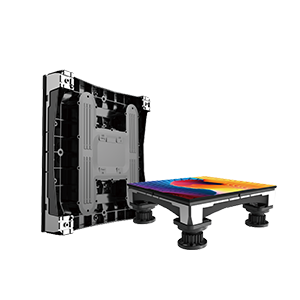
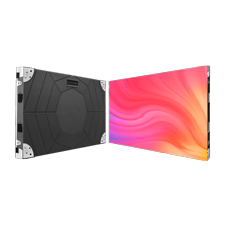
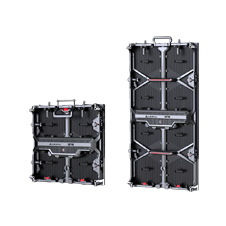
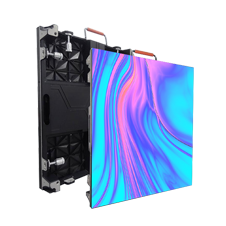
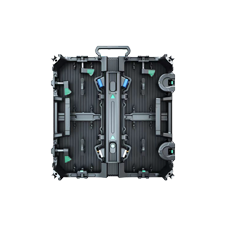
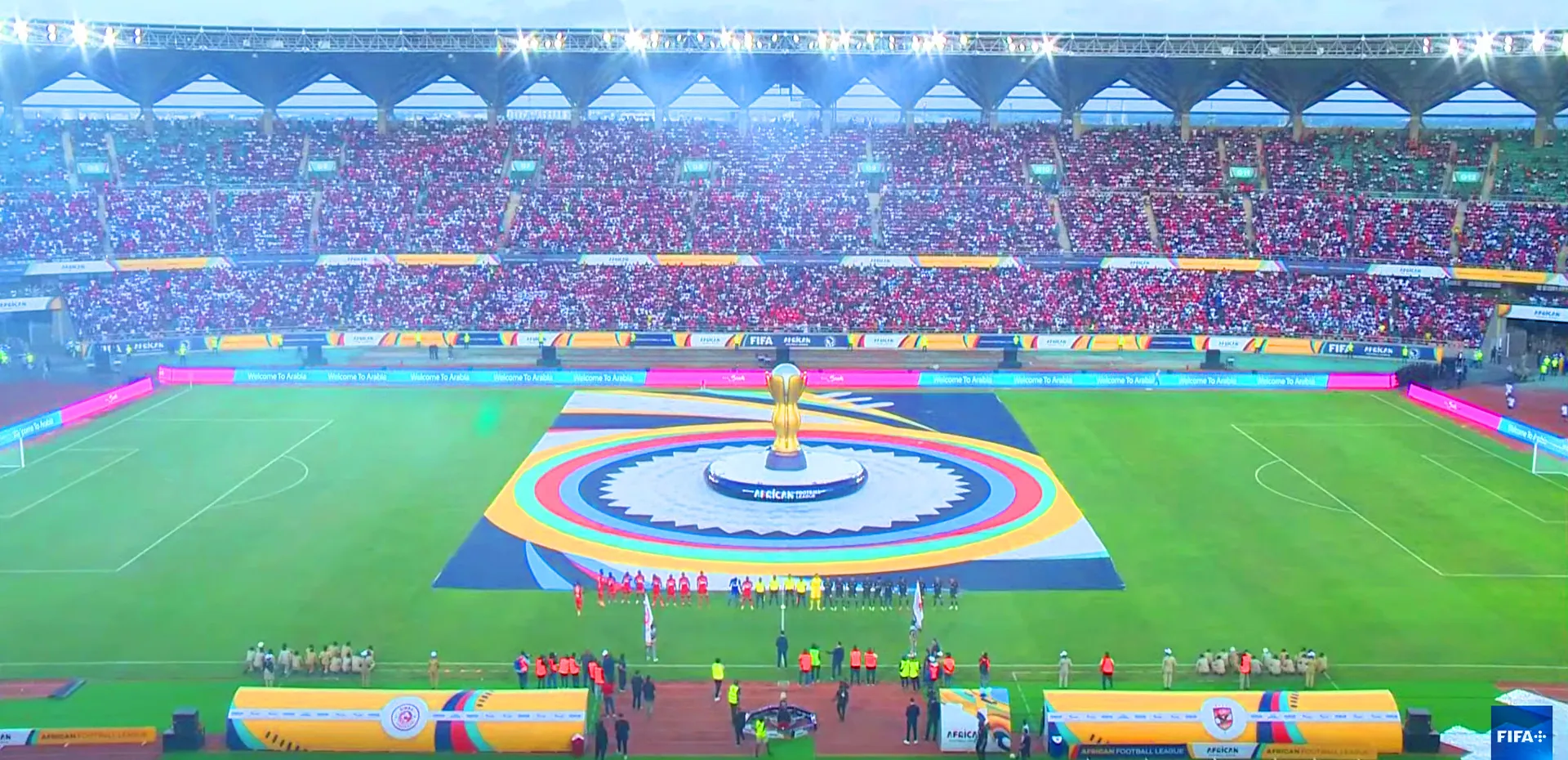
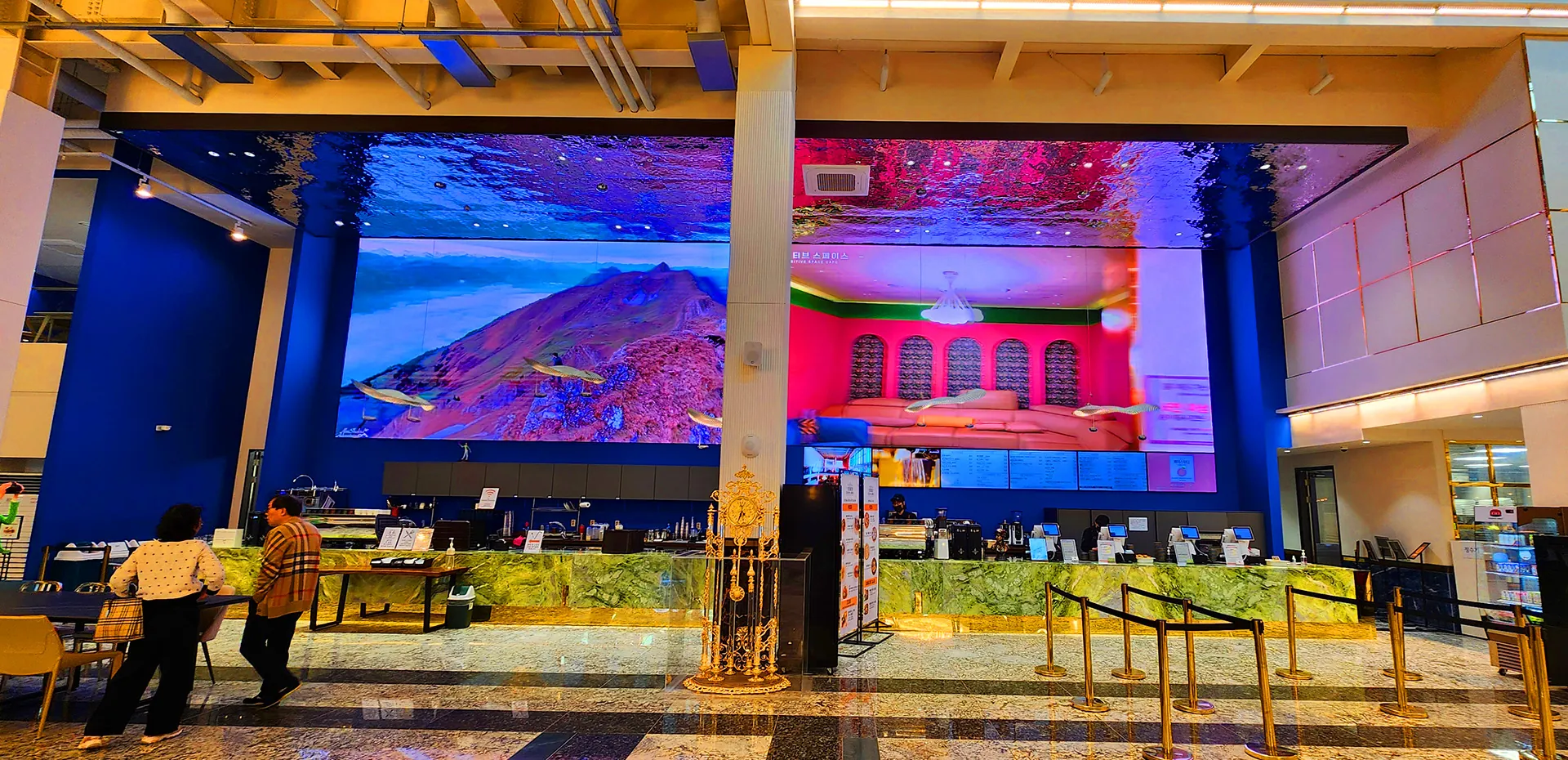
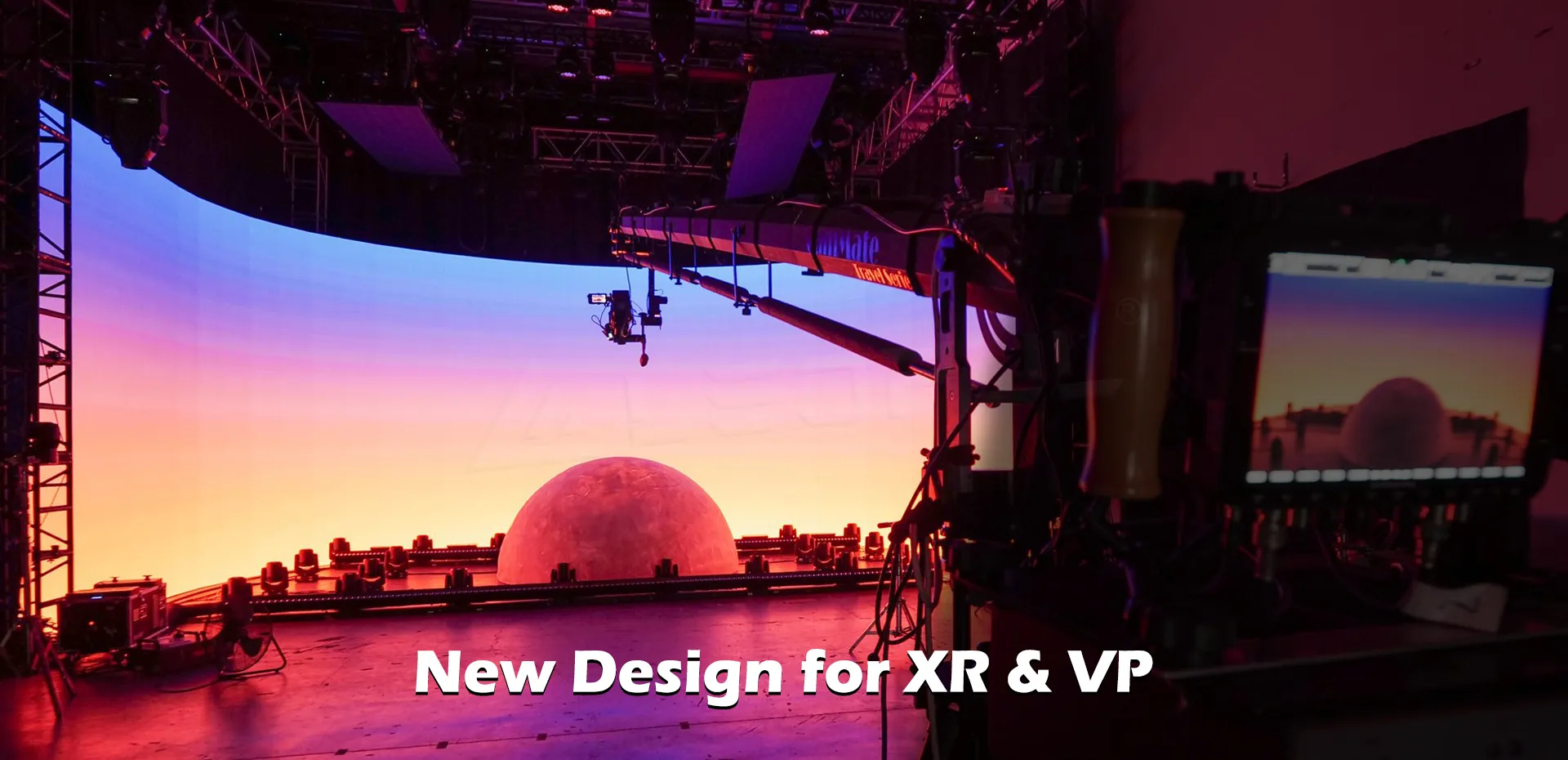
Our COB Series (600×337.5mm) leverages flip-chip chip on board LED display construction to deliver measurable operational advantages. The ultra-slim, lightweight design supports wall-mounted, hanging, or floor-standing installations without structural reinforcement. The 16:9 gold aspect ratio matches standard video content natively, achieving display quality comparable to premium televisions but at dramatically larger scales. Cable-free interior routing further reduces connection failure points, simplifying installation and maintenance. For control rooms monitoring critical infrastructure, broadcast studios where every pixel appears on camera, or corporate conference centers hosting high-stakes presentations, flip-chip COB LED display technology provides peace of mind that wire-bonding cannot match.
Building Reliability from the Chip Up
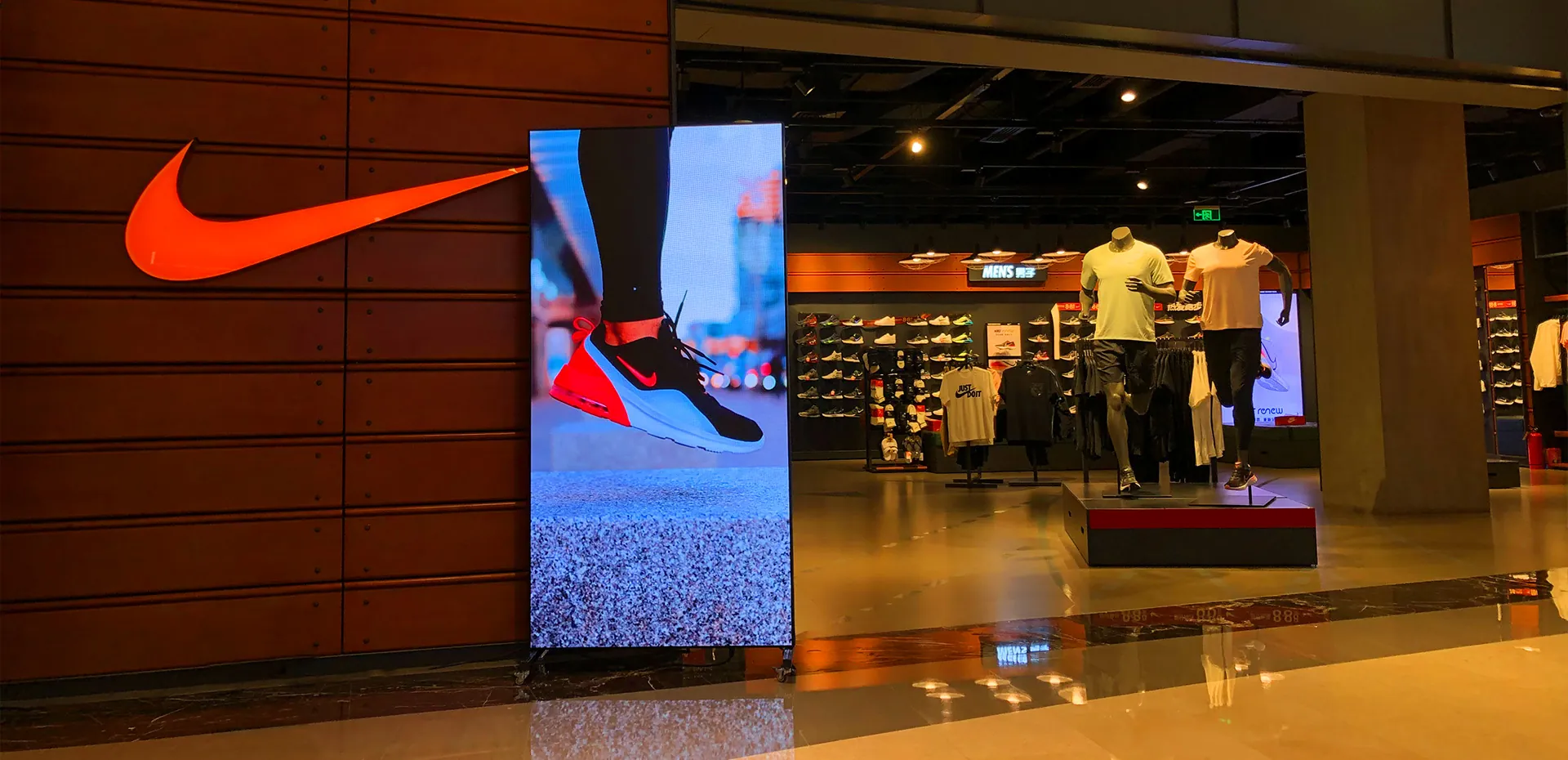
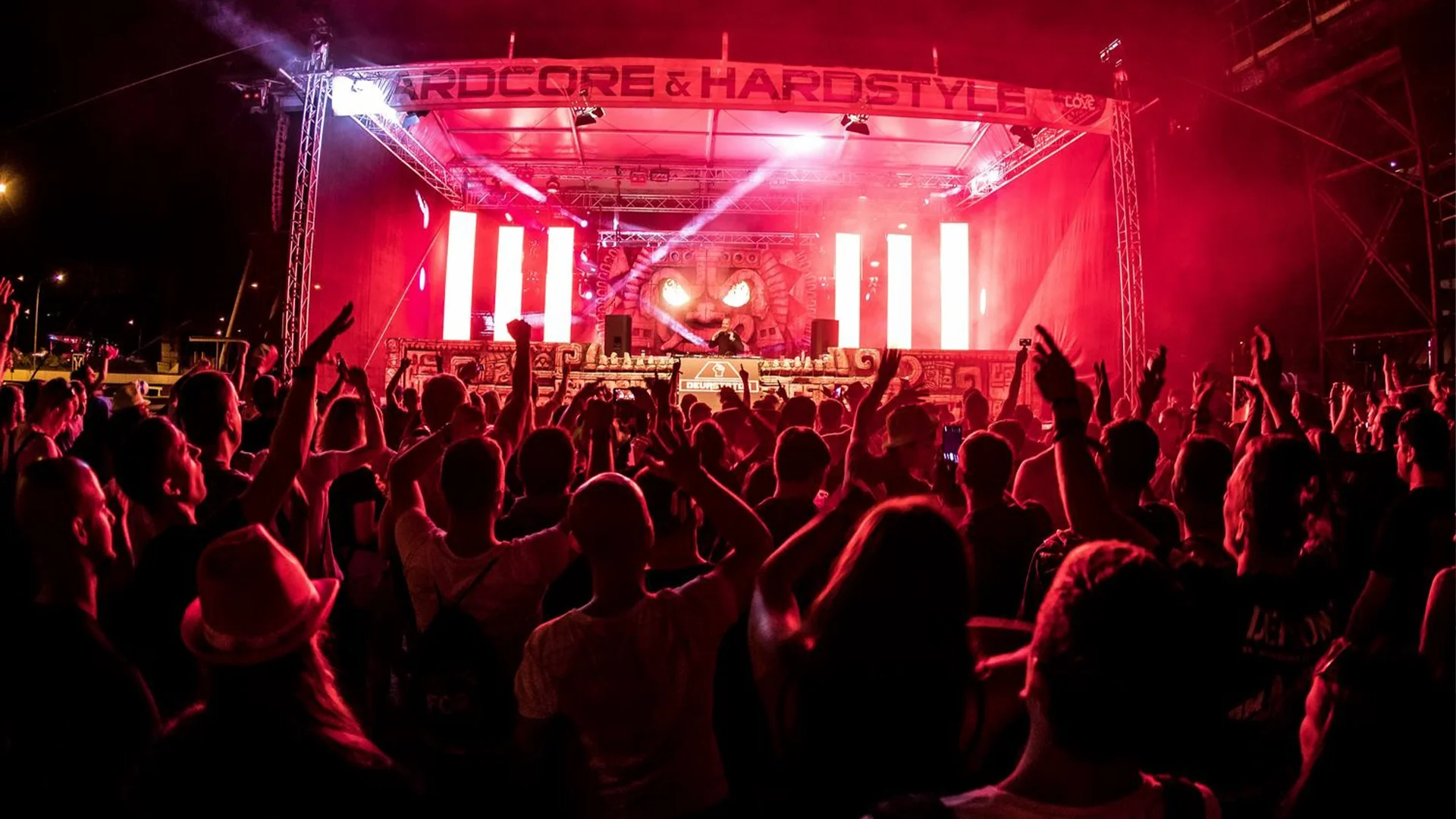
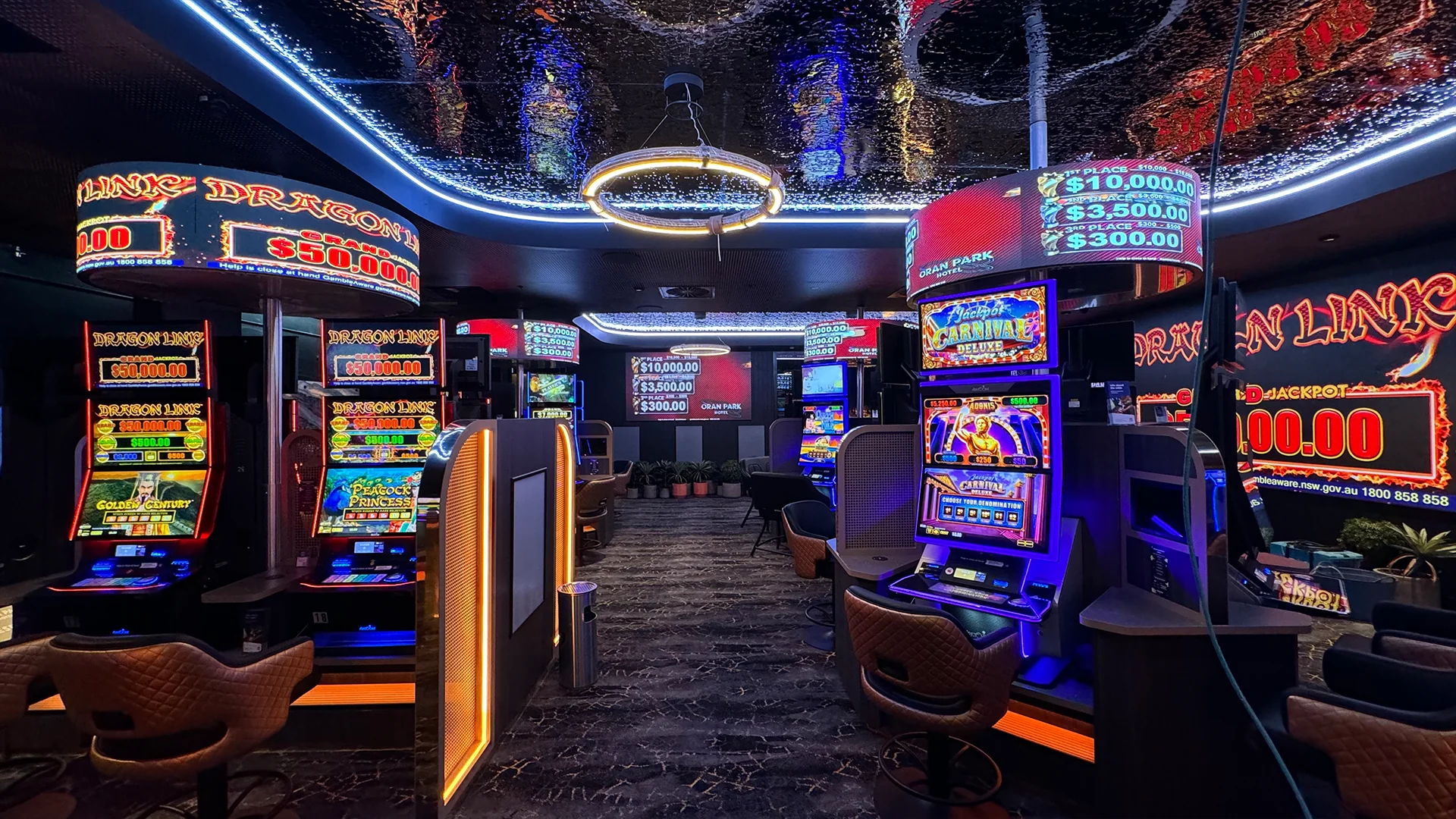
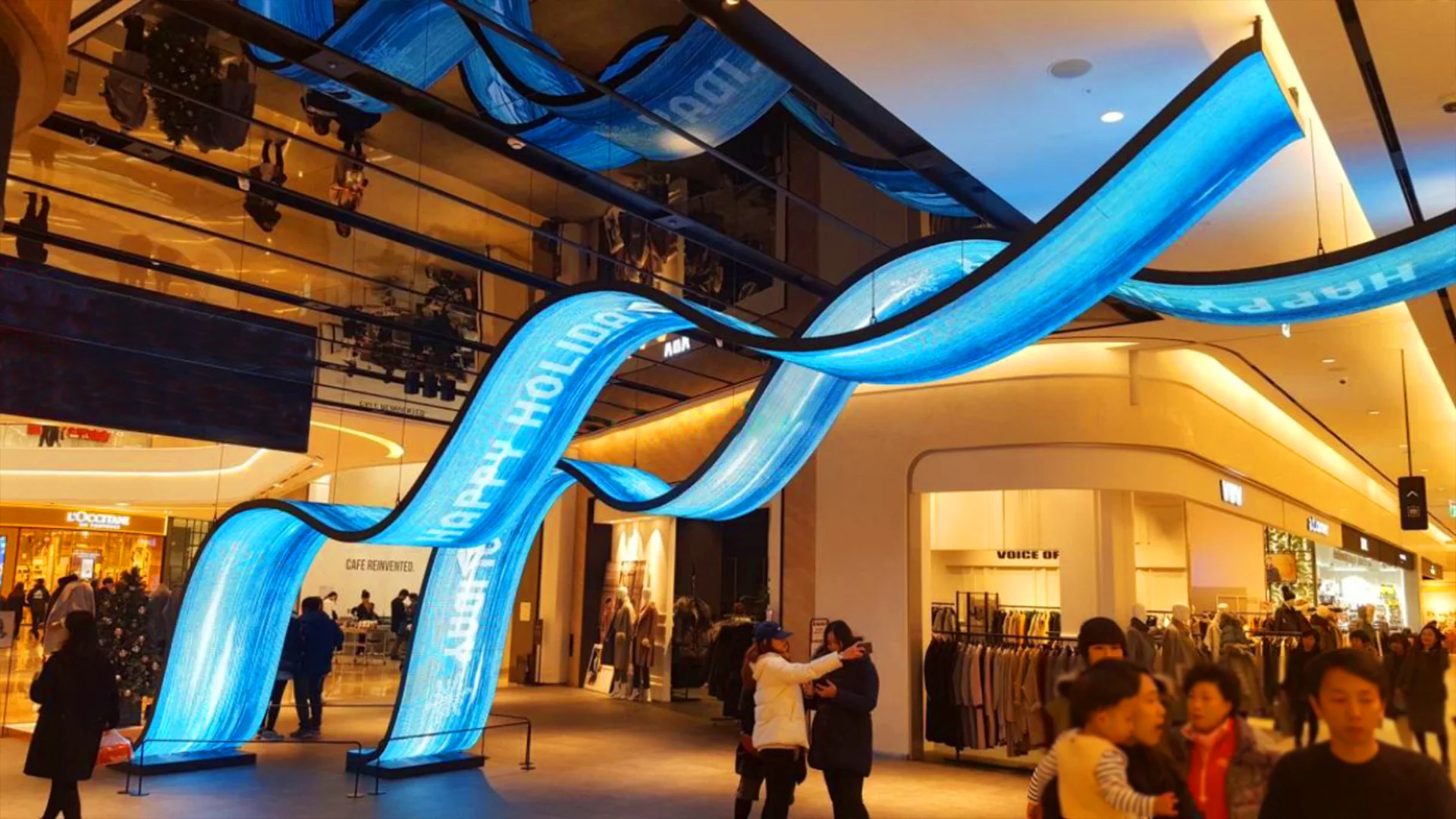
Wire-bonding serves a purpose at lower price points, but when failure is not an option, flip-chip architecture delivers superior stability, wider viewing angles, and longer operational life. At LEDFUL, our COB Series flip-chip chip on board LED display solutions combine ultra-high definition (2K/4K/8K available), cable-free installation, and multiple mounting methods for control rooms, theaters, studios, conference centers, shopping venues, and churches. As a trusted manufacturer, we build every COB LED display to eliminate weak links—so your content stays flawless, shift after shift. Choose the architecture that matches your reliability requirements, not just your budget.