






























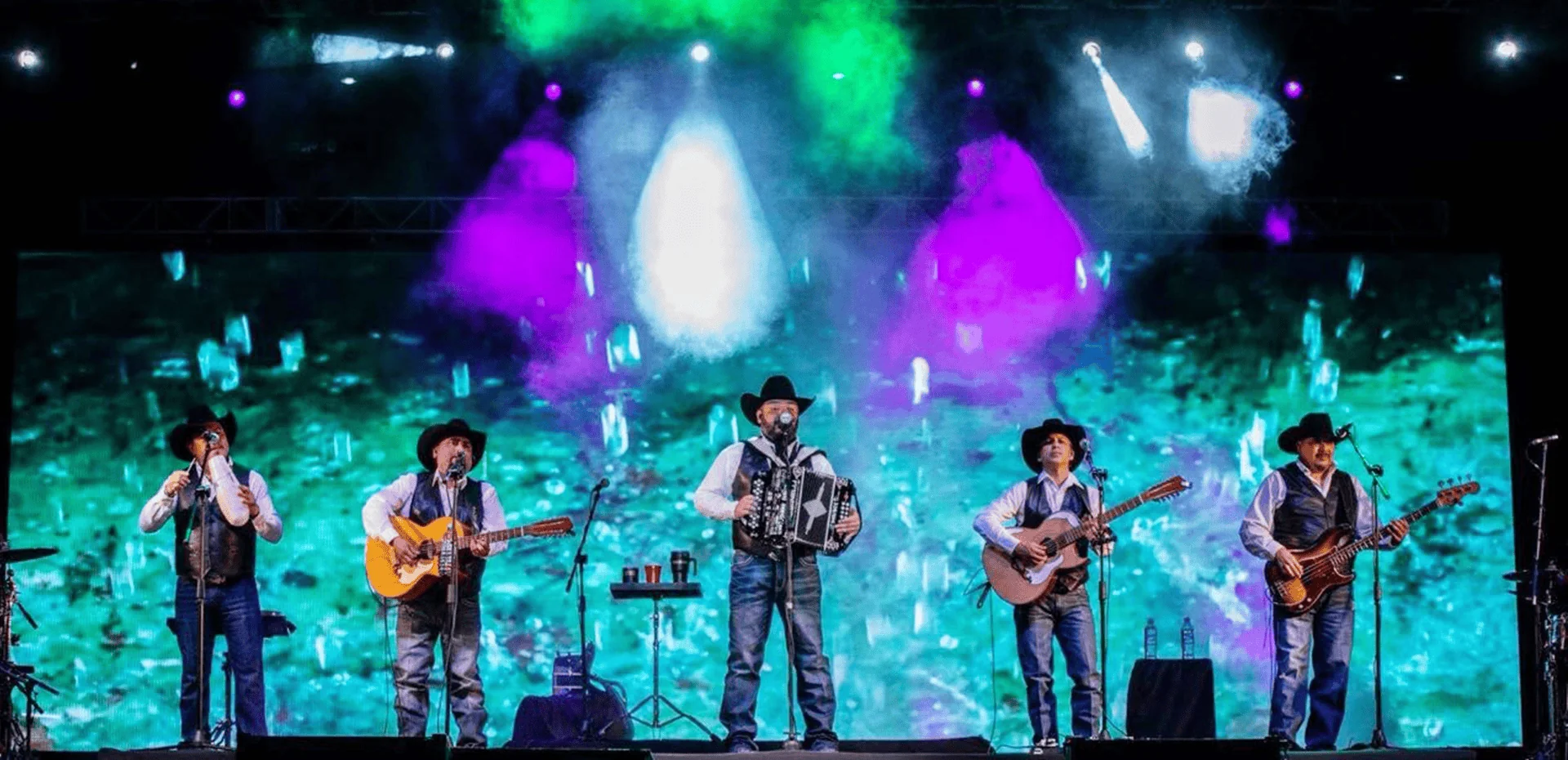
Why can a stage LED floor screen withstand a high distributed load yet remain vulnerable to concentrated or dynamic loads from performers? This mechanical paradox destroys high-budget event productions worldwide. Event organizers constantly misread technical specification sheets, assuming that high gross weight limits guarantee universal safety across all live event scenarios.
This fundamental misunderstanding frequently leads to catastrophic mid-show blackouts and ruined performances.
Evaluating the true resilience of a stage LED floor screen requires abandoning standard, surface-level weight calculations. Securing your performance hardware demands a deep, technical dive into the microscopic physics of pressure distribution. Let us unravel the counter-intuitive science dictating structural survival under extreme, unpredictable live performance conditions.
The Illusion of Uniform Load Metrics
Procurement documents often highlight an impressive uniform distributed load capacity. A specification sheet may list a high uniform distributed load capacity, but this figure alone does not describe how the screen responds to concentrated or dynamic loads.
This mathematical number creates a dangerous false sense of security for purchasing decisions.
Uniform capacity measures flat pressure spread equally across every inch of the cabinet. When an automobile parks on a digital stage, its rubber tires distribute the vehicle’s gravity across a vast surface area. The underlying metal chassis handles this dispersed, balanced burden effortlessly without bending or stressing the delicate electronic components inside. However, standard human interaction does not operate within these reliable laboratory parameters.
The Devastating Physics of Point Pressure
Live events rarely apply uniform pressure. Instead, they constantly introduce concentrated point loads, which act as architectural armor-piercing rounds against your digital infrastructure.
Consider a stage performer wearing rigid stiletto heels. The dancer’s entire body weight funnels down into a steel tip measuring less than a single square centimeter.
When that heel strikes the LED floor screen, the same body weight can produce a substantially higher localized pressure than a distributed vehicle load because the contact area is much smaller. This focused strike bypasses general weight distribution metrics. It attacks the weakest micro-points of the display module, threatening immediate hardware failure.
Material Defense Mechanisms and Masking
If the polycarbonate protective mask lacks adequate internal ribbing, the plastic surface simply flexes inward under this intense point pressure.
This immediate microscopic depression physically crushes the fragile semiconductor diodes soldered underneath. This mechanical failure causes an instant, localized blackout right in the middle of a live broadcast.
Preventing this requires utilizing advanced, impact-resistant polymer blends for the surface masks. These specialized plastics should maintain rigorous structural rigidity while simultaneously offering anti-slip textures to protect the performing artists from dangerous falls during complex choreography. Balancing safety with optical transparency is a manufacturing challenge.
Thermal Weakening and Environmental Stress
Environmental factors invisibly degrade structural limits over time. A venue’s ambient temperature alters the physical properties of the protective polymer masks during prolonged periods.
Intense stage lighting generates amounts of thermal energy. As the plastic surface absorbs this heat throughout a multi-hour performance, the rigid polymers naturally soften.
A display surface that easily repelled a heavy camera dolly during morning rehearsals might suddenly buckle under the exact same weight during the evening finale. Engineers should calculate thermal softening curves when establishing safe operational load limits for touring productions. Failing to account for the venue climate can cause rapid mechanical breakdown during extended summer music festivals.
Kinetic Multipliers During Live Performances
Static weight represents only the baseline structural stress. Theatrical environments introduce severe, unpredictable kinetic energy.
During a jump or drop, the performer gains kinetic energy, producing a transient impact force that can be significantly higher than their static body weight. A performer landing from a jump can generate a substantially higher transient force than their static body weight. The actual impact load depends on factors such as landing speed, fall height, contact time, and surface compliance.
Your digital infrastructure should absorb and immediately disperse this sudden kinetic shockwave. It cannot simply hold resting weight; it should actively resist dynamic, kinetic violence to survive a global tour.
Internal Chassis Engineering and Force Dissipation
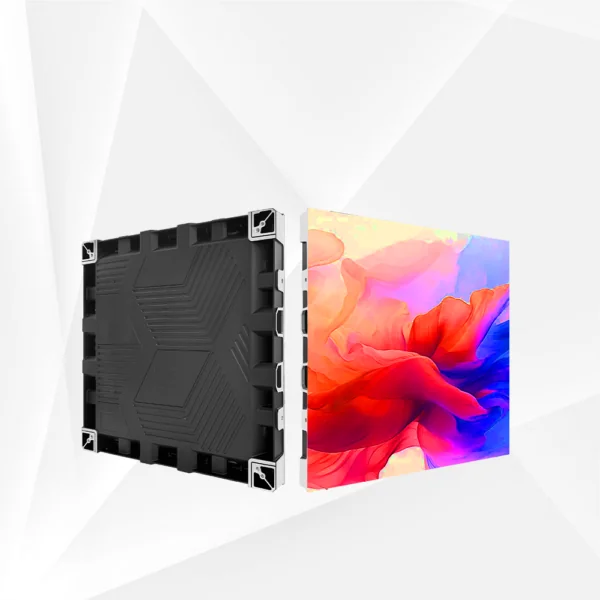
Surviving these kinetic strikes requires looking beneath the plastic surface mask. The true load-bearing hero is the underlying metallic skeleton hidden from the audience.
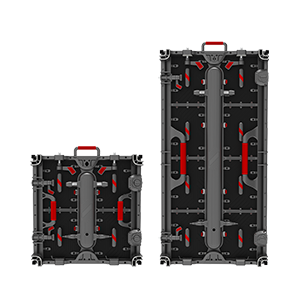
Premium visual platforms utilize heavily reinforced, die-cast aluminum chassis rather than standard hollow iron frames.
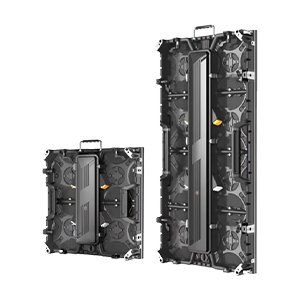
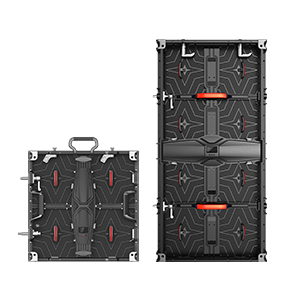
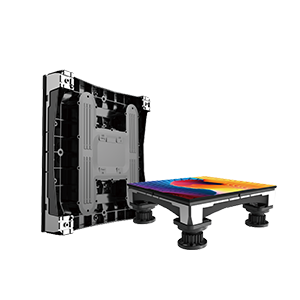
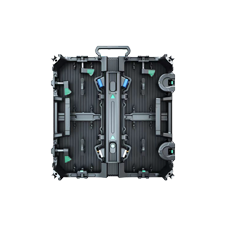
These advanced metallic structures feature intricate, grid-like internal support ribs. These internal support ribs sit beneath the display modules and help distribute loads across the cabinet structure.
When a heavy flight case rolls over the surface, these rigid aluminum pillars intercept the kinetic shock. They transfer the destructive energy away from the sensitive printed circuit boards, safely pushing it down into the solid venue ground.
Delivering the Core Answer: Testing and Sourcing
How do you ensure that your visual infrastructure survives this physical punishment? The answer lies in demanding rigorous, scenario-specific testing data. Ask your engineering partner for specific point-load limits and kinetic impact ratings. You should verify how the cabinet reacts to repeated impact strikes over an extended duration, simulating a two-hour dance performance.
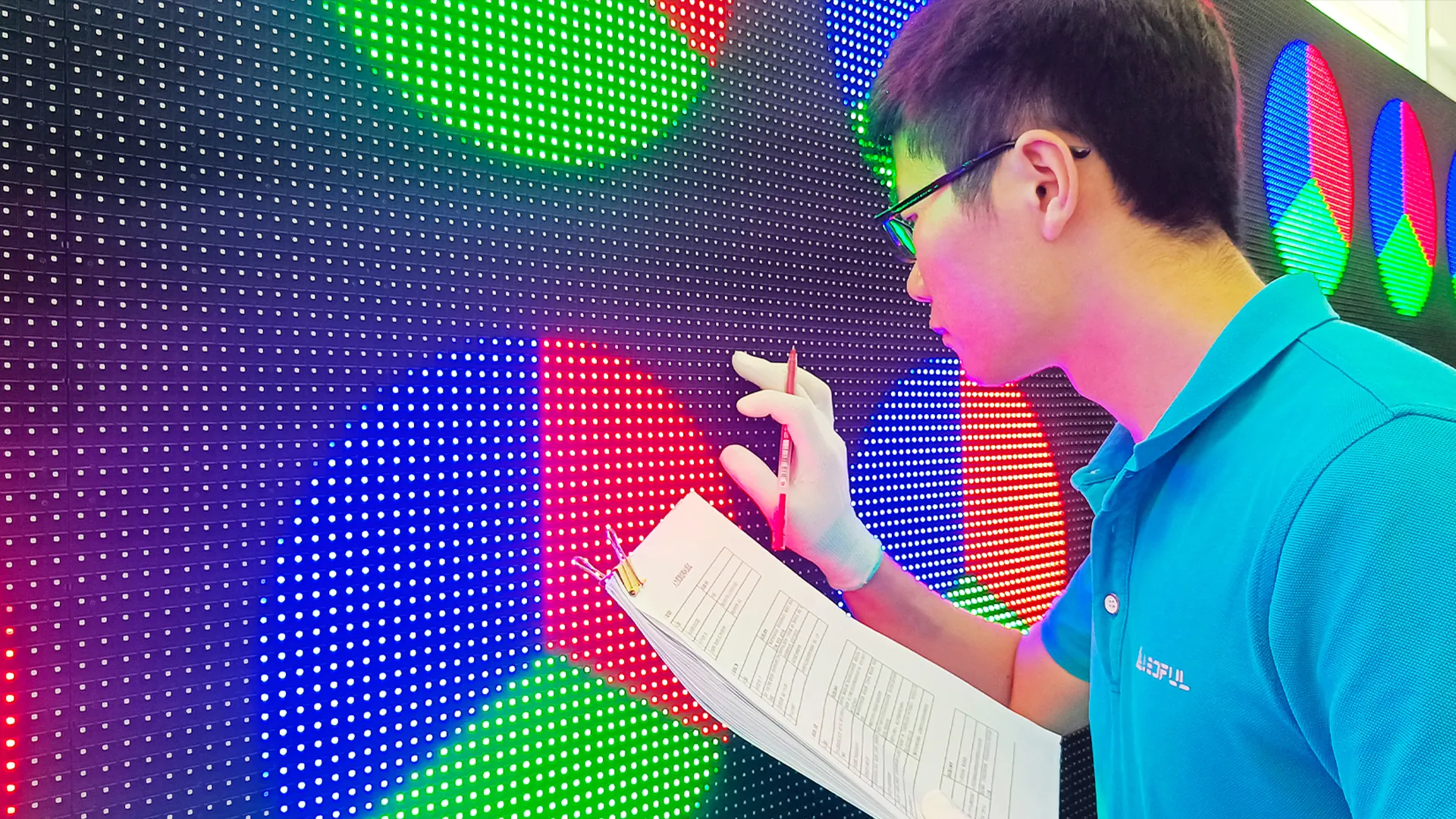
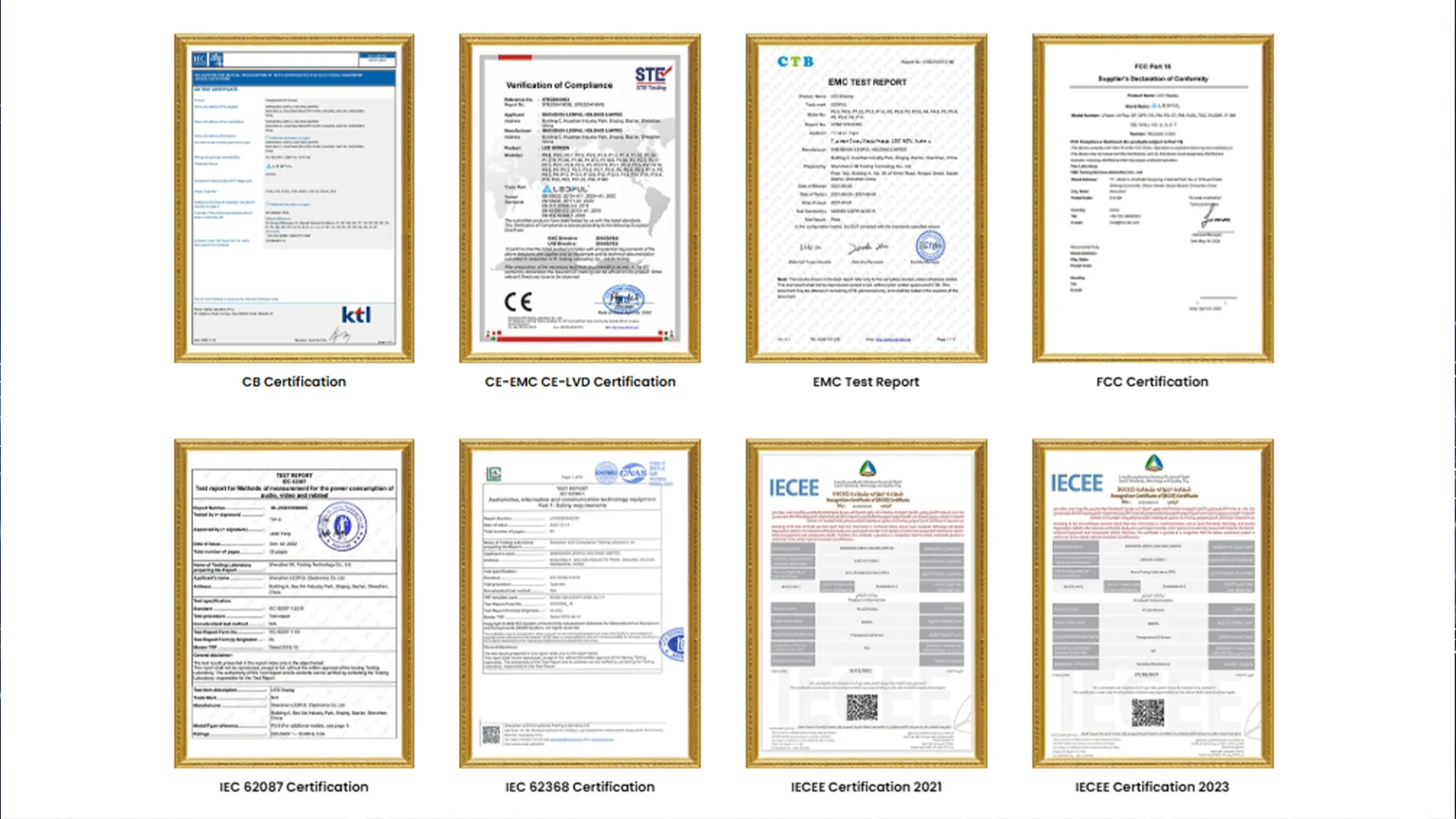
At LEDFUL, we approach structural integrity through uncompromising material science and rigorous factory validation. Our precise testing protocols ensure that our equipment exceeds the basic safety thresholds required by global exhibition standards.
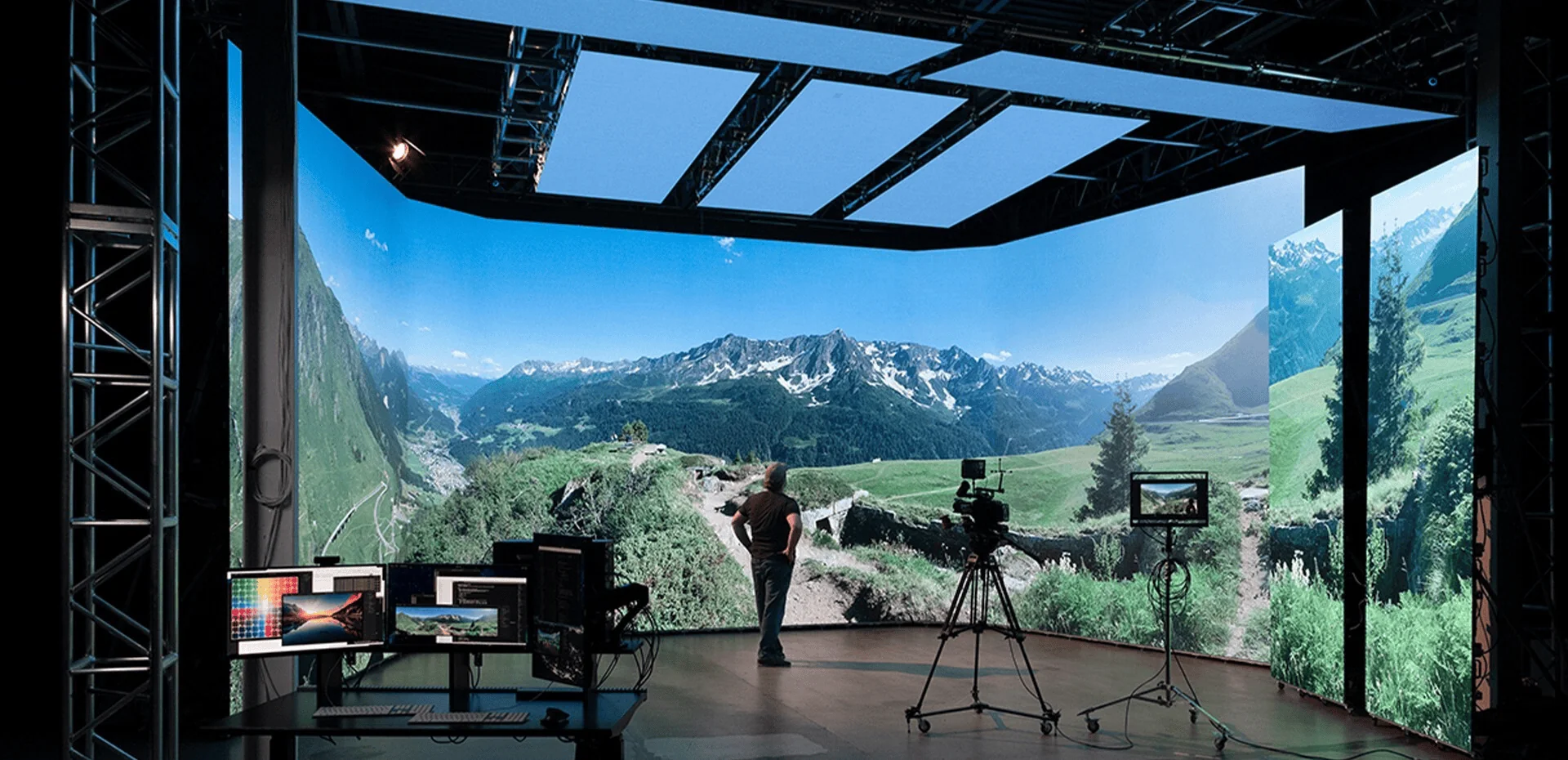
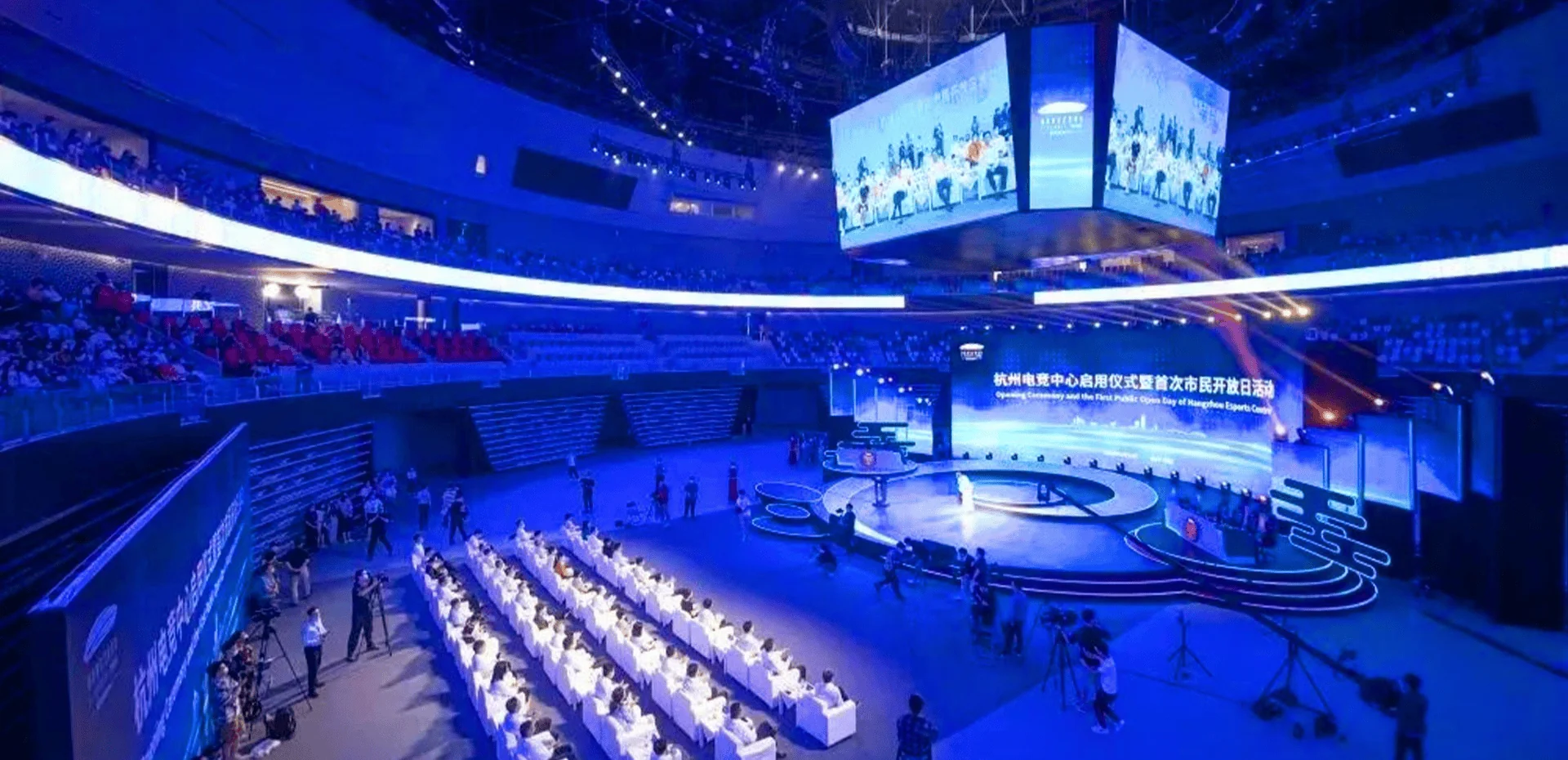
We engineer our specialized visual solutions to endure the exact kinetic realities of your specific live events. By examining our diverse global projects, technical directors can observe our hardware surviving rigorous tours, heavy automotive exhibitions, and intense theatrical choreography without suffering pixel failure. Every staging environment carries unique physical demands.
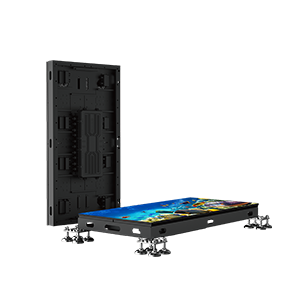
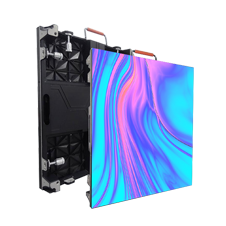
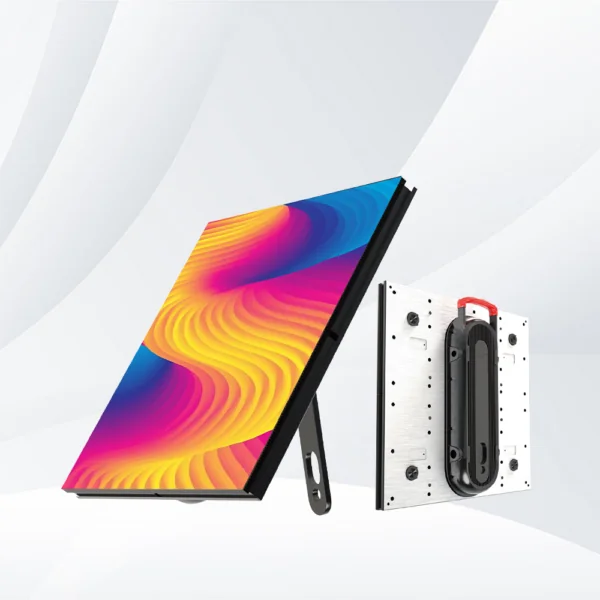
For stage LED floor screen applications, our FLOOR PLUS series is engineered with high load-bearing capacity and anti-slip surface treatment, designed to support distributed loads from performers and equipment. The reinforced cabinet construction addresses the structural demands of foot traffic and dynamic stage use.
With interactive sensing options available, the FLOOR PLUS supports both passive display and interactive floor applications. Consult the product specifications for specific load ratings and configuration options for your stage design.
Backed by reliable warranty protection and dedicated factory support, we help protect your investment over the long term.