
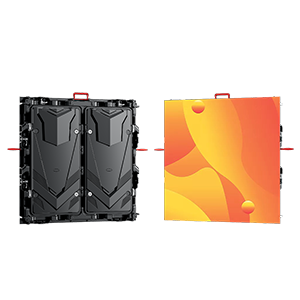
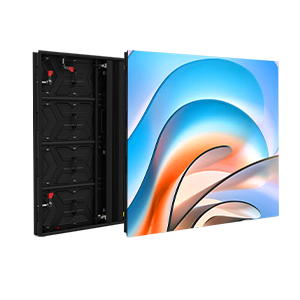

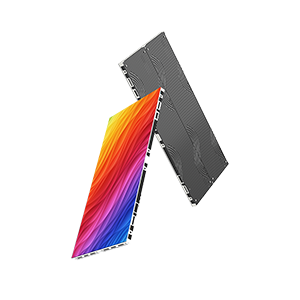

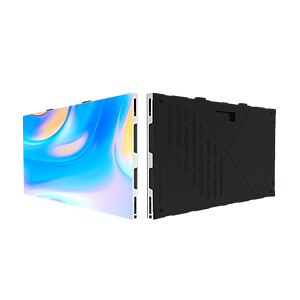




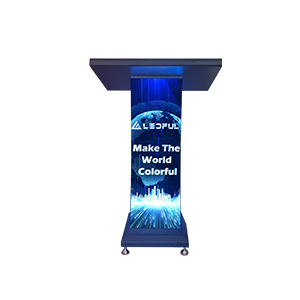
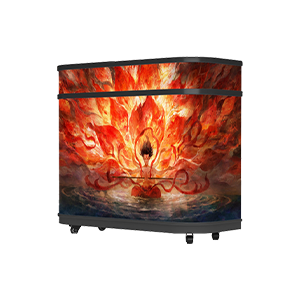









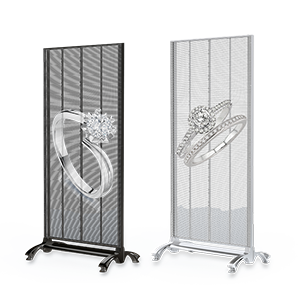
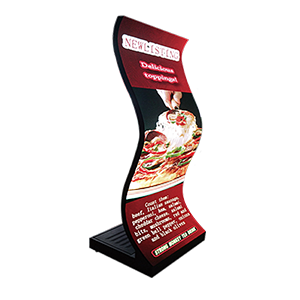




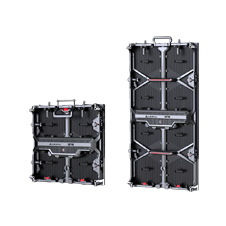

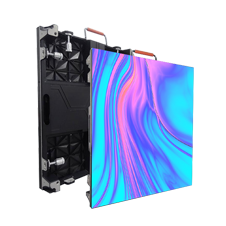
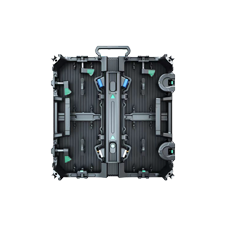
































The shift from traditional SMD to chip on board LED display technology is transforming indoor visual applications. By mounting LED chips directly onto the circuit board and sealing them with epoxy resin, COB LED display solutions eliminate fragile solder wires, improve stability, and offer superior protection. However, not all chip on board LED display products are created equal. Having deployed thousands of advanced display solutions across 116 countries, we at LEDFUL have identified seven critical factors every buyer should evaluate before investing.

Factor 1: Pixel Pitch and Viewing Distance
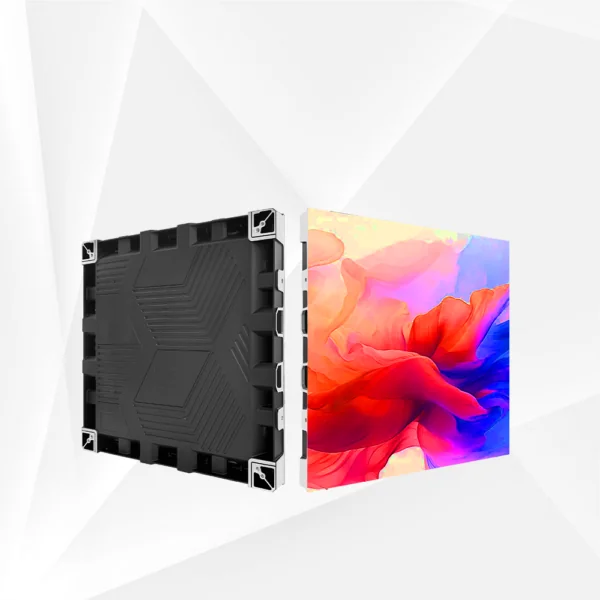
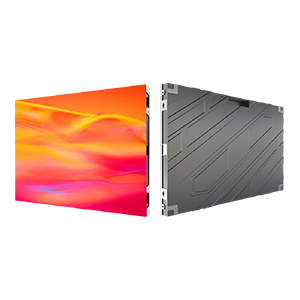
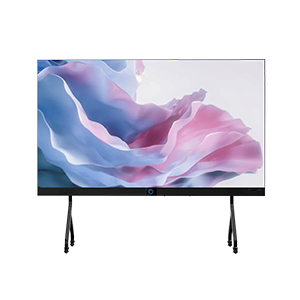
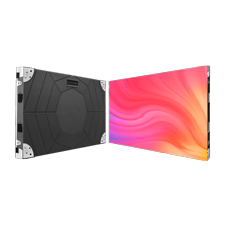
COB LED display technology enables finer pixel pitches because chips are mounted directly without individual packaging. For control rooms, studios, and conference applications, tighter pitches (e.g., P1.2, P1.5) deliver seamless 2K, 4K, or even 8K resolution within a 16:9 ratio. Our COB Series (500x500mm) achieves ultra-high definition while maintaining a large viewing angle. Before purchasing any chip on board LED display, calculate the optimal pixel pitch based on your audience’s minimum viewing distance.
Factor 2: Protection and Durability
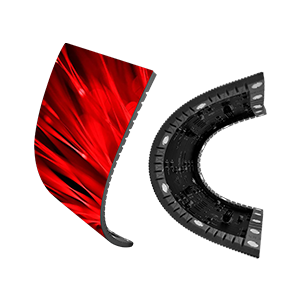
Unlike SMD displays with exposed solder joints, a quality COB LED display uses epoxy resin encapsulation that protects against dust, moisture, and physical impact. This flip-chip design reduces the risk of soldering wire failure and improves long-term stability. For indoor applications like shopping malls or event spaces, this durability translates directly into lower maintenance costs. Always verify the IP rating and ask about epoxy quality.
Factor 3: Heat Dissipation Performance
Chip on board LED display technology inherently dissipates heat better than SMD because chips are bonded directly to the PCB, which acts as a heat spreader. Poorly designed COB LED display units can suffer from thermal degradation, reducing LED lifespan. Look for aluminum-backed PCBs and proper thermal management design.
Factor 4: Weight and Installation Flexibility
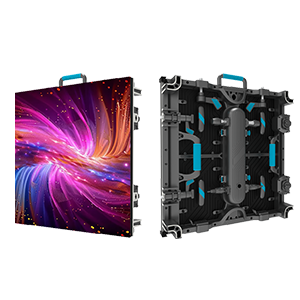
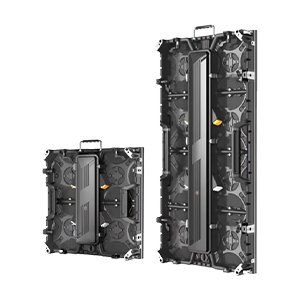
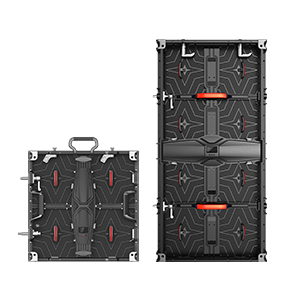
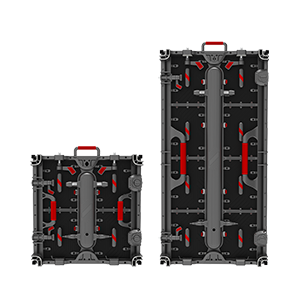
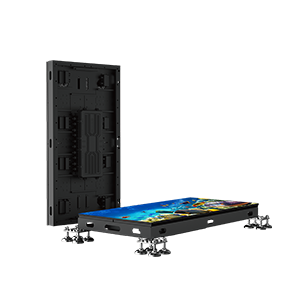
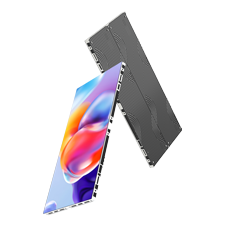
Ultra-slim and lightweight designs expand where you can install a COB LED display. Our COB Series supports wall-mounted, hanging, and event-based installations. The cable-free design further simplifies setup. For studios and exhibition halls, reduced weight means lower structural requirements.
Factor 5: Uniformity and Color Consistency
Chip on board LED display manufacturing requires precise chip binning and coating application. Inconsistent epoxy thickness creates visible mura (uneven brightness). Demand factory calibration reports and visual uniformity guarantees.
Factor 6: Serviceability and Maintenance
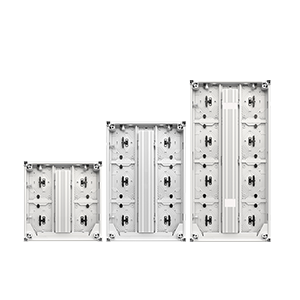
While COB LED display units are more reliable, they can be harder to repair at the individual pixel level. Choose designs with modular front-serviceable cabinets, like our COB Series, which allows quick panel replacement without rear access.
Factor 7: Total Cost of Ownership
A premium chip on board LED display has higher upfront cost but lower long-term expenses due to reduced failures, cleaning, and downtime. Calculate total cost over five years, not just initial price.
LEDFUL Delivers COB Excellence
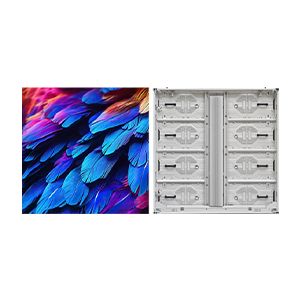
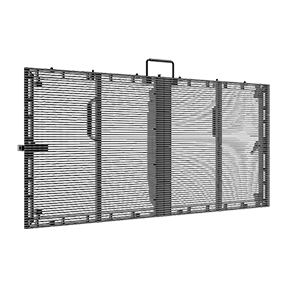
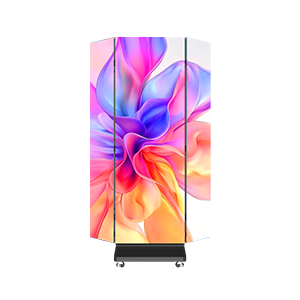
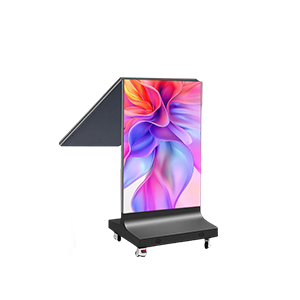
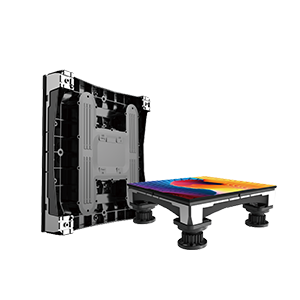
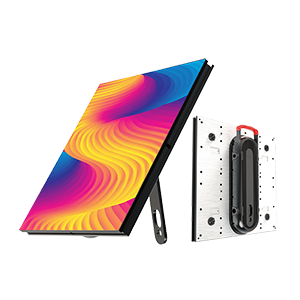
At LEDFUL, our COB Series indoor ultra-high-definition COB LED display combines large viewing angles, ultra-slim lightweight design, 2K/4K/8K resolution with 16:9 ratio, and cable-free easy installation. Born for control rooms, events, exhibitions, studios, conferences, and shopping malls, our chip on board LED display solutions deliver reliability and image quality that global clients trust. Choose LEDFUL—where chip-on-board innovation meets real-world performance.