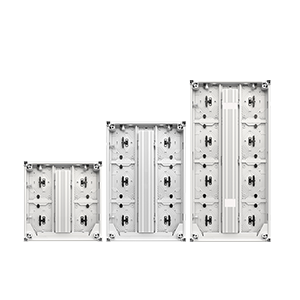

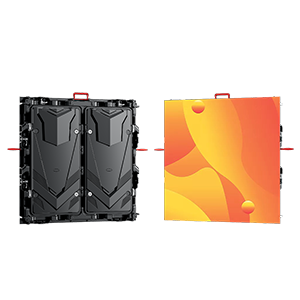
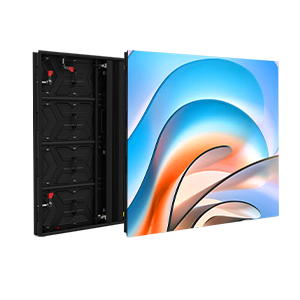

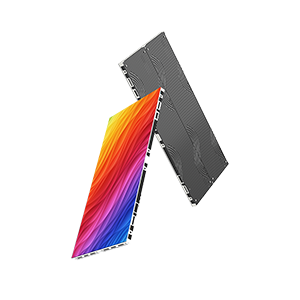

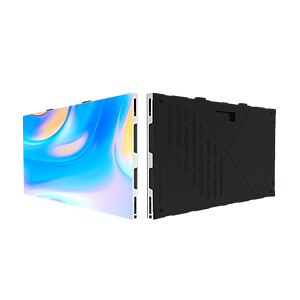
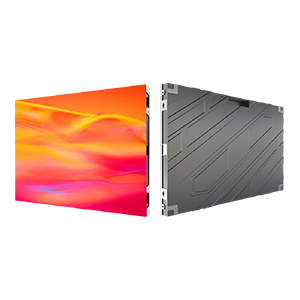

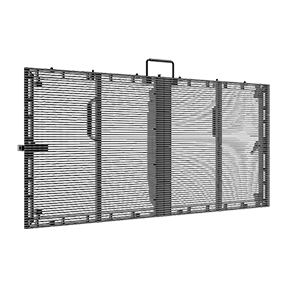
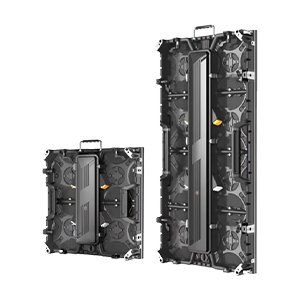









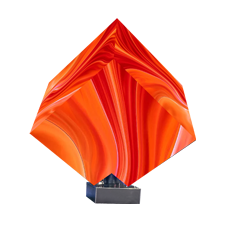
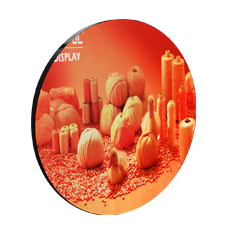
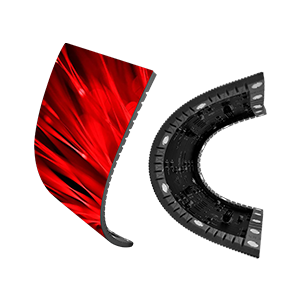
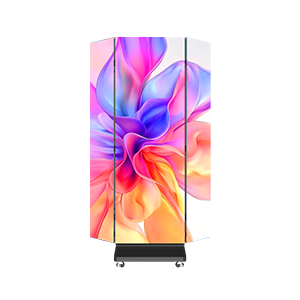
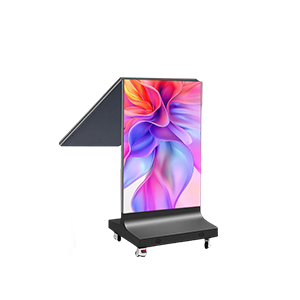
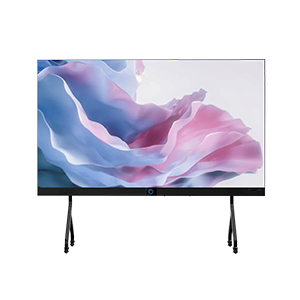


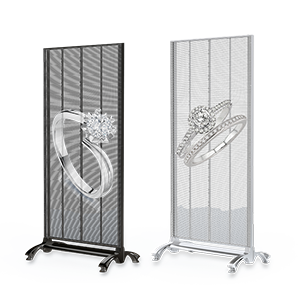
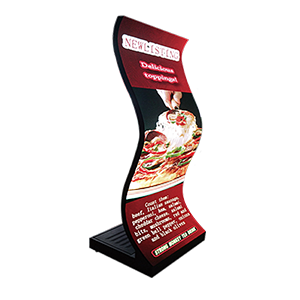


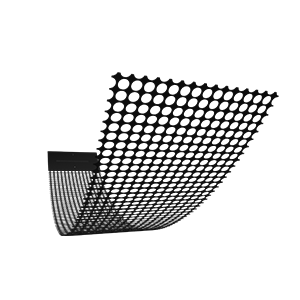
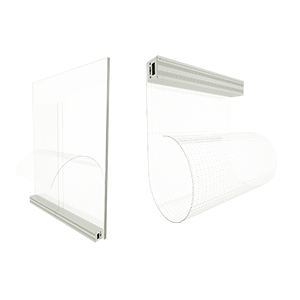
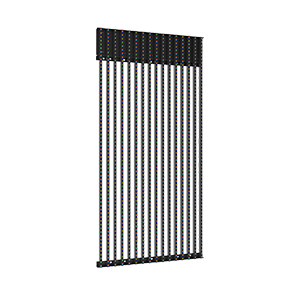
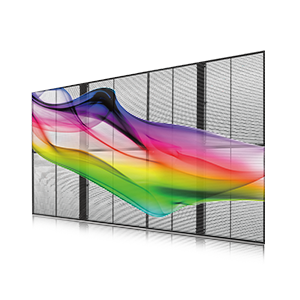
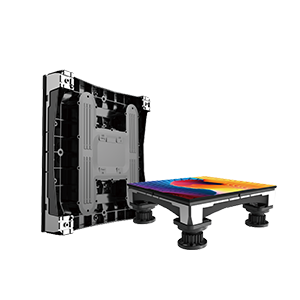
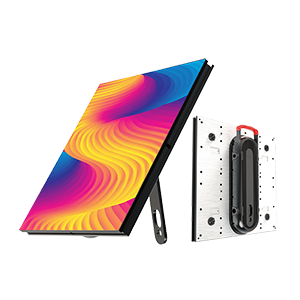
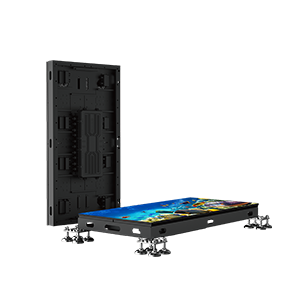

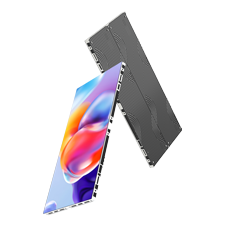

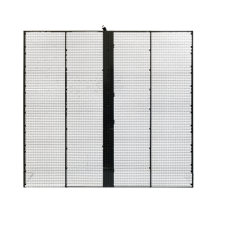
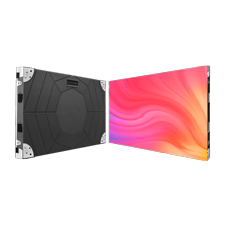
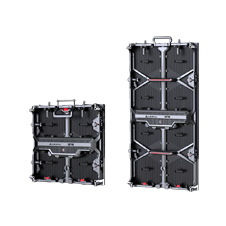

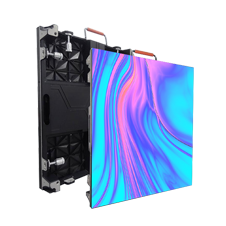


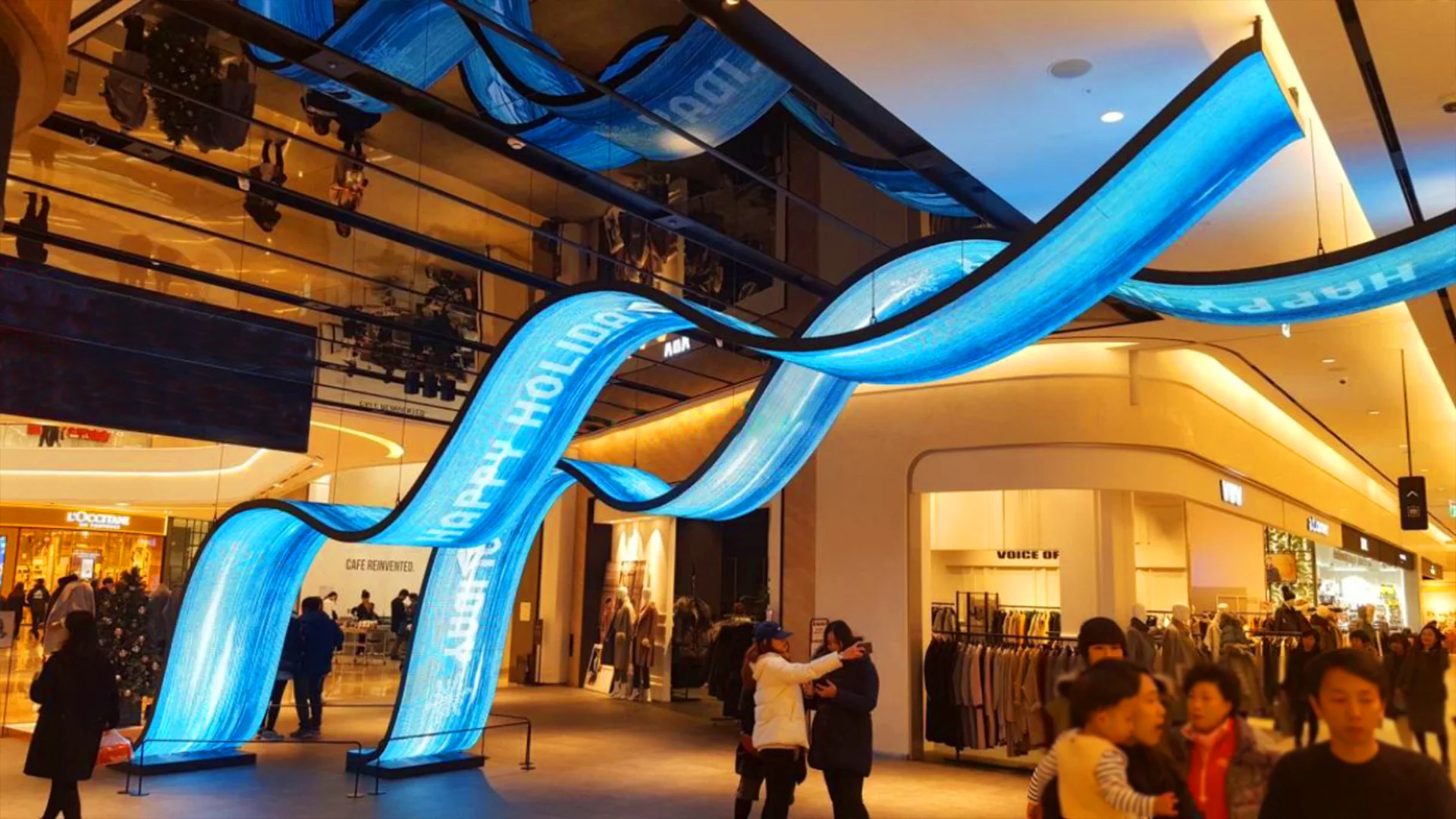






Walk through any major city’s retail district or transportation hub today, and you will notice a fundamental shift: bulky, opaque digital billboards are giving way to see-through video walls that preserve architecture and natural light. As we look toward 2026, transparent visual technology is no longer a niche product—it is becoming the default specification for premium commercial installations. For buyers evaluating any LED display, understanding this trend is essential to future-proofing their investments. From our vantage point as a global LED screen display manufacturer, we see three clear drivers accelerating the rise of transparent LED solutions.

Energy Regulations and ESG Demands
Governments and corporations alike are tightening sustainability requirements. Traditional LED display walls consume significant power and block building envelopes, increasing HVAC loads. Transparent LED display alternatives, by contrast, allow sunlight penetration and passive airflow, directly reducing operational carbon footprints. By 2026, we expect LEED certification and EU building directives to favor transparent technologies explicitly. As a proactive LED screen display manufacturer, we have already engineered our HIS Series to meet these emerging standards without sacrificing brightness or color fidelity.
Retail and Architectural Integration
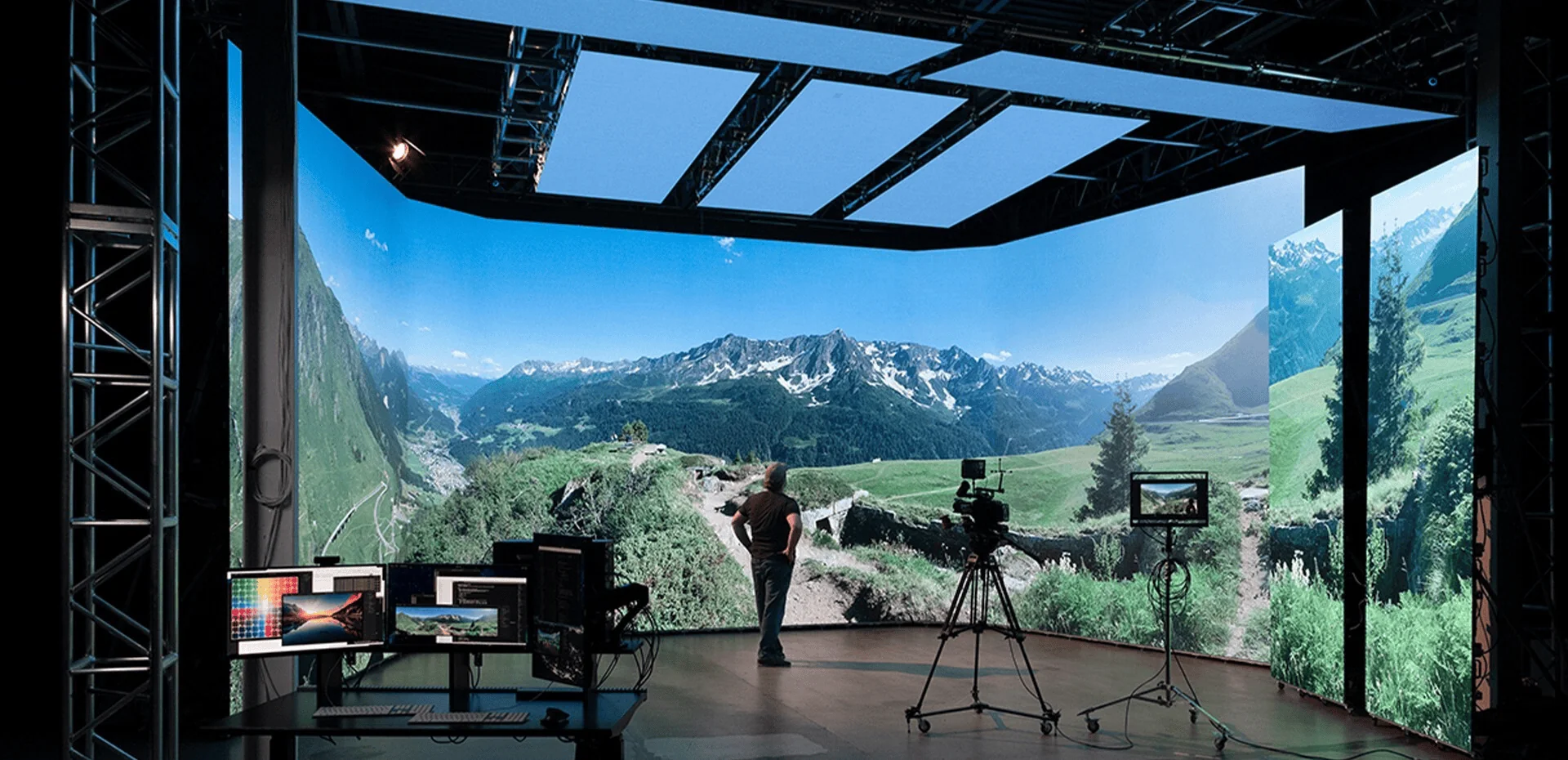
The second driver is aesthetic demand. Architects and brand managers no longer want LED display screens that look like afterthoughts. They want digital surfaces that disappear when off and dazzle when on. Transparent LED display technology mounted on glass facades, museum atriums, or airport skywalks maintains visual connection between indoor and outdoor spaces. For flagship stores, this means advertising revenue without losing window displays. We have seen RFPs from global retailers explicitly requiring transparency ratios above 70%—a clear signal that the market has turned.
Falling Costs and Maturing Supply Chains
Five years ago, transparent LED display products cost nearly double conventional screens. By 2025, that gap narrowed to 20–30%. As we enter 2026, economies of scale and improved manufacturing yields have made transparent LED display solutions cost-competitive for most commercial applications. Our own production data shows that per-square-meter costs for high-transparency LED display panels have dropped 40% since 2022. This affordability unlocks adoption in hospitality, corporate lobbies, and even outdoor stadium signage.
LEDFUL: Leading the Transparent Revolution
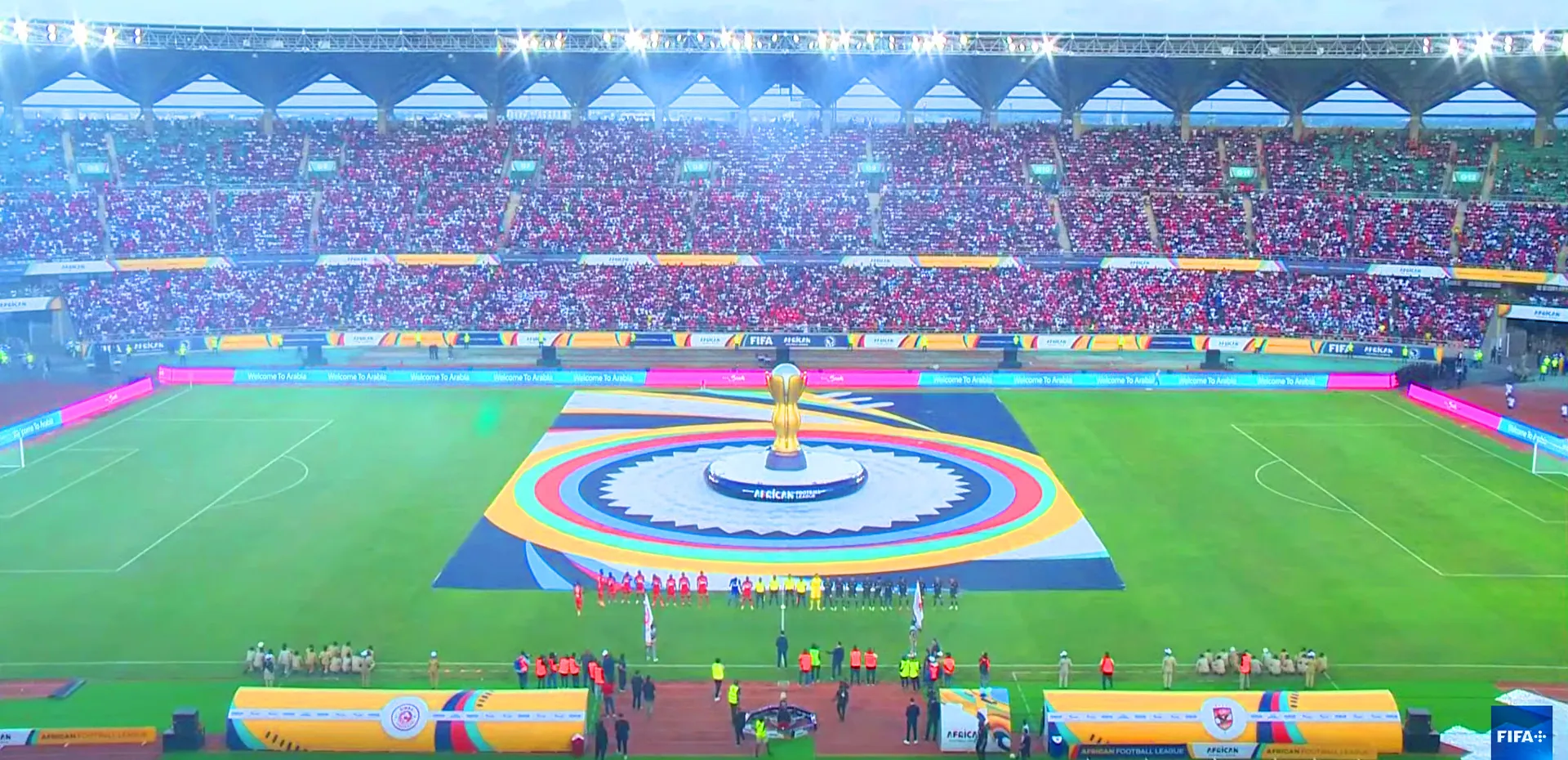
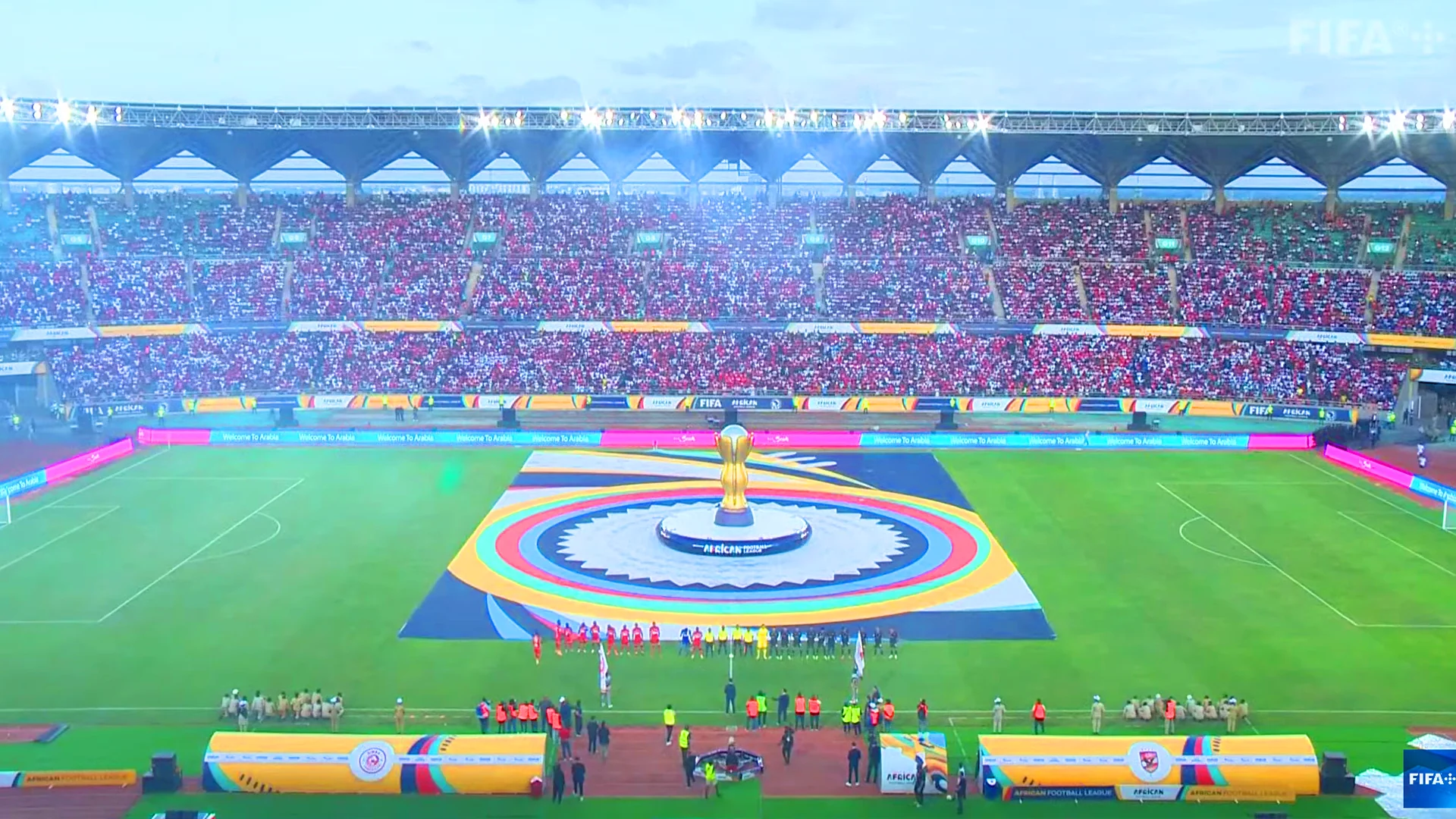
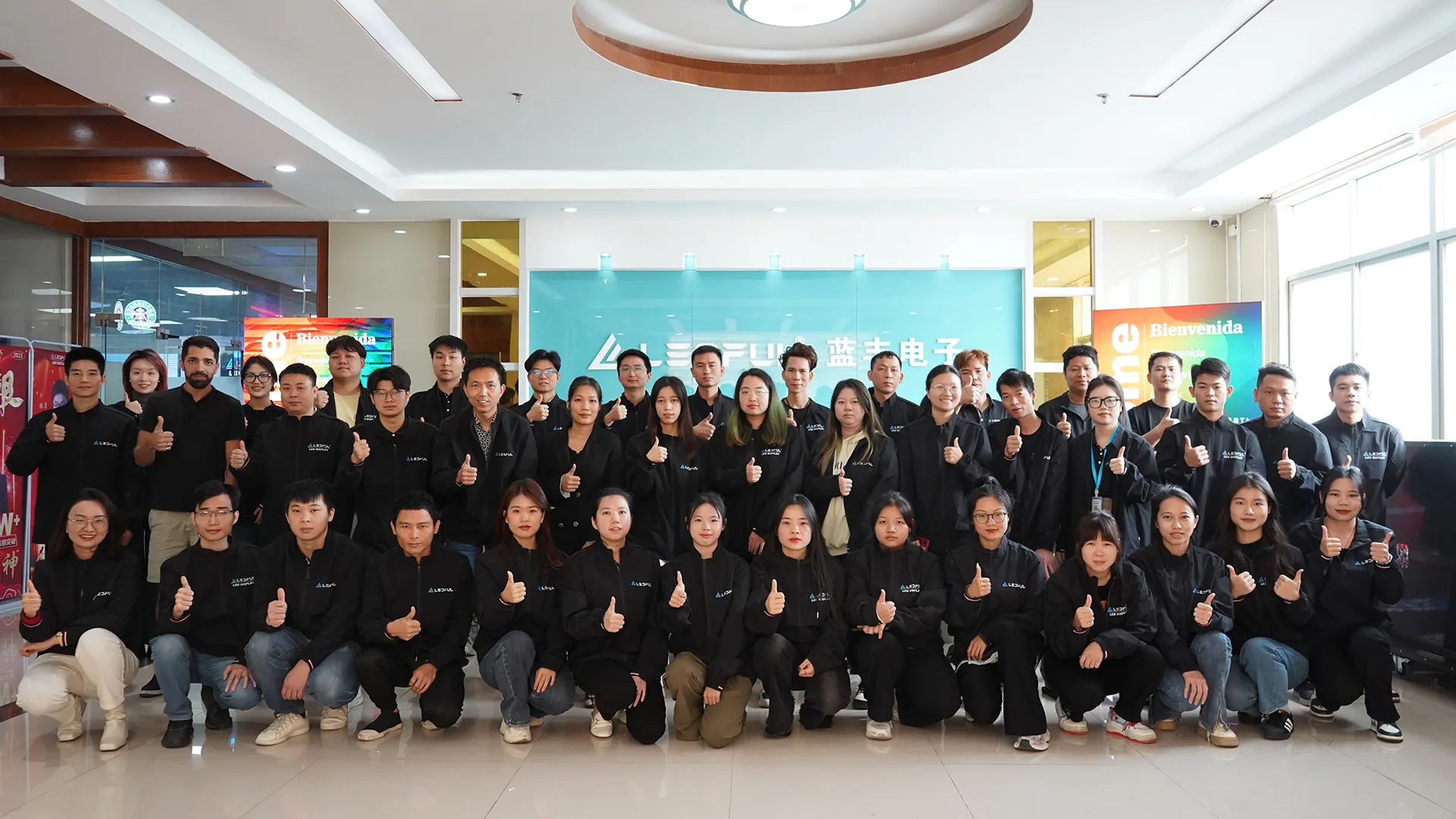
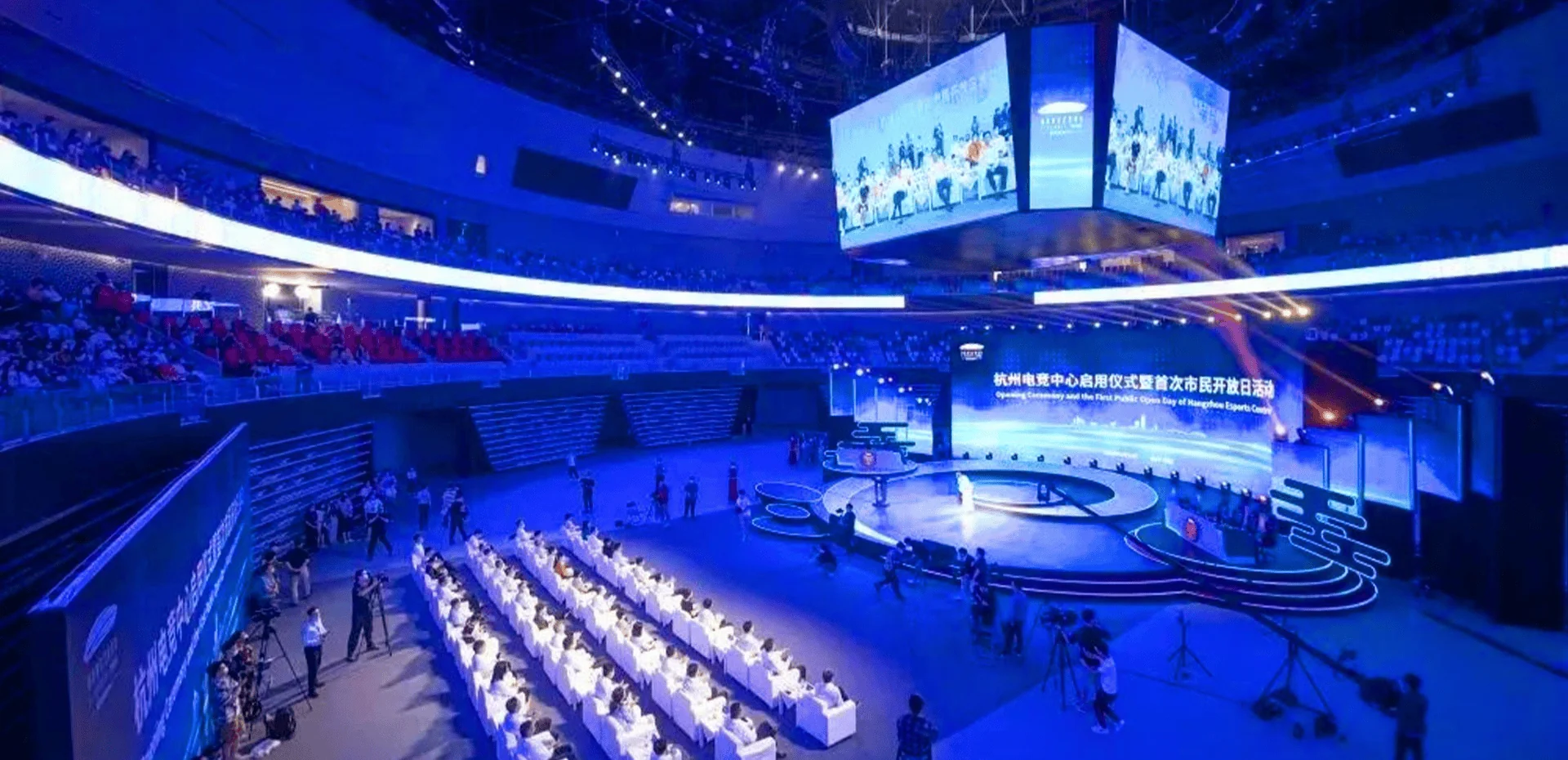
LEDFUL has been at the forefront of visual technology since our founding in 2015 in Shenzhen, China. As a trusted LED screen display manufacturer, we focus on R&D, manufacturing, and global sales—powering over 11,000 projects across 116 countries. Our LED display solutions have illuminated world-class events: the 2018 UCL Final, 2020 Olympic Games, 2021 Euro LOL Final, 2022 World Cup, 2023 WTT, Fortune 500 NTT, 2023 Africa Cup, 2024 G7 Summit, 2025 Kuwait Ministry of Information, and a World Guinness Record. When you partner with LEDFUL, you are not just buying an LED display—you are investing in proven engineering for the transparent future.