













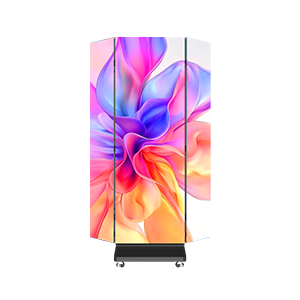
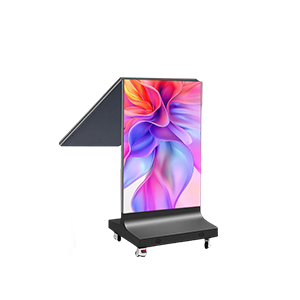
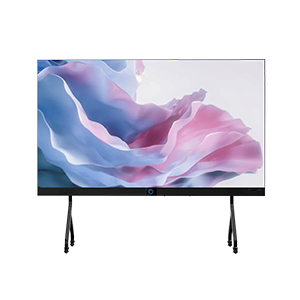


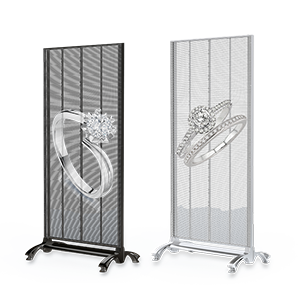
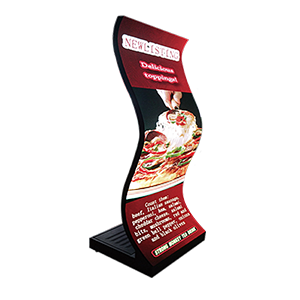


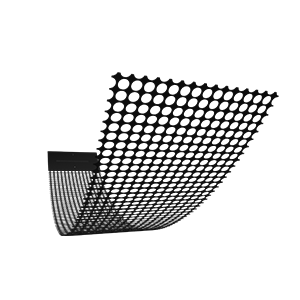
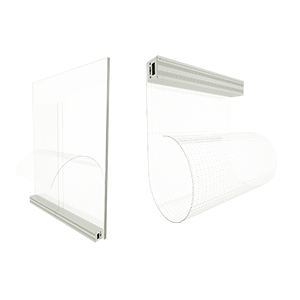
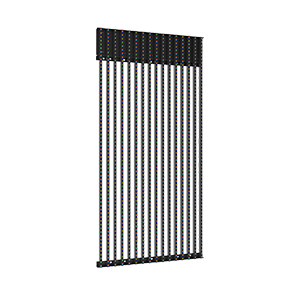
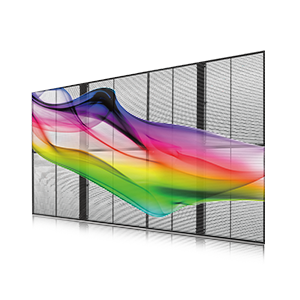
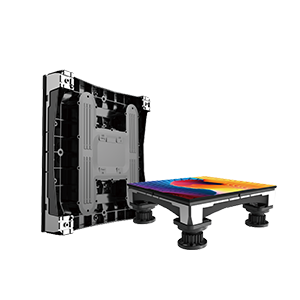
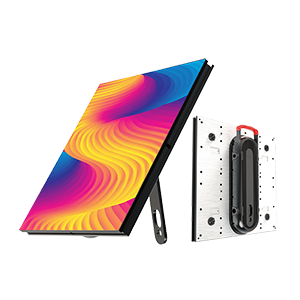
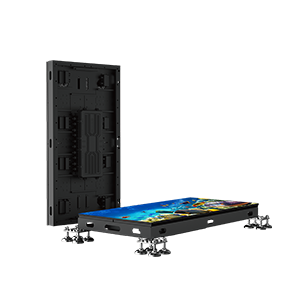

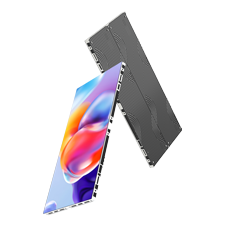

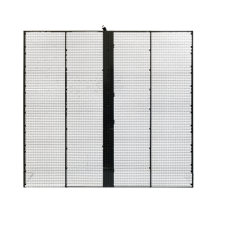
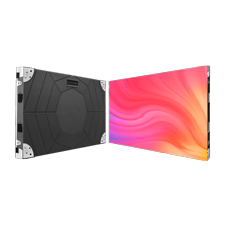
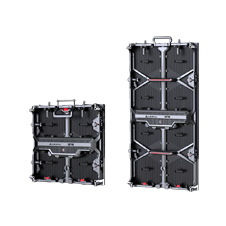



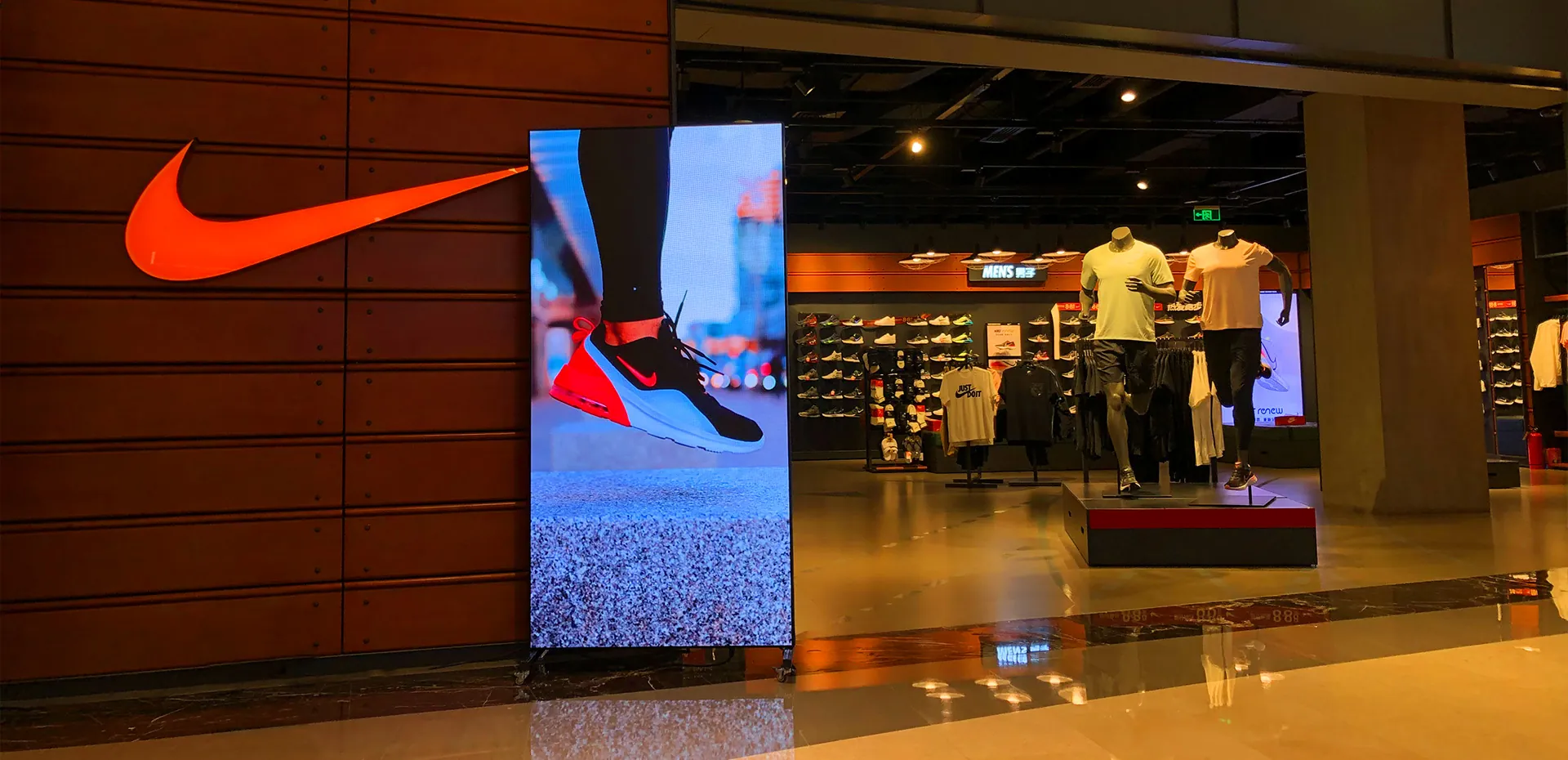
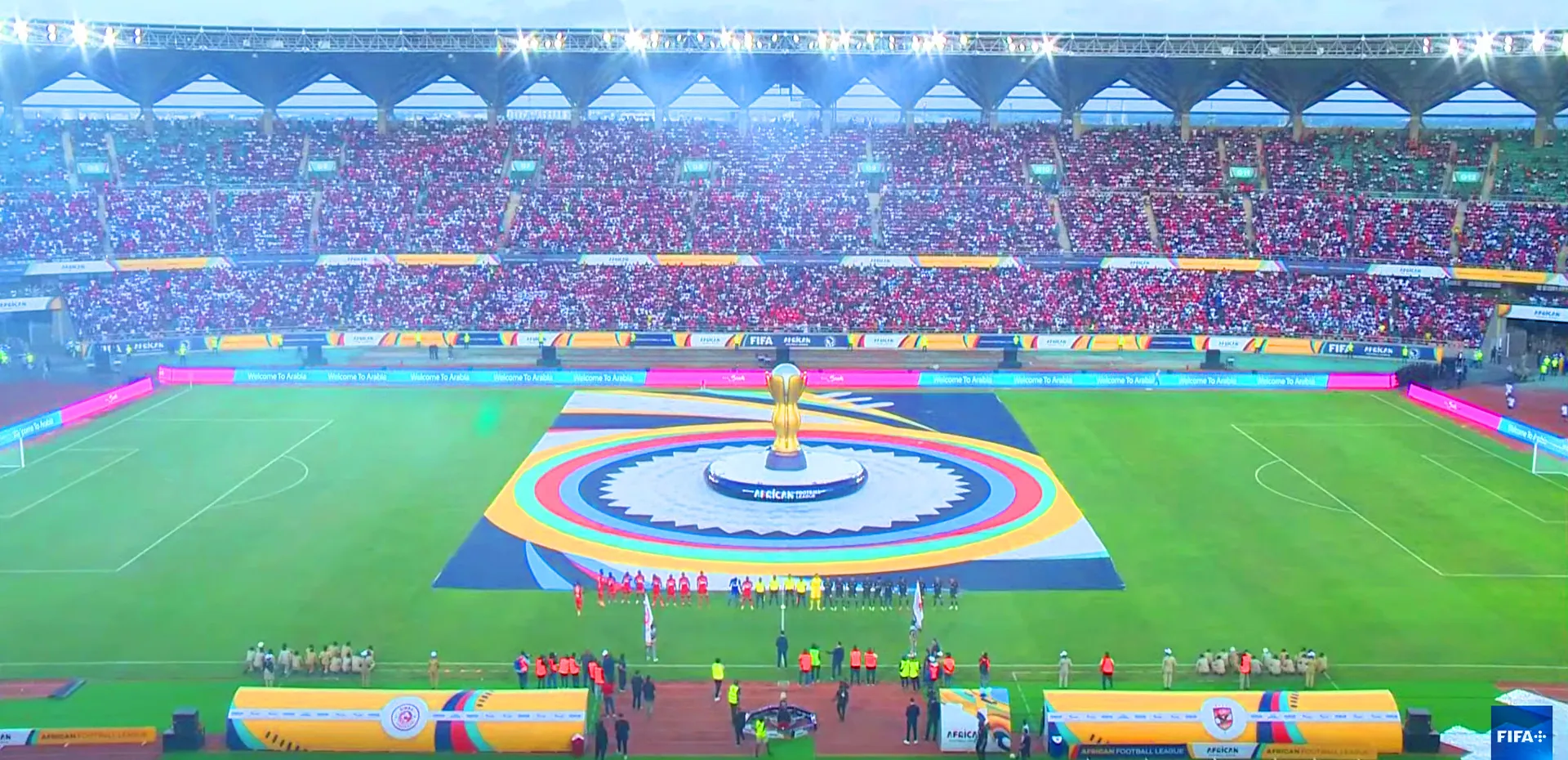
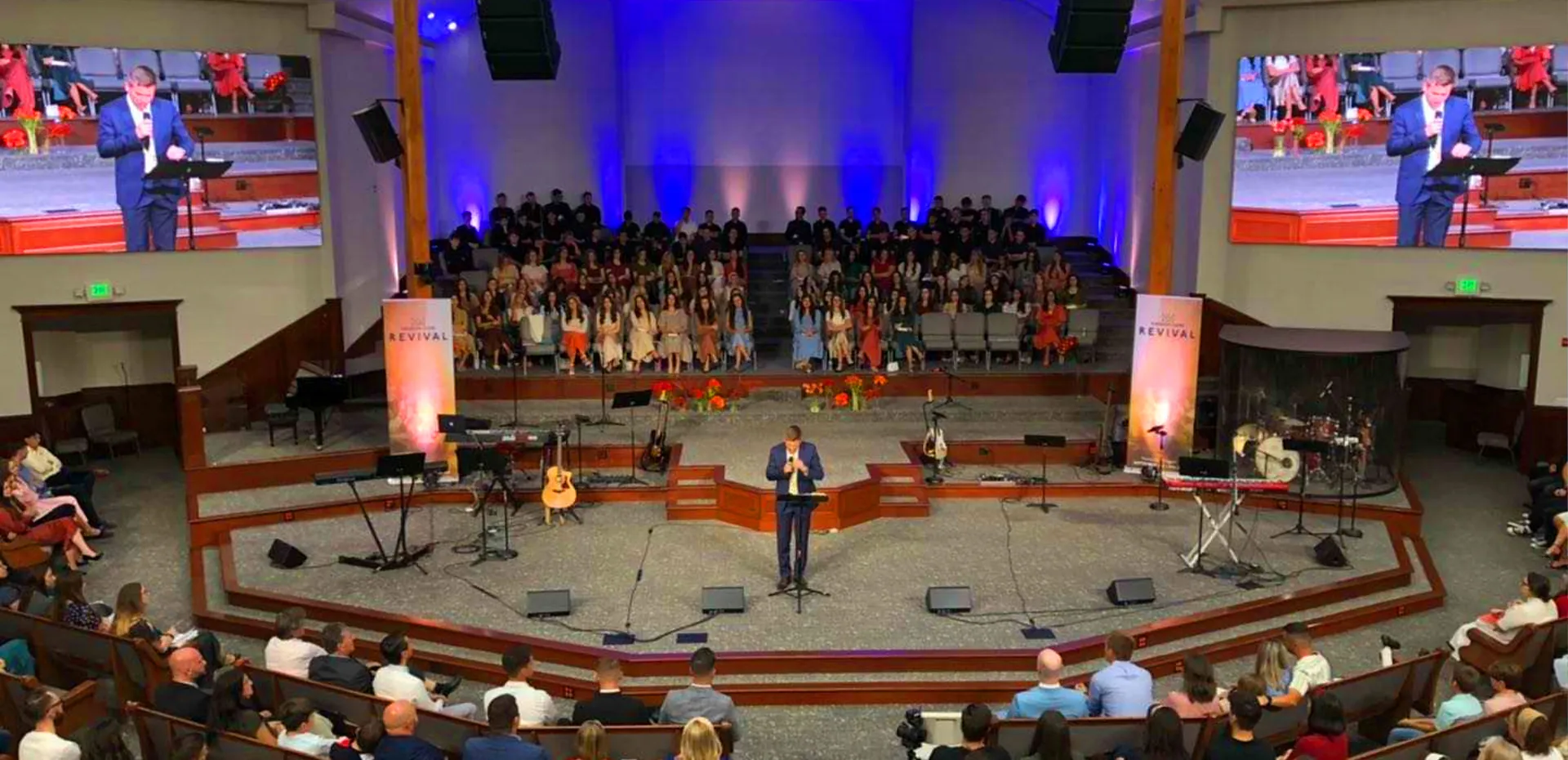
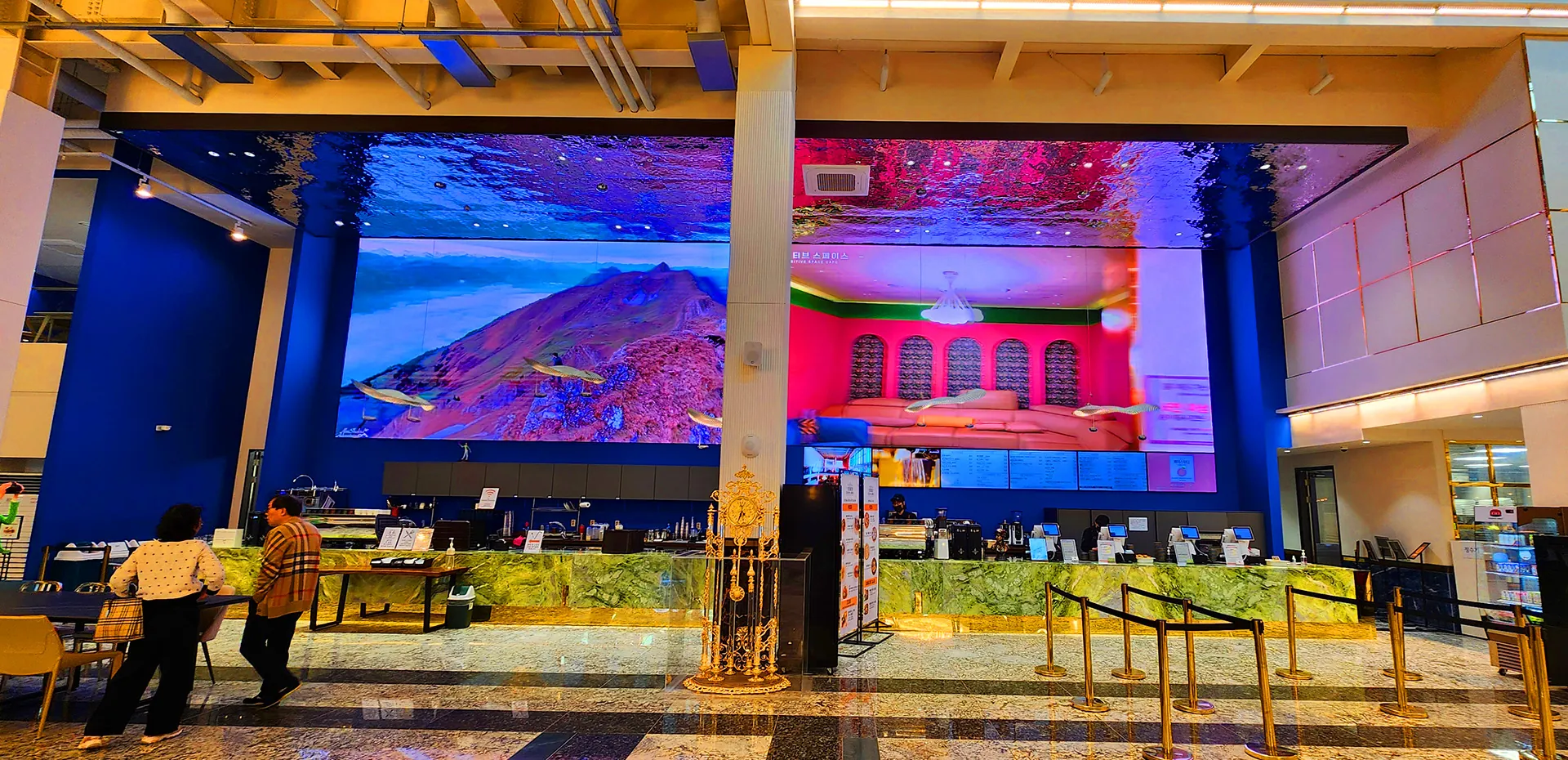






Retail LED Display: 6 Challenges Chain Stores Must Solve
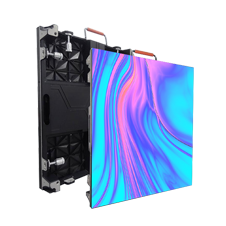
Managing LED screens across multiple stores? Discover 6 common retail display challenges and how LED solutions can improve brand consistency, content management, installation and maintenance.

Retail LED Display: 6 Challenges Chain Stores Must Solve
Running one store is relatively simple.
Running 20, 50, or 100+ stores is a completely different challenge.
For retail brands, visual communication needs to be consistent across locations while still adapting to different store sizes, layouts, lighting conditions, and promotional requirements.
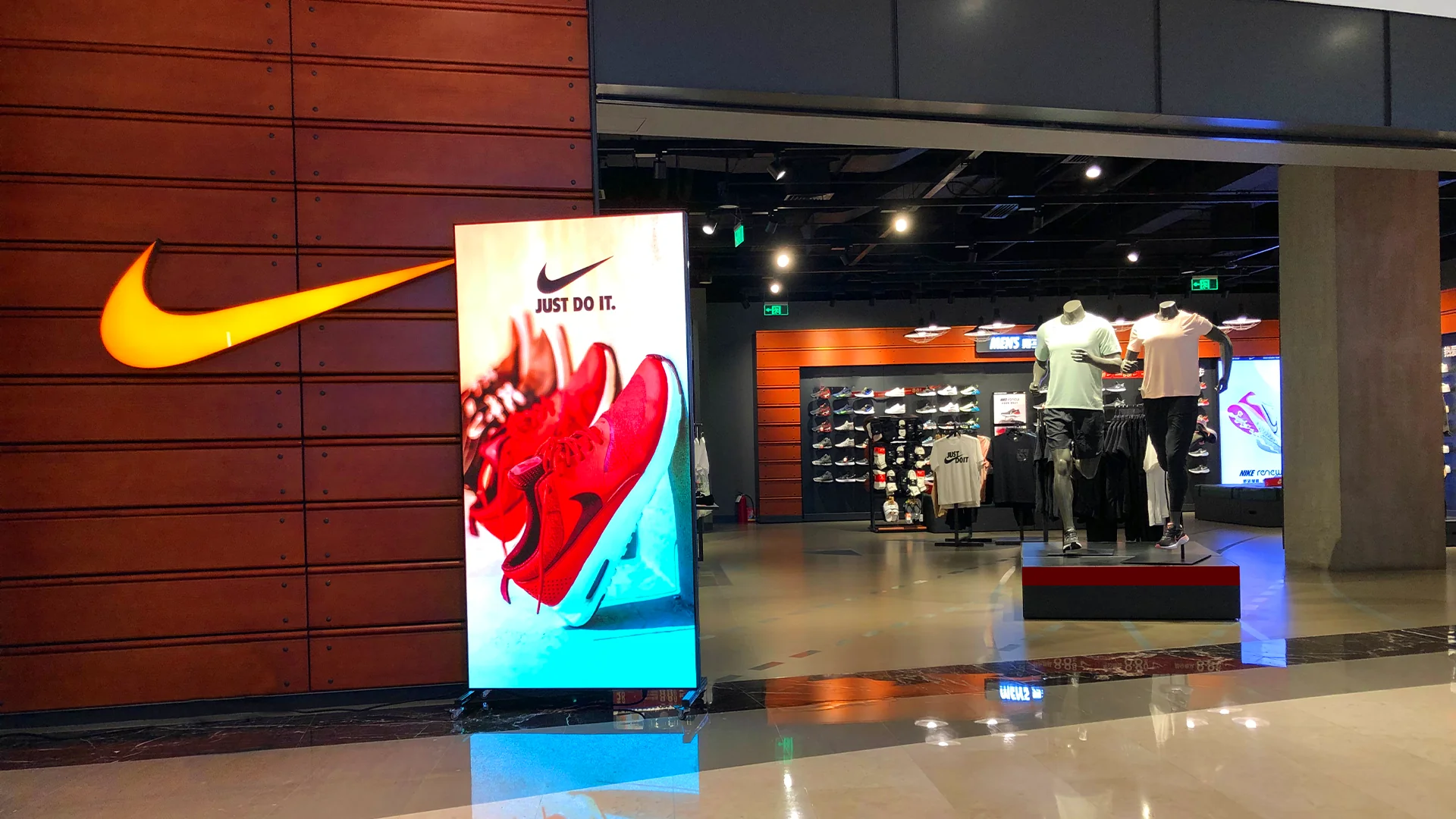
This is why more retailers are exploring retail LED displays and digital signage solutions to replace traditional posters, printed advertisements, and conventional displays.
However, choosing an LED screen is only the beginning.
For chain stores, the real question is:
> Can the display solution be standardized, centrally managed, easily maintained, and scaled across multiple locations?
Before investing in an LED screen for retail, retailers should consider six major challenges.

1. Different Stores Have Different Sizes and Layouts
One of the biggest challenges for chain stores is that no two locations are always exactly the same.
A brand may have:
– Small street-front stores
– Shopping mall stores
– Flagship stores
– Large retail outlets
– Pop-up stores
– Corner stores
The available wall space, ceiling height, viewing distance, and customer flow can vary significantly.
Using exactly the same physical LED screen configuration for every location may therefore be impractical.
Why Standardization Still Matters
Although physical dimensions may vary, the visual experience should remain consistent.
Customers should recognize the same brand whether they enter Store A or Store 50.
A professional retail LED display strategy should therefore standardize:
– Pixel pitch selection
– Cabinet design
– Brightness range
– Color performance
– Control system
– Content format
– Installation method
while allowing the physical screen size to adapt to each store.
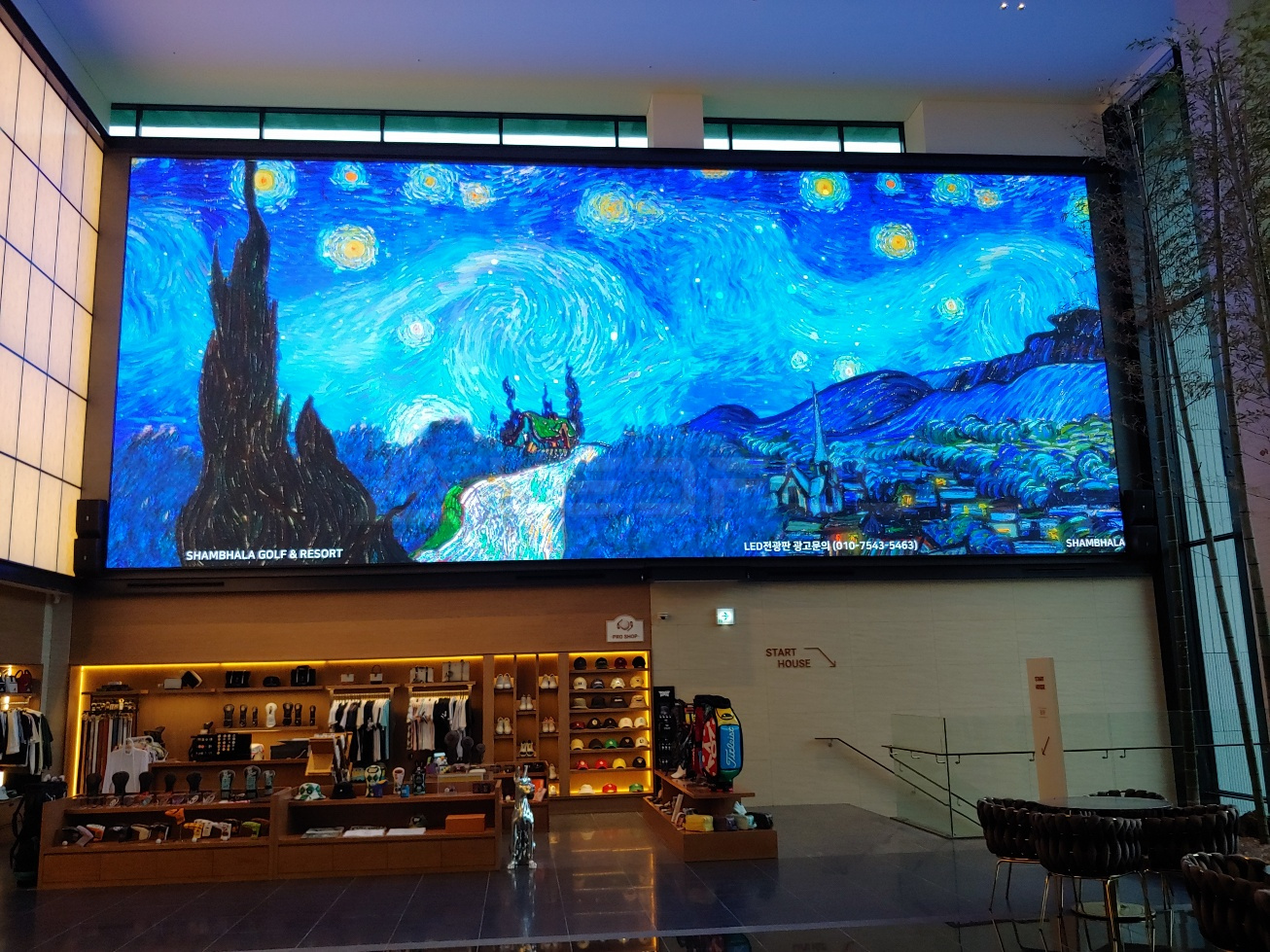
Modular LED Design for Different Store Sizes
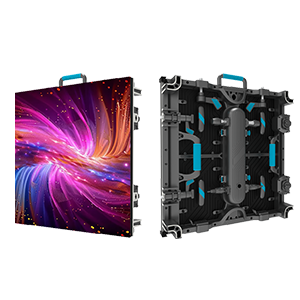
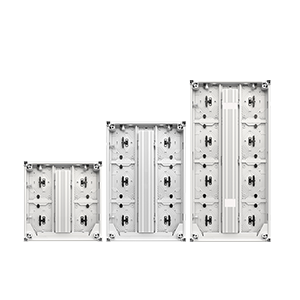
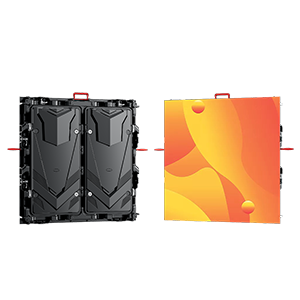
Modular LED cabinets allow retailers to create different screen dimensions while maintaining a consistent product platform.
For example:
| Store Type | Possible LED Application |
| Small Shop | Compact promotional LED screen |
| Standard Store | Main wall-mounted LED display |
| Flagship Store | Large-format LED video wall |
| Window Store | High-brightness display |
| Shopping Mall Store | Indoor digital advertising display |
This approach makes it easier to develop a scalable LED screen for shop strategy.
2. Promotional Content Is Difficult to Update Across Multiple Stores
A second major challenge is content management.
Imagine a retailer has 80 stores.
A new promotion launches tomorrow.
The marketing team needs to update:
– Product campaigns
– Seasonal promotions
– Discounts
– New product announcements
– Brand videos
– Event information
If every store depends on manual content replacement, the process becomes slow and difficult to control.
Digital Signage for Retail Enables Centralized Content Management
A properly configured digital signage for retail** system can allow content to be managed centrally.
Instead of sending a technician to every location, headquarters can potentially schedule and distribute content remotely through the appropriate CMS and network infrastructure.
A typical workflow can be:
Headquarters → CMS → Network → Store Display → LED Screen
This creates a more efficient content management model.
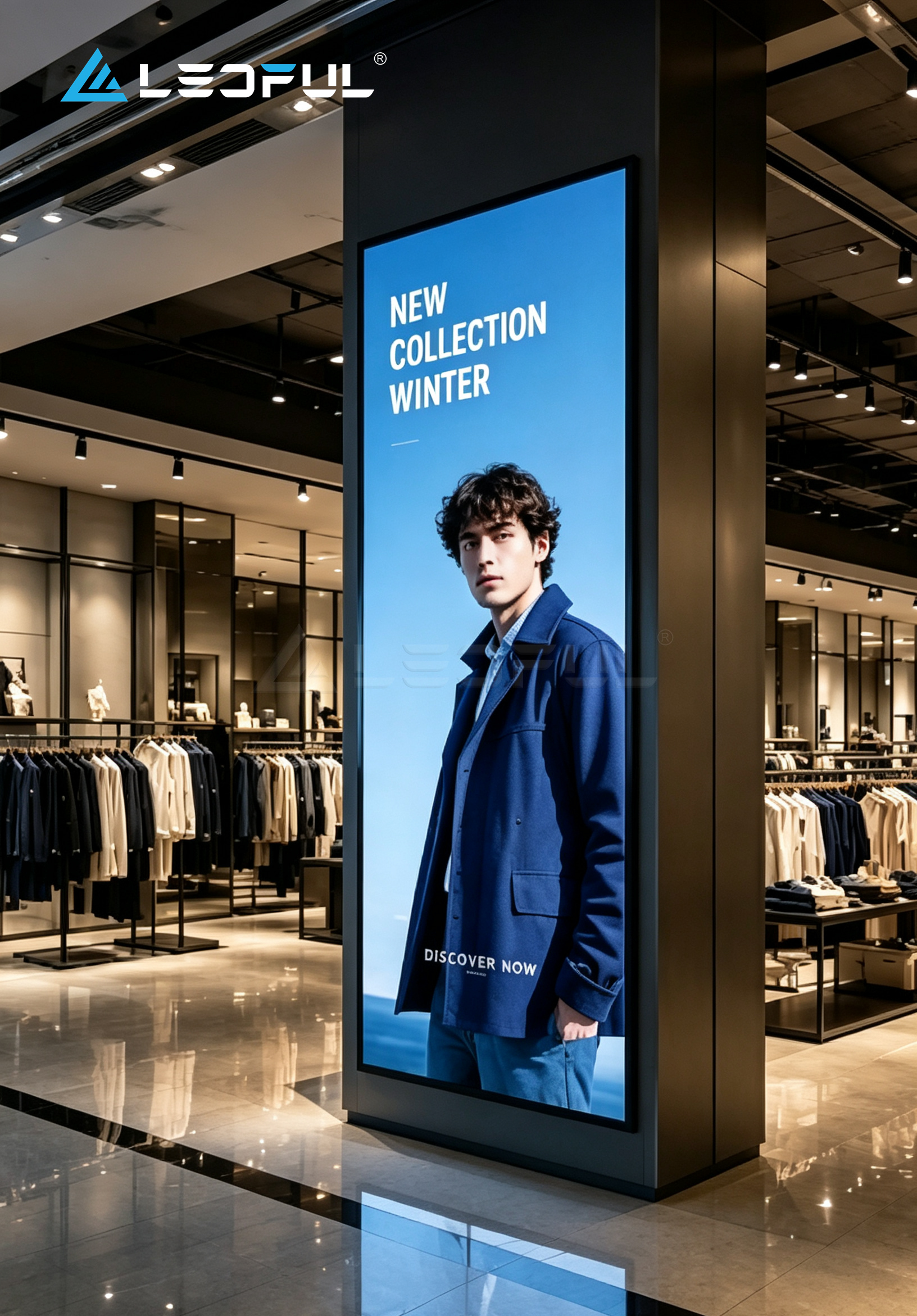
What Can Be Managed?
Depending on the selected control system, retailers can manage:
– Promotional videos
– Images
– Product campaigns
– Brand messages
– Scheduled content
– Store-specific content
– Multiple display groups
This is particularly valuable for brands operating across multiple cities or regions.
3. Different Lighting Conditions Affect Display Visibility
Not every retail environment has the same lighting.
A screen installed inside a dark shopping mall may have very different requirements from an LED screen for shop installed directly behind a storefront window.
Natural daylight can significantly affect display visibility.
If brightness is too low, promotional content may become difficult to see.
If brightness is unnecessarily high indoors, it can create excessive glare and consume more energy than needed.
Choosing Brightness for Retail LED Screens
Brightness should be selected according to the application.
| Application | Key Consideration |
| Indoor Shopping Mall | Comfortable brightness |
| Standard Retail Store | Balanced brightness |
| Storefront Window | Higher brightness may be required |
| Bright Commercial Area | Higher ambient-light performance |
| Indoor Flagship Store | Brightness + image quality |
The objective is not simply to choose the brightest retail LED screen.
The objective is to achieve:
> Clear content + comfortable viewing + appropriate energy consumption.

4. Installation Becomes More Complicated as the Number of Stores Grows
Installing one LED display is very different from installing 100.
When a chain store expands its LED display network, installation becomes a project-management challenge.
Retailers need to consider:
– Store opening schedules
– Wall structures
– Power supply
– Cable routing
– Screen dimensions
– Mounting methods
– Local installation teams
– Testing and commissioning
A poorly standardized installation process can create different results from store to store.
Create an Installation Standard
For large-scale retail projects, it is better to establish an installation standard before deployment.
This can include:
Screen Configuration
Standardize the LED cabinet and module platform where possible.
Mounting Method
Define suitable wall-mounted, hanging, or freestanding solutions according to store conditions.
Cable Management
Keep power and signal connections organized and accessible.
Commissioning
Every location should be checked for:
– Brightness
– Color consistency
– Pixel defects
– Signal stability
– Content playback
– Remote management
This allows the retailer to scale its **LED screen for retail** network more efficiently.
5. Maintenance Costs Increase with Every Additional Store
For a single store, a display problem may be manageable.
For a chain with 100 stores, even a small failure rate can create a significant maintenance workload.
Common concerns include:
– LED module failure
– Power supply issues
– Receiving card problems
– Signal interruptions
– Cabinet damage
– Network problems
– Software or control issues
This makes serviceability an important consideration when selecting a retail LED display.
Front Maintenance Can Reduce Service Complexity
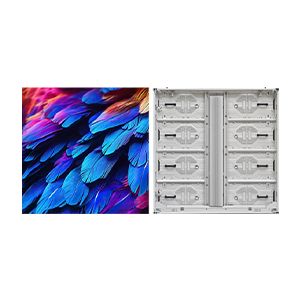
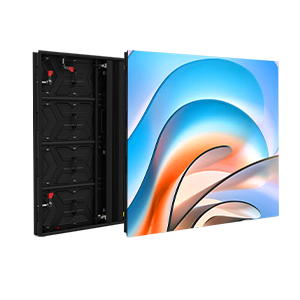
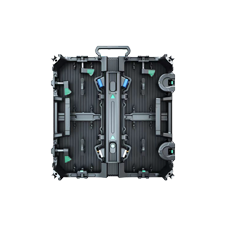
For installations where rear access is difficult, front-serviceable LED cabinets can make maintenance easier.
Technicians can access the LED module or relevant components from the front without removing the entire display.
This can help reduce:
– Maintenance time
– Store disruption
– Labor requirements
– Downtime
For a chain store network, these small improvements can become significant when multiplied across many locations.
6. Maintaining Consistent Brand Experience Across Stores
Perhaps the biggest challenge is not the hardware.
It is brand consistency.
A customer should see the same visual identity whether they visit:
– Store A
– Store B
– Store C
– Store D
The display needs to reproduce brand colors, promotional graphics, product videos, and visual campaigns consistently.
Why Brand Consistency Matters
Inconsistent displays can make different locations feel disconnected.
For example:
One store may have:
– A bright LED screen
– Accurate brand colors
– Updated promotions
while another has:
– A dim display
– Outdated content
– Different visual proportions
This creates an inconsistent customer experience.
A centralized **digital signage for retail** strategy can help headquarters control the overall visual direction while still allowing individual stores to display location-specific information.

How to Build a Scalable Retail LED Display Solution
The best solution for a chain store should not simply solve today’s requirements.
It should support future expansion.
Before selecting an LED display supplier, consider these seven questions:
1. Can the display configuration be standardized?
A common product platform can simplify purchasing and maintenance.
2. Can different screen sizes be created?
Modular cabinets should allow different store layouts to use the same basic product system.
3. Can content be managed centrally?
A centralized CMS can make multi-store content management more efficient.
4. Can the system support remote management?
Remote monitoring can reduce unnecessary site visits.
5. Is the display easy to maintain?
Front maintenance can be particularly valuable where rear access is limited.
6. Can the supplier support multiple locations?
Large chain-store projects require more than product delivery.
They may also require:
– Technical consultation
– Installation guidance
– Configuration
– Training
– Spare parts
– After-sales support
7. Can the solution scale with the brand?
The solution should work for the first store and remain practical when the network expands to dozens or hundreds of locations.
Retail LED Display vs Traditional Retail Signage
Traditional printed signage still has applications, but it has limitations when promotions change frequently.
| Feature | Retail LED Display | Traditional Printed Signage |
| Content Update | Digital | Manual replacement |
| Dynamic Video | Yes | No |
| Remote Management | Possible | No |
| Multiple Store Management | Centralized | More difficult |
| Promotional Flexibility | High | Limited |
| Reuse | High | Limited |
| Long-Term Content Management | Digital | Physical replacement |
For retailers running frequent campaigns, a digital display can provide greater flexibility.
How Much Does a Retail LED Screen Cost?
The cost of an **LED screen for retail** depends on several factors.
The most important include:
– Screen size
– Pixel pitch
– Brightness
– Cabinet design
– LED components
– Control system
– Installation
– Structure
– Quantity
– Maintenance requirements
For chain stores, purchasing cost should not be the only consideration.
A better evaluation is:
> Initial Investment + Installation + Maintenance + Energy + Downtime + Content Management
A slightly higher-quality system may provide better long-term value if it reduces maintenance, improves reliability, and simplifies deployment across multiple locations.
What Pixel Pitch Is Best for a Retail LED Screen?
Pixel pitch should be selected according to viewing distance.
For example:
| Viewing Environment | Pixel Pitch Direction |
| Very Close Viewing | Fine Pixel Pitch |
| Standard Store Interior | Fine / Medium Pixel Pitch |
| Storefront Display | Depends on Viewing Distance |
| Large Retail Space | Medium Pixel Pitch May Be Suitable |
There is no universal “best” pixel pitch.
A supplier should evaluate:
Screen Size + Viewing Distance + Content Type + Camera Requirements + Budget
before recommending the final configuration.
Why Choose LEDFUL for Chain Store LED Display Projects?
A successful retail LED project requires more than a screen.
LEDFUL can support retailers with a complete project approach covering:
– LED display selection
– Pixel pitch recommendation
– Screen customization
– Cabinet configuration
– Control system
– Installation guidance
– Maintenance considerations
– Spare parts
– Technical support
With experience across 11,000+ projects in 116 countries, LEDFUL is positioned to support businesses that need scalable LED display solutions for multiple locations.
For chain stores, the objective is not simply to install one attractive screen.
It is to build a repeatable LED display solution that can grow with the retail network.
FAQ: Retail LED Display
1. What is a retail LED display?
A retail LED display is a digital LED screen used in stores, shopping environments, storefronts and commercial spaces to display promotional content, product information, branding, videos and advertisements.
2. What is the difference between a retail LED screen and digital signage?
A retail LED screen is a hardware display technology, while digital signage is a broader solution that can include the display, media player, CMS, network connection and content management system.
3. Can one system control LED screens across multiple stores?
Yes. With a suitable centralized CMS and network infrastructure, retailers can manage content across multiple displays and store locations.
4. What LED screen is best for a shop?
The right **LED screen for shop** depends on screen size, viewing distance, ambient lighting, content type, installation location and budget.
5. How much does a retail LED screen cost?
There is no fixed price. Screen size, pixel pitch, brightness, cabinet design, control system, installation and quantity all influence the final project cost.
6. Can retail LED screens be customized for different store sizes?
Yes. Modular LED cabinets can be combined into different screen sizes and configurations, allowing brands to adapt the display to different store layouts.
7. Can LED screens be used behind storefront windows?
Yes, but the display should be selected according to ambient daylight, viewing distance, brightness requirements, heat management and installation conditions.
8. How can chain stores keep their displays consistent?
Standardized hardware, centralized content management, consistent calibration and clear installation guidelines can help maintain a consistent visual experience across multiple locations.
Planning LED Screens for Multiple Stores?
Don’t start by asking:
> “How much is one LED screen?”
Start by asking:
>“How can we build a display system that works across all our stores?”
If you are planning an LED screen for retail, retail LED screen, or multi-location digital signage for retail project, LEDFUL can help evaluate the project based on your actual store environment.
Send Us Your Store Information
① Number of Stores
② Screen Size or Available Wall Space
③ Indoor / Window Installation
④ Viewing Distance
⑤ Store Photos or Layouts
⑥ Content and CMS Requirements
⑦ Target Budget
LEDFUL can recommend the appropriate **retail LED display**, pixel pitch, brightness, cabinet configuration and control solution for your project.
Get Your Retail LED Solution
https://www.ledful.com/ledful-retail-shopping-mall-led-display
Planning 10, 50 or 100+ stores? Let’s build a scalable LED display solution—not just another screen.