
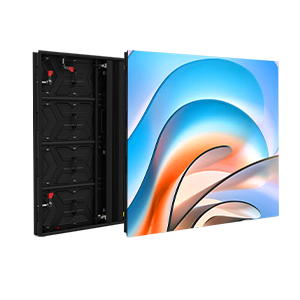

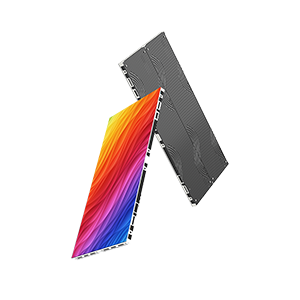

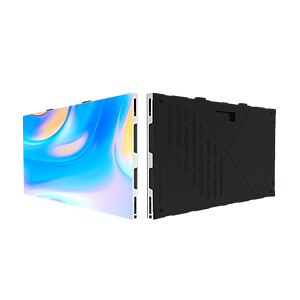
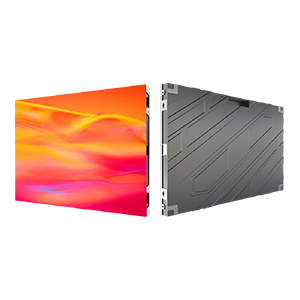













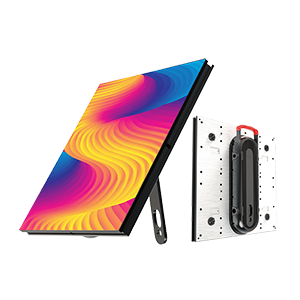
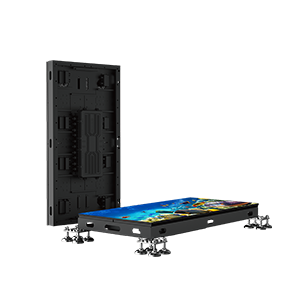

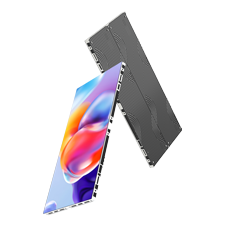

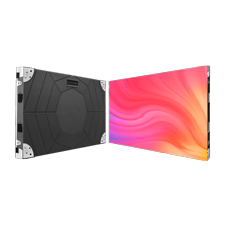
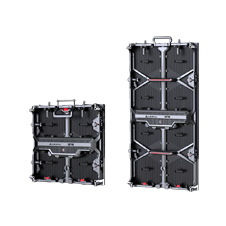

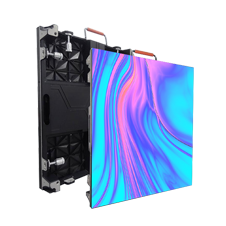
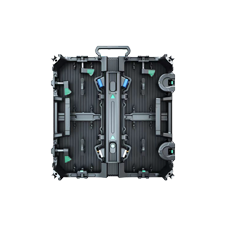
































Modern spaces are no longer designed only to look good. They are designed to create experiences.
From luxury retail stores and hotel lobbies to corporate showrooms, museums and entertainment venues, businesses are looking for new ways to combine architecture, digital content and visual storytelling. This is creating growing demand for creative LED display solutions that go beyond traditional rectangular screens.
Instead of treating an LED display as a separate piece of equipment, architects, designers, brands and system integrators are increasingly using LED technology as part of the space itself.
A curved wall can become a digital canvas. A glass storefront can display content without completely blocking visibility. An architectural column can become a visual centerpiece. A spherical LED display can create a 360-degree experience.
In this article, we explore 10 creative LED display solutions for modern spaces, their typical applications, and the project requirements they are designed to solve.
Why Are Creative LED Displays Becoming More Popular?
The LED video display market is becoming increasingly competitive, while customers are demanding more differentiated visual experiences. According to Omdia’s 2026 market analysis, traditional applications remain under pressure, but demand continues in areas such as hospitality, cultural venues, higher education and enterprise visualization. Creative formats such as spherical LED displays are also emerging as a notable category. https://www.ledful.com/product-category/creative
This reflects a broader change in the market.
Customers are no longer asking only:
“How large should my LED screen be?”
They are increasingly asking:
“How can the display become part of my space?”
That is where creative LED displays provide an advantage.
10 Creative LED Display Solutions for Modern Spaces
1. Transparent LED Displays
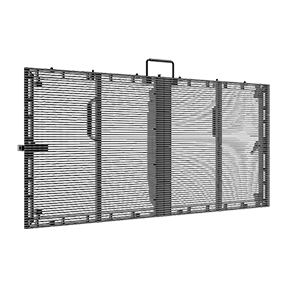
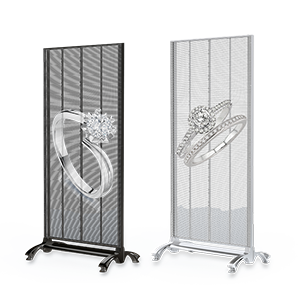
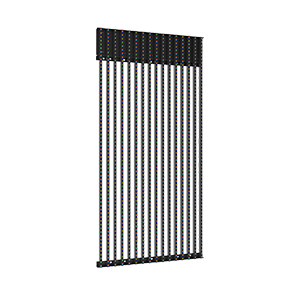
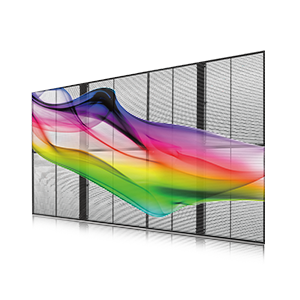
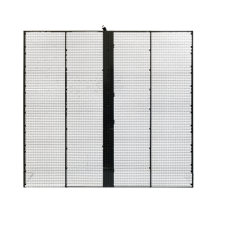
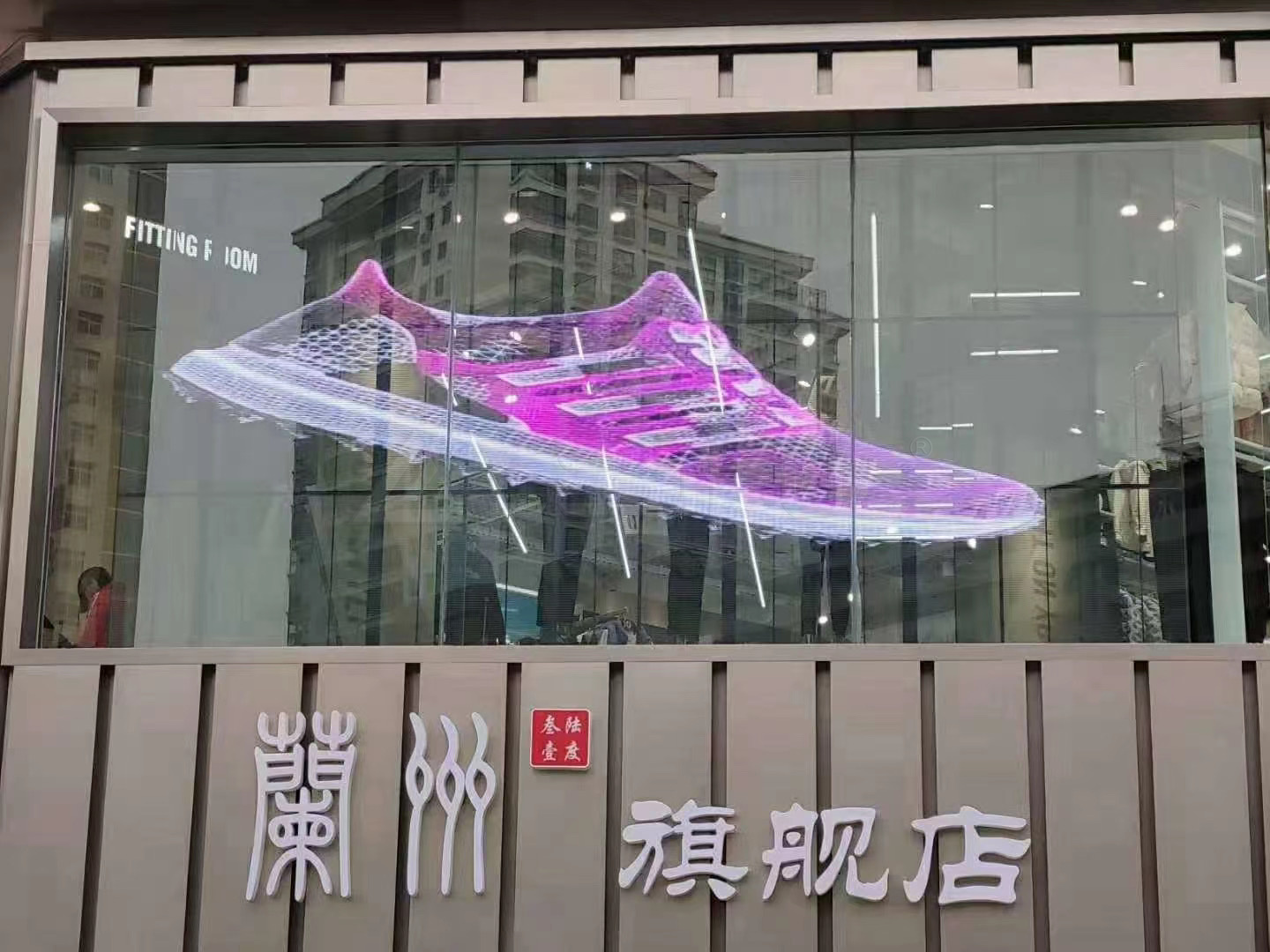
Transparent LED displays are designed for spaces where businesses want digital content without completely blocking the architecture behind the screen.
They are particularly suitable for glass storefronts, shopping malls, luxury retail stores, automotive showrooms, exhibition spaces and building facades.
The key advantage is the combination of digital visibility and architectural openness. Instead of replacing a glass surface with an opaque video wall, a transparent LED display allows businesses to maintain visibility and natural light while adding dynamic content.
Transparent displays are especially relevant to experiential retail, where brands need to attract attention while preserving the visual connection between customers and products.
LEDFUL transparent LED solutions are designed for retail windows, glass walls, showrooms, exhibition spaces and architectural applications.
Best for: Retail stores, shopping malls, showrooms, glass facades and exhibitions.
2. Curved LED Displays
Not every modern architectural surface is flat.
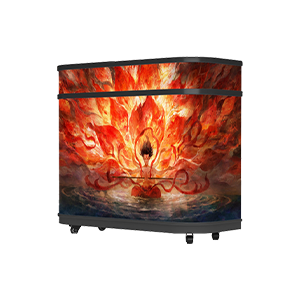
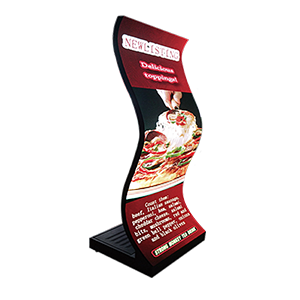
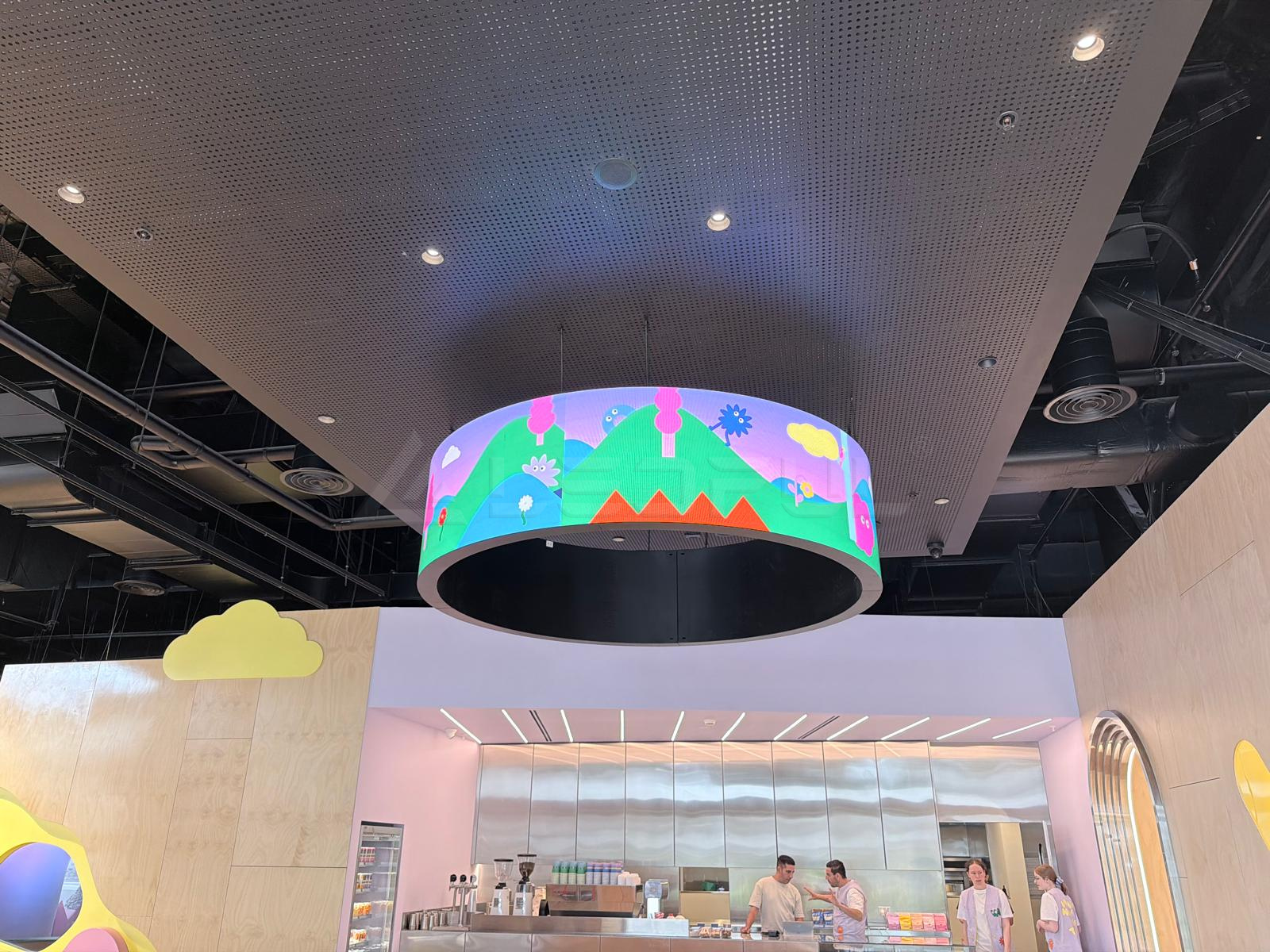
Curved LED displays allow digital content to follow the shape of walls, reception areas, stages, columns and other architectural structures.
A curved display can create a more natural visual flow and eliminate the limitations of conventional flat-screen installations.
For projects with concave or convex surfaces, the display geometry becomes part of the design rather than an obstacle.
Best for: Hotel lobbies, corporate spaces, retail stores, exhibition halls and entertainment venues.
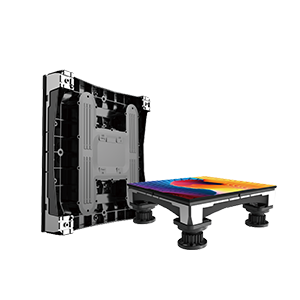
3. Fine-Pitch COB LED Walls
Creative LED does not always mean an unusual shape.
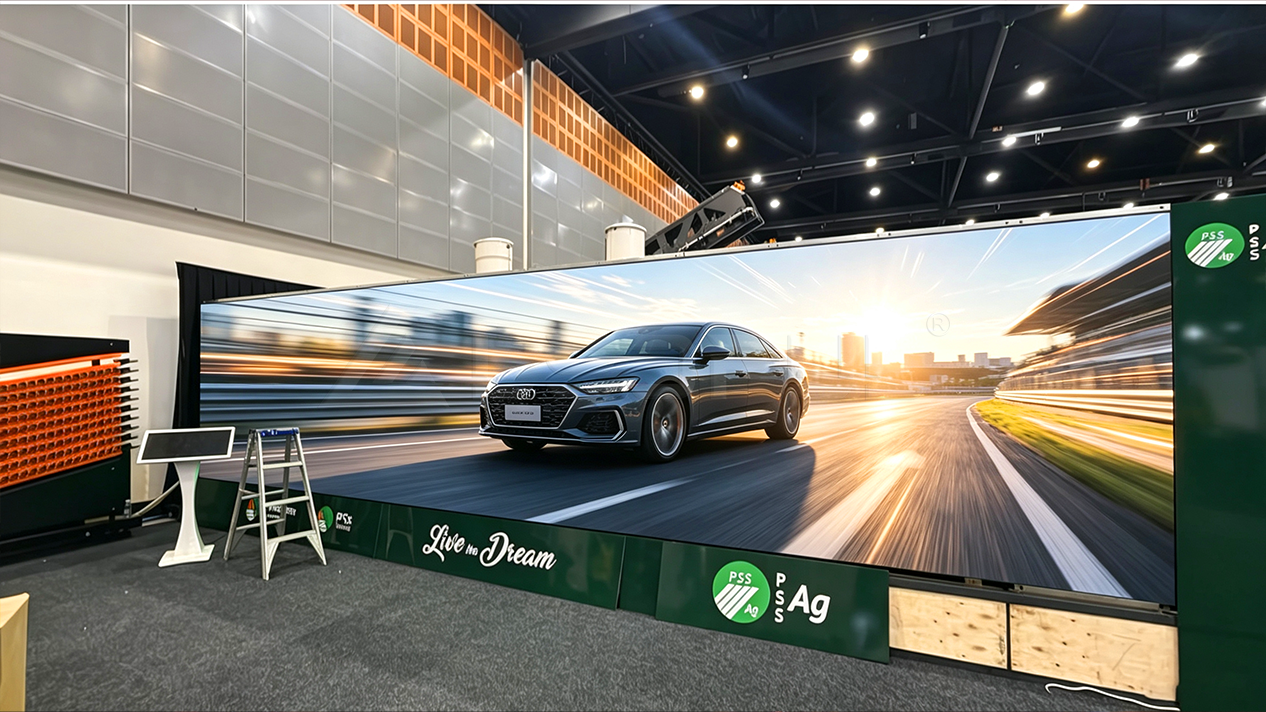
In many premium spaces, the priority is an extremely clean and detailed image from a short viewing distance.
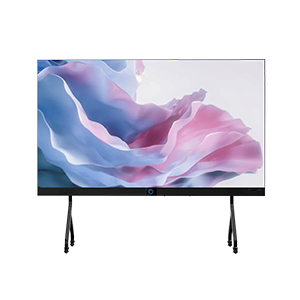
Fine-pitch COB LED walls are therefore well suited to corporate boardrooms, executive meeting rooms, experience centers, showrooms and other high-end indoor environments.
COB technology is gaining attention in high-end applications where image quality and competitive performance are important. Omdia reported continued growth in the sub-1mm segment in 1Q26, with COB supporting applications including hospitality, healthcare, higher education and enterprise visualization.
For these projects, the goal is not simply to create a large screen. It is to create a premium visual environment.
Best for: Corporate spaces, boardrooms, showrooms, experience centers and premium indoor installations.
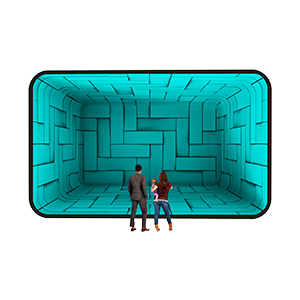
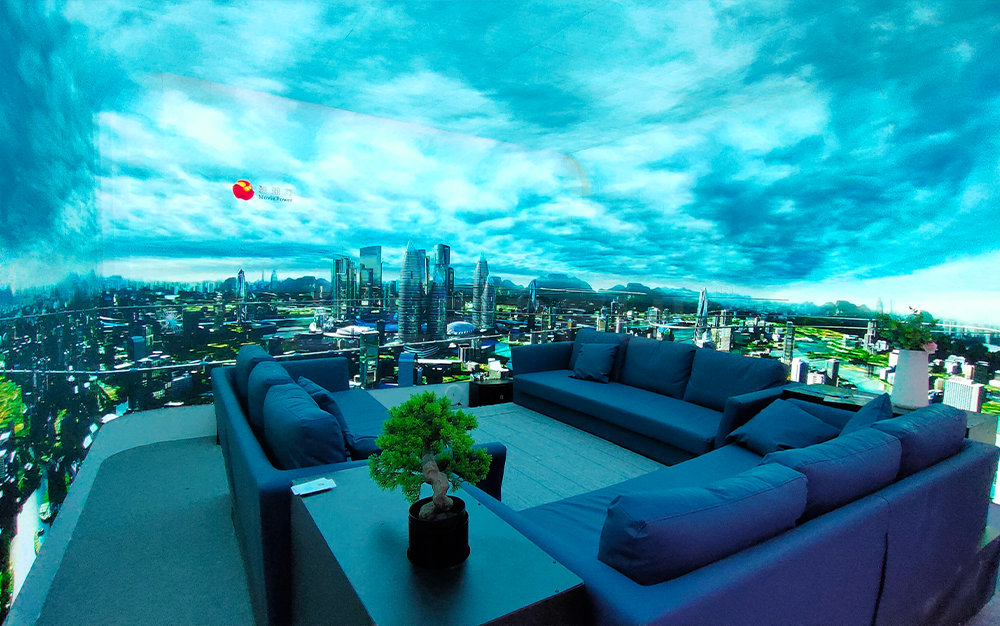
4. Immersive LED Walls
An immersive LED wall turns a display from a communication tool into an environmental experience.
Instead of viewing content on one isolated screen, audiences can be surrounded by synchronized visual content across multiple surfaces.
This approach is increasingly relevant to museums, experience centers, brand centers, exhibitions, entertainment venues and digital installations.
Immersive LED environments can combine multiple walls, floors, ceilings or custom-shaped displays to create a continuous visual experience.
The objective is simple:
Make the audience feel inside the content rather than simply looking at it.
Best for: Museums, experience centers, exhibitions, entertainment venues and brand experience spaces.
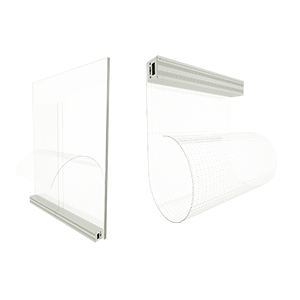
5. Flexible LED Displays
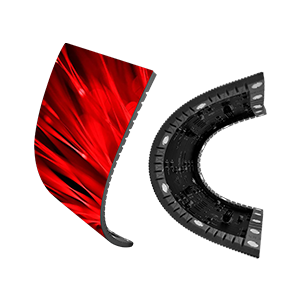
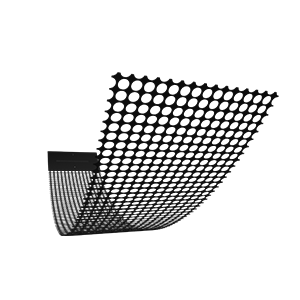
Flexible LED displays are designed for architectural surfaces that cannot be effectively covered with conventional flat LED cabinets.
Flexible modules can be used to create curved walls, cylindrical structures, artistic installations and other non-linear designs.
This makes flexible LED technology particularly useful when the architecture itself is an important part of the project.
For example, a curved LED wall can follow the geometry of a reception area instead of forcing the architecture to accommodate a rectangular screen.
LEDFUL’s flexible LED solutions are designed for curved and irregular surfaces, with applications ranging from commercial environments to specialized visualization projects.
Best for: Curved walls, columns, retail interiors, exhibitions and architectural installations.
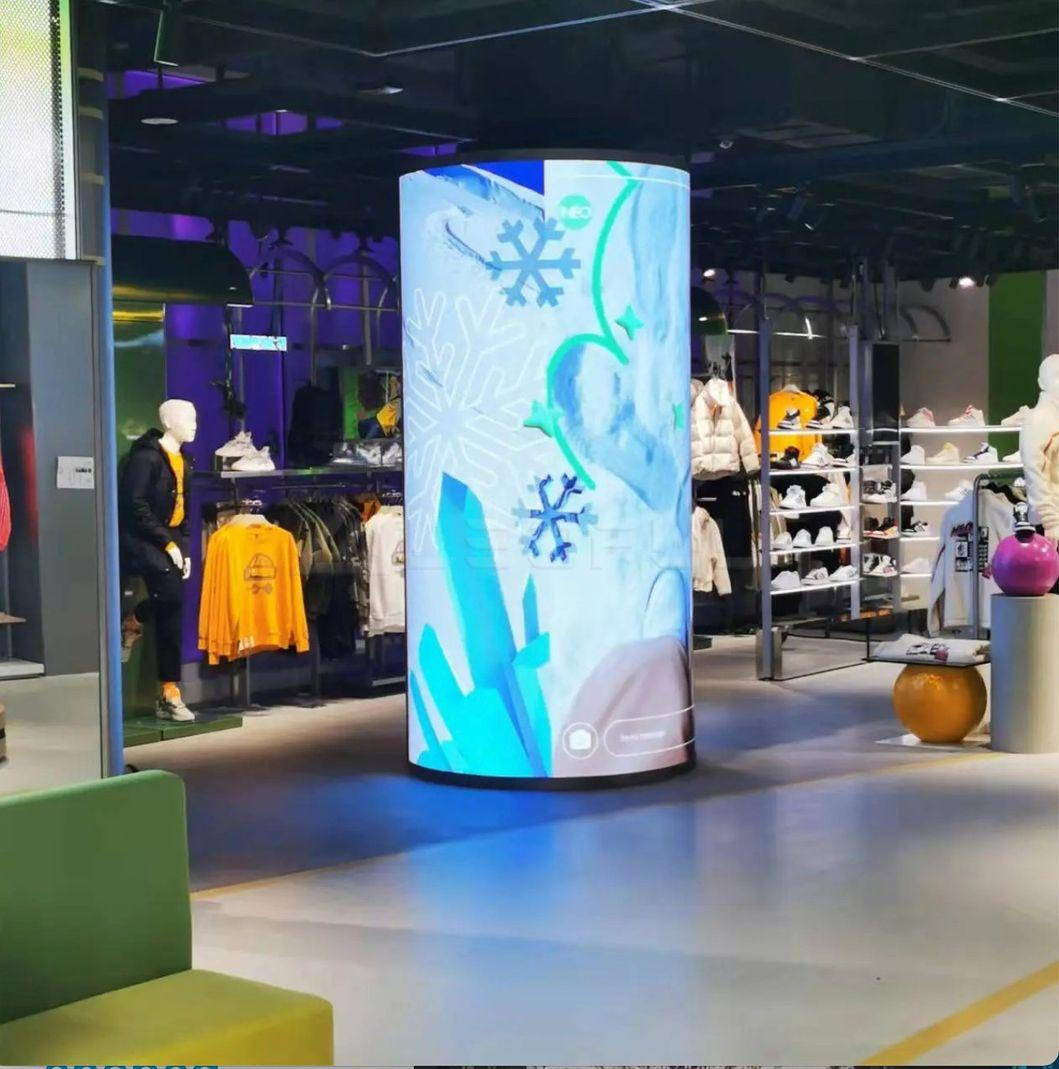
6. LED Column Displays
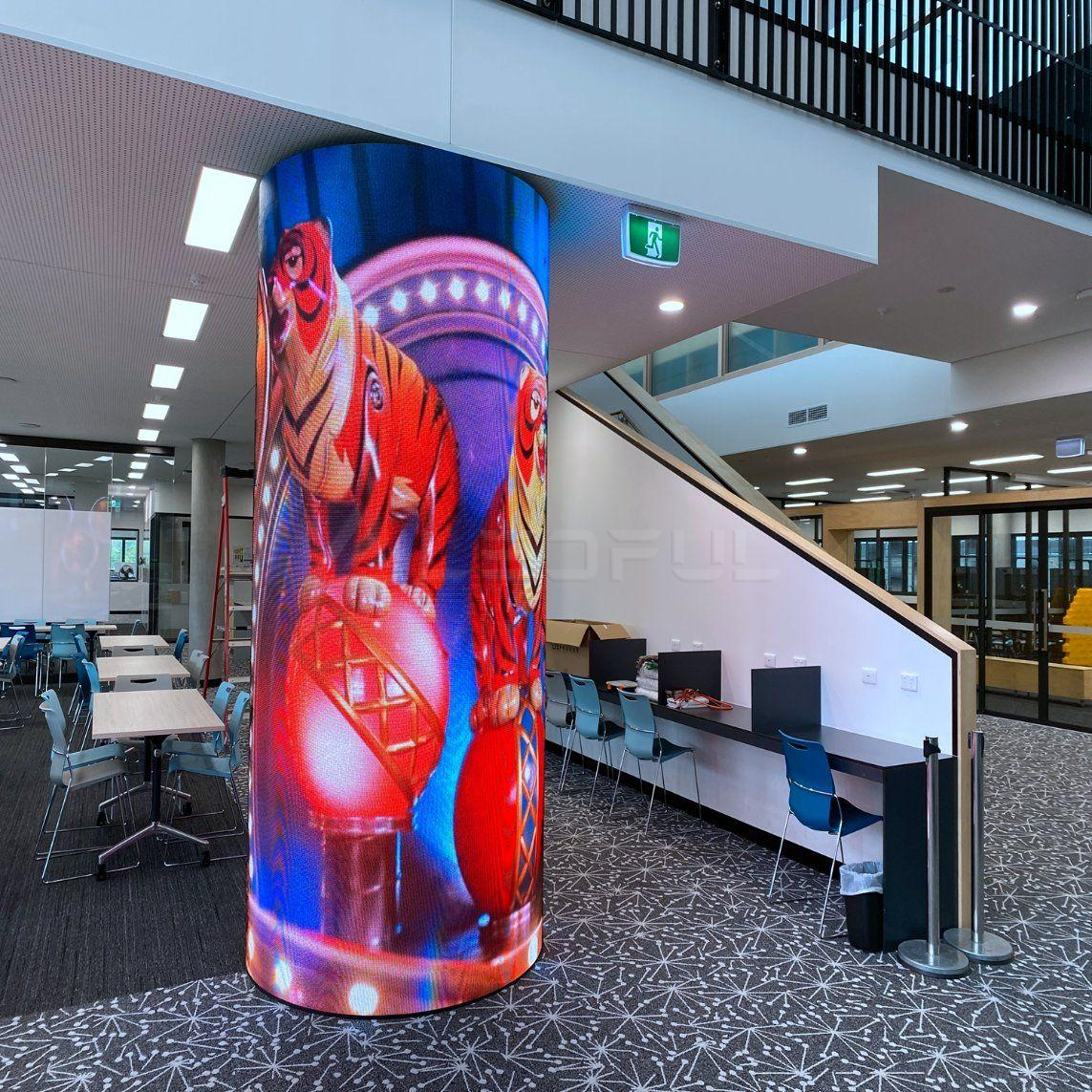
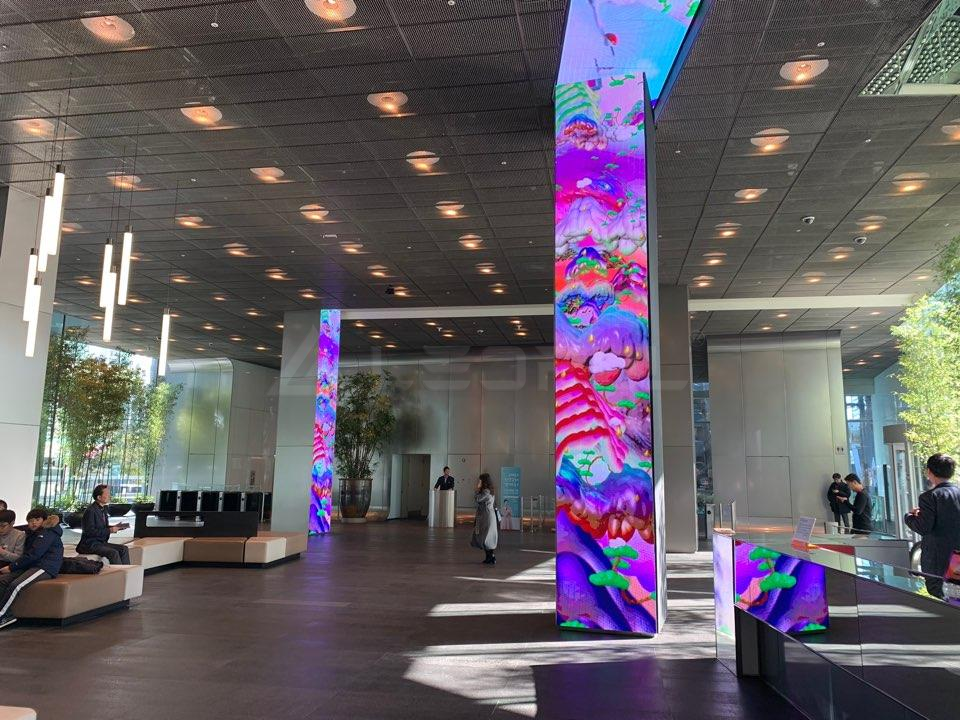
Columns are common architectural elements in hotels, shopping malls, restaurants, retail stores and corporate buildings.
However, traditional columns are usually passive structures.
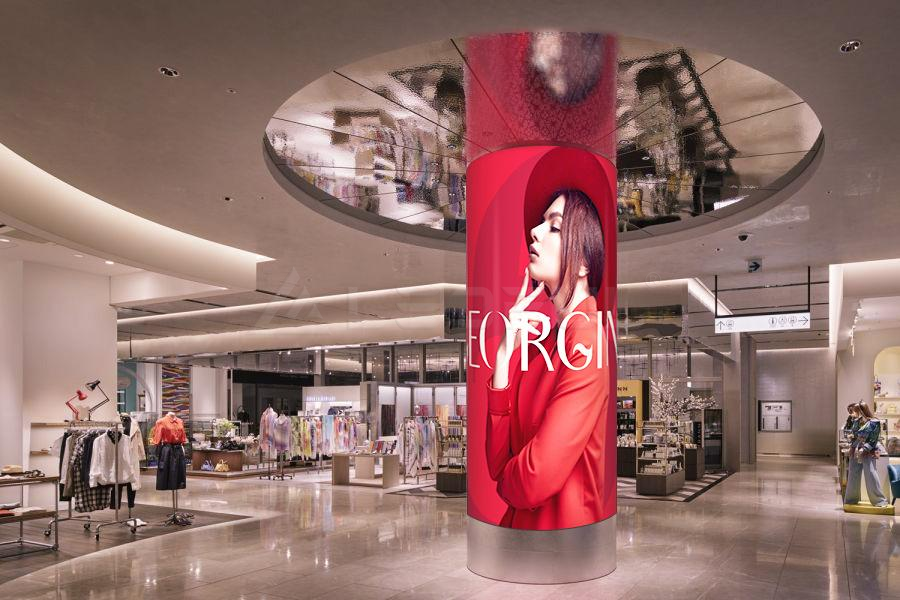
With a flexible LED display, a column can become an active digital communication surface.
Instead of installing a conventional rectangular screen next to a column, the display can wrap around the structure and create a much stronger visual connection with the surrounding environment.
This makes LED column displays particularly attractive for modern interior design projects.
Best for: Hotels, shopping malls, retail stores, restaurants, bars and corporate lobbies.
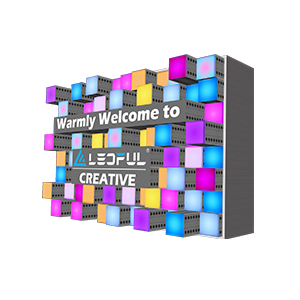
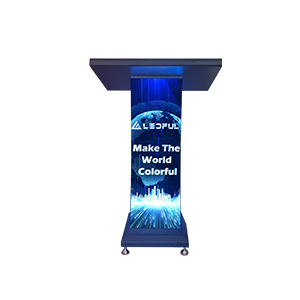
7. Custom Shape LED Displays
Why does every LED screen have to be rectangular?
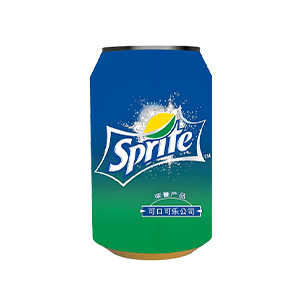
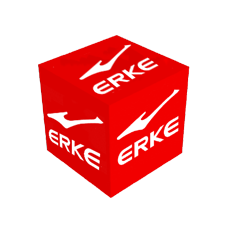
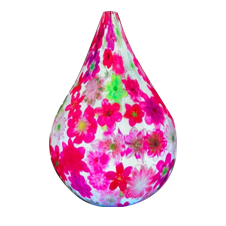
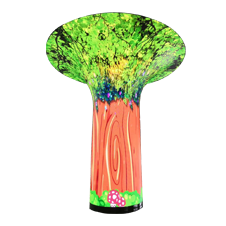
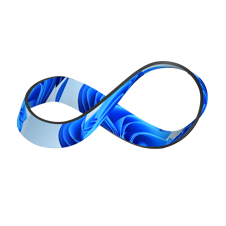
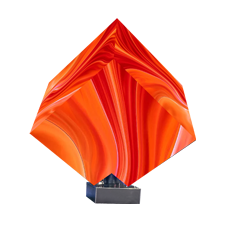
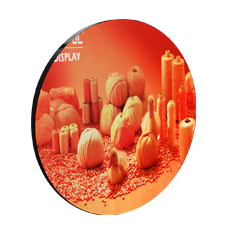
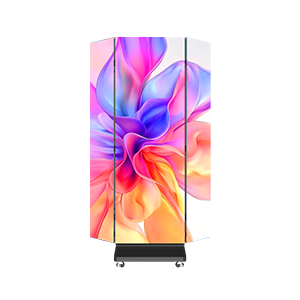
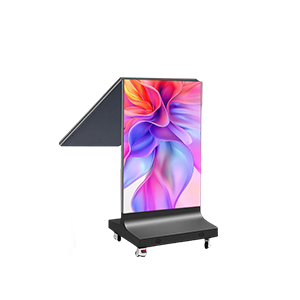
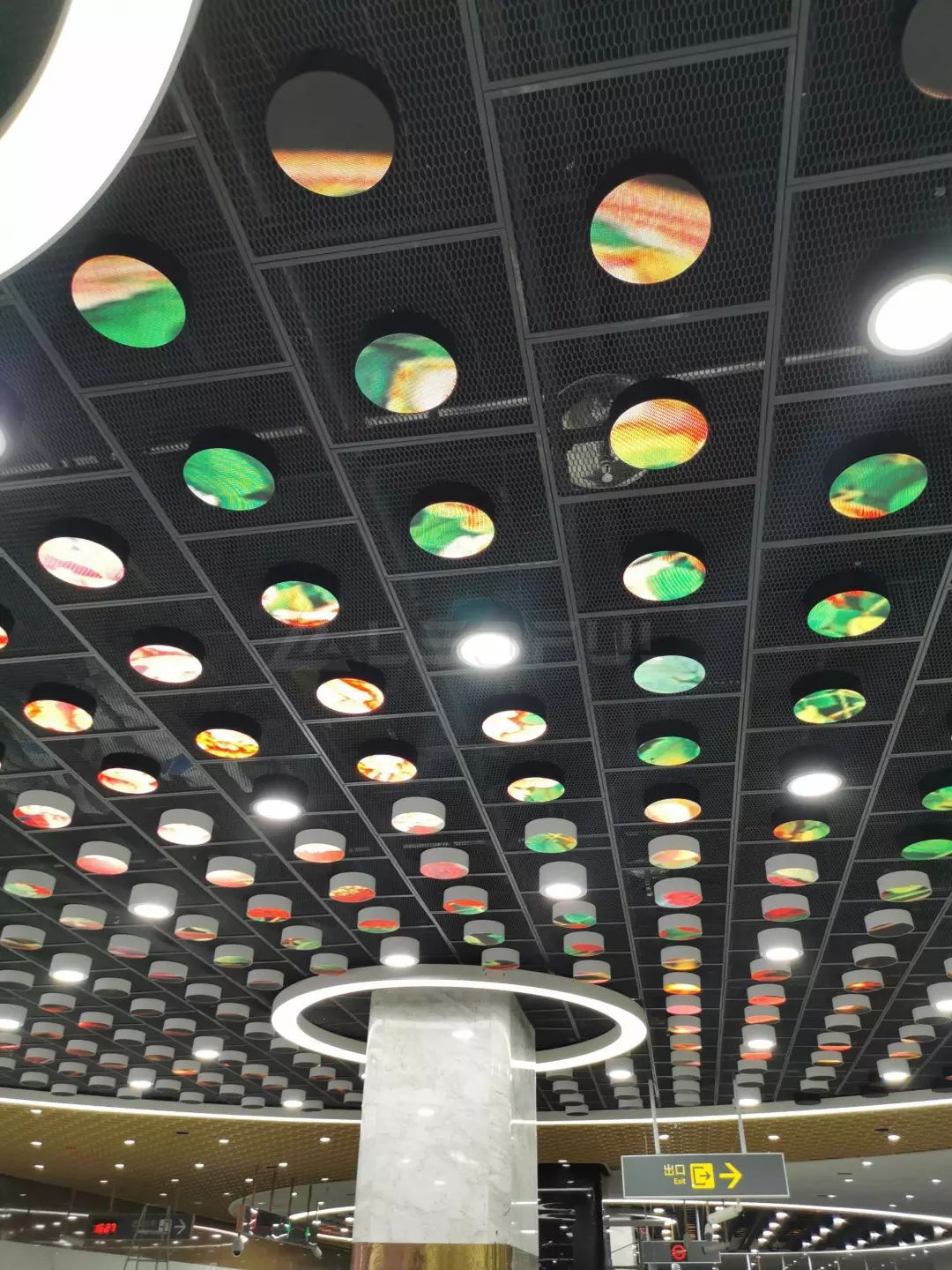
Custom shape LED displays allow brands and designers to create screens in circles, cubes, waves, logos, polygons and other customized forms.
The purpose is not simply to make the screen look unusual. The shape can reinforce the identity of a brand, complement the architecture or create a visual landmark.
LEDFUL’s creative LED portfolio includes multiple custom formats, including cube, circle, face-shaped, flexible, immersive and other customized designs.
Custom shape LED displays are particularly valuable when a project needs to stand out from conventional digital signage.
Best for: Brand stores, exhibitions, shopping malls, museums, entertainment venues and custom installations.
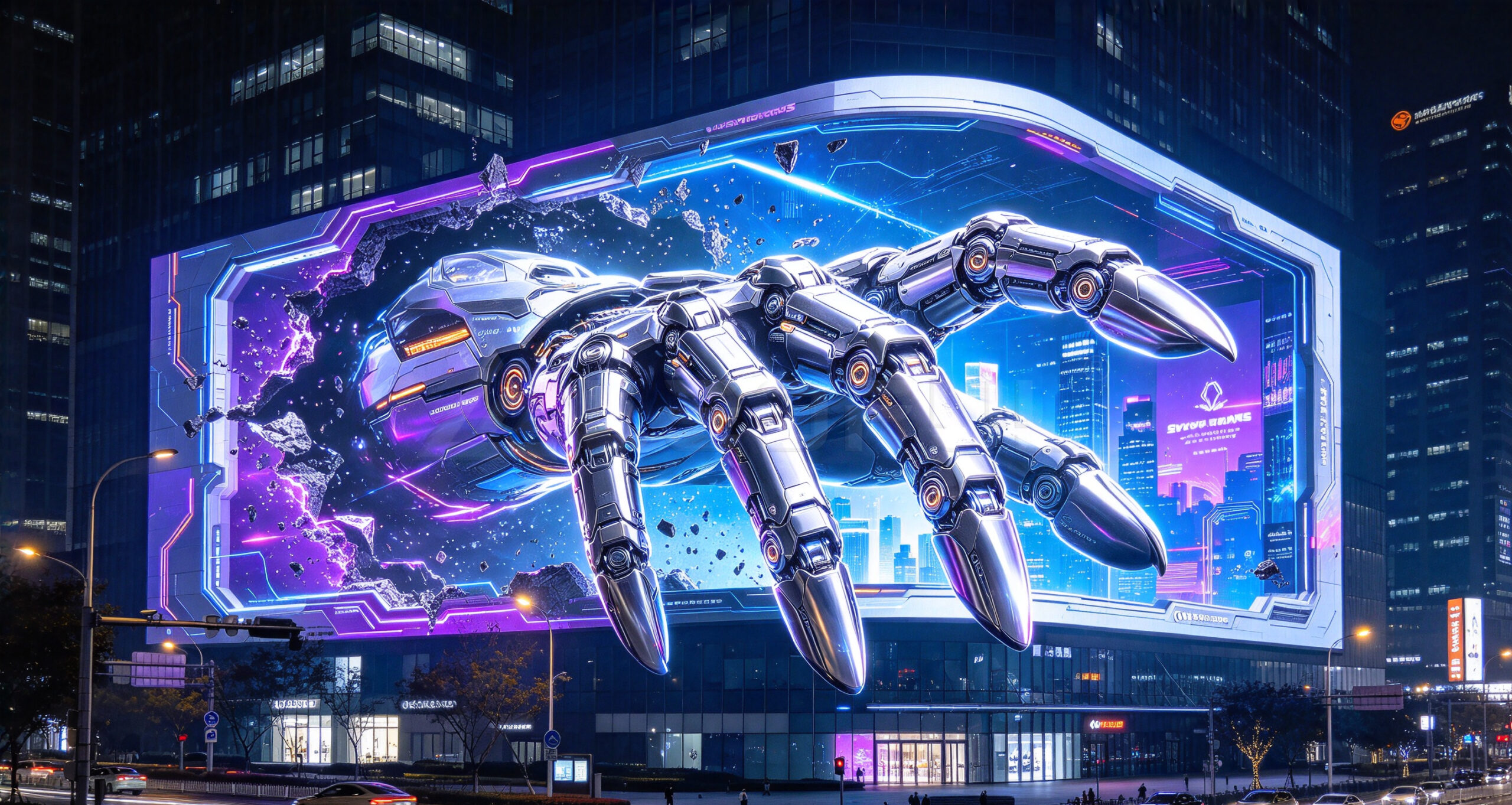
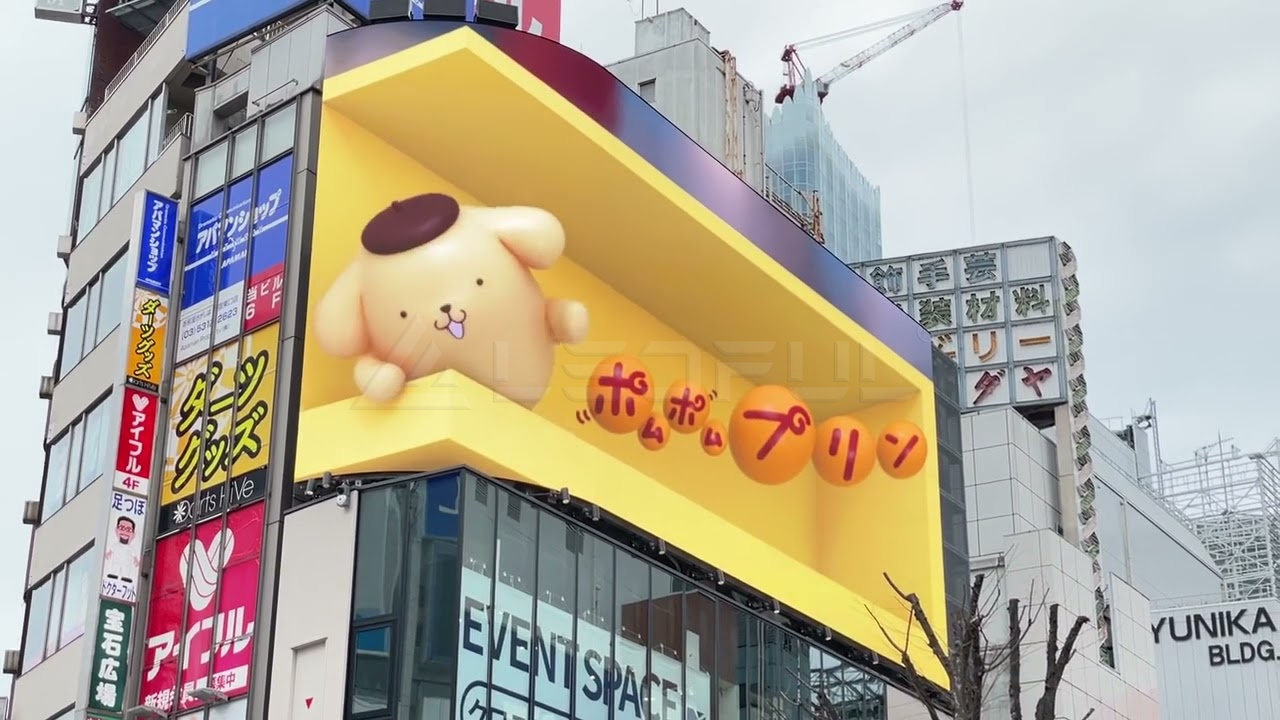
8. 3D LED Displays
3D LED displays are designed to create visual content that appears to extend beyond the conventional screen surface.
They are especially effective when the objective is to attract attention and create a memorable visual experience.
For brands, the value of 3D content is not simply the technology itself. It is the ability to create a stronger visual hook and encourage people to stop, watch and interact with the content.
This makes 3D LED displays suitable for high-traffic commercial and entertainment environments.
Best for: Shopping malls, retail environments, entertainment venues, brand campaigns and public spaces.
9. Spherical LED Displays
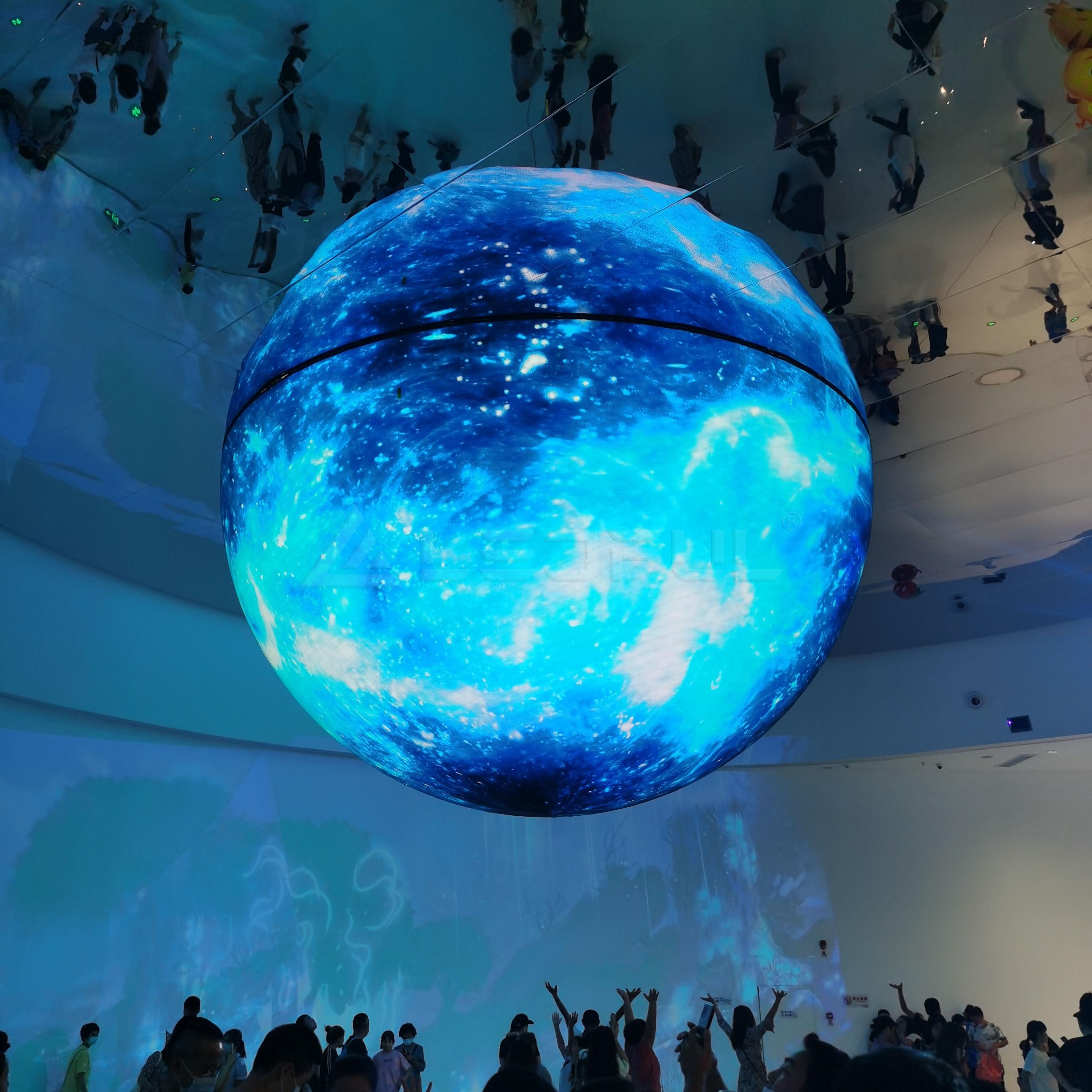
Spherical LED displays take creative LED technology one step further by creating a visual surface that can be viewed from multiple directions.
The result is a 360-degree visual experience that can become a landmark within a space.
Omdia identified spherical LED displays as an emerging standout category within creative displays in 2026, driven by the demand for immersive 360-degree visual experiences.
LEDFUL also currently offers spherical LED solutions designed for high-impact visual installations.
Potential applications include museums, science centers, exhibitions, entertainment venues, brand experience centers and large public spaces.
Best for: Museums, exhibitions, entertainment, science centers and immersive brand environments.
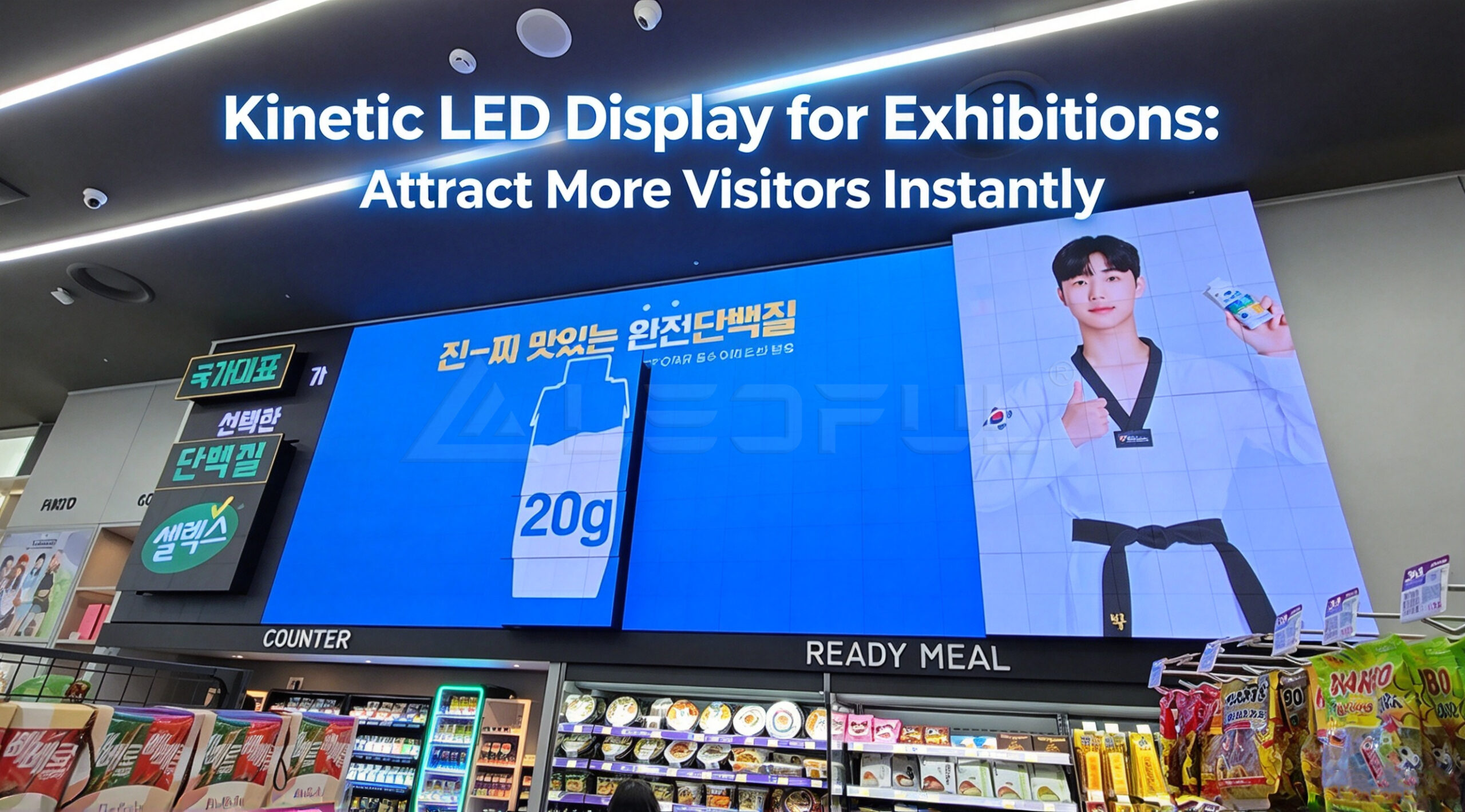
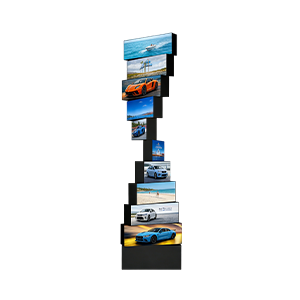
10. Kinetic LED Displays
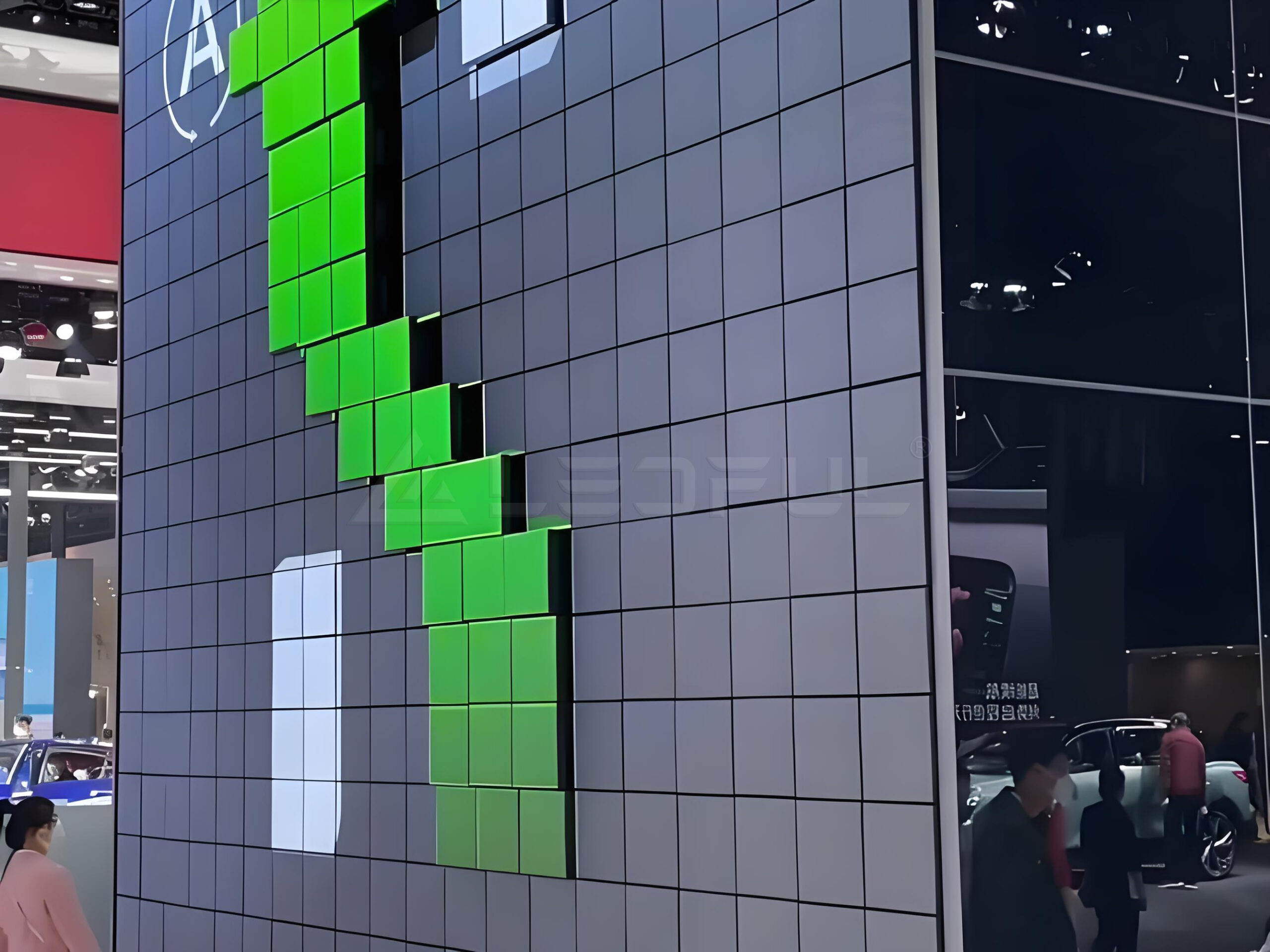
Kinetic LED displays combine digital content with movement.
Unlike conventional fixed LED screens, kinetic installations can introduce motion as part of the visual experience.
This makes them particularly suitable for projects where the display itself needs to become an architectural feature.
Kinetic LED can be used in premium retail, entertainment, hotels, exhibitions, stages and brand experience environments.
The combination of movement, light and content can create a strong sense of depth and interaction.
Best for: Luxury retail, entertainment venues, hotels, exhibitions and experiential installations.
How to Choose the Right Creative LED Display
Choosing a creative LED display should start with the project requirements rather than the product shape.
Consider these five factors:
1. Architecture
Is the installation surface flat, curved, transparent, cylindrical or irregular?
The architecture determines whether you need a standard, curved, flexible or transparent LED solution.
2. Viewing Distance
Viewing distance directly affects pixel pitch.
Close-viewing environments generally require finer pixel pitches, while large installations viewed from farther away may prioritize brightness, size and structural efficiency.
3. Lighting Conditions
Indoor and outdoor environments require different brightness levels.
For glass storefronts and spaces exposed to strong daylight, brightness and visibility become especially important.
4. Content
Consider what the screen will display.
Brand advertising, corporate presentations, immersive content, real-time data and 3D visuals may require different display specifications.
5. Installation and Maintenance
A creative LED project should not be evaluated only by its appearance.
Installation structure, accessibility, front or rear maintenance, weight, power consumption and long-term serviceability can significantly affect the total project cost.
A professional LED manufacturer should therefore be involved early in the design process.
Frequently Asked Questions About Creative LED Displays
What is a creative LED display?
A creative LED display is an LED screen designed beyond the traditional rectangular format. It may use curved, flexible, transparent, spherical, kinetic or customized shapes to integrate with architecture and create unique visual experiences.
Where are creative LED displays commonly used?
Common applications include retail stores, shopping malls, hotels, museums, exhibitions, corporate lobbies, showrooms, entertainment venues and brand experience centers.
Are creative LED displays more expensive than standard LED screens?
The cost depends on the display type, pixel pitch, size, shape, installation structure and customization requirements. A highly customized curved, spherical or kinetic display generally requires more engineering than a standard flat LED wall.
How do I choose between transparent and traditional LED?
Transparent LED is ideal when maintaining visibility, natural light or architectural openness is important. A traditional LED wall may be more suitable when maximum image density and a fully opaque display surface are the priorities.
Can LED displays be customized to fit a building?
Yes. Flexible LED modules, custom cabinets and creative LED technologies can be engineered for curved, cylindrical, spherical and other non-standard structures.
What information should I provide to an LED manufacturer?
Start with the installation location, screen dimensions, viewing distance, indoor or outdoor environment, desired shape, content requirements and expected installation timeline. Photos, drawings or architectural plans can also help the manufacturer recommend the right solution.
Create a Creative LED Display for Your Space
The future of LED display is not simply about making screens larger.
It is about making them more integrated, more flexible and more relevant to the space around them.
From transparent LED displays that activate glass architecture to flexible LED columns, immersive walls, spherical screens and custom-shaped installations, creative LED technology gives architects, brands and system integrators more freedom to turn ordinary spaces into memorable visual environments.
If you are planning a retail, hospitality, showroom, museum, exhibition or corporate project, the right LED solution should be selected according to your architecture, viewing distance, content and installation requirements.
Looking for a custom LED display solution for your project?
Talk to LEDFUL about your project requirements and explore the right creative LED technology for your space.